
ISSN 1004-5759 CN 62-1105/S
Acta Prataculturae Sinica ›› 2025, Vol. 34 ›› Issue (11): 136-149.DOI: 10.11686/cyxb2024480
Yao FU1,2( ), Zi-xian WANG1,2, Tai-xiang CHEN3, Ling JIN1,2, Xiao-hui MA1,2, Yan WANG1,2()
Received:2024-12-03
Revised:2025-03-03
Online:2025-11-20
Published:2025-10-09
Contact:
Yan WANG
Yao FU, Zi-xian WANG, Tai-xiang CHEN, Ling JIN, Xiao-hui MA, Yan WANG. Identification and green fluorescent protein gene transformation of the causal agent of yellow-core disease of Codonopsis pilosula[J]. Acta Prataculturae Sinica, 2025, 34(11): 136-149.
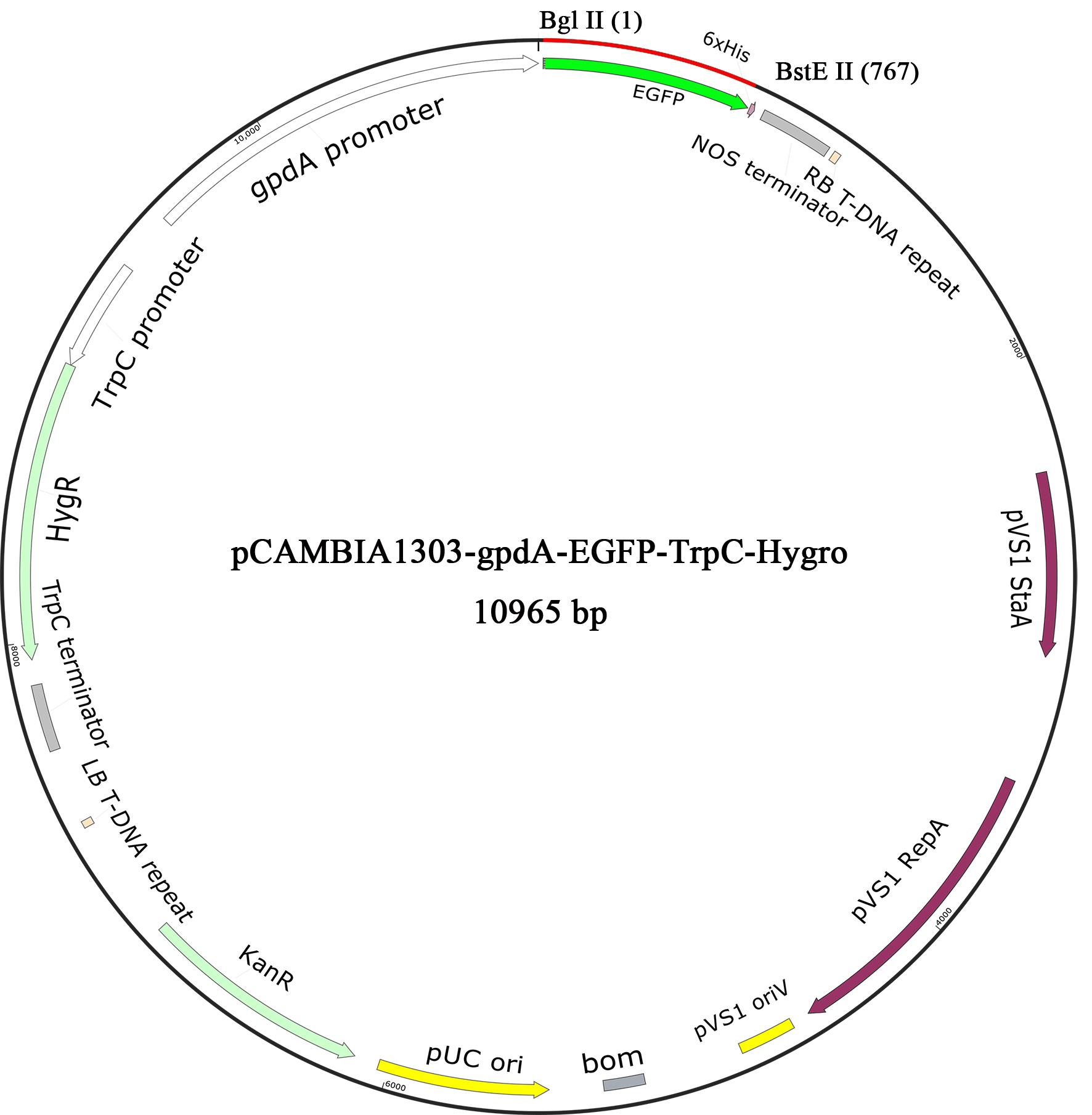
Fig.1 Restriction map of vector pCAMBIA1303-gpdA-EGFP-TrpC-Hygro
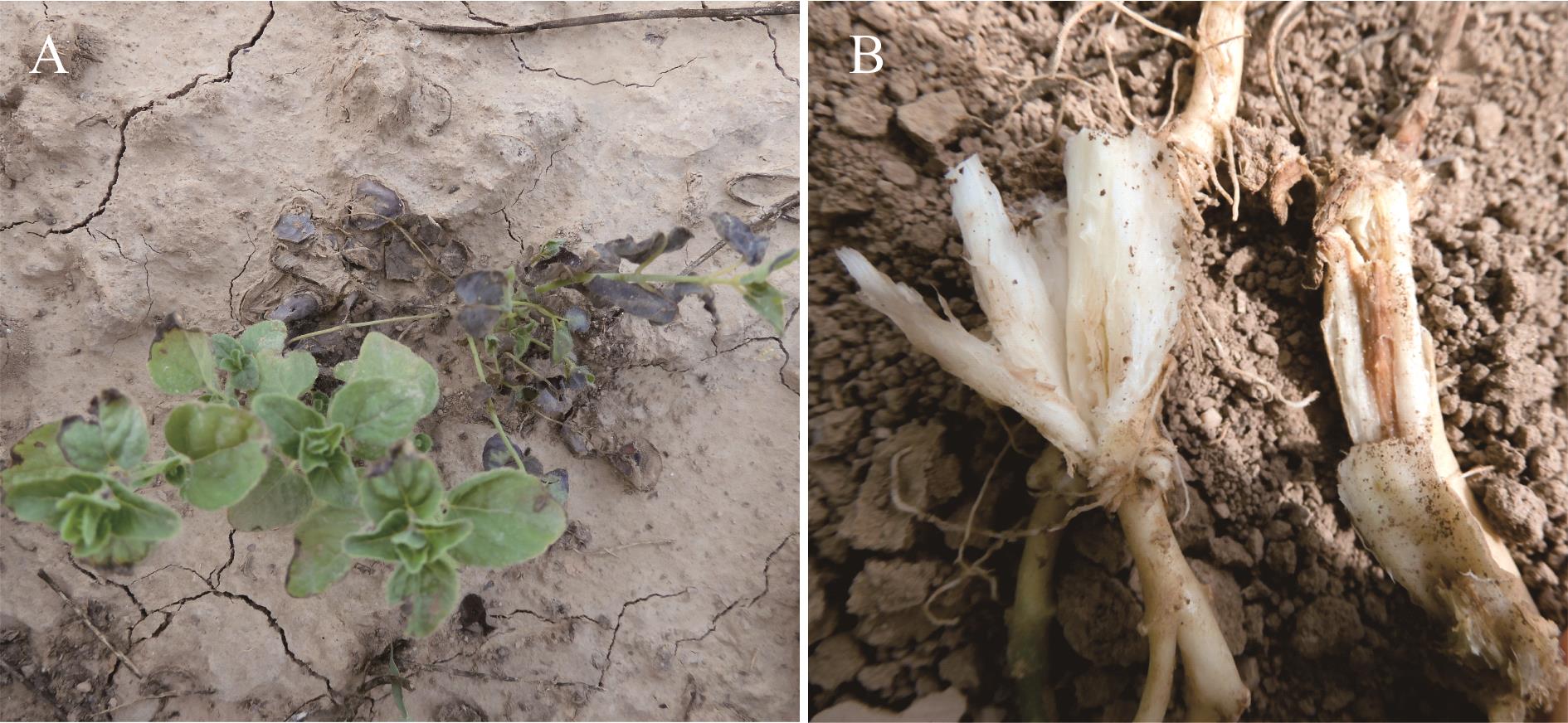
Fig.2 Symptoms of C. pilosula yellow-core disease

Fig.3 Morphology of DSHX2

Fig.4 Phylogenetic tree of F. curvatum var. codonopsidis DSHX2 based on multi-gene combination
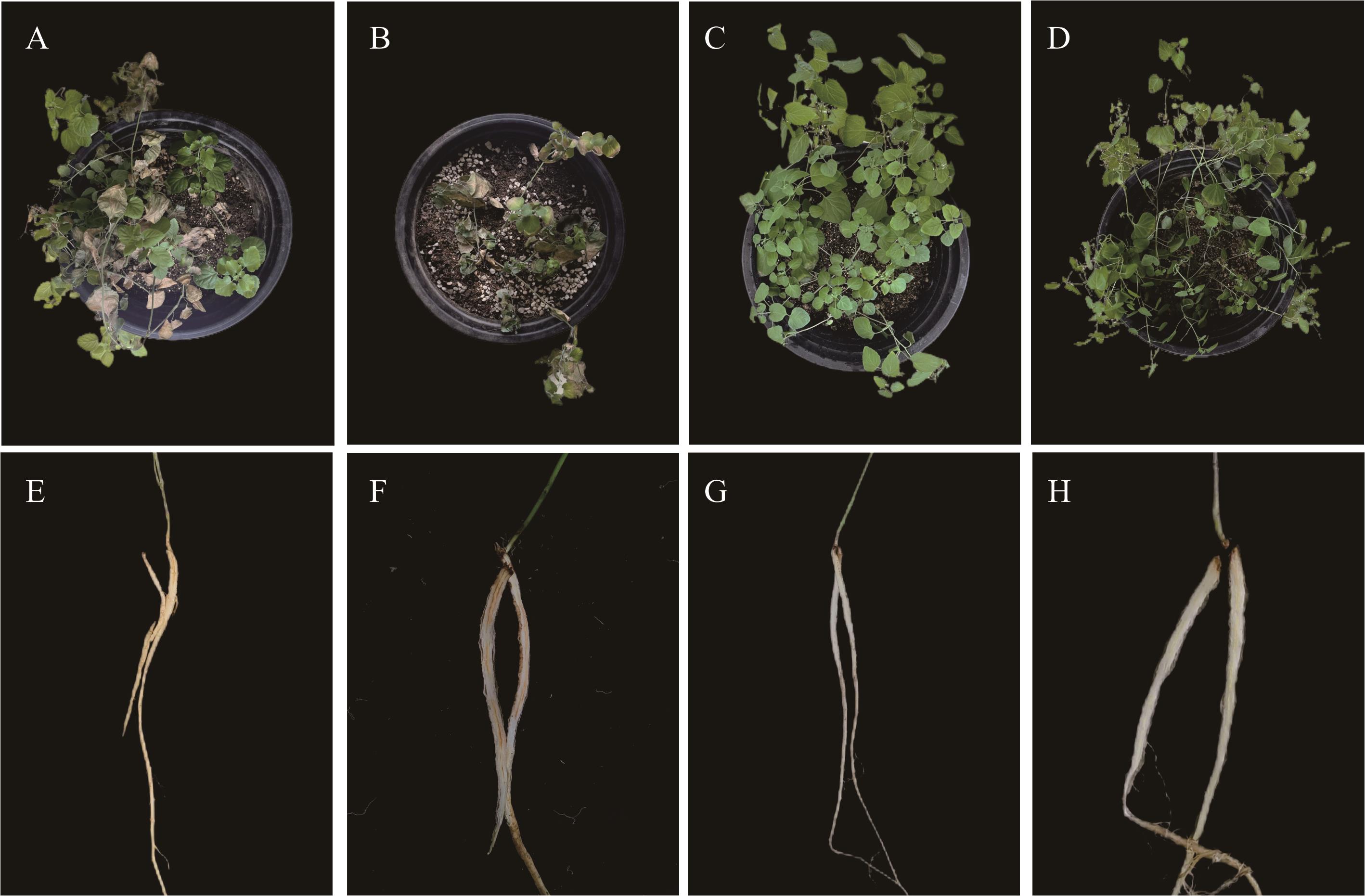
Fig.5 Symptoms in roots of C. pilosula after inoculation with yellow core disease pathogen
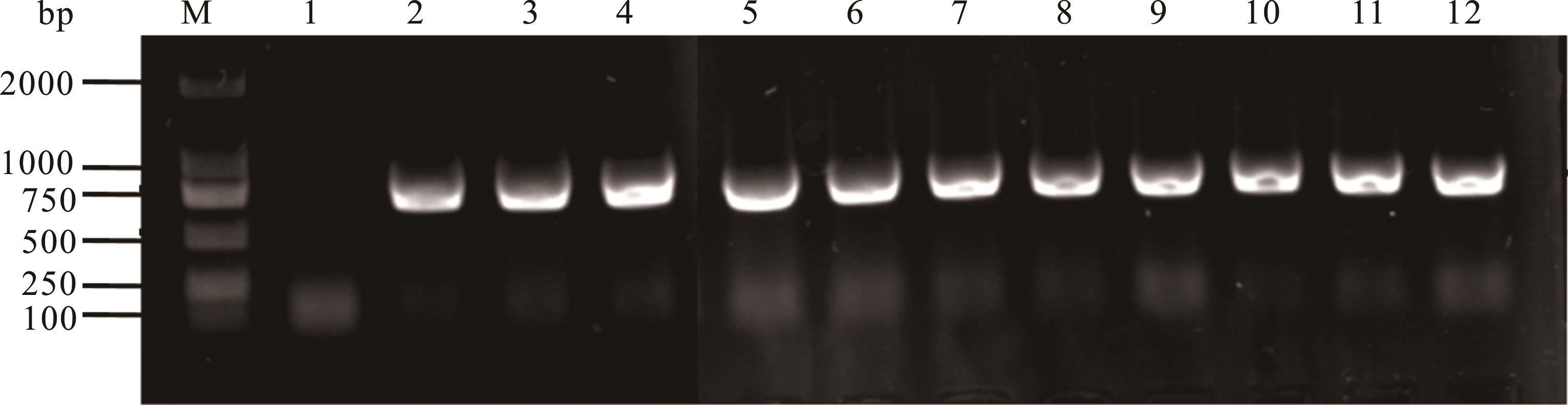
Fig.6 PCR verification results of the positive A. tumefaciens EGFP gene
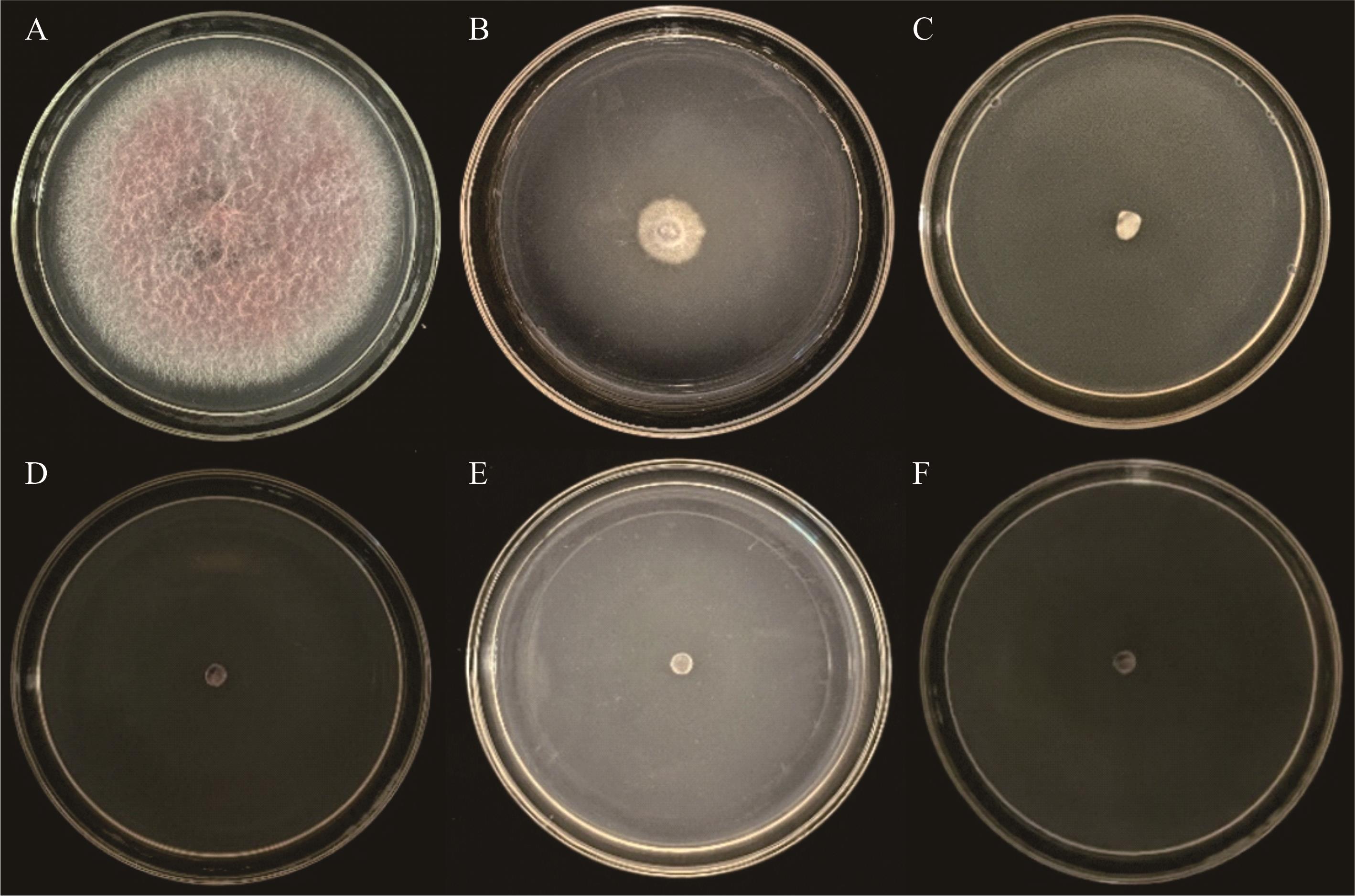
Fig.7 DSHX2 growth rate under different concentrations of hygromycin B
项目 Item | 头孢噻肟钠浓度Mass concentration of cefotaxime sodium | ||||
|---|---|---|---|---|---|
| 0 μg·mL-1 | 25 μg·mL-1 | 50 μg·mL-1 | 100 μg·mL-1 | 150 μg·mL-1 | |
| 农杆菌生长状况The growth state of LBA4404 | ++ | + | - | - | - |
Table 1 Agrobacterium growth rate under different concentrations of cefotaxime sodium
项目 Item | 头孢噻肟钠浓度Mass concentration of cefotaxime sodium | ||||
|---|---|---|---|---|---|
| 0 μg·mL-1 | 25 μg·mL-1 | 50 μg·mL-1 | 100 μg·mL-1 | 150 μg·mL-1 | |
| 农杆菌生长状况The growth state of LBA4404 | ++ | + | - | - | - |
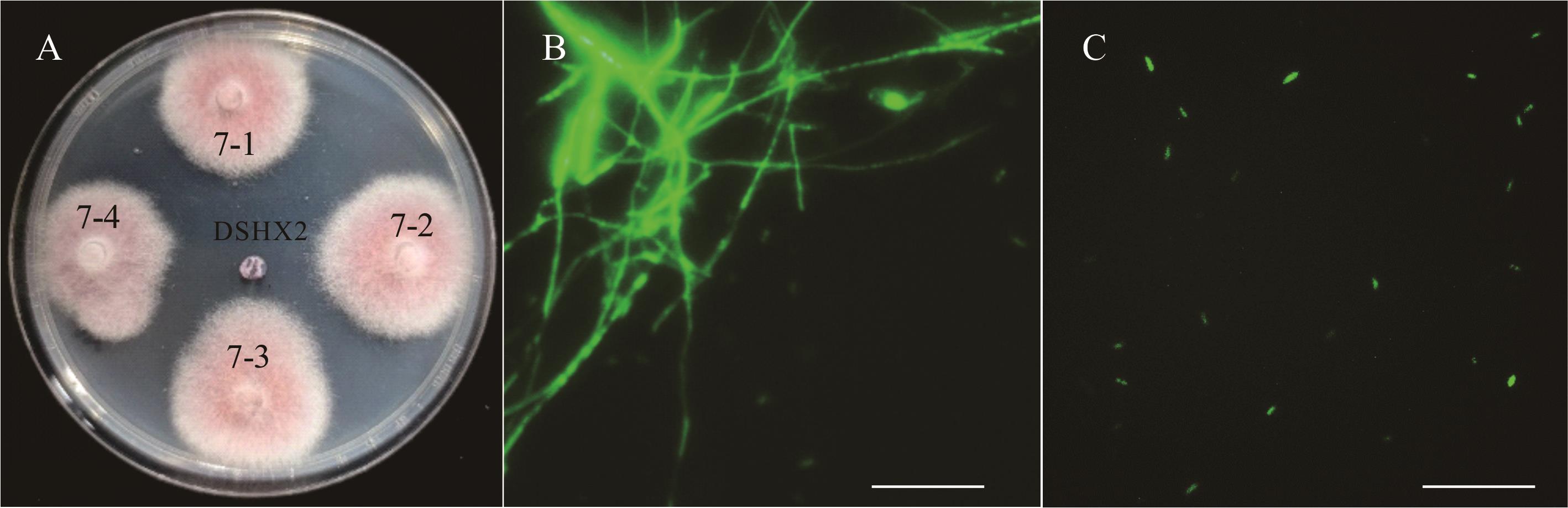
Fig.8 Stability of hygromycin-resistant transformants and enhanced green fluorescent protein expression
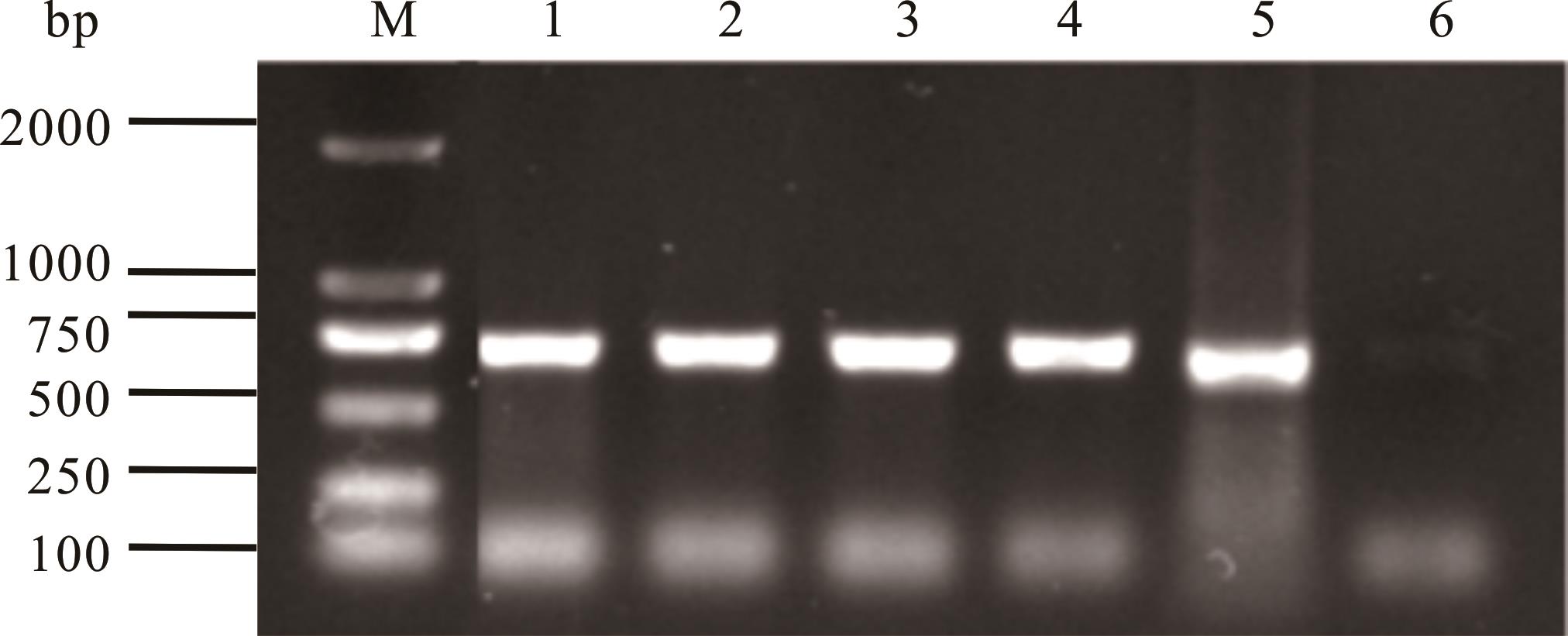
Fig.9 PCR verification of EGFP gene of the transformants
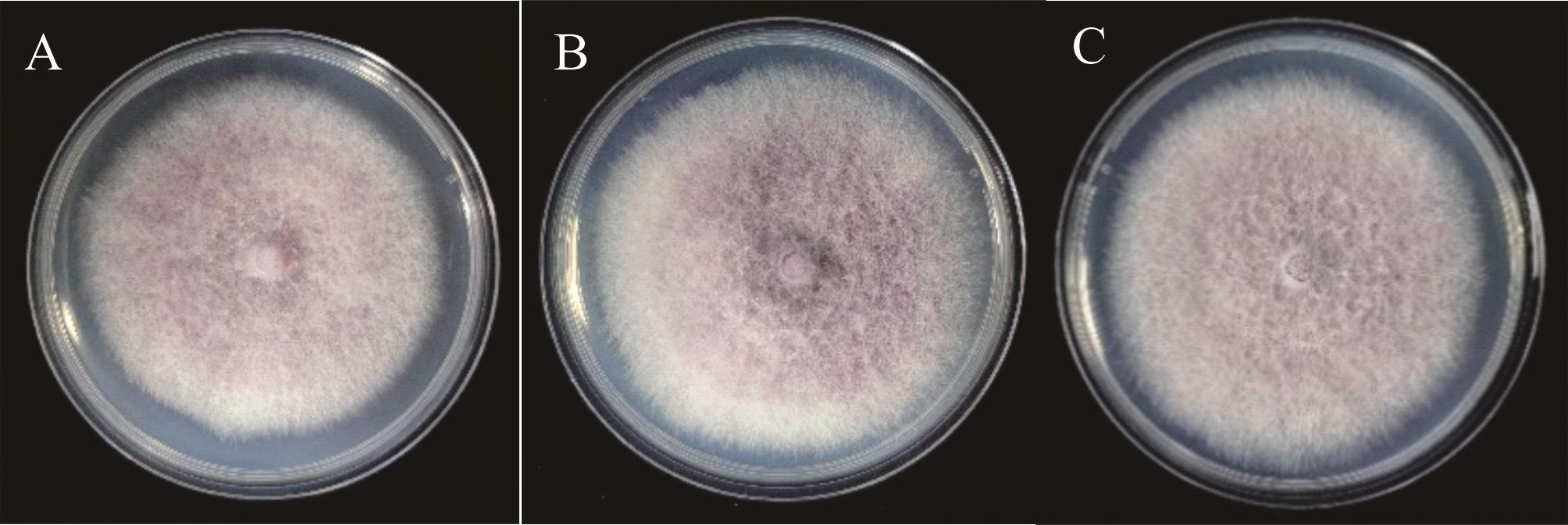
Fig.10 The colony morphology of DSHX2 and positive transformants of F. curvatum var. codonopsidis
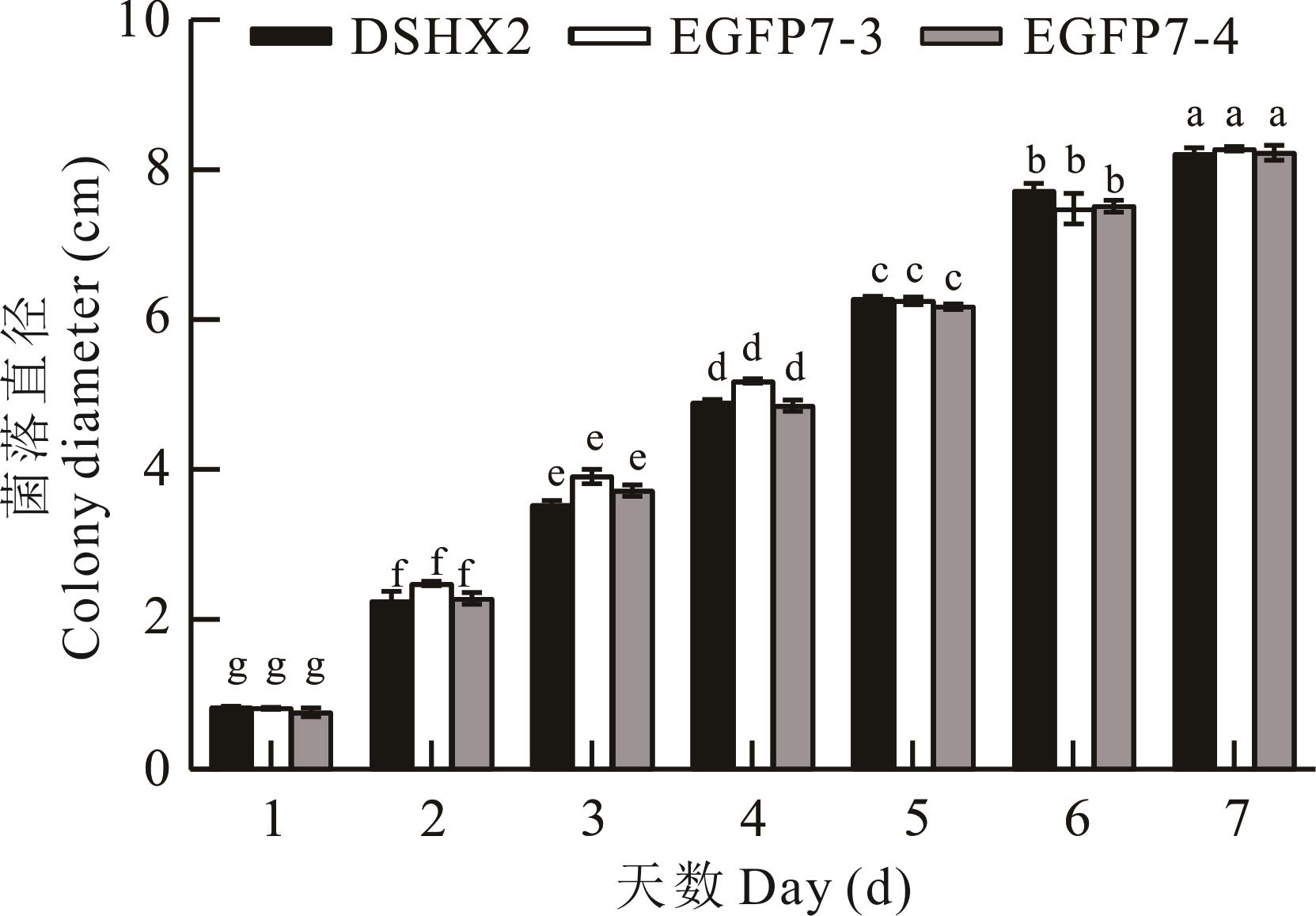
Fig.11 Colony diameter of wild-type and positive transformants on PDA
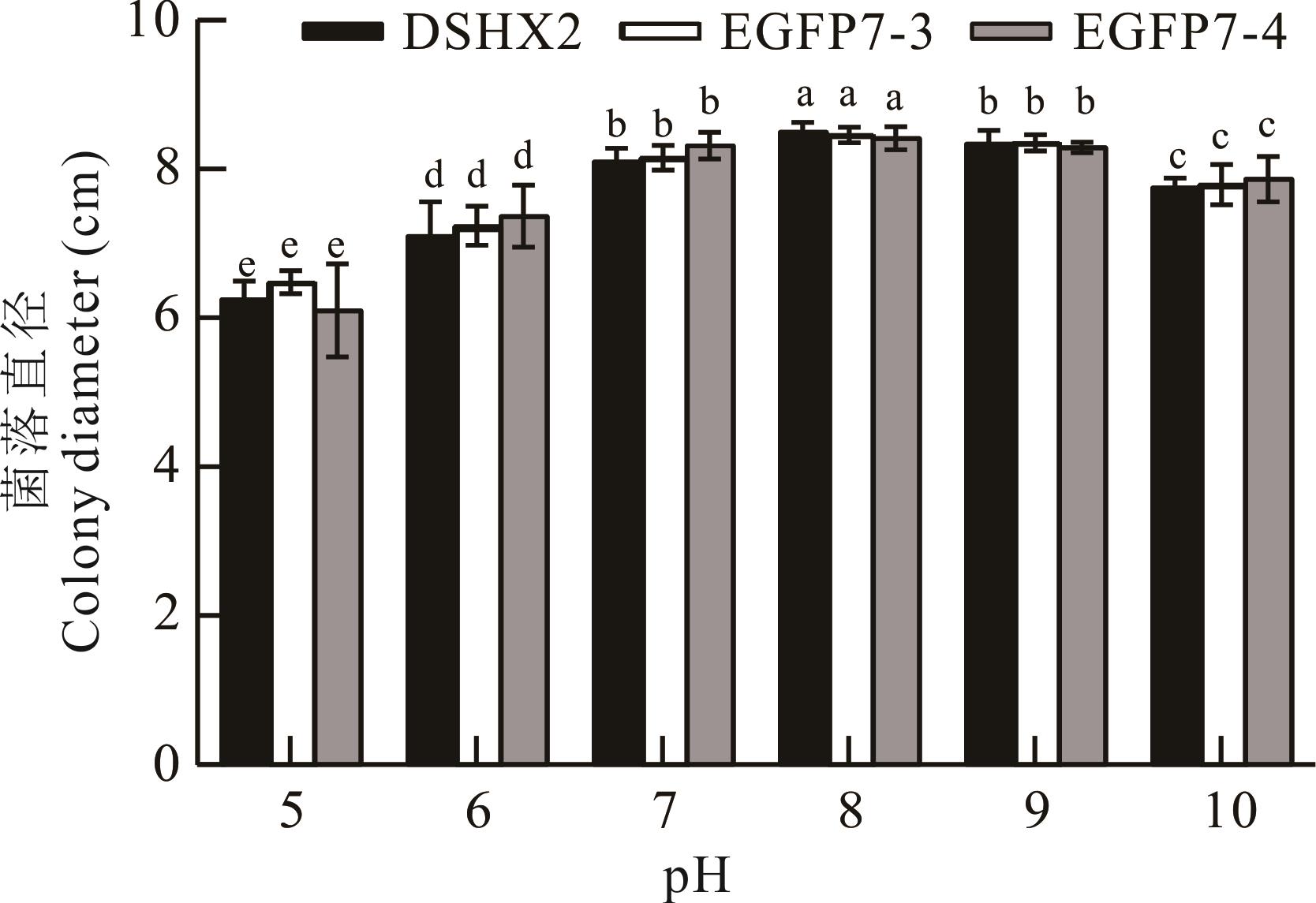
Fig.12 The growth of wild-type and transformants under different pH
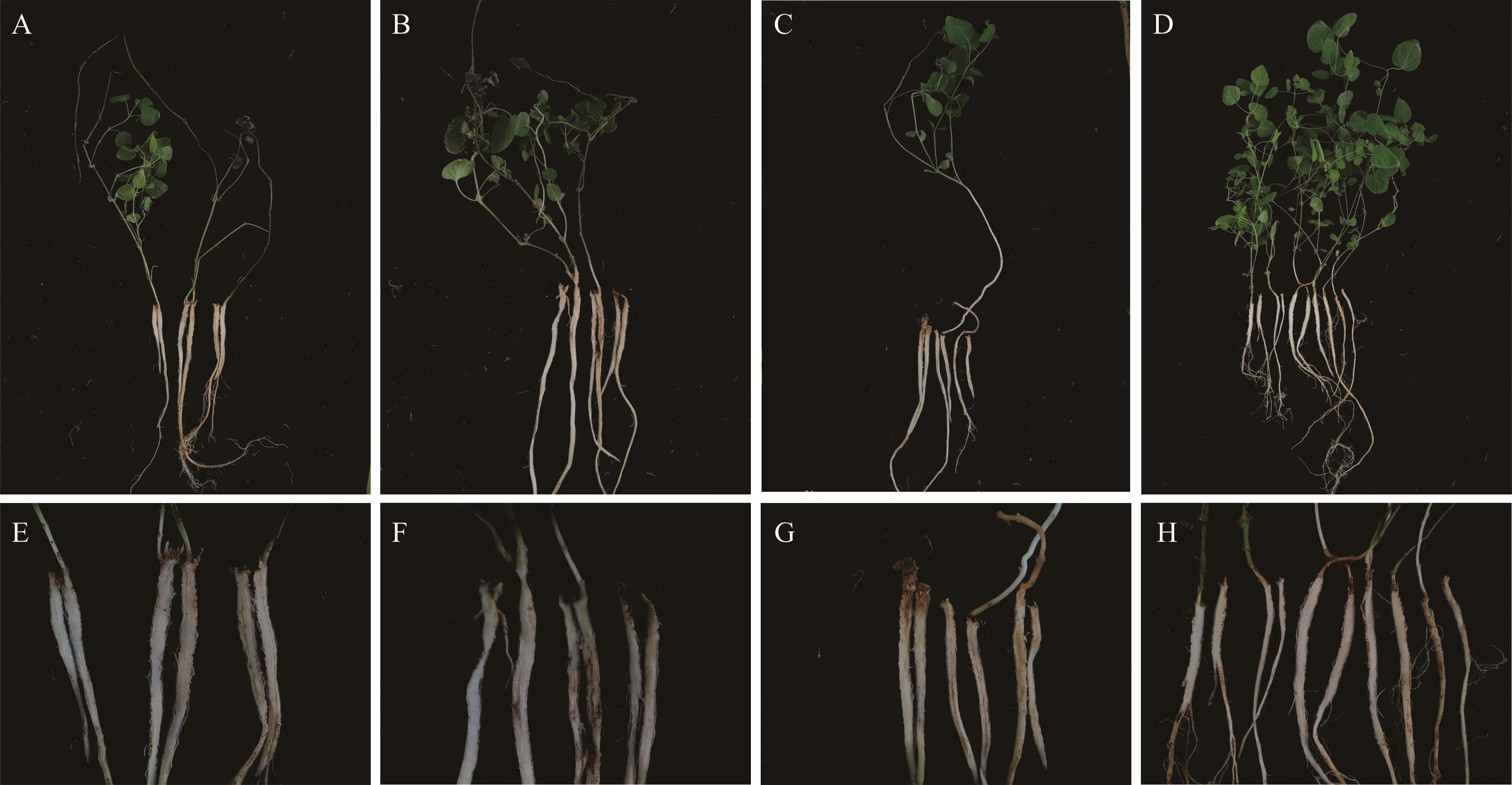
Fig.13 Pathogenicity test of transformants EGFP7-3,EGFP7-4 and DSHX2
| [1] | State Pharmacopoeia Commission. People’s Republic of China Pharmacopoeia (one). Beijing: China Medical Science and Technology Press, 2020: 342. |
| 国家药典委员会. 中国药典(一部). 北京: 中国医药科技出版社, 2020: 342. | |
| [2] | Li F, Yang F D. Research progress on extraction and isolation, chemical compound and pharmacological effects of polysaccharide from Dangshen (Codonopsis Radix). Chinese Archives of Traditional Chinese Medicine, 2023, 41(4): 42-49. |
| 李芳, 杨扶德. 党参多糖提取分离、化学组成和药理作用研究进展. 中华中医药学刊, 2023, 41(4): 42-49. | |
| [3] | Li C, Zhang H, Peng L, et al. Study of volatile chemical components in Codonopsis pilosula. Journal of Yunnan University (Natural Sciences Edition), 1993, 15(S2): 86-90. |
| 李聪, 张红, 彭莉,等. 党参中挥发性化学成分的研究. 云南大学学报(自然科学版), 1993, 15(S2): 86-90. | |
| [4] | Chen J Y, Liu Z G, Liu Q L, et al. Ozone application suppressed the blue mold development and maintained the main active ingredients content of postharvest fresh Codonopsis pilosula during storage. Journal of Fungi, 2024, 10(3): 163. |
| [5] | Zhao X, Liang Y, Constantine U, et al. First report of root rot caused by the Fusarium oxysporum species complex on Codonopsis pilosula in China. Plant Disease, 2021, (2021-06-02)[2025-03-03].Doi: 10.1094/PDIS-02-21-0418-PDN. |
| [6] | Yu Z L, Lei M Y, Pu S C, et al. Fungal disease survey and pathogen identification on Codonopsis tangshen in Chongqing. Journal of Chinese Medicinal Materials, 2015, 38(6): 1119-1122. |
| 余中莲, 雷美艳, 蒲盛才, 等. 重庆党参真菌病害种类调查及病原鉴定. 中药材, 2015, 38(6): 1119-1122. | |
| [7] | Chen S Z. Survey and control on grey mould in Codonopsis pilosula in Dingxi of Gansu Province. Grassland and Turf, 2017, 37(2): 94-97. |
| 陈书珍. 甘肃省定西党参灰霉病调查及田间药剂防治. 草原与草坪, 2017, 37(2): 94-97. | |
| [8] | Wang Y, Zeng C Y, Chen H G, et al. Pathogen identification and cultural characteristics of leaf spot of Codonopsis pilosula. Journal of Plant Protection, 2016, 43(6): 928-934. |
| 王艳, 曾翠云, 陈红刚,等. 党参斑枯病病原菌及其生物学特性. 植物保护学报, 2016, 43(6): 928-934. | |
| [9] | Sun X R, Zhong C P, Zhang X M, et al. Identification and control of the root rot pathogen of Codonopsis pilosula in Dingxi of Gansu Province. Plant Protection, 2020, 46(5): 290-297. |
| 孙新荣, 仲彩萍, 张西梅,等. 甘肃定西地区党参根腐病病原鉴定与防治研究. 植物保护, 2020, 46(5): 290-297. | |
| [10] | Wang Y, Chen X R, Wang Y Q, et al. Disease survey and pathogen identification on Codonopsis pilosula in Gansu Province. Journal of Shanxi Agricultural Sciences, 2011, 39(8): 866-868, 871. |
| 王艳, 陈秀蓉, 王引权,等. 甘肃省党参病害种类调查及病原鉴定. 山西农业科学, 2011, 39(8): 866-868, 871. | |
| [11] | Zou R, Ma J N, Zhang F. Research progress on Agrobacterium tumefaciens-mediated transformation system of mycorrhizal fungi. Journal of Fungal Research, 2021, 19(3): 197-206. |
| 邹嵘, 马嘉楠, 张凤. 根癌农杆菌介导的菌根真菌遗传转化研究进展. 菌物研究, 2021, 19(3): 197-206. | |
| [12] | Walter I, Fleischmann M, Klein D, et al. Rapid and sensitive detection of enhanced green fluorescent protein expression in paraffin sections by confocal laser scanning microscopy. The Histochemical Journal, 2000, 32(2): 99-103. |
| [13] | Jiang M, Lv J X, Huang Y L, et al. Applications of green fluorescent protein in plant pathology. Plant Protection, 2011, 37(5): 39-43. |
| 蒋明, 吕枷薪, 黄余磊,等. 绿色荧光蛋白在植物病理学研究中的应用. 植物保护, 2011, 37(5): 39-43. | |
| [14] | Yoon J H, Kim Y J, Kim S Y, et al. Agrobacterium tumefaciens-mediated transformation of the aquatic fungus Phialemonium inflatum FBCC-F1546. Journal of Fungi, 2023, 9(12): 1158. |
| [15] | Henares B M, Debler J W, Farfan-Caceres L M, et al. Agrobacterium tumefaciens-mediated transformation and expression of GFP in Ascochyta lentis to characterize ascochyta blight disease progression in lentil. PLoS One, 2019, 14(10): e0223419. |
| [16] | Sarrocco S, Falasvhi N, Vergara M, et al. Use of Fusarium oxysporum f. sp. dianthi transformed with marker genes to follow colonization of carnation roots. Journal of Plant Pathology, 2007, 89(1): 47-54. |
| [17] | Chen Y P, Liu X, Xiao R F, et al. Transformation of green fluorescent protein of Fusarium oxysporum isolated from diseased bitter gourd. Fujian Journal of Agricultural Sciences, 2020, 35(11): 1228-1233. |
| 陈燕萍, 刘欣, 肖荣凤, 等. 苦瓜枯萎病原菌的绿色荧光蛋白基因标记. 福建农业学报, 2020, 35(11): 1228-1233. | |
| [18] | Liu X Y, Luo Z P, Cui W K, et al. Histological observation of the infection process in Rehmannia glutinosa by Fusarium oxysporum labeled with green fluorescent protein (GFP) gene. Mycosystema, 2015, 34(6): 1092-1100. |
| 刘晓燕, 罗振鹏, 崔伟康,等. 绿色荧光蛋白标记下镰刀菌侵染地黄的组织学观察. 菌物学报, 2015, 34(6): 1092-1100. | |
| [19] | Liu Y, Gu A X, Zhu Q. Construction and analysis of mutant library of cotton Fusarium wilt. Microbiology China, 2022, 49(1): 125-138. |
| 刘叶, 顾爱星, 朱琦. 棉花枯萎病菌突变体库的构建及分析. 微生物学通报, 2022, 49(1): 125-138. | |
| [20] | Zhang X. Studies on genetic diversity and transformation of the green fluorescent protein gene in Fusarium oxysporum f. sp. cubense, causal agent of banana Fusarium wilt. Danzhou: South China Agricultural University, 2007. |
| 张欣. 香蕉枯萎病菌遗传多态性及绿色荧光蛋白基因转化的研究. 儋州: 华南热带农业大学, 2007. | |
| [21] | Zhang T, Wang Y, Jin L, et al. Biological characteristics and indoor toxicity test of main pathogens of Chinese angelica (Angelica sinensis) root rot. Journal of Microbiology, 2024, 44(2): 71-78. |
| 张婷, 王艳, 晋玲, 等. 当归根腐病主要病原菌生物学特性及室内毒力测定. 微生物学杂志, 2024, 44(2): 71-78. | |
| [22] | Donnell K O, Kistler H C, Cigelnik E, et al. Multiple evolutionary origins of the fungus causing Panama disease of banana: concordant evidence from nuclear and mitochondrial gene genealogies. Proceedings of the National Academy of Sciences of the United States of America, 1998, 95(5): 2044-2049. |
| [23] | Hofstetter V, Miadlikowska J, Kauff F, et al. Phylogenetic comparison of protein-coding versus ribosomal RNA-coding sequence data: a case study of the Lecanoromycetes (Ascomycota). Molecular Phylogenetics and Evolution, 2007, 44(1): 412-426. |
| [24] | Reeb V, Lutzoni F, Roux C. Contribution of RPB2 to multilocus phylogenetic studies of the euascomycetes (Pezizomycotina, Fungi) with special emphasis on the lichen-forming Acarosporaceae and evolution of polyspory. Molecular Phylogenetics and Evolution, 2004, 32(3): 1036-1060. |
| [25] | Zhou X F, Zhao J, Zhao H, et al. A rapid identification method of recombinant Agrobacterium PCR reaction. Journal of Jilin Normal University (Natural Science Edition), 2015, 36(2): 109-111. |
| 周晓馥, 赵晶, 赵航, 等. 一种快速的重组农杆菌PCR鉴定方法. 吉林师范大学学报(自然科学版), 2015, 36(2): 109-111. | |
| [26] | Dong Y, Wang S T. Agrobacterium tumefaciens-mediated transformation method for Fusarium oxysporum. Methods in Molecular Biology, 2022, 2391: 63-73. |
| [27] | Luo Z Q, Cheng L, Zhang X, et al. A rapid method of preparing DNA template of filamentous fungi for PCR amplification. Biotechnology Bulletin, 2015, 31(9): 79-83. |
| 罗中钦, 程琳, 张茜,等. 丝状真菌PCR模板DNA的快速制备方法. 生物技术通报, 2015, 31(9): 79-83. | |
| [28] | Geiser D M, Al-Hatmi A M S, Aoki T, et al. Phylogenomic analysis of a 55.1-kb 19-gene dataset resolves a monophyletic Fusarium that includes the Fusarium solani species complex. Phytopathology, 2021, 111(7): 1074-1079. |
| [29] | Nikitin D A, Ivanova E A, Semenov M V, et al. Diversity, ecological characteristics and identification of some problematic phytopathogenic Fusarium in soil: a review. Diversity, 2023, 15(1): 49. |
| [30] | Akgül D S, Önder S, Savaş N G, et al. Molecular identification and pathogenicity of Fusarium species associated with wood canker, root and basal rot in turkish grapevine nurseries. Journal of Fungi, 2024, 10(7): 444. |
| [31] | Fang D Z, Liu X L, Chen X R, et al. Fusarium species and Fusarium oxysporum species complex genotypes associated with yam wilt in south-central China. Frontiers in Microbiology, 2020, 17(11): 1964. |
| [32] | Mirghasempour S A, Michailides T, Chen W, et al. Fusarium spp. associated with dendrobium officinale dieback disease in China. Journal of Fungi, 2022, 8(9): 919 . |
| [33] | Zhou Y Y, Zhang W, Li X H, et al. Fusarium species associated with cherry leaf spot in China. Plants, 2022, 11(20): 2760. |
| [34] | Li C H, Li X G, Sun W B, et al. Identification of Fusarium cugenangense as a causal agent of wilt disease on Pyrus pyrifolia in China. Journal of Integrative Agriculture, 2024, (2024-02-29)[2025-03-03].Doi: 10.1016/j.jia.2024.02.018. |
| [35] | Lombard L, Sandoval-Denis M, Lamprecht S C, et al. Epitypification of Fusarium oxysporum-clearing the taxonomic chaos. Persoonia, 2019, 43: 1-47. |
| [36] | Turland N J, Wiersema J H, Barrie F R, et al. International code of nomenclature for algae, fungi, and plants (Shenzhen code). Glashütten, Germany: Koeltz Botanical Books, 2018. |
| [37] | Chakraborty B N, Patterson N A, Kapoor M. An electroporation-based system for high-efficiency transformation of germinated conidia of filamentous fungi. Canadian Journal of Microbiology, 1991, 37(11): 858-863. |
| [38] | DeGroot M J, Bundock P, Hooykaas P J, et al. Agrobacterium tumefaciens-mediated transformation of filamentous fungi. Nature Biotechnology, 1998, 16(9): 839-842. |
| [39] | Li D D, Tang Y, Lin J, et al. Methods for genetic transformation of filamentous fungi. Microbial Cell Factories, 2017, 16(1): 168. |
| [40] | Song C L, Li L J, Wen J Z. Construction of vector for genetic transformation of Phytophthora sojae. Journal of Northeast Agricultural University, 2009, 40(1): 9-12. |
| 宋传玲, 李丽珺, 文景芝. 大豆疫霉菌(Phytophthora sojae)增强型绿色荧光蛋白遗传转化载体的构建. 东北农业大学学报, 2009, 40(1): 9-12. | |
| [41] | Deng D J, Meng Y N, Deng E J, et al. Application of genetic selection system in filamentous fungi: a review. Microbiology China, 2019, 46(5): 1165-1178. |
| 邓大杰, 孟亚南, 邓二杰,等. 丝状真菌遗传筛选系统的研究及其应用. 微生物学通报, 2019, 46(5): 1165-1178. | |
| [42] | Ren J J, Wang L X, Gao H B, et al. Agrobacterium tumefaciens-mediated transformation of Fusarium oxyporum f. sp. niveum. Plant Protection, 2015, 41(1): 93-97. |
| 任俊杰, 王丽霞, 高洪波,等. 农杆菌介导的西瓜枯萎病菌遗传转化. 植物保护, 2015, 41(1): 93-97. | |
| [43] | Liu Y, Ayibaota·Tuohedabai, Guo N N, et al. Optimization of Agrobacterium tumefaciens-mediated transformation system for Fusarium oxysporum. Microbiology China, 2021, 48(9): 2991-3001. |
| 刘叶, 阿依保他·托合达白, 郭楠楠,等. 农杆菌介导的棉花枯萎病菌转化体系的优化. 微生物学通报, 2021, 48(9): 2991-3001. | |
| [44] | Dong Y H, Wang S T. Fusarium wilt: Methods and protocols. New York: Springer US, 2022: 63-73. |
| [45] | Liu Y Q, Li C, Xu X D, et al. Marking of Fusarium oxysporum f. sp. cubense with green fluorescent protein (GFP) and measuement of its stability. Journal of Jilin Agricultural University, 2013, 35(1): 15-18. |
| 刘勇勤, 李赤, 徐秀德,等. 利用绿色荧光蛋白(GFP)标记香蕉枯萎病菌及其稳定性检测. 吉林农业大学学报, 2013, 35(1): 15-18. | |
| [46] | Fan L, Zhang J, Yang L, et al. Agrobacterium tumefaciens-mediated transformation of Botrytis cinerea strain RoseBc-3. Journal of Huazhong Agricultural University, 2013, 32(2): 30-35. |
| 范雷, 张静, 杨龙,等. 农杆菌介导灰葡萄孢菌株RoseBc-3的遗传转化. 华中农业大学学报, 2013, 32(2): 30-35. | |
| [47] | Yao J A, Zhang H, Huang P, et al. Green fluorescent protein genetic marker of Fusarium oxysporum F-02 of stem rot disease on Cymbidium ensifolium. Fujian Journal of Agricultural Sciences, 2019, 34(1): 70-75. |
| 姚锦爱, 张鸿, 黄鹏,等. 建兰茎腐病原菌尖孢镰刀菌F-02的绿色荧光蛋白基因标记. 福建农业学报, 2019, 34(1): 70-75. | |
| [48] | Zhang Y, Zhang J, Gao J, et al. The colonization process of sunflower by a green fluorescent protein-tagged isolate of Verticillium dahliae and its seed transmission. Plant Disease, 2018, 102(9): 1772-1778. |
| [49] | García-Plazaola J I, Fernández-Marín B, Duke S O, et al. Autofluorescence: biological functions and technical applications. Plant Science, 2015, 236: 136-145. |
| [50] | Dumur T, Duncan S, Graumann K, et al. Probing the 3D architecture of the plant nucleus with microscopy approaches: challenges and solutions. Nucleus, 2019, 10(1): 181-212. |
| [51] | Kodama Y. Time gating of chloroplast autofluorescence allows clearer fluorescence imaging in planta. PLoS One, 2016, 11(3): Doi: 10.1371/journal.pone.0152484. |
| [52] | Jiang X, Pees T, Reinhold-Hurek B. Deep-learning-based removal of autofluorescence and fluorescence quantification in plant-colonizing bacteria in vivo. New Phytologist, 2022, 235(6): 2481-2495. |
| [1] | Jing-jing JIANG, Hui DU, Ai-chang CHEN, Xue-ping LI, Min-quan LI, Yong-hong QI. Identification and biological characterization of the pathogens responsible for sclerotinia rot in Codonopsis pilosula [J]. Acta Prataculturae Sinica, 2022, 31(12): 181-190. |
| [2] | Kai YANG, Juan SHI, Yu-tao YUAN, Li-ting WANG. Pathogen identification and cell physiological changes of Trifolium repens leaves infected with powdery mildew [J]. Acta Prataculturae Sinica, 2021, 30(10): 92-104. |
| [3] | WANG Qiong, DUAN Ting-yu, NAN Zhi-biao. Isolation and identification of an anthracnose pathogen on Vicia sativa [J]. Acta Prataculturae Sinica, 2020, 29(6): 127-136. |
| [4] | PAN Long-Qi, ZHANG Li, YANG Cheng-De, YUAN Qing-Hua, WANG Yu, MIAO Li-Hong. Identification and biological characteristics of Fusarium sporotrichioide isolated from Medicago sativa root [J]. Acta Prataculturae Sinica, 2015, 24(10): 88-98. |
| [5] | BIAN Jing,CHEN Tai-xiang,CHEN Xiu-rong,WANG Han-qi,YANG Xiao-li,WANG Yan. Pathogen identification and occurrence regularity of a novel disease——Angelica anthracnose [J]. Acta Prataculturae Sinica, 2014, 23(6): 266-273. |
| [6] | YIN Ya-li, XING Xue-feng, TANG Hua, LI Zhi-yan, LIU Ming-xiu, XU Hui-zhong, GUO Yan-jun. Nutrient assimilating capacity of Lolium multiflorum pasture for dairy farm biogas slurry [J]. Acta Prataculturae Sinica, 2013, 22(5): 339-344. |
| [7] | AN Hui-hui, MA Hui-ling, LI Jian, BAI Sheng-jun, MA Xiang. A study on transformation and expression of the Lyz-GFP genes mediated by agrobacteria in creeping bentgrass variety Penn A-1 [J]. Acta Prataculturae Sinica, 2012, 21(2): 141-148. |
| Viewed | ||||||
|
Full text |
|
|||||
|
Abstract |
|
|||||
