
ISSN 1004-5759 CN 62-1105/S
Acta Prataculturae Sinica ›› 2026, Vol. 35 ›› Issue (7): 188-200.DOI: 10.11686/cyxb2025290
Jing XIE( ), Xu-ming MENG, Zhen CANG, Yun-tao HUA, Xian-yi ZHOU, Da-gan MAO()
Received:2025-07-14
Revised:2025-09-09
Online:2026-07-20
Published:2026-05-21
Contact:
Da-gan MAO
Jing XIE, Xu-ming MENG, Zhen CANG, Yun-tao HUA, Xian-yi ZHOU, Da-gan MAO. Analysis of key genes in Hu wavy pattern lambskin based on transcriptome sequencing[J]. Acta Prataculturae Sinica, 2026, 35(7): 188-200.
基因 Gene | 名称 Name | 基因库编号 Genebank number | 引物序列 Primer sequence ( | 产物长度 Product length (bp) |
|---|---|---|---|---|
| AEBP1 | AE结合蛋白1AE binding protein 1 | XM_012176971.5 | F: CTCATGCAATACCTGTGCCG | 142 |
| R: TCCCAAACTCTGAGCCCATC | ||||
| IGF1 | 胰岛素样生长因子1Insulin-like growth factor 1 | XM_027965761.2 | F: TTCTATCTGGCCCTGTGCTTG | 138 |
| R: CCCCGTGGGCTTGTTGAAATA | ||||
| MMP27 | 基质金属肽酶27Matrix metallopeptidase 27 | XM_004015972.5 | F: TGCTGTCTTGCCAGATTATCCC | 149 |
| R: GGGTCACTTCATCATACCTCCAG | ||||
| MFAP5 | 微纤维相关蛋白5Microfibril-associated protein 5 | XM_015094961.3 | F: TCAAGCCTTCTACCGATGACC | 70 |
| R: TTCTCATCCCGGCACTCTGT | ||||
| RPTN | 重复素Repetin | XM_060396929.1 | F: AGAATGGGGACTCCACCTCA | 93 |
| R: CTGGGTCATTTGGTCTCCTGA | ||||
| SPI1 | Spi-1原癌基因Spi-1 proto-oncogene | XM_027979753.3 | F: CAACGCCAAACGCACGAATA | 71 |
| R: TCCCAGTAATGGTCGCTGTG | ||||
| THY1 | Thy-1细胞表面抗原Thy-1 cell surface antigen | XM_060399793.1 | F: CCTCCTGCTGACAGTCTTACA | 132 |
| R: AACTCATACTGCATGGGCGT | ||||
| GAPDH | 甘油醛-3-磷酸脱氢酶Glyceraldehyde-3-phosphate dehydrogenase | NM_001190390.1 | F: TCGGAGTGAACGGATTTGGC | 76 |
| R: ACGATGTCCACTTTGCCAGT |
Table 1 qRT-PCR primer sequences
基因 Gene | 名称 Name | 基因库编号 Genebank number | 引物序列 Primer sequence ( | 产物长度 Product length (bp) |
|---|---|---|---|---|
| AEBP1 | AE结合蛋白1AE binding protein 1 | XM_012176971.5 | F: CTCATGCAATACCTGTGCCG | 142 |
| R: TCCCAAACTCTGAGCCCATC | ||||
| IGF1 | 胰岛素样生长因子1Insulin-like growth factor 1 | XM_027965761.2 | F: TTCTATCTGGCCCTGTGCTTG | 138 |
| R: CCCCGTGGGCTTGTTGAAATA | ||||
| MMP27 | 基质金属肽酶27Matrix metallopeptidase 27 | XM_004015972.5 | F: TGCTGTCTTGCCAGATTATCCC | 149 |
| R: GGGTCACTTCATCATACCTCCAG | ||||
| MFAP5 | 微纤维相关蛋白5Microfibril-associated protein 5 | XM_015094961.3 | F: TCAAGCCTTCTACCGATGACC | 70 |
| R: TTCTCATCCCGGCACTCTGT | ||||
| RPTN | 重复素Repetin | XM_060396929.1 | F: AGAATGGGGACTCCACCTCA | 93 |
| R: CTGGGTCATTTGGTCTCCTGA | ||||
| SPI1 | Spi-1原癌基因Spi-1 proto-oncogene | XM_027979753.3 | F: CAACGCCAAACGCACGAATA | 71 |
| R: TCCCAGTAATGGTCGCTGTG | ||||
| THY1 | Thy-1细胞表面抗原Thy-1 cell surface antigen | XM_060399793.1 | F: CCTCCTGCTGACAGTCTTACA | 132 |
| R: AACTCATACTGCATGGGCGT | ||||
| GAPDH | 甘油醛-3-磷酸脱氢酶Glyceraldehyde-3-phosphate dehydrogenase | NM_001190390.1 | F: TCGGAGTGAACGGATTTGGC | 76 |
| R: ACGATGTCCACTTTGCCAGT |
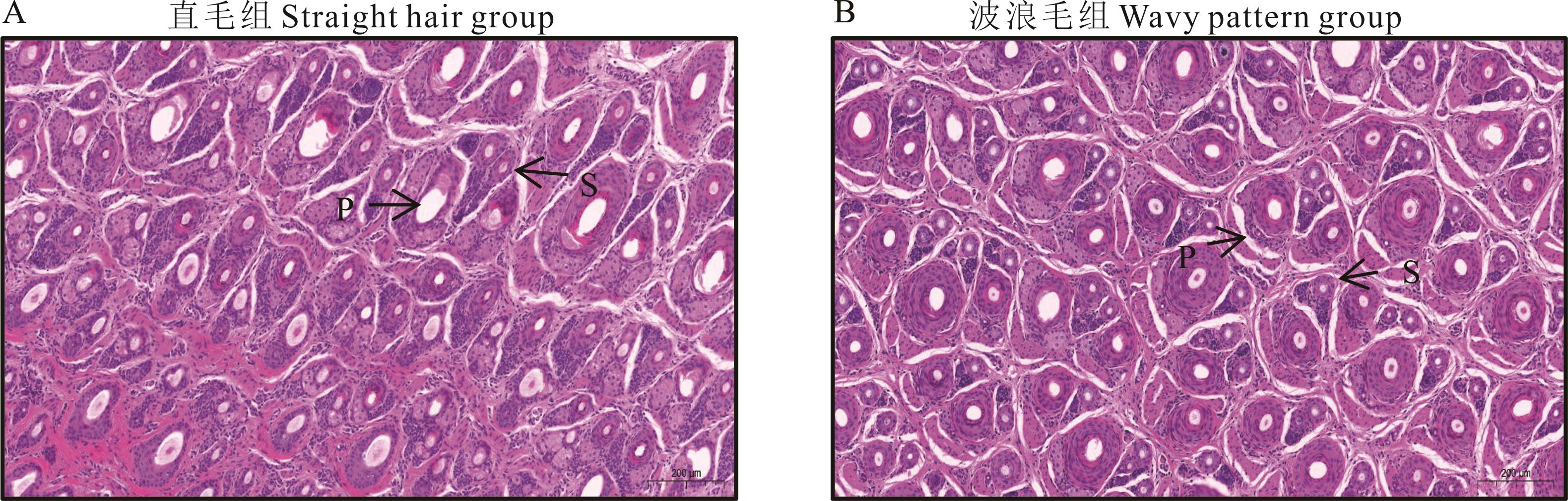
Fig.1 Histomorphological characteristics of straight hair and wavy pattern lambskins
组别 Group | 次级毛囊数量/初级毛囊数量Number of secondary hair follicles/number of primary hair follicles (S/P) | 初级毛囊直径Primary hair follicle diameter (PD, μm) | 次级毛囊直径Secondary hair follicle diameter (SD, μm) |
|---|---|---|---|
| 4/4直毛 4/4 straight hair | 4.24±0.25a | 176.65±6.84a | 60.05±2.84a |
| 4/4波浪4/4 wavy pattern | 2.67±0.25b | 138.21±6.50b | 45.55±3.56b |
Table 2 Comparison of hair follicles between straight hair and wavy pattern lambskins
组别 Group | 次级毛囊数量/初级毛囊数量Number of secondary hair follicles/number of primary hair follicles (S/P) | 初级毛囊直径Primary hair follicle diameter (PD, μm) | 次级毛囊直径Secondary hair follicle diameter (SD, μm) |
|---|---|---|---|
| 4/4直毛 4/4 straight hair | 4.24±0.25a | 176.65±6.84a | 60.05±2.84a |
| 4/4波浪4/4 wavy pattern | 2.67±0.25b | 138.21±6.50b | 45.55±3.56b |
| 样本名称Sample | 原始测序读数Raw reads (bp) | 过滤后读数Clean reads (bp) | Q20 (%) | Q30 (%) | GC含量GC content (%) |
|---|---|---|---|---|---|
| S1 | 41094942 | 41094936 | 99.40 | 97.18 | 48.65 |
| S2 | 40508630 | 40508628 | 99.40 | 97.25 | 48.60 |
| S3 | 46929166 | 46924146 | 99.53 | 97.87 | 48.88 |
| S4 | 40044654 | 40044652 | 99.54 | 97.95 | 48.63 |
| W1 | 41862838 | 41859348 | 99.51 | 97.71 | 48.47 |
| W2 | 43925888 | 43925882 | 99.48 | 97.60 | 48.88 |
| W3 | 40125986 | 40125986 | 99.49 | 97.67 | 47.44 |
| W4 | 42378798 | 42375874 | 99.45 | 97.48 | 47.76 |
Table 3 Data quality control sheet
| 样本名称Sample | 原始测序读数Raw reads (bp) | 过滤后读数Clean reads (bp) | Q20 (%) | Q30 (%) | GC含量GC content (%) |
|---|---|---|---|---|---|
| S1 | 41094942 | 41094936 | 99.40 | 97.18 | 48.65 |
| S2 | 40508630 | 40508628 | 99.40 | 97.25 | 48.60 |
| S3 | 46929166 | 46924146 | 99.53 | 97.87 | 48.88 |
| S4 | 40044654 | 40044652 | 99.54 | 97.95 | 48.63 |
| W1 | 41862838 | 41859348 | 99.51 | 97.71 | 48.47 |
| W2 | 43925888 | 43925882 | 99.48 | 97.60 | 48.88 |
| W3 | 40125986 | 40125986 | 99.49 | 97.67 | 47.44 |
| W4 | 42378798 | 42375874 | 99.45 | 97.48 | 47.76 |
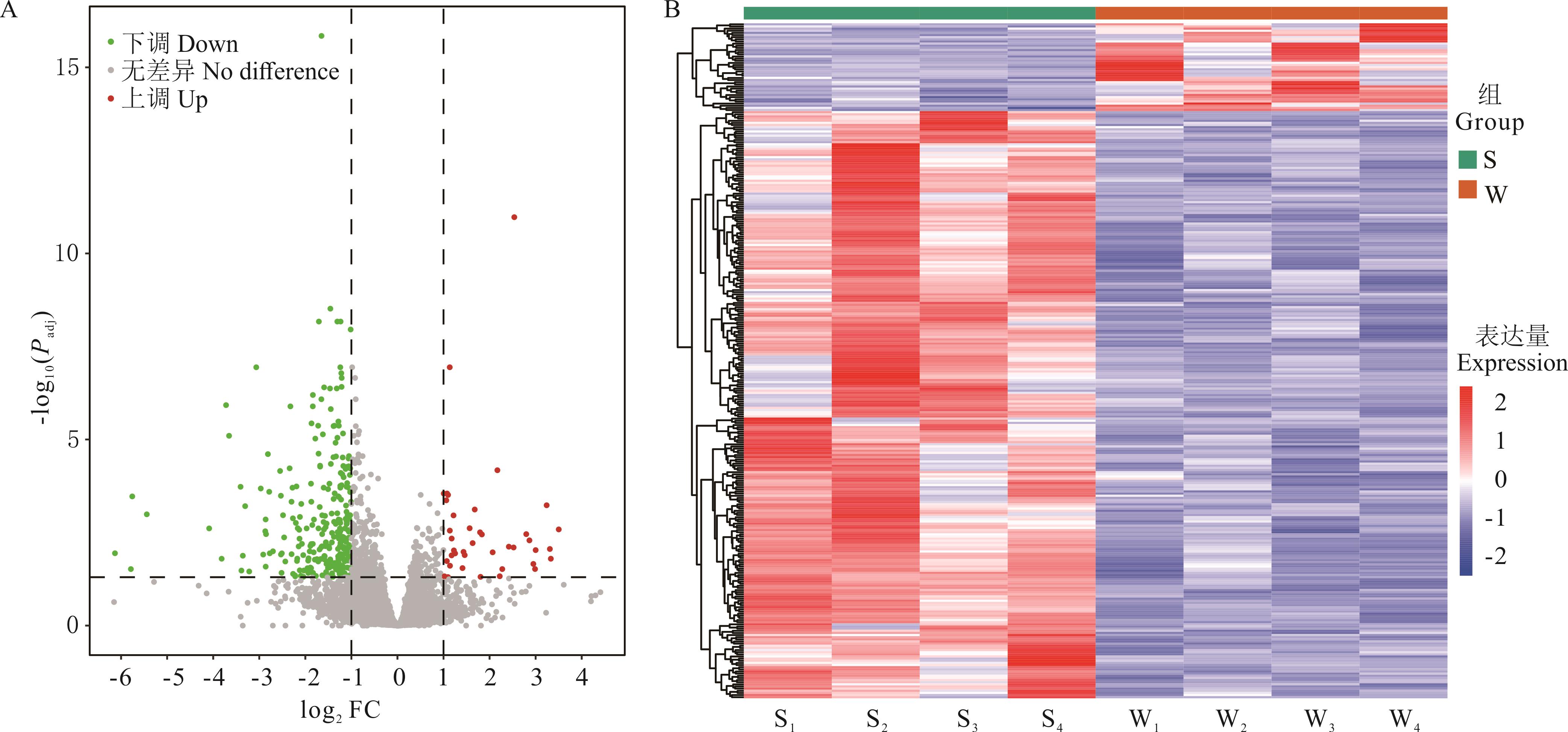
Fig.2 Differentially expressed genes in Hu lambskins with 4/4 straight hair and 4/4 wavy pattern
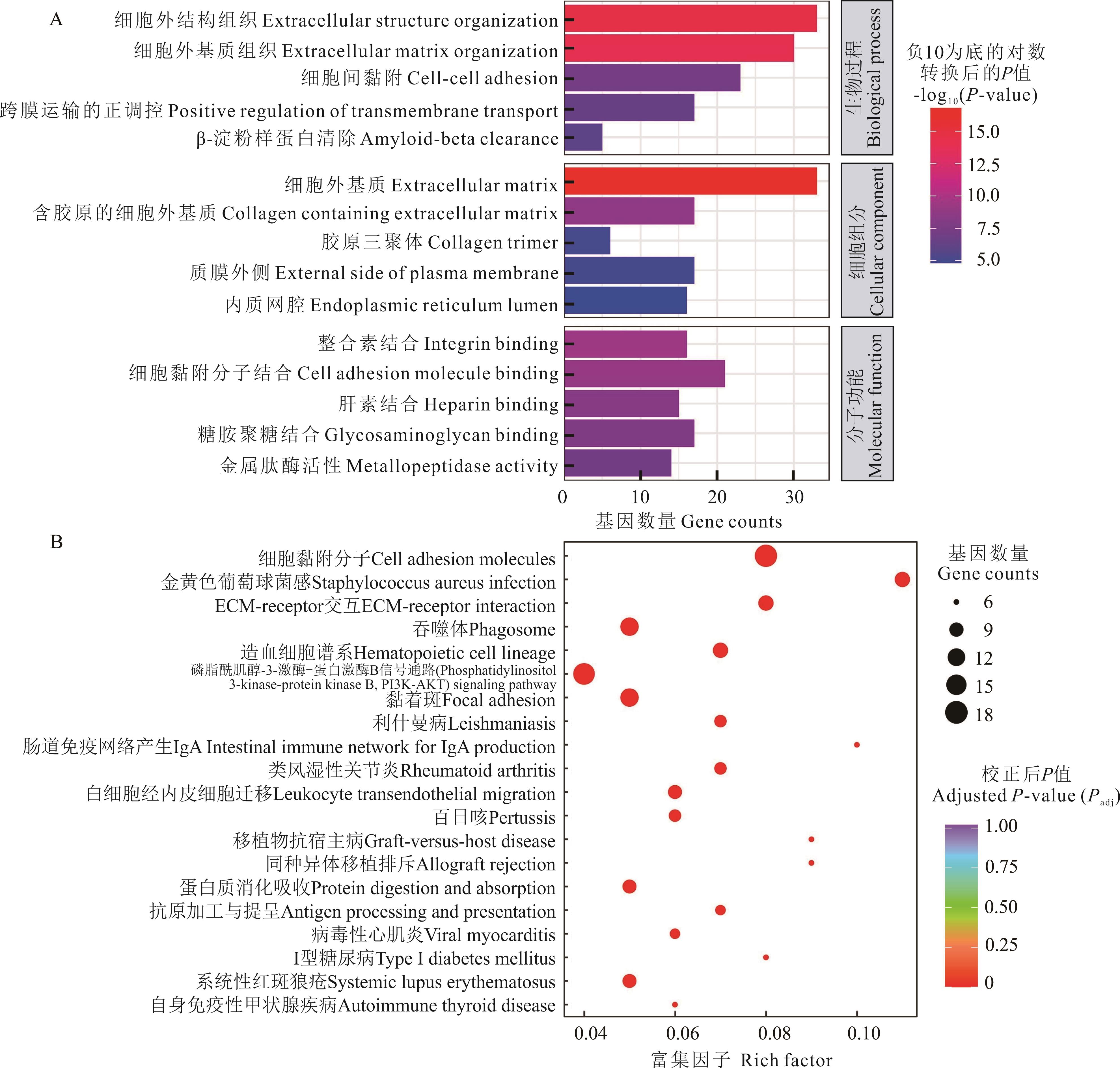
Fig.3 GO and KEGG pathway enrichment analysis of differentially expressed genes
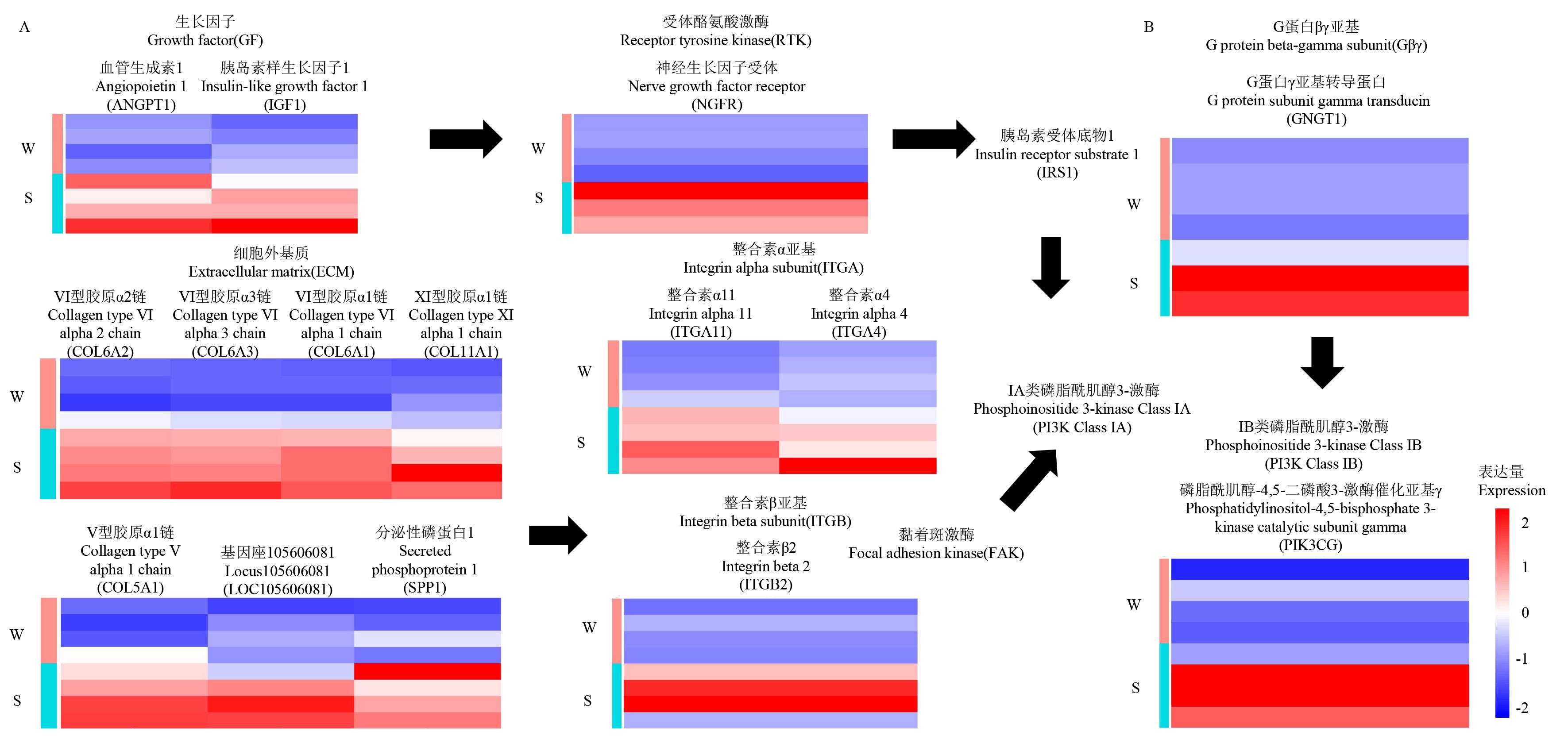
Fig.4 Phosphatidylinositol-3-kinase-protein kinase B signaling pathway-related differential gene clustering heatmap
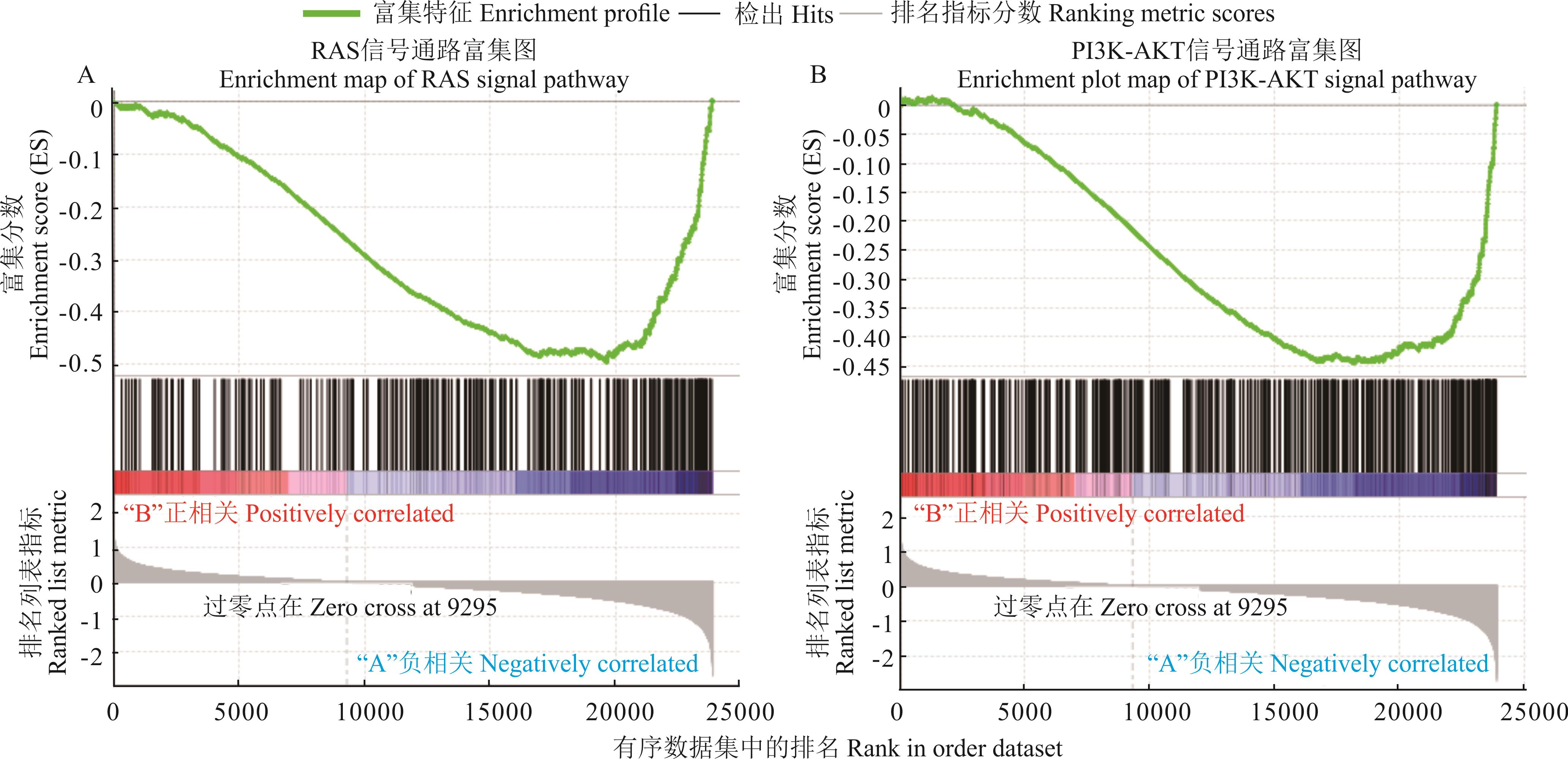
Fig.5 Gene set enrichment analysis (GSEA) results of KEGG pathway
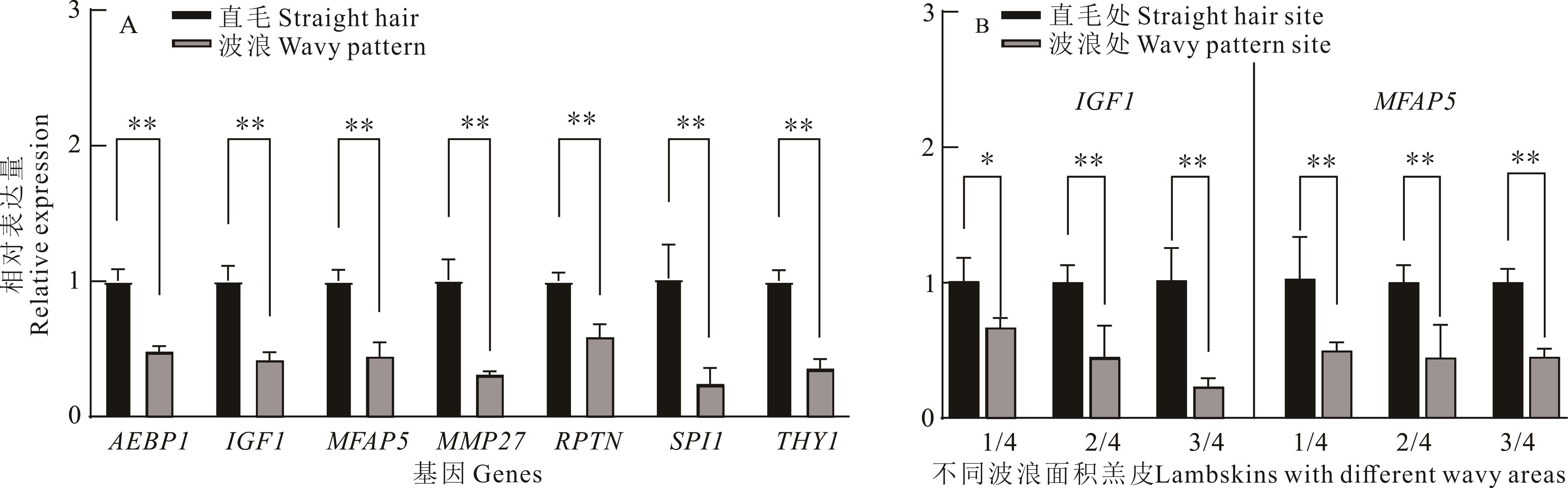
Fig.6 Expression of candidate genes detected by real-time quantitative PCR
| [1] | Li Z N, Zhang Z L, Du J Z, et al. Morphological investigation on the formation of skin wavy pattern in the Huyang lambs. Scientia Agricultura Sinica, 1982, 15(3): 73-82. |
| 李志农, 张仲倫, 杜建中, 等. 湖羊羔皮花纹形成的形态学观察. 中国农业科学, 1982, 15(3): 73-82. | |
| [2] | Chen R H. Identification and grading of Hu lambskin. Journal of Economic Animal, 1980(1): 40-41. |
| 程瑞禾. 小湖羊皮的鉴定与分级. 毛皮动物饲养, 1980(1): 40-41. | |
| [3] | Chen F X.Tanning technology of chekiang lamb skin. China Leather, 2005, 34(5): 40, 46. |
| 程凤侠. 小湖羊皮鞣制工艺. 中国皮革, 2005, 34(5): 40, 46. | |
| [4] | Prost-Squarcioni C. Histology of skin and hair follicle. Médecine Sciences, 2006, 22(2): 131-137. |
| [5] | Sun W, Ni R, Yin J F, et al. Genome array of hair follicle genes in lambskin with different patterns. PLoS One, 2013, 8(7): e68840. |
| [6] | He M L, Lv X Y, Cao X K, et al. SOX18 promotes the proliferation of dermal papilla cells via the Wnt/beta-catenin signaling pathway. International Journal of Molecular Sciences, 2023, 24(23): 16672. |
| [7] | Li X B, Liu Z F, Liu Y, et al. Mining genes related to wool bending of Zhongwei Goat based on WGCNA and GSEA. Acta Veterinaria et Zootechnica Sinica, 2022, 53(9): 2930-2943. |
| 李晓波, 刘占发, 刘悦, 等. 基于WGCNA与GSEA方法挖掘调控中卫山羊羊毛弯曲相关基因. 畜牧兽医学报, 2022, 53(9): 2930-2943. | |
| [8] | Yu L J, Zhang Y H, Lazate·Ainiwaer, et al. Screening microRNAs related to wool crimp in Chinese Merino sheep. Xinjiang Agricultural Sciences, 2021, 58(3): 573-580. |
| 于丽娟, 张艳花, 拉扎特·艾尼瓦尔, 等. 中国美利奴羊羊毛弯曲相关microRNA的筛选. 新疆农业科学, 2021, 58(3): 573-580. | |
| [9] | Dong Y J, Hao X J, Wu J Q, et al. Exploration of the effect of SHH on wool bending through Krox20 regulation of IGFBP5 expression based on sheep keratinocytes. Acta Veterinaria et Zootechnica Sinica, 2023, 54(6): 2365-2375. |
| 董亚洁, 郝晓静, 吴晋强, 等. 基于绵羊角质形成细胞探究SHH通过Krox20调节IGFBP5的表达影响羊毛弯曲. 畜牧兽医学报, 2023, 54(6): 2365-2375. | |
| [10] | Yamamoto H, Flannery M L, Kupriyanov S, et al. Defective trophoblast function in mice with a targeted mutation of Ets2. Genes & Development, 1998, 12(9): 1315-1326. |
| [11] | Yang H Y L, Yang Y L, Fang C H, et al. Fetal skin hair follicle development and morphology of Chinese Merino (Xinjiang Junken type). Southwest China Journal of Agricultural Sciences, 2021, 34(1): 202-207. |
| 杨涵羽璐, 杨永林, 方晨辉, 等. 中国美利奴羊(新疆军垦型)胎儿期皮肤毛囊结构及形态学观察. 西南农业学报, 2021, 34(1): 202-207. | |
| [12] | Zhang Y J, Yin J, Li C Q, et al. Study on development of skin and hair follicle from fetal Inner Mongolian Arbas cashmere goats. Acta Veterinaria et Zootechnica Sinica, 2006, 37(8): 761-768. |
| 张燕军, 尹俊, 李长青, 等. 内蒙古阿尔巴斯绒山羊胎儿期皮肤毛囊发生发育规律研究. 畜牧兽医学报, 2006, 37(8): 761-768. | |
| [13] | Cloete E, Khumalo N P, Ngoepe M N. The what, why and how of curly hair: a review. Proceedings of the Royal Society A: Mathematical, Physical and Engineering Sciences, 2019, 475(2231): DOI: 10.1098/rspa.2019.0516. |
| [14] | Li X L, Tao J Z, Ding W, et al. Analysis of wool traits and its relationship in Tan sheep during the er-mao period. China Animal Husbandry & Veterinary Medicine, 2019, 46(2): 442-448. |
| 李向龙, 陶金忠, 丁伟, 等. 滩羊二毛期羊毛性状分析及其相关性研究. 中国畜牧兽医, 2019, 46(2): 442-448. | |
| [15] | Yang H, Yang Y L, Liu S R, et al. Correlation analysis of the physical and chemical properties of wool among strains of Chinese Merino (Xinjiang Junken type). China Animal Husbandry & Veterinary Medicine, 2011, 38(6): 37-40. |
| 杨华, 杨永林, 刘守仁, 等. 中国美利奴羊(新疆军垦型)品系间羊毛理化性能及性状相关分析. 中国畜牧兽医, 2011, 38(6): 37-40. | |
| [16] | Pickering N K, Blair H T, Hickson R E, et al. Genetic relationships between dagginess, breech bareness, and wool traits in New Zealand dual-purpose sheep. Journal of Animal Science, 2013, 91(10): 4578-4588. |
| [17] | Chen Y, Fan Z M, Wang X X, et al. PI3K/Akt signaling pathway is essential for de novo hair follicle regeneration. Stem Cell Research & Therapy, 2020, 11(1): 144. |
| [18] | Zhou H, Huang S N, Lv X Y, et al. Effect of CUX1 on the proliferation of Hu sheep dermal papilla cells and on the Wnt/β-catenin signaling pathway. Genes, 2023, 14(2): 423. |
| [19] | Urban J, Qi L, Zhao H, et al. Comparison of hair manifestations in cardio-facio-cutaneous and costello syndromes highlights the influence of the RAS pathway on hair growth. Journal of the European Academy of Dermatology and Venereology, 2020, 34(3): 601-607. |
| [20] | Wen F, Kumari N, Taylor Vi J G. RNA-seq and gene set enrichment analysis (GSEA) in peripheral blood mononuclear cells (PBMCs). Methods in Molecular Biology, 2025, 2880: 179-192. |
| [21] | Spitz F, Furlong E E M. Transcription factors: from enhancer binding to developmental control. Nature Reviews Genetics, 2012, 13(9): 613-626. |
| [22] | Christiano A M. Hair follicle epithelial stem cells get their sox on. Cell Stem Cell, 2008, 3(1): 3-4. |
| [23] | Yan R Q. Research of FoxN1 on crimping fomation of wool. Taiyuan: Shanxi Agricultural University, 2019. |
| 闫瑞琴. FoxN1对羊毛弯曲形成作用的研究. 太原: 山西农业大学, 2019. | |
| [24] | Grisanti L, Clavel C, Cai X Q, et al. Tbx18 targets dermal condensates for labeling, isolation, and gene ablation during embryonic hair follicle formation. Journal of Investigative Dermatology, 2013, 133(2): 344-353. |
| [25] | Liu R Q, Liu L D, Xu J D, et al. Identification of potential hub genes in alopecia areata. Experimental Dermatology, 2024, 33(10): e70002. |
| [26] | Wang S H, Wu T Y, Sun J Y, et al. Single-cell transcriptomics reveals the molecular anatomy of sheep hair follicle heterogeneity and wool curvature. Frontiers in Cell and Developmental Biology, 2021, 9: 800157. |
| [27] | Lee H, Kim S Y, Kwon N, et al. Single-cell and spatial transcriptome analysis of dermal fibroblast development in perinatal mouse skin: dynamic lineage differentiation and key driver genes. Journal of Investigative Dermatology, 2024, 144(6): 1238-1250. |
| [28] | Krieg P, Schuppler M, Koesters R, et al. Repetin (Rptn), a new member of the “fused gene” subgroup within the S100 gene family encoding a murine epidermal differentiation protein. Genomics, 1997, 43(3): 339-348. |
| [29] | Huber M, Siegenthaler G, Mirancea N, et al. Isolation and characterization of human repetin, a member of the fused gene family of the epidermal differentiation complex. Journal of Investigative Dermatology, 2005, 124(5): 998-1007. |
| [30] | Pospiech E, Lee S D, Kukla-Bartoszek M, et al. Variation in the RPTN gene may facilitate straight hair formation in Europeans and East Asians. Journal of Dermatological Science, 2018, 91(3): 331-334. |
| [31] | Zhao B R, Wu C L, Sammad A, et al. The fiber diameter traits of Tibetan cashmere goats are governed by the inherent differences in stress, hypoxic, and metabolic adaptations: an integrative study of proteome and transcriptome. BMC Genomics, 2022, 23(1): 191. |
| [32] | Angwin C, Ghali N, van Dijk F S. Case report: Two individuals with AEBP1-related classical-like EDS: Further clinical characterisation and description of novel AEBP1 variants. Frontiers in Genetics, 2023, 14: 1148224. |
| [33] | Damak S, Su H, Jay N P, et al. Improved wool production in transgenic sheep expressing insulin-like growth factor 1. Nature Biotechnology, 1996, 14(2): 185-188. |
| [34] | Jia B, Xi J F, Zhang S Y, et al. The developmental patterns of GH-r, IGF-1 and IGF-IR gene expression in sheep skin. Hereditas (Beijing), 2006, 28(9): 1078-1082. |
| [35] | Fu J Q, Zhang X Y, Wang D, et al. Analysis of the long non-coding and messenger RNA expression profiles in the skin tissue of super Merino and small-tailed Han sheep. Current Issues in Molecular Biology, 2024, 46(9): 9588-9606. |
| [36] | Diao X G, Duan C H, Yao L Y, et al. Melatonin promotes the development of secondary hair follicles in adult cashmere goats by activating the Keap1-Nrf2 signaling pathway and inhibiting the inflammatory transcription factors NFkappaB and AP-1. International Journal of Molecular Sciences, 2023, 24(4): 3403. |
| [37] | Jin M, Fan W Y, Lv S H, et al. LncRNA018392 promotes the proliferation of Liaoning cashmere goat skin fibroblasts by upregulating CSF1R through binding to SPI1. Molecular Biology Reports, 2024, 51(1): 920. |
| [38] | Liu Y, Guerrero-Juarez C F, Xiao F, et al. Hedgehog signaling reprograms hair follicle niche fibroblasts to a hyper-activated state. Developmental Cell, 2022, 57(14): 1758-1775. |
| [39] | Premanand A, Rajkumari B R. Bioinformatic analysis of gene expression data reveals Src family protein tyrosine kinases as key players in androgenetic alopecia. Frontiers in Medicine, 2023, 10: 1108358. |
| [40] | Ichikawa C, Izawa T, Juniantito V, et al. Rat hair follicle-constituting cells labeled by a newly-developed somatic stem cell-recognizing antibody: a possible marker of hair follicle development. Histology and Histopathology, 2013, 28(2): 257-268. |
| [41] | Sedov E, Koren E, Chopra S, et al. THY1-mediated mechanisms converge to drive YAP activation in skin homeostasis and repair. Nature Cell Biology, 2022, 24(7): 1049-1063. |
| [1] | Shuai QI, Yan-li ZHANG, Yong-jie WAN, Wei-qiang NIU, Ji-xin ZHANG, Xue GAO, Da-gan MAO. Effects of soybean straw co-fermented with a bacterium-enzyme mixture on the growth performance, serum indexes, and rumen microorganisms of Hu sheep [J]. Acta Prataculturae Sinica, 2025, 34(5): 189-201. |
| [2] | Rui ZHANG, Xue-jiao AN, Jian-ye LI, Zeng-kui LU, Chun-e NIU, Zhen-fei XU, Jin-xia ZHANG, Zhi-guang GENG, Yao-jing YUE, Bo-hui YANG. Comparative analysis of growth performance, meat productivity, and meat quality in Hu sheep and its hybrids [J]. Acta Prataculturae Sinica, 2024, 33(3): 186-197. |
| [3] | Hao-qian DANG, Juan-qing QIN, Yu-kang GUO, Fu ZHANG, Ying-gang WANG, Qing-hua LIU. Effects of different additives on fermentation quality of bamboo shoot shell and growth performance and rumen fermentation function of Hu Sheep [J]. Acta Prataculturae Sinica, 2023, 32(7): 135-148. |
| [4] | Juan-qing QIN, Hao-qian DANG, Hua-yun JIN, Yu-kang GUO, Fu ZHANG, Qing-hua LIU. Effects of different additives on the fermentation quality of bamboo shoot shells and on rumen microorganisms in Hu Sheep [J]. Acta Prataculturae Sinica, 2023, 32(11): 155-167. |
| [5] | Zhao WANG, Jing LIU, Hao YU, Peng LI, Wei-qiang NIU, Yong-jie WAN, Yan-li ZHANG, Da-gan MAO. Effects of dietary broad bean skin on growth rate, slaughter performance, organ development and meat quality of Hu sheep [J]. Acta Prataculturae Sinica, 2023, 32(10): 162-172. |
| [6] | Xiao-wen MA, Fa-di LI, Fei LI, Long GUO. Effect of dietary barley particle size on rumen microflora and muscle fatty acids in Hu sheep [J]. Acta Prataculturae Sinica, 2021, 30(12): 202-211. |
| [7] | XIE Yun-Long, LIANG Xin-Liang, YANG Yong-Gui, LI Fa-Di, YUE Xiang-Peng. Physiological and biochemical indexes of Hu sheep in the alpine region of Northwest China [J]. Acta Prataculturae Sinica, 2017, 26(9): 221-227. |
| [8] | DENG Kai-Ping, WANG Feng, MA Tie-Wei, WANG Zhen, YU Xiao-Qing, DING Li-Ren, TAO Xiao-Qiang, FAN Yi-Xuan. Effect of dietary Perilla frutescens seed intake on rumen fermentation characteristics, apparent nutrient digestibility, and growth performance of Hu sheep [J]. Acta Prataculturae Sinica, 2017, 26(5): 205-212. |
| [9] | FAN Yi-Xuan, WANG Feng, WANG Qiang, Nie Hai-Tao, WANG Zi-Yu, Tao Xiao-Qiang. Effects of substitution of corn and fermented cassava residue in the diet on growth, carcass characteristics and meat quality of Hu lamb [J]. Acta Prataculturae Sinica, 2017, 26(3): 91-99. |
| [10] | MO Fu-Tao, LI Fa-Di, WANG Wei-Min, LA Yong-Fu, ZHANG Xiao-Xue, LIU Ting, TANG De-Fu, YUE Xiang-Peng, LI Fei, LI Chong, LI Wan-Hong, XIAO Jin-Yu, TAN Jian-Hua, WU De-Hu. Performance of Hu sheep in the cold, arid area’s of North-West China [J]. Acta Prataculturae Sinica, 2017, 26(1): 168-177. |
| [11] | LA Yong-Fu, XI Rui, LI Fa-Di, WANG Wei-Min, ZHANG Xiao-Xue, LI Chong, LIU Ting, TANG De-Fu, LI Bao-Sheng. Growth model prediction and trend analysis of Hu sheep and their hybrid progeny in the arid and cold area of northwest China [J]. Acta Prataculturae Sinica, 2016, 25(9): 182-188. |
| [12] | XI Rui, LI Fa-Di, WANG Wei-Min, LI Chong, LA Yong-Fu, LIU Ting, PAN Xiang-Yu, TANG De-Fu, LI Bao-Sheng. The behavioral and physiological indices of Hu sheep in the arid and cold areas of northwest China [J]. Acta Prataculturae Sinica, 2016, 25(5): 184-191. |
| [13] | ZHANG Yong, GUO Hai-Ming, TANG Zhi-Hong, CAO Kai, WANG Yang-Po, YE Jun-An. Effects of pelleted rape straw feed on productive performance, rumen fermentation parameters, and blood biochemical indexes of Hu sheep [J]. Acta Prataculturae Sinica, 2016, 25(10): 171-179. |
| Viewed | ||||||
|
Full text |
|
|||||
|
Abstract |
|
|||||
