
ISSN 1004-5759 CN 62-1105/S
Acta Prataculturae Sinica ›› 2025, Vol. 34 ›› Issue (7): 196-209.DOI: 10.11686/cyxb2024313
Xiao-hong BAI1,2,3,4( ), Wen-yan CHEN1,2,3,4, Qin LI1,2,3,4, Yi-xuan WANG1,2,3,4, Xue ZHANG1,2,3,4(), Lei WANG1,2,3,4, Wen-jie QU1,2,3,4, Lin ZHU1,2,3,4
Received:2024-08-08
Revised:2024-10-08
Online:2025-07-20
Published:2025-05-12
Contact:
Xue ZHANG
Xiao-hong BAI, Wen-yan CHEN, Qin LI, Yi-xuan WANG, Xue ZHANG, Lei WANG, Wen-jie QU, Lin ZHU. Seed germination and seedling growth characteristics of Glycyrrhiza uralensis from different provenances[J]. Acta Prataculturae Sinica, 2025, 34(7): 196-209.
| 项目Items | 种子长 Seed length (mm) | 种子宽 Seed width (mm) | 面积 Area (mm2) | 周长 Perimeter (mm) | 直径 Diameter (mm) | 长宽比 Length/width | 圆度 Circularity | 千粒重 1000-seed weight (g) |
|---|---|---|---|---|---|---|---|---|
| YL | 2.97±0.01d | 2.60±0.01d | 5.80±0.05d | 10.55±0.04d | 2.71±0.01d | 1.17±0.00a | 1.01±0.00b | 9.43±0.22d |
| YC | 3.22±0.01b | 2.84±0.00b | 6.89±0.04b | 11.53±0.03b | 2.95±0.01b | 1.16±0.00a | 1.02±0.00a | 11.96±0.14a |
| CF | 3.35±0.02a | 2.93±0.02a | 7.42±0.07a | 11.98±0.06a | 3.06±0.02a | 1.16±0.01a | 1.02±0.00a | 11.70±0.24a |
| ALT | 2.95±0.01d | 2.58±0.01d | 5.71±0.04d | 10.48±0.04d | 2.69±0.01d | 1.16±0.00a | 1.01±0.00a | 9.02±0.11d |
| KEL | 2.96±0.01d | 2.60±0.01d | 5.75±0.05d | 10.50±0.04d | 2.70±0.01d | 1.16±0.00a | 1.01±0.00a | 9.11±0.13d |
| HJQ | 3.35±0.02a | 2.93±0.02a | 7.45±0.08a | 11.99±0.07a | 3.06±0.02a | 1.16±0.00a | 1.02±0.00a | 11.27±0.15b |
| HN | 3.37±0.04a | 2.94±0.03a | 7.51±0.15a | 12.06±0.13a | 3.08±0.03a | 1.17±0.00a | 1.02±0.00a | 11.83±0.37a |
| SHZ | 3.05±0.01c | 2.66±0.01c | 6.10±0.05c | 10.83±0.05c | 2.78±0.01c | 1.17±0.00a | 1.02±0.00a | 10.29±0.16c |
| CV (%) | 5.80 | 5.80 | 12.02 | 6.19 | 5.94 | 0.61 | 0.30 | 11.99 |
| H' | 1.32 | 1.26 | 1.32 | 1.32 | 1.32 | 1.49 | 1.73 | 1.49 |
Table 1 Seed phenotypic traits of 8 different provenances of G. uralensis
| 项目Items | 种子长 Seed length (mm) | 种子宽 Seed width (mm) | 面积 Area (mm2) | 周长 Perimeter (mm) | 直径 Diameter (mm) | 长宽比 Length/width | 圆度 Circularity | 千粒重 1000-seed weight (g) |
|---|---|---|---|---|---|---|---|---|
| YL | 2.97±0.01d | 2.60±0.01d | 5.80±0.05d | 10.55±0.04d | 2.71±0.01d | 1.17±0.00a | 1.01±0.00b | 9.43±0.22d |
| YC | 3.22±0.01b | 2.84±0.00b | 6.89±0.04b | 11.53±0.03b | 2.95±0.01b | 1.16±0.00a | 1.02±0.00a | 11.96±0.14a |
| CF | 3.35±0.02a | 2.93±0.02a | 7.42±0.07a | 11.98±0.06a | 3.06±0.02a | 1.16±0.01a | 1.02±0.00a | 11.70±0.24a |
| ALT | 2.95±0.01d | 2.58±0.01d | 5.71±0.04d | 10.48±0.04d | 2.69±0.01d | 1.16±0.00a | 1.01±0.00a | 9.02±0.11d |
| KEL | 2.96±0.01d | 2.60±0.01d | 5.75±0.05d | 10.50±0.04d | 2.70±0.01d | 1.16±0.00a | 1.01±0.00a | 9.11±0.13d |
| HJQ | 3.35±0.02a | 2.93±0.02a | 7.45±0.08a | 11.99±0.07a | 3.06±0.02a | 1.16±0.00a | 1.02±0.00a | 11.27±0.15b |
| HN | 3.37±0.04a | 2.94±0.03a | 7.51±0.15a | 12.06±0.13a | 3.08±0.03a | 1.17±0.00a | 1.02±0.00a | 11.83±0.37a |
| SHZ | 3.05±0.01c | 2.66±0.01c | 6.10±0.05c | 10.83±0.05c | 2.78±0.01c | 1.17±0.00a | 1.02±0.00a | 10.29±0.16c |
| CV (%) | 5.80 | 5.80 | 12.02 | 6.19 | 5.94 | 0.61 | 0.30 | 11.99 |
| H' | 1.32 | 1.26 | 1.32 | 1.32 | 1.32 | 1.49 | 1.73 | 1.49 |
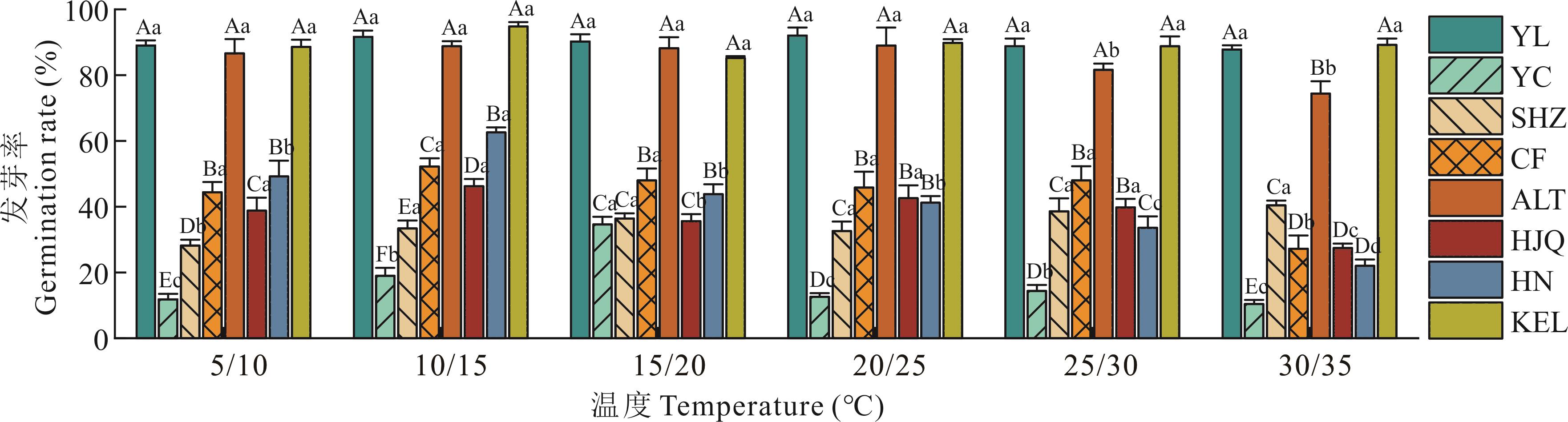
Fig.1 G. uralensis seed germination rate
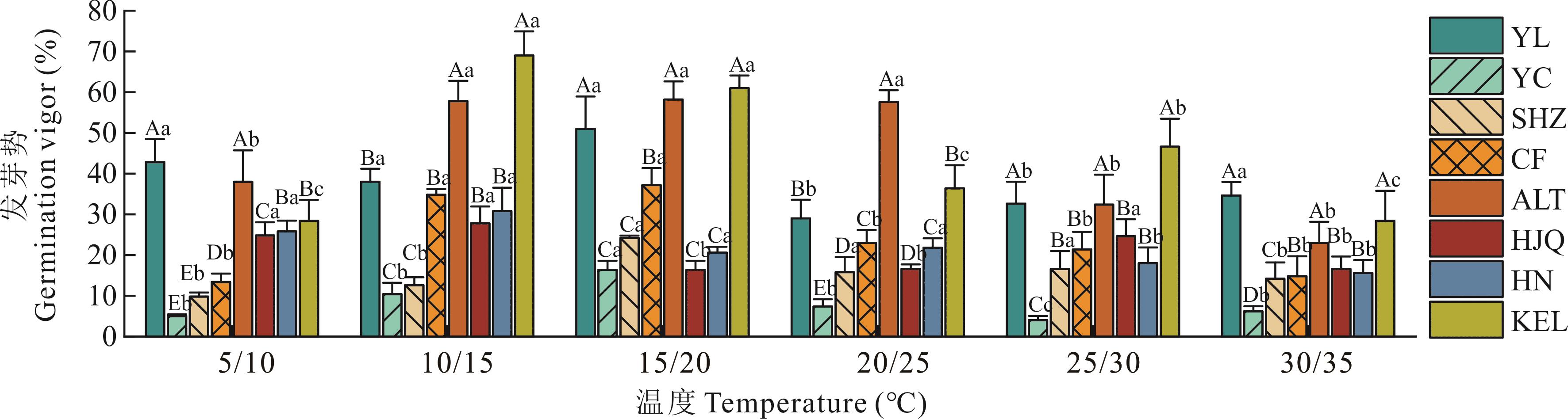
Fig.2 G. uralensis seed germination vigor
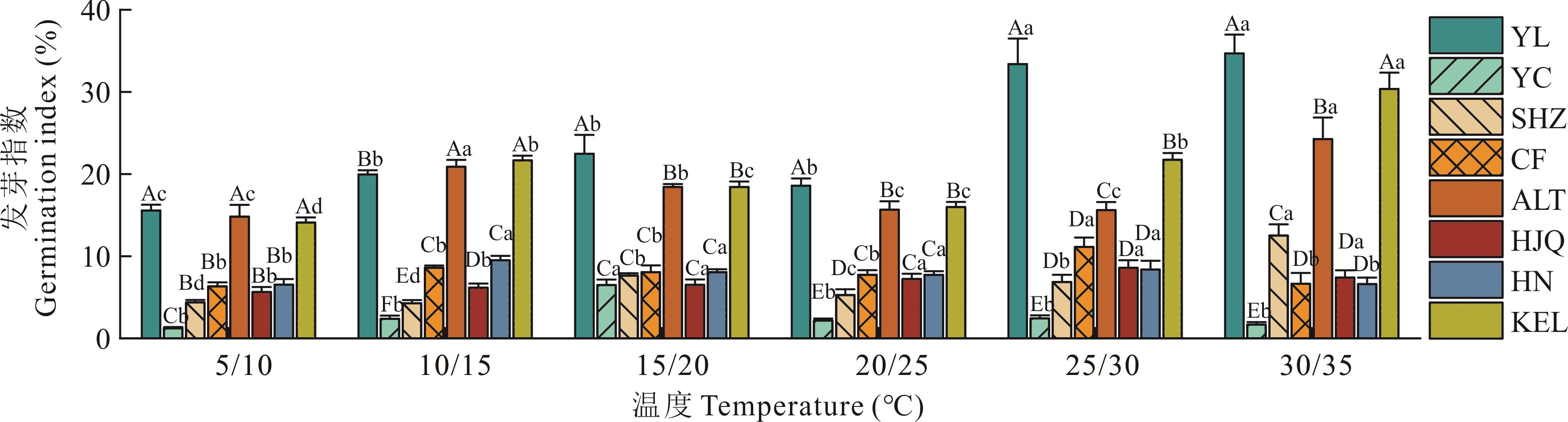
Fig.3 G. uralensis seed germination index
表型 Phenotypic | 种源Provenance | CV (%) | H' | |||||||
|---|---|---|---|---|---|---|---|---|---|---|
| YL | YC | CF | ALT | KEL | HJQ | HN | SHZ | |||
| LDW (g) | 0.84±0.08c | 0.85±0.16c | 1.43±0.17b | 1.34±0.14c | 1.60±0.18a | 1.49±0.08b | 2.18±0.18a | 2.37±0.62a | 62.30 | 1.49 |
| LA (cm2) | 160.99±15.21c | 297.47±77.32b | 356.05±80.92b | 742.60±170.10a | 392.49±67.08b | 313.57±17.50b | 358.35±46.44b | 479.72±145.14a | 83.55 | 1.67 |
| SLA (cm2·g-1) | 195.66±12.36c | 356.41±76.53b | 297.70±74.82b | 502.78±75.01a | 243.30±22.37b | 211.42±8.30b | 162.16±12.34c | 189.20±8.17c | 66.25 | 1.39 |
| LDMC (%) | 4.18±0.19b | 0.38±0.07d | 6.25±0.93a | 2.50±0.07c | 2.36±0.10c | 3.15±0.12c | 0.27±0.01d | 2.95±0.08c | 76.36 | 1.56 |
| LTD (g·cm-3) | 0.03±0.00a | 0.02±0.00a | 0.01±0.00c | 0.01±0.00c | 0.02±0.00a | 0.02±0.00a | 0.02±0.00a | 0.01±0.00c | 51.36 | 1.73 |
| TWC (%) | 0.76±0.01a | 0.62±0.07d | 0.79±0.04a | 0.60±0.01d | 0.57±0.02e | 0.68±0.01b | 0.73±0.01a | 0.66±0.01c | 17.80 | 1.91 |
| CW (cm) | 295.20±33.54c | 344.60±45.37b | 577.20±92.06a | 502.80±56.22a | 635.00±65.86a | 485.70±43.71a | 604.90±72.73a | 604.90±89.95a | 45.66 | 1.49 |
| LFW (g) | 3.49±0.36c | 2.96±0.72c | 7.89±1.00a | 3.37±0.40c | 3.79±0.46c | 4.68±0.28b | 8.40±1.08a | 7.17±1.98a | 68.01 | 1.49 |
| LT (cm) | 0.19±0.01c | 0.18±0.01c | 0.24±0.01b | 0.21±0.01b | 0.23±0.01b | 0.24±0.01b | 0.32±0.03a | 0.24±0.01b | 25.16 | 1.49 |
| PH (cm) | 31.30±1.23b | 31.90±2.58b | 32.70±1.22b | 46.70±2.02a | 51.20±2.52a | 27.50±1.33b | 27.70±1.16b | 32.10±1.59b | 28.23 | 1.21 |
| BS (mm) | 2.42±0.18c | 2.42±0.26c | 2.99±0.19bc | 3.58±0.23a | 3.85±0.35a | 3.34±0.17a | 3.89±0.19a | 3.97±0.29a | 28.37 | 1.56 |
| LL (cm) | 2.74±0.20e | 2.61±0.22d | 3.18±0.10c | 4.13±0.22a | 3.69±0.15a | 2.98±0.08c | 3.29±0.16b | 3.31±0.14b | 20.57 | 1.73 |
| LW (cm) | 1.88±0.12c | 1.81±0.12d | 2.32±0.10b | 2.69±0.08a | 2.42±0.09a | 2.14±0.07b | 2.31±0.09b | 2.19±0.09b | 17.67 | 1.56 |
| LI | 1.45±0.02a | 1.44±0.06a | 1.38±0.04a | 1.54±0.08a | 1.52±0.04a | 1.39±0.03a | 1.43±0.05a | 1.53±0.07a | 11.05 | 1.32 |
Table 2 Analysis of phenotypic traits of G. uralensis from different provenances
表型 Phenotypic | 种源Provenance | CV (%) | H' | |||||||
|---|---|---|---|---|---|---|---|---|---|---|
| YL | YC | CF | ALT | KEL | HJQ | HN | SHZ | |||
| LDW (g) | 0.84±0.08c | 0.85±0.16c | 1.43±0.17b | 1.34±0.14c | 1.60±0.18a | 1.49±0.08b | 2.18±0.18a | 2.37±0.62a | 62.30 | 1.49 |
| LA (cm2) | 160.99±15.21c | 297.47±77.32b | 356.05±80.92b | 742.60±170.10a | 392.49±67.08b | 313.57±17.50b | 358.35±46.44b | 479.72±145.14a | 83.55 | 1.67 |
| SLA (cm2·g-1) | 195.66±12.36c | 356.41±76.53b | 297.70±74.82b | 502.78±75.01a | 243.30±22.37b | 211.42±8.30b | 162.16±12.34c | 189.20±8.17c | 66.25 | 1.39 |
| LDMC (%) | 4.18±0.19b | 0.38±0.07d | 6.25±0.93a | 2.50±0.07c | 2.36±0.10c | 3.15±0.12c | 0.27±0.01d | 2.95±0.08c | 76.36 | 1.56 |
| LTD (g·cm-3) | 0.03±0.00a | 0.02±0.00a | 0.01±0.00c | 0.01±0.00c | 0.02±0.00a | 0.02±0.00a | 0.02±0.00a | 0.01±0.00c | 51.36 | 1.73 |
| TWC (%) | 0.76±0.01a | 0.62±0.07d | 0.79±0.04a | 0.60±0.01d | 0.57±0.02e | 0.68±0.01b | 0.73±0.01a | 0.66±0.01c | 17.80 | 1.91 |
| CW (cm) | 295.20±33.54c | 344.60±45.37b | 577.20±92.06a | 502.80±56.22a | 635.00±65.86a | 485.70±43.71a | 604.90±72.73a | 604.90±89.95a | 45.66 | 1.49 |
| LFW (g) | 3.49±0.36c | 2.96±0.72c | 7.89±1.00a | 3.37±0.40c | 3.79±0.46c | 4.68±0.28b | 8.40±1.08a | 7.17±1.98a | 68.01 | 1.49 |
| LT (cm) | 0.19±0.01c | 0.18±0.01c | 0.24±0.01b | 0.21±0.01b | 0.23±0.01b | 0.24±0.01b | 0.32±0.03a | 0.24±0.01b | 25.16 | 1.49 |
| PH (cm) | 31.30±1.23b | 31.90±2.58b | 32.70±1.22b | 46.70±2.02a | 51.20±2.52a | 27.50±1.33b | 27.70±1.16b | 32.10±1.59b | 28.23 | 1.21 |
| BS (mm) | 2.42±0.18c | 2.42±0.26c | 2.99±0.19bc | 3.58±0.23a | 3.85±0.35a | 3.34±0.17a | 3.89±0.19a | 3.97±0.29a | 28.37 | 1.56 |
| LL (cm) | 2.74±0.20e | 2.61±0.22d | 3.18±0.10c | 4.13±0.22a | 3.69±0.15a | 2.98±0.08c | 3.29±0.16b | 3.31±0.14b | 20.57 | 1.73 |
| LW (cm) | 1.88±0.12c | 1.81±0.12d | 2.32±0.10b | 2.69±0.08a | 2.42±0.09a | 2.14±0.07b | 2.31±0.09b | 2.19±0.09b | 17.67 | 1.56 |
| LI | 1.45±0.02a | 1.44±0.06a | 1.38±0.04a | 1.54±0.08a | 1.52±0.04a | 1.39±0.03a | 1.43±0.05a | 1.53±0.07a | 11.05 | 1.32 |

Fig.4 Correlation of phenotypic traits of G. uralensis from different provenances
表型性状 Phenotypic traits | 主成分Principal component | ||||
|---|---|---|---|---|---|
| PC1 | PC2 | PC3 | PC4 | PC5 | |
| 叶片干重LDW | -0.01 | 0.23 | 0.40 | 0.18 | -0.08 |
| 叶面积LA | -0.08 | 0.31 | -0.19 | 0.25 | -0.21 |
| 比叶面积SLA | -0.03 | 0.23 | -0.45 | 0.15 | -0.21 |
| 叶片干物质含量LDMC | 0.00 | 0.18 | -0.29 | -0.34 | 0.29 |
| 叶组织密度LTD | -0.02 | -0.32 | 0.29 | 0.00 | 0.31 |
| 叶片总含水量TWC | 0.14 | 0.20 | -0.26 | -0.31 | 0.36 |
| 冠幅CW | -0.06 | 0.36 | -0.01 | 0.00 | 0.10 |
| 叶片鲜重LFW | 0.11 | 0.36 | 0.02 | -0.07 | 0.24 |
| 叶片厚度LT | 0.11 | 0.28 | 0.24 | -0.13 | 0.06 |
| 株高PH | -0.25 | 0.06 | 0.04 | 0.35 | 0.07 |
| 基茎BS | -0.13 | 0.28 | 0.21 | -0.05 | -0.02 |
| 叶长LL | -0.20 | 0.26 | 0.14 | -0.09 | -0.16 |
| 叶宽LW | -0.12 | 0.29 | 0.12 | -0.16 | -0.19 |
| 叶形指数LI | -0.17 | 0.04 | 0.06 | 0.09 | -0.01 |
| 种子长Seed length | 0.31 | 0.08 | 0.09 | 0.08 | 0.07 |
| 种子宽Seed width | 0.31 | 0.08 | 0.07 | 0.14 | 0.10 |
| 面积Area | 0.31 | 0.08 | 0.09 | 0.11 | 0.09 |
| 周长Perimeter | 0.31 | 0.08 | 0.09 | 0.10 | 0.08 |
| 直径Diameter | 0.31 | 0.08 | 0.08 | 0.11 | 0.09 |
| 长宽比Length/width | 0.04 | 0.00 | 0.20 | -0.55 | -0.25 |
| 圆度Circularity | 0.16 | 0.00 | 0.29 | -0.14 | -0.33 |
| 千粒重1000-seed weight | 0.30 | 0.01 | -0.02 | 0.17 | 0.02 |
| 发芽势Germination vigor (GV) | -0.21 | 0.15 | 0.17 | 0.26 | 0.22 |
| 发芽指数Germination index (GI) | -0.29 | -0.01 | 0.11 | -0.08 | 0.27 |
| 发芽率Germination rate (GR) | -0.25 | 0.02 | 0.15 | -0.02 | 0.34 |
| 特征值Eigenvalue | 9.40 | 4.92 | 2.28 | 1.77 | 1.27 |
| 贡献度Contribution rate (%) | 37.61 | 19.66 | 9.14 | 7.09 | 5.08 |
| 累计贡献度Accumulative contribution rate (%) | 37.61 | 57.27 | 66.41 | 73.58 | 78.58 |
Table 3 Principal component analysis of phenotypic traits
表型性状 Phenotypic traits | 主成分Principal component | ||||
|---|---|---|---|---|---|
| PC1 | PC2 | PC3 | PC4 | PC5 | |
| 叶片干重LDW | -0.01 | 0.23 | 0.40 | 0.18 | -0.08 |
| 叶面积LA | -0.08 | 0.31 | -0.19 | 0.25 | -0.21 |
| 比叶面积SLA | -0.03 | 0.23 | -0.45 | 0.15 | -0.21 |
| 叶片干物质含量LDMC | 0.00 | 0.18 | -0.29 | -0.34 | 0.29 |
| 叶组织密度LTD | -0.02 | -0.32 | 0.29 | 0.00 | 0.31 |
| 叶片总含水量TWC | 0.14 | 0.20 | -0.26 | -0.31 | 0.36 |
| 冠幅CW | -0.06 | 0.36 | -0.01 | 0.00 | 0.10 |
| 叶片鲜重LFW | 0.11 | 0.36 | 0.02 | -0.07 | 0.24 |
| 叶片厚度LT | 0.11 | 0.28 | 0.24 | -0.13 | 0.06 |
| 株高PH | -0.25 | 0.06 | 0.04 | 0.35 | 0.07 |
| 基茎BS | -0.13 | 0.28 | 0.21 | -0.05 | -0.02 |
| 叶长LL | -0.20 | 0.26 | 0.14 | -0.09 | -0.16 |
| 叶宽LW | -0.12 | 0.29 | 0.12 | -0.16 | -0.19 |
| 叶形指数LI | -0.17 | 0.04 | 0.06 | 0.09 | -0.01 |
| 种子长Seed length | 0.31 | 0.08 | 0.09 | 0.08 | 0.07 |
| 种子宽Seed width | 0.31 | 0.08 | 0.07 | 0.14 | 0.10 |
| 面积Area | 0.31 | 0.08 | 0.09 | 0.11 | 0.09 |
| 周长Perimeter | 0.31 | 0.08 | 0.09 | 0.10 | 0.08 |
| 直径Diameter | 0.31 | 0.08 | 0.08 | 0.11 | 0.09 |
| 长宽比Length/width | 0.04 | 0.00 | 0.20 | -0.55 | -0.25 |
| 圆度Circularity | 0.16 | 0.00 | 0.29 | -0.14 | -0.33 |
| 千粒重1000-seed weight | 0.30 | 0.01 | -0.02 | 0.17 | 0.02 |
| 发芽势Germination vigor (GV) | -0.21 | 0.15 | 0.17 | 0.26 | 0.22 |
| 发芽指数Germination index (GI) | -0.29 | -0.01 | 0.11 | -0.08 | 0.27 |
| 发芽率Germination rate (GR) | -0.25 | 0.02 | 0.15 | -0.02 | 0.34 |
| 特征值Eigenvalue | 9.40 | 4.92 | 2.28 | 1.77 | 1.27 |
| 贡献度Contribution rate (%) | 37.61 | 19.66 | 9.14 | 7.09 | 5.08 |
| 累计贡献度Accumulative contribution rate (%) | 37.61 | 57.27 | 66.41 | 73.58 | 78.58 |
种源 Provenances | X1 | X2 | X3 | X4 | U1 | U2 | U3 | U4 | D值 D value | 排名 Ranking |
|---|---|---|---|---|---|---|---|---|---|---|
| ALT | -1.40 | 0.64 | 1.14 | 0.53 | 0.00 | 0.88 | 0.92 | 0.53 | 0.39 | 6 |
| YL | -0.51 | -1.60 | -1.53 | 0.67 | 0.37 | 0.00 | 0.00 | 0.57 | 0.24 | 8 |
| SHZ | -0.05 | 0.81 | -1.02 | -0.51 | 0.55 | 0.94 | 0.17 | 0.17 | 0.58 | 4 |
| CF | 0.95 | 0.41 | 0.41 | 1.93 | 0.97 | 0.79 | 0.67 | 1.00 | 0.89 | 1 |
| YC | 0.41 | -1.46 | 1.38 | -1.01 | 0.74 | 0.06 | 1.00 | 0.00 | 0.52 | 5 |
| HJQ | 0.92 | -0.14 | 0.20 | -0.10 | 0.95 | 0.57 | 0.59 | 0.31 | 0.75 | 3 |
| HN | 1.03 | 0.95 | -0.48 | -0.98 | 1.00 | 1.00 | 0.36 | 0.01 | 0.83 | 2 |
| KEL | -1.34 | 0.39 | -0.09 | -0.54 | 0.02 | 0.78 | 0.49 | 0.16 | 0.30 | 7 |
Table 4 Membership function and D value of each comprehensive index
种源 Provenances | X1 | X2 | X3 | X4 | U1 | U2 | U3 | U4 | D值 D value | 排名 Ranking |
|---|---|---|---|---|---|---|---|---|---|---|
| ALT | -1.40 | 0.64 | 1.14 | 0.53 | 0.00 | 0.88 | 0.92 | 0.53 | 0.39 | 6 |
| YL | -0.51 | -1.60 | -1.53 | 0.67 | 0.37 | 0.00 | 0.00 | 0.57 | 0.24 | 8 |
| SHZ | -0.05 | 0.81 | -1.02 | -0.51 | 0.55 | 0.94 | 0.17 | 0.17 | 0.58 | 4 |
| CF | 0.95 | 0.41 | 0.41 | 1.93 | 0.97 | 0.79 | 0.67 | 1.00 | 0.89 | 1 |
| YC | 0.41 | -1.46 | 1.38 | -1.01 | 0.74 | 0.06 | 1.00 | 0.00 | 0.52 | 5 |
| HJQ | 0.92 | -0.14 | 0.20 | -0.10 | 0.95 | 0.57 | 0.59 | 0.31 | 0.75 | 3 |
| HN | 1.03 | 0.95 | -0.48 | -0.98 | 1.00 | 1.00 | 0.36 | 0.01 | 0.83 | 2 |
| KEL | -1.34 | 0.39 | -0.09 | -0.54 | 0.02 | 0.78 | 0.49 | 0.16 | 0.30 | 7 |
| 1 | Wei S L, Wang W Q, Wang H. Study on licorice resources and their sustainable utilization in center and western area of China. China Journal of Chinese Materia Medica, 2003, 28(3): 13-17. |
| 魏胜利, 王文全, 王海. 我国中西部地区甘草资源及其可持续利用的研究. 中国中药杂志, 2003, 28(3): 13-17. | |
| 2 | Li X B, Zhao Z F, Chen L, et al. The status and countermeasures of development on licorices industry of Ningxia. Ecological Economy, 2012(12): 132-135. |
| 李学斌, 赵志锋, 陈林, 等. 宁夏甘草产业发展现状及对策研究. 生态经济, 2012(12): 132-135. | |
| 3 | Bai K Y, Rong Y P, Xu B. Bio-diversity value and protection of liquorice and Chinese ephedra resources. Chinese Journal of Agricultural Resources and Regional Planning, 2009, 30(4): 64-69. |
| 白可喻, 戎郁萍, 徐斌. 甘草和麻黄资源的生物多样性价值和保护. 中国农业资源与区划, 2009, 30(4): 64-69. | |
| 4 | Meng X Z, Su Y H, Zhu D Z. Sustainable utilization of Radix Glycyrrhiza for protection of ecology environment and herbal resources. Journal of Chinese Integrative Medicine, 2006, 4(6): 556-559. |
| 孟宪泽, 苏永华, 朱德增. 科学利用甘草, 保护我国生态环境和药材资源. 中西医结合学报, 2006, 4(6): 556-559. | |
| 5 | Yu F, Chen J, Li Y J, et al. Antioxidant and anti-inflammatory activities of six flavonoids separated from licorice. Food Chemistry, 2013, 141(2): 1063-1071. |
| 6 | Cho H J, Lim S S, Lee Y S, et al. Hexane/ethanol extract of Glycyrrhiza uralensis licorice exerts potent anti-inflammatory effects in murine macrophages and in mouse skin. Food Chemistry, 2010, 121(4): 959-966. |
| 7 | Nakatani Y, Kobe A, Kuriya M, et al. Neuroprotective effect of liquiritin as an antioxidant via an increase in glucose-6-phosphate dehydrogenase expression on B65 neuroblastoma cells. European Journal of Pharmacology, 2017, 815: 381-390. |
| 8 | Wang R, Zhang C Y, Bai L P, et al. Flavonoids derived from liquorice suppress murine macrophage activation by up-regulating heme oxygenase-1 independent of Nrf2 activation. International Immunopharmacology, 2015, 28(2): 917-924. |
| 9 | Gou S H, He M, Li B B, et al. Hepatoprotective effect of total flavonoids from Glycyrrhiza uralensis Fisch in liver injury mice. Natural Product Research, 2021, 35(24): 6083-6087. |
| 10 | Kim S H, Hong J H, Lee J E, et al. 18β-Glycyrrhetinic acid, the major bioactive component of Glycyrrhiza radix, attenuates airway inflammation by modulating Th2 cytokines, GATA-3, STAT6, and Foxp3 transcription factors in an asthmatic mouse model. Environmental Toxicology and Pharmacology, 2017, 52: 99-113. |
| 11 | Mao Y J, Zhao S J, Yang S S, et al. An “essential herbal medicine”-licorice: A review of phytochemicals and its effects in combination preparations. Journal of Ethnopharmacology, 2020, 249: 112-439. |
| 12 | Lei J S. Present situation analysis and strategy of Glycyrrhiza uralensis resources in Jinta County, Gansu Province. Beijing Agriculture, 2014(6): 76. |
| 雷建生. 甘肃省金塔县甘草资源现状分析与对策. 北京农业, 2014(6): 76. | |
| 13 | Chen W J, He L, Pei H Y, et al. Paper neuroprotective effect of total flavonoids in stems and leaves of Glycyrrhiza uralensis Fisch. on oxidative stress in HT-22 cells and Caenorhabditis elegans. Aging, 2023, 15(12): 5290-5303. |
| 14 | Dong H C, Su Y, Gong H X, et al. Effect of licoflavone A on proliferation and glycolysis of gastric cancer cells under hypoxic conditions. Chinese Journal of Experimental Traditional Medical Formulae, 2024, 30(13): 120-127. |
| 董焕成, 苏韫, 龚红霞, 等. 甘草黄酮A对低氧条件下胃癌细胞增殖和糖酵解的影响. 中国实验方剂学杂志, 2024, 30(13): 120-127. | |
| 15 | Zhao J J, Yong J J, Lu Z Z, et al. Quality difference analysis of Glycyrrhiza uralensis from different origins based on amino acid components. Journal of Chinese Medicinal Materials, 2024, 47(3): 661-664. |
| 赵建军, 雍婧姣, 路宗志, 等. 基于氨基酸类成分的不同产地甘草质量差异分析. 中药材, 2024, 47(3): 661-664. | |
| 16 | Li X F, Yu Z Y, Wang X X, et al. HPLC fingerprinting combined with stoichiometry for Glycyrrhiza uralensis Fisch quality evaluation study. Journal of Chinese Medicinal Materials, 2020, 43(10): 2487-2492. |
| 李晓芳, 于喆源, 王晓霞, 等. HPLC指纹图谱结合化学计量学对甘草品质评价研究. 中药材, 2020, 43(10): 2487-2492. | |
| 17 | Wang Y, Yang S H. Effects of dual stress on seed germination and seedling physiological characteristics of Glycyrrhiza uralensis Fisch. Journal of Chinese Medicinal Materials, 2018, 41(11): 2507-2510. |
| 王妍, 杨世海. 双重胁迫对乌拉尔甘草种子萌发及幼苗生理特性的影响. 中药材, 2018, 41(11): 2507-2510. | |
| 18 | Sun Q, Tong H W, Wu B, et al. Genetic diversity of Glycyrrhiza uralensis Fisch. detected by morphological and ISSR molecular markers. Journal of Plant Genetic Resources, 2007, 8(1): 56-63. |
| 孙群, 佟汉文, 吴波, 等. 不同种源乌拉尔甘草形态和ISSR遗传多样性研究. 植物遗传资源学报, 2007, 8(1): 56-63. | |
| 19 | Li W B, Wei S L, Luo L, et al. Analysis of genetic diversity of main morphological traits and chemical components in Glycyrrhiza uralensis germplasms. Chinese Traditional and Herbal Drugs, 2019, 50(2): 517-525. |
| 李文斌, 魏胜利, 罗琳, 等. 甘草种质主要形态性状和化学成分的遗传多样性分析. 中草药, 2019, 50(2): 517-525. | |
| 20 | Wei S L, Wang W Q, Liu C S, et al. Study of the geographic variation of overground morphological characteristics of Glycyrrhiza uralensis Fisch. wild population and it’s ecology mechanism. Progress in Modern Biomedicine, 2011, 11(Supple1): 4614-4618. |
| 魏胜利, 王文全, 刘春生, 等. 甘草野生种群地上植株形态地理变异及其生态学机制分析. 现代生物医学进展, 2011, 11(增刊1): 4614-4618. | |
| 21 | Wei S L, Wang W Q, Qin S Y, et al. Study on geographical variation of morphologic and germination characteristic of different Glycyrrhiza uralensis provenance seeds. China Journal of Chinese Materia Medica, 2008, 33(8): 869-873. |
| 魏胜利, 王文全, 秦淑英, 等. 甘草种源种子形态与萌发特性的地理变异研究. 中国中药杂志, 2008, 33(8): 869-873. | |
| 22 | Liu C L, Huang W J, Tang Z S, et al. Effects of drought stress on seed germination and seedling photosynthetic physiological characteristics of three species of licorice. Chinese Wild Plant Resources, 2023, 42(8): 10-17. |
| 刘长乐, 黄文静, 唐志书, 等. 干旱胁迫对三种甘草种子萌发及幼苗光合生理特性影响的研究. 中国野生植物资源, 2023, 42(8): 10-17. | |
| 23 | Wei S L, Wang W Q, Zhang Y, et al. Geographical variation of Glycyrrhiza uralensis seed germination character on water stress. China Journal of Chinese Materia Medica, 2009, 34(18): 2308-2311. |
| 魏胜利, 王文全, 张羽, 等. 干旱胁迫下不同种源甘草种子萌发特性的地理变异研究. 中国中药杂志, 2009, 34(18): 2308-2311. | |
| 24 | Qi H X, Zhou X C, Hu M J, et al. Diversity and distribution of endophytic actinomycetes strains in Sophora alopecuroides L. from Baijitan Nature Reserve of Ningxia. Microbiology China, 2015, 42(6): 990-1000. |
| 祁鹤兴, 周星辰, 胡美娟, 等. 宁夏白芨滩自然保护区苦豆子内生放线菌多样性及其分布. 微生物学通报, 2015, 42(6): 990-1000. | |
| 25 | Song C, Yu Q Y, Wang R X, et al. Spatio-temporal variation of windbreak and sand fixation functions based on vegetation coverage in Baijitan National Nature Reserve, Ningxia. Acta Ecologica Sinica, 2021, 41(8): 3131-3143. |
| 宋超, 余琦殷, 王瑞霞, 等. 基于植被覆盖度的宁夏灵武白芨滩自然保护区防风固沙功能时空变化研究. 生态学报, 2021, 41(8): 3131-3143. | |
| 26 | Li X H, Jiang D M, Liu Z M, et al. Seed germination characteristics of annual species in temperate semi-arid region. Acta Ecologica Sinica, 2006, 26(4): 1194-1199. |
| 李雪华, 蒋德明, 刘志民, 等. 温带半干旱地区一年生植物种子的萌发特性. 生态学报, 2006, 26(4): 1194-1199. | |
| 27 | Gao Y. International seed testing association (ISTA). China Standardization, 2017(1): 150-155. |
| 高燕. 国际种子检验协会(ISTA). 中国标准化, 2017(1): 150-155. | |
| 28 | Yang G H, Tang L, Li S M, et al. Study on the difference of seed germination and salt tolerance of four Brassica napus varieties in Xizang. Seed, 2024, 43(2): 104-110. |
| 杨广环, 唐琳, 李施蒙, 等. 西藏4个品种油菜种子萌发及耐盐性差异研究. 种子, 2024, 43(2): 104-110. | |
| 29 | Chen L, Yang X G, Song N P, et al. A study on variations in leaf trait of 35 plants in the arid region of middle Ningxia, China. Acta Prataculturae Sinica, 2014, 23(1): 41-49. |
| 陈林, 杨新国, 宋乃平, 等. 宁夏中部干旱带主要植物叶性状变异特征研究. 草业学报, 2014, 23(1): 41-49. | |
| 30 | Qu B, Zhu M X, Chen X H, et al. Morphological character of bulliform cells in 22 species of Poaceae. Acta Botanica Boreali-Occidentalia Sinica, 2010, 30(8): 1595-1601. |
| 曲波, 朱明星, 陈旭辉, 等. 22种禾本科植物叶片泡状细胞形态特征的初步研究. 西北植物学报, 2010, 30(8): 1595-1601. | |
| 31 | Chen S S, Huang X Q. Plant functional traits and the factors influencing them in the islands of eastern China. Acta Ecologica Sinica, 2018, 38(21): 7699-7707. |
| 陈思思, 黄秀清. 中国东部海岛植物功能性状及其影响因子. 生态学报, 2018, 38(21): 7699-7707. | |
| 32 | Zhou S, Huang Y X, Duan W X, et al. Genetic diversity assessment of sugarcane native of domestic with phenotypic traits. Chinese Journal of Tropical Crops, 2023, 44(6): 1123-1134. |
| 周珊, 黄玉新, 段维兴, 等. 国内甘蔗种质资源表型性状的遗传多样性分析. 热带作物学报, 2023, 44(6): 1123-1134. | |
| 33 | Su S C, Wei X L, Yang B, et al. Comparison of seed traits and growth characteristics at seedling stage in different Ormosia henryi provenances. Seed, 2021, 40(3): 9-14. |
| 苏石诚, 韦小丽, 杨彬, 等. 不同种源花榈木种子性状和苗期生长特性比较. 种子, 2021, 40(3): 9-14. | |
| 34 | Jiang L, Zhao Z Y, Zhang K, et al. Effects of temperature and saline on germination characteristic of Suaeda physophora seeds. Chinese Journal of Grassland, 2021, 43(10): 115-120. |
| 姜黎, 赵振勇, 张科, 等. 温度与盐分对囊果碱蓬种子萌发特性的影响. 中国草地学报, 2021, 43(10): 115-120. | |
| 35 | Zhao W J, Zhang H Y, Xu Y N, et al. Effects of the alternative oxidase and cytochrome oxidase pathways on the germination of seeds and growth of roots of alfalfa seedlings under different temperatures. Acta Agrestia Sinica, 2022, 30(1): 84-92. |
| 赵文静, 张浩阳, 徐燕妮, 等. 不同温度下AOX和COX途径对苜蓿种子萌发和幼根生长的影响. 草地学报, 2022, 30(1): 84-92. | |
| 36 | Song Z W, Hao L Z, Huang Z Y, et al. Effects of light and temperature on the germination of Pugionium cornutum (L.) Gaertn. and Pugionium dolabratum Maxim.seeds. Acta Ecologica Sinica, 2010, 30(10): 2562-2568. |
| 宋兆伟, 郝丽珍, 黄振英, 等. 光照和温度对沙芥和斧翅沙芥植物种子萌发的影响. 生态学报, 2010, 30(10): 2562-2568. | |
| 37 | Tong Q, Zhong Y, Li J, et al. Seed germination, seedling growth and physiological characteristics of Rhododendron agastum under different temperatures. Acta Botanica Boreali-Occidentalia Sinica, 2020, 40(3): 471-477. |
| 童琪, 钟雁, 李婧, 等. 不同温度对迷人杜鹃种子萌发与幼苗生长及生理特性的影响. 西北植物学报, 2020, 40(3): 471-477. | |
| 38 | Wang H L, Zhong Y N, Yang H, et al. Effects of water and temperature on seed germination and grain yield of quinoa. Chinese Journal of Eco-Agriculture, 2024, DOI: 10.12357/cjea.20240056. |
| 王慧丽, 钟苑宁, 杨晗, 等. 水分和温度对藜麦种子萌发出苗及籽粒产量的影响. 中国生态农业学报, 2024, DOI: 10.12357/cjea.20240056. | |
| 39 | Shi J Y, Sun S J, Ma W, et al. Study on germination characteristics and antioxidant physiology of Siberian wildrye seeds under different temperature conditions. Acta Agrestia Sinica, 2024, 32(10): 3151-3158. |
| 石金玉, 孙守江, 马馼, 等. 不同温度条件下老芒麦种子萌发特性和抗氧化生理研究. 草地学报, 2024, 32(10): 3151-3158. | |
| 40 | Li Y, Qi W W, Li S Y, et al. Seed germination and seedling growth of Medicago sativa in response to the variations of temperature, light, and burial depth. Chinese Journal of Ecology, 2021, 40(2): 332-339. |
| 李阳, 亓雯雯, 李邵阳, 等. 苜蓿种子萌发和幼苗生长对温度、光照和埋深的响应. 生态学杂志, 2021, 40(2): 332-339. | |
| 41 | Tahar T, Gorai M, Neffati M. Germination responses of Diplotaxis harra to temperature and salinity. Flora-Morphology, Distribution, Functional Ecology of Plants, 2008, 203(5): 421-428. |
| 42 | Wang X Y, Zhou Y P, Xue Y F, et al. Seed germination characteristics of Spartina alterniflora from high and low latitude populations in relation to temperature. Chinese Journal of Ecology, 2021, 40(9): 2763-2772. |
| 汪秀岩, 周宇鹏, 薛雨霏, 等. 高低纬度种源互花米草种子萌发特性及其对温度的响应. 生态学杂志, 2021, 40(9): 2763-2772. | |
| 43 | Lei C Y, Zhang H, Zhang D D, et al. Effects of temperature, salinity and light on seed germination of Belula halophila. Chinese Wild Plant Resource, 2020, 39(11): 39-43. |
| 雷春英, 张浩, 张丹丹, 等. 温度、盐分和光照对濒危植物盐桦(Belula halophila)种子萌发特性的影响. 中国野生植物资源, 2020, 39(11): 39-43. | |
| 44 | Li Y Y, Wang D Y, Gao J, et al. Responses of seed germination, seedling endogenous hormones and non-structural carbohydrates of different Rheum species to the interaction of temperature and osmotic stresses. Chinese Journal of Ecology, 2024, 43(7): 2033-2045. |
| 李媛媛, 王多一, 高静, 等. 不同种类大黄萌发及幼苗内源激素与非结构性碳水化合物对温度与渗透胁迫交互的响应. 生态学杂志, 2024, 43(7): 2033-2045. | |
| 45 | Jia T, Du X J, Zhang L, et al. Comprehensive evaluation of seed traits and provenance-associated trait differences in Toona ciliata var. pubescens. Journal of Forest and Environment, 2023, 43(5): 548-554. |
| 贾婷, 杜宣瑾, 张露, 等. 毛红椿种子性状的种源差异及综合评价. 森林与环境学报, 2023, 43(5): 548-554. | |
| 46 | Ren J J, Pang X B, Liu Z Y, et al. Diversity of phenotypic characters of Quercus mongolica seeds from different provenances. Journal of Zhejiang A&F University, 2022, 39(6): 1221-1228. |
| 任俊杰, 庞新博, 刘昭阳, 等. 不同种源蒙古栎种子表型性状的多样性. 浙江农林大学学报, 2022, 39(6): 1221-1228. | |
| 47 | Wang Z, Gao X Z, Han J G, et al. Study on phenotypic diversity of Caragana korshinskii. Acta Agrestia Sinica, 2006, 14(3): 201-205. |
| 王赞, 高新中, 韩建国, 等. 柠条锦鸡儿表型多样性研究. 草地学报, 2006, 14(3): 201-205. | |
| 48 | Jia Y Y, Qiu Y P, Zhou X Y, et al. Genetic diversity analysis of Clematis macropetala based on morphological markers and ISSR molecular makers. Acta Agrestia Sinica, 2024, 32(1): 75-86. |
| 贾艳艳, 邱玉鹏, 周欣莹, 等. 基于形态标记和ISSR分子标记的长瓣铁线莲遗传多样性分析. 草地学报, 2024, 32(1): 75-86. | |
| 49 | Dai S S. Study on germplasm resources and medicinal quality of Glycyrrhiza uralensis. Baoding: Hebei Agricultural University, 2011. |
| 代少山. 乌拉尔甘草种质资源与药材质量研究. 保定: 河北农业大学, 2011. | |
| 50 | Tong H W. Genetic diversity of Glycyrrhiza uralensis germplasm resources. Beijing: China Agricultural University, 2005. |
| 佟汉文. 乌拉尔甘草种质资源遗传多样性研究. 北京: 中国农业大学, 2005. | |
| 51 | Hiram M F, Medeiros C D, Silva Bárbara L R, et al. Phenotypic plasticity and ecophysiological strategies in a tropical dry forest chronosequence: A study case with Poincianella pyramidalis. Forest Ecology and Management, 2015, 340: 62-69. |
| 52 | Garnier E, Laurent G, Bellmann A, et al. Consistency of species ranking based on functional leaf traits. New Phytologist, 2001, 152(1): 69-83. |
| 53 | Gong H D, Cui Q J, Gao J. Latitudinal, soil and climate effects on key leaf traits in northeastern China. Global Ecology and Conservation, 2020, 22: DOI: 10.1016/j.gecco.2020.e00904. |
| 54 | Shi Y, Wen Z M, Gong S H. Comparisons of relationships between leaf and fine root traits in hilly area of the Loess Plateau,Yanhe River basin, Shaanxi Province, China. Acta Ecologica Sinica, 2011, 31(22): 6805-6814. |
| 施宇, 温仲明, 龚时慧. 黄土丘陵区植物叶片与细根功能性状关系及其变化. 生态学报, 2011, 31(22): 6805-6814. | |
| 55 | Christine S, Athena D M, Michael R, et al. Dynamics of leaf hydraulic conductance with water status: quantification and analysis of species differences under steady state. Journal of Experimental Botany, 2012, 63(2): 643-658. |
| 56 | Xu M S, Huang H X, Shi Q R, et al. Responses of soil water content to change in plant functional traits in evergreen broadleaved forests in eastern Zhejiang Province. Chinese Journal of Plant Ecology, 2015, 39(9): 857-866. |
| 许洺山, 黄海侠, 史青茹, 等. 浙东常绿阔叶林植物功能性状对土壤含水量变化的响应. 植物生态学报, 2015, 39(9): 857-866. | |
| 57 | Li H Y, Li Y X, Li J, et al. Phenotypic diversity analysis and comprehensive evaluation of 143 Agropyron germplasm resources in Inner Mongolia, China. Journal of Plant Genetic Resources, 2024, 25(8): 1254-1267. |
| 李鸿雁, 李悦煊, 李俊, 等.内蒙古143份冰草属种质资源表型多样性分析与综合评价. 植物遗传资源学报, 2024, 25(8): 1254-1267. | |
| 58 | Xie W H, Zhao W W, Wang L T, et al. Genetic diversity analysis of 22 Lotus corniculatus germplasm resources based on phenotypic quantitative traits. Acta Agrestia Sinica, 2023, 31(1): 173-179. |
| 谢文辉, 赵文武, 王雷挺, 等. 22份百脉根种质资源表型数量性状的遗传多样性分析. 草地学报, 2023, 31(1): 173-179. | |
| 59 | Leishman M R, Westoby M. Seed size and shape are not related to persistence in soil in Australia in the same way as in Britain. Functional Ecology, 1998, 12(3): 480-485. |
| 60 | Pan M, Zuo F F, Sheng J L, et al. Comparison of 1000-seed weight, viability and chemical content in the seed of Taxus chinensis var. mairei from different areas and its relationship with ecological factors. Bulletin of Botanical Research, 2016, 36(3): 360-367. |
| 潘苗, 左菲菲, 盛继露, 等. 南方红豆杉不同种源种子千粒重、 生活力、 营养化学成分含量的比较及其与生态因子的关系. 植物研究, 2016, 36(3): 360-367. | |
| 61 | Deng Y H, Luo C, Liu H, et al. Seed characters and germination characteristics of Rhododendron species. Seed, 2022, 41(11): 125-129. |
| 邓毅晖, 罗婵, 刘宏, 等. 杜鹃花属植物种子性状及萌发特性. 种子, 2022, 41(11): 125-129. | |
| 62 | Feng Y, Wang Y Q, Li Y K, et al. Relationship between leaf functional traits of Populus euphratica and soil factors. Acta Ecologica Sinica, 2024, 44(4): 1717-1726. |
| 冯宇, 王雨晴, 李沅楷, 等.胡杨叶功能性状与土壤因子的关系. 生态学报, 2024, 44(4): 1717-1726. | |
| 63 | Xu R, Liu J, Wang L Y, et al. Analysis of root and leaf functional traits and C, N, P stoichiometry of Cunninghamia lanceolata from different provenances. Acta Ecologica Sinica, 2022, 42(15): 6298-6310. |
| 徐睿, 刘静, 王利艳, 等. 不同地理种源杉木根叶功能性状与碳氮磷化学计量分析. 生态学报, 2022, 42(15): 6298-6310. | |
| 64 | Long Q Z, Du H, Su L, et al. Variation of plant functional traits and adaptive strategies in karst evergreen deciduous broad-leaved forest. Acta Ecologica Sinica, 2023, 43(21): 8875-8883. |
| 隆庆之, 杜虎, 苏樑, 等. 喀斯特常绿落叶阔叶林木本植物功能性状变异及其适应策略. 生态学报, 2023, 43(21): 8875-8883. | |
| 65 | Li C, Zhao G D, Shi Z M, et al. The leaf functional traits and their correlation analysis of three seedlings of Magnoliaceae. Acta Agriculturae Universitatis Jiangxiensis, 2016, 38(1): 19-26. |
| 李超, 赵广东, 史作民, 等. 3种木兰科植物幼苗叶片功能性状及关联性分析. 江西农业大学学报, 2016, 38(1): 19-26. | |
| 66 | Yu H, Zhong Q L, Huang Y B, et al. Relationships between leaf functional traits of Machilus pauhoi understory seedlings from different provenances and geographical environmental factors. Chinese Journal of Applied Ecology, 2018, 29(2): 449-458. |
| 余华, 钟全林, 黄云波, 等. 不同种源刨花楠林下幼苗叶功能性状与地理环境的关系. 应用生态学报, 2018, 29(2): 449-458. | |
| 67 | Zhou T, Lu R, Liu N F, et al. Analysis of genetic diversity in Amaranthus gruentus germplasm based on phenotypic traits. Acta Agrestia Sinica, 2023, 31(7): 2049-2058. |
| 周涛, 卢蕊, 刘宁芳, 等. 基于表型性状的老鸦谷种质遗传多样性分析. 草地学报, 2023, 31(7): 2049-2058. | |
| 68 | Zhou F P, Shi H M, Zhang H Y, et al. Comprehensive evaluation of agronomic and qualitative traits of sorghum germplasm resources based on fuzzy membership function method. Seed, 2022, 41(1): 94-98. |
| 周福平, 史红梅, 张海燕, 等. 应用模糊隶属函数法对高粱种质资源的农艺性状和品质性状进行综合评价. 种子, 2022, 41(1): 94-98. |
| [1] | Li-li MA, Fu-zhen JIANG, Yu-shou MA, Kai-bin QI, Shun-bin JIA, Zheng-peng LI. Effect of particle size ratio, fertilizer application amount, and seeding rate combinations coal gangue matrix properties in restoration of a mining area [J]. Acta Prataculturae Sinica, 2025, 34(3): 71-84. |
| [2] | Wen-hu WANG, Guo-ling LIANG, Wen-hui LIU, Feng-yu WANG, Wen LI. Comprehensive evaluation of agronomic traits and yield of eight Elymus sibiricus varieties in the Qinghai-Tibet Plateau [J]. Acta Prataculturae Sinica, 2025, 34(2): 123-132. |
| [3] | Min WANG, Li LI, Rong JIA, Ai-ke BAO. Evaluation of physiological characteristics and cold resistance of 10 alfalfa varieties under low temperature stress [J]. Acta Prataculturae Sinica, 2024, 33(6): 76-88. |
| [4] | Ying LUO, Cong LI, Pei WANG, Li-hua TIAN, Hui WANG, Qing-ping ZHOU, Ying-xia LEI. Responses of different oat cultivars to low-nitrogen stress [J]. Acta Prataculturae Sinica, 2024, 33(2): 164-184. |
| [5] | Yong-liang ZHANG, Ze TENG, Feng HAO, Tie-feng YU, Yu-xia ZHANG. Effects of different mixed sowing patterns and sowing ratios of alfalfa on grassland productivity and community stability in grass-legume mixtures [J]. Acta Prataculturae Sinica, 2024, 33(2): 185-197. |
| [6] | Jin-lan WANG, Xiao-jun WANG, Qi-lin LIU, Guo-ling LIANG, Ze-liang JU, Hong-mei SHI, Xiao-bing WANG, Pei WEN, Qingmeiranding, Wen LI. A multi-trait evaluation of production performance and nutritional quality of different oat varieties in the Sanjiangyuan area [J]. Acta Prataculturae Sinica, 2024, 33(10): 83-95. |
| [7] | Yi-long ZHANG, Qi-kun YU, Wen LI, Pei-ying LI, Zong-jiu SUN. Aboveground and belowground phenotypic characteristics of Cynodon dactylon lines differing in drought resistance and endogenous hormone response to drought stress [J]. Acta Prataculturae Sinica, 2023, 32(3): 163-178. |
| [8] | Zong-chang XU, Xue-li LU, Yun-chong WEI, Chen MENG, Meng-chao ZHANG, Yuan-yang ZHANG, Meng WANG, Ju-ying WANG, Cheng-sheng ZHANG, Yi-qiang LI. Salt tolerance identification and evaluation of a population of wild soybean SP1 mutants at the seedling stage [J]. Acta Prataculturae Sinica, 2023, 32(11): 168-178. |
| [9] | Li-fang CHANG, Xin LI, Hui-juan GUO, Lin-yi QIAO, Shu-wei ZHANG, Fang CHEN, Zhi-jian CHANG, Xiao-jun ZHANG. Genetic diversity analysis and comprehensive evaluation of octoploid Tritipyrum-derived wheat breeding lines based on agronomic traits [J]. Acta Prataculturae Sinica, 2022, 31(11): 61-74. |
| [10] | Fu-zhi LIU, Ying-fang ZHANG, Yuan CHEN. Effects of exogenous trehalose on growth regulation and total flavonoid content of Glycyrrhiza uralensis seedlings under NaHCO3 stress [J]. Acta Prataculturae Sinica, 2021, 30(7): 148-156. |
| [11] | Yan PENG, Jing-yuan SUN, Su-jie MA, Xiang-tao WANG, Lei SUN, Xue-hong WEI. Effects of nitrogen and phosphorus addition on production performance and nutritive value of pasture species in Northern Tibet [J]. Acta Prataculturae Sinica, 2021, 30(5): 52-64. |
| [12] | ZENG Ling-shuang, LI Pei-ying, SUN Xiao-fan, SUN Zong-jiu. A multi-trait evaluation of drought resistance of bermudagrass (Cynodon dactylon) germplasm from different habitats in Xinjiang province [J]. Acta Prataculturae Sinica, 2020, 29(8): 155-169. |
| [13] | ZHANG Xue-ting, WANG Xin-yong, YANG Wen-xiong, LIU Na, YANG Chang-gang. Evaluation of water-saving and drought-resistant maize varieties in the Hexi oasis irrigation corridor [J]. Acta Prataculturae Sinica, 2020, 29(2): 134-148. |
| [14] | Yong HUANG, Meng GUO, Hong-rui ZHANG, Yan ZHOU, He-min LI, Zhi-ming GAO, Pan-pan WANG. Effects of salt stress on seed germination and seedling growth of carnation [J]. Acta Prataculturae Sinica, 2020, 29(12): 105-111. |
| [15] | ZHU Juan-juan, YU Chun-ming, CHEN Ji-kang, WANG Yan-zhou, CHEN Ping, XIONG He-ping. Effects of exogenous selenium on grass yield and nutritive value of forage ramie [J]. Acta Prataculturae Sinica, 2019, 28(10): 144-155. |
| Viewed | ||||||
|
Full text |
|
|||||
|
Abstract |
|
|||||
