
ISSN 1004-5759 CN 62-1105/S
Acta Prataculturae Sinica ›› 2026, Vol. 35 ›› Issue (6): 190-201.DOI: 10.11686/cyxb2025240
Jian-bo ZHANG1( ), Lei WANG1,2(), Qiang-long ZHANG1, Pei-lin YE3, Wei-hua HUANG1, Fu-nian ZHANG4, Rong LI4, Yong SHI5
Received:2025-06-16
Revised:2025-09-09
Online:2026-06-20
Published:2026-04-13
Contact:
Lei WANG
Jian-bo ZHANG, Lei WANG, Qiang-long ZHANG, Pei-lin YE, Wei-hua HUANG, Fu-nian ZHANG, Rong LI, Yong SHI. Effects of supplemental feeds with different energy contents on the productive performance, blood biochemical indices, and ruminal microbial community of growing yaks[J]. Acta Prataculturae Sinica, 2026, 35(6): 190-201.
项目 Items | 低能量组 LG group | 中能量组 MG group | 高能量组 HG group |
|---|---|---|---|
| 原料配比Ingredient ratio | |||
| 玉米 Corn (%) | 35.20 | 34.90 | 42.90 |
| 玉米胚芽粕 Corn germ meal (%) | 18.00 | 20.70 | 13.37 |
| 小麦次粉 Wheat middlings (%) | 15.80 | 10.87 | 13.00 |
| 玉米全干酒糟 Corn distillers dried grains with solubles (%) | 10.57 | 10.50 | 10.00 |
| 稻壳粉 Rice hull powder (%) | 6.00 | 8.00 | 5.50 |
| 大豆粕 Soybean meal (%) | 4.40 | 5.00 | 5.20 |
| 棉籽粕 Cottonseed meal (%) | 3.00 | 3.00 | 3.00 |
| 菜籽粕 Rapeseed meal (%) | 3.00 | 3.00 | 3.00 |
| 石粉 Mountain flour (%) | 1.38 | 1.38 | 1.38 |
| 硫酸钙 Calcium sulfate (%) | 1.00 | 1.00 | 1.00 |
| 食盐 Salt (%) | 1.00 | 1.00 | 1.00 |
| 蒙脱石 Montmorillonite (%) | 0.20 | 0.20 | 0.20 |
| 复合微量元素Complex trace elements 1) (%) | 0.20 | 0.20 | 0.20 |
| 防霉剂 Mold inhibitor (%) | 0.08 | 0.08 | 0.08 |
| 氯化胆碱 Choline chloride (%) | 0.06 | 0.06 | 0.06 |
| 复合酶制剂 Composite enzyme preparation (%) | 0.03 | 0.03 | 0.03 |
| 地衣芽孢杆菌 Bacillus licheniformis (%) | 0.03 | 0.03 | 0.03 |
| 抗氧化剂 Antioxidant (%) | 0.02 | 0.02 | 0.02 |
| 甜菜碱 Betaine (%) | 0.02 | 0.02 | 0.02 |
| 复合维生素Multivitamin 2) (%) | 0.02 | 0.02 | 0.02 |
| 枯草芽孢杆菌 Bacillus cereus (%) | 0.01 | 0.01 | 0.01 |
| 营养水平Nutritional level 3) | |||
| 干物质 Dry matter (%) | 89.86 | 89.05 | 88.36 |
| 粗蛋白 Crude protein (%) | 15.30 | 16.06 | 17.71 |
| 粗纤维 Crude fiber (%) | 20.74 | 14.68 | 8.28 |
| 粗脂肪 Ether extract (%) | 4.27 | 4.34 | 4.36 |
| 钙 Calcium (%) | 1.02 | 1.01 | 1.00 |
| 总磷 Phosphorus (%) | 0.46 | 0.45 | 0.48 |
| 消化能 Digestibility coefficient (MJ·kg?1) | 2.66 | 3.02 | 3.38 |
Table 1 Composition and nutritional levels of concentrated feed at different energy levels (based on dry matter)
项目 Items | 低能量组 LG group | 中能量组 MG group | 高能量组 HG group |
|---|---|---|---|
| 原料配比Ingredient ratio | |||
| 玉米 Corn (%) | 35.20 | 34.90 | 42.90 |
| 玉米胚芽粕 Corn germ meal (%) | 18.00 | 20.70 | 13.37 |
| 小麦次粉 Wheat middlings (%) | 15.80 | 10.87 | 13.00 |
| 玉米全干酒糟 Corn distillers dried grains with solubles (%) | 10.57 | 10.50 | 10.00 |
| 稻壳粉 Rice hull powder (%) | 6.00 | 8.00 | 5.50 |
| 大豆粕 Soybean meal (%) | 4.40 | 5.00 | 5.20 |
| 棉籽粕 Cottonseed meal (%) | 3.00 | 3.00 | 3.00 |
| 菜籽粕 Rapeseed meal (%) | 3.00 | 3.00 | 3.00 |
| 石粉 Mountain flour (%) | 1.38 | 1.38 | 1.38 |
| 硫酸钙 Calcium sulfate (%) | 1.00 | 1.00 | 1.00 |
| 食盐 Salt (%) | 1.00 | 1.00 | 1.00 |
| 蒙脱石 Montmorillonite (%) | 0.20 | 0.20 | 0.20 |
| 复合微量元素Complex trace elements 1) (%) | 0.20 | 0.20 | 0.20 |
| 防霉剂 Mold inhibitor (%) | 0.08 | 0.08 | 0.08 |
| 氯化胆碱 Choline chloride (%) | 0.06 | 0.06 | 0.06 |
| 复合酶制剂 Composite enzyme preparation (%) | 0.03 | 0.03 | 0.03 |
| 地衣芽孢杆菌 Bacillus licheniformis (%) | 0.03 | 0.03 | 0.03 |
| 抗氧化剂 Antioxidant (%) | 0.02 | 0.02 | 0.02 |
| 甜菜碱 Betaine (%) | 0.02 | 0.02 | 0.02 |
| 复合维生素Multivitamin 2) (%) | 0.02 | 0.02 | 0.02 |
| 枯草芽孢杆菌 Bacillus cereus (%) | 0.01 | 0.01 | 0.01 |
| 营养水平Nutritional level 3) | |||
| 干物质 Dry matter (%) | 89.86 | 89.05 | 88.36 |
| 粗蛋白 Crude protein (%) | 15.30 | 16.06 | 17.71 |
| 粗纤维 Crude fiber (%) | 20.74 | 14.68 | 8.28 |
| 粗脂肪 Ether extract (%) | 4.27 | 4.34 | 4.36 |
| 钙 Calcium (%) | 1.02 | 1.01 | 1.00 |
| 总磷 Phosphorus (%) | 0.46 | 0.45 | 0.48 |
| 消化能 Digestibility coefficient (MJ·kg?1) | 2.66 | 3.02 | 3.38 |
项目 Items | 低能量组 LG group | 中能量组 MG group | 高能量组 HG group | 均值标准误SEM | P值 P-value |
|---|---|---|---|---|---|
| 生产性能指标 Index of production performance | |||||
| 初始体重 IBW (kg) | 93.72a | 93.94a | 93.56a | 2.35 | 0.998 |
| 终末体重 FBW (kg) | 168.61a | 171.22a | 174.17a | 3.17 | 0.787 |
| 平均日增重 ADG (kg·d-1) | 0.62a | 0.64a | 0.67a | 0.02 | 0.507 |
| 平均采食量 ADMI (kg·d-1) | 3.80a | 3.71a | 3.75a | 0.07 | 0.887 |
| 料重比 F/G | 6.20a | 5.79a | 5.64a | 0.15 | 0.310 |
| 血清生化指标 Biochemical indices of blood | |||||
| 血糖 GLU (mmol·L-1) | 2.54a | 2.48a | 2.74a | 0.14 | 0.763 |
| 甘油三酯 TG (mmol·L-1) | 0.36a | 0.37a | 0.35a | 0.02 | 0.948 |
| 总胆固醇 TC (mmol·L-1) | 1.33a | 1.26a | 1.34a | 0.09 | 0.922 |
| 高密度脂蛋白胆固醇 HDL (mmol·L-1) | 0.87a | 0.80a | 0.88a | 0.06 | 0.848 |
| 低密度脂蛋白胆固醇 LDL (mmol·L-1) | 0.33a | 0.35a | 0.34a | 0.02 | 0.928 |
| 游离脂肪酸 NEFA (mmol·L-1) | 0.052a | 0.097a | 0.073a | 0.02 | 0.580 |
| 总抗氧化能力 T-AOC (U·mL-1) | 3.40a | 2.40ab | 1.41b | 0.27 | 0.006** |
| 丙二醛 MDA (nmol·mL-1) | 1.96a | 1.70a | 1.50a | 0.19 | 0.615 |
| 谷胱甘肽过氧化酶 GSH-Px (U·mL-1) | 62.39a | 45.95a | 68.59a | 5.15 | 0.199 |
| 生长激素 GH (ng·mL-1) | 1.86b | 2.73a | 2.84a | 0.16 | 0.015* |
| 胰岛素 INS (mIU·L-1) | 2.77b | 4.17a | 3.02b | 0.20 | 0.006** |
| 胰岛素样生长因子1 IGF-1 (ng·mL-1) | 30.61b | 54.97a | 53.09a | 3.42 | 0.002** |
| 胰岛素样生长因子2 IGF-2 (ng·mL-1) | 5.29b | 7.22a | 7.60a | 0.39 | 0.027* |
Table 2 Effects of different energy concentrate supplement on production performance and blood metabolites of growing yaks
项目 Items | 低能量组 LG group | 中能量组 MG group | 高能量组 HG group | 均值标准误SEM | P值 P-value |
|---|---|---|---|---|---|
| 生产性能指标 Index of production performance | |||||
| 初始体重 IBW (kg) | 93.72a | 93.94a | 93.56a | 2.35 | 0.998 |
| 终末体重 FBW (kg) | 168.61a | 171.22a | 174.17a | 3.17 | 0.787 |
| 平均日增重 ADG (kg·d-1) | 0.62a | 0.64a | 0.67a | 0.02 | 0.507 |
| 平均采食量 ADMI (kg·d-1) | 3.80a | 3.71a | 3.75a | 0.07 | 0.887 |
| 料重比 F/G | 6.20a | 5.79a | 5.64a | 0.15 | 0.310 |
| 血清生化指标 Biochemical indices of blood | |||||
| 血糖 GLU (mmol·L-1) | 2.54a | 2.48a | 2.74a | 0.14 | 0.763 |
| 甘油三酯 TG (mmol·L-1) | 0.36a | 0.37a | 0.35a | 0.02 | 0.948 |
| 总胆固醇 TC (mmol·L-1) | 1.33a | 1.26a | 1.34a | 0.09 | 0.922 |
| 高密度脂蛋白胆固醇 HDL (mmol·L-1) | 0.87a | 0.80a | 0.88a | 0.06 | 0.848 |
| 低密度脂蛋白胆固醇 LDL (mmol·L-1) | 0.33a | 0.35a | 0.34a | 0.02 | 0.928 |
| 游离脂肪酸 NEFA (mmol·L-1) | 0.052a | 0.097a | 0.073a | 0.02 | 0.580 |
| 总抗氧化能力 T-AOC (U·mL-1) | 3.40a | 2.40ab | 1.41b | 0.27 | 0.006** |
| 丙二醛 MDA (nmol·mL-1) | 1.96a | 1.70a | 1.50a | 0.19 | 0.615 |
| 谷胱甘肽过氧化酶 GSH-Px (U·mL-1) | 62.39a | 45.95a | 68.59a | 5.15 | 0.199 |
| 生长激素 GH (ng·mL-1) | 1.86b | 2.73a | 2.84a | 0.16 | 0.015* |
| 胰岛素 INS (mIU·L-1) | 2.77b | 4.17a | 3.02b | 0.20 | 0.006** |
| 胰岛素样生长因子1 IGF-1 (ng·mL-1) | 30.61b | 54.97a | 53.09a | 3.42 | 0.002** |
| 胰岛素样生长因子2 IGF-2 (ng·mL-1) | 5.29b | 7.22a | 7.60a | 0.39 | 0.027* |
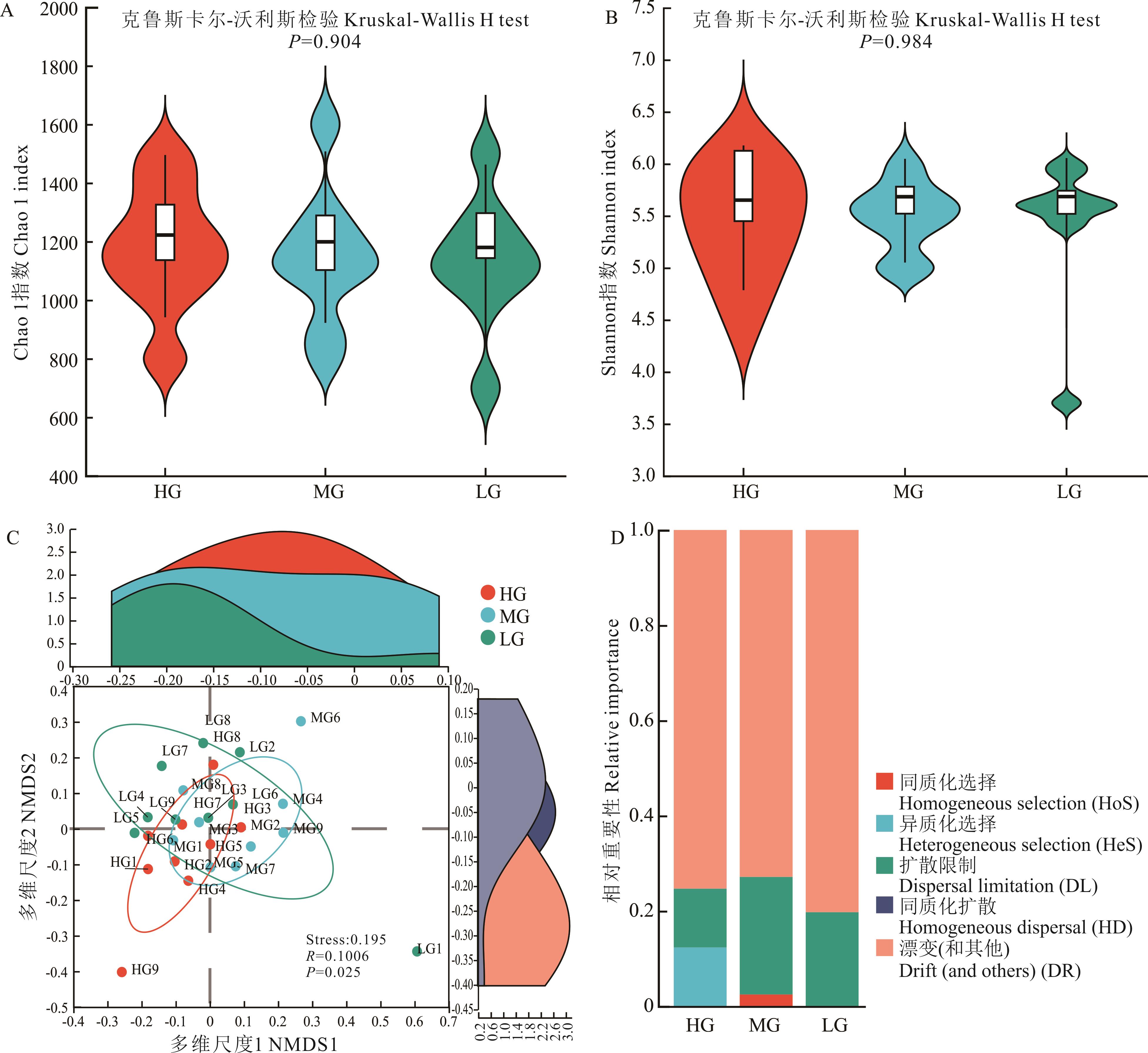
Fig.1 Effects of different energy supplements on rumen microbial community diversity in growing yaks
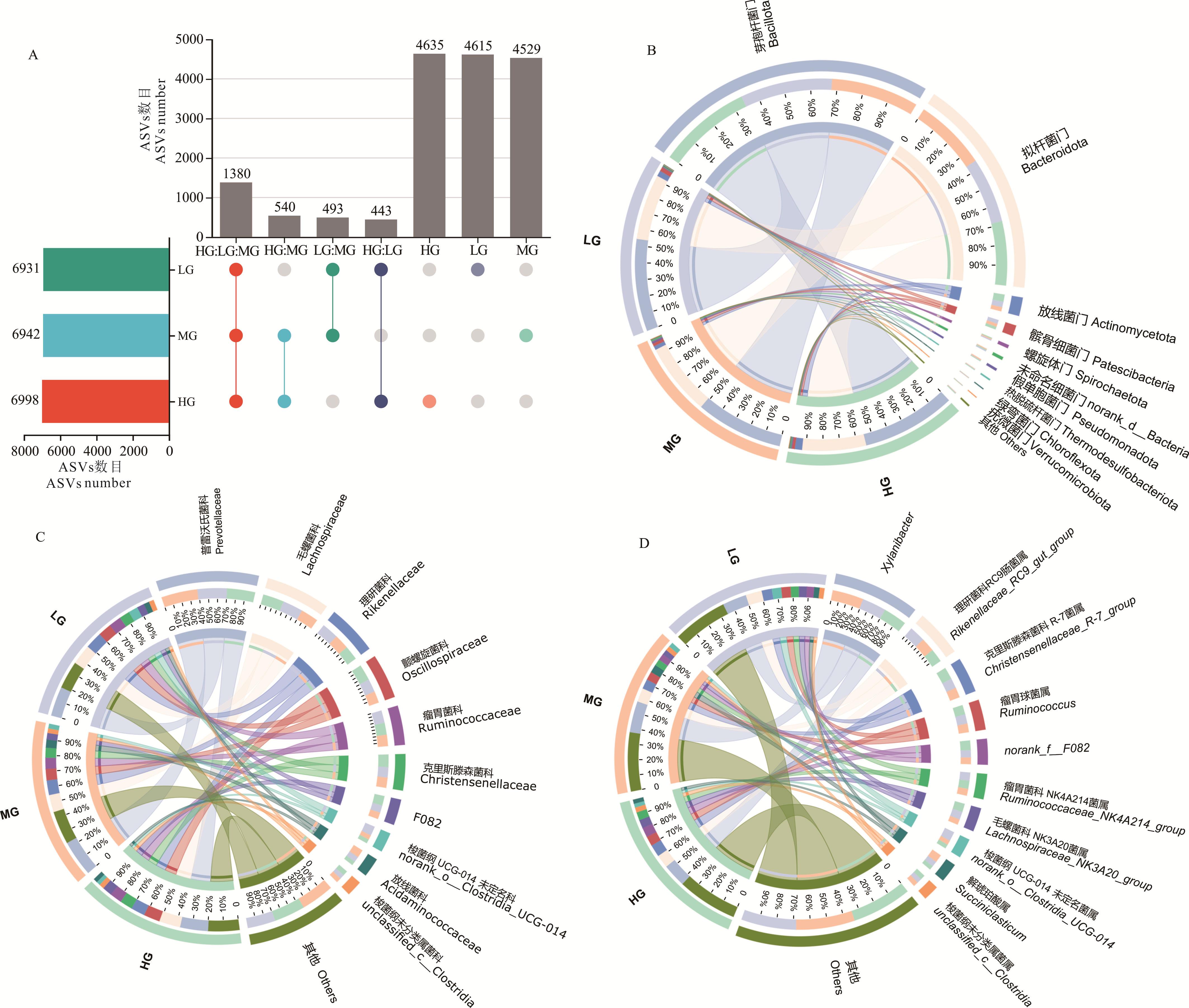
Fig.2 The effect of different energy levels of supplementary feed on the composition of the rumen microbial community in growing yaks
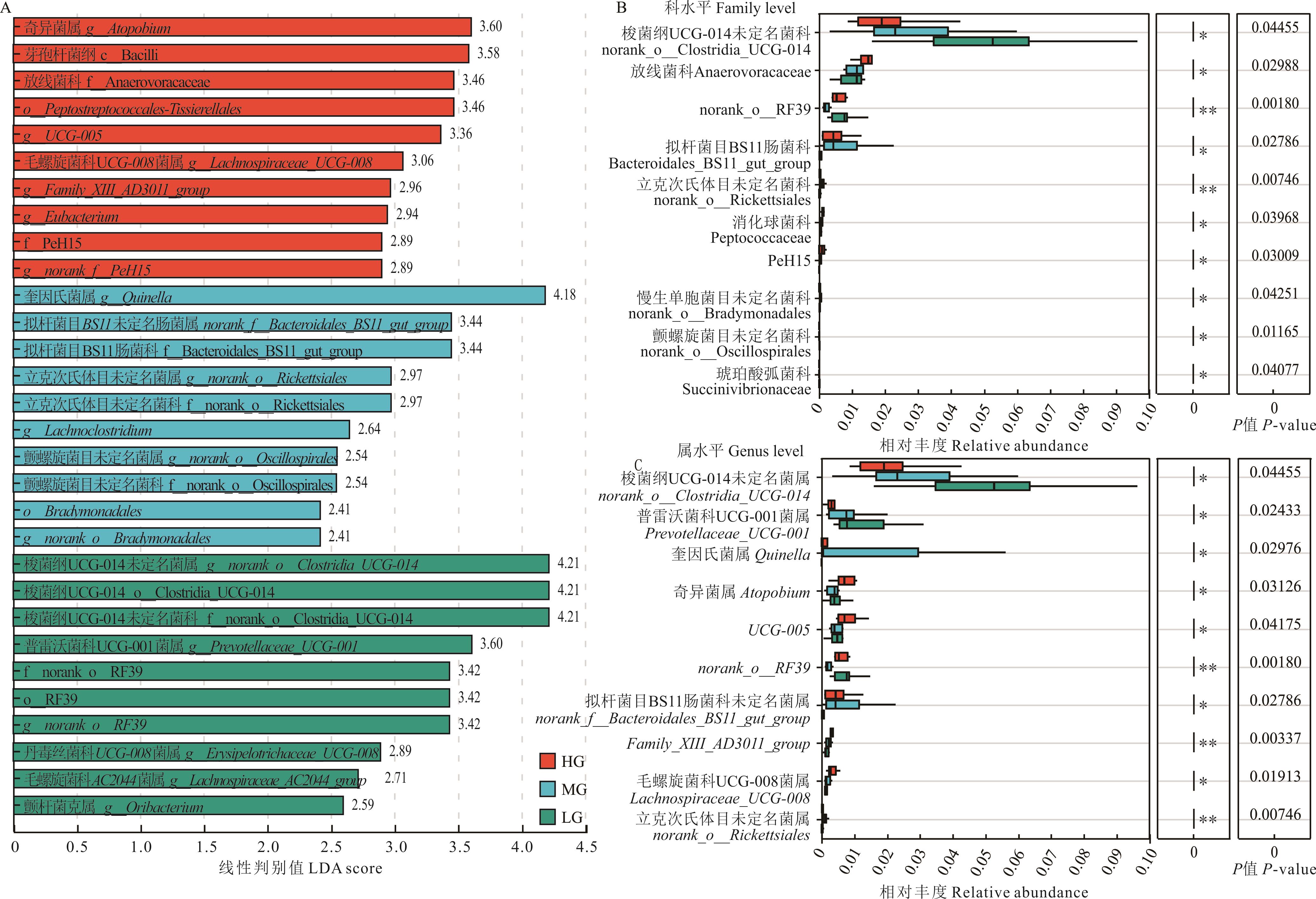
Fig.3 Analysis of differences in rumen microbial communities of yaks during growth periods under different energy levels of supplementary feed
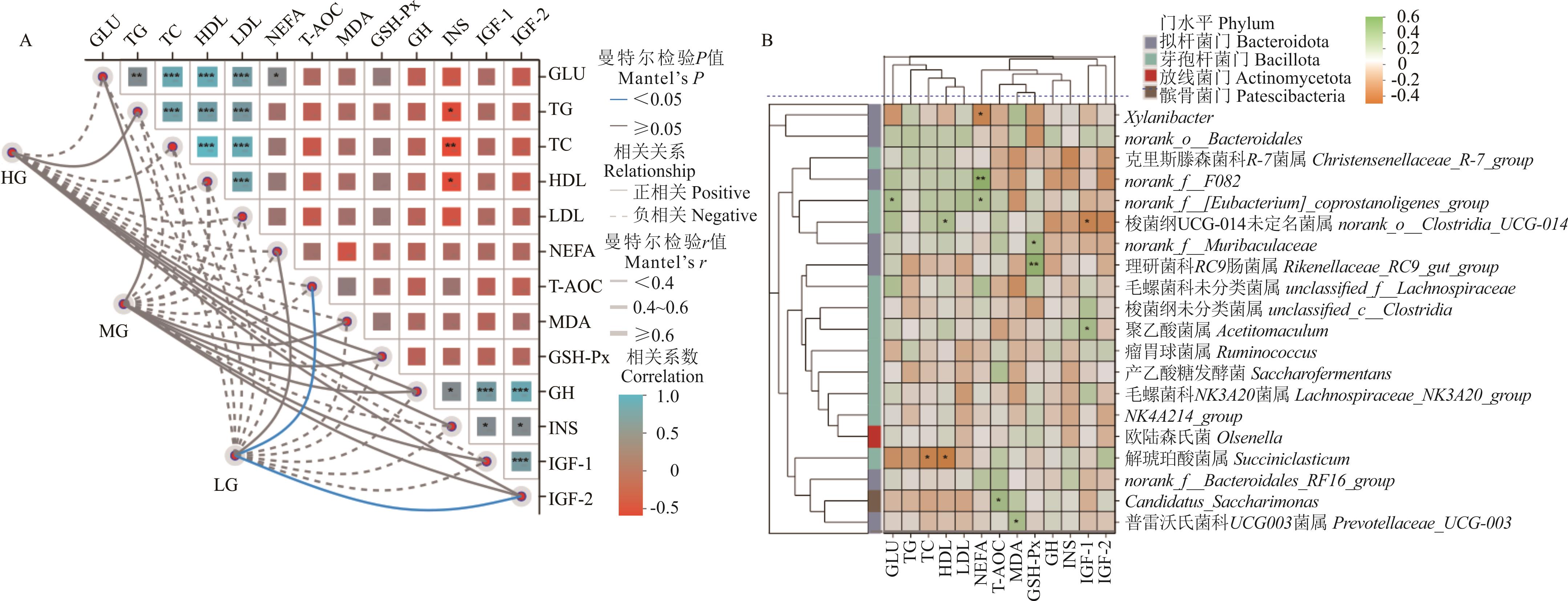
Fig.4 Analysis of factors influencing the changes in rumen microbial community structure of yaks during the growth period
| [1] | Long R J, Ding L M, Shang Z H, et al. The yak grazing system on the Qinghai-Tibetan Plateau and its status. The Rangeland Journal, 2008, 30(2): 241-246. |
| [2] | Gu Z L, Zhao X B, Li N, et al. Complete sequence of the yak (Bos grunniens) mitochondrial genome and its evolutionary relationship with other ruminants. Molecular Phylogenetics and Evolution, 2007, 42(1): 248-255. |
| [3] | Guo W, Zhou M, Ma T, et al. Survey of rumen microbiota of domestic grazing yak during different growth stages revealed novel maturation patterns of four key microbial groups and their dynamic interactions. Animal Microbiome, 2020, 2(1): 23. |
| [4] | Eisler M C, Lee M R, Tarlton J F, et al. Agriculture: Steps to sustainable livestock. Nature, 2014, 507(7490): 32-34. |
| [5] | Yeoman C J, White B A. Gastrointestinal tract microbiota and probiotics in production animals. Annual Review of Animal Biosciences, 2014, 2: 469-486. |
| [6] | Ding X Z, Long R J, Kreuzer M, et al. Methane emissions from yak (Bos grunniens) steers grazing or kept indoors and fed diets with varying forage:Concentrate ratio during the cold season on the Qinghai-Tibetan Plateau. Animal Feed Science & Technology, 2010, 162(3/4): 91-98. |
| [7] | Ma X M, Guo X, La Y F, et al. Integrative analysis of proteomics and transcriptomics of longissimus dorsi with different feeding systems in yaks. Foods, 2023, 12(2): 257. |
| [8] | Ahmad A A, Yang C, Zhang J B, et al. Effects of dietary energy levels on rumen fermentation, microbial diversity, and feed efficiency of yaks (Bos grunniens). Frontiers in Microbiology, 2020, 11: 625. |
| [9] | Shen D, Zeng Z M, Pang K Y, et al. Effects of low-concentrate and high-concentrate diets on yak growth performance and rumen microbiota structure. Acta Prataculturae Sinica, 2024, 33(5): 155-165. |
| 申迪, 曾子铭, 庞凯悦, 等. 低精料日粮和高精料日粮对牦牛生长性能和瘤胃菌群结构的影响. 草业学报, 2024, 33(5): 155-165. | |
| [10] | Ministry of Agriculture of the People’s Republic of China. Feeding standard of beef cattle: NY/T 815-2004. Beijing: China Agricultural Press, 2004. |
| 中华人民共和国农业部. 肉牛饲养标准: NY/T 815-2004. 北京: 中国农业出版社, 2004. | |
| [11] | Dexter F. Wilcoxon-Mann-Whitney test used for data that are not normally distributed. Anesthesia and Analgesia, 2013, 117(3): 537-538. |
| [12] | Krzywinski M, Schein J, Birol I, et al. Circos: An information aesthetic for comparative genomics. Genome Research, 2009, 19(9): 1639-1645. |
| [13] | Gao Y D, Zhuang W L, Wang X, et al. Meta-analysis of effects of concentrate supplementation in warm and cold seasons on growth performance and rumen fermentation of grazing yaks. Pratacultural Science, 2025, 42(4): 1067-1081. |
| 高一丹, 庄万兰, 王旭, 等. 冷暖季精料补饲对放牧牦牛生长性能和瘤胃发酵影响的Meta分析. 草业科学, 2025, 42(4): 1067-1081. | |
| [14] | Deng Y F, Wang J, Hou W F, et al. Comparison of growth performance and economic benefits between winter-spring stall feeding and grazing of Tibetan yaks. Chinese Journal of Animal Science, 2013, 49(17): 77-81. |
| 邓由飞, 王建, 侯文峰, 等. 斯布牦牛冬春季舍饲肥育与放牧饲养的生长性能和经济效益比较. 中国畜牧杂志, 2013, 49(17): 77-81. | |
| [15] | Jin S W, Han Y C, Sun Y G, et al. Effects of different feeding methods on growth performance and blood physiological and biochemical indexes of yaks. Acta Prataculturae Sinica, 2025, 34(1):215-225. |
| 靳生伟, 韩银仓, 孙永刚, et al. 冷季不同饲养方式对牦牛生长性能及血液生理生化指标的影响. 草业学报, 2025, 34(1): 215-225. | |
| [16] | Nemmar A. Passage of inhaled particles into the blood circulation in humans. Circulation, 2002, 105(4): 411-414. |
| [17] | Ayuk J, Sheppard M C. Growth hormone and its disorders. Postgraduate Medical Journal, 2006, 82(963): 24-30. |
| [18] | Renaville R, Hammadi M, Portetelle D. Role of the somatotropic axis in the mammalian metabolism. Domestic Animal Endocrinology, 2002, 23(1/2): 351-360. |
| [19] | Wang H Z. Effects of dietary energy concentration on performance, rumen fermentation and intramuscular fat metabolism in yaks fed indoors. Chengdu: Sichuan Agricultural University, 2015. |
| 王鸿泽. 日粮能量水平对舍饲育肥牦牛生产性能、瘤胃发酵及肌内脂肪代谢的影响. 成都: 四川农业大学, 2015. | |
| [20] | Zhang J X. Mechanism of the effects of seasonal supplementation on yak performance. Chengdu: Sichuan Agricultural University, 2013. |
| 张建勋. 不同季节牦牛补饲效果及其机理研究. 成都: 四川农业大学, 2013. | |
| [21] | Zhang H B, Zhang X F, Wang Z S, et al. Effects of dietary energy level on lipid metabolism-related gene expression in subcutaneous adipose tissue of Yellow breed×Simmental cattle. Animal Science Journal, 2015, 86(4): 392-400. |
| [22] | Yang C. The response of molecular mechanism of adipose metabolism in yak to different dietary energy levels. Lanzhou: Lanzhou University, 2018. |
| 杨超. 牦牛脂肪代谢对饲粮能量水平响应的分子机制研究. 兰州: 兰州大学, 2018. | |
| [23] | Dalile B, Van Oudenhove L, Vervliet B, et al. The role of short-chain fatty acids in microbiota-gut-brain communication. Nature Reviews Gastroenterology & Hepatology, 2019, 16(8): 461-478. |
| [24] | Dehority B A. Rumen microbiology. United Kingdom: Nottingham University Press, 2003. |
| [25] | Tannock G W. Modulating the gut microbiota of humans by dietary intervention with plant glycans. Applied and Environmental Microbiology, 2021, 26; 87(6): e02757-20. doi: 10.1128/AEM.02757-20. PMID: 33355114; PMCID: . |
| [26] | Nuriel-Ohayon M, Neuman H, Koren O. Microbial changes during pregnancy, birth, and infancy. Frontiers in Microbiology, 2016, 7: 1031. |
| [27] | Fernando S C, Purvis H T, Najar F Z, et al. Rumen microbial population dynamics during adaptation to a high-grain diet. Applied and Environmental Microbiology, 2010, 76(22): 7482-7490. |
| [28] | Hu X, Liu G, Shafer A B A, et al. Comparative analysis of the gut microbial communities in forest and alpine musk deer using high-throughput sequencing. Frontiers in Microbiology, 2017, 8: 572. |
| [29] | Oikonomou G, Teixeira A G, Foditsch C, et al. Fecal microbial diversity in pre-weaned dairy calves as described by pyrosequencing of metagenomic 16S rDNA. Associations of Faecalibacterium species with health and growth. PLoS One, 2013, 8(4): e63157. |
| [30] | Malmuthuge N, Griebel P J, Guan L L. Taxonomic identification of commensal bacteria associated with the mucosa and digesta throughout the gastrointestinal tracts of preweaned calves. Applied and Environmental Microbiology, 2014, 80(6): 2021-2028. |
| [31] | Yeoman C J, Ishaq S L, Bichi E, et al. Biogeographical differences in the influence of maternal microbial sources on the early successional development of the bovine neonatal gastrointestinal tract. Scientific Reports, 2018, 8(1): 3197. |
| [32] | Palevich N, Kelly W J, Ganesh S, et al. Butyrivibrio hungatei MB2003 competes effectively for soluble sugars released by Butyrivibrio proteoclasticus B316(T) during growth on xylan or pectin. Applied and Environmental Microbiology, 2019, 23; 85(3): e02056-18. doi: 10.1128/AEM.02056-18. PMID: 30478228; PMCID: . |
| [33] | Ogata T, Makino H, Ishizuka N, et al. Long-term high-grain diet altered the ruminal pH, fermentation, and composition and functions of the rumen bacterial community, leading to enhanced lactic acid production in Japanese black beef cattle during fattening. PLoS One, 2019, 14(11): e0225448. |
| [34] | Pitta D W, Pinchak E, Dowd S E, et al. Rumen bacterial diversity dynamics associated with changing from bermudagrass hay to grazed winter wheat diets. Microbial Ecology, 2010, 59(3): 511-522. |
| [35] | El Kaoutari A, Armougom F, Gordon J I, et al. The abundance and variety of carbohydrate-active enzymes in the human gut microbiota. Nature Reviews: Microbiology, 2013, 11(7): 497-504. |
| [36] | Korpela K. Diet, microbiota, and metabolic health: Trade-off between saccharolytic and proteolytic fermentation. Annual Review of Food Science and Technology, 2018, 9: 65-84. |
| [37] | Hildebrand F, Nguyen T L, Brinkman B, et al. Inflammation-associated enterotypes, host genotype, cage and inter-individual effects drive gut microbiota variation in common laboratory mice. Genome Biology, 2013, 14(1): R4. doi: 10.1186/gb-2013-14-1-r4. PMID: 23347395; PMCID: . |
| [38] | An D, Dong X, Dong Z. Prokaryote diversity in the rumen of yak (Bos grunniens) and Jinnan cattle (Bos taurus) estimated by 16S rDNA homology analyses. Anaerobe, 2005, 11(4): 207-215. |
| [39] | Zhao Y P, Xu H J, Wang M M, et al. Effects of rumen-protected amylase on performance, rumen fermentation parameters and flora composition of mid-lactating dairy cows. Chinese Joumal of Animal Nutrition, 2024, 36(10): 6409-6421. |
| 赵玉萍, 徐宏建, 王美美, et al. 过瘤胃淀粉酶对泌乳中期奶牛生产性能、瘤胃发酵参数和菌群组成的影响. 动物营养学报, 2024, 36(10): 6409-6421. | |
| [40] | Gylswyk N O V. Succiniclasticum ruminis gen. nov., sp. nov., a ruminal bacterium converting succinate to propionate as the sole energy-yielding mechanism. International Journal of Systematic Bacteriology, 1995, 45(2): 297-300. |
| [1] | Jin-shun ZHAN, Hao-yun JIANG, Hao-bin JIA, Hai-bo WANG, Zhi-yong GU, Yue PAN, Xiao-jun ZHONG, Jun-hong HUO. A comparative study of the growth rate, blood biochemical indexes and rumen fermentation of hybrid sheep from different breed combinations [J]. Acta Prataculturae Sinica, 2026, 35(4): 197-210. |
| [2] | Pan-ping YANG, Hui-xia LI, Ya-mei HU. Exploration of meat quality characteristics of Yanchi Tan sheep and the potential regulatory mechanisms [J]. Acta Prataculturae Sinica, 2025, 34(4): 223-232. |
| [3] | Yu-jie LI, Qi-wei SHEN, Ao ZHANG, Dan LIU, Dai-hua YE, Ting-xuan LI. P accumulation and P removal potential of a P-accumulating ecotype of Polygonum hydropiper for different manure types [J]. Acta Prataculturae Sinica, 2022, 31(3): 114-123. |
| [4] | Wen-ting GUO, Guo-hua WANG, Qian-qian GOU, Jing LIU. Module growth and biomass allocation of three typical Chenopodiaceae annuals in a typical desert-oasis ecotone of the Hexi Corridor in Gansu Province, China [J]. Acta Prataculturae Sinica, 2022, 31(2): 25-38. |
| [5] | Chong-yang HAN, Shuan WANG, Su-tian ZUO, San-bo YAN, Yang WANG, Jia-bang CAI, Cong-yu MA, Xin-quan ZHANG, Gang NIE. An evaluation of suitability of ten Trifolium repens varieties for use on the Chengdu Plain [J]. Acta Prataculturae Sinica, 2022, 31(11): 105-117. |
| [6] | Jun-nian LI, Shao-hua KANG, Dong-mei YANG, Qian HE, Shuang LI, Shuang-lun TAO. Effects of substituting dietary alfalfa meal with kudzu vine (Pueraria lobata) meal on serum biochemical indexes, apparent nutrient digestibility and growth performance in Boer crossbred goats [J]. Acta Prataculturae Sinica, 2021, 30(8): 146-153. |
| [7] | Jiang-wei LI, Zhi-you WANG, Sheng-zhen HOU, Yun LEI, Jian-lei JIA, Li ZHOU, Lin-sheng GUI. Effects of dietary concentrate∶roughage ratio on rumen morphology and microbial flora in fattening Tibetan sheep [J]. Acta Prataculturae Sinica, 2021, 30(3): 100-109. |
| [8] | Hong-jiao HU, Xin-ping LIU, Tong-hui ZHANG, Yu-hui HE, Ming-ming WANG, La-mei ZHANG, Shan-shan SUN, Li CHENG. Feed nutritional value and silage processing properties of Caragana microphylla [J]. Acta Prataculturae Sinica, 2021, 30(11): 181-190. |
| [9] | LI Fei-fei, ZHANG Fan-fan, WANG Xu-zhe, TANG Kai-ting, MA Chun-hui. Effects of cutting date and crop growth stage on alfalfa silage quality [J]. Acta Prataculturae Sinica, 2019, 28(12): 137-148. |
| [10] | ZHANG Yong, GUO Hai-Ming, TANG Zhi-Hong, CAO Kai, WANG Yang-Po, YE Jun-An. Effects of pelleted rape straw feed on productive performance, rumen fermentation parameters, and blood biochemical indexes of Hu sheep [J]. Acta Prataculturae Sinica, 2016, 25(10): 171-179. |
| [11] | LIU Huan, MU Ping, ZHAO Guiqin, ZHOU Xiangrui. The impact of herbicides on production and antioxidant properties of oats [J]. Acta Prataculturae Sinica, 2015, 24(2): 41-48. |
| [12] | ZHENG Wei, ZHU Jin-zhong, Jianaerguli. A comprehensive evaluation of the productive performance of legume-grass mixtures under different mixed sowing patterns [J]. Acta Prataculturae Sinica, 2012, 21(6): 242-251. |
| [13] | WANG Hong-bo, GUO Jiang-peng, LI Fa-di, HAO Zheng-li, YAN Ping. Effect of nutrition level on reproductive performance of Tan×Small Tail Han crossbred ewes [J]. Acta Prataculturae Sinica, 2011, 20(6): 254-263. |
| [14] | LIU Tai-yu, LI Meng-yun, NIE Fu-rong, LIU Qing-hua, WANG Yan-ling. A study on changes of amino acid profiles after 6 or 16 h rumen degradation of 2 legumes at different maturities [J]. Acta Prataculturae Sinica, 2009, 18(1): 105-111. |
| Viewed | ||||||
|
Full text |
|
|||||
|
Abstract |
|
|||||
