
ISSN 1004-5759 CN 62-1105/S
Acta Prataculturae Sinica ›› 2025, Vol. 34 ›› Issue (9): 97-110.DOI: 10.11686/cyxb2024374
Previous Articles Next Articles
Chang-qing LI1,2( ), Ya-ru SONG1, Fan XIAO1, Chun-yu MIAO1, Meng-yu SUN1, Meng JI1, Zhi-mei SUN1()
Received:2024-09-26
Revised:2024-10-31
Online:2025-09-20
Published:2025-07-02
Contact:
Zhi-mei SUN
Chang-qing LI, Ya-ru SONG, Fan XIAO, Chun-yu MIAO, Meng-yu SUN, Meng JI, Zhi-mei SUN. Analysis of main agronomic traits of low-fertility-tolerant and high-yielding maize varieties[J]. Acta Prataculturae Sinica, 2025, 34(9): 97-110.
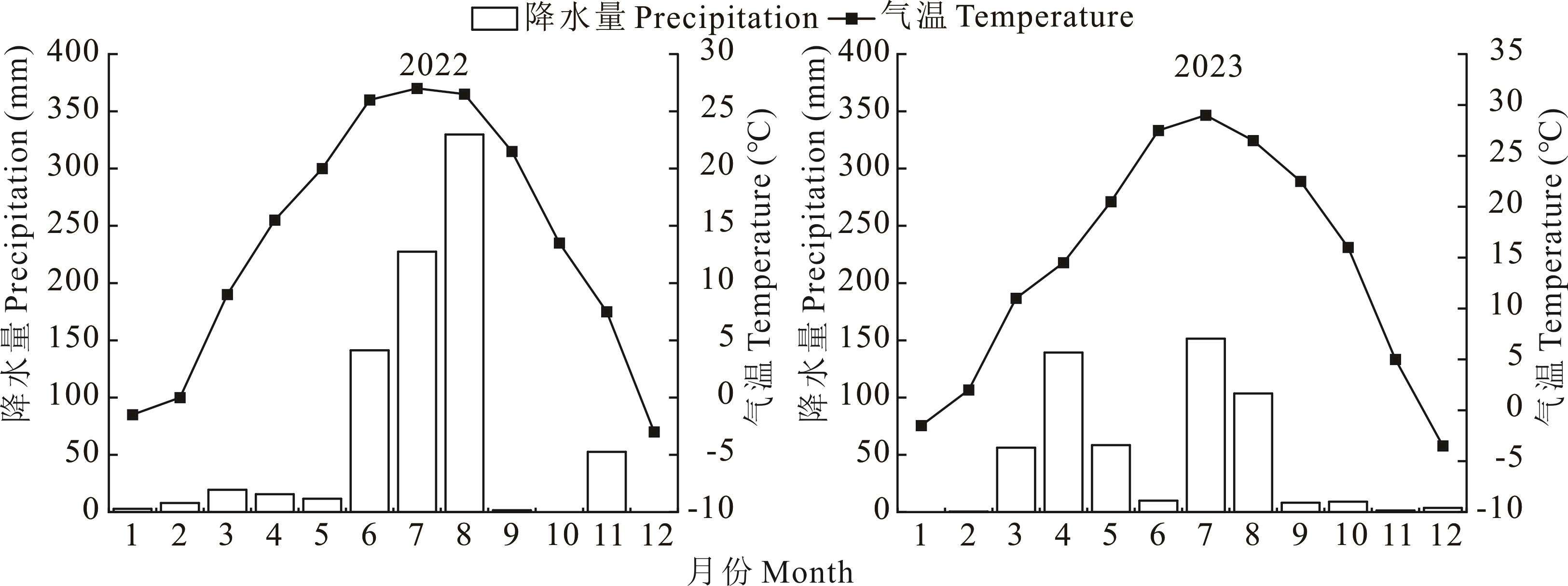
Fig.1 Monthly precipitation and average temperature in 2022-2023
| 品种Varieties | 代号Code number | 选育单位Breeding organization |
|---|---|---|
| 华皖261 Huawan 261 | HW | 安徽华皖种业有限公司Anhui Huawan Seed Industry Co., Ltd. |
| 科恩702 Keen 702 | KE | 石家庄考恩农业科技有限公司Shijiazhuang Kaoen Agriculture Technology Co., Ltd. |
| 美抗1T Meikang1T | MK | 河北冀农种业有限责任公司Hebei Jinong Seed Industry Limited Liability Company |
| 怀玉20 Huaiyu 20 | HY | 河南怀川种业有限责任公司Henan Huaichuan Seed Industry Co., Ltd. |
| 冀农802 Jinong 802 | JN | 河北冀农种业有限责任公司Hebei Jinong Seed Industry Limited Liability Company |
| 金海188 Jinhai 188 | JH | 莱州市金海种业有限公司Laizhou Jinhai Seed Industry Co., Ltd. |
| 矮状元858 Aizhuangyuan 858 | AZY | 河北德道农业科技有限公司Hebei Dedao Agriculture Technology Co., Ltd. |
| 京农科729 Jingnongke 729 | JNK | 北京市农林科学院玉米研究所Maize Research Institute of Beijing Academy of Agriculture and Forestry Sciences |
| 农大372 Nongda 372 | ND | 中国农业大学China Agricultural University |
| 郑单958 Zhengdan 958 | ZD | 河南省农业科学院粮食作物研究所Cereal Institute, Henan Academy of Agricultural Sciences |
Table 1 Code of tested maize varieties and their origins
| 品种Varieties | 代号Code number | 选育单位Breeding organization |
|---|---|---|
| 华皖261 Huawan 261 | HW | 安徽华皖种业有限公司Anhui Huawan Seed Industry Co., Ltd. |
| 科恩702 Keen 702 | KE | 石家庄考恩农业科技有限公司Shijiazhuang Kaoen Agriculture Technology Co., Ltd. |
| 美抗1T Meikang1T | MK | 河北冀农种业有限责任公司Hebei Jinong Seed Industry Limited Liability Company |
| 怀玉20 Huaiyu 20 | HY | 河南怀川种业有限责任公司Henan Huaichuan Seed Industry Co., Ltd. |
| 冀农802 Jinong 802 | JN | 河北冀农种业有限责任公司Hebei Jinong Seed Industry Limited Liability Company |
| 金海188 Jinhai 188 | JH | 莱州市金海种业有限公司Laizhou Jinhai Seed Industry Co., Ltd. |
| 矮状元858 Aizhuangyuan 858 | AZY | 河北德道农业科技有限公司Hebei Dedao Agriculture Technology Co., Ltd. |
| 京农科729 Jingnongke 729 | JNK | 北京市农林科学院玉米研究所Maize Research Institute of Beijing Academy of Agriculture and Forestry Sciences |
| 农大372 Nongda 372 | ND | 中国农业大学China Agricultural University |
| 郑单958 Zhengdan 958 | ZD | 河南省农业科学院粮食作物研究所Cereal Institute, Henan Academy of Agricultural Sciences |
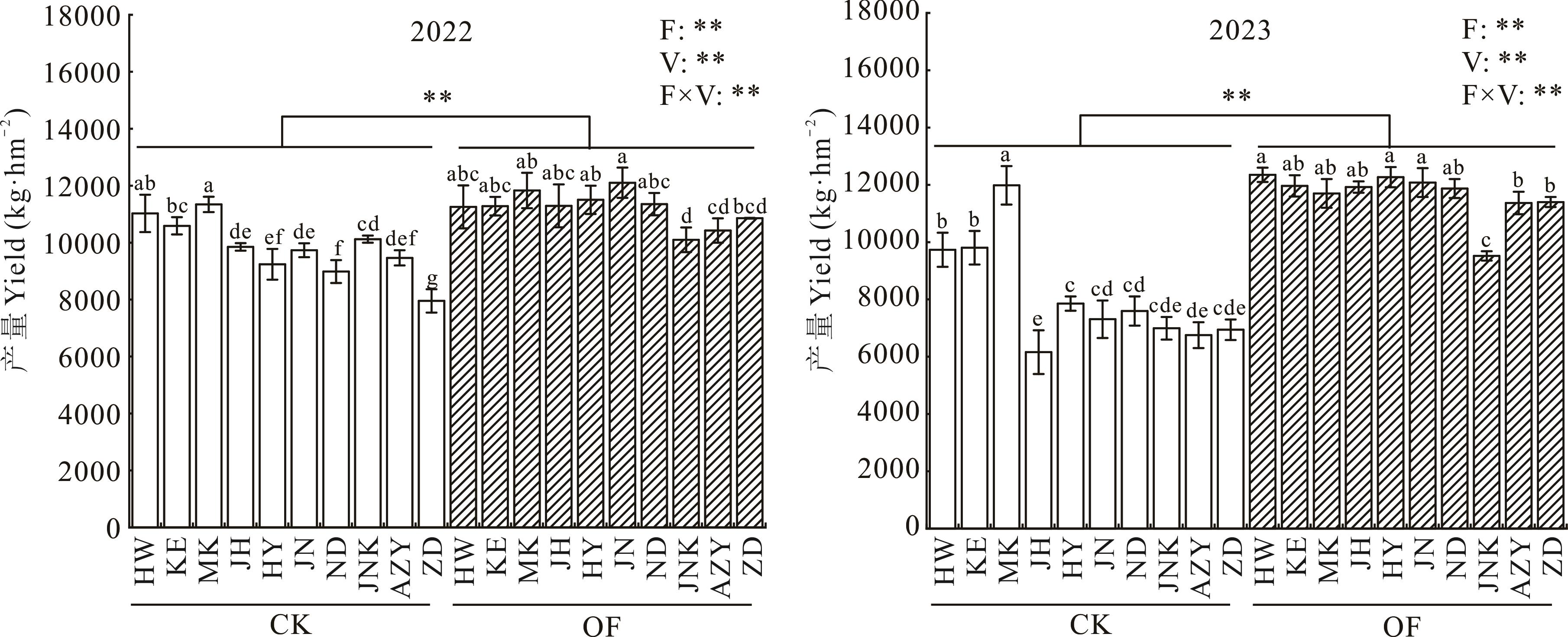
Fig.2 Yield difference of different maize varieties

Fig.3 Classification of tested maize varieties

Fig.4 Yield difference of maize between fertilization and no fertilization
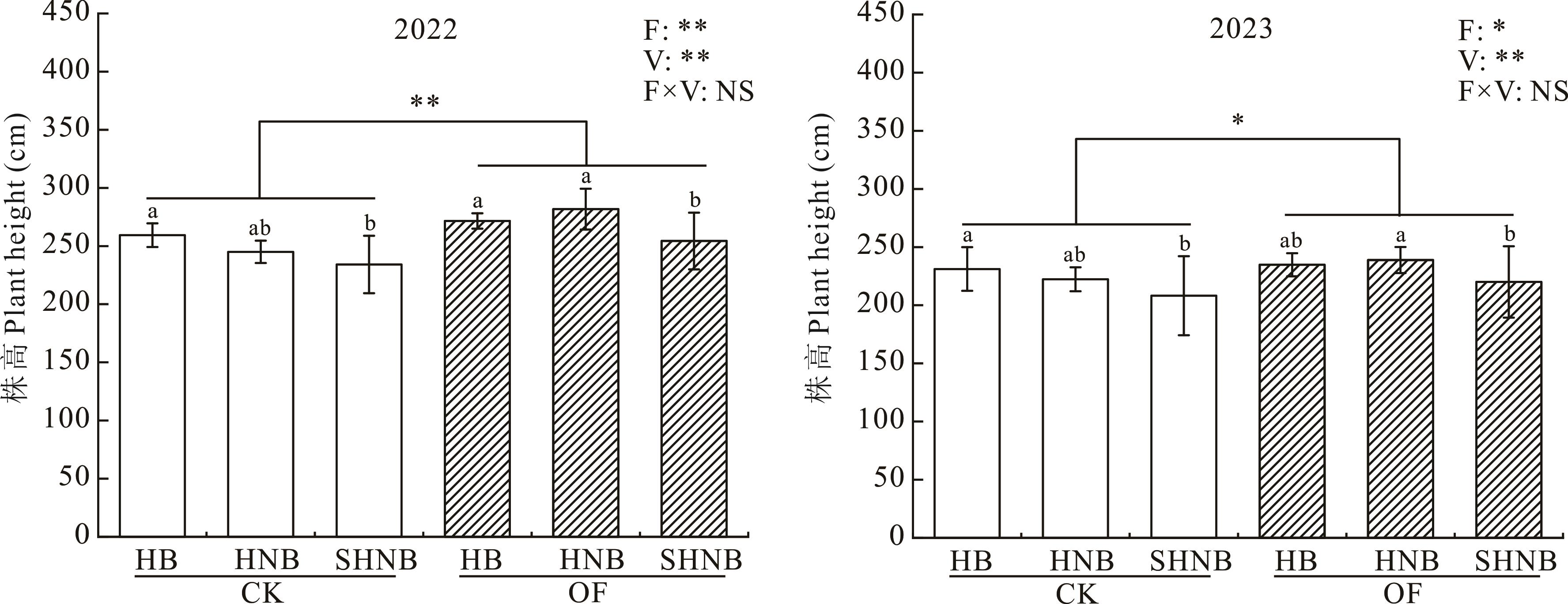
Fig.5 Plant height of different types of maize varieties
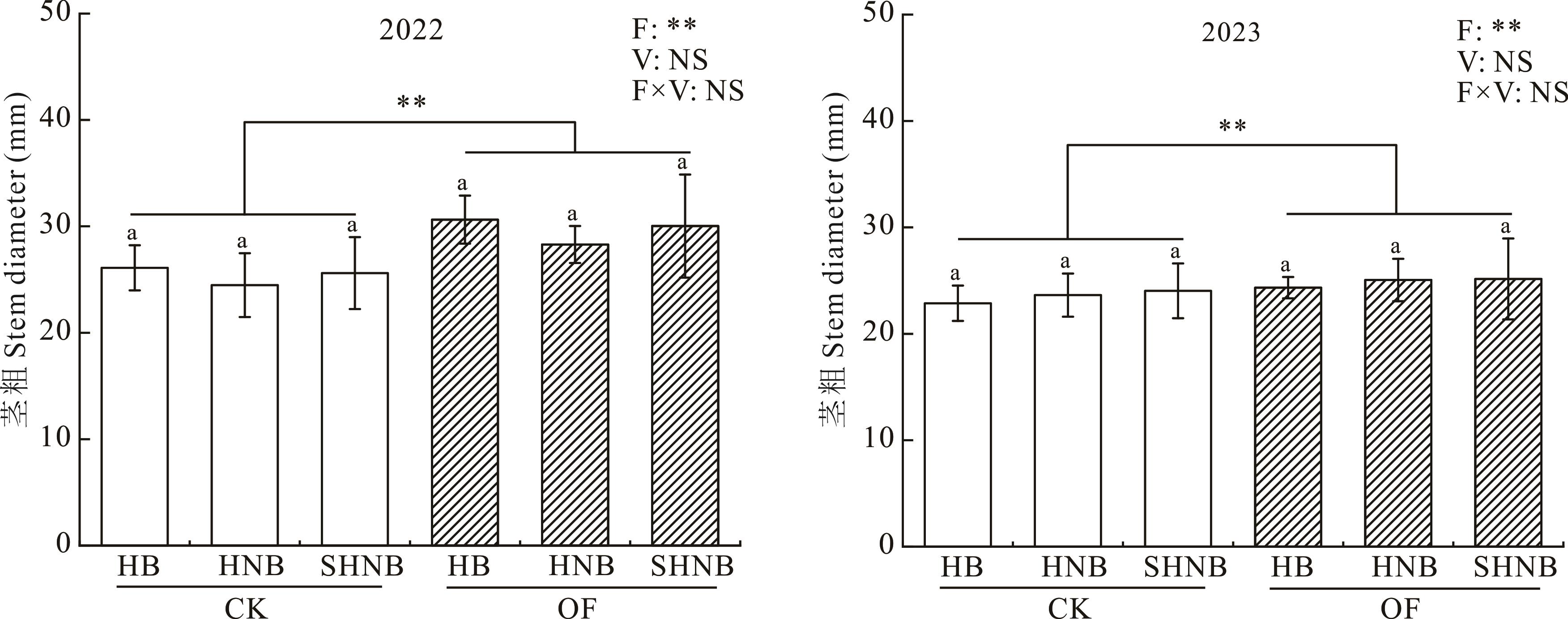
Fig.6 Stem diameter of different types of maize varieties

Fig.7 Ear height of different types of maize varieties
年份 Year | 施肥 Fertilization (F) | 品种 Variety (V) | 穗长 Ear length (cm) | 秃尖长 Bald tip length (cm) | 行粒数 Kernels per row | 穗粗 Ear diameter (cm) | 穗行数 Rows per ear | 穗粒数 Kernels per ear | 百粒重 100-grain weight (g) |
|---|---|---|---|---|---|---|---|---|---|
| 2022 | CK | HB | 18.0±0.72a | 0.2±0.09b | 38.3±2.70a | 4.4±0.44a | 15.7±0.79a | 608.4±39.40a | 32.6±2.93a |
| HNB | 16.8±1.11b | 0.8±0.53a | 33.3±4.66b | 4.2±0.54a | 16.1±1.57a | 513.8±70.64b | 32.4±3.10a | ||
| SHNB | 15.5±0.83c | 0.8±0.19a | 33.4±1.90b | 4.6±0.47a | 15.4±1.34a | 512.4±26.84b | 33.2±1.44a | ||
| OF | HB | 18.3±1.35a | 0.2±0.03a | 39.0±2.53a | 4.8±0.57a | 16.4±0.84a | 636.0±48.42a | 34.1±1.97a | |
| HNB | 18.1±1.06a | 0.2±0.02a | 37.8±1.14a | 4.5±0.42a | 16.5±1.47a | 620.6±53.43a | 33.9±2.53a | ||
| SHNB | 16.2±0.61b | 0.2±0.03a | 35.2±1.31b | 4.5±0.45a | 15.8±1.02a | 554.2±39.36b | 34.0±1.56a | ||
| 2023 | CK | HB | 18.4±1.82a | 0.3±0.18c | 36.3±2.65a | 4.9±0.40a | 16.0±0.58a | 578.6±47.49a | 35.6±3.70a |
| HNB | 15.4±1.20b | 1.4±0.28b | 28.9±2.27b | 4.2±0.40b | 15.0±1.19b | 435.6±60.26b | 34.5±2.08a | ||
| SHNB | 15.4±1.11b | 2.6±0.73a | 30.4±2.87b | 4.4±0.40b | 14.6±0.45b | 441.0±32.47b | 33.4±3.85a | ||
| OF | HB | 18.8±1.64a | 0.2±0.03a | 37.6±2.51a | 5.0±0.46a | 15.6±0.68a | 583.7±32.61a | 39.3±2.03a | |
| HNB | 18.8±1.07a | 0.2±0.02a | 36.2±2.82ab | 5.0±0.43a | 16.0±1.10a | 581.5±25.99a | 41.1±2.03a | ||
| SHNB | 17.2±0.51b | 0.2±0.02a | 34.1±3.52b | 4.7±0.23a | 15.8±0.45a | 536.6±47.92b | 38.7±3.72a | ||
| 2022 | F | ** | ** | ** | NS | NS | ** | NS | |
| V | ** | ** | ** | NS | NS | ** | NS | ||
| F×V | NS | ** | NS | NS | NS | * | NS | ||
| 2023 | F | ** | ** | ** | ** | ** | ** | ** | |
| V | ** | ** | ** | ** | NS | ** | NS | ||
| F×V | ** | ** | ** | ** | ** | ** | NS | ||
Table 2 Ear characters of different types of maize varieties
年份 Year | 施肥 Fertilization (F) | 品种 Variety (V) | 穗长 Ear length (cm) | 秃尖长 Bald tip length (cm) | 行粒数 Kernels per row | 穗粗 Ear diameter (cm) | 穗行数 Rows per ear | 穗粒数 Kernels per ear | 百粒重 100-grain weight (g) |
|---|---|---|---|---|---|---|---|---|---|
| 2022 | CK | HB | 18.0±0.72a | 0.2±0.09b | 38.3±2.70a | 4.4±0.44a | 15.7±0.79a | 608.4±39.40a | 32.6±2.93a |
| HNB | 16.8±1.11b | 0.8±0.53a | 33.3±4.66b | 4.2±0.54a | 16.1±1.57a | 513.8±70.64b | 32.4±3.10a | ||
| SHNB | 15.5±0.83c | 0.8±0.19a | 33.4±1.90b | 4.6±0.47a | 15.4±1.34a | 512.4±26.84b | 33.2±1.44a | ||
| OF | HB | 18.3±1.35a | 0.2±0.03a | 39.0±2.53a | 4.8±0.57a | 16.4±0.84a | 636.0±48.42a | 34.1±1.97a | |
| HNB | 18.1±1.06a | 0.2±0.02a | 37.8±1.14a | 4.5±0.42a | 16.5±1.47a | 620.6±53.43a | 33.9±2.53a | ||
| SHNB | 16.2±0.61b | 0.2±0.03a | 35.2±1.31b | 4.5±0.45a | 15.8±1.02a | 554.2±39.36b | 34.0±1.56a | ||
| 2023 | CK | HB | 18.4±1.82a | 0.3±0.18c | 36.3±2.65a | 4.9±0.40a | 16.0±0.58a | 578.6±47.49a | 35.6±3.70a |
| HNB | 15.4±1.20b | 1.4±0.28b | 28.9±2.27b | 4.2±0.40b | 15.0±1.19b | 435.6±60.26b | 34.5±2.08a | ||
| SHNB | 15.4±1.11b | 2.6±0.73a | 30.4±2.87b | 4.4±0.40b | 14.6±0.45b | 441.0±32.47b | 33.4±3.85a | ||
| OF | HB | 18.8±1.64a | 0.2±0.03a | 37.6±2.51a | 5.0±0.46a | 15.6±0.68a | 583.7±32.61a | 39.3±2.03a | |
| HNB | 18.8±1.07a | 0.2±0.02a | 36.2±2.82ab | 5.0±0.43a | 16.0±1.10a | 581.5±25.99a | 41.1±2.03a | ||
| SHNB | 17.2±0.51b | 0.2±0.02a | 34.1±3.52b | 4.7±0.23a | 15.8±0.45a | 536.6±47.92b | 38.7±3.72a | ||
| 2022 | F | ** | ** | ** | NS | NS | ** | NS | |
| V | ** | ** | ** | NS | NS | ** | NS | ||
| F×V | NS | ** | NS | NS | NS | * | NS | ||
| 2023 | F | ** | ** | ** | ** | ** | ** | ** | |
| V | ** | ** | ** | ** | NS | ** | NS | ||
| F×V | ** | ** | ** | ** | ** | ** | NS | ||

Fig.8 Coupling coordination degree of different types of maize varieties

Fig.9 Correlationship between agronomic traits and yield of different types of maize varieties (n=120)
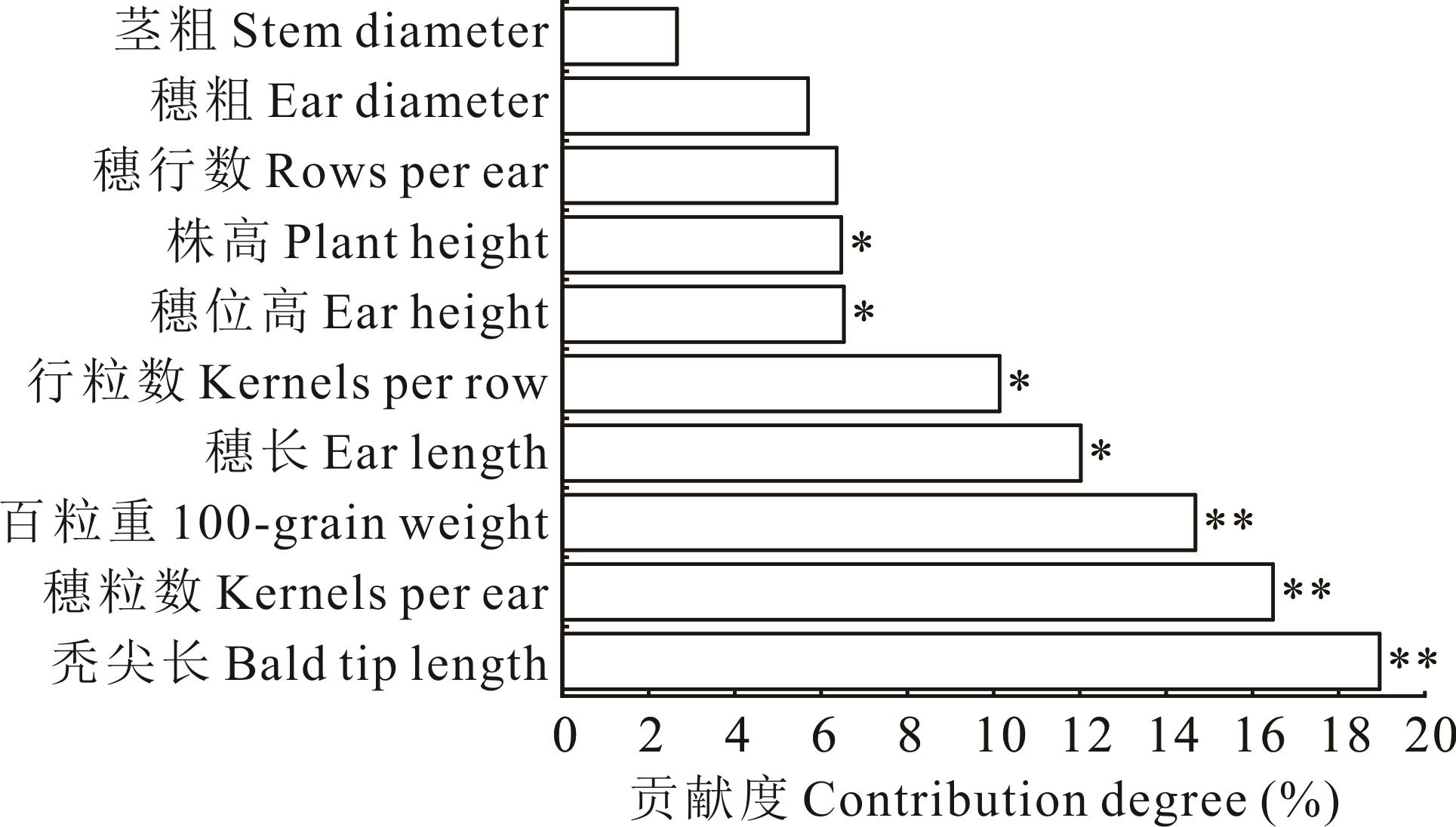
Fig.10 Contribution degree of agronomic traits of different types of maize varieties to yield

Fig.11 Relationship between agronomic traits and yield of low-fertility-tolerant and high-yielding maize (n=36)
指标 Indexes | 最高预测产量 Highest forecast yield (kg·hm-2) | 95%最高预测产量 95% highest forecast yield (kg·hm-2) | 适宜范围 Suitable value |
|---|---|---|---|
| 穗长Ear length | 12454.6 | 11831.9 | 17.80~20.42 cm |
| 秃尖长Bald tip length | 12218.0 | 11607.1 | <0.05 cm |
| 行粒数Kernels per row | 12632.6 | 12000.9 | 34.32~40.36 |
| 穗粒数Kernels per ear | 12666.2 | 12032.9 | 578.95~691.55 |
| 百粒重100-grain weight | 12314.0 | 11698.3 | 34.31~39.70 g |
| 株高Plant height | 12307.3 | 11691.9 | 229.43~256.98 cm |
| 穗位高Ear height | 12478.1 | 11854.2 | 103.38~125.52 cm |
Table 3 Characteristic values of main agronomic characters of low-fertility-tolerant and high-yielding maize
指标 Indexes | 最高预测产量 Highest forecast yield (kg·hm-2) | 95%最高预测产量 95% highest forecast yield (kg·hm-2) | 适宜范围 Suitable value |
|---|---|---|---|
| 穗长Ear length | 12454.6 | 11831.9 | 17.80~20.42 cm |
| 秃尖长Bald tip length | 12218.0 | 11607.1 | <0.05 cm |
| 行粒数Kernels per row | 12632.6 | 12000.9 | 34.32~40.36 |
| 穗粒数Kernels per ear | 12666.2 | 12032.9 | 578.95~691.55 |
| 百粒重100-grain weight | 12314.0 | 11698.3 | 34.31~39.70 g |
| 株高Plant height | 12307.3 | 11691.9 | 229.43~256.98 cm |
| 穗位高Ear height | 12478.1 | 11854.2 | 103.38~125.52 cm |
| [1] | Niu L L, Qin W F, You Y L, et al. Effects of precipitation variability and conservation tillage on soil moisture, yield and quality of silage maize. Frontiers in Sustainable Food Systems, 2023, 7: 1198649. |
| [2] | Bai J, Tian W C, Qiu Z J, et al. Effects of different nitrogen types and levels on the yield and forage quality of silage maize in saline-alkali soil. Journal of Plant Nutrition and Fertilizers, 2024, 30(9): 1683-1693. |
| 白炬, 田伟辰, 仇子健, 等. 不同氮肥类型及用量对盐碱耕地青贮玉米产量及饲用品质的影响. 植物营养与肥料学报, 2024, 30(9): 1683-1693. | |
| [3] | Rizzo G, Monzon J P, Tenorio F A, et al. Climate and agronomy, not genetics, underpin recent maize yield gains in favorable environments. Proceedings of the National Academy of Sciences of the United States of America, 2022, 119(4): 1-6. |
| [4] | Li A Q, Zhang J, Cui X L, et al. Nitrogen fertilizer synergist in urea under irrigation for high yield of summer maize at the filling stage. Transactions of the Chinese Society of Agricultural Engineering, 2023, 39(16): 99-110. |
| 李澳旗, 张俊, 崔晓路, 等. 不同灌水量下尿素添加适宜氮肥增效剂促进夏玉米灌浆增产. 农业工程学报, 2023, 39(16): 99-110. | |
| [5] | Liu H, Zhu X M, Zhuo F Y, et al. Evaluation of the contribution of pest control to three major grain crops in China in 2023. China Plant Protection, 2024, 44(1): 62-66, 103. |
| 刘慧, 朱晓明, 卓富彦, 等. 2023年全国三大粮食作物病虫害防控植保贡献率评价研究报告. 中国植保导刊, 2024, 44(1): 62-66, 103. | |
| [6] | Dai J R, E L Z. Scientific and technological innovation of maize breeding in China. Journal of Maize Sciences, 2010, 18(1): 1-5. |
| 戴景瑞, 鄂立柱. 我国玉米育种科技创新问题的几点思考. 玉米科学, 2010, 18(1): 1-5. | |
| [7] | Yang D. Contribution analysis of driving factors for maize yield growth in China. Beijing: Chinese Academy of Agricultural Sciences, 2017. |
| 杨笛. 中国玉米产量增长的驱动因素分析. 北京: 中国农业科学院, 2017. | |
| [8] | Sun B, Zhu A N, Yao R J, et al. Research progress on barrier remediation technology and productivity enhancement model for fluvo-aquic soil, red soil, and saline-alkali soil. Acta Pedologica Sinica, 2023, 60(5): 1231-1247. |
| 孙波, 朱安宁, 姚荣江, 等. 潮土、红壤和盐碱地障碍消减技术与产能提升模式研究进展. 土壤学报, 2023, 60(5): 1231-1247. | |
| [9] | Zhao G, Wang S Y, Fan T L, et al. Effects of planting density of different plant type maize on yield in northwest dry highland of loess plateau. Agricultural Research in the Arid Areas, 2018, 36(4): 101-108. |
| 赵刚, 王淑英, 樊廷录, 等. 西北旱塬区不同株型玉米增密对产量的影响. 干旱地区农业研究, 2018, 36(4): 101-108. | |
| [10] | Department of Seed Industry Management, Ministry of Agriculture and Rural Affairs of the People’s Republic of China. On the publicity of varieties approved by the Third Variety Approval Meeting of the Fifth National Crop Variety Approval Committee. (2023-08-03)[2024-09-01]. http://www.zys.moa.gov.cn/gsgg/202308/t20230803_6433424.htm. |
| 中华人民共和国农业农村部种业管理司. 关于第五届国家农作物品种审定委员会第三次品种审定会议通过品种的公示. (2023-08-03)[2024-09-01]. http://www.zys.moa.gov.cn/gsgg/202308/t20230803_6433424.htm. | |
| [11] | Xu T J, Lü T F, Li Z H, et al. Comparison of heat tolerance of maize hybrids and their parental inbreds with different genotypes. Scientia Agricultura Sinica, 2024, 57(2): 403-415. |
| 徐田军, 吕天放, 李自豪, 等. 不同玉米杂交种及其亲本自交系耐热性的差异比较. 中国农业科学, 2024, 57(2): 403-415. | |
| [12] | Cui R, Wang T Y, Wang C Y, et al. Effects of drought stress on growth characters and yield of different maize varieties. Acta Agriculturae Boreali-Sinica, 2021, 36(S1): 94-100. |
| 崔蓉, 王天野, 王呈玉, 等. 干旱胁迫对不同玉米品种生长性状及产量的影响. 华北农学报, 2021, 36(S1): 94-100. | |
| [13] | Zhang J M. Evaluation of adaptability of different maize varieties in medium saline-alkali land. Yinchuan: Ningxia University, 2024. |
| 张晋美. 不同品种玉米在中度盐碱地适应性评价. 银川: 宁夏大学, 2024. | |
| [14] | Cao C Y, Dang H K, Li J, et al. Responses of yield traits and grain filling characteristics of maize to sowing dates and their relationships with meteorological factors. Chinese Journal of Eco-Agriculture, 2023, 31(5): 710-724. |
| 曹彩云, 党红凯, 李佳, 等. 一年一作玉米产量性状和籽粒灌浆特性对播期的响应及其与气象因子的关系. 中国生态农业学报(中英文), 2023, 31(5): 710-724. | |
| [15] | Zhang J J, Chen J P, Tang Y L, et al. Effects of drought stress before and after anthesis on photosynthetic characteristics and yield of summer maize after re-watering. Acta Agronomica Sinica, 2023, 49(5): 1397-1409. |
| 张俊杰, 陈金平, 汤钰镂, 等. 花期前后干旱胁迫对复水后夏玉米光合特性与产量的影响. 作物学报, 2023, 49(5): 1397-1409. | |
| [16] | Zhang Y H, Wang R, Xu Z G, et al. Responses of yield traits to planting density and cultivar of spring maize in drylands under different rainfall types. Transactions of the Chinese Society of Agricultural Engineering, 2021, 37(22): 136-144. |
| 张元红, 王瑞, 徐宗贵, 等. 不同降水年型下旱地玉米产量性状对种植密度和品种的响应. 农业工程学报, 2021, 37(22): 136-144. | |
| [17] | Department of Agriculture and Rural Affairs of Hebei Province. Classification diagnosis of main indexes of cultivated land fertility: DB 13/T 5406-2021. https://www.guoturen.com/wenku-1244. |
| 河北省农业农村厅. 耕地地力主要指标分级诊断: DB 13/T 5406-2021. https://www.guoturen.com/wenku-1244. | |
| [18] | Bo Q F, Ma T, Wei X X, et al. Improvement of maize post-silking agronomic traits contributes to high grain yield under N-efficient cultivars. Field Crops Research, 2024, 313: 109417. |
| [19] | Zhou J, Ma S P. Analysis method and application of SPSSAU scientific research data. Beijing: Publishing House of Electronics Industry, 2024. |
| 周俊, 马世澎. SPSSAU科研数据分析方法与应用. 北京: 电子工业出版社, 2024. | |
| [20] | Wang D, Zhou Y Y, Guo L H, et al. Leaf NPK concentration requisite and chemical fertilizer inputs for high yield and quality of peach production in central Hebei Province. Journal of Plant Nutrition and Fertilizers, 2022, 28(2): 269-278. |
| 王栋, 周媛媛, 郭路航, 等. 冀中地区桃树优质高产的叶片氮磷钾临界值范围及化肥投入量. 植物营养与肥料学报, 2022, 28(2): 269-278. | |
| [21] | Xiong S P, Wu K Y, Wang X C, et al. Analysis of root absorption characteristics and nitrogen utilization of wheat genotypes with different N efficiency. Scientia Agricultura Sinica, 2016, 49(12): 2267-2279. |
| 熊淑萍, 吴克远, 王小纯, 等. 不同氮效率基因型小麦根系吸收特性与氮素利用差异的分析. 中国农业科学, 2016, 49(12): 2267-2279. | |
| [22] | Liu Y E, Hou P, Zhang W Y, et al. Drought resistance of nine maize cultivars released from the 1970s through the 2010s in China. Field Crops Research, 2023, 302: 109065. |
| [23] | Zhang P P, Liu J B, Huang L, et al. Screening of high nitrogen use efficiency varieties and analysis of yield increase potentials of summer maize in Huang-Huai-Hai region. Journal of Maize Sciences, 2022, 30(5): 35-44. |
| 张盼盼, 刘京宝, 黄璐, 等. 黄淮海地区夏玉米氮高效品种筛选及增产潜力分析. 玉米科学, 2022, 30(5): 35-44. | |
| [24] | Feng J X. Effects of plant type characteristics on population structure of maize varieties. Baoding: Hebei Agricultural University, 2021. |
| 冯家兴. 玉米品种株型特征对群体结构的影响. 保定: 河北农业大学, 2021. | |
| [25] | Sharma L K, Bu H, Franzen D W, et al. Use of corn height measured with an acoustic sensor improves yield estimation with ground based active optical sensors. Computers and Electronics in Agriculture, 2016, 124: 254-262. |
| [26] | Lindsey A J, Barker D J, Metzger J D, et al. Physiological and morphological response of a drought-tolerant maize hybrid to agronomic management. Agronomy Journal, 2018, 110: 1354-1362. |
| [27] | Sun J Y, Li S M, Dong L P. Analysis on plant characteristics, yield structure and yield-increasing potential of different maize varieties. China Seed Industry, 2014(4): 44-46. |
| 孙君艳, 李淑梅, 董丽平. 不同玉米品种的植株特性与产量结构及其增产潜力分析. 中国种业, 2014(4): 44-46. | |
| [28] | Xue H Y, Han Y C, Li Y B, et al. Spatial distribution of light interception by different plant population densities and its relationship with yield. Field Crops Research, 2015, 184: 17-27. |
| [29] | Wang M, Zhou G Y, Gao J L, et al. Distribution and matching characteristics of light and nitrogen in maize canopy of high-density tolerance varieties. Acta Agronomica Sinica, 2022, 48(12): 3179-3191. |
| 王梦, 周光远, 高聚林, 等. 玉米耐高密品种冠层光氮分布及匹配特征研究. 作物学报, 2022, 48(12): 3179-3191. | |
| [30] | Kang C R, Xie J H, Li L L, et al. Effects of planting density and nitrogen fertilizer rate on maize yield and photosynthetic characteristics in arid areas of central Gansu, China. Acta Prataculturae Sinica, 2020, 29(5): 141-149. |
| 康彩睿, 谢军红, 李玲玲, 等. 种植密度与施氮量对陇中旱农区玉米产量及光合特性的影响. 草业学报, 2020, 29(5): 141-149. | |
| [31] | Subedi K D, Ma B L. Ear position, leaf area, and contribution of individual leaves to grain yield in conventional and leafy maize hybrids. Crop Science, 2005, 45: 2246-2256. |
| [32] | Zhao Y, Zhang S, Lv Y, et al. Optimizing ear-plant height ratio to improve kernel number and lodging resistance in maize (Zea mays L.). Field Crops Research, 2022, 276: 108376. |
| [33] | Tang Q, Ren J H, Du X, et al. Reduced stem nonstructural carbohydrates caused by plant growth retardant had adverse effects on maize yield under low density. Frontiers in Plant Science, 2022, 13: 1035254. |
| [34] | Cao W X. General introduction of crop cultivation (second edition). Beijing: Science Press, 2011. |
| 曹卫星. 作物栽培学总论(第二版). 北京: 科学出版社, 2011. | |
| [35] | Lu W P, Chen G P, Guo J L, et al. Study on the source and sink in relation to grain yield under different ecological areas in maize (Zea mays L.). Acta Agronomica Sinica, 1997(6): 727-733. |
| 陆卫平, 陈国平, 郭景伦, 等. 不同生态条件下玉米产量源库关系的研究. 作物学报, 1997(6): 727-733. | |
| [36] | Wang Y H, Wang K R, Zhao R L, et al. Relationship between the source and sink of spring maize with high yield. Scientia Agricultura Sinica, 2013, 46(2): 257-269. |
| 王永宏, 王克如, 赵如浪, 等. 高产春玉米源库特征及其关系. 中国农业科学, 2013, 46(2): 257-269. | |
| [37] | Dai M H, Zhao J R, Yang G H, et al. Source-sink relationship and carbon-nitrogen metabolism of maize in different ecological regions and varieties. Scientia Agricultura Sinica, 2011, 44(8): 1585-1595. |
| 戴明宏, 赵久然, 杨国航, 等. 不同生态区和不同品种玉米的源库关系及碳氮代谢. 中国农业科学, 2011, 44(8): 1585-1595. |
| [1] | Peng-fei HU, Yu-nong YE, Tong-rui WANG, Jing WANG, Xing WANG, Bing-zhe FU, Xue-qin GAO. Analysis of genetic variation in agronomic of half-sib families of Medicago sativa [J]. Acta Prataculturae Sinica, 2025, 34(3): 85-96. |
| [2] | Rui ZHANG, Chong-yang HAN, Jia-bang CAI, Yang WANG, Lin-kai HUANG, Xin-quan ZHANG, Gang NIE. Evaluation of production performance of six Festuca arundinacea varieties in the Chengdu Plain [J]. Acta Prataculturae Sinica, 2024, 33(1): 138-148. |
| [3] | Zheng TIAN, Zheng-yu YANG, Zhong-jie LU, Ben LUO, Mao ZHANG, Rui DONG. Acid-aluminum adaptability and tolerance evaluation of 44 alfalfa cultivars [J]. Acta Prataculturae Sinica, 2023, 32(3): 142-151. |
| [4] | Hao CHEN, Fang GONG, Du-lan CHEN. Coupling and coordination relationship between grassland ecosystem service value and ecological well-being of pastoral residents, and its spatial heterogeneity [J]. Acta Prataculturae Sinica, 2023, 32(11): 1-16. |
| [5] | Dong-qing FU, Chun-ying JIA, Li ZHANG, Fan-fan ZHANG, Chun-hui MA. Agronomic traits and fermentation quality of maize silage harvested at different grain-development stages in irrigated drought areas of southern Xinjiang [J]. Acta Prataculturae Sinica, 2022, 31(8): 111-125. |
| [6] | Dong-rong HAN, Tuo YAO, Hai-yun LI, Min-hao CHEN, Ya-min GAO, Chang-ning LI, Jie BAI, Ming SU. Effect of reducing chemical fertilizer and substitution with microbial fertilizer on the growth of Elymus nutans [J]. Acta Prataculturae Sinica, 2022, 31(4): 53-61. |
| [7] | Dong-rong HAN, Tuo YAO, Hai-yun LI, Shu-chao HUANG, Yan-shan YANG, Ya-min GAO, Chang-ning LI, Yin-cui ZHANG. Effects of combined application of microbial fertilizer and chemical fertilizer on the growth of Lolium perenne [J]. Acta Prataculturae Sinica, 2022, 31(3): 136-143. |
| [8] | Chong-yang HAN, Shuan WANG, Su-tian ZUO, San-bo YAN, Yang WANG, Jia-bang CAI, Cong-yu MA, Xin-quan ZHANG, Gang NIE. An evaluation of suitability of ten Trifolium repens varieties for use on the Chengdu Plain [J]. Acta Prataculturae Sinica, 2022, 31(11): 105-117. |
| [9] | Xin-ming WU, Zhi-hong FANG, Hui-wu CHI, Hui-li JIA, Jian-ning LIU, Yong-hong SHI, Xue-min WANG. Comparison of 30 maize (Zea mays) varieties for food and feed in the Yanmenguan area [J]. Acta Prataculturae Sinica, 2022, 31(1): 205-216. |
| [10] | Rui WU, Wen-hui LIU, Yong-chao ZHANG, Yan QIN, Xiao-xing WEI, Min-jie LIU. A study of the correlation between seed shattering and agronomic traits of Elymus sibiricus on the Qinghai-Tibetan Plateau [J]. Acta Prataculturae Sinica, 2021, 30(4): 130-139. |
| [11] | Zaituniguli Kuerban, Tuerxun Tuerhong, TU Zhen-dong, WANG Hui, Shan Qimike, Aikebaier Yilahong. Effects of fertilization on growth and yield of continuously cropped sweet sorghum [J]. Acta Prataculturae Sinica, 2020, 29(8): 81-92. |
| [12] | LI Ji-kai, WANG Jian-li, SHANG Chen, ZHANG Hai-ling, LIU Jie-lin, CHEN Ji-shan, PAN Duo-feng, LIU Kai. Adaptability of different quinoa germplasm lines in Harbin [J]. Acta Prataculturae Sinica, 2019, 28(9): 202-208. |
| [13] | LIU Xiao, WANG Bo, ZHU Xiao-yan, GUO Xiao-jie, WANG Cheng-zhang, LI De-feng. A comparison of 21 varieties of silage maize in Henan Province [J]. Acta Prataculturae Sinica, 2019, 28(8): 49-60. |
| [14] | ZHAO Xiao-qiang, FANG Peng, PENG Yun-ling, ZHANG Jin-wen, ZENG Wen-jing, REN Bin, GAO Qiao-hong. Genetic analysis and QTL mapping for seven agronomic traits in maize (Zea mays) using two connected populations [J]. Acta Prataculturae Sinica, 2018, 27(9): 152-165. |
| [15] | HE Chun-Gui, HE Zhen-Fu, WANG Fei. Efficient double cropping pattern of photoperiod-sensitive sorghum-sudangrass hybrids in summer after winter wheat [J]. Acta Prataculturae Sinica, 2017, 26(5): 70-80. |
| Viewed | ||||||
|
Full text |
|
|||||
|
Abstract |
|
|||||
