
ISSN 1004-5759 CN 62-1105/S
Acta Prataculturae Sinica ›› 2025, Vol. 34 ›› Issue (12): 145-156.DOI: 10.11686/cyxb2025028
Ze-long HU1,2( ), Guo-ling LIANG1,2(), Wen-hui LIU1,2, Wen-hu WANG1,2
Received:2025-01-21
Revised:2025-03-27
Online:2025-12-20
Published:2025-10-20
Contact:
Guo-ling LIANG
Ze-long HU, Guo-ling LIANG, Wen-hui LIU, Wen-hu WANG. Dynamic changes in pigment contents and photosynthetic characteristics of grains of black-grained and yellow-grained oat (Avena sativa)[J]. Acta Prataculturae Sinica, 2025, 34(12): 145-156.

Fig.1 Dynamic changes in lemma color during the development of different colored oat kernels
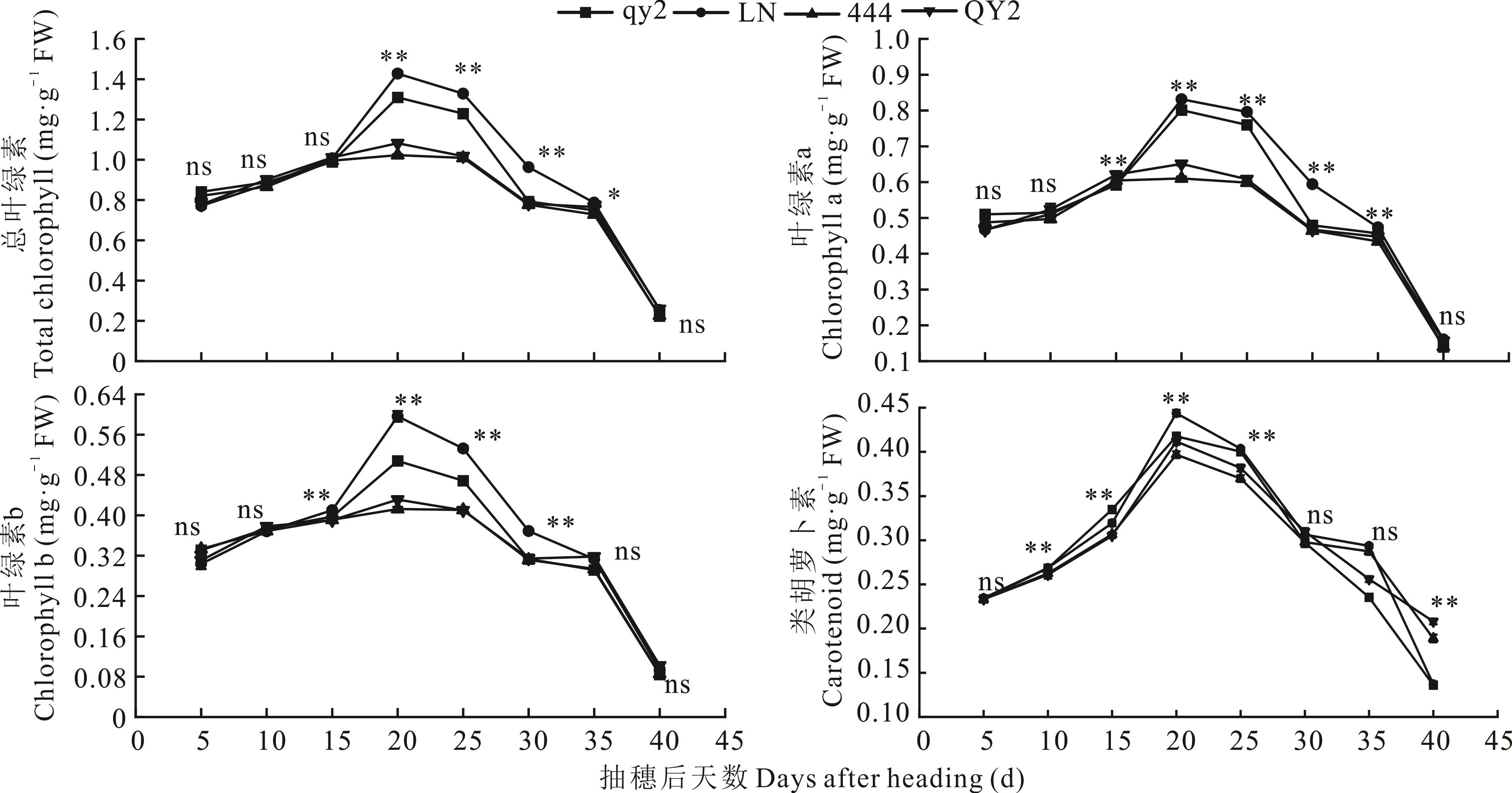
Fig.2 Photosynthetic pigment changes in lemma during the development of different colored oat kernels
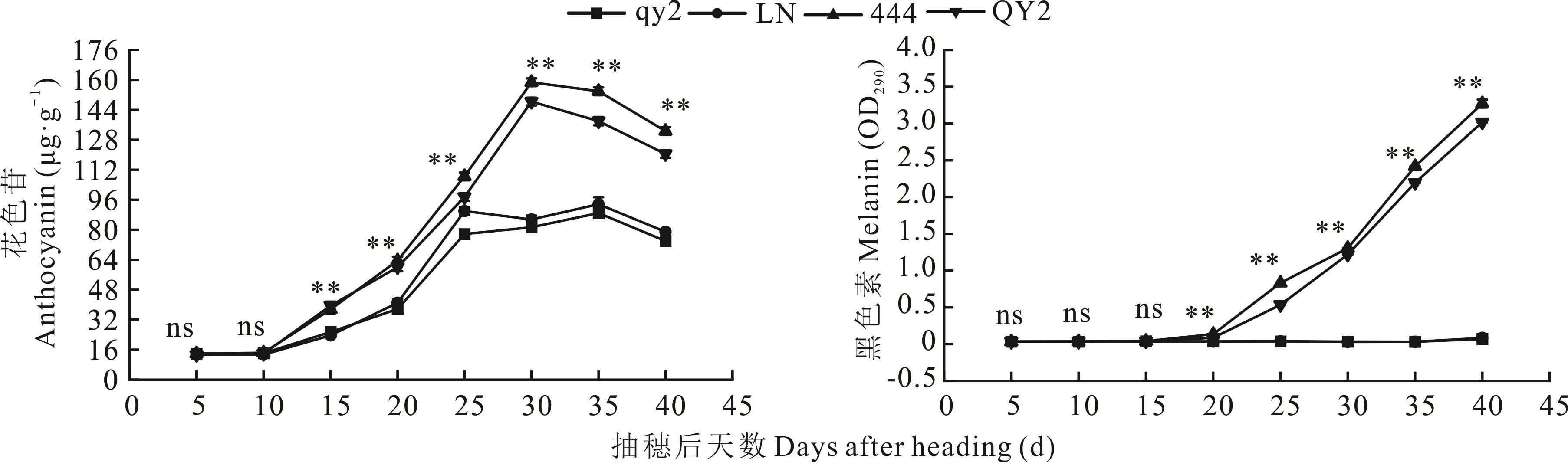
Fig.3 Change in the content of anthocyanin and melanin in the lemma during the development of different colored oat kernels
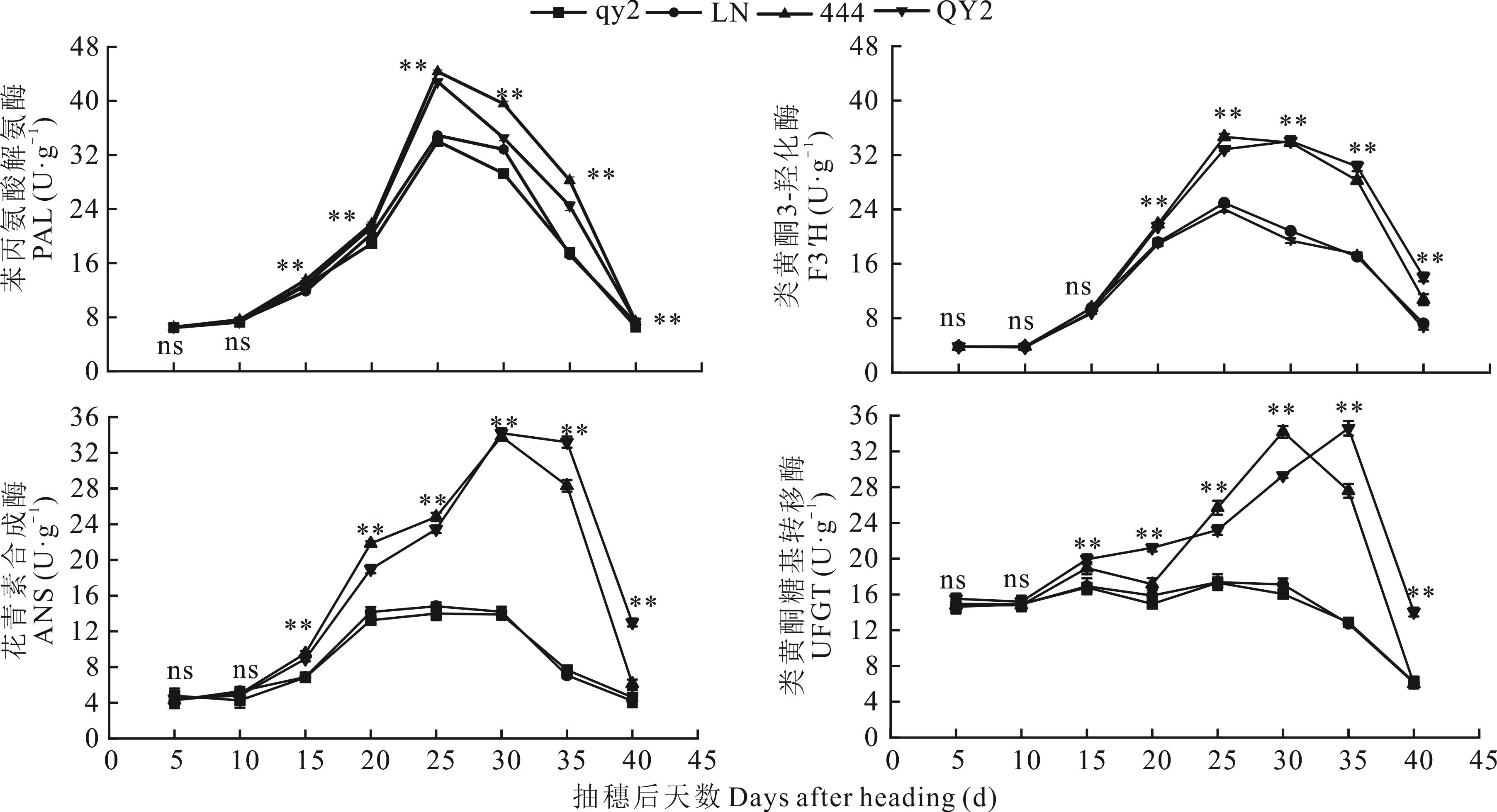
Fig.4 Changes in the activity of enzymes related to the synthesis of anthocyanin in the lemma during the development of different colored oat kernels
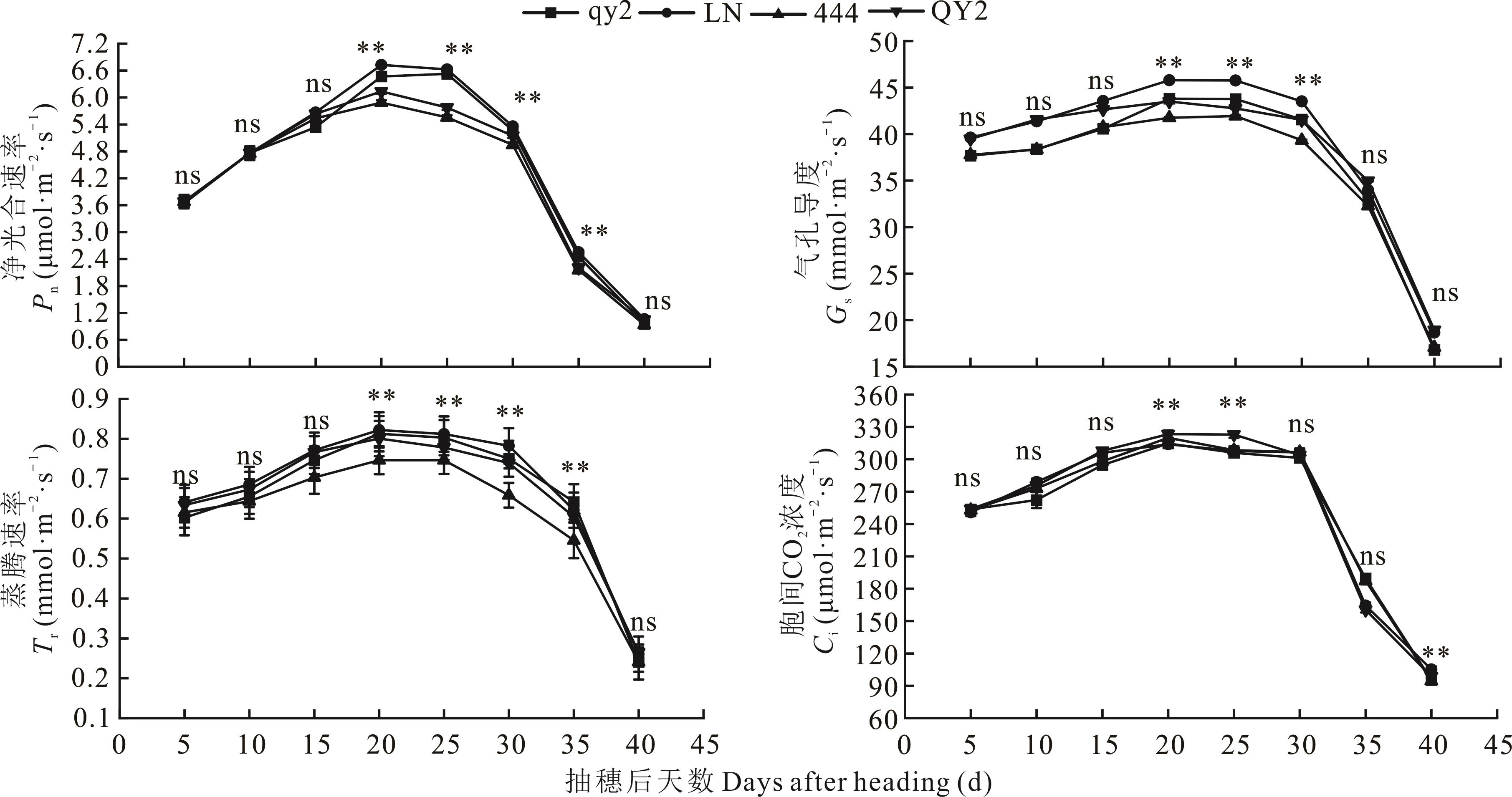
Fig.5 Dynamic changes in photosynthetic parameters in the lemma during the development of different colored oat kernels
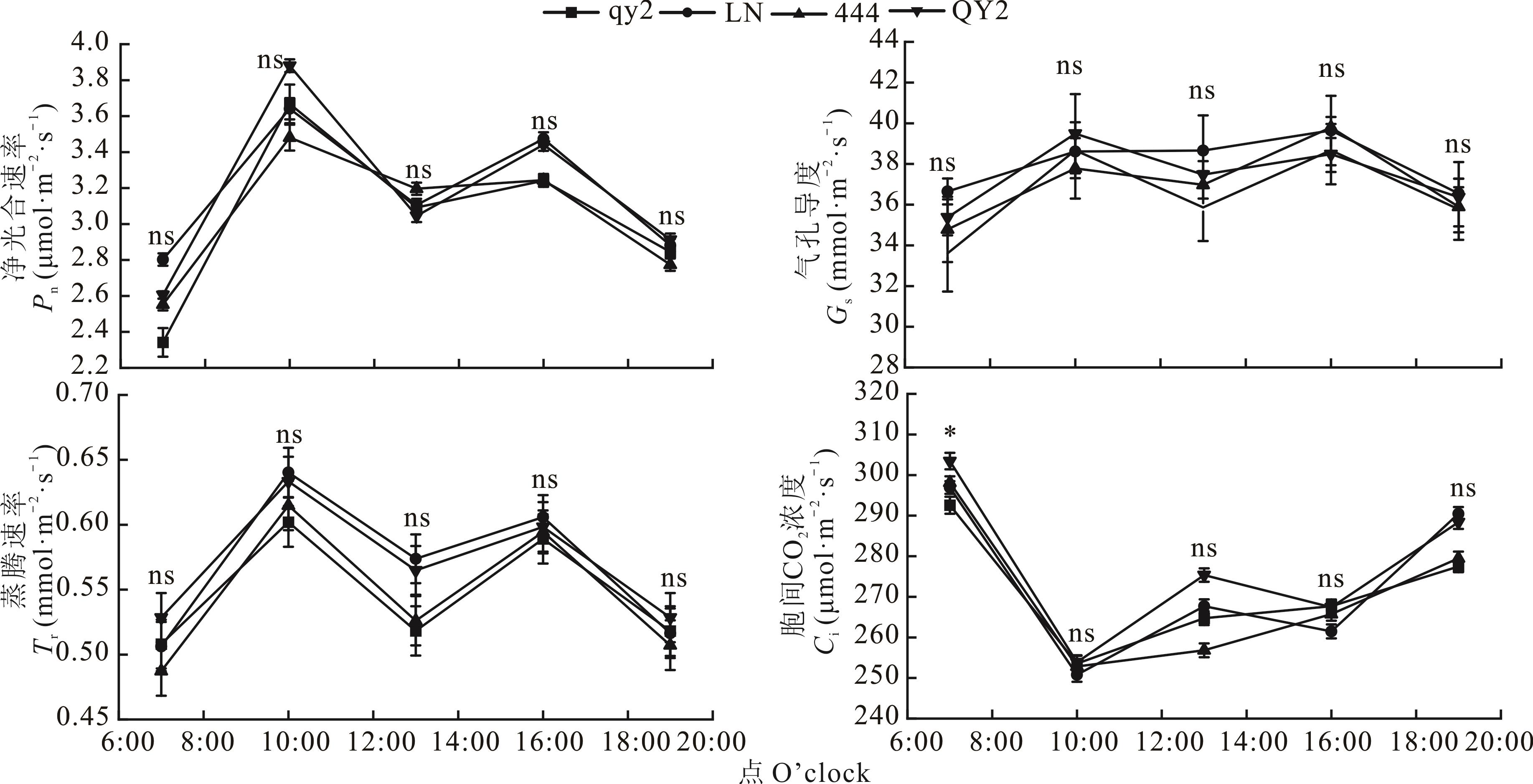
Fig.6 Daily variation in photosynthetic parameters in the lemma of different colored oat kernels during heading stage
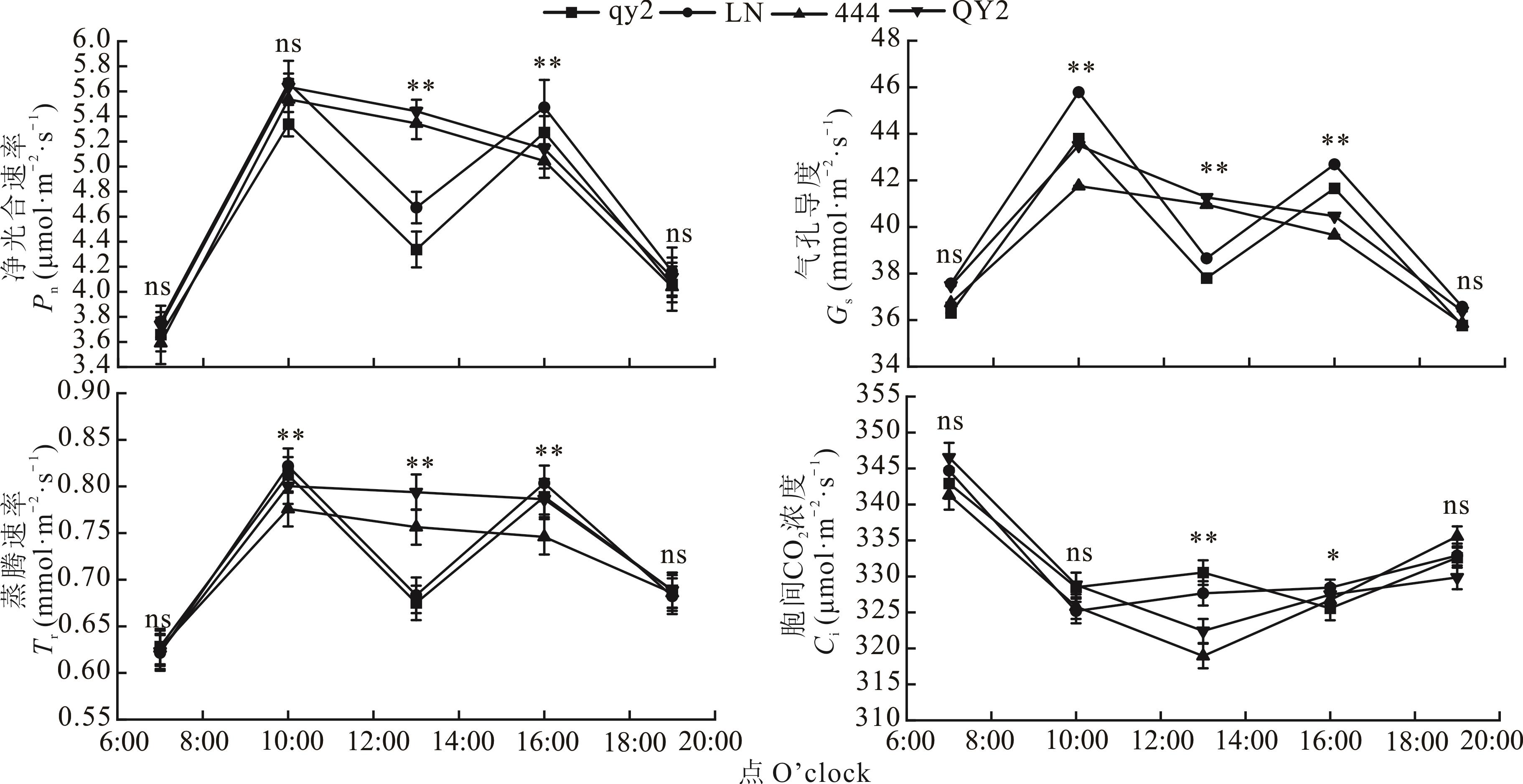
Fig.7 Daily variation in photosynthetic parameters in the lemma of different colored oat kernels during flowering stage

Fig.8 Daily variation in photosynthetic parameters in the lemma of different colored oat kernels during milk stage
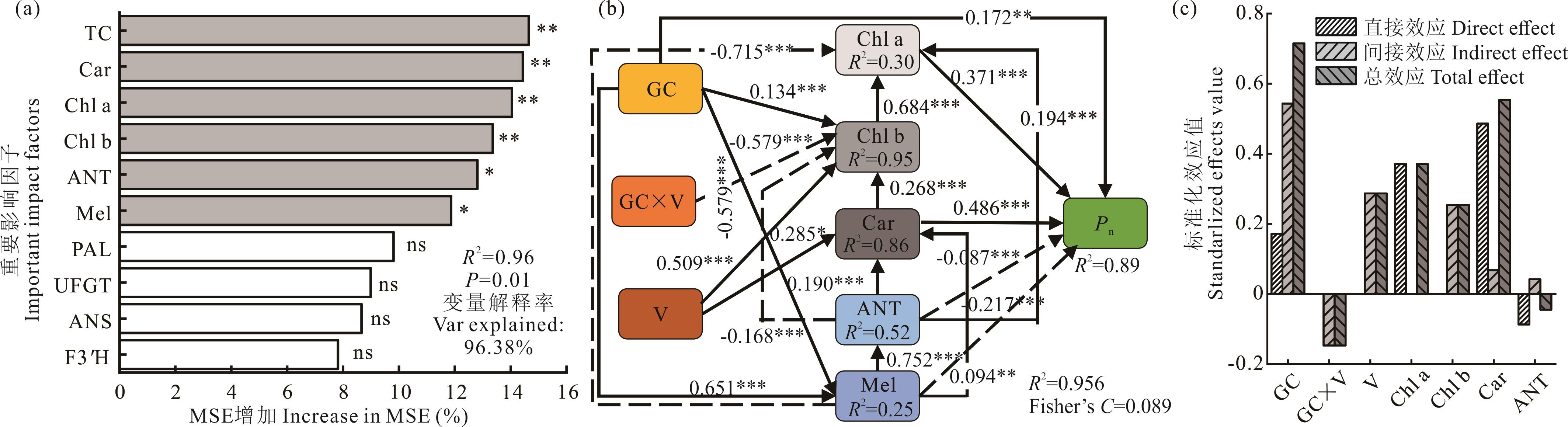
Fig.9 Analysis of factors affecting net photosynthetic rate in oat lemma
| [1] | Baum B R. Typification of Linnaean species of oats, Avena. Taxon, 1974, 23(4): 579-583. |
| [2] | Aschan G, Hardy P. Non-foliar photosynthesis-a strategy of additional carbon acquisition. Flora-Morphology, Distribution, Functional Ecology of Plants, 2003, 198(2): 81-97. |
| [3] | Yun Q W, Wen X X, Zhi M W, et al. Contribution of ear photosynthesis to grain yield under rainfed and irrigation conditions for winter wheat cultivars released in the past 30 years in north China plain. Journal of Integrative Agriculture, 2016, 15(10): 2247-2256. |
| [4] | Simkin A J, Faralli M, Ramamoorthy S, et al. Photosynthesis in non-foliar tissues: implications for yield. The Plant Journal, 2020, 101(4): 1001-1015. |
| [5] | Li X J, Zhi M X, Shi X H, et al. Effect of spike photosynthesis on the grains and glumes in different floret position in wheat. Journal of Triticeae Crops, 2006, 26(5): 146-148. |
| 李秀菊, 职明星, 石晓华, 等. 小麦穗光合对不同花位籽粒及颖壳的影响. 麦类作物学报, 2006, 26(5): 146-148. | |
| [6] | Zeng H G, Yi K, Yang S F, et al. Photosynthetic performance of glumes of oat spikelets is more stable for grain-filling stage under drought stress. Plant Physiology and Biochemistry, 2024, 214(1): 108890. |
| [7] | Tian H Q, Zhou Q P, Liu W H, et al. Responses of photosynthetic characteristics of oat flag leaf and spike to drought stress. Frontiers in Plant Science, 2022, 13: 917528. |
| [8] | Wojtacki M, Żuk-gołaszewska K, Gołaszewski J. Modeling the effects of agronomic factors and physiological and climatic parameters on the grain yield of hulled and hulless oat. European Journal of Agronomy, 2025, 162: 127425. |
| [9] | Alemu A, Feyissa T, Tuberosa R, et al. Genome-wide association mapping for grain shape and color traits in Ethiopian durum wheat(Triticum turgidum). The Crop Journal, 2020, 8(5): 757-768. |
| [10] | Barros J, Dixon R A. Plant phenylalanine/tyrosine ammonia-lyases. Trends in Plant Science, 2020, 25(1): 66-79. |
| [11] | Wang F Y, Liang G L, Liu W H. Genetic diversity analysis of nutritional organs phenotype in 590 oat germplasms. Acta Agrestia Sinica, 2024, 32(1): 158-167. |
| 王凤宇, 梁国玲, 刘文辉. 590份燕麦种质资源营养器官表型性状遗传多样性分析. 草地学报, 2024, 32(1): 158-167. | |
| [12] | Młodzińska E. Survey of plant pigments: molecular and environmental determinants of plant colors. Acta Biologica Cracovienca Series Botanica, 2009, 51(1): 7-16. |
| [13] | Li M, Wang Z, Chen L Q, et al. The relationship between the photosynthetic pigments, carotenoids and yield of broomcorn millet (Panicum miliaceum; Poaceae). Applied Ecology and Environmental Research, 2021, 19(1): 191-203. |
| [14] | Zhang Y C, Liang G L, Qin Y, et al. Characteristics of chlorophyll and photosynthesis in leaves and their response to nutrients during aging of Elymus sibiricus. Acta Prataculturae Sinica, 2022, 31(1): 229-237. |
| 张永超, 梁国玲, 秦燕, 等. 老芒麦衰老过程中叶片叶绿素和光合作用变化特征及对养分的响应. 草业学报, 2022, 31(1): 229-237. | |
| [15] | Mushtaq M A, Pan Q, Chen D, et al. Comparative leaves transcriptome analysis emphasizing on accumulation of anthocyanins in brassica: molecular regulation and potential interaction with photosynthesis. Frontiers in Plant Science, 2016, 7: 311. |
| [16] | Liu B, Zhang D, Sun M, et al. Psii activity was inhibited at flowering stage with developing black bracts of oat. International Journal of Molecular Sciences, 2021, 22(10): 5258. |
| [17] | Zhuang H, Wang H L, Zhang T, et al. NONSTOP GLUMES1 encodes a C2H2 zinc finger protein that regulates spikelet development in rice. The Plant Cell, 2020, 32(2): 392-413. |
| [18] | Ren D, Hu J, Xu Q K, et al. FZP determines grain size and sterile lemma fate in rice. Journal of Experimental Botany, 2018, 69(20): 4853-4866. |
| [19] | Tong C C, Liu X J, Lin F, et al. Yield effect of optimisation of photosynthetic characteristics of alfalfa through balanced fertilization. Acta Prataculturae Sinica, 2020, 29(8): 70-80. |
| 童长春, 刘晓静, 蔺芳, 等. 基于平衡施肥的紫花苜蓿光合特性及光合因子的产量效应研究. 草业学报, 2020, 29(8): 70-80. | |
| [20] | Varga M, Berkesi O, Darula Z, et al. Structural characterization of allomelanin from black oat. Phytochemistry, 2016, 130: 313-320. |
| [21] | Rodríguez-mega E, Piñeyro-nelson A, Gutierrez C, et al. Role of transcriptional regulation in the evolution of plant phenotype: a dynamic systems approach. Developmental Dynamics, 2015, 244(9): 1074-1095. |
| [22] | Matus-cádiz M A, Hucl P, Perron C E, et al. Genotype× environment interaction for grain color in hard white spring wheat. Crop Science, 2003, 43(1): 219-226. |
| [23] | Yang W P, Wang C H, Wang Y S. Comparison of chlorophyll content and senescence physiology of flag leaves between two gluten-type winter wheat varieties. Guangdong Agricultural Sciences, 2011, 38(24): 9-11. |
| 杨文平, 王春虎, 王玉帅. 两种筋型冬小麦品种旗叶叶绿素含量和衰老生理性状比较. 广东农业科学, 2011, 38(24): 9-11. | |
| [24] | Li G H, Guo X, Sun Y B, et al. Physiological and biochemical mechanisms underlying the role of anthocyanin in acquired tolerance to salt stress in peanut (Arachis hypogaea L.). Frontiers in Plant Science, 2024, 15: 1368260. |
| [25] | Sharma H, Sharma P, Kumar A, et al. Multifaceted regulation of anthocyanin biosynthesis in plants: a comprehensive review. Journal of Plant Growth Regulation, 2024, 43(9): 3048-3062. |
| [26] | Dong N, Lin H. Contribution of phenylpropanoid metabolism to plant development and plant-environment interactions. Journal of Integrative Plant Biology, 2021, 63(1): 180-209. |
| [27] | Hong M J, Ko C S, Kim D Y. Genome-wide association study to identify marker-trait associations for seed color in colored wheat (Triticum aestivum L.). International Journal of Molecular Sciences, 2024, 25(7): 3600. |
| [28] | Liu X M, Meng Y, Gu W R, et al. Plant growth regulators application improves spring maize yield by improving net photosynthesis and grain filling rate. International Journal of Agriculture and Biology, 2019, 22(5): 1223-1230. |
| [29] | Wu L Y, Zhang J G, Chang W Q, et al. Diurnal change in chlorophyll fluorescence parameters in three desert plants. Acta Prataculturae Sinica, 2021, 30(9): 203-213. |
| 吴路遥, 张建国, 常闻谦, 等. 三种荒漠植物叶绿素荧光参数日变化特征. 草业学报, 2021, 30(9): 203-213. | |
| [30] | Zhao S S, Blum J A, Ma F F, et al. Anthocyanin accumulation provides protection against high light stress while reducing photosynthesis in apple leaves. International Journal of Molecular Sciences, 2022, 23(20): 12616. |
| [31] | Zheng G S, Wang T. Nonstomatic limitations in midday depression of photosynthesis in winter wheat leaves. Chinese Journal of Applied Ecology, 2001, 12(5): 799-800. |
| 郑国生, 王焘. 田间冬小麦叶片光合午休过程中的非气孔限制. 应用生态学报, 2001, 12(5): 799-800. | |
| [32] | Nie R X, Wei X L, Jin N Q, et al. Response of photosynthetic pigments, gas exchange and chlorophyll fluorescence parameters to light quality in Phoebe bournei seedlings. Plant Growth Regulation, 2024, 103(3): 675-687. |
| [33] | Dabravolski S A, Isayenkov S V. The role of anthocyanins in plant tolerance to drought and salt stresses. Plants, 2023, 12(13): 2558. |
| [34] | Yu Z C, Zheng X T, Lin W, et al. Different photoprotection strategies for mid-and late-successional dominant tree species in a high-light environment in summer. Environmental and Experimental Botany, 2020, 171: 103927. |
| [35] | Ferguson H, Cooper C S, Brown J H, et al. Effect of leaf color, chlorohyll concentration, and temperature on photosynthetic rates of isogenic barley lines. Agronomy Journal, 1972, 64(5): 671-673. |
| [36] | Mu Q, Dong M Q, Xu J T, et al. Photosynthesis of winter wheat effectively reflected multiple physiological responses under short-term drought-rewatering conditions. Journal of the Science of Food and Agriculture, 2022, 102(6): 2472-2483. |
| [37] | Song Q F, Van R J, Den B B, et al. Diurnal and seasonal variations of photosynthetic energy conversion efficiency of field grown wheat. Frontiers in Plant Science, 2022, 13: 817654. |
| [38] | Maai E, Nishimura K, Takisawa R, et al. Light stress-induced chloroplast movement and midday depression of photosynthesis in sorghum leaves. Plant Production Science, 2020, 23(2): 172-181. |
| [39] | Chen L, Wen D Q, Shi G L, et al. Different photoprotective strategies for white leaves between two co-occurring Actinidia species. Physiologia Plantarum, 2023, 175(2): e13880. |
| [40] | Ulloa-inostroza E M, Córdova C, Campos M, et al. Methyl jasmonate improves antioxidants, protecting photosynthetic apparatus in blueberry plants under water deficit. Horticulturae, 2024, 10(3): 259. |
| [41] | Rashidi S, Yousefi A R, Pouryousef M, et al. Total phenol, anthocyanin, and terpenoid content, photosynthetic rate, and nutrient uptake of Solanum nigrum L. and Digitaria sanguinalis L. as affected by arbuscular mycorrhizal fungi inoculation. Weed Biology and Management, 2020, 20(3): 95-108. |
| [42] | Glagoleva A Y, Shoeva O Y, Khlestkina E K. Melanin pigment in plants: current knowledge and future perspectives. Frontiers in Plant Science, 2020, 11: 770. |
| [43] | Sun Y L, Wei K Q, Liu X S, et al. Diurnal changes in photosynthesis and photosynthetic product partitioning in alfalfa in response to phosphorus application. Acta Prataculturae Sinica, 2022, 31(12): 85-94. |
| 孙延亮, 魏孔钦, 刘选帅, 等. 紫花苜蓿光合日进程及光合产物分配对施磷的响应. 草业学报, 2022, 31(12): 85-94. |
| [1] | Zhi-peng ZHANG, Qing-xue JIANG, Xin-yue ZHOU, Tong MIAO, Jun TANG, Deng-xia YI, Xue-min WANG, Lin MA. Screening of candidate genes for plant height in forage oat (Avena sativa) through combined transcriptome and proteome analysis [J]. Acta Prataculturae Sinica, 2025, 34(9): 147-161. |
| [2] | Can CUI, Meng-qi WANG, Wan-lu ZHAO, Xin-ying LIU, Jing-jing JIAN, Jun-xin YAN. The effect on seed germination and seedling growth of soaking seeds with diethyl aminoethyl hexanoate in alfalfa under NaCl stress [J]. Acta Prataculturae Sinica, 2025, 34(6): 46-58. |
| [3] | Xiao-jing NING, Qiu-jie REN, Li-juan WANG, Xiao-lin JIA, Xiao-jun SHI, Jie WANG. Effects of different pelleted seed coating formulations on seed germination and seedling growth of three brewing sorghum (Sorghum bicolor) cultivars [J]. Acta Prataculturae Sinica, 2025, 34(6): 70-84. |
| [4] | Hang-qi HAN, Zi-fan WANG, He DING, Yu-rong CHEN, Qi WANG, Xiao-qing ZHANG. Comparative analysis of effects of oat hay and oat cubes on rumen fermentation and microbial composition in sheep [J]. Acta Prataculturae Sinica, 2025, 34(5): 212-222. |
| [5] | Gen-sheng BAO, Yuan LI, Xiao-yun FENG, Qian ZHAO. Effects of intercropping planting patterns and nitrogen addition level on nitrogen absorption and biomass within oat-pea intercropping systems [J]. Acta Prataculturae Sinica, 2025, 34(11): 161-173. |
| [6] | Wen-lu HOU, Wen-juan KANG, Bao-fu LU, Yi-lin HAN, Jian GUAN, Jing-jing WANG. Effects of rhizobial strains with different symbiotic effects on the photosynthetic characteristics and respiratory metabolism of alfalfa [J]. Acta Prataculturae Sinica, 2025, 34(11): 66-80. |
| [7] | Wen-yan MA, Jie-dong LI, Zhen-lei ZHOU, Dong CAO, Bao-long LIU, Huai-gang ZHANG, Dong-xia WANG. Effects of interactions among fertilizer, water retention agent, and seeding rate on the yield production performance of oat (Avena sativa) [J]. Acta Prataculturae Sinica, 2025, 34(10): 107-119. |
| [8] | Peng-fei CAO, Shui-ping WANG, Qiao-shen HUANG, Shi-long ZHOU, Zhuan LUO, Ying REN, Yong LIU, Tie-jun LI, Shao-xun TANG. Effects of substituting mulberry silage for soybean meal on blood indexes, rumen fermentation, and rumen bacteria of goats [J]. Acta Prataculturae Sinica, 2025, 34(10): 213-228. |
| [9] | Ming-ming GU, Xing-hui JIANG, Zhi-yi MA, Shui-ling QIU, Hao-yu LIU, Ming-rui ZHANG, Jia-ning LU, Yu-jun QIU, Ben-zhi WANG, Qian-fu GAN. Degradation characteristics of sweet potato and taro in the rumen of Mindong goats and changes in microbial community attached to the surface [J]. Acta Prataculturae Sinica, 2024, 33(9): 169-184. |
| [10] | Hao GUAN, Duo XU, Hai-ping LI, Zhi-feng JIA, Xiang MA, Wen-hui LIU, You-jun CHEN, Xin-yang LI, Yan-ling HUANG, Qing-ping ZHOU, Shi-yong CHEN. A study of nutritional quality and rumen degradation characteristics of 17 oat varieties in high cold regions [J]. Acta Prataculturae Sinica, 2024, 33(9): 185-198. |
| [11] | Li-ping HONG, Xiao-dong LI, Er-ru YU, Cheng-jiang PEI, Yi-shun SHANG, Jin-hong LUO, Guang SUN, Yun-hao ZHOU, Shi-ge LI, Hang YANG, Feng-dan LIU. Effects of different perilla (Perilla frutescens) materials on serum antioxidant enzyme activity, rumen fermentation parameters and microflora of Guizhou black goats [J]. Acta Prataculturae Sinica, 2024, 33(9): 214-226. |
| [12] | Chun-jiao MI, Liu HONG, Wen MA, Pei-sheng MAO. Effects of glutathione priming on the mitochondrial antioxidant characteristics of aged oat seed embryos [J]. Acta Prataculturae Sinica, 2024, 33(9): 51-59. |
| [13] | Yuan MA, Huan LIU, Gui-qin ZHAO, Jing-long WANG, Ran ZHANG, Rui-rui YAO. Identification of the oat sHSP gene family and its transcript profiles in response to high temperature and aging [J]. Acta Prataculturae Sinica, 2024, 33(8): 145-158. |
| [14] | Wen-pan DU, Gui-qin ZHAO, Ji-kuan CHAI, Li YANG, Jian-gui ZHANG, Yi-chao SHI, Guan-lu ZHANG. Effects of root separation on aboveground biomass, soil nutrient contents, and root characters of intercropped oat and pea [J]. Acta Prataculturae Sinica, 2024, 33(8): 25-36. |
| [15] | Rui-juan SANG, Chao-jie CUI, Yun HE, Xiao-xia ZHANG, Jin YAO, Chun-yang DONG, Hao SUN, Ying-hua SHI, Xiao-yan ZHU, De-feng LI. Lodging resistance and production performance of 18 autumn-sown forage oat varieties in northern Henan Province [J]. Acta Prataculturae Sinica, 2024, 33(8): 74-85. |
| Viewed | ||||||
|
Full text |
|
|||||
|
Abstract |
|
|||||
