
ISSN 1004-5759 CN 62-1105/S
Acta Prataculturae Sinica ›› 2026, Vol. 35 ›› Issue (5): 196-211.DOI: 10.11686/cyxb2025212
Ya-nan ZHOU( ), Yu-lin XU(), Xin-ya BIE, Jin-quan YUAN, Ying-chao GU, Zi-ying WANG, De-yu YANG, Lu SUN, Zhong-xin YAN, Shu-jie LIU, Zhan-hong CUI()
Received:2025-05-27
Revised:2025-07-07
Online:2026-05-20
Published:2026-03-11
Contact:
Zhan-hong CUI
Ya-nan ZHOU, Yu-lin XU, Xin-ya BIE, Jin-quan YUAN, Ying-chao GU, Zi-ying WANG, De-yu YANG, Lu SUN, Zhong-xin YAN, Shu-jie LIU, Zhan-hong CUI. Transcriptomics-based analysis of the effect of feeding weaned yak calves with milk replacer powder on their spleen and thymus development[J]. Acta Prataculturae Sinica, 2026, 35(5): 196-211.
营养水平 Nutrient levels | 代乳粉 Milk replacer | 开食料 Starter | 苜蓿干草 Alfalfa hay |
|---|---|---|---|
| 粗蛋白质Crude protein (CP,%) | 26.24 | 21.34 | 13.68 |
| 粗脂肪Ether extract (EE,%) | 27.79 | 7.01 | 5.79 |
| 中性洗涤纤维Neutral detergent fiber (NDF,%) | - | 15.55 | 43.00 |
| 酸性洗涤纤维Acid detergent fiber (ADF,%) | - | 4.90 | 29.39 |
| 钙Calcium (Ca,%) | 2.50 | 0.80 | 1.45 |
| 磷Phosphorus (P,%) | 1.40 | 0.55 | 0.34 |
| 钙/磷 Ca/P | 1.79 | 1.45 | 4.26 |
Table 1 Nutrient levels of milk replacer, starter and alfalfa hay (dry matter basis)
营养水平 Nutrient levels | 代乳粉 Milk replacer | 开食料 Starter | 苜蓿干草 Alfalfa hay |
|---|---|---|---|
| 粗蛋白质Crude protein (CP,%) | 26.24 | 21.34 | 13.68 |
| 粗脂肪Ether extract (EE,%) | 27.79 | 7.01 | 5.79 |
| 中性洗涤纤维Neutral detergent fiber (NDF,%) | - | 15.55 | 43.00 |
| 酸性洗涤纤维Acid detergent fiber (ADF,%) | - | 4.90 | 29.39 |
| 钙Calcium (Ca,%) | 2.50 | 0.80 | 1.45 |
| 磷Phosphorus (P,%) | 1.40 | 0.55 | 0.34 |
| 钙/磷 Ca/P | 1.79 | 1.45 | 4.26 |
基因名称 Gene name | 引物序列 Primer sequences (5′-3′) | 长度 Length (bp) |
|---|---|---|
C-X-C基序趋化因子配体9 C-X-C motif chemokine ligand 9 (CXCL9) | S:AATGGGAATGAAGCCTGCCTA | 208 |
| A:AACACAAGATAGTGGTTGGTGAAGT | ||
C-X-C基序趋化因子配体11 C-X-C motif chemokine ligand 11 (CXCL11) | S:GGCCCTGGAGTAAAAGCAGT | 154 |
| A:TAGCTTTCGCTTGCTTTGCC | ||
C-X-C基序趋化因子配体14 C-X-C motif chemokine ligand 14 (CXCL14) | S:CACCACCAAGAGCATGTCCA | 168 |
| A:TCCCAACCGGTGTGAAGTTT | ||
DExD/H-box解旋酶58 DExD/H-box helicase 58 (DDX58) | S:TAAGTTCCAACAAGGGGCTGAT | 145 |
| A:TTCTCTACCATCCACAGTTCGCT | ||
环鸟苷酸-腺苷酸合成酶 Cyclic guanosine monophosphate-adenosine monophosphate synthase (CGAS) | S:TTAGAAGGGGGAATCTTATCGGC | 144 |
| A:TCTAATCAGAAGTGTTACAGCAGGG | ||
Z-DNA结合蛋白1 Z-DNA binding protein 1 (ZBP1) | S:TAAAGCCCTGATGATCGCCA | 288 |
| A:ACAGAGCCCATTTGTCTCACTAG |
Table 2 Gene primer information for spleen
基因名称 Gene name | 引物序列 Primer sequences (5′-3′) | 长度 Length (bp) |
|---|---|---|
C-X-C基序趋化因子配体9 C-X-C motif chemokine ligand 9 (CXCL9) | S:AATGGGAATGAAGCCTGCCTA | 208 |
| A:AACACAAGATAGTGGTTGGTGAAGT | ||
C-X-C基序趋化因子配体11 C-X-C motif chemokine ligand 11 (CXCL11) | S:GGCCCTGGAGTAAAAGCAGT | 154 |
| A:TAGCTTTCGCTTGCTTTGCC | ||
C-X-C基序趋化因子配体14 C-X-C motif chemokine ligand 14 (CXCL14) | S:CACCACCAAGAGCATGTCCA | 168 |
| A:TCCCAACCGGTGTGAAGTTT | ||
DExD/H-box解旋酶58 DExD/H-box helicase 58 (DDX58) | S:TAAGTTCCAACAAGGGGCTGAT | 145 |
| A:TTCTCTACCATCCACAGTTCGCT | ||
环鸟苷酸-腺苷酸合成酶 Cyclic guanosine monophosphate-adenosine monophosphate synthase (CGAS) | S:TTAGAAGGGGGAATCTTATCGGC | 144 |
| A:TCTAATCAGAAGTGTTACAGCAGGG | ||
Z-DNA结合蛋白1 Z-DNA binding protein 1 (ZBP1) | S:TAAAGCCCTGATGATCGCCA | 288 |
| A:ACAGAGCCCATTTGTCTCACTAG |
| 基因名称Gene name | 引物序列Primer sequences (5′-3′) | 长度Length (bp) |
|---|---|---|
热休克蛋白家族A(Hsp70)成员1A Heat shock protein family A (Hsp70) member 1A (HSPA1A) | S:CTACGTGGCCTTCACCGATAC | 220 |
| A:AACGCCTTGGTCTCCCTTGTA | ||
丝裂原活化蛋白激酶10 Mitogen-activated protein kinase 10 (MAPK10) | S:GGAGCTGATGGATGCTAACTTGT | 88 |
| A:ACACAACATTTGGTAGAGCAGGTAA | ||
热休克蛋白家族A(Hsp70)成员6 Heat shock protein family A (Hsp70) member 6 (HSPA6) | S:ATCTTCTGCTGCTGGATGTGG | 133 |
| A:TTGTCTGAATAGGTGGTGAAAGTC | ||
双氧化酶1 Dual oxidase 1 (DUOX1) | S:AGGAAGAACGGCAAGTGATGG | 164 |
| A:GGAGAAAAGGTGCCTGAAAAAG | ||
T细胞受体α可变区基因8-3 T cell receptor alpha variable gene 8-3 (TRAV8-3) | S:CATCAACGTCTCTGAAGGAAACC | 207 |
| A:GCTTTCATCAGGTGGAAGGAGTT | ||
杀伤细胞凝集素样受体C1 Killer cell lectin like receptor C1 (KLRC1) | S:CAAGGGAATGAGGAGAACTACCA | 291 |
| A:AGAAGCACAGGCTGTCAAACTC |
Table 3 Gene primer information for thymus
| 基因名称Gene name | 引物序列Primer sequences (5′-3′) | 长度Length (bp) |
|---|---|---|
热休克蛋白家族A(Hsp70)成员1A Heat shock protein family A (Hsp70) member 1A (HSPA1A) | S:CTACGTGGCCTTCACCGATAC | 220 |
| A:AACGCCTTGGTCTCCCTTGTA | ||
丝裂原活化蛋白激酶10 Mitogen-activated protein kinase 10 (MAPK10) | S:GGAGCTGATGGATGCTAACTTGT | 88 |
| A:ACACAACATTTGGTAGAGCAGGTAA | ||
热休克蛋白家族A(Hsp70)成员6 Heat shock protein family A (Hsp70) member 6 (HSPA6) | S:ATCTTCTGCTGCTGGATGTGG | 133 |
| A:TTGTCTGAATAGGTGGTGAAAGTC | ||
双氧化酶1 Dual oxidase 1 (DUOX1) | S:AGGAAGAACGGCAAGTGATGG | 164 |
| A:GGAGAAAAGGTGCCTGAAAAAG | ||
T细胞受体α可变区基因8-3 T cell receptor alpha variable gene 8-3 (TRAV8-3) | S:CATCAACGTCTCTGAAGGAAACC | 207 |
| A:GCTTTCATCAGGTGGAAGGAGTT | ||
杀伤细胞凝集素样受体C1 Killer cell lectin like receptor C1 (KLRC1) | S:CAAGGGAATGAGGAGAACTACCA | 291 |
| A:AGAAGCACAGGCTGTCAAACTC |
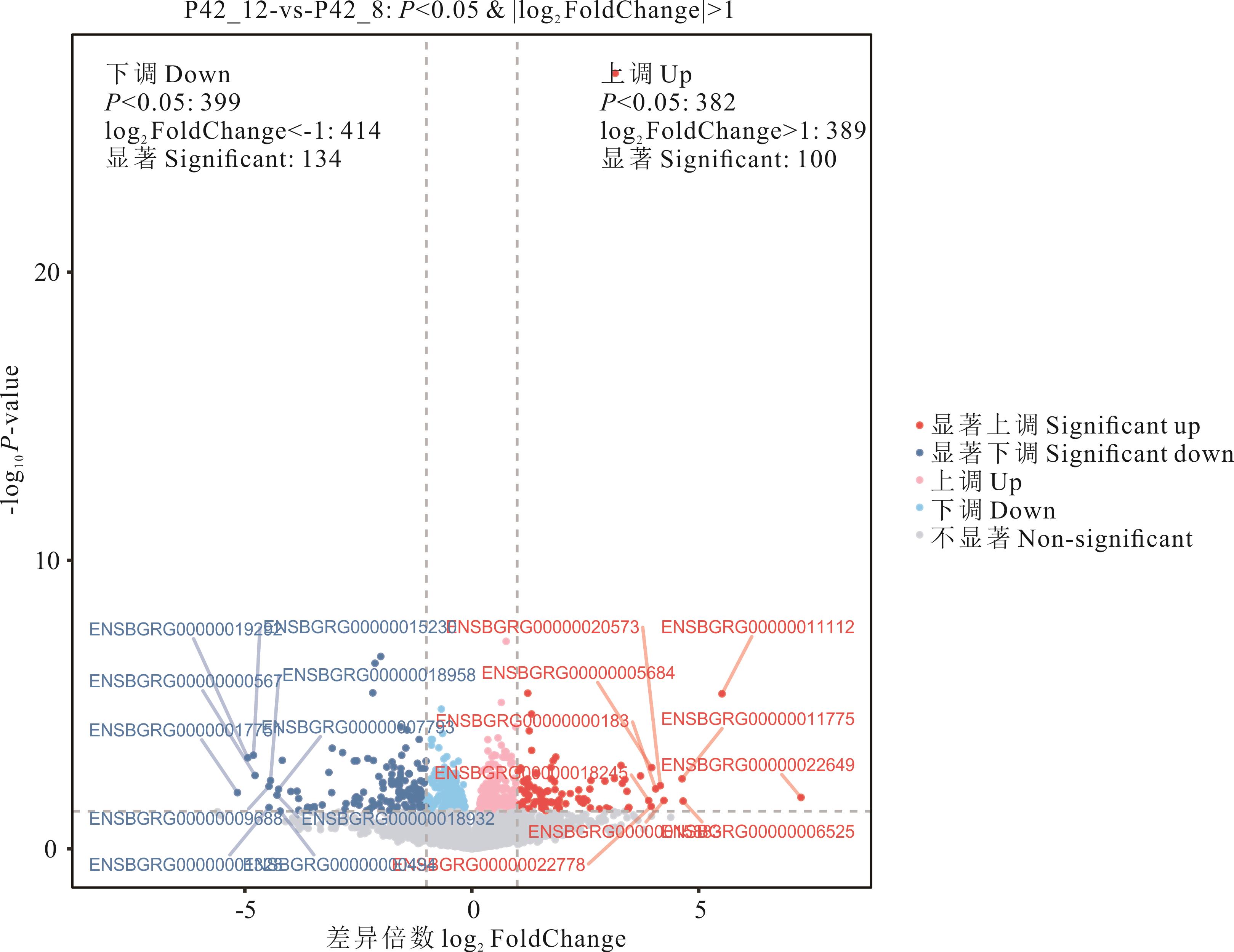
Fig.1 Volcano plot of differentially expressed genes in the spleen
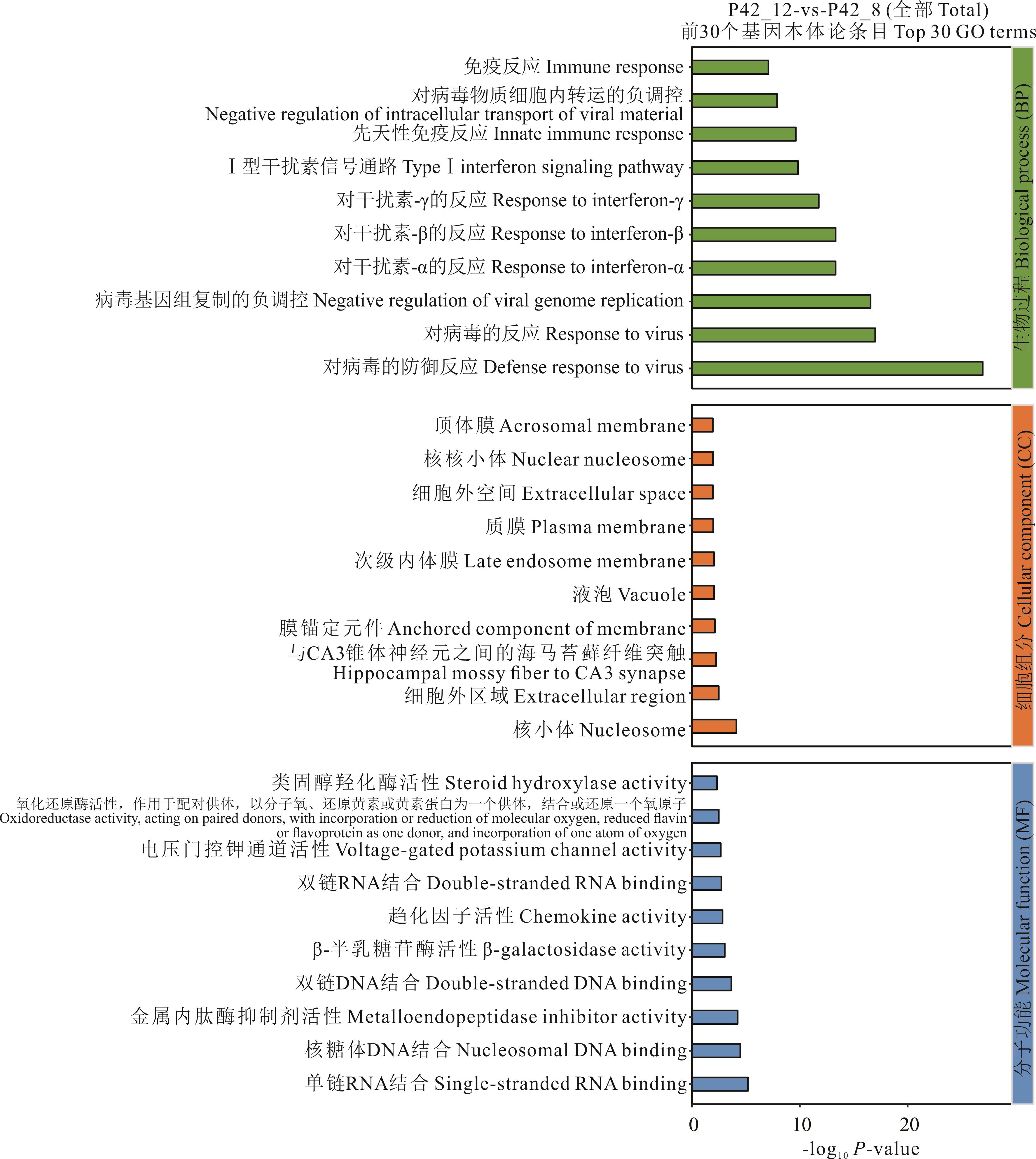
Fig.2 Gene ontology (GO) enrichment analysis of differentially expressed genes in the spleen
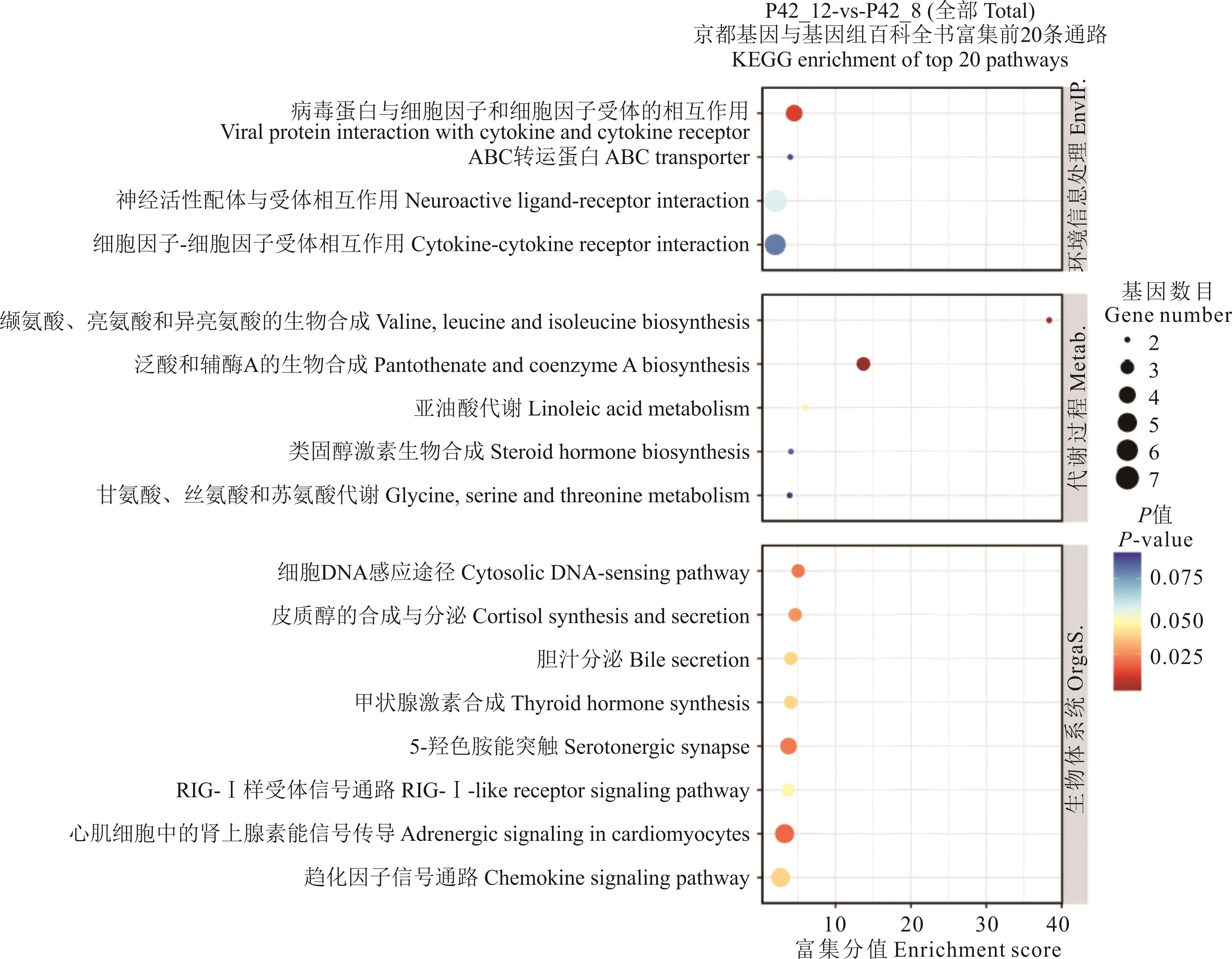
Fig.3 Kyoto encyclopedia of genes and genomes (KEGG) bubble diagram of differentially expressed genes in the spleen
KEGG通路名称 KEGG pathway name | NDEG | 主要差异表达基因名称 Name of major differentially expressed genes | 调控 Regulation |
|---|---|---|---|
病毒蛋白与细胞因子和细胞因子受体的相互作用 Viral protein interaction with cytokine and cytokine receptor | 3 | CXCL14, CXCL11, CXCL9 | 上调Up |
| 细胞DNA感应途径Cytosolic DNA-sensing pathway | 3 | DDX58, ZBP1, CGAS | 下调Down |
| 趋化因子信号通路Chemokine signaling pathway | 4 | CXCL14, CXCL11, CXCL9 | 上调Up |
| 腺苷酸环化酶8 Adenylate cyclase 8 (ADCY8) | 下调Down | ||
| RIG-Ⅰ样受体信号通路RIG-Ⅰ-like receptor signaling pathway | 3 | DDX58, 干扰素刺激基因15 Interferon-stimulated gene 15 (ISG15) | 下调Down |
Table 4 Effect of milk replacer feeding allowance on spleen Kyoto encyclopedia of genes and genomes (KEGG) pathways and associated differential expressed genes of yak calves
KEGG通路名称 KEGG pathway name | NDEG | 主要差异表达基因名称 Name of major differentially expressed genes | 调控 Regulation |
|---|---|---|---|
病毒蛋白与细胞因子和细胞因子受体的相互作用 Viral protein interaction with cytokine and cytokine receptor | 3 | CXCL14, CXCL11, CXCL9 | 上调Up |
| 细胞DNA感应途径Cytosolic DNA-sensing pathway | 3 | DDX58, ZBP1, CGAS | 下调Down |
| 趋化因子信号通路Chemokine signaling pathway | 4 | CXCL14, CXCL11, CXCL9 | 上调Up |
| 腺苷酸环化酶8 Adenylate cyclase 8 (ADCY8) | 下调Down | ||
| RIG-Ⅰ样受体信号通路RIG-Ⅰ-like receptor signaling pathway | 3 | DDX58, 干扰素刺激基因15 Interferon-stimulated gene 15 (ISG15) | 下调Down |
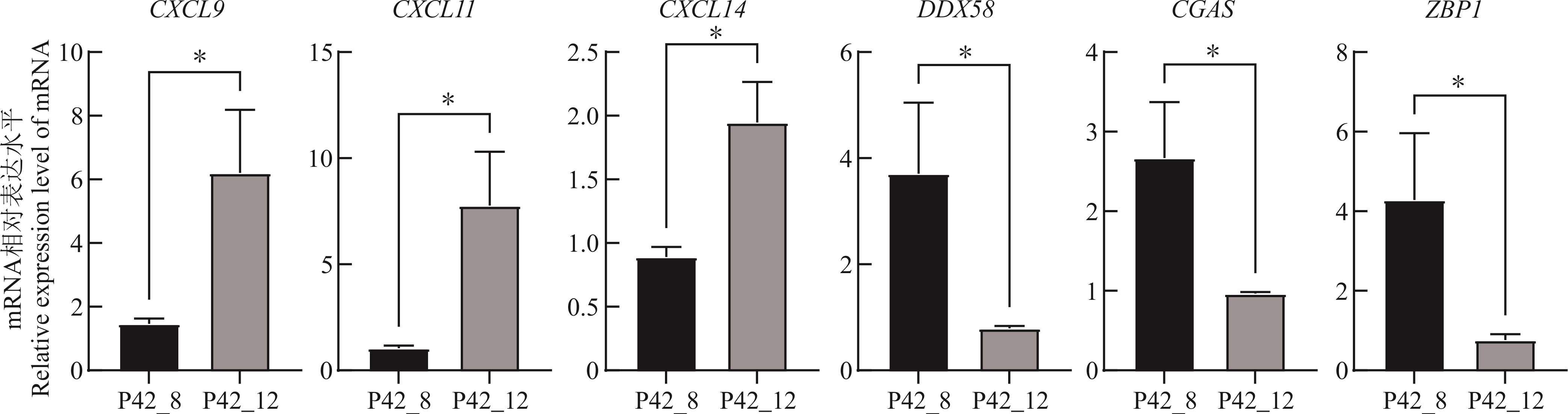
Fig.4 Differential mRNA expression level by qRT-PCR validation
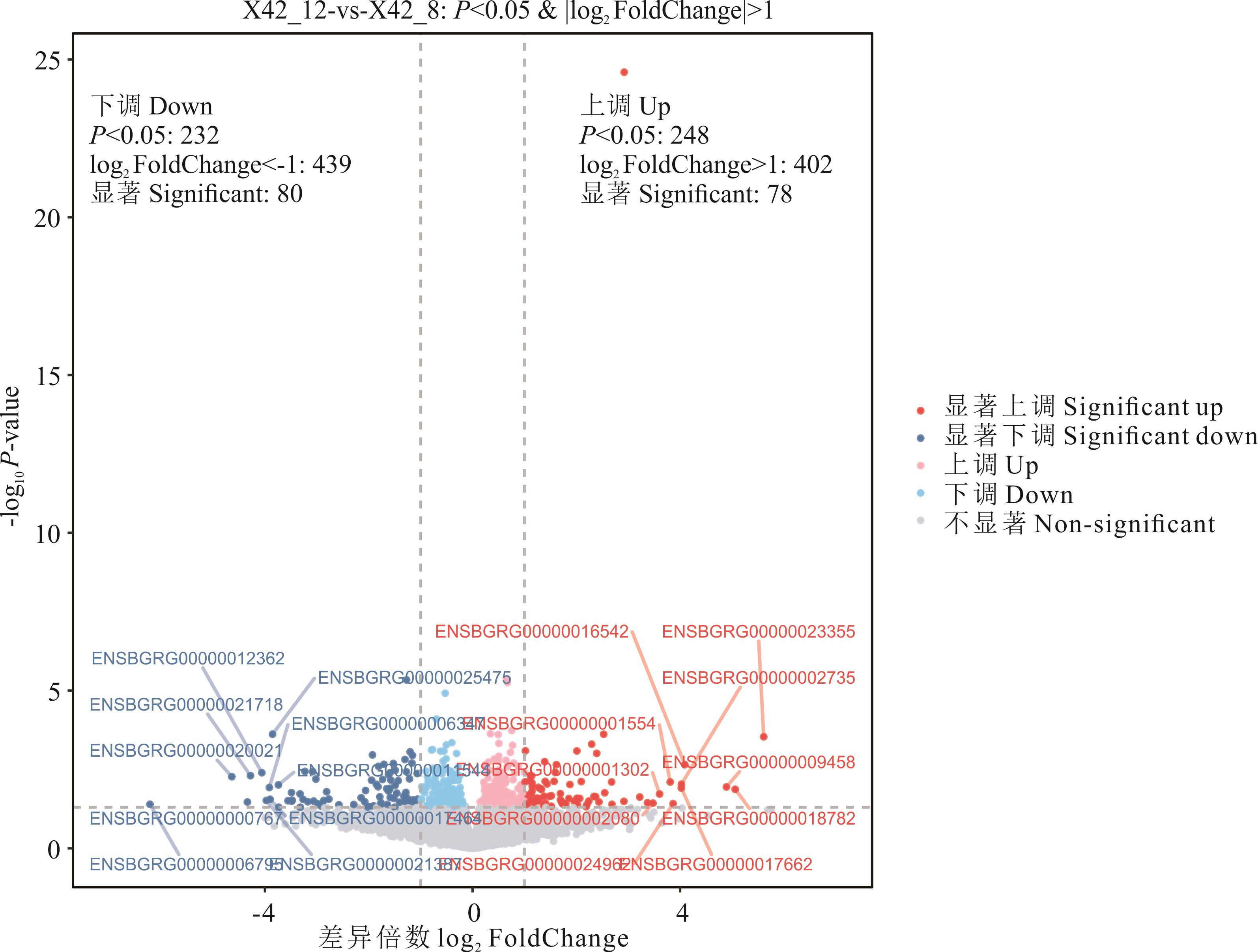
Fig.5 Volcano plot of differentially expressed genes in the thymus
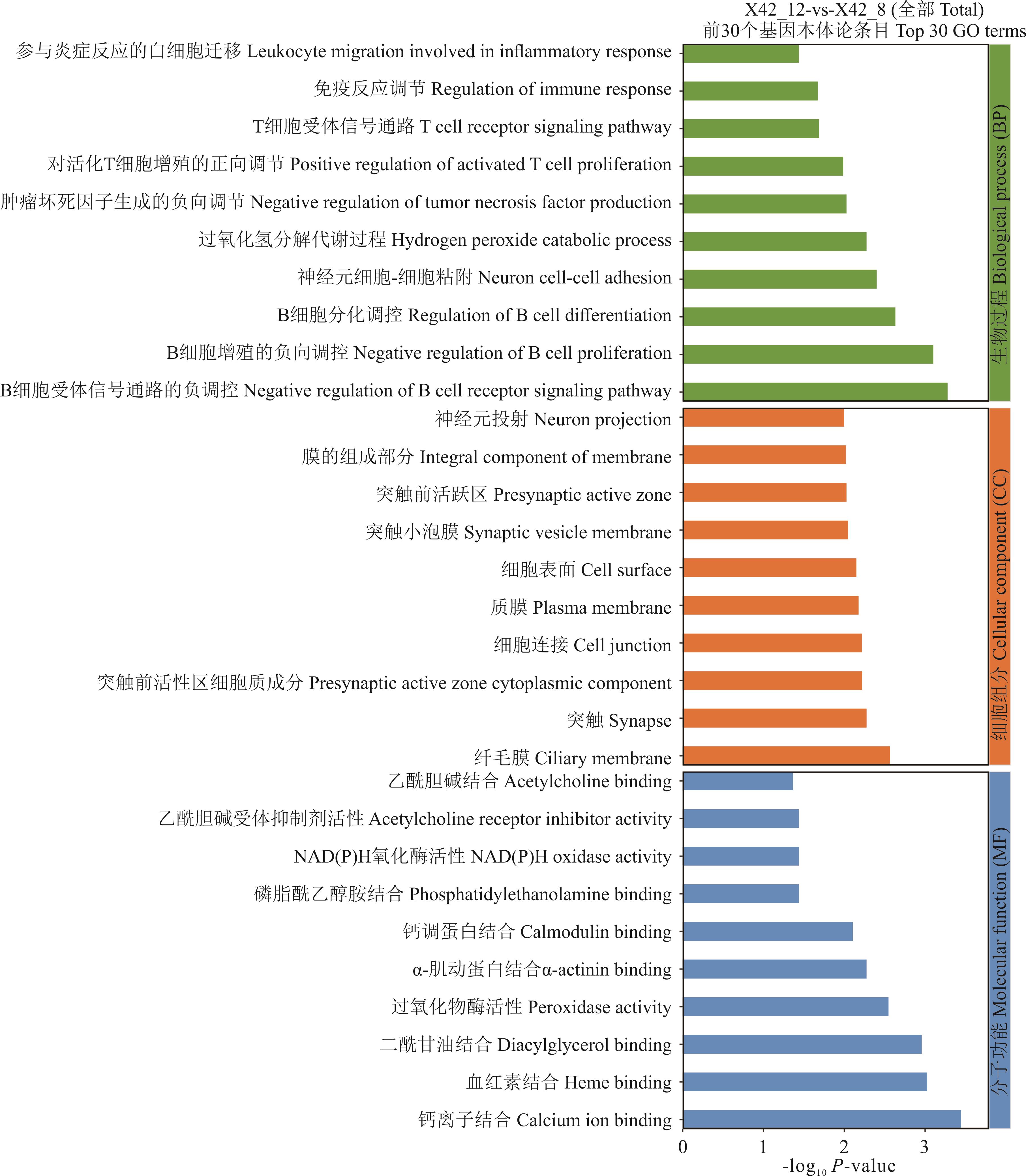
Fig.6 Gene ontology (Go) enrichment analysis of differentially expressed genes in the thymus
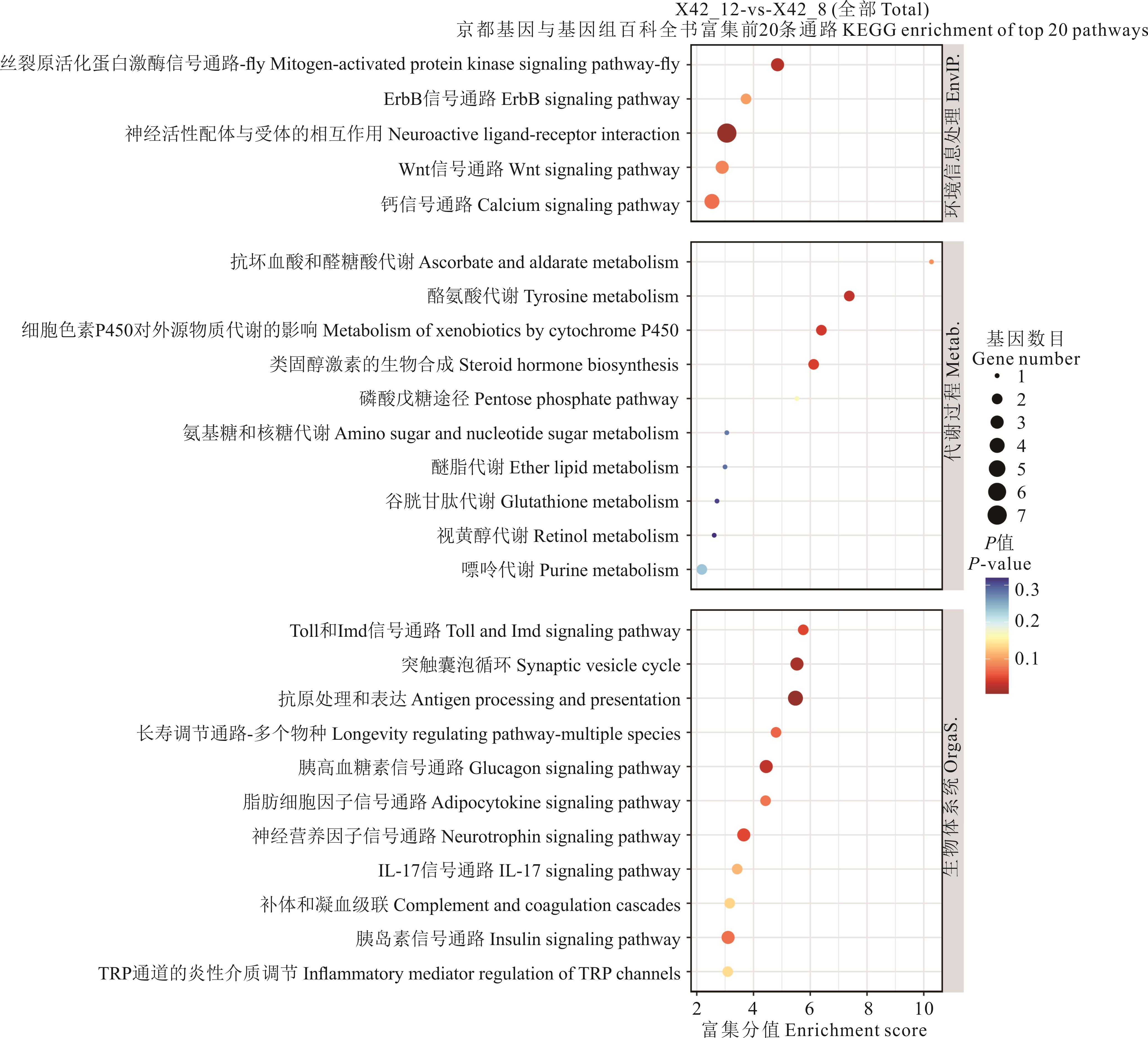
Fig.7 Kyoto encyclopedia of genes and genomes (KEGG) bubble diagram of differentially expressed genes in the thymus
KEGG通路名称 KEGG pathway name | NDEG | 主要差异表达基因名称 Name of major differentially expressed genes | 调控 Regulation |
|---|---|---|---|
| 抗原处理和表达Antigen processing and presentation | 4 | 热休克蛋白家族A (Hsp70) 成员6和1A Heat shock protein family A (Hsp70) member 6 and 1A(HSPA6, HSPA1A), 杀伤细胞凝集素样受体C1 Killer cell lectin like receptor C1 (KLRC1) | 上调Up |
| T细胞受体α可变区基因8-3 T cell receptor alpha variable gene 8-3 (TRAV8-3) | 下调Down | ||
| 细胞色素P450对外源物质代谢的影响Metabolism of xenobiotics by cytochrome P450 | 2 | 细胞色素P450家族2亚家族F成员3 Cytochrome P450 family 2 subfamily F member 3(CYP2F3), 谷胱甘肽S-转移酶Alpha 1 Glutathione S-transferase alpha 1 (GSTA1) | 上调Up |
| Toll和Imd信号通路Toll and Imd signaling pathway | 2 | 丝裂原活化蛋白激酶10 Mitogen-activated protein kinase 10 (MAPK10) | 上调Up |
| 双氧化酶 1 Dual oxidase 1 (DUOX1) | 下调Down |
Table 5 Effect of milk replacer feeding allowance on thymus Kyoto encyclopedia of genes and genomes (KEGG) pathways and associated differential expressed genes of yak calves
KEGG通路名称 KEGG pathway name | NDEG | 主要差异表达基因名称 Name of major differentially expressed genes | 调控 Regulation |
|---|---|---|---|
| 抗原处理和表达Antigen processing and presentation | 4 | 热休克蛋白家族A (Hsp70) 成员6和1A Heat shock protein family A (Hsp70) member 6 and 1A(HSPA6, HSPA1A), 杀伤细胞凝集素样受体C1 Killer cell lectin like receptor C1 (KLRC1) | 上调Up |
| T细胞受体α可变区基因8-3 T cell receptor alpha variable gene 8-3 (TRAV8-3) | 下调Down | ||
| 细胞色素P450对外源物质代谢的影响Metabolism of xenobiotics by cytochrome P450 | 2 | 细胞色素P450家族2亚家族F成员3 Cytochrome P450 family 2 subfamily F member 3(CYP2F3), 谷胱甘肽S-转移酶Alpha 1 Glutathione S-transferase alpha 1 (GSTA1) | 上调Up |
| Toll和Imd信号通路Toll and Imd signaling pathway | 2 | 丝裂原活化蛋白激酶10 Mitogen-activated protein kinase 10 (MAPK10) | 上调Up |
| 双氧化酶 1 Dual oxidase 1 (DUOX1) | 下调Down |
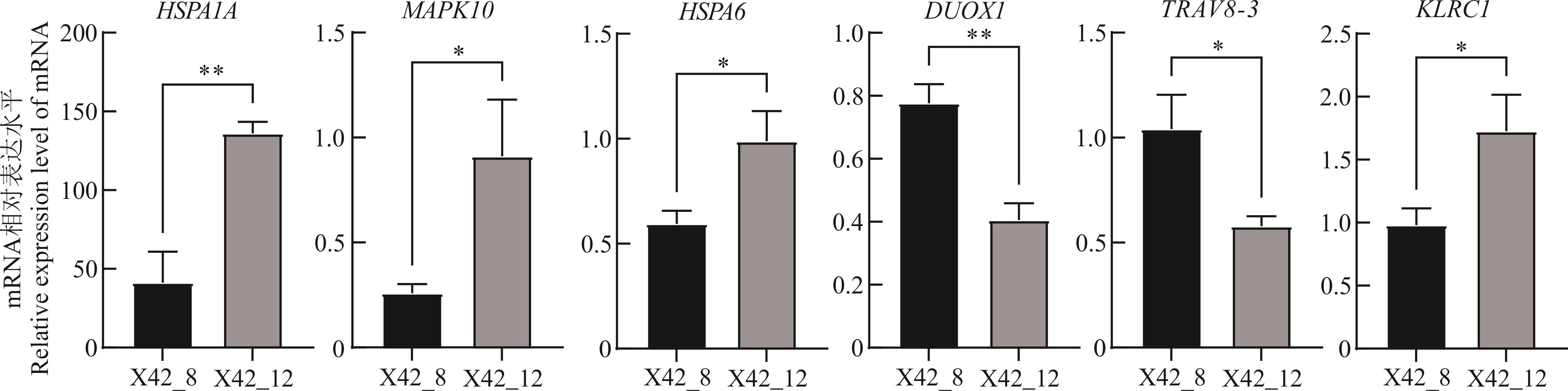
Fig.8 Differential mRNA expression level by qRT-PCR validation
| [1] | Han S M, Chen X, Ma L, et al. Spleen-brain axis role in neuropathic pain: research progress. Progress in Modern Biomedicine, 2025, 25(3): 590-600. |
| 韩守孟, 陈欣, 马莉, 等. 脾脑轴在神经病理性疼痛中作用机制的研究进展. 现代生物医学进展, 2025, 25(3): 590-600. | |
| [2] | Fujiyama S, Nakahashi-Oda C, Abe F, et al. Identification and isolation of splenic tissue-resident macrophage sub-populations by flow cytometry. International Immunology, 2019, 31(1): 51-56. |
| [3] | Yu Z Y, Chen D W, Tan C R, et al. Physiological clearance of Aβ by spleen and splenectomy aggravates Alzheimer-type pathogenesis. Aging Cell, 2022, 21(1): e13533. |
| [4] | Xun Y, Yang H, Kaminska B, et al. Toll-like receptors and toll-like receptor-targeted immunotherapy against glioma. Journal of Hematology and Oncology, 2021, 14(1): 176. |
| [5] | Cunningham N, Lapointe R, Lerouge S. Biomaterials for enhanced immunotherapy. Applied Bioengineering, 2022, 6(4): 123-124. |
| [6] | Zhang D, Huang X Q, Wang Z H. The effects of Pseudotsuga chinensis on growth performance, immune function and slaughtering performance of meat rabbit. Chinese Journal of Animal Science, 2020, 56(10): 123-126. |
| 张代, 黄修奇, 王中华. 泡桐花对肉兔生长性能、免疫功能及屠宰性能的影响. 中国畜牧杂志, 2020, 56(10): 123-126. | |
| [7] | Cepeda S, Griffith A V. Thymic stromal cells: roles in atrophy and age-associated dysfunction of the thymus. Experimental Gerontology, 2018, 105(SI): 113-117. |
| [8] | Li L L, Zhang L J, Zhao Y. Developmental regulation of thymus organogenesis. Laboratory Animal Science, 2010, 27(3): 50-54. |
| 李兰兰, 张连军, 赵勇. 哺乳动物胸腺器官发育及调控. 实验动物科学, 2010, 27(3): 50-54. | |
| [9] | Merkenschlager J, Eksmond U, Danelli L, et al. MHC class Ⅱ cell-autonomously regulates self-renewal and differentiation of normal and malignant B cells. Blood, 2019, 133(10): 1108-1118. |
| [10] | Xiong M L, Li G M. Effects of baby meals with different vegetable protein levels on organs of lamb thymus gland and spleen. Shaanxi Journal of Agricultural Sciences, 2019, 65(6): 83-85. |
| 熊忙利, 李光芒. 不同植物蛋白水平的代乳粉对羔羊胸腺和脾脏组织器官的影响. 陕西农业科学, 2019, 65(6): 83-85. | |
| [11] | Li Z. Effects of compound probiotics on growth performance and intestinal health of lactating calves. Guangzhou: South China Agricultural University, 2020. |
| 李政. 复合益生菌对哺乳期犊牛生长性能和肠道健康的影响. 广州: 华南农业大学, 2020. | |
| [12] | Zhu S R. Exploration and mechanism study of biomarkers related to feed efficiency in large white pigs. Nanning: Guangxi University, 2023. |
| 朱思燃. 大白猪饲料利用率相关生物标记的挖掘及其机制研究. 南宁: 广西大学, 2023. | |
| [13] | Van Vaerenbergh I, Fatemi H M, Blockeel C, et al. Progesterone rise on HCG day in GnRH antagonist/rFSH stimulated cycles affects endometrial gene expression. Reproductive Biomedicine Online, 2011, 22(3): 263-271. |
| [14] | Labarta E, Martinez-Conejero J A, Alama P, et al. Endometrial receptivity is affected in women with high circulating progesterone levels at the end of the follicular phase: a functional genomics analysis. Human Reproduction, 2011, 26(7): 1813-1825. |
| [15] | Wang M X, Shao X G. Increased level of progesterone on the day of HCG to the disadvantage of IVF outcomes. Journal of International Reproductive Health/Family Planning, 2016, 35(2): 142-145, 150. |
| 王美仙, 邵小光. 人绒毛膜促性腺激素日孕酮升高对体外受精的影响. 国际生殖健康/计划生育杂志, 2016, 35(2): 142-145, 150. | |
| [16] | Dong J J. Effects of yeast polysaccharide on growth performance and gastrointestinal development of pre-weaning calves. Baoding: Hebei Agricultural University, 2018. |
| 董金金. 酵母多糖对哺乳犊牛生长性能及胃肠道发育的影响. 保定: 河北农业大学, 2018. | |
| [17] | Bustin S A, Benes V, Garson J A, et al. The MIQE guidelines: minimum information for publication of quantitative real-time PCR experiments. Clinical Chemistry, 2009, 55(4): 611-622. |
| [18] | El-naseery N I, Mousa H S E, Noreldin A E, et al. Aging-associated immunosenescence via alterations in splenic immune cell populations in rat. Life Sciences, 2020, 241: 117168. |
| [19] | Zheng Y, Guan J Q, Wang X L, et al. Comparative proteomic analysis of spleen reveals key immune-related proteins in the yak (Bos grunniens) at different growth stages. Comparative Biochemistry and Physiology Part D-Genomics & Proteomics, 2022, 42: 100968. |
| [20] | Li C, He M C, Shu Y S, et al. Effect of supplementary Sijunzi decoction on serum cytokine levels, intestinal immunoglobulin levels and spleen tissue morphology and function in Spleen-Qi deficiency canines. Journal of Gansu Agricultural University, 2019, 54(2): 17-25. |
| 李成, 贺濛初, 舒迎霜, 等. 加味四君子汤对脾气虚犬血清细胞因子水平、肠道免疫球蛋白水平以及脾脏组织形态及功能的影响. 甘肃农业大学学报, 2019, 54(2): 17-25. | |
| [21] | Han J P, Zhou Y, Zhang C D, et al. Intratumoral immune heterogeneity of prostate cancer characterized by typing and hub genes. Journal of Cellular and Molecular Medicine, 2023, 27(1): 101-112. |
| [22] | Gao Q, Xun J, Wang X M, et al. Application of oncolytic adenoviruses and their immunotherapies in tumor immunotherapy. Chinese Journal of Immunology, 2025: 1-18. https://link.cnki.net/urlid/22.1126.R.20250313.1612.010. |
| 高琪, 荀敬, 王西墨, 等. 溶瘤腺病毒及其免疫疗法在肿瘤治疗中的应用. 中国免疫学杂志, 2025: 1-18. https://link.cnki.net/urlid/22.1126.R.20250313.1612.010. | |
| [23] | Liu G C. Multi-omics analysis of the pathogenic mechanism of immune checkpoint inhibitor-associated myocarditis. Beijing: Peking Union Medical College, 2024. |
| 刘光成. 基于临床多组学探究免疫检查点抑制剂相关心肌炎的致病机制研究. 北京: 北京协和医学院, 2024. | |
| [24] | Thoresen D, Wang W S, Galls D, et al. The molecular mechanism of RIG-I activation and signaling. Immunological Reviews, 2021, 304(1): 154-168. |
| [25] | Liu X, Ma Y J, Voss K, et al. The herpesvirus accessory protein γ134.5 facilitates viral replication by disabling mitochondrial translocation of RIG-I. PLoS Pathogens, 2021, 17(3): e1009446. |
| [26] | Suresh M, Li B, Murreddu M G, et al. Involvement of innate immune receptors in the resolution of acute hepatitis B in woodchucks. Frontiers in Immunology, 2021, 12: 713420. |
| [27] | Malireddi R K S, Kesavardhana S, Kanneganti T D. ZBP1 and TAK1: master regulators of NLRP3 inflammasome/pyroptosis, apoptosis, and necroptosis (PAN-optosis). Frontiers in Cellular and Infection Microbiology, 2019, 9: 406. |
| [28] | Tang L L. Study on the mechanism of PANoptosis induced by newcastle disease virus.Yangzhou: Yangzhou University, 2024. |
| 唐兰兰. 新城疫病毒诱导细胞泛凋亡的机制研究. 扬州: 扬州大学, 2024. | |
| [29] | Sun G H. Dufffy antigen receptor for chemokines(DARC) and cytoskeletal protein fascin expression in laryngeal squmaous cell carcinoma and its significance. Shanghai: Fudan University, 2009. |
| 孙国华. Duffy抗原趋化因子受体(DARC)及细胞骨架蛋白Fascin在喉癌中表达及其临床意义. 上海: 复旦大学, 2009. | |
| [30] | Li H M, Xing T, Wei G J, et al. Research progress of the role of PI3K/Akt signaling pathway in rheumatoid rthritis. Chinese Journal of Osteoporosis, 2024, 30(7): 1060-1066. |
| 李辉明, 邢涛, 魏国俊, 等. PI3K/Akt信号通路在类风湿关节炎中的作用研究进展. 中国骨质疏松杂志, 2024, 30(7): 1060-1066. | |
| [31] | Wei X L. A high-throughput sereening method for genes associated with reprograming by piggyBac gene trap system. Beijing: China Agricultural University, 2014. |
| 魏兴林. 基于piggyBac基因抓捕体系的重编程相关基因的高通量筛选. 北京: 中国农业大学, 2014. | |
| [32] | Jensen P. Mechanisms of antigen presentation. Clinical Chemistry and Laboratory Medicine, 1999, 37(3): 179-186. |
| [33] | Zhou D, Blum J S. Presentation of cytosolic antigens via MHC class II molecules. Immunologic Research, 2004, 30(3): 279-290. |
| [34] | Zhu Y, Zhou J G, Lu W F, et al. Pathogenic bactepria, drug resistance and T lymphocyte subsets for hospital-associated infection in non-small cell lung cancer patients treated with radio-chemotherapy. Chinese Journal of Nosocomiology, 2025, 35(7): 966-970. |
| 朱跃, 周建国, 卢文芬, 等. 非小细胞肺癌放化疗患者医院感染病原菌与耐药性及T淋巴细胞亚群变化. 中华医院感染学杂志, 2025, 35(7): 966-970. | |
| [35] | Zhu S J, Zhao Z Q, Zu X R, et al. Research progress of lymphocyte to monocyte ratio and stress hyperglycemia ratio in ischemic stroke. Chinese Journal of Practical Nervous Diseases, 2025, 28(4): 524-528. |
| 朱素洁, 赵志琴, 祖孝荣, 等. 淋巴与单核细胞比值和应激性高血糖比值在缺血性脑卒中的研究进展. 中国实用神经疾病杂志, 2025, 28(4): 524-528. | |
| [36] | Qu N. The research on ATP-ADP exchange activity and molecular chaperone activity of Hsp70. Xiamen: Xiamen University, 2007. |
| 曲宁. 热休克蛋白Hsp70 ATP-ADP转换活性及分子伴侣功能研究. 厦门: 厦门大学, 2007. | |
| [37] | Kong F S. A-to-I RNA editing analysis and its regulatory mechanism in polycystic ovary syndrome. Wuxi: Jiangnan University, 2024. |
| 孔凡升. 多囊卵巢综合征A-to-I RNA编辑分析及其调控机制初探. 无锡: 江南大学, 2024. | |
| [38] | Gao Q. Exploration and difference study of local and systemic immunity in takayasu arteritis. Beijing: Peking Union Medical College, 2022. |
| 高擎. 大动脉炎患者局部免疫与循环免疫的初步探索及差异性研究. 北京: 北京协和医学院, 2022. | |
| [39] | Velazquez M N R, Parween S, Udhane S S, et al. Variability in human drug metabolizing cytochrome P450 CYP2C9, CYP2C19 and CYP3A5 activities caused by genetic variations in cytochrome P450 oxidoreductase. Biochemical and Biophysical Research Communications, 2019, 515(1): 133-138. |
| [40] | Orus-Alcalde A, Borve A, Hejnol A. The localization of Toll and Imd pathway and complement system components and their response to Vibrio infection in the nemertean Lineus ruber.BMC Biology, 2023, 21(1): 7. |
| [41] | Duneau D F, Kondolf H C, Im J H, et al. The Toll pathway underlies host sexual dimorphism in resistance to both gram-negative and gram-positive bacteria in mated Drosophila. BMC Biology, 2017, 15(1): 124. |
| [42] | Zhai Z Z, Huang X S, Yin Y L. Beyond immunity: The Imd pathway as a coordinator of host defense, organismal physiology and behavior. Developmental & Comparative Immunology, 2018, 83(SI): 51-59. |
| [43] | Aittomäki S, Valanne S, Lehtinen T, et al. Proprotein convertase Furin1 expression in the Drosophila fat body is essential for a normal antimicrobial peptide response and bacterial host defense. FASEB Journal, 2017, 31(11): 4770-4782. |
| [1] | Rui-xin YANG, Yong LI, Xiao-fang CAI, Cheng-xing HAN, Yan-li GUO. Effects of starter feed in different physical forms on the rumen transcriptome of lambs [J]. Acta Prataculturae Sinica, 2023, 32(5): 159-170. |
| [2] | Jia-yu DUAN, Bo ZHANG, Jun CAO, Shu-jie LIU, Zhan-hong CUI. Distribution of sodium, potassium, and magnesium in 70-100 kg yak calves and the growth requirements for these nutrients [J]. Acta Prataculturae Sinica, 2023, 32(11): 130-139. |
| [3] | YANG Ning, TAN Yong-xia, LI Qiao-xia, JIA Ling-yun, CHEN Xi-lian, LIU Xiao-rui. Optimization of a chromosome mounting technique and karyotype analysis of Thymus mongolicus [J]. Acta Prataculturae Sinica, 2012, 21(1): 184-189. |
| Viewed | ||||||
|
Full text |
|
|||||
|
Abstract |
|
|||||
