
ISSN 1004-5759 CN 62-1105/S
Acta Prataculturae Sinica ›› 2026, Vol. 35 ›› Issue (5): 185-195.DOI: 10.11686/cyxb2025207
Ming WEI( ), Xin-rui WU, Xuan WU, Hao LI, Guo-qiang WU, Wei-jie ZHANG, Zi-yi CHENG
Received:2025-05-26
Revised:2025-07-18
Online:2026-05-20
Published:2026-03-11
Contact:
Ming WEI
Ming WEI, Xin-rui WU, Xuan WU, Hao LI, Guo-qiang WU, Wei-jie ZHANG, Zi-yi CHENG. Cloning of the betaine aldehyde dehydrogenase family BvBADH2 gene and its role in plant salt tolerance[J]. Acta Prataculturae Sinica, 2026, 35(5): 185-195.
| 引物名称Name of primer | 序列Sequence (5′-3′) | 用途Purpose |
|---|---|---|
| BvBADH2 F1 | ATGGCGATCCCAATACCT | 基因克隆 Gene cloning |
| BvBADH2 R1 | CAGTTTTGAGGGAGACTTGTAC | |
| BvBADH2 F2 | gaggacacgctcgagATGGCGATCCCAATACCT | 载体构建 Vector construction |
| BvBADH2 R2 | tttgtaatccccgggCAGTTTTGAGGGAGACTTGTAC | |
| BvBADH2 qRT F | GTCCTGTTGTCAGCAAGGGA | 实时定量PCR Quantitative real time PCR |
| BvBADH2 qRT R | GCATGGACGTGGAGACATCA | |
| AtACTIN qRT F | AGATCCAGGACAAGGAAGGTATTC | |
| AtACTIN qRT R | CGCAGGACCAAGTGAAGAGTAG | |
| 35S Pro F | GACGCACAATCCCACTATCC | 转基因植株鉴定 Identification of the transgene plants |
| BvBADH2 R3 | CTCGTCATCGGAACTAAATG |
Table 1 Primers used in this study
| 引物名称Name of primer | 序列Sequence (5′-3′) | 用途Purpose |
|---|---|---|
| BvBADH2 F1 | ATGGCGATCCCAATACCT | 基因克隆 Gene cloning |
| BvBADH2 R1 | CAGTTTTGAGGGAGACTTGTAC | |
| BvBADH2 F2 | gaggacacgctcgagATGGCGATCCCAATACCT | 载体构建 Vector construction |
| BvBADH2 R2 | tttgtaatccccgggCAGTTTTGAGGGAGACTTGTAC | |
| BvBADH2 qRT F | GTCCTGTTGTCAGCAAGGGA | 实时定量PCR Quantitative real time PCR |
| BvBADH2 qRT R | GCATGGACGTGGAGACATCA | |
| AtACTIN qRT F | AGATCCAGGACAAGGAAGGTATTC | |
| AtACTIN qRT R | CGCAGGACCAAGTGAAGAGTAG | |
| 35S Pro F | GACGCACAATCCCACTATCC | 转基因植株鉴定 Identification of the transgene plants |
| BvBADH2 R3 | CTCGTCATCGGAACTAAATG |

Fig.1 Molecular cloning and protein sequence analysis of BvBADH2
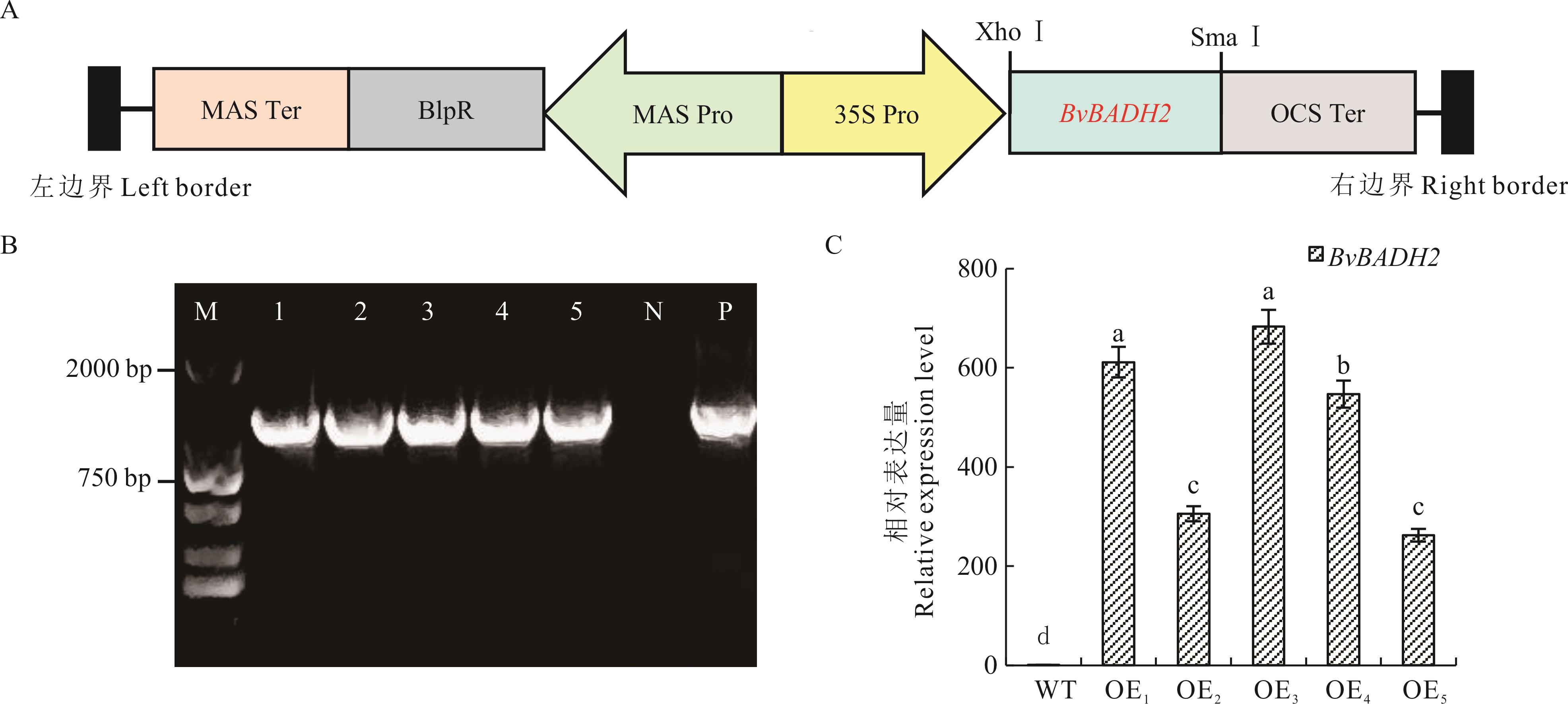
Fig.2 Construction of the BvBADH2 overexpression vector and identification of transgenic plants
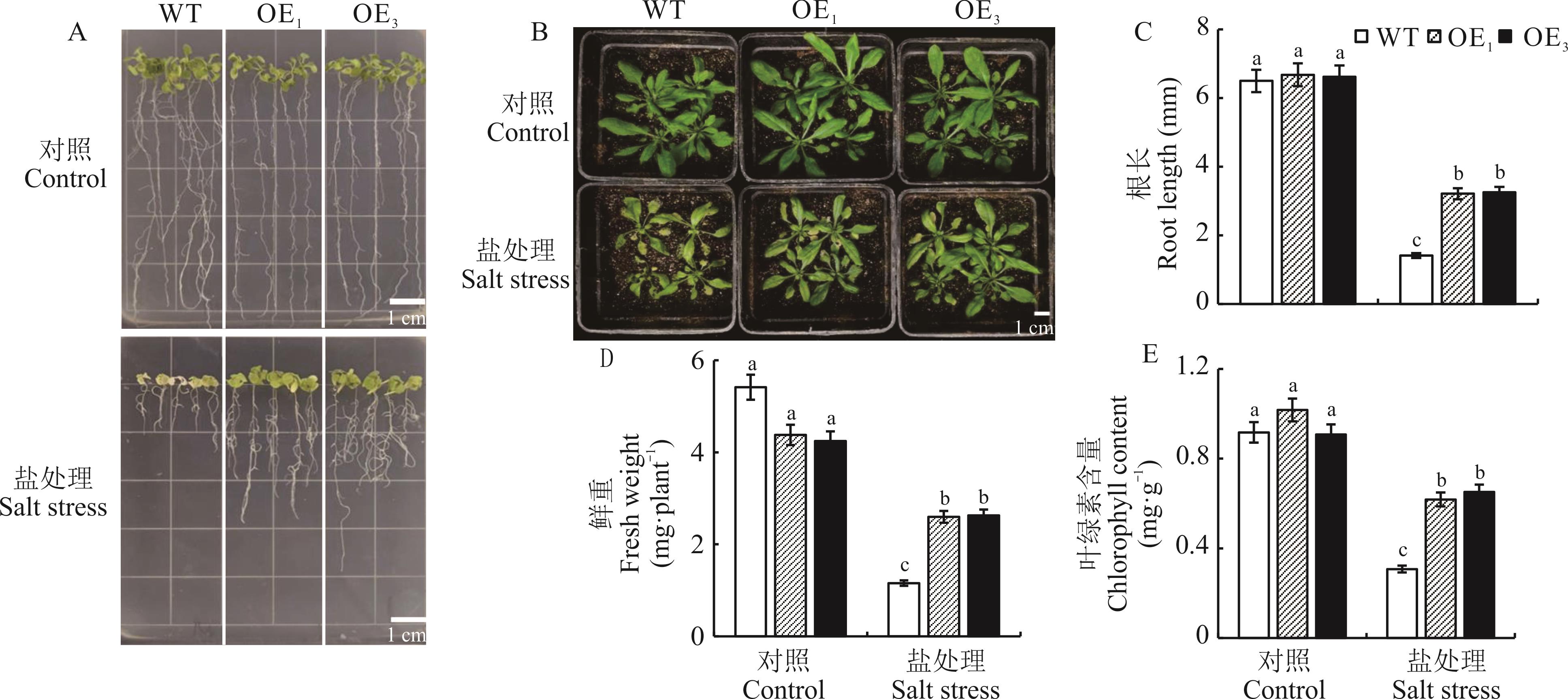
Fig.3 Phenotypic analysis of overexpression plants under salt stress
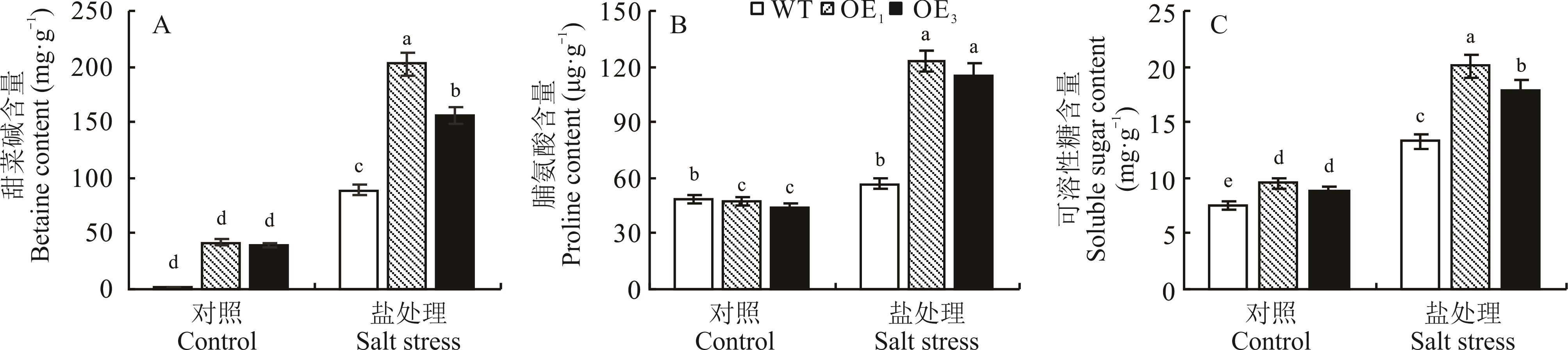
Fig.4 Physiological and biochemical analysis of overexpression plants under salt stress
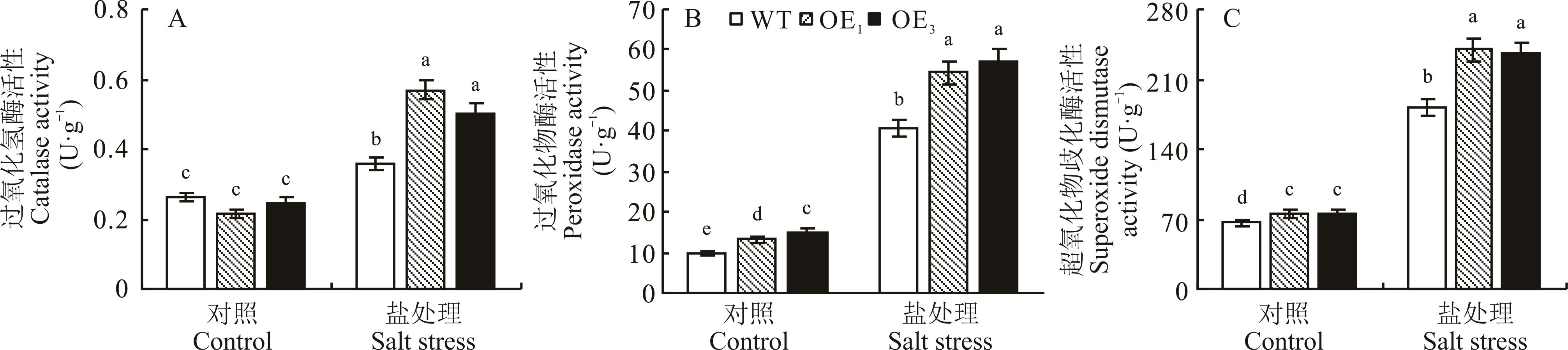
Fig.5 Analysis of salt stress-induced antioxidant enzyme activities in overexpression plants
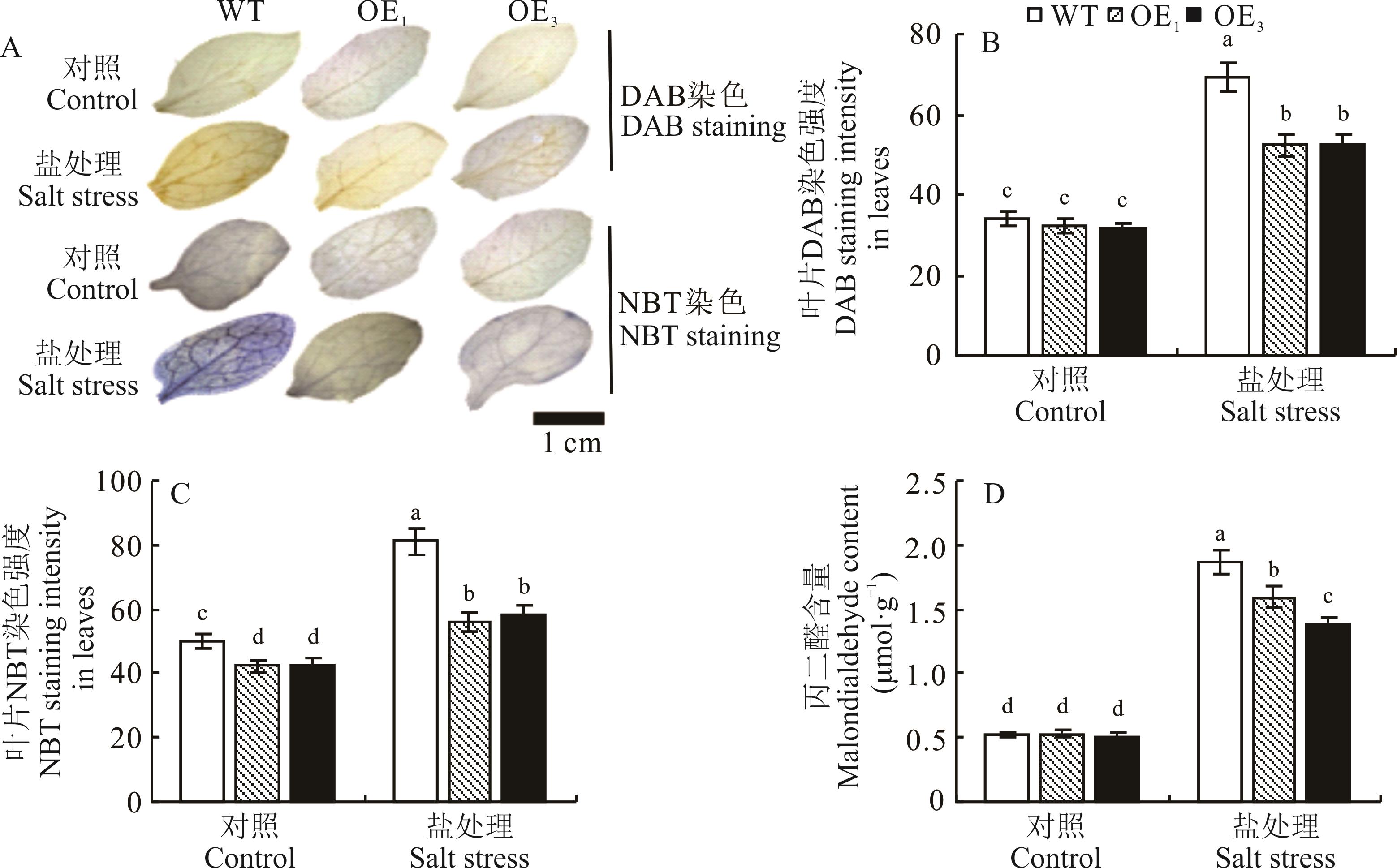
Fig.6 Analysis of salt stress-induced reactive oxygen species accumulation in overexpression plants
| [1] | Guang Z W, Gang N, Gu F, et al. Saline-alkali soil reclamation and utilization in China: progress and prospects. Frontiers of Agricultural Science and Engineering, 2024, 11(2): 216-228. |
| [2] | Zhang H M, Zhu J H, Gong Z Z, et al. Abiotic stress responses in plants. Nature Reviews Genetics, 2022, 23(2): 104-119. |
| [3] | Van Zelm E, Zhang Y, Testerink C. Salt tolerance mechanisms of plants. Annual Review of Plant Biology, 2020, 71(1): 403-433. |
| [4] | Munns R, Passioura J B, Colmer T D, et al. Osmotic adjustment and energy limitations to plant growth in saline soil. New Phytologist, 2020, 225(3): 1091-1096. |
| [5] | Yang Y Q, Guo Y. Elucidating the molecular mechanisms mediating plant salt-stress responses. New Phytologist, 2018, 217(2): 523-539. |
| [6] | Yu B, Chao D Y, Zhao Y. How plants sense and respond to osmotic stress. Journal of Integrative Plant Biology, 2024, 66(3): 394-423. |
| [7] | Chen T H, Murata N. Glycinebetaine: an effective protectant against abiotic stress in plants. Trends in Plant Science, 2008, 13(9): 499-505. |
| [8] | Fitzgerald T L, Waters D L, Henry R J. Betaine aldehyde dehydrogenase in plants. Plant Biology, 2009, 11(2): 119-130. |
| [9] | Chen T H, Murata N. Glycinebetaine protects plants against abiotic stress: mechanisms and biotechnological applications. Plant, Cell and Environment, 2011, 34(1): 1-20. |
| [10] | Xu Z J, Sun M L, Jiang X F, et al. Glycinebetaine biosynthesis in response to osmotic stress depends on jasmonate signaling in watermelon suspension cells. Frontiers in Plant Science, 2018, 9: 1469. |
| [11] | Weretilnyk E A, Hanson A D. Betaine aldehyde dehydrogenase from spinach leaves: purification, in vitro translation of the mRNA, and regulation by salinity. Archives of Biochemistry and Biophysics, 1989, 271(1): 56-63. |
| [12] | Mccue K F, Hanson A D. Salt-inducible betaine aldehyde dehydrogenase from sugar beet: cDNA cloning and expression. Plant Molecular Biology, 1992, 18(1): 1-11. |
| [13] | Ishitani M, Nakamura T, Han S Y, et al. Expression of the betaine aldehyde dehydrogenase gene in barley in response to osmotic stress and abscisic acid. Plant Molecular Biology, 1995, 27(2): 307-315. |
| [14] | Toshihide N, Sadaki Y, Yasunori M, et al. Expression of a betaine aldehyde dehydrogenase gene in rice, a glycinebetaine nonaccumulator, and possible localization of its protein in peroxisomes. The Plant Journal, 1997, 11(5): 1115-1120. |
| [15] | Li Q L, Gao X R, Yu X H, et al. Molecular cloning and characterization of betaine aldehyde dehydrogenase gene from Suaeda liaotungensis and its use in improved tolerance to salinity in transgenic tobacco. Biotechnology Letters, 2003, 25(17): 1431-1436. |
| [16] | Ali A, Ali Q, Iqbal M S, et al. Salt tolerance of potato genetically engineered with the Atriplex canescens BADH gene. Biologia Plantarum, 2020, 64: 271-279. |
| [17] | Yu Z J, Niu L, Cai Q A, et al. Improved salt-tolerance of transgenic soybean by stable over-expression of AhBADH gene from Atriplex hortensis. Plant Cell Reports, 2023, 42(8): 1291-1310. |
| [18] | Li H, Wu G Q, Wei M, et al. Genome-wide identification of the BvBADH gene family in sugar beet (Beta vulgaris) and their expression analysis under high salt stress. Biotechnology Bulletin, 2024, 40(2): 233-244. |
| 李昊, 伍国强, 魏明, 等. 甜菜BvBADH基因家族全基因组鉴定及其高盐胁迫下的表达分析. 生物技术通报, 2024, 40(2): 233-244. | |
| [19] | Han Y X, Wu G Q, Wei M, et al. The role of BADH in the response to abiotic stress in plants. Plant Physiology Journal, 2022, 58(2): 254-264. |
| 韩悦欣, 伍国强, 魏明, 等. BADH在植物响应非生物胁迫中的作用. 植物生理学报, 2022, 58(2): 254-264. | |
| [20] | Wu Z R, Zhang T Y, Li J N, et al. Genome-wide analysis of WD40 protein family and functional characterization of BvWD40-82 in sugar beet. Frontiers in Plant Science, 2023, 14: 1185440. |
| [21] | Bian C, Ji L Y, Xu W, et al. Research progress on bioactive substances of beets and their functions. Molecules, 2024, 29(19): 4756. |
| [22] | Wakeel A, Asif A R, Pitann B, et al. Proteome analysis of sugar beet (Beta vulgaris L.) elucidates constitutive adaptation during the first phase of salt stress. Journal of Plant Physiology, 2011, 168(6): 519-526. |
| [23] | Wang Y T, Liu H J, Wang M Q, et al. Salt tolerance in sugar beet: from impact analysis to adaptive mechanisms and future research. Plants, 2024, 13(21): 3018. |
| [24] | Höfgen R, Willmitzer L. Improved method for transformation of Agrobacterium tumefaciens with binary vector plasmids. Plant Molecular Biology Reporter, 1988, 6(2): 165-167. |
| [25] | Zhang X, Henriques R, Lin S S, et al. Agrobacterium-mediated transformation of Arabidopsis thaliana using the floral dip method. Nature Protocols, 2006, 1(2): 641-646. |
| [26] | Chomczynski P, Sacchi N.Single-step method of RNA isolation by acid guanidinium thiocyanate-phenol-chloroform extraction. Analytical Biochemistry, 1987, 162(1): 156-159. |
| [27] | Ng H F, Ngeow Y F. A simple spreadsheet-based method for relative quantification using quantitative real-time PCR. Biochemistry and Molecular Biology Education, 2022, 50(1): 99-103. |
| [28] | Wellburn A R. The spectral determination of chlorophylls a and b, as well as total carotenoids, using various solvents with spectrophotometers of different resolution. Journal of Plant Physiology, 1994, 144(3): 307-313. |
| [29] | Grieve C M, Grattan S R. Rapid assay for determination of water soluble quaternary ammonium compounds. Plant and Soil, 1983, 70(1): 303-307. |
| [30] | Bates L S, Waldren R P, Teare I D. Rapid determination of free proline for water-stress studies. Plant and Soil, 1973, 39(1): 205-207. |
| [31] | Dubois M, Gilles K A, Hamilton J K, et al. Colorimetric method for determination of sugars and related substances. Analytical Chemistry, 1956, 28(3): 350-356. |
| [32] | Hodges D M, Delong J M, Forney C F, et al. Improving the thiobarbituric acid-reactive-substances assay for estimating lipid peroxidation in plant tissues containing anthocyanin and other interfering compounds. Planta, 1999, 207(4): 604-611. |
| [33] | Gill S S, Tuteja N. Reactive oxygen species and antioxidant machinery in abiotic stress tolerance in crop plants. Plant Physiology and Biochemistry, 2010, 48(12): 909-930. |
| [34] | Chandran P R R, Sreedevi G S, Edwin B T, et al. Unveiling the key toxicity indicators and mechanisms on phytotoxicity of cerium dioxide nanoparticles in rice (Oryza sativa). Chemosphere, 2025, 376: 144270. |
| [35] | Thordal-Christensen H, Zhang Z G, Wei Y D, et al. Subcellular localization of H2O2 in plants. H2O2 accumulation in papillae and hypersensitive response during the barley-powdery mildew interaction. The Plant Journal, 1997, 11(6): 1187-1194. |
| [36] | Thorsten J, Markus T, Christiane C, et al. Elicitor-stimulated ion fluxes and O2 - from the oxidative burst are essential components in triggering defense gene activation and phytoalexin synthesis in parsley. Proceedings of the National Academy of Sciences of the United States of America, 1997, 9(2): 207-220. |
| [37] | Schneider C A, Rasband W S, Eliceiri K W. NIH Image to ImageJ: 25 years of image analysis. Nature Methods, 2012, 9(7): 671-675. |
| [38] | Hasanuzzaman M, Fujita M. Plant responses and tolerance to salt stress: physiological and molecular interventions 2.0. International Journal of Molecular Sciences, 2023, 24(21): 15740. |
| [39] | Chen J H, Wang Y. Understanding the salinity resilience and productivity of halophytes in saline environments. Plant Science, 2024, 346: 112171. |
| [40] | Omari A F. Metabolic engineering of osmoprotectants to elucidate the mechanism(s) of salt stress tolerance in crop plants. Planta, 2021, 253(1): 24. |
| [41] | Ashraf M, Foolad M R. Roles of glycine betaine and proline in improving plant abiotic stress resistance. Environmental and Experimental Botany, 2007, 59(2): 206-216. |
| [42] | Islam S, Mohammad F, Shakeel A, et al. Glycine betaine: a multifaceted protectant against salt stress in Indian mustard through ionic homeostasis, ROS scavenging and osmotic regulation. Physiologia Plantarum, 2024, 176(5): e14530. |
| [43] | Niazian M, Sadat-Noori S A, Tohidfar M, et al. Betaine aldehyde dehydrogenase (BADH) vs. flavodoxin (Fld): two important genes for enhancing plants stress tolerance and productivity. Frontiers in Plant Science, 2021, 12: 650215. |
| [44] | Mittler R. Oxidative stress, antioxidants and stress tolerance. Trends in Plant Science, 2002, 7(9): 405-410. |
| [45] | Fan W J, Zhang M, Zhang H X, et al. Improved tolerance to various abiotic stresses in transgenic sweet potato (Ipomoea batatas) expressing spinach betaine aldehyde dehydrogenase. PLoS One, 2012, 7(5): e37344. |
| [46] | Sun Y L, Liu X, Fu L S, et al. Overexpression of TaBADH increases salt tolerance in Arabidopsis. Canadian Journal of Plant Science, 2019, 99(4): 546-555. |
| [47] | Nathalie V, Christian H. Proline accumulation in plants: a review. Amino Acids, 2008, 35(4): 753-759. |
| [48] | De L T A, Montesinos-pereira D, Blasco B, et al. Influence of the proline metabolism and glycine betaine on tolerance to salt stress in tomato (Solanum lycopersicum L.) commercial genotypes. Journal of Plant Physiology, 2018, 231: 329-336. |
| [49] | Zhao P P, Zhao M, Gao X Y, et al. GhWRKY1bD improves drought tolerance by co-regulation of ABA, ROS, and proline homeostasis in cotton (Gossypium hirsutum). Industrial Crops and Products, 2024, 220: 14. |
| [50] | Miyashita Y, Good A G. NAD(H)-dependent glutamate dehydrogenase is essential for the survival of Arabidopsis thaliana during dark-induced carbon starvation. Journal of Experimental Botany, 2008, 59(3): 667-680. |
| [51] | Mittler R, Zandalinas S I, Fichman Y, et al. Reactive oxygen species signaling in plant stress responses. Nature Reviews Molecular Cell Biology, 2022, 23(10): 663-679. |
| [52] | Zhuang Y, Wei M, Ling C C, et al. EGY3 mediates chloroplastic ROS homeostasis and promotes retrograde signaling in response to salt stress in Arabidopsis. Cell Reports, 2021, 36(2): 109384. |
| [53] | Wang P, Liu W C, Han C, et al. Reactive oxygen species: multidimensional regulators of plant adaptation to abiotic stress and development. Journal of Integrative Plant Biology, 2024, 66(3): 330-367. |
| [54] | Kerchev P I, Van B F. Improving oxidative stress resilience in plants. The Plant Journal, 2022, 109(2): 359-372. |
| [1] | Xiang MA, Zhong-xing LI, Rong-chen YANG, Ze-liang JU, Zhi-feng JIA, Pei-zhi YANG. The effect of salt stress on sugar and endogenous hormone content in oat varieties with contrasting salt tolerance [J]. Acta Prataculturae Sinica, 2026, 35(3): 235-244. |
| [2] | Han-xing YANG, Ning-ge LIU, Yu-lou TANG, Huan LI, Yi-ming ZHU, Jia-meng GUO, Hao WANG, Rui-xin SHAO, Yong-chao WANG, Qing-hua YANG. Effects of salicylic acid on antioxidant and photosynthetic capacity of maize under high temperature, drought and their combined stress [J]. Acta Prataculturae Sinica, 2026, 35(1): 79-92. |
| [3] | Yi-xin LIU, Xiao-qing SUI, Xin-yao WANG, Meng-qing LANG, Ling-zi-yin SUN, Er-ge JIER. Mitigating effects of exogenous melatonin on alfalfa under salt stress [J]. Acta Prataculturae Sinica, 2025, 34(9): 206-214. |
| [4] | Tian-yi LU, Yan-mei AI, Yang WANG, Meng NA, Shang-qi XU, Ji-hai ZHOU. Cadmium enrichment characteristics and growth response of rice under excess cadmium stress in soil [J]. Acta Prataculturae Sinica, 2025, 34(8): 66-78. |
| [5] | Qing-qing ZHANG, Xing-yu MA, Yan LU, Guang-Xing ZHAO, Fan-jiang ZENG, Cai-bian HUANG. A study of salt tolerance differences in Cyperus esculentus at different growth stages in a sandy saline soil [J]. Acta Prataculturae Sinica, 2025, 34(6): 168-180. |
| [6] | Ge TIAN, Li-li NAN, Li-qun WANG, Xiang-xiang MA, Rong HE, Jia-yu GUO. Effects of exogenous ABA on growth and physiological characteristics of sainfoin seedlings under NaCl stress [J]. Acta Prataculturae Sinica, 2025, 34(10): 95-106. |
| [7] | Wen-qi CAI, Shu-xia LI, Xiao-tong WANG, Wen-xue SONG, Xu-xia MA, Xiao-mei MA, Xiao-hong LI, Xin-yao DAI. Effects of interaction between exogenous melatonin and ethylene on the growth and physiological characteristics of Medicago sativa seedlings under salt stress [J]. Acta Prataculturae Sinica, 2025, 34(1): 80-93. |
| [8] | Zhen-huan ZHANG, Li-rong YAO, Jun-cheng WANG, Er-jing SI, Hong ZHANG, Ke YANG, Xiao-le MA, Ya-xiong MENG, Hua-jun WANG, Bao-chun LI. Identification of AKR gene family members in Halogeton glomeratus and salt tolerance analysis of the root salt stress response gene HgAKR42639 [J]. Acta Prataculturae Sinica, 2024, 33(7): 68-83. |
| [9] | Meng WANG, Xue-li LU, Ju-ying WANG, Meng-chao ZHANG, Yi-ru SONG, Chen MENG, Li ZHANG, Zong-chang XU. Evaluation and screening of the salt tolerance of triticale germplasm at the germination and seedling stages [J]. Acta Prataculturae Sinica, 2024, 33(5): 58-68. |
| [10] | Yi-yin ZHANG, Xue-ying LI, Bin WANG, Ke-chen SONG, Jian LAN, Hai-ying HU. Effects of salt stress on water use efficiency and osmotic adjustment of seedlings of different triticale strains [J]. Acta Prataculturae Sinica, 2024, 33(4): 87-98. |
| [11] | Wen-ting GUO, Guo-hua WANG, Qian-qian GOU. Effects of sodium salt stress on seed germination and seedling growth of three Chenopodiaceae annuals [J]. Acta Prataculturae Sinica, 2023, 32(3): 128-141. |
| [12] | Yan-lan ZHAO, Xin-yi ZENG, Jin-chao GONG, Xiang-jun LI, Xu-xu LI, Shan LIU, Xin-quan ZHANG, Ji-qiong ZHOU. Effect of arbuscular mycorrhizal fungi on the salt tolerance of Trifolium repens [J]. Acta Prataculturae Sinica, 2023, 32(3): 179-188. |
| [13] | Hong-jian WEI, Wen-yuan HE, Yue WANG, Ming TANG, Hui CHEN. The effects of arbuscular mycorrhizal fungi and melatonin on the heat tolerance of perennial ryegrass [J]. Acta Prataculturae Sinica, 2023, 32(12): 126-138. |
| [14] | Chen MENG, Xue-li LU, Ju-ying WANG, Yun-chong WEI, Cheng-sheng ZHANG, Yi-qiang LI, Zong-chang XU. Effects of different salt stresses on triticale seed germination [J]. Acta Prataculturae Sinica, 2023, 32(12): 171-180. |
| [15] | Jiao-yun LU, Hong TIAN, He-shan ZHANG, Jun-bo XIONG, Yang LIU, Zhen-nan WANG. Effects of H2O2 immersion on seed germination and seedling growth of alfalfa under salt stress [J]. Acta Prataculturae Sinica, 2023, 32(10): 141-152. |
| Viewed | ||||||
|
Full text |
|
|||||
|
Abstract |
|
|||||
