
ISSN 1004-5759 CN 62-1105/S
Acta Prataculturae Sinica ›› 2026, Vol. 35 ›› Issue (7): 135-150.DOI: 10.11686/cyxb2025280
Hao-zhen LIU( ), Jia-lu CHAO, Shi-qin ZHAO, Cheng WANG, Jing-hong ZHANG, Shou-jiang SUN()
Received:2025-07-08
Revised:2025-09-09
Online:2026-07-20
Published:2026-05-21
Contact:
Shou-jiang SUN
Hao-zhen LIU, Jia-lu CHAO, Shi-qin ZHAO, Cheng WANG, Jing-hong ZHANG, Shou-jiang SUN. Genome-wide identification of BBR-BPC genes in Medicago sativa and their transcript profiles in response to seed aging[J]. Acta Prataculturae Sinica, 2026, 35(7): 135-150.
编号 No. | 基因名称 Gene name | 引物序列 Primer sequence (5′-3′) | 产物大小 Product size (bp) | 解链温度值 Melting temperature value (℃) |
|---|---|---|---|---|
| 1 | MsBBR-BPC1 | F: GATGATGATGTGCTGAATATGC R: AACACTGCTATCATCCTTCG | 480 | 51.9 51.0 |
| 2 | MsBBR-BPC2 | F: TGGATGATGATGTGCTGAAT R: CTTGTTGGTGCCATGTCTA | 824 | 50.4 50.5 |
| 3 | MsBBR-BPC3 | F: GGAAGGCACAAAGCAGAT R: CCAATGGTCTTTAAGGTCAAC | 963 | 50.3 50.7 |
| 4 | MsBBR-BPC4 | F: TGGATGATGATGTGCTGAAT R: CTTGTTGGTGCCATGTCTA | 824 | 50.4 50.5 |
| 5 | MsBBR-BPC5 | F: TGGATGATGATGTGCTGAAT R: CTTGTTGGTGCCATGTCTA | 824 | 50.4 50.5 |
| 6 | MsBBR-BPC6 | F: GGAAGGCACAAAGCAGAT R: CCAATGGTCTTTAAGGTCAAC | 963 | 50.3 50.7 |
| 7 | MsBBR-BPC7 | F: TGGATGATGATGTGCTGAAT R: CTTGTTGGTGCCATGTCTA | 824 | 50.4 50.5 |
| 8 | MsBBR-BPC8 | F: GGAAGGCACAAAGCAGAT R: CCAATGGTCTTTAAGGTCAAC | 963 | 50.3 50.7 |
| 9 | MsBBR-BPC9 | F: GGATGGAGATAATGGACTTAAC R: AACTTGTTGGTGCCATGT | 852 | 49.9 49.9 |
| 10 | MsBBR-BPC10 | F: GGATGGAGATAATGGACTTAAC R: AACTTGTTGGTGCCATGT | 852 | 49.9 49.9 |
| 11 | MsBBR-BPC11 | F: AACGGTAGGCATAAGATGG R: TTGGTAGGTGTCTGTGATG | 557 | 49.7 49.5 |
| 12 | MsBBR-BPC12 | F: ACGATGACCGCCAATATG R: AACGATTTGTTCCATGTCTG | 918 | 50.0 50.1 |
| 13 | MsBBR-BPC13 | F: ACGATGACCGCCAATATG R: AACGATTTGTTCCATGTCTG | 918 | 50.0 50.1 |
| 14 | MsBBR-BPC14 | F: TGGATGATGATGTGCTGAAT R: CTTGTTGGTGCCATGTCTA | 824 | 50.4 50.5 |
| 15 | MsBBR-BPC15 | F: CATCAAGTAATTCCTTCTCTCG R: TTGTTGGTGCCATGTCTAG | 859 | 50.6 50.5 |
| 16 | MsBBR-BPC16 | F: GGATGGAGATAATGGACTTAAC R: AACTTGTTGGTGCCATGT | 852 | 49.9 49.9 |
| 17 | MsACTIN | F: CAAAAGATGGCAGATGCTGAGGAT R: CATGACACCAGTATGACGAGGTCG | 88 | 59.4 59.5 |
Table 1 Primers for qRT-PCR analysis
编号 No. | 基因名称 Gene name | 引物序列 Primer sequence (5′-3′) | 产物大小 Product size (bp) | 解链温度值 Melting temperature value (℃) |
|---|---|---|---|---|
| 1 | MsBBR-BPC1 | F: GATGATGATGTGCTGAATATGC R: AACACTGCTATCATCCTTCG | 480 | 51.9 51.0 |
| 2 | MsBBR-BPC2 | F: TGGATGATGATGTGCTGAAT R: CTTGTTGGTGCCATGTCTA | 824 | 50.4 50.5 |
| 3 | MsBBR-BPC3 | F: GGAAGGCACAAAGCAGAT R: CCAATGGTCTTTAAGGTCAAC | 963 | 50.3 50.7 |
| 4 | MsBBR-BPC4 | F: TGGATGATGATGTGCTGAAT R: CTTGTTGGTGCCATGTCTA | 824 | 50.4 50.5 |
| 5 | MsBBR-BPC5 | F: TGGATGATGATGTGCTGAAT R: CTTGTTGGTGCCATGTCTA | 824 | 50.4 50.5 |
| 6 | MsBBR-BPC6 | F: GGAAGGCACAAAGCAGAT R: CCAATGGTCTTTAAGGTCAAC | 963 | 50.3 50.7 |
| 7 | MsBBR-BPC7 | F: TGGATGATGATGTGCTGAAT R: CTTGTTGGTGCCATGTCTA | 824 | 50.4 50.5 |
| 8 | MsBBR-BPC8 | F: GGAAGGCACAAAGCAGAT R: CCAATGGTCTTTAAGGTCAAC | 963 | 50.3 50.7 |
| 9 | MsBBR-BPC9 | F: GGATGGAGATAATGGACTTAAC R: AACTTGTTGGTGCCATGT | 852 | 49.9 49.9 |
| 10 | MsBBR-BPC10 | F: GGATGGAGATAATGGACTTAAC R: AACTTGTTGGTGCCATGT | 852 | 49.9 49.9 |
| 11 | MsBBR-BPC11 | F: AACGGTAGGCATAAGATGG R: TTGGTAGGTGTCTGTGATG | 557 | 49.7 49.5 |
| 12 | MsBBR-BPC12 | F: ACGATGACCGCCAATATG R: AACGATTTGTTCCATGTCTG | 918 | 50.0 50.1 |
| 13 | MsBBR-BPC13 | F: ACGATGACCGCCAATATG R: AACGATTTGTTCCATGTCTG | 918 | 50.0 50.1 |
| 14 | MsBBR-BPC14 | F: TGGATGATGATGTGCTGAAT R: CTTGTTGGTGCCATGTCTA | 824 | 50.4 50.5 |
| 15 | MsBBR-BPC15 | F: CATCAAGTAATTCCTTCTCTCG R: TTGTTGGTGCCATGTCTAG | 859 | 50.6 50.5 |
| 16 | MsBBR-BPC16 | F: GGATGGAGATAATGGACTTAAC R: AACTTGTTGGTGCCATGT | 852 | 49.9 49.9 |
| 17 | MsACTIN | F: CAAAAGATGGCAGATGCTGAGGAT R: CATGACACCAGTATGACGAGGTCG | 88 | 59.4 59.5 |
基因 Gene | 基因ID号 Gene ID | 等电点 Isoelectric point | 分子质量 Molecular weight (Da) | 氨基酸数目Amino acids numbers | 亚细胞定位 Subcellular localization | 不稳定系数Instability index | 染色体定位 Chromosomal localization |
|---|---|---|---|---|---|---|---|
| MsBBR-BPC1 | MS. gene36731 | 6.61 | 19788.53 | 176 | 细胞核Nucleus | 44.19 | 染色体8.2 Chr8.2 |
| MsBBR-BPC2 | MS. gene023254 | 9.66 | 30878.44 | 280 | 细胞核Nucleus | 42.74 | 染色体4.3 Chr4.3 |
| MsBBR-BPC3 | MS. gene63981 | 9.26 | 37781.66 | 339 | 细胞核Nucleus | 55.67 | 染色体1.4 Chr1.4 |
| MsBBR-BPC4 | MS. gene08364 | 9.66 | 30861.46 | 280 | 细胞核Nucleus | 45.33 | 染色体4.1 Chr4.1 |
| MsBBR-BPC5 | MS. gene34978 | 9.66 | 30888.48 | 280 | 细胞核Nucleus | 43.36 | 染色体4.4 Chr4.4 |
| MsBBR-BPC6 | MS. gene24195 | 9.26 | 37779.68 | 339 | 细胞核Nucleus | 55.36 | 染色体1.1 Chr1.1 |
| MsBBR-BPC7 | MS. gene31269 | 9.62 | 30866.43 | 280 | 细胞核Nucleus | 44.85 | 染色体2.4 Chr2.4 |
| MsBBR-BPC8 | MS. gene64186 | 9.26 | 37765.66 | 339 | 细胞核Nucleus | 55.11 | 染色体1.3Chr1.3 |
| MsBBR-BPC9 | MS. gene041646 | 9.68 | 32142.97 | 289 | 细胞核Nucleus | 53.71 | 染色体6.3 Chr6.3 |
| MsBBR-BPC10 | MS. gene27413 | 9.68 | 32124.93 | 289 | 细胞核Nucleus | 53.97 | 染色体6.2 Chr6.2 |
| MsBBR-BPC11 | MS. gene030483 | 6.71 | 22261.95 | 195 | 细胞核Nucleus | 43.49 | 染色体4.2 Chr4.2 |
| MsBBR-BPC12 | MS. gene79458 | 9.36 | 35360.99 | 312 | 细胞核Nucleus | 52.11 | 染色体4.1 Chr4.1 |
| MsBBR-BPC13 | MS. gene030481 | 9.36 | 35373.04 | 312 | 细胞核Nucleus | 51.83 | 染色体4.2 Chr4.2 |
| MsBBR-BPC14 | MS. gene028203 | 9.58 | 30908.43 | 280 | 细胞核Nucleus | 46.14 | 染色体4.2 Chr4.2 |
| MsBBR-BPC15 | MS. gene028699 | 9.60 | 32650.41 | 295 | 细胞核Nucleus | 45.92 | 染色体2.1 Chr2.1 |
| MsBBR-BPC16 | MS. gene000299 | 9.63 | 31986.78 | 288 | 细胞核Nucleus | 53.86 | 染色体6.4 Chr6.4 |
Table 2 Physicochemical characterization of protein encoded by the MsBBR-BPC gene
基因 Gene | 基因ID号 Gene ID | 等电点 Isoelectric point | 分子质量 Molecular weight (Da) | 氨基酸数目Amino acids numbers | 亚细胞定位 Subcellular localization | 不稳定系数Instability index | 染色体定位 Chromosomal localization |
|---|---|---|---|---|---|---|---|
| MsBBR-BPC1 | MS. gene36731 | 6.61 | 19788.53 | 176 | 细胞核Nucleus | 44.19 | 染色体8.2 Chr8.2 |
| MsBBR-BPC2 | MS. gene023254 | 9.66 | 30878.44 | 280 | 细胞核Nucleus | 42.74 | 染色体4.3 Chr4.3 |
| MsBBR-BPC3 | MS. gene63981 | 9.26 | 37781.66 | 339 | 细胞核Nucleus | 55.67 | 染色体1.4 Chr1.4 |
| MsBBR-BPC4 | MS. gene08364 | 9.66 | 30861.46 | 280 | 细胞核Nucleus | 45.33 | 染色体4.1 Chr4.1 |
| MsBBR-BPC5 | MS. gene34978 | 9.66 | 30888.48 | 280 | 细胞核Nucleus | 43.36 | 染色体4.4 Chr4.4 |
| MsBBR-BPC6 | MS. gene24195 | 9.26 | 37779.68 | 339 | 细胞核Nucleus | 55.36 | 染色体1.1 Chr1.1 |
| MsBBR-BPC7 | MS. gene31269 | 9.62 | 30866.43 | 280 | 细胞核Nucleus | 44.85 | 染色体2.4 Chr2.4 |
| MsBBR-BPC8 | MS. gene64186 | 9.26 | 37765.66 | 339 | 细胞核Nucleus | 55.11 | 染色体1.3Chr1.3 |
| MsBBR-BPC9 | MS. gene041646 | 9.68 | 32142.97 | 289 | 细胞核Nucleus | 53.71 | 染色体6.3 Chr6.3 |
| MsBBR-BPC10 | MS. gene27413 | 9.68 | 32124.93 | 289 | 细胞核Nucleus | 53.97 | 染色体6.2 Chr6.2 |
| MsBBR-BPC11 | MS. gene030483 | 6.71 | 22261.95 | 195 | 细胞核Nucleus | 43.49 | 染色体4.2 Chr4.2 |
| MsBBR-BPC12 | MS. gene79458 | 9.36 | 35360.99 | 312 | 细胞核Nucleus | 52.11 | 染色体4.1 Chr4.1 |
| MsBBR-BPC13 | MS. gene030481 | 9.36 | 35373.04 | 312 | 细胞核Nucleus | 51.83 | 染色体4.2 Chr4.2 |
| MsBBR-BPC14 | MS. gene028203 | 9.58 | 30908.43 | 280 | 细胞核Nucleus | 46.14 | 染色体4.2 Chr4.2 |
| MsBBR-BPC15 | MS. gene028699 | 9.60 | 32650.41 | 295 | 细胞核Nucleus | 45.92 | 染色体2.1 Chr2.1 |
| MsBBR-BPC16 | MS. gene000299 | 9.63 | 31986.78 | 288 | 细胞核Nucleus | 53.86 | 染色体6.4 Chr6.4 |

Fig.1 Chromosomal location of MsBBR-BPC gene family members
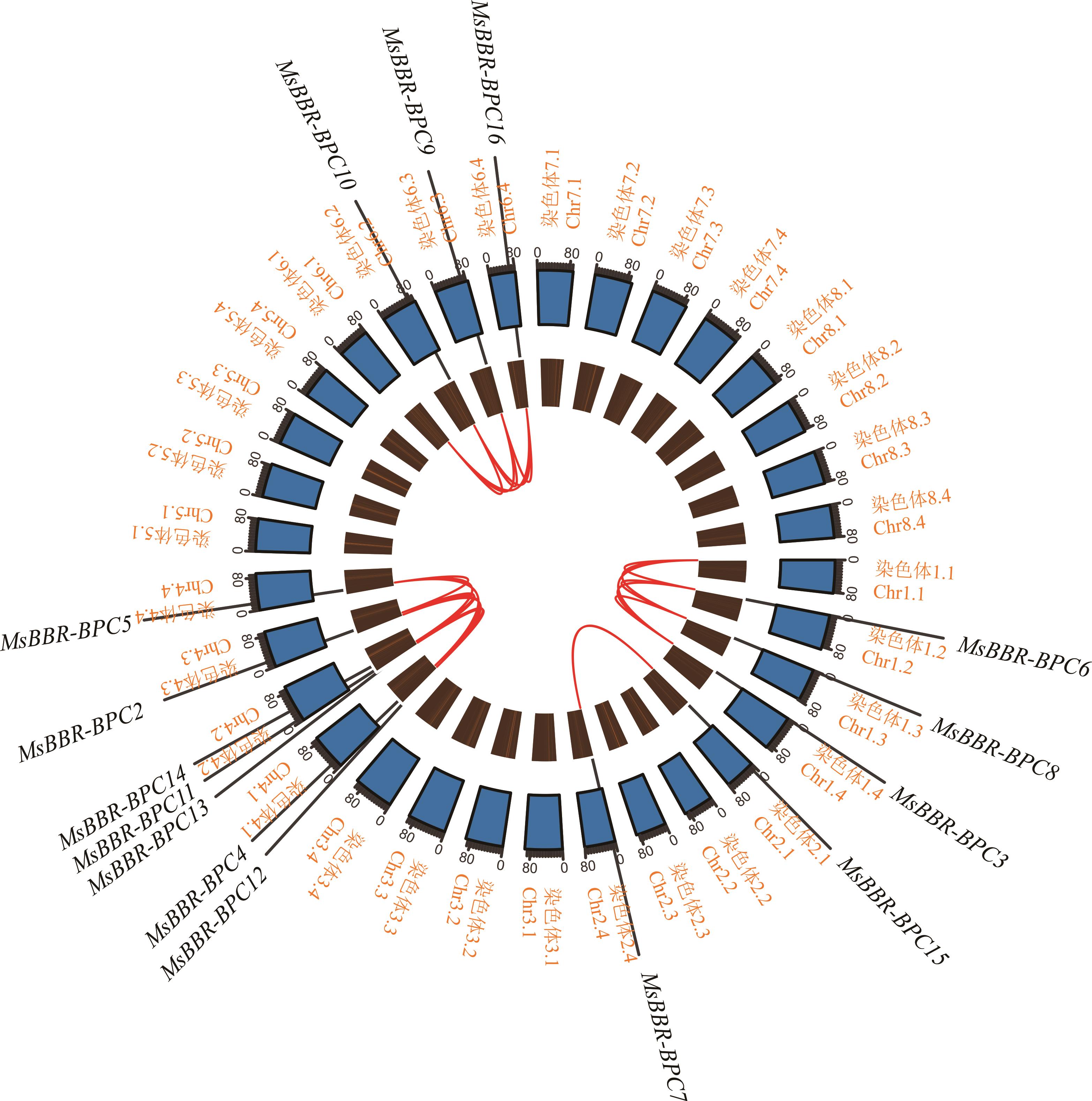
Fig.2 Analysis of collinearity of MsBBR-BPC genes in alfalfa

Fig.3 Analysis of collinearity of MsBBR-BPC genes between alfalfa and multiple species
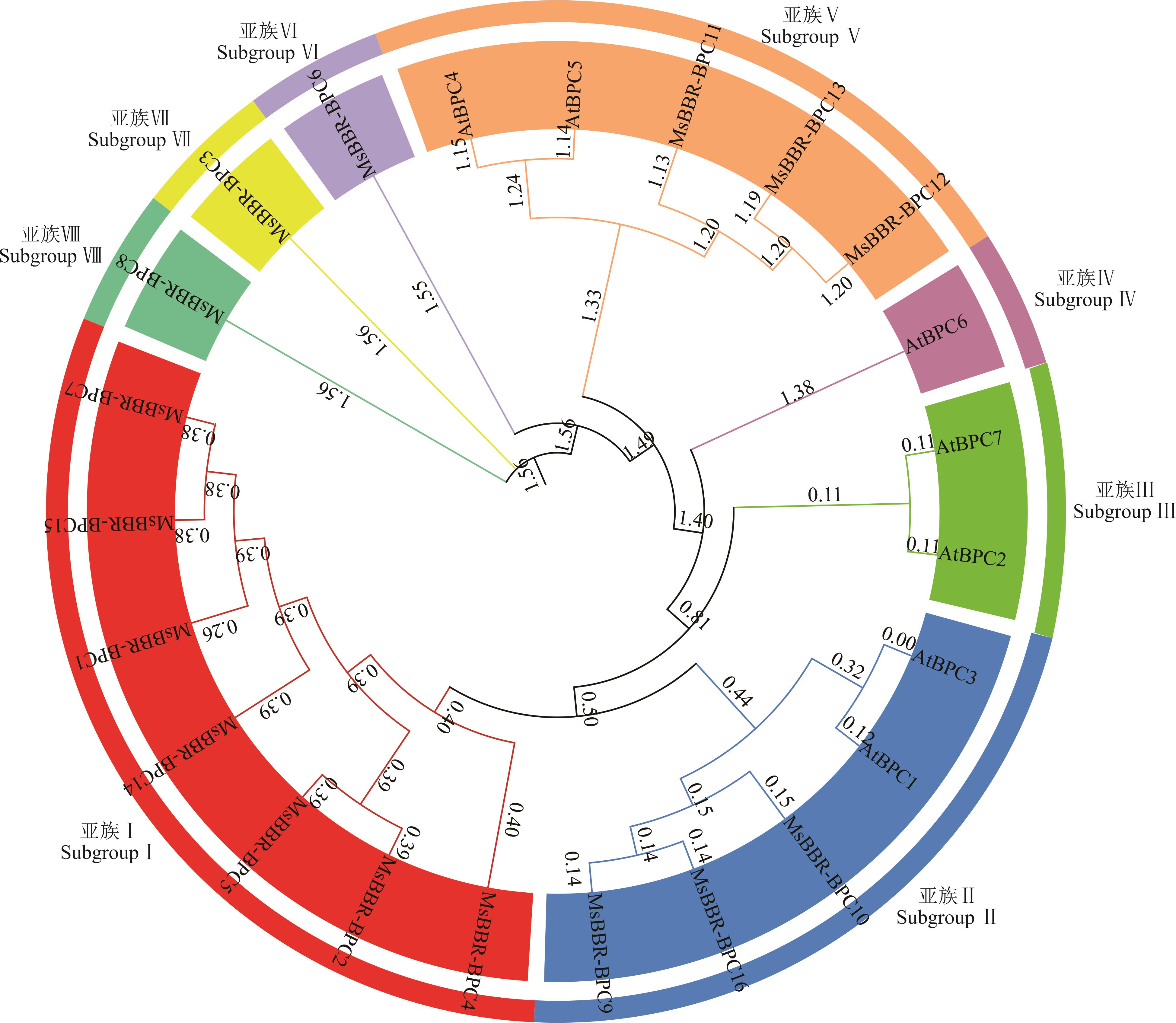
Fig.4 Phylogenetic tree of the MsBBR-BPC gene family
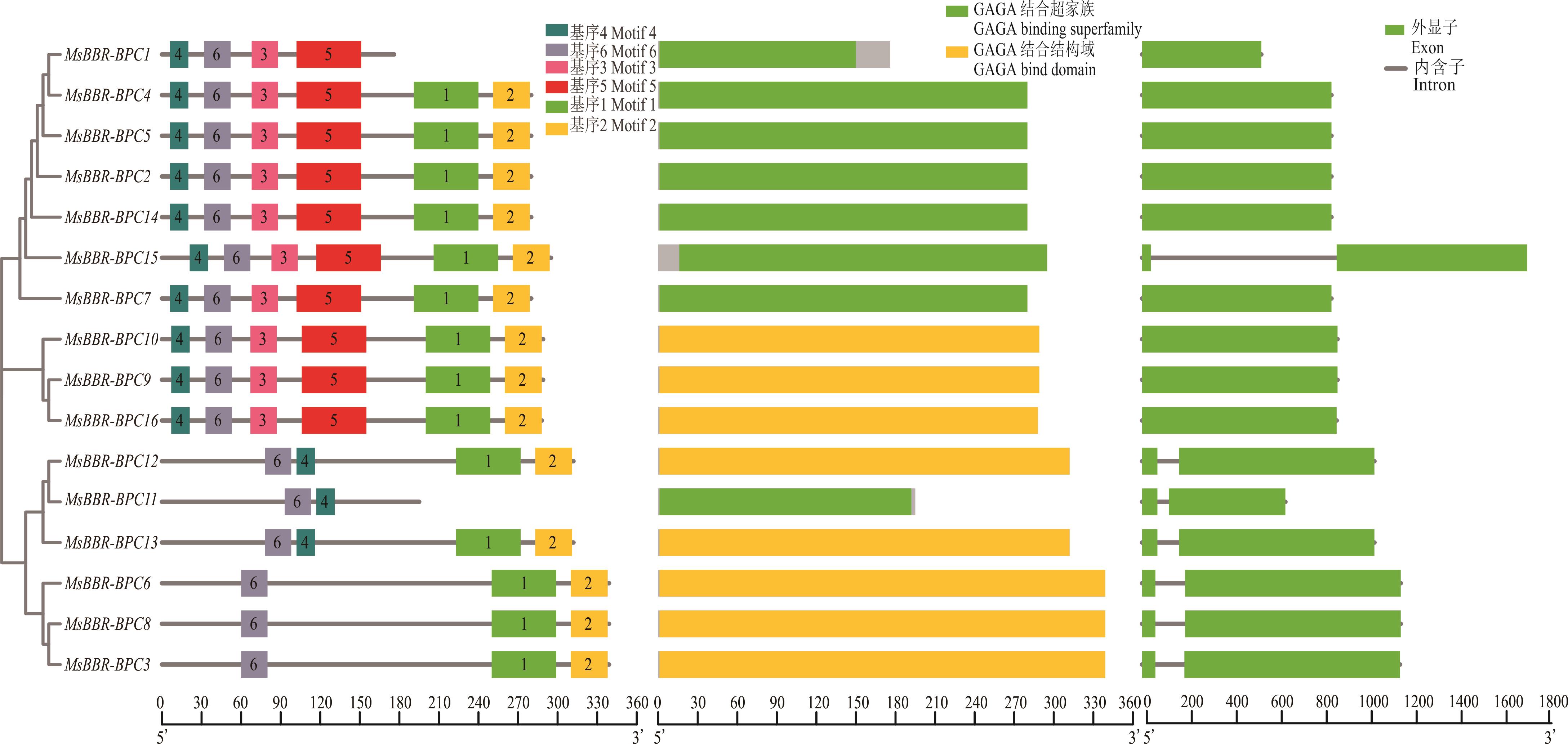
Fig.5 Analysis of conserved motifs and gene structure of MsBBR-BPC gene family
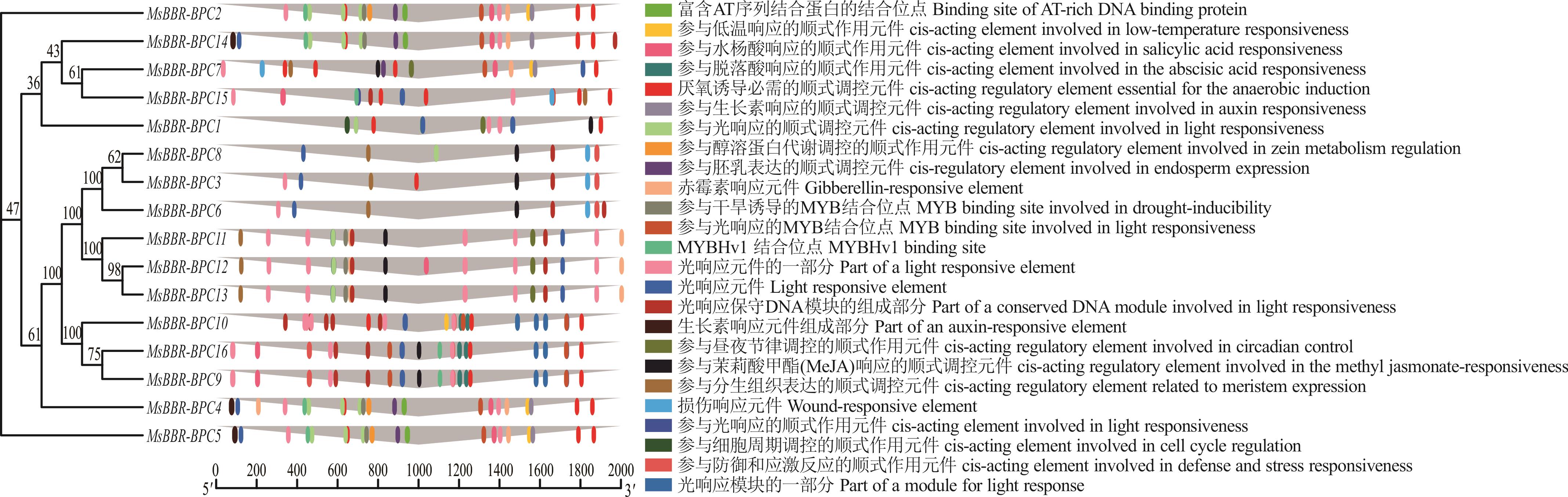
Fig.6 Distribution of cis-acting elements in MsBBR-BPC gene
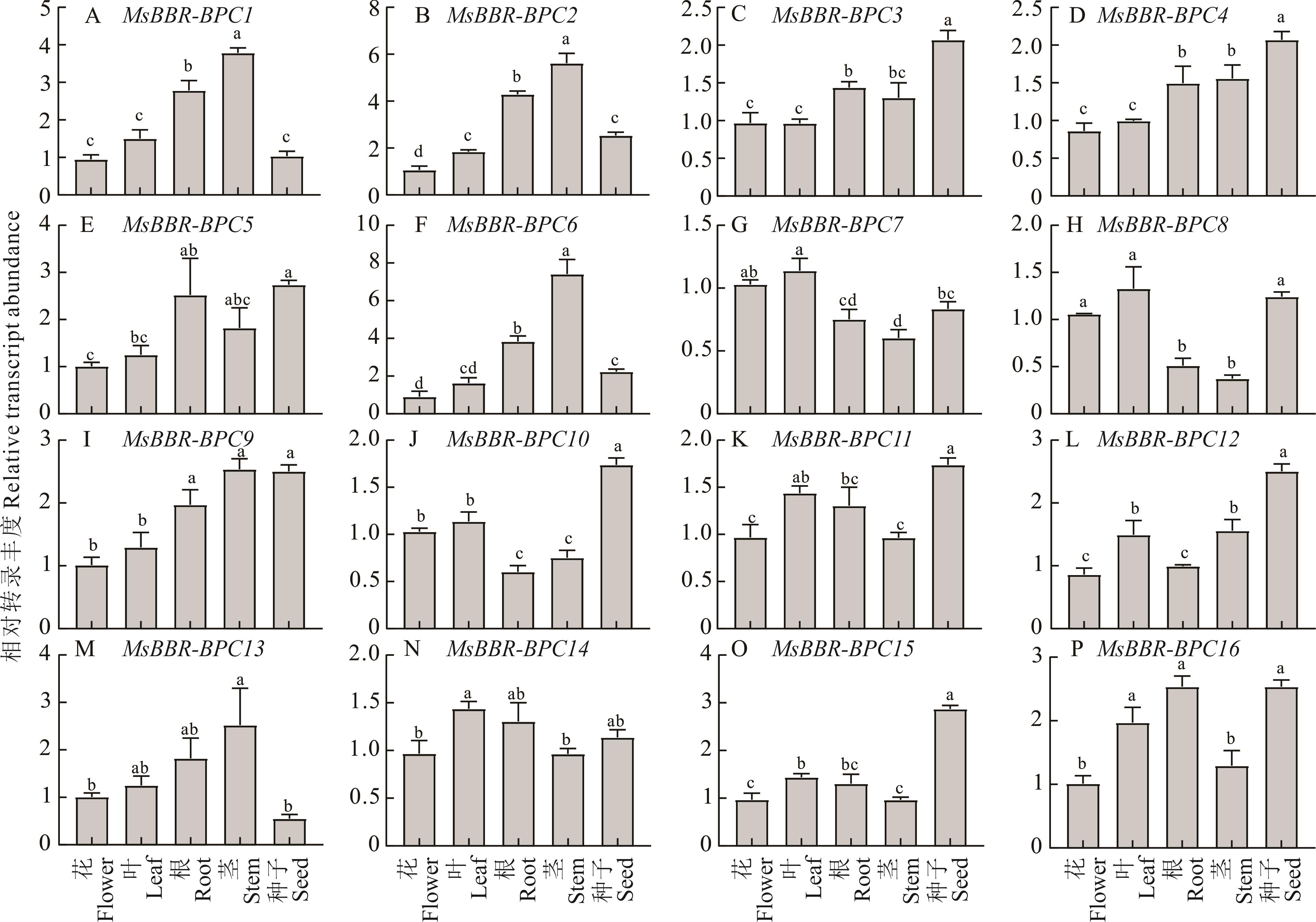
Fig.7 Expression analysis of MsBBR-BPC genes in different tissues of alfalfa
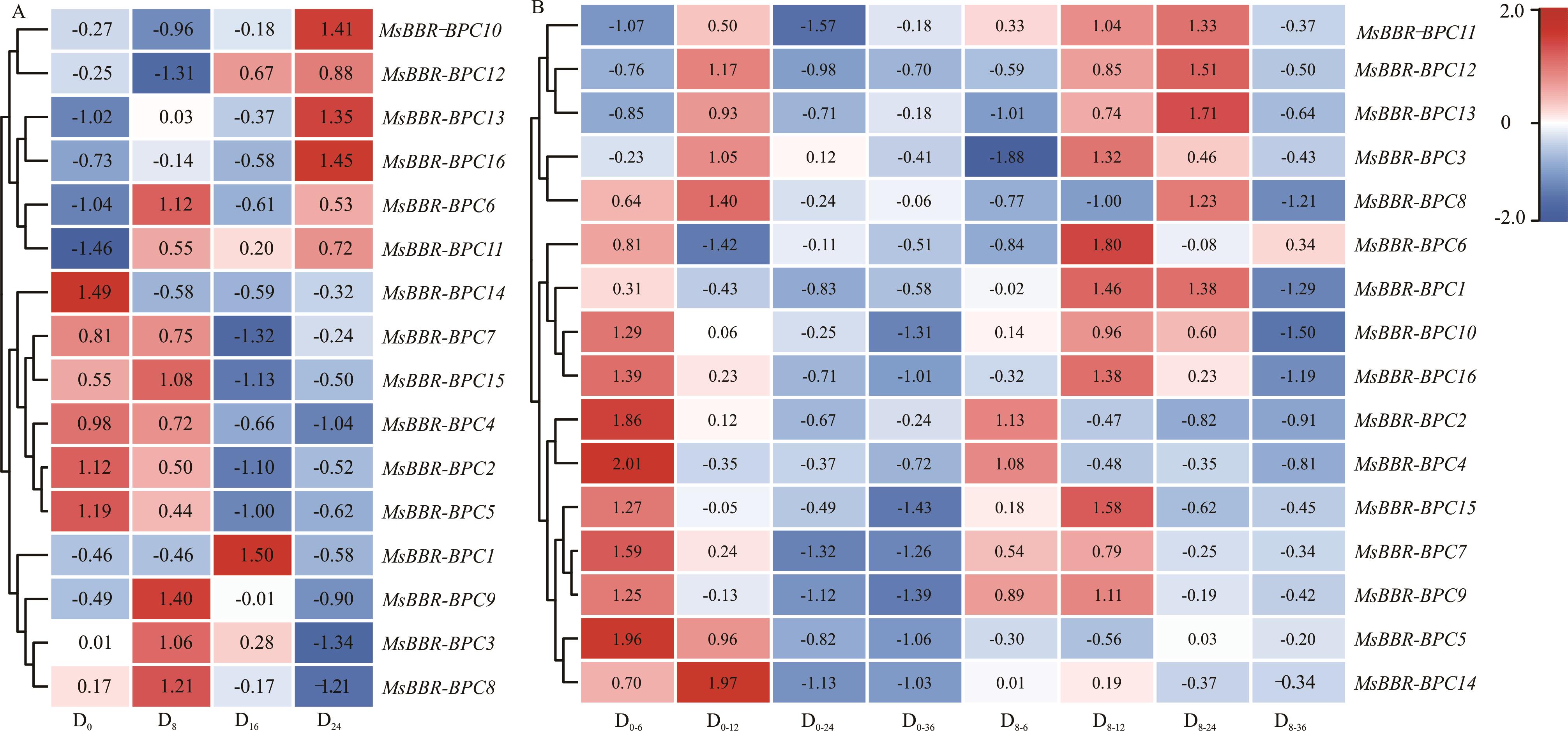
Fig.8 Expression patterns of MsBBR-BPC genes during seed imbibition and germination at different vigor levels
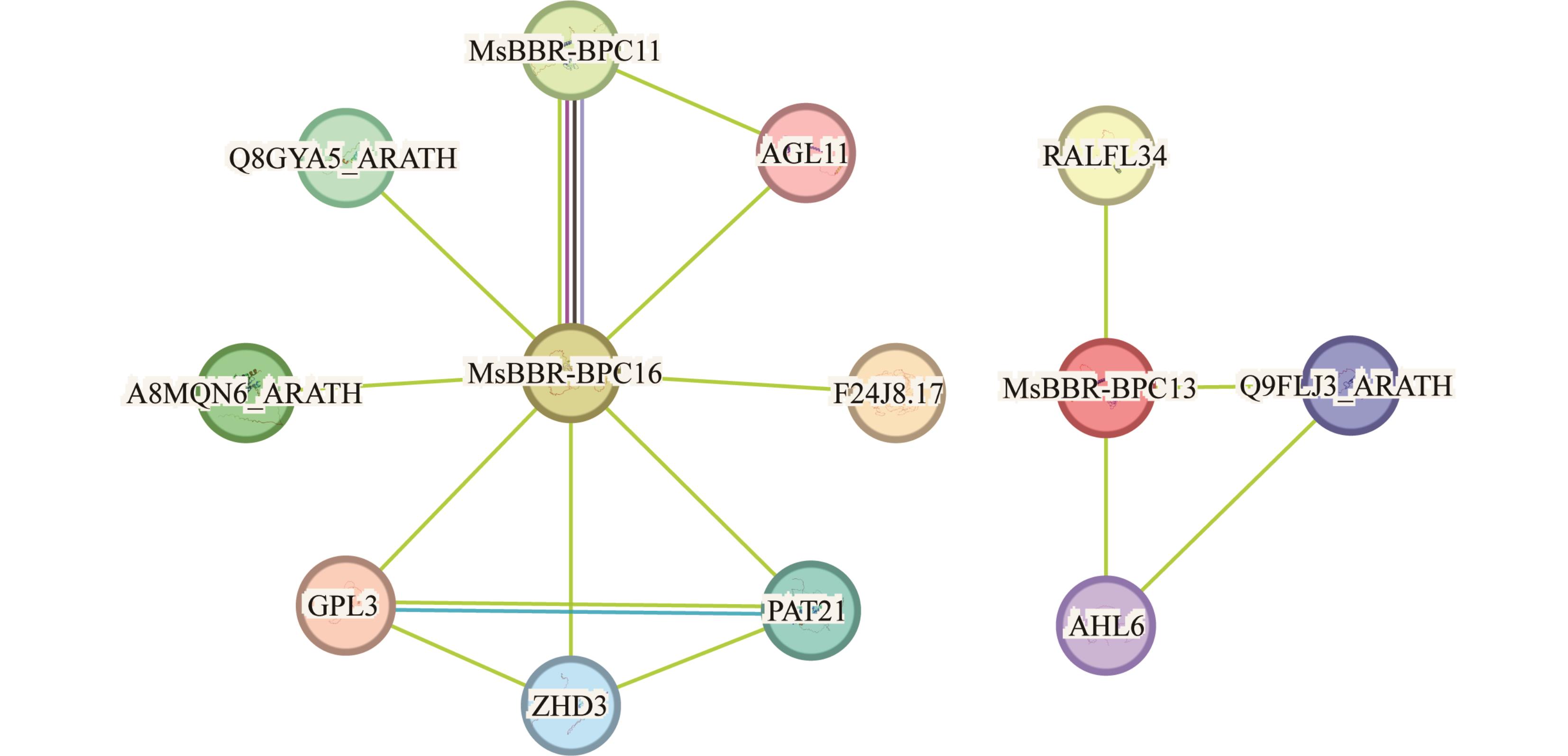
Fig.9 Interaction network between MsBBR-BPC proteins in alfalfa and related proteins in arabidopsis
| [1] | Ge R, Luo Y J, Li Q, et al. Identification of key modules and candidate genes for seed aging resistance of Oryza sativa subsp.indica Kato. Seed, 2024, 43(10): 1-12. |
| 葛蓉, 罗永坚, 李清, 等. 籼稻种子抗老化关键模块及候选基因的鉴定. 种子, 2024, 43(10): 1-12. | |
| [2] | McDonald M B. Seed deterioration: physiology, repair and assessment. Seed Science and Technology, 1999, 27(1): 177-237. |
| [3] | Ebone L A N, Caverzan A, Chavarria G. Physiologic alterations in orthodox seeds due to deterioration processes. Plant Physiology and Biochemistry, 2019, 145: 34-42. |
| [4] | Zhang K L, Zhang Y, Sun J, et al. Deterioration of orthodox seeds during ageing: influencing factors, physiological alterations and the role of reactive oxygen species. Plant Physiology and Biochemistry, 2021, 158: 475-485. |
| [5] | Tan S Y, Cao J, Li S C, et al. Unraveling the mechanistic basis for control of seed longevity. Plants, 2025, 14(5): 805. |
| [6] | Sun S J, Ma W, Jia Z C, et al. Genomic identification and expression profiling of lesion simulating disease genes in alfalfa (Medicago sativa) elucidate their responsiveness to seed vigor. Antioxidants, 2023, 12(9): 1768. |
| [7] | Sangwan I, O'Brian M R. Identification of a soybean protein that interacts with GAGA element dinucleotide repeat DNA. Plant Physiology, 2002, 129(4): 1788-1794. |
| [8] | Santi L, Wang Y M, Stile M R, et al. The GA octodinucleotide repeat binding factor BBR participates in the transcriptional regulation of the homeobox gene Bkn3. The Plant Journal, 2003, 34(6): 813-826. |
| [9] | Meister R J, Williams L A, Monfared M M, et al. Definition and interactions of a positive regulatory element of the Arabidopsis INNER NOOUTER promoter. The Plant Journal, 2004, 37(3): 426-438. |
| [10] | Lee Y, Tsai P, Huang X, et al. Family members additively repress the ectopic expression of BASIC PENTACYSTEINE3 to prevent disorders in Arabidopsis circadian vegetative development. Frontiers in Plant Science, 2022, 13: DOI: 10.3389/fpls.2022.919946. |
| [11] | Sun H, Pang B, Yan J, et al. Comprehensive analysis of cucumber gibberellin oxidase family genes and functional characterization of CsGA20ox1 in root development in Arabidopsis. International Journal of Molecular Sciences, 2018, 19(10): 3135. |
| [12] | Monfared M M, Simon M K, Meister R J, et al. Overlapping and antagonistic activities of BASIC PENTACYSTEINE genes affect a range of developmental processes in Arabidopsis. The Plant Journal, 2011, 66(6): 1020-1031. |
| [13] | Gong R, Cao H, Zhang J, et al. Divergent functions of the GAGA-binding transcription factor family in rice. The Plant Journal, 2018, 94(1): 32-47. |
| [14] | Li S, Miao L, Huang B, et al. Genome-wide identification and characterization of cucumber BPC transcription factors and their responses to abiotic stresses and exogenous phytohormones. International Journal of Molecular Sciences, 2019, 20(20): 5048. |
| [15] | Ma X, Yu Y, Hu Z, et al. Characterizations of a class-i BASIC PENTACYSTEINE gene reveal conserved roles in the transcriptional repression of genes involved in seed development. Current Issues in Molecular Biology, 2022, 44(9): 4059-4069. |
| [16] | Simonini S, Kater M M. Class Ⅰ BASIC PENTACYSTEINE factors regulate HOMEOBOX genes involved in meristem size maintenance. Journal of Experimental Botany, 2014, 65(6): 1455-1465. |
| [17] | Petrella R, Caselli F, Villanova I R, et al. BPC transcription factors and a polycomb group protein confine the expression of the ovule identity gene SEEDSTICK in Arabidopsis. The Plant Journal, 2020, 102(3): 582-599. |
| [18] | Yan J, Liu Y, Yang L, et al. Cell wall β-1,4-galactan regulated by the BPC1/BPC2-GALS1 module aggravates salt sensitivity in Arabidopsis thaliana. Molecular Plant, 2021, 14(3): 411-425. |
| [19] | Zhou X Y, Jiang Q X, Jia H L, et al. Cloning and salt-tolerance functional analysis of alfalfa MsBBX20 gene. Acta Prataculturae Sinica, 2024, 33(10): 55-73. |
| 周昕越, 蒋庆雪, 贾会丽, 等. 紫花苜蓿MsBBX20基因克隆及耐盐功能分析. 草业学报, 2024, 33(10): 55-73. | |
| [20] | Chen C, Wu Y, Li J, et al. TBtools-Ⅱ: a “one for all, all for one” bioinformatics platform for biological big-data mining. Molecular Plant, 2023, 16(11): 1733-1742. |
| [21] | Kumar S, Stecher G, Li M, et al. MEGA x: molecular evolutionary genetics analysis across computing platforms. Molecular Biology and Evolution, 2018, 35(6): 1547-1549. |
| [22] | Zhang Y, Liu H, Ma X, et al. Genome-wide identification and expression analysis of the class Ⅲ peroxidase gene (PRXIII) family in Medicago sativa L. and its function in the abiotic stress response. BMC Plant Biology, 2025, 25(1): 1-15. |
| [23] | Kumar S P J, Prasad S R, Banerjee R, et al. Seed birth to death: dual functions of reactive oxygen species in seed physiology. Annals of Botany, 2015, 116(4): 663-668. |
| [24] | Rajjou L C, Lovigny Y, Groot S P C, et al. Proteome-wide characterization of seed aging in Arabidopsis: a comparison between artificial and natural aging protocols? Plant Physiology, 2008, 148(1): 620-641. |
| [25] | Groot S P C, Surki A A, de Vos R C H, et al. Seed storage at elevated partial pressure of oxygen, a fast method for analysing seed ageing under dry conditions. Annals of Botany, 2012, 110(6): 1149-1159. |
| [26] | Strader L, Weijers D, Wagner D. Plant transcription factors-being in the right place with the right company. Current Opinion in Plant Biology, 2022, 65: 102136. |
| [27] | Zhao D B, Guan P Y, Guo Z H, et al. Genome-wide identification and expression analysis of maize BBR-BPC gene family. Journal of Maize Sciences, 2023, 31(3): 58-66. |
| 赵东波, 管培燕, 郭智慧, 等. 玉米BBR-BPC基因家族全基因组鉴定及表达分析. 玉米科学, 2023, 31(3): 58-66. | |
| [28] | Zhao H Y. Molecular mechanism of apple BBR/BPC transcription tactor MdBPC2 on regulating plant growth. Yangling: Northwest A&F University, 2023. |
| 赵海艳. 苹果BBR/BPC转录因子MdBPC2在调控植株生长中的功能研究. 杨凌: 西北农林科技大学, 2023. | |
| [29] | Lespinet O, Wolf Y I, Koonin E V, et al. The role of lineage-specific gene family expansion in the evolution of Eukaryotes. Genome Research, 2002, 12(7): 1048-1059. |
| [30] | Panchy N, Lehti-Shiu M, Shiu S. Evolution of gene duplication in plants. Plant Physiology, 2016, 171(4): 2294-2316. |
| [31] | Birchler J A, Yang H. The multiple fates of gene duplications: deletion, hypofunctionalization, subfunctionalization, neofunctionalization, dosage balance constraints, and neutral variation. The Plant Cell, 2022, 34(7): 2466-2474. |
| [32] | Wang Z Y, Zhao S, Liu J F, et al. Genome-wide identification of tomato golden 2-like transcription factors and abiotic stress related members screening. BMC Plant Biology, 2022, 22(1): 82. |
| [33] | Wang L, Chen W, Zhao Z, et al. Genome-wide identification, conservation, and expression pattern analyses of the BBR-BPC gene family under abiotic stress in Brassica napus L. Genes, 2024, 16(1): 36. |
| [34] | Rogozin I B, Carmel L, Csuros M, et al. Origin and evolution of spliceosomal introns. Biology Direct, 2012, 7(1): 36. |
| [35] | Wen X Y, Zhao Y, Wang B Q, et al. Expression analysis of AP2/ERFs genes in alfalfa regulated by exogenous NO under drought stress. Acta Prataculturae Sinica, 2025, 34(6): 154-167. |
| 温小月, 赵颖, 王宝强, 等. 外源NO调控干旱胁迫下紫花苜蓿AP2/ERFs基因的表达分析. 草业学报, 2025, 34(6): 154-167. | |
| [36] | Cantalapiedra C P, Hernández-Plaza A, Letunic I, et al. EggNOG-mapper v2: functional annotation, orthology assignments, and domain prediction at the metagenomic scale. Molecular Biology and Evolution, 2021, 38(12): 5825-5829. |
| [37] | Zhang X Y, Zhao L J, Li Y J, et al. Expression of AtPUB18 after salt stress treatment and analysis of its promoter from Arabidopsis thaliana. Acta Botanica Boreali-Occidentalia Sinica, 2014, 34(1): 54-59. |
| 张新宇, 赵兰杰, 李艳军, 等. 盐胁迫对拟南芥AtPUB18基因的诱导表达及其启动子分析. 西北植物学报, 2014, 34(1): 54-59. | |
| [38] | Lee S, Kim S, Kim S. Drought inducible OsDhn1 promoter is activated by OsDREB1a and OsDREB1d. Journal of Plant Biology, 2013, 56(2): 115-121. |
| [1] | Fen-qi CHEN, Jin-qing ZHANG, Yi-jian YU, Zhen-yu LI. Identification, bioinformatics analysis of AP2 subfamily genes and MsBBM gene cloning in alfalfa [J]. Acta Prataculturae Sinica, 2026, 35(7): 117-134. |
| [2] | Jiang-bo XU, Chang-wei MEI, Dong CHEN, Run-yao JIANG, Song-chang GUO, Xiu-hong WU, Ju-ying LUO, Hai-yuan HUANG, Fang LIU. The effect of alfalfa meal on the average daily gain, slaughter performance, meat quality, and serum biochemical indicators of two different hybrid lines of Liangsan pigs [J]. Acta Prataculturae Sinica, 2026, 35(6): 202-215. |
| [3] | Meng-yu REN, Li-qun WANG, Li-li NAN, Jia-yu GUO. Responses of new alfalfa lines to salt stress [J]. Acta Prataculturae Sinica, 2026, 35(6): 24-34. |
| [4] | Wen-hui DENG, Xiao-na ZHAO, Jia-yi YONG, Si-yu GUAN, Guo-qiang HU, Teng-fei WANG, Hai-ying HU. Effects of intercropping oat with different densities on alfalfa seed yield and its constituent factors [J]. Acta Prataculturae Sinica, 2026, 35(4): 100-111. |
| [5] | Ping MA, Zhi-guo LIU, Yu-shu SHA, Ya-ling LIU, Xiao-mei TUO, Bing-zhe FU, Xue-qing GAO. Nitrogen utilization characteristics of alfalfa at the seedling stage and screening of nitrogen-efficient varieties [J]. Acta Prataculturae Sinica, 2026, 35(4): 112-123. |
| [6] | Tian ZHANG, Hua-juan LENG, Jing CUI, Fei HE, Xue WANG, Ming-na LI, Qing-chuan YANG, Jun-mei KANG. Identification of synaptotagmin gene family members in alfalfa and their transcript profiles under abiotic stresses [J]. Acta Prataculturae Sinica, 2026, 35(4): 158-168. |
| [7] | Yu-hua TONG, Xiao-tong WANG, Yong-long MA, Jin-hui YANG, Dong-wen YU, Shu-xia LI. Effects of a chitosan seed soaking treatment on seed germination and growth of alfalfa under saline alkali stress [J]. Acta Prataculturae Sinica, 2026, 35(3): 245-256. |
| [8] | Jian-min DU, Zhan-jun WANG, Wei WANG, Xue-peng MA, Dong-ning LI, Ji-xiang LI. Response of drying rate and nutrient content changes to the main environmental factors during alfalfa natural drying in irrigation areas [J]. Acta Prataculturae Sinica, 2026, 35(2): 131-142. |
| [9] | Zhao-ming WANG, Li-na ZHENG, Yue-hua ZHANG, Wei ZHAO, Xiang CHEN, Zhen-yu JIA. Bacterial community assembly in the rhizosphere and endosphere of different perennial alfalfa varieties with low fall dormancy rates [J]. Acta Prataculturae Sinica, 2026, 35(2): 195-207. |
| [10] | Ji-yuan ZHANG, Hai-quan AN, Jing-yi PAN, Chang LIU, Si-si LONG, Li-li ZHAO. Drought resistance evaluation of seed germination and seedling growth of seven alfalfa cultivars [J]. Acta Prataculturae Sinica, 2026, 35(2): 68-82. |
| [11] | Hong-qian YU, Xue-peng MA, Han-guo ZENG, Xiao-yan SHAN, Man-li LI, Zhan-jun WANG. Effects of the amount and timing of subsurface drip irrigation on alfalfa seed production [J]. Acta Prataculturae Sinica, 2026, 35(1): 53-64. |
| [12] | Wei-peng ZOU, Yi LIU, Jia-xing ZHAI, Si-yi ZHOU, Zhi-yi GONG, Hui-fang CEN, Hui-sen ZHU, Tao XU. Cloning of MsNAC053 from alfalfa and analysis of its transcript profile in response to abiotic stresses [J]. Acta Prataculturae Sinica, 2025, 34(9): 121-133. |
| [13] | Ran XIAN, Yu DENG, Qiu-yue FU, Jing-xia JIANG, Jia-li TAO, Tao XU, Hui-sen ZHU, Hui-fang CEN. Cloning of alfalfa MsMYB86 and analysis of its transcriptional response to abiotic stress [J]. Acta Prataculturae Sinica, 2025, 34(9): 162-172. |
| [14] | Yi-xin LIU, Xiao-qing SUI, Xin-yao WANG, Meng-qing LANG, Ling-zi-yin SUN, Er-ge JIER. Mitigating effects of exogenous melatonin on alfalfa under salt stress [J]. Acta Prataculturae Sinica, 2025, 34(9): 206-214. |
| [15] | Ning CHEN, Feng-xuan BAO, Hui-xiang ZHAO, Nan WANG, Ru-yu JIANG, Guo-liang LI, Xiang-ping LIU, Shan-min QU, Wei-guang YANG. Physiological characteristics of the alfalfa root collar during overwintering under soda saline-alkali stress in cold areas [J]. Acta Prataculturae Sinica, 2025, 34(9): 78-86. |
| Viewed | ||||||
|
Full text |
|
|||||
|
Abstract |
|
|||||
