
ISSN 1004-5759 CN 62-1105/S
Acta Prataculturae Sinica ›› 2026, Vol. 35 ›› Issue (1): 154-169.DOI: 10.11686/cyxb2025122
Li WEI1( ), Yu-xuan DENG1, Jing ZHAO2, Jun-liang LIU2, Ke-hua MA2, Suo-min WANG1()
Received:2025-04-08
Revised:2025-05-21
Online:2026-01-20
Published:2025-11-13
Contact:
Suo-min WANG
Li WEI, Yu-xuan DENG, Jing ZHAO, Jun-liang LIU, Ke-hua MA, Suo-min WANG. Cloning and functional analysis of ZxCER6 from the xerophyte Zygophyllum xanthoxylum[J]. Acta Prataculturae Sinica, 2026, 35(1): 154-169.
| 引物名称Primer name | 引物序列Primer sequence (5′-3′) | 目的Purpose |
|---|---|---|
| 3F-CER6 | ACGAGGCGGAGACTGTTATTT | 基因克隆 Gene cloning |
| 3FN-CER6 | ATCCCAATTCAAATGCTGTCG | |
| 5R-CER6 | CTTCATACACGCAACGATAGG | |
| 5RN-CER6 | TCATCAGCTCCTTTGTGGGTC | |
| WF-CER6 | AACAGTCCACTGCCTTCAACAGTAC | |
| WR-CER6 | GCCATCCACCAATCAACCTTAT | |
| P | CTAATACGACTCACTATAGGGC | |
| NP | AAGCAGTGGTATCAACGCAGAGT | |
| QF-ZxCER6 | CGTTGCGTGTATGAAGAAGAGG | qRT-PCR |
| QR-ZxCER6 | TATGGCTTGATTTTCGGGTTG | |
| QF-ZxACTIN | TTTTCCAGCCATCCCTTGTT | |
| QR-ZxACTIN | TGCAGTGATCTCCTTGCTCATAC | |
| VF AtCER6(HindⅢ) | TGTTGGCCCAAGCTTCTTCGATATCGGTTGTTGACGAT | 植物表达载体构建 Construction of plant expression vector |
| VR AtCER6 | CAAGATTTGAGGCATCGTCGGAGAGTTTTAATGTATAAT | |
| VF ZxCER6 | ATGCCTCAAATCTTGCCCGATTTCT | |
| VR ZxCER6(SacⅠ) | GGGAAATTCGAGCTCCTACAGCTTGACAACTTCAGGAAT |
Table 1 Primer information used in the experiment
| 引物名称Primer name | 引物序列Primer sequence (5′-3′) | 目的Purpose |
|---|---|---|
| 3F-CER6 | ACGAGGCGGAGACTGTTATTT | 基因克隆 Gene cloning |
| 3FN-CER6 | ATCCCAATTCAAATGCTGTCG | |
| 5R-CER6 | CTTCATACACGCAACGATAGG | |
| 5RN-CER6 | TCATCAGCTCCTTTGTGGGTC | |
| WF-CER6 | AACAGTCCACTGCCTTCAACAGTAC | |
| WR-CER6 | GCCATCCACCAATCAACCTTAT | |
| P | CTAATACGACTCACTATAGGGC | |
| NP | AAGCAGTGGTATCAACGCAGAGT | |
| QF-ZxCER6 | CGTTGCGTGTATGAAGAAGAGG | qRT-PCR |
| QR-ZxCER6 | TATGGCTTGATTTTCGGGTTG | |
| QF-ZxACTIN | TTTTCCAGCCATCCCTTGTT | |
| QR-ZxACTIN | TGCAGTGATCTCCTTGCTCATAC | |
| VF AtCER6(HindⅢ) | TGTTGGCCCAAGCTTCTTCGATATCGGTTGTTGACGAT | 植物表达载体构建 Construction of plant expression vector |
| VR AtCER6 | CAAGATTTGAGGCATCGTCGGAGAGTTTTAATGTATAAT | |
| VF ZxCER6 | ATGCCTCAAATCTTGCCCGATTTCT | |
| VR ZxCER6(SacⅠ) | GGGAAATTCGAGCTCCTACAGCTTGACAACTTCAGGAAT |
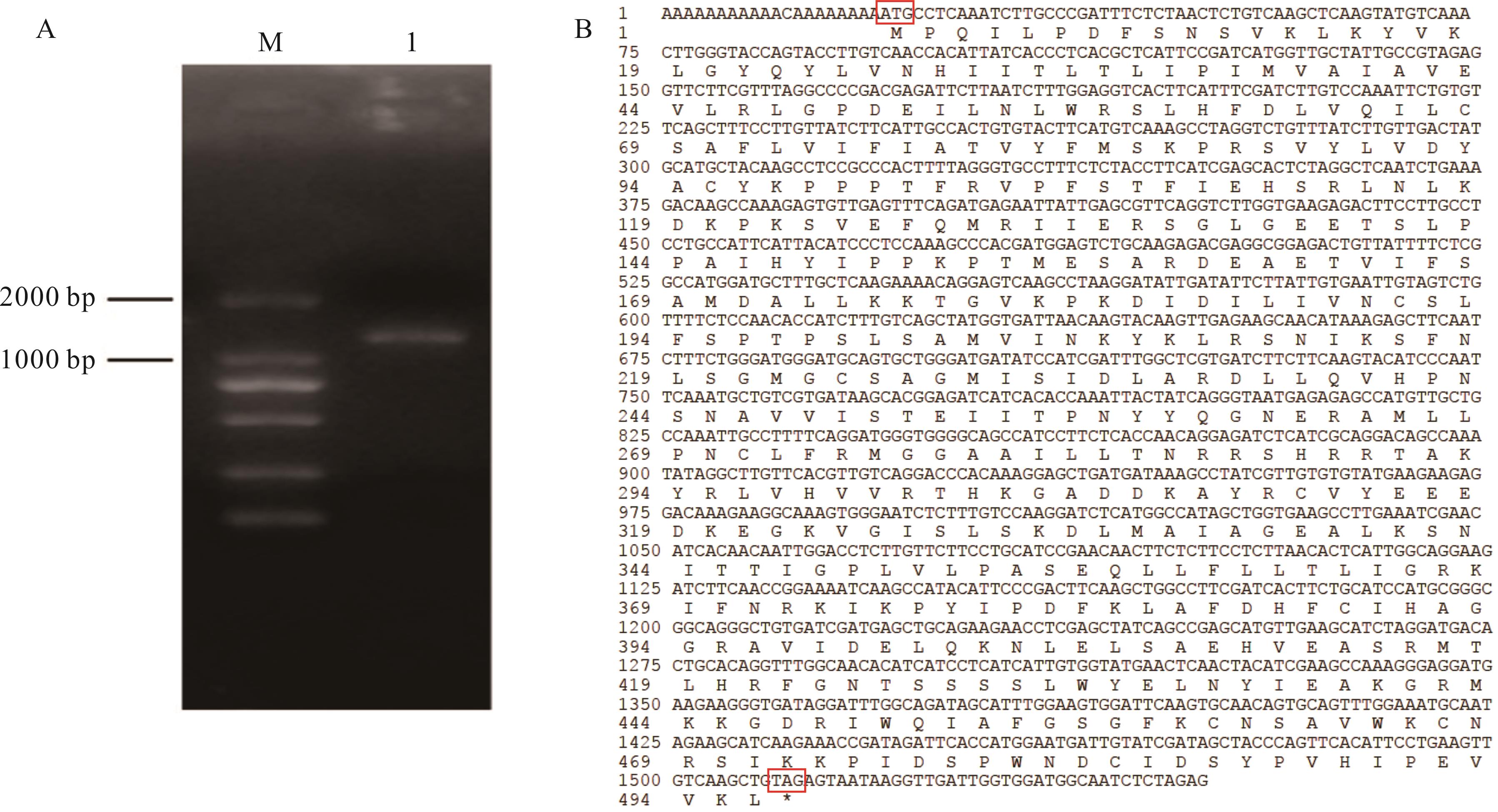
Fig.1 Cloning full-length cDNA and corresponding protein sequence of ZxCER6

Fig.2 Structural characterization analysis of ZxCER6 protein

Fig.3 Amino acid sequence alignment of ZxCER6 with other CER6 from higher plants
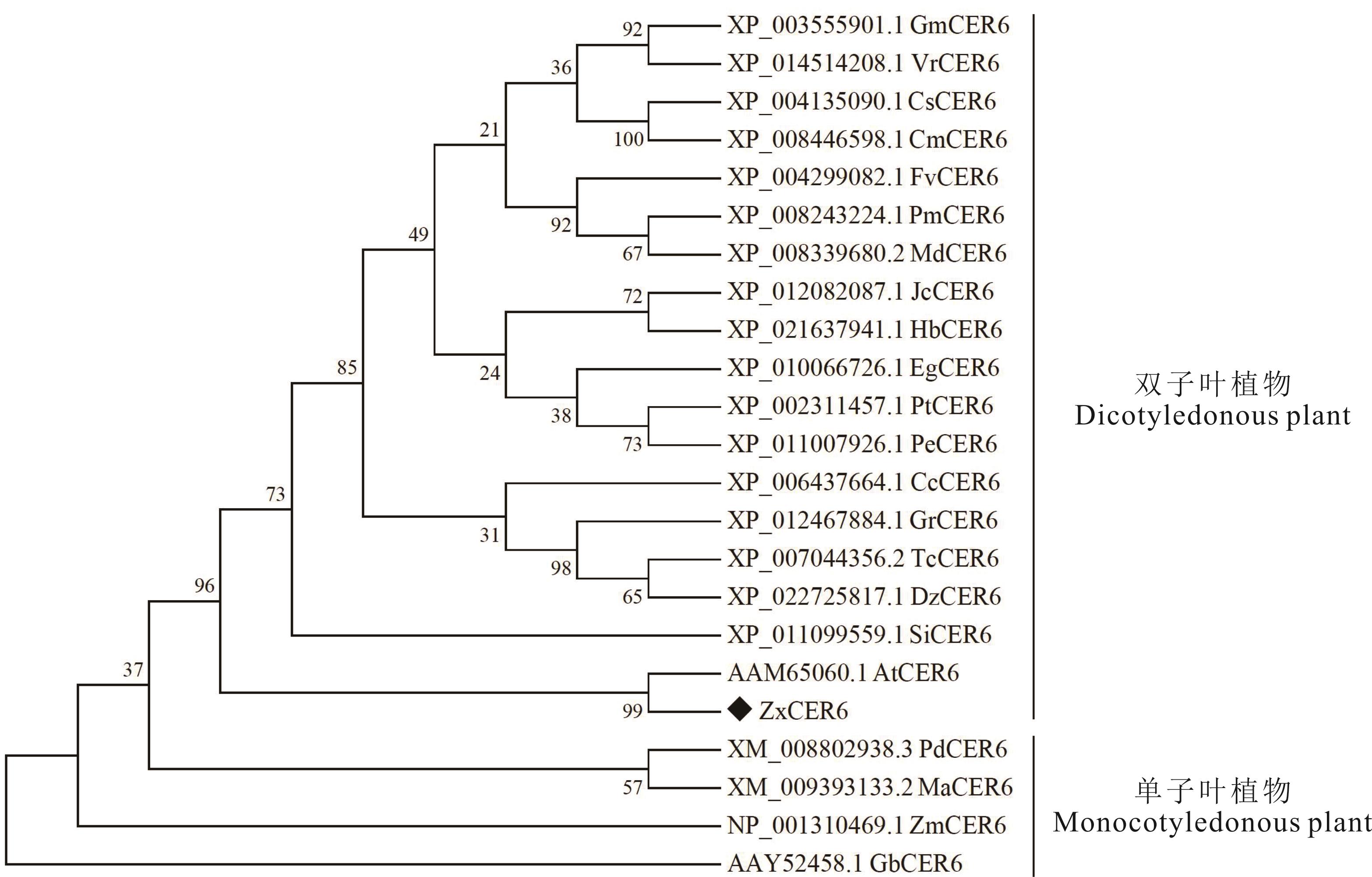
Fig.4 Phylogenetic tree analysis of CER6 in different plants
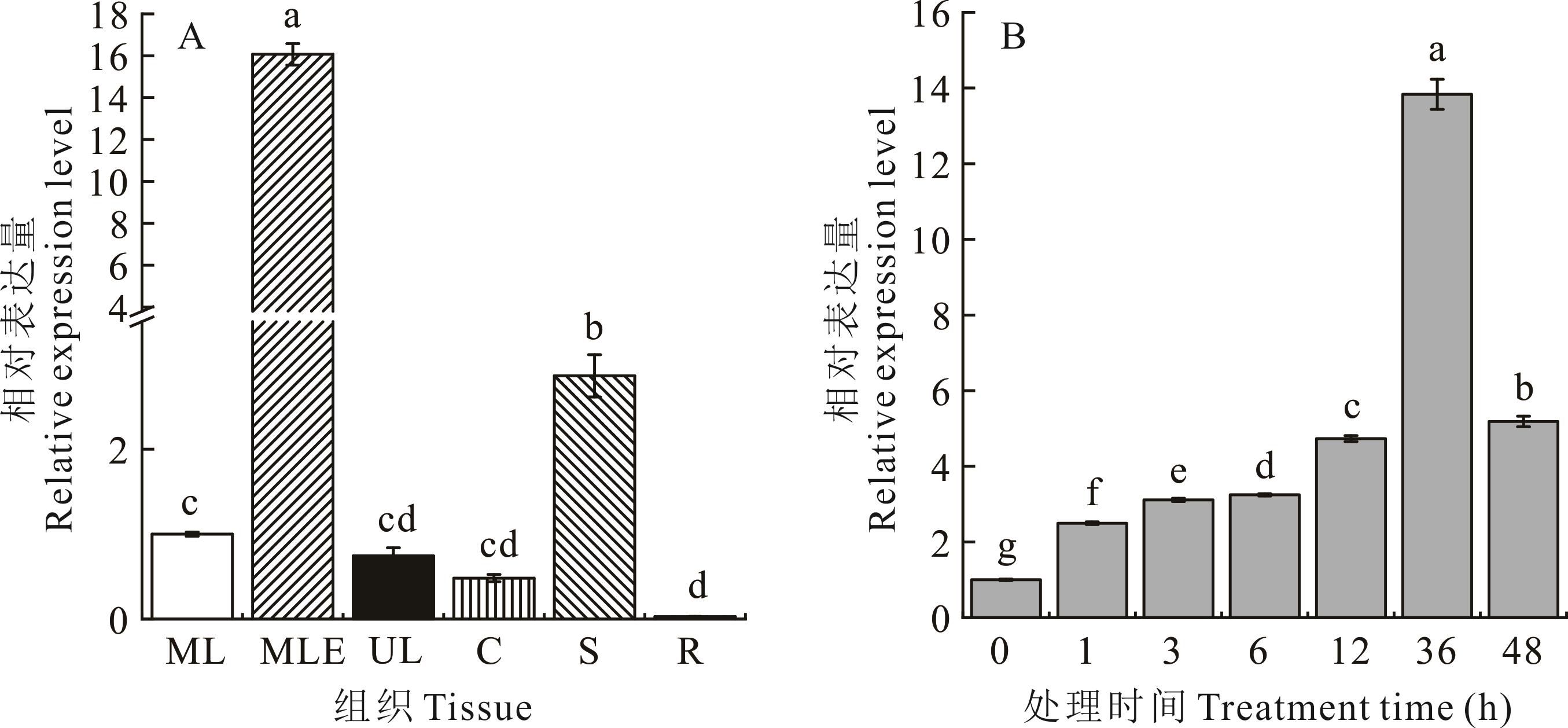
Fig.5 Expression pattern analysis of ZxCER6
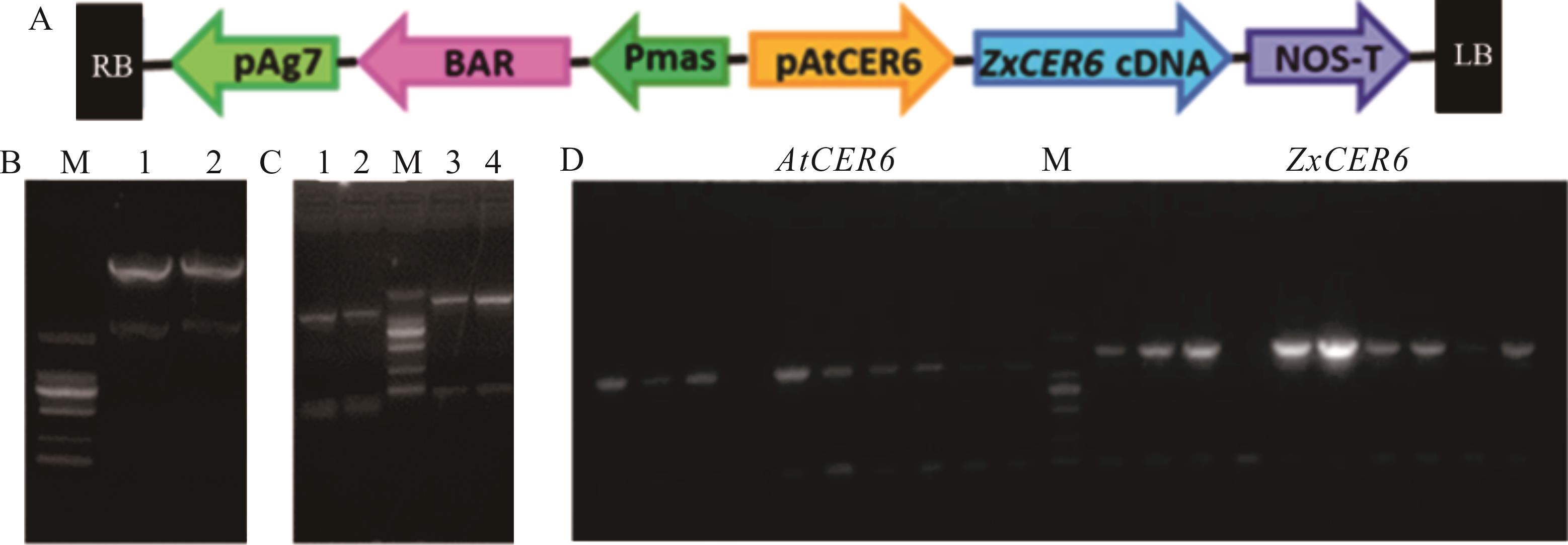
Fig.6 Construction of plant expression vector
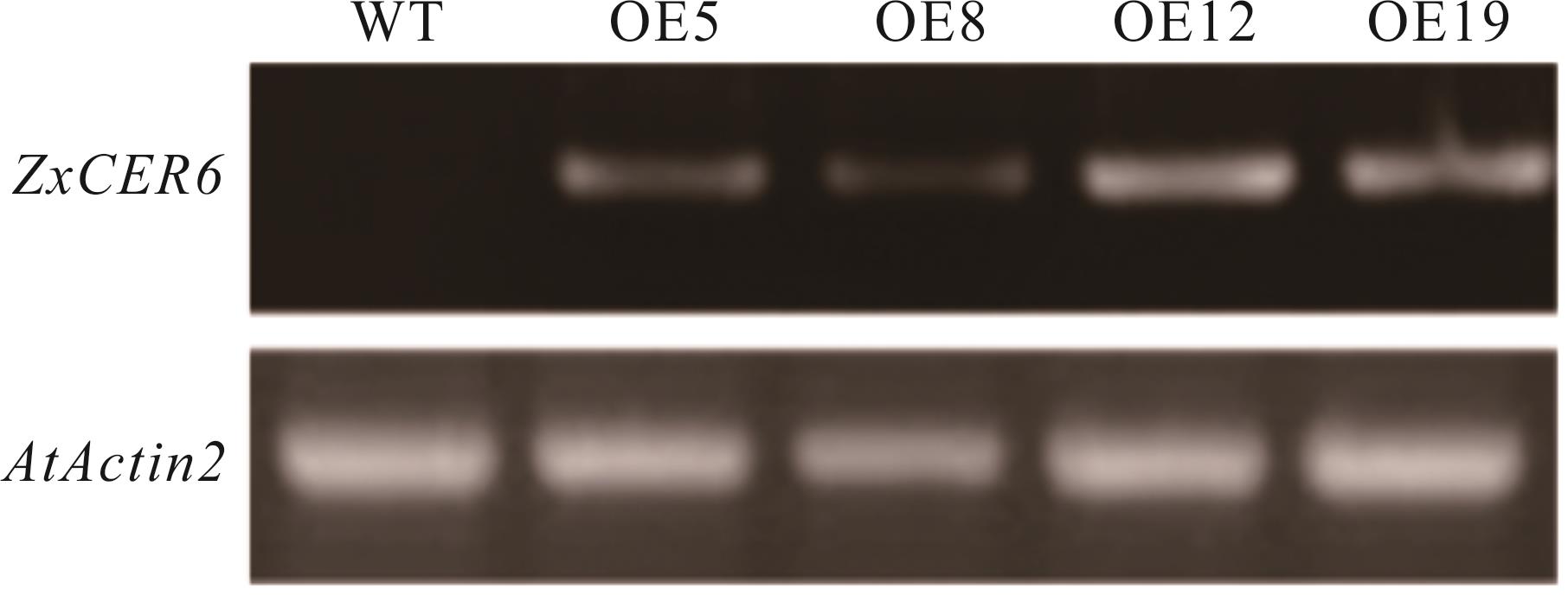
Fig.7 RT-PCR detection of ZxCER6 in transgenic Arabidopsis
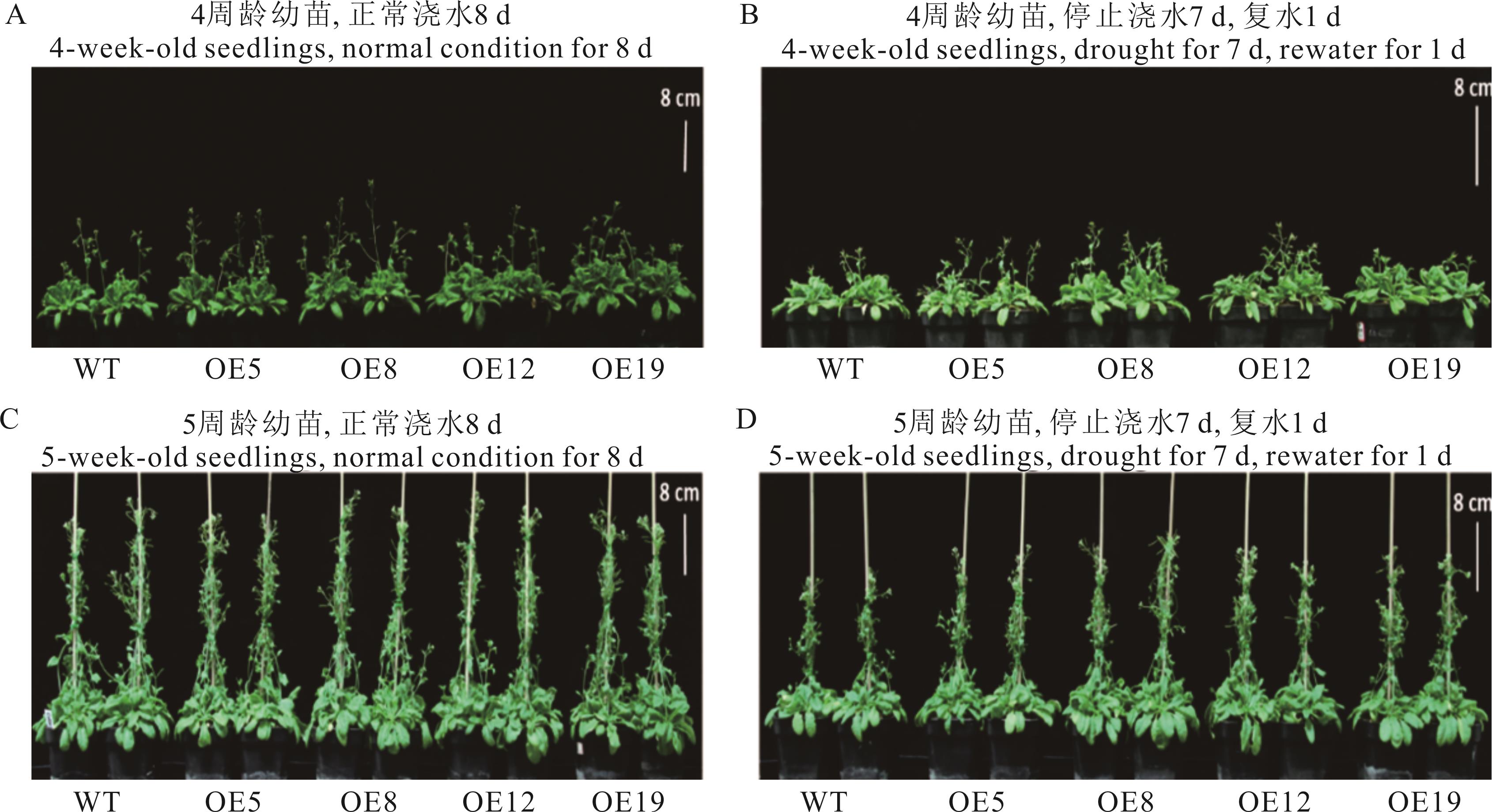
Fig.8 The growth state of wild type and ZxCER6 transgenic Arabidopsis under different drought periods

Fig.9 The plant height of wild type and ZxCER6 transgenic Arabidopsis under different drought periods
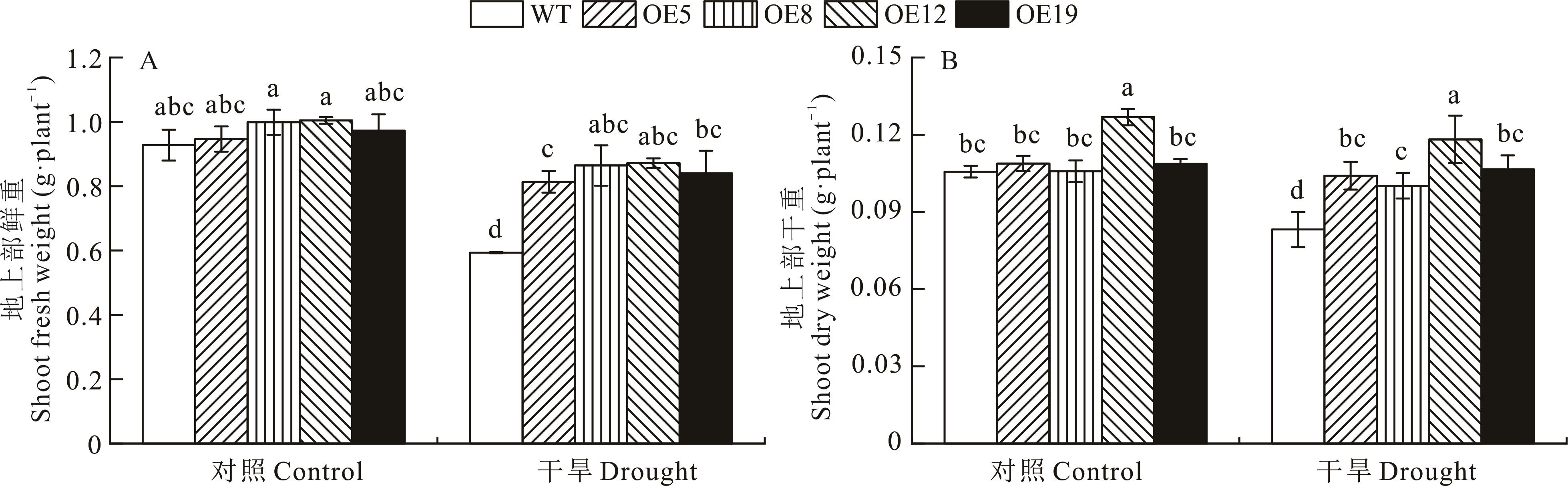
Fig.10 Shoot dry and fresh weight of wild type and ZxCER6 transgenic Arabidopsis in the second drought periods

Fig.11 Analysis of chlorophyll content and photosynthesis index between wide type and ZxCER6 transgenic Arabidopsis in the second drought period
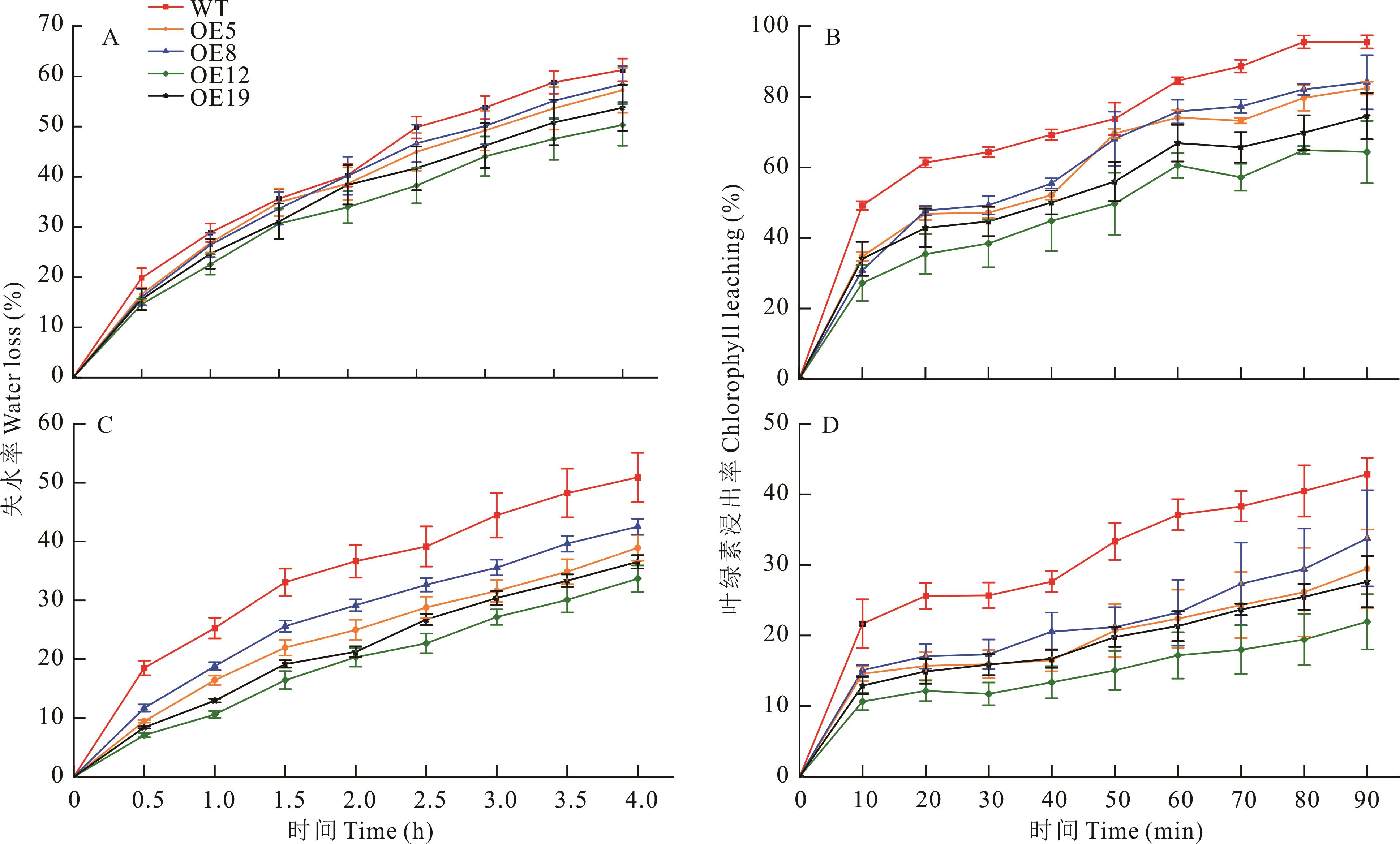
Fig.12 Cuticle permeability of wide type and ZxCER6 transgenic Arabidopsis leaves

Fig.13 Relative water content of wide type and ZxCER6 transgenic Arabidopsis leaves
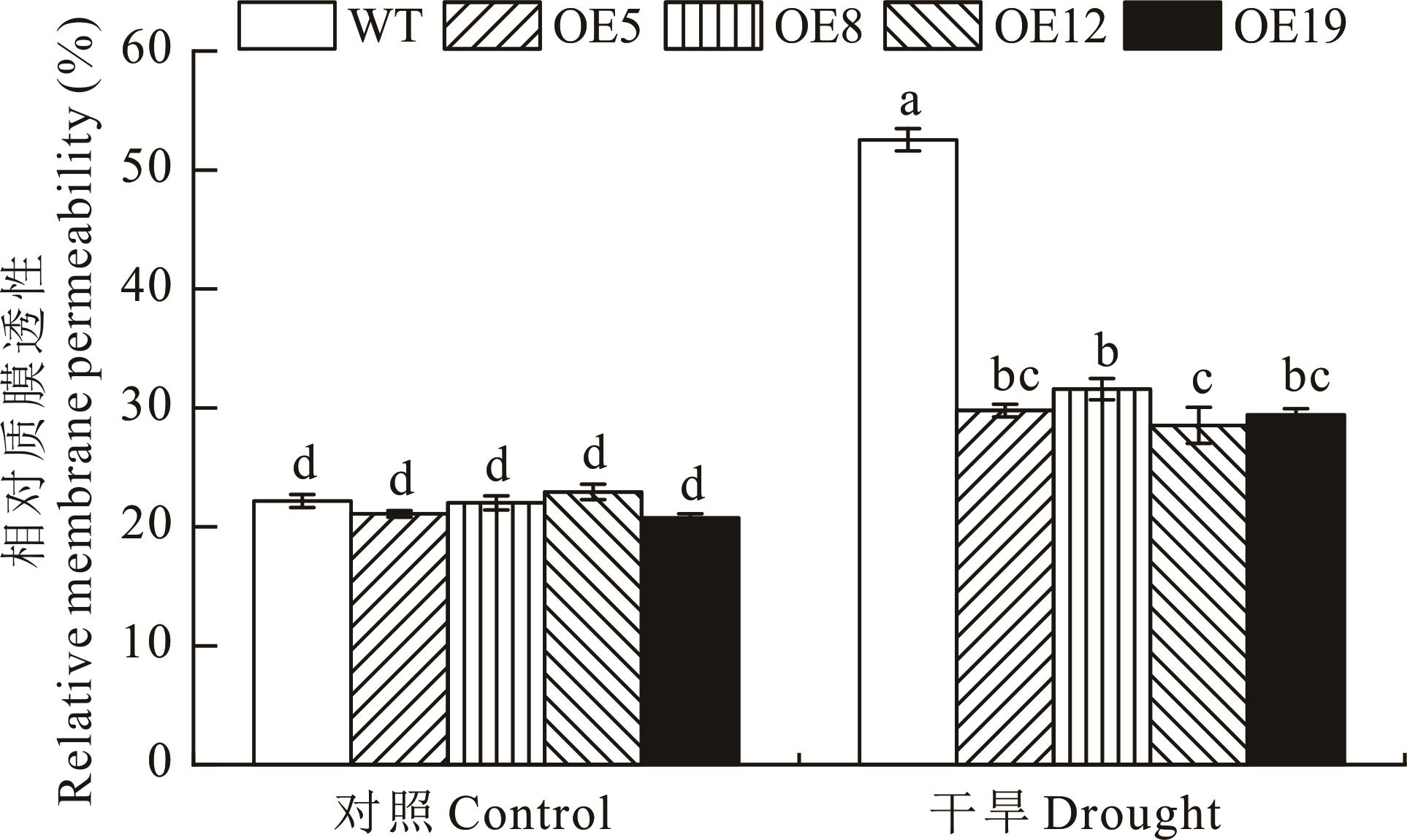
Fig.14 Relative membrane permeability of wide type and ZxCER6 transgenic Arabidopsis leaves
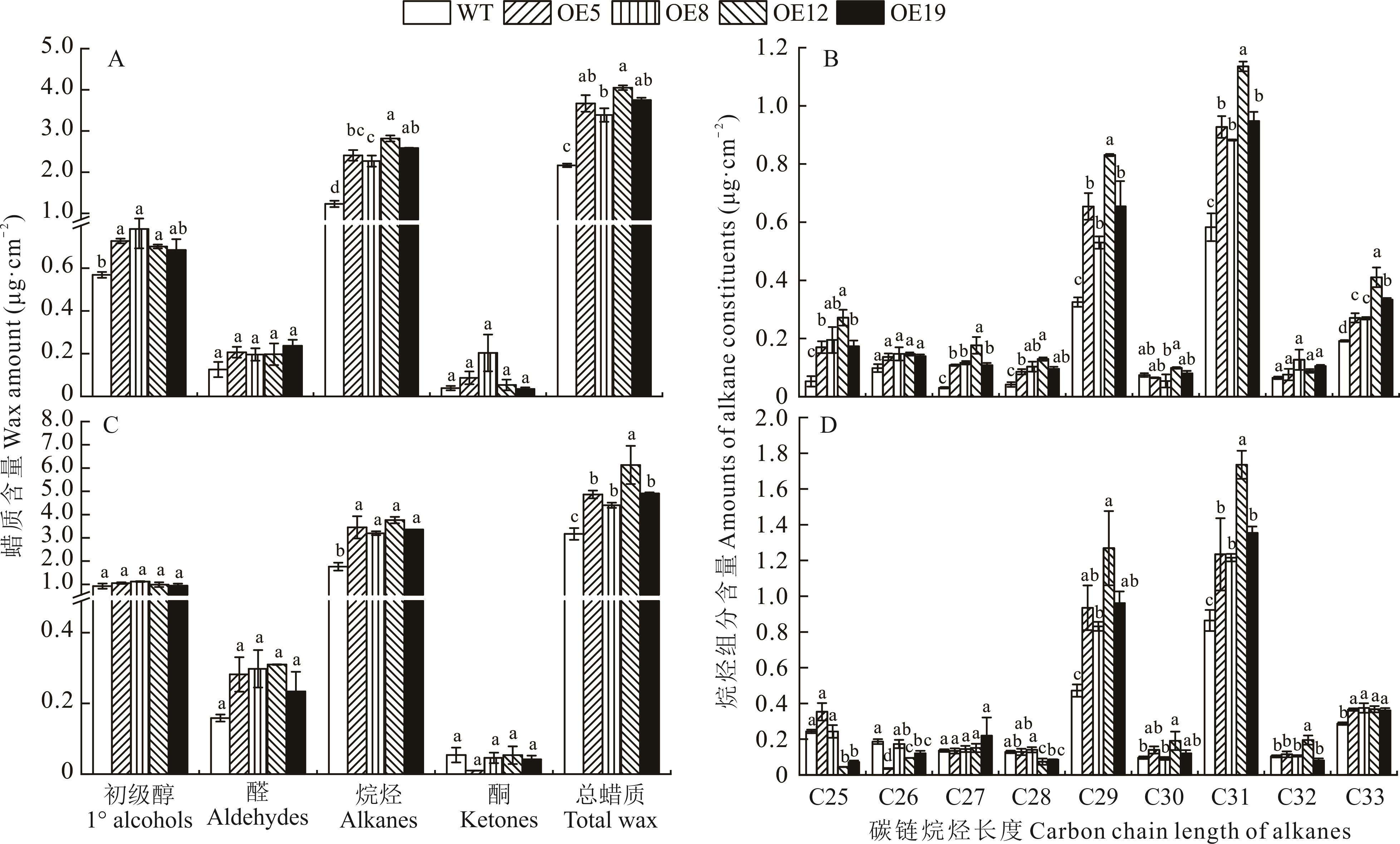
Fig.15 Wax amount and amounts of different chain alkane constituents on rosette leaves of wide type and ZxCER6 transgenic Arabidopsis
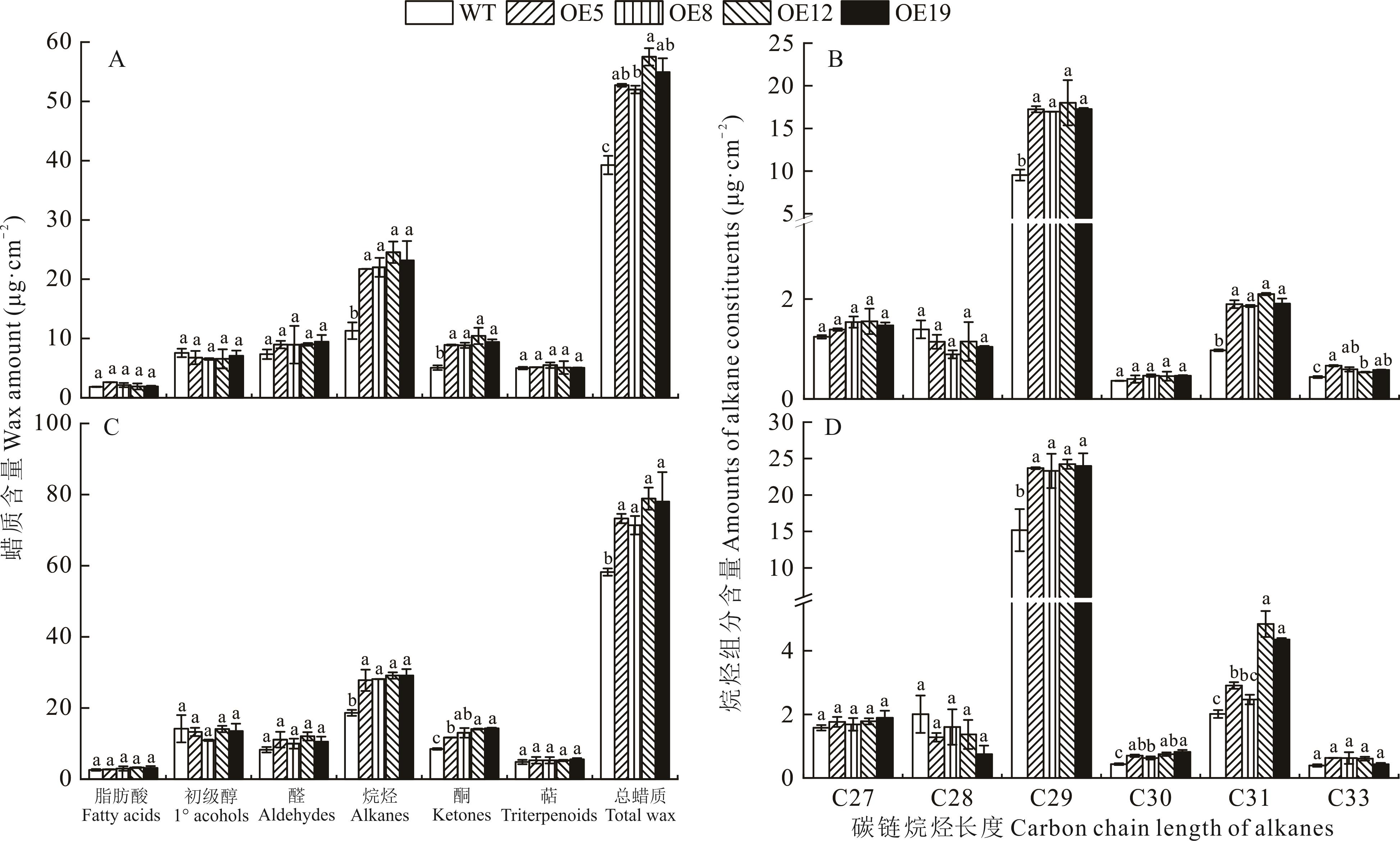
Fig.16 Wax amount and amounts of different chain alkane constituents on inflorescence stems of wide type and ZxCER6 transgenic Arabidopsis
| [1] | Rossak M, Smith M, Kunst L. Expression of the FAE1 gene and FAE1 promoter activity in development seeds of Arabidopsis thaliana. Plant Molecular Biology, 2001, 46(6): 717-725. |
| [2] | Costaglioli P, Joubès J, Garcia C, et al. Profiling candidate genes involved in wax biosynthesis in Arabidopsis thaliana by microarray analysis. Biochimica et Biophysica Acta (BBA)-Molecular and Cell Biology of Lipids, 2005, 1734(3): 247-258. |
| [3] | Joubès J, Raffaele S, Bourdenx B, et al. The VLCFA elongase gene family in Arabidopsis thaliana: Phylogenetic analysis, 3D modeling and expression profiling. Plant Molecular Biology, 2008, 67(5): 547-566. |
| [4] | Todd J, Post-Beittenmiller D, Jaworski J G. KCS1 encodes a fatty acid elongase 3-ketoacyl-CoA synthase affecting wax biosynthesis in Arabidopsis thaliana. The Plant Journal, 1999, 17(2): 119-130. |
| [5] | Lee S B, Jung S J, Go Y S, et al. Two Arabidopsis 3-ketoacyl CoA synthase genes, KCS20 and KCS2/DAISY, are functionally redundant in cuticular wax and root suberin biosynthesis, but differentially controlled by osmotic stress. The Plant Journal, 2009, 60(3): 462-475. |
| [6] | Pruitt R E, Vielle-Calzada J P, Ploense S E, et al. FIDDLEHEAD, a gene required to suppress epidermal cell interaction in Arabidopsis, encodes a putative lipid biosynthetic enzyme. Proceedings of the National Academy of the Sciences of the United States of America, 2000, 97(3): 1311-1316. |
| [7] | Gray J E, Holroyd G H, van der Lee F M, et al. The HIC signalling pathway links CO2 perception to stomatal development. Nature, 2000, 408(6813): 713-716. |
| [8] | Fiebig A, Mayfield J A, Chau S, et al. Alterations in CER6, a gene identical to CUT1, differentially affect long chain lipid content on the surface of pollen and stems. Plant Cell, 2000, 12(10): 2001-2008. |
| [9] | Jenks M A, Tuttle H A, Eigenbrode S D, et al. Leaf epicuticular waxes of the eceriferum mutants in Arabidopsis. Plant Physiology, 1995, 108(1): 369-377. |
| [10] | Hooker T S, Millar A A, Kunst L. Significance of the expression of the CER6 condensing enzyme for cuticular wax production in Arabidopsis. Plant Physiology, 2002, 129(4): 1568-1580. |
| [11] | Leide J, Hildebrandt U, Reussing K, et al. The developmental pattern of tomato fruit wax accumulation and its impact on cuticular transpiration barrier properties: Effects of a deficiency in a β-ketoacyl-coenzyme A synthase (LeCER6). Plant Physiology, 2007, 144(3): 1667-1679. |
| [12] | Richardson A, Boscari A, Schreiber L, et al. Cloning and expression analysis of candidate genes involved in wax deposition along the growing barley (Hordeum vulgare) leaf. Planta, 2007, 226(6): 1459-1473. |
| [13] | Qin Y M, Pujol F M, Hu C Y, et al. Genetic and biochemical studies in yeast reveal that the cotton fibre-specific GhCER6 gene functions in fatty acid enlongation. Journal of Experimental Botany, 2007, 58(3): 473-481. |
| [14] | Li H T. Cloning and characterization of the ThCER6 gene from Thellungiella halophila. Jinan: Shandong Normal University, 2004. |
| 李宏韬. 小盐芥(Thellungiella halophila)ThCER6基因的克隆与功能研究. 济南: 山东师范大学, 2004. | |
| [15] | Wu Y H, Cao Y L, Luo J L, et al. Cloning and functional characterization of KCS6 genes from Brassica napus. Chinese Journal of Oil Crop Sciences, 2012, 34(6): 567-574. |
| 武玉花, 曹应龙, 罗军玲, 等. 甘蓝型油菜中KCS6基因的克隆和功能分析. 中国油料作物学报, 2012, 34(6): 567-574. | |
| [16] | Krauss P, Markstädter C, Riederer M. Attenuation of UV radiation by plant cuticles from woody species. Plant Cell Environment, 1997, 20(8): 1079-1085. |
| [17] | Sieber P, Schorderet M, Ryser U, et al. Transgenic Arabidopsis plants expressing a fungal cutinase show alterations in the structure and properties of the cuticle and postgenital organ fusions. The Plant Cell, 2000, 12(5): 721-737. |
| [18] | Karaba A. Improvement of water use efficiency in rice and tomato using Arabidopsis wax biosynthetic genes and transcription factors. Wageningen: Wageningen University & Research, 2007. |
| [19] | Sun Y Y. Improvement of drought and salt tolerance using Arabidopsis BOUNTIFUL and HARDY gene and epicuticular wax synthesis genes in tomato. Beijing: Chinese Academy of Agricultural Sciences, 2012. |
| 孙玉燕. 利用拟南芥BOUNTIFUL和HARDY基因以及表皮蜡质合成基因提高番茄耐旱和耐盐性. 北京: 中国农业科学院, 2012. | |
| [20] | Zhang J Y, Broeckling C D, Blancaflor E B, et al. Overexpression of WXP1, a putative Medicago truncatula AP2 domain-containing transcription factor gene, increases cuticular wax accumulation and enhances drought tolerance in transgenic alfalfa (Medicago sativa). The Plant Journal, 2005, 42(5): 689-707. |
| [21] | Jiang Q, Zhang J Y, Guo X, et al. Physiological characterization of transgenic alfalfa (Medicago sativa) plant for improved drought tolerance. International Journal of Plant Sciences, 2009, 170(8): 969-978. |
| [22] | Wang H H, Hao J J, Chen X J, et al. Overexpression of rice WRKY89 enhances ultraviolet B tolerance and disease resistance in rice plants. Plant Molecular Biology, 2007, 65(6): 799-815. |
| [23] | Islam M A, Du H, Ning J, et al. Characterization of Glossy1-homologous genes in rice involved in leaf wax accumulation and drought resistance. Plant Molecular Biology, 2009, 70(4): 443-456. |
| [24] | Wang Y H. Rice DRF2, a transcriptional activator, is involved in leaf wax synthesis. Beijing: Chinese Academy of Agricultural Sciences, 2010. |
| 王友华. 水稻ERF转录激活子DRF2调控叶表蜡质合成. 北京: 中国农业科学院, 2010. | |
| [25] | Zhang Y L, Zhang C L, Wang G L, et al. The R2R3 MYB transcription factor MdMYB30 modulates plant resistance against pathogens by regulating cuticular wax biosynthesis. BMC Plant Biology, 2019, 19(1): 362. |
| [26] | Wang Y M, Jin S R, Xu Y, et al. Overexpression of BnKCS1-1, BnKCS1-2, and BnCER1-2 promotes cuticular wax production and increases drought tolerance in Brassica napus. Crop Journal, 2020, 8(1): 26-37. |
| [27] | Ma Q, Yue L J, Zhang J L, et al. Sodium chloride improves photosynthesis and water status in the succulent xerophyte Zygophyllum xanthoxylum. Tree Physiology, 2012, 32(1): 4-13. |
| [28] | Zhao C X, Huang Z C. A preliminary study of xeromorphism of some important xerophytes growing in Tungeli Desert. Acta Botanica Sinica, 1981, 23(4): 278-283. |
| 赵翠仙, 黄子琛. 腾格里沙漠主要旱生植物旱性结构的初步研究. 植物学报, 1981, 23(4): 278-283. | |
| [29] | Ma Y L, Wang L, Liu Y X, et al. Updates on stress tolerance of main accessory structures and their synergetic interaction in desert plants. Plant Physiology Journal, 2015, 51(11): 1821-1836. |
| 马亚丽, 王璐, 刘艳霞, 等. 荒漠植物几种主要附属结构的抗逆功能及其协同调控的研究进展. 植物生理学报, 2015, 51(11): 1821-1836. | |
| [30] | Li H J, Bai W P, Liu L B, et al. Massive increases in C31 alkane on Zygophyllum xanthoxylum leaves contribute to its excellent abiotic stress tolerance. Annals of Botany, 2023, 131(4): 723-736. |
| [31] | Tian Y. Functional verification of ZxABCG11 from Zygophyllum xanthoxylum and genetic transformation to alfalfa (Medicago sativa L.). Lanzhou: Lanzhou University, 2017. |
| 田野. 霸王ZxABCG11的功能验证及其对紫花苜蓿(Medicago sativa L.)的遗传转化. 兰州: 兰州大学, 2017. | |
| [32] | Lolle S J, Berlyn G P, Engstrom E M, et al. Developmental regulation of cell interactions in the Arabidopsis fiddlehead-1 mutant: a role for the epidermal cell wall and cuticle. Development Biology, 1997, 189(2): 311-321. |
| [33] | Kosma D K, Bourdenx B, Bernard A, et al. The impact of water deficiency on leaf cuticle lipids of Arabidopsis. Plant Physiology, 2009, 151(4): 1918-1929. |
| [34] | Millar A A, Clemens S, Zachgo S, et al. CUT1, an Arabidopsis gene required for cuticular wax biosynthesis and pollen fertility, encodes a very-long-chain fatty acid condensing enzyme. Plant Cell, 1999, 11(5): 825-838. |
| [35] | Vogg G, Fischer S, Leide J, et al. Tomato fruit cuticular waxes and the effects on transpiration barrier properties: functional characterization of a mutant deficient in a very-long-chain fatty acid β-ketoacyl-CoA synthase. Journal of Experimental Botany, 2004, 55(401): 1401-1410. |
| [36] | Wang X C, Guan Y Y, Zhang D, et al. A beta-ketoacyl-CoA synthase is involved in rice leaf cuticular wax synthesis and requires a CER2-LIKE protein as a cofactor. Plant Physiology, 2017, 173(2): 944-955. |
| [37] | Lassner M W, Lardizabal K, Metz J G. A jojoba beta-ketoacyl-CoA synthase cDNA complements the canola fatty acid elongation mutant in transgenic plants. Plant Cell, 1996, 8(2): 281-292. |
| [38] | Ghanevati M, Jaworski J G. Active-site residues of a plant membrane-bound fatty acid elongase β-ketoacyl-CoA synthase, FAE1 KCS. Biochimica et Biophysica Acta (BBA)-Molecular and Cell Biology of Lipids, 2001, 1530(1): 77-85. |
| [39] | Busta L, Budke J M, Jetter R. Identification of β-hydroxy fatty acid esters and primary, secondary-alkanediol esters in cuticular waxes of the moss Funaria hygrometrica. Phytochemistry, 2016, 121(1): 38-49. |
| [40] | Suh M C, Samuels A L, Jetter R, et al. Cuticular lipid composition, surface structure, and gene expression in Arabidopsis stem epidermis. Plant Physiology, 2005, 139(4): 1649-1665. |
| [41] | Aharoni A, Dixit S, Jetter R, et al. The SHINE clade of AP2 domain transcription factors activates wax biosynthesis, alters cuticle properties, and confers drought tolerance when overexpressed in Arabidopsis. The Plant Cell, 2004, 16(9): 2463-2480. |
| [42] | Bourdenx B, Bernard A, Domergue F, et al. Overexpression of Arabidopsis ECERIFERUM1 promotes wax very-long-chain alkane biosynthesis and influences plant response to biotic and abiotic stresses. Plant Physiology, 2011, 156(1): 29-45. |
| [43] | Zhang J Y, Broeckling C D, Sumner L W, et al. Heterologous expression of two Medicago truncatula putative ERF transcription factor genes, WXP1 and WXP2, in Arabidopsis led to increased leaf wax accumulation and improved drought tolerance, but differential response in freezing tolerance. Plant Molecular Biology, 2007, 64(3): 265-278. |
| [44] | Lee S B, Kim H, Kim R J, et al. Overexpression of Arabidopsis MYB96 confers drought resistance in Camelina sativa via cuticular wax accumulation. Plant Cell Reports, 2014, 33(9): 1535-1546. |
| [45] | Lokesh U, Venkatesh B, Kiranmai K, et al. Overexpression of β-ketoacyl-CoA synthase1 gene improves tolerance of drought susceptible groundnut (Arachis hypogaea L.) cultivar K-6 by increased leaf epicuticular wax accumulation. Frontiers in Plant Science, 2019, 9(11): 1869. |
| [1] | Lu-hua YAO, Cai QI, Jian-feng YANG, Yan-jun GUO. Effects of seed priming on cuticular wax and resistance of sweet sorghum [J]. Acta Prataculturae Sinica, 2022, 31(7): 185-196. |
| [2] | Chun-jiao YANG, Yu-zhen HAN, Zhong-kui LI, Da-cai ZHANG, Hong-bin WANG, Hong-lin LI. Responses of root vessel anatomical structures to drought exposure for two Kobresia species in an alpine meadow habitat in Southeast Tibet [J]. Acta Prataculturae Sinica, 2022, 31(2): 76-87. |
| [3] | Chuan-qi WANG, Wen-hui LIU, Yong-chao ZHANG, Qing-ping ZHOU. Studies on drought tolerance of wild Elymus sibiricus at the seedling stage [J]. Acta Prataculturae Sinica, 2021, 30(8): 127-136. |
| [4] | JIANG Hong-yan, TENG Ke, TAN Peng-hui, YIN Shu-xia. Heterologous expression of a novel Zoysia japonica C2H2 zinc finger protein gene, ZjZFN1, caused drought sensitivity in Arabidopsis [J]. Acta Prataculturae Sinica, 2019, 28(4): 129-138. |
| [5] | LI Zhou, PENG Yan, YIN Shu-xia, HAN Lie-bao. Effects of exogenous mannose application on drought tolerance, sugars, and sugar alcohol accumulation in white clover [J]. Acta Prataculturae Sinica, 2019, 28(12): 85-93. |
| [6] | LI Xiao-ting, ZHAO Xiao, WANG Deng-ke, HUANG Lei, YAO Lu-hua, WANG Dang-jun, HE Yu-ji, GUO Yan-jun. Chemical profiles of cuticular waxes in arid steppe plant species and their response to continuous grazing [J]. Acta Prataculturae Sinica, 2018, 27(6): 137-147. |
| [7] | YAO Lu-hua, NI Yu, GUO Na, HE Yu-ji, GAO Jian-hua, GUO Yan-jun. Leaf cuticular waxes in Poa pratensis and their responses to altitudes [J]. Acta Prataculturae Sinica, 2018, 27(1): 97-105. |
| [8] | GAO Jian-Hua, HE Yu-Ji, GUO Na, GUO Yan-Jun. Seasonal variations of leaf cuticular wax in herbs widely distributed in Chongqing [J]. Acta Prataculturae Sinica, 2016, 25(1): 134-143. |
| [9] | ZHOU Xiang-rui,YUE Li-jun,WANG Suo-min. Sodium compound fertilizer improved growth and drought tolerance of Zygophyllum xanthoxylum seedlings under drought stress [J]. Acta Prataculturae Sinica, 2014, 23(6): 142-147. |
| [10] | LIU Ming-xi, LU Shao-yun, GUO Zhen-fei. Selection and physiological identification of somaclonal variants for increased drought resistance of centipedegrass [J]. Acta Prataculturae Sinica, 2012, 21(1): 126-132. |
| [11] | GUO Yan-jun, GUO Yun-jiang, TANG Hua, LI Zhi-yan, HAN Long. Effect of soil water deficit and enhanced ultraviolet radiation on contents and crystal structure of cuticular waxes in alfalfa (Medicago sativa) leaf [J]. Acta Prataculturae Sinica, 2011, 20(6): 77-84. |
| [12] | FENG Yan, WANG Yan-rong, HU Xiao-wen. Effects of soil water stress on seedling growth and water use efficiency of two desert shrubs [J]. Acta Prataculturae Sinica, 2011, 20(4): 293-298. |
| [13] |
ZHANG Xiao-yun, HE Jin-gang, SUN Xue-hui, WU Jin-xia.
Transformation of Lolium perenne with a fructan:fructan 1-fructosyltransferase gene from Agropyron cristatum and enhancement of drought tolerance in transgenic plants [J]. Acta Prataculturae Sinica, 2011, 20(1): 111-118. |
| [14] | XI Jie-jun, WU Guo-qiang, BAO Ai-ke, WANG Suo-min. Cloning and sequence analysis of a vacuolar H+-PPase gene fragment from Zygophyllum xanthoxylum [J]. Acta Prataculturae Sinica, 2011, 20(1): 119-124. |
| [15] | CAI Jian-yi, MA Qing, ZHOU Xiang-rui, ZHANG Jin-lin, WANG Suo-min. Physiological role of Na+ in adaption of Zygophyllum xanthoxylum to osmotic stress [J]. Acta Prataculturae Sinica, 2011, 20(1): 89-95. |
| Viewed | ||||||
|
Full text |
|
|||||
|
Abstract |
|
|||||
