
ISSN 1004-5759 CN 62-1105/S
Acta Prataculturae Sinica ›› 2025, Vol. 34 ›› Issue (12): 62-72.DOI: 10.11686/cyxb2025021
Previous Articles Next Articles
Chen-xu LIU1( ), Yan-tao SONG1(), Lei SUN2, Tao PENG1, Wuyunna1
Received:2025-01-20
Revised:2025-03-17
Online:2025-12-20
Published:2025-10-20
Contact:
Yan-tao SONG
Chen-xu LIU, Yan-tao SONG, Lei SUN, Tao PENG, Wuyunna. Grazing exclusion modifies the relationship between plant community diversity and aboveground biomass in the Qiangtang grassland[J]. Acta Prataculturae Sinica, 2025, 34(12): 62-72.
样地 Plot | 围封年限 Exclosure period (a) | 经度 Longitude (E) | 纬度 Latitude (N) | 海拔 Altitude (m) |
|---|---|---|---|---|
| 嘎凉村Galiang Village | 5 | 89°36′23″ | 31°10′25″ | 4840 |
| 杂空组Zakongzu | 9 | 90°59′08″ | 30°59′07″ | 4750 |
| 谢麦珠Xiemaizhu | 13 | 89°43′14″ | 31°47′05″ | 4600 |
| 那查玉Nachayu | 17 | 89°36′20″ | 31°56′45″ | 4580 |
| 果加村Guojia Village | 21 | 89°45′10″ | 31°10′20″ | 4590 |
Table 1 Information of study area
样地 Plot | 围封年限 Exclosure period (a) | 经度 Longitude (E) | 纬度 Latitude (N) | 海拔 Altitude (m) |
|---|---|---|---|---|
| 嘎凉村Galiang Village | 5 | 89°36′23″ | 31°10′25″ | 4840 |
| 杂空组Zakongzu | 9 | 90°59′08″ | 30°59′07″ | 4750 |
| 谢麦珠Xiemaizhu | 13 | 89°43′14″ | 31°47′05″ | 4600 |
| 那查玉Nachayu | 17 | 89°36′20″ | 31°56′45″ | 4580 |
| 果加村Guojia Village | 21 | 89°45′10″ | 31°10′20″ | 4590 |
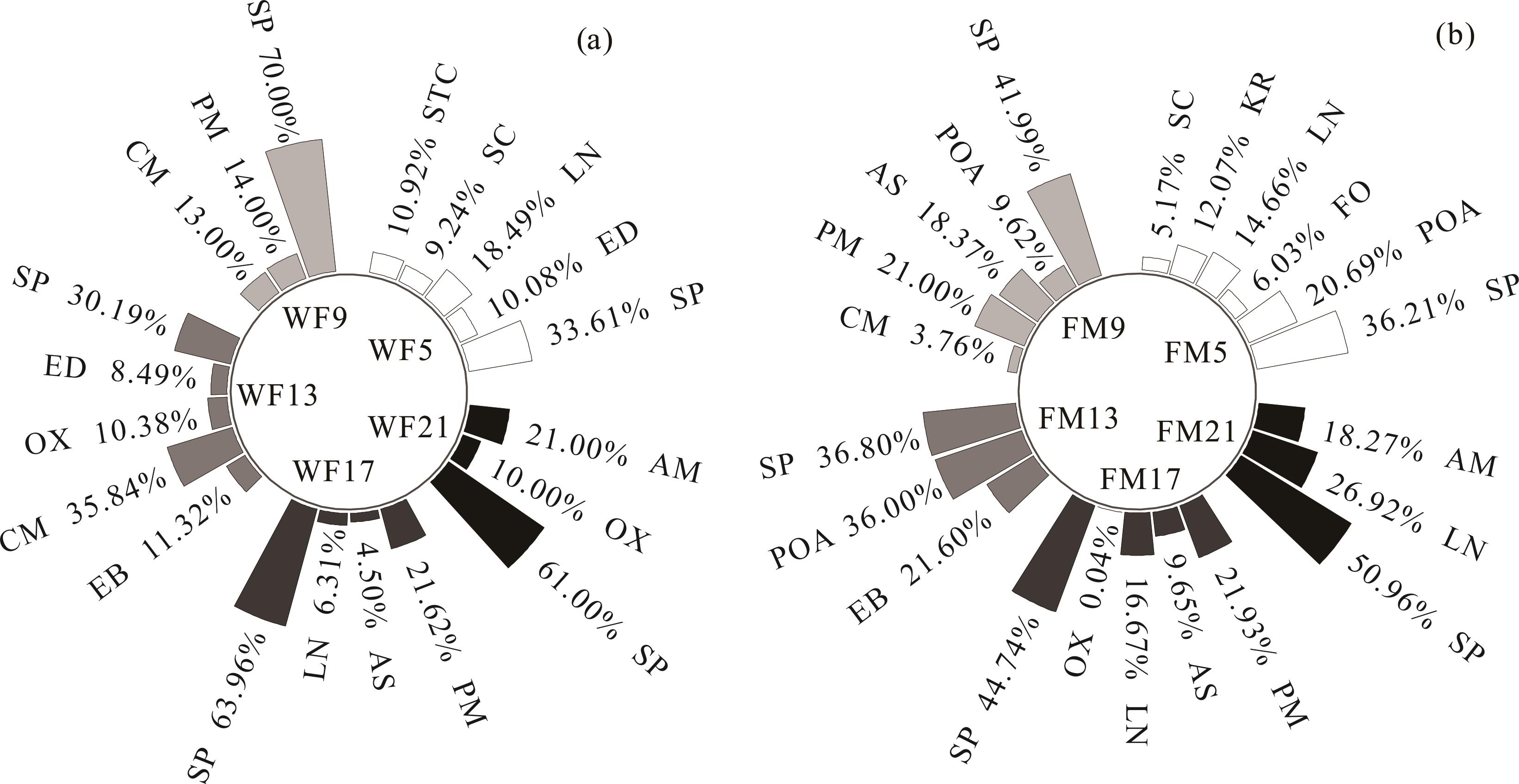
Fig.1 Effect of enclosure on important value of dominant species
| 项目Item | ET | EP | ET×EP |
|---|---|---|---|
| 地上生物量AGB | *** | *** | ** |
| 盖度Coverage | *** | *** | ns |
| 高度Height | * | ** | * |
| 密度Density | * | *** | ns |
| 多样性指数H | ns | * | ns |
| 优势度指数D | ns | * | ns |
| 丰富度指数Ma | ns | *** | ns |
| 均匀度指数J | ns | ** | ns |
Table 2 Two-way ANOVA for enclosure treatment and enclosure duration
| 项目Item | ET | EP | ET×EP |
|---|---|---|---|
| 地上生物量AGB | *** | *** | ** |
| 盖度Coverage | *** | *** | ns |
| 高度Height | * | ** | * |
| 密度Density | * | *** | ns |
| 多样性指数H | ns | * | ns |
| 优势度指数D | ns | * | ns |
| 丰富度指数Ma | ns | *** | ns |
| 均匀度指数J | ns | ** | ns |

Fig.2 Effect of enclosure on aboveground biomass and coverage characteristics
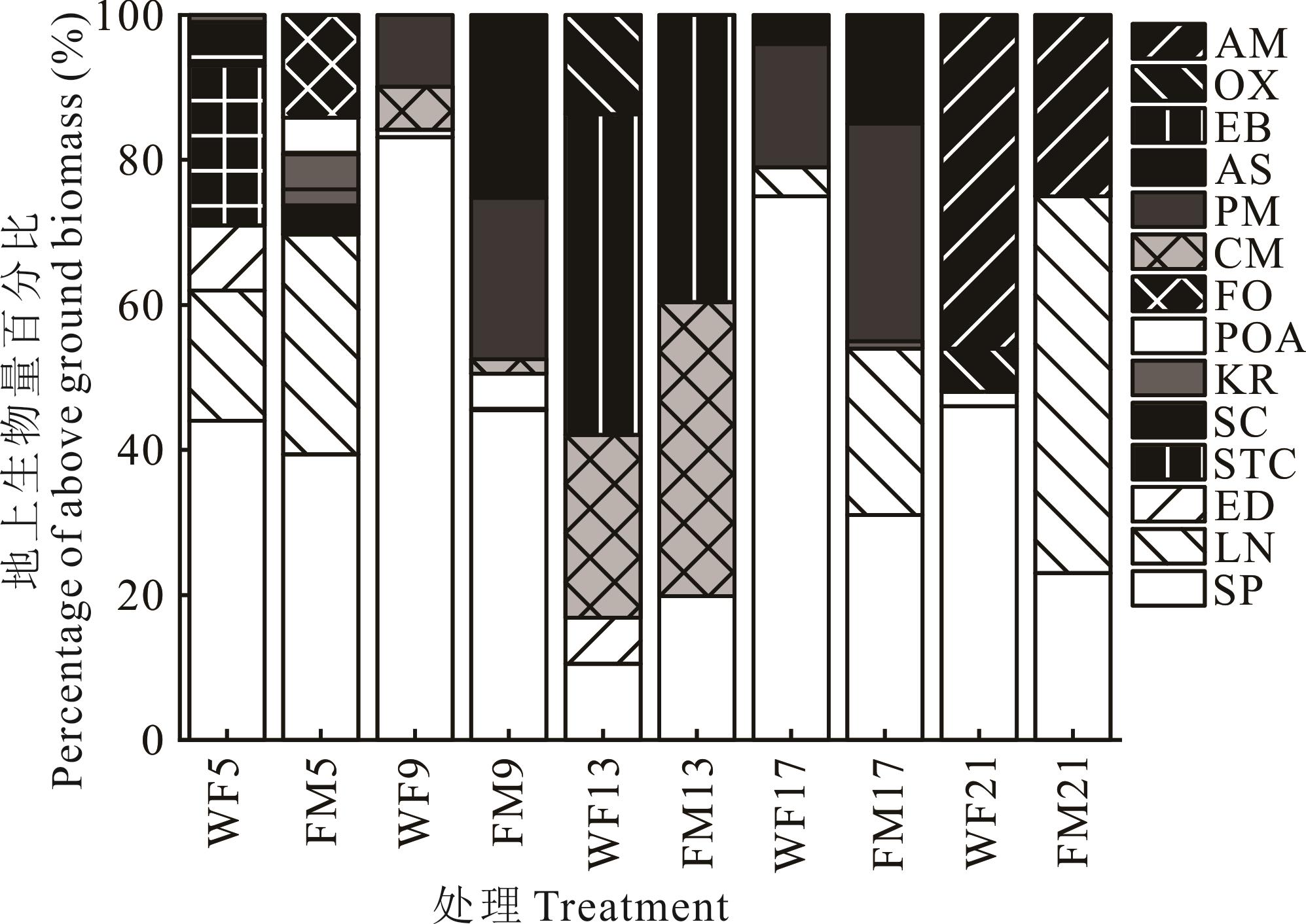
Fig.3 Effect of enclosure on percentage of aboveground biomass among different species
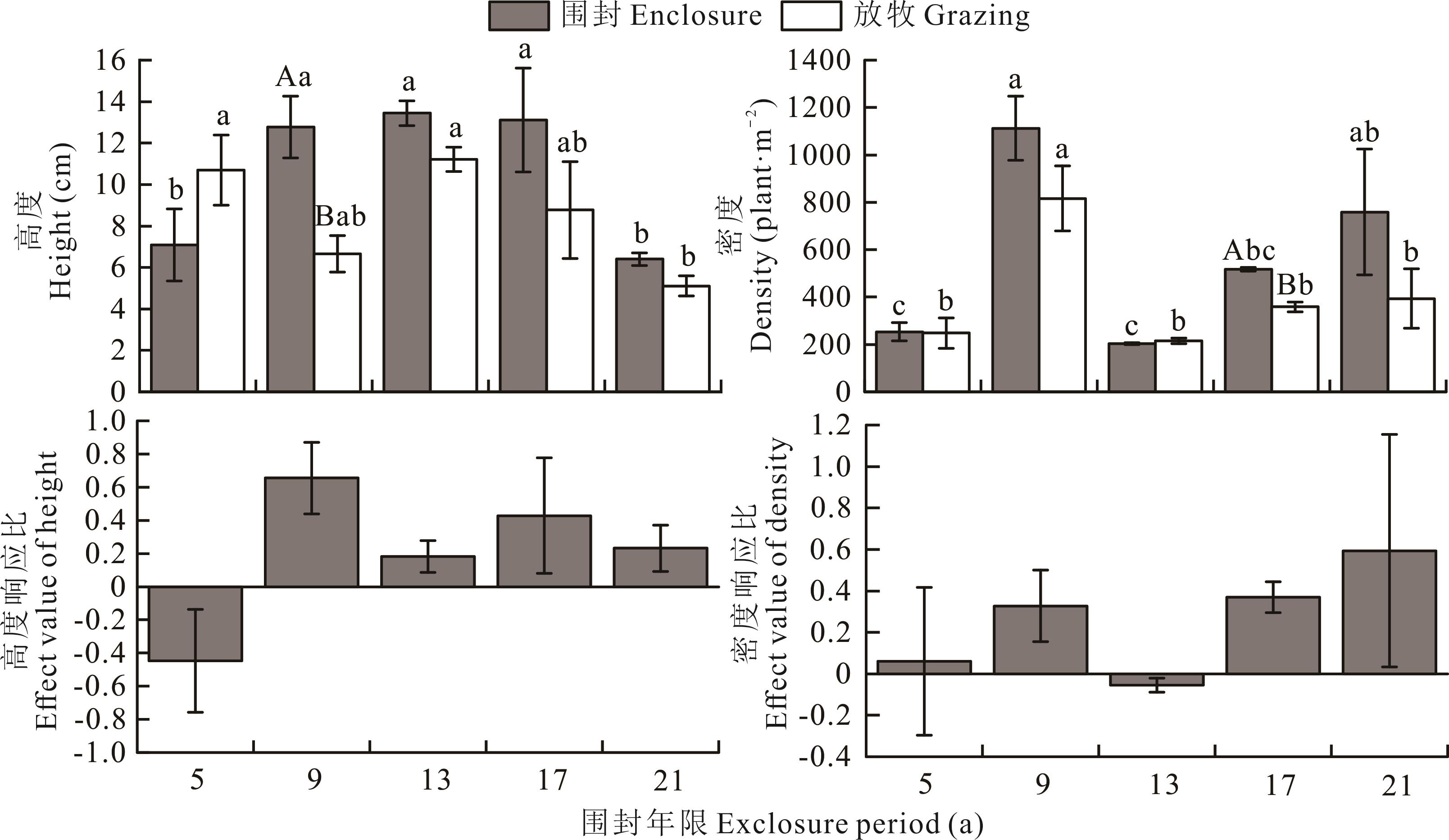
Fig.4 Effect of enclosure on height and density characteristics

Fig.5 Effect of enclosure on the Simpson and Shannon-Wiener index
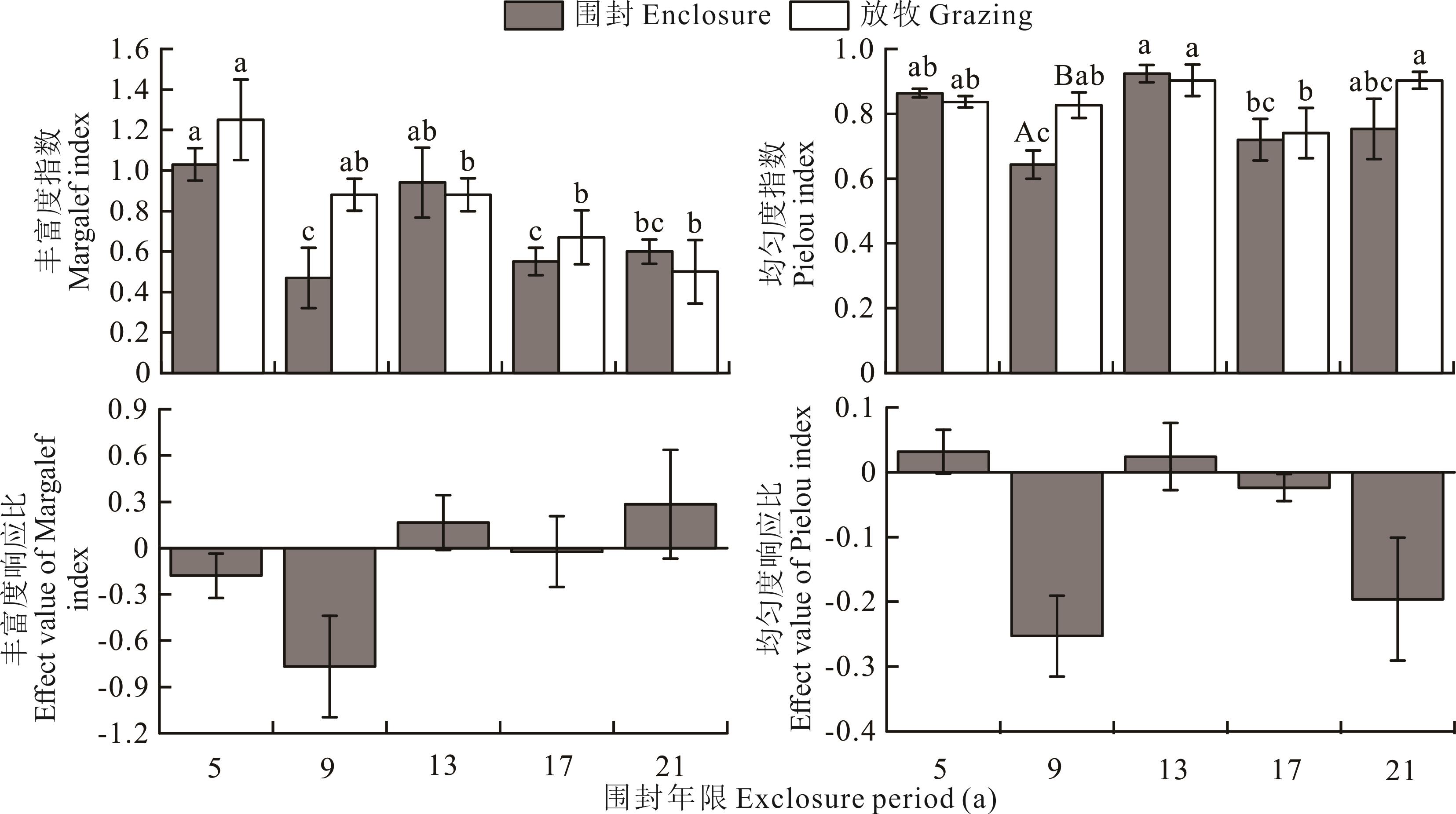
Fig.6 Effect of enclosure on the Margalef and Pielou index
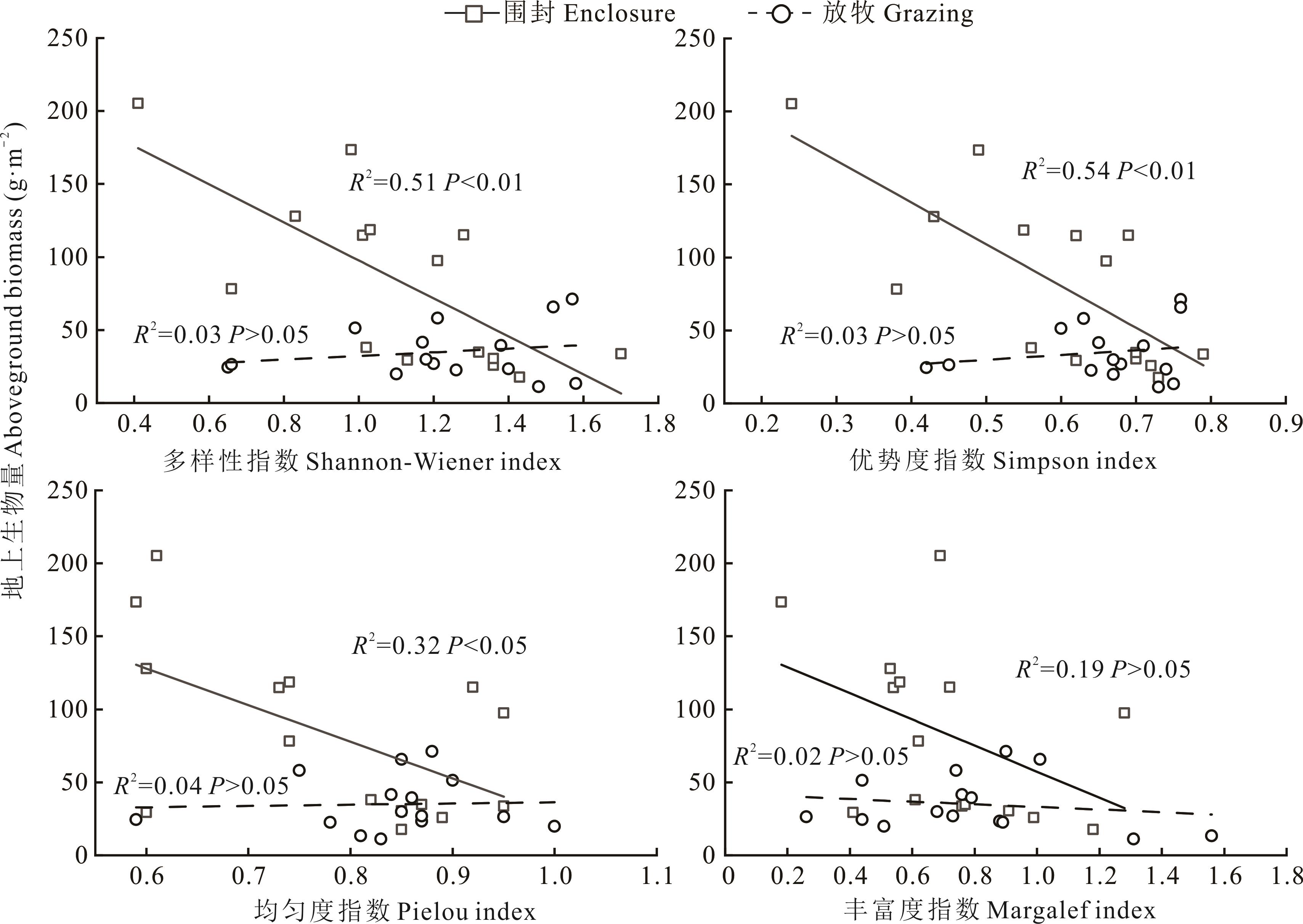
Fig.7 Regression analysis of aboveground biomass and alpha diversity index
项目 Item | 地上生物量 AGB | 地上生物量AGB | 盖度 Coverage | 高度 Height | 密度 Density | 丰富度 Ma | 优势度 D | 多样性 H | 均匀度 J | |
|---|---|---|---|---|---|---|---|---|---|---|
| DAGB | NDAGB | |||||||||
| 地上生物量AGB | 0.88*** | 0.26 | 0.82*** | 0.18 | 0.80*** | -0.43 | -0.74** | -0.72** | -0.69** | |
| DAGB | 0.81*** | -0.23 | 0.77*** | 0.29 | 0.87*** | -0.58* | -0.84*** | -0.78*** | -0.82*** | |
| NDAGB | 0.31 | -0.18 | 0.11 | -0.22 | -0.13 | 0.29 | 0.19 | 0.12 | 0.26 | |
| 盖度Coverage | 0.57* | 0.38 | 0.20 | -0.14 | 0.74** | -0.56* | -0.70** | -0.65** | -0.72** | |
| 高度Height | -0.46 | -0.27 | -0.30 | -0.55* | 0.08 | -0.06 | -0.37 | -0.36 | -0.21 | |
| 密度Density | 0.80*** | 0.85*** | -0.21 | 0.58* | -0.36 | -0.61* | -0.81*** | -0.80*** | -0.85*** | |
| 丰富度Ma | 0.00 | 0.27 | -0.23 | 0.03 | 0.33 | 0.08 | 0.47 | 0.44 | 0.58* | |
| 优势度D | 0.27 | 0.44 | 0.04 | -0.03 | 0.35 | 0.17 | 0.77*** | 0.97*** | 0.92*** | |
| 多样性H | 0.31 | 0.51 | -0.05 | 0.09 | 0.29 | 0.26 | 0.85*** | 0.98*** | 0.90*** | |
| 均匀度J | 0.04 | -0.06 | 0.36 | -0.05 | -0.30 | -0.19 | -0.10 | 0.03 | -0.04 | |
Table 3 Correlation between plant community characteristics and alpha diversity index
项目 Item | 地上生物量 AGB | 地上生物量AGB | 盖度 Coverage | 高度 Height | 密度 Density | 丰富度 Ma | 优势度 D | 多样性 H | 均匀度 J | |
|---|---|---|---|---|---|---|---|---|---|---|
| DAGB | NDAGB | |||||||||
| 地上生物量AGB | 0.88*** | 0.26 | 0.82*** | 0.18 | 0.80*** | -0.43 | -0.74** | -0.72** | -0.69** | |
| DAGB | 0.81*** | -0.23 | 0.77*** | 0.29 | 0.87*** | -0.58* | -0.84*** | -0.78*** | -0.82*** | |
| NDAGB | 0.31 | -0.18 | 0.11 | -0.22 | -0.13 | 0.29 | 0.19 | 0.12 | 0.26 | |
| 盖度Coverage | 0.57* | 0.38 | 0.20 | -0.14 | 0.74** | -0.56* | -0.70** | -0.65** | -0.72** | |
| 高度Height | -0.46 | -0.27 | -0.30 | -0.55* | 0.08 | -0.06 | -0.37 | -0.36 | -0.21 | |
| 密度Density | 0.80*** | 0.85*** | -0.21 | 0.58* | -0.36 | -0.61* | -0.81*** | -0.80*** | -0.85*** | |
| 丰富度Ma | 0.00 | 0.27 | -0.23 | 0.03 | 0.33 | 0.08 | 0.47 | 0.44 | 0.58* | |
| 优势度D | 0.27 | 0.44 | 0.04 | -0.03 | 0.35 | 0.17 | 0.77*** | 0.97*** | 0.92*** | |
| 多样性H | 0.31 | 0.51 | -0.05 | 0.09 | 0.29 | 0.26 | 0.85*** | 0.98*** | 0.90*** | |
| 均匀度J | 0.04 | -0.06 | 0.36 | -0.05 | -0.30 | -0.19 | -0.10 | 0.03 | -0.04 | |
| [1] | Cao X J, Ganjurjav H, Liang Y, et al. Temporal and spatial distribution of grassland degradation in northern Tibet based on NDVI. Acta Prataculturae Sinica, 2016, 25(3): 1-8. |
| 曹旭娟, 干珠扎布, 梁艳, 等. 基于NDVI的藏北地区草地退化时空分布特征分析. 草业学报, 2016, 25(3): 1-8. | |
| [2] | Li J X, Zhang Q S, Wu Y, et al. Research progress on the effects of enclosure on grassland vegetation growth and soil properties. Chinese Journal of Grassland, 2023, 45(5): 137-150. |
| 李佳秀, 张青松, 吴勇, 等. 围封对草地植被生长和土壤特性的影响研究进展. 中国草地学报, 2023, 45(5): 137-150. | |
| [3] | Conant R T, Paustian K. Potential soil carbon sequestration in overgrazed grassland ecosystems. Global Biogeochemical Cycles, 2002, 16(4): 90-99. |
| [4] | Bennett J A, Koch A M, Forsythe J, et al. Resistance of soil biota and plant growth to disturbance increases with plant diversity. Ecology Letters, 2020, 23(1): 119-128. |
| [5] | Sun W, Li S, Wang J, et al. Effects of grazing on plant species and phylogenetic diversity in alpine grasslands, Northern Tibet. Ecological Engineering, 2021, 170: 106331. |
| [6] | Schuldt A, Ebeling A, Kunz M, et al. Multiple plant diversity components drive consumer communities across ecosystems.Nature Communications, 2019, 10: 1460. |
| [7] | Sanaei A, Sayer E J, Yuan Z, et al. Grazing intensity alters the plant diversity-ecosystem carbon storage relationship in rangelands across topographic and climatic gradients. Functional Ecology, 2023, 37(3): 703-718. |
| [8] | Whittaker R J. Meta-analyses and mega-mistakes: Calling time on meta-analysis of the species richness-productivity relationship. Ecology, 2010, 91(9): 2522-2533. |
| [9] | Cusens J, Wright S D, Mcbride P D, et al. What is the form of the productivity-animal‐species‐richness relationship? A critical review and Meta-analysis. Ecology, 2012, 93(10): 2241-2252. |
| [10] | Grace J B, Adler P B, Seabloom E W, et al. Response to comments on “Productivity is a poor predictor of plant species richness”. Science, 2012, 335(6075): 1441. |
| [11] | Ma Y, Ma W, Zhong L, et al. Monitoring and modeling the Tibetan Plateau’s climate system and its impact on East Asia. Scientific Reports, 2017, 7(1): 44574. |
| [12] | Li W, Li J, Liu S, et al. Magnitude of species diversity effect on aboveground plant biomass increases through successional time of abandoned farmlands on the eastern Tibetan Plateau of China. Land Degradation Development, 2017, 28(1): 370-378. |
| [13] | Grace J B, Anderson T M, Seabloom E W, et al. Integrative modelling reveals mechanisms linking productivity and plant species richness. Nature, 2016, 529(7586): 390-393. |
| [14] | Sanaei A, Ali A, Chahouki M A Z, et al. Plant coverage is a potential ecological indicator for species diversity and aboveground biomass in semi-steppe rangelands. Ecological Indicators, 2018, 93: 256-266. |
| [15] | Dong S K, Gao H W, Xu G C, et al. Farmer and professional attitudes to the large-scale ban on livestock grazing of grasslands in China. Environmental Conservation, 2007, 34(3): 246-254. |
| [16] | Wu J, Zhang X, Shen Z, et al. Effects of livestock exclusion and climate change on aboveground biomass accumulation in alpine pastures across the Northern Tibetan Plateau. Chinese Science Bulletin, 2014, 59: 4332-4340. |
| [17] | Bang S H, Zhao W, Yao W W, et al. Effects of fertilization and enclosure on the temporal stability of aboveground net primary productivity in an alpine meadow of the Tibetan Plateau. Pratacultural Science, 2024, 41(3): 611-619. |
| 蚌绍豪, 赵维, 姚万万, 等. 施肥和围封对青藏高原高寒草甸生产力稳定性的影响. 草业科学, 2024, 41(3): 611-619. | |
| [18] | Wu J B, Wang X D. Effect of enclosure ages on community characters and biomass of the degraded alpine steppe at the Northern Tibet. Acta Agrestia Sinica, 2017, 25(2): 261-266. |
| 吴建波, 王小丹. 围封年限对藏北退化高寒草原植物群落特征和生物量的影响. 草地学报, 2017, 25(2): 261-266. | |
| [19] | Fedrigo J K, Ataide P F, Filho J A, et al. Temporary grazing exclusion promotes rapid recovery of species richness and productivity in a long-term overgrazed Campos grassland. Restoration Ecology, 2018, 26(4): 677-685. |
| [20] | Yang J, Zhan W, Wang X T. Effects of enclosure on plant community characteristics of degraded alpine steppe in Northern Tibet. Chinese Journal of Grassland, 2020, 42(6): 44-49, 140. |
| 杨军, 詹伟, 王向涛. 10年围栏封育对藏北退化高寒草甸植物群落特征的影响. 中国草地学报, 2020, 42(6): 44-49, 140. | |
| [21] | Gao F, Wang B, Shi Y X, et al. The response of alpine grasslands ecosystem in the North Tibet to short-term enclosure. Acta Ecologica Sinica, 2017, 37(13): 4366-4374. |
| 高凤, 王斌, 石玉祥, 等. 藏北古露高寒草地生态系统对短期围封的响应. 生态学报, 2017, 37(13): 4366-4374. | |
| [22] | Danzengtaqing, Baimagaweng, Duojidunzhu, et al. Effects of livestock exclusion duration years on plant and soil properties in a Tibetan alpine meadow. Pratacultural Science, 2018, 35(1): 10-17. |
| 旦增塔庆, 白玛嘎翁, 多吉顿珠, 等. 围封年限对西藏高寒草甸植被特征与土壤养分的影响. 草业科学, 2018, 35(1): 10-17. | |
| [23] | Li Z W, Miao Y J, Zong N. Effects of grazing exclusion on plant diversity and ecosystem multifunctionality of alpine grassland in Northern Xizang. Acta Agrestia Sinica, 2025, 33(2): 596-608. |
| 李振威, 缪雨珏, 宗宁. 围栏封育对藏北高寒草地植物多样性与生态系统多功能性的影响. 草地学报, 2025, 33(2): 596-608. | |
| [24] | Hao H M, Liu Y, Wang D, et al. Influence of restoration on community plant diversity and spatial structure of typical grasslands. Acta Agrestia Sinica, 2016, 24(4): 754-759. |
| 郝红敏, 刘玉, 王冬, 等. 典型草原开垦弃耕后不同年限群落植物多样性和空间结构特征. 草地学报, 2016, 24(4): 754-759. | |
| [25] | Guo Z L, Ma Y D, Zheng J P, et al. Biodiversity of tree species, their populations’spatial distribution pattern and interspecific association in mixed deciduous broadleaved forest in Changbai Mountations. Chinese Journal of Applied Ecology, 2004(11):2013-2018. |
| 郭忠玲, 马元丹, 郑金萍, 等. 长白山落叶阔叶混交林的物种多样性、种群空间分布格局及种间关联性研究. 应用生态学报, 2004(11): 2013-2018. | |
| [26] | Hedges L V, Gurevitch J, Curtis P S. The Meta-analysis of response ratios in experimental ecology. Ecology, 1999, 80(4): 1150-1156. |
| [27] | Wang Y T, Liu J K, Wu Z J, et al. Impact of enclosure on characteristics diversities of typical vegetation communities in desert grasslands. Research of Soil and Water Conservation, 2025, 32(1): 121-130, 140. |
| 王益涛, 刘建康, 武志嘉, 等. 围封对荒漠草原典型植物群落特征及多样性的影响. 水土保持研究, 2025, 32(1): 121-130, 140. | |
| [28] | Yan Y C, Tang H P, Xin X P, et al. Advances in research on the effects of exclosure on grasslands. Acta Ecologica Sinica, 2009, 29(9): 5039-5046. |
| 闫玉春, 唐海萍, 辛晓平, 等. 围封对草地的影响研究进展. 生态学报, 2009, 29(9): 5039-5046. | |
| [29] | Zhao L Y, Zhong H S, Zhao M Y, et al. Effect of enclosure and grazed management on aboveground biomass and species diversity in sandy grasslands of Horqin Sandy Land, Eastern Inner Mongolia, China. Ecology and Environmental Sciences, 2018, 27(10): 1783-1790. |
| 赵丽娅, 钟韩珊, 赵美玉, 等. 围封和放牧对科尔沁沙地群落物种多样性与地上生物量的影响. 生态环境学报, 2018, 27(10): 1783-1790. | |
| [30] | Huang C, Peng F, You Q, et al. The response of plant and soil properties of alpine grassland to long-term exclosure in the Northeastern Qinghai-Tibetan Plateau. Frontiers in Environmental Science, 2020, 8: 589104. |
| [31] | Han M Q, Wang Z W, Jin Y X, et al. Response of species diversity and productivity to long-term grazing in the Stipa breviflora desert steppe. Acta Botanica Boreali-Occidentalia Sinica, 2017, 37(11): 2273-2281. |
| 韩梦琪, 王忠武, 靳宇曦, 等. 短花针茅荒漠草原物种多样性及生产力对长期不同放牧强度的响应. 西北植物学报, 2017, 37(11): 2273-2281. | |
| [32] | Xu H B, Su Y L, Zhang L, et al. Effects of ten years enclosure on species diversity and spatial distribution pattern of dominant species in desert steppe communities. Acta Ecologica Sinica, 2024, 44(10): 4334-4341. |
| 许宏斌, 苏艳龙, 张雷, 等. 围封10年对荒漠草原群落物种多样性与优势种空间分布格局的影响. 生态学报, 2024, 44(10): 4334-4341. | |
| [33] | Zhang C X, Nan Z B. Research progress on effects of grazing on physical and chemical characteristics of grassland soil. Acta Prataculturae Sinica, 2010, 19(4): 204-211. |
| 张成霞, 南志标. 放牧对草地土壤理化特性影响的研究进展. 草业学报, 2010, 19(4): 204-211. | |
| [34] | Zhao F X, Xu M. Research progress on the relationship between productivity and biodiversity. Journal of Natural Resources, 2018, 33(11): 2046-2056. |
| 赵峰侠, 徐明. 生产力与生物多样性关系的研究进展. 自然资源学报, 2018, 33(11): 2046-2056. | |
| [35] | Bai W Y, Hou X Y. Research progress on the effects of climate change on dominant plant species of grassland. Chinese Journal of Grassland, 2021, 43(4): 107-114. |
| 白乌云, 侯向阳. 气候变化对草地植物优势种的影响研究进展. 中国草地学报, 2021, 43(4): 107-114. | |
| [36] | Wang Z H, Lyu S J, Wang Z W, et al. The relationship between species diversity and aboveground standing crop of plant community in the desert steppe. Acta Agrestia Sinica, 2024, 32(6): 1856-1863. |
| 王梓晗, 吕世杰, 王忠武, 等. 荒漠草原物种多样性与植物群落地上现存量的关系. 草地学报, 2024, 32(6): 1856-1863. | |
| [37] | Qin H R. The effects of enclosure on species diversity in degraded alpine meadow of “Black Soil Type”. Prataculture Animal Husbandry, 2008(10): 8-13. |
| 秦海蓉. 围栏封育对“黑土型”退化高寒草甸植物群落的影响. 草业与畜牧, 2008(10): 8-13. | |
| [38] | Nan W L, Xie Y Z, Peng W D, et al. Restoration effects of reseeding and enclosure on the vegetation of different degraded desert steppes. Pratacultural Science, 2024, 41(5): 1068-1077. |
| 南万璐, 谢应忠, 彭文栋, 等. 补播与围封对不同退化程度荒漠草地植被的恢复效果. 草业科学, 2024, 41(5): 1068-1077. | |
| [39] | Niu Y, Knops J M H, Hua L, et al. Flawed restoration plans on Tibetan Plateau. Science, 2024, 386(6727): 1233-1234. |
| [40] | Sanaei A, Ali A, Chahouki M A Z. The positive relationships between plant coverage, species richness, and aboveground biomass are ubiquitous across plant growth forms in semi-steppe rangelands. Journal of Environmental Management, 2018, 205: 308-318. |
| [41] | Hossain M L, Li J. Species richness and dominant functional groups enhance aboveground biomass, with no effect on belowground biomass in Qinghai-Tibet Plateau’s grasslands. Ecological Informatics, 2024, 82: 102688. |
| [42] | Spehn E M, Hector A, Joshi J, et al. Ecosystem effects of biodiversity manipulations in European grasslands. Ecological Monographs, 2005, 75(1): 37-63. |
| [43] | Bai Y, Wu J, Xing Q, et al. Primary production and rain use efficiency across a precipitation gradient on the Mongolia Plateau. Ecology, 2008, 89(8): 2140-2153. |
| [44] | Kouba Y, Doghbage A, Merdas S, et al. Grazing exclusion modulates the effects of different components of plant diversity on biomass production in semiarid rangeland. Agriculture, Ecosystems Environment, 2024, 365: 108914. |
| [45] | Sanaei A, Chahouki M A Z, Ali A, et al. Abiotic and biotic drivers of aboveground biomass in semi-steppe rangelands. Science of the Total Environment, 2018, 615: 895-905. |
| [46] | Qin J R, Ma H B, Shen Y, et al. Plant community species diversity of desert steppe in sandy area of Eastern Ningxia. Acta Botanica Boreali-Occidentalia Sinica, 2015, 35(9): 1891-1898. |
| 秦建蓉, 马红彬, 沈艳, 等. 宁夏东部风沙区荒漠草原植物群落物种多样性研究. 西北植物学报, 2015, 35(9): 1891-1898. |
| [1] | Fan-xi KONG, Bang-jie TANG, A-li-mi-ri ALIMUJIANG, Ge-ge ADE, Mao-guo YUAN, Jun CHEN. Species spatial distribution patterns in grassland under restoration in ‘hill and gully’ regions of the Loess Plateau [J]. Acta Prataculturae Sinica, 2025, 34(9): 1-11. |
| [2] | An-jing JIANG, Yi-qiang DONG, Shi-jie ZHOU, Ting-ting NIE, Yue WU, Ze-yu LIU, Xing-yun SHAN, Ya-xin LEI, Kai WU, Sha-zhou AN. Distribution characteristics of grassland plant diversity along the altitudinal gradient and its driving factors: A case study of the eastern section of the northern slope of the Tianshan Mountains [J]. Acta Prataculturae Sinica, 2025, 34(3): 29-40. |
| [3] | Wen-hu WANG, Shi-lin WANG, Guo-ling LIANG, Wen LI, Wen-xia CAO. Effects of slope categories of differing aspect and position on plant community diversity in alpine shrubland in the Qilian Mountains [J]. Acta Prataculturae Sinica, 2025, 34(1): 17-28. |
| [4] | Wen-pan DU, Gui-qin ZHAO, Ji-kuan CHAI, Li YANG, Jian-gui ZHANG, Yi-chao SHI, Guan-lu ZHANG. Effects of root separation on aboveground biomass, soil nutrient contents, and root characters of intercropped oat and pea [J]. Acta Prataculturae Sinica, 2024, 33(8): 25-36. |
| [5] | Min ZHAO, Kun ZHAO, Yun-bo WANG, Guo-mei YIN, Si-bo LIU, Bao-long YAN, Wei-jun MENG, Shi-jie LYU, Guo-dong HAN. Long-term grazing disturbance reduced plant diversity in Stipa breviflora desert steppe [J]. Acta Prataculturae Sinica, 2023, 32(9): 39-49. |
| [6] | Jing MA, Fang-jun GUO, Zhi-hui ZOU, Lin SUN, Fang CHEN. Seasonal variation in vegetation during restoration of sandy grassland at the southern edge of the Tengger desert [J]. Acta Prataculturae Sinica, 2023, 32(5): 203-210. |
| [7] | Kai-hong XU, Zhao SHI, Lei-chao MA, Ping WANG, Ang CHEN, Xing WANG, Ming CHENG, Yue-xin XIAO, Rong-tan WANG. Retrieval of grassland aboveground biomass based on airborne LiDAR and SuperView-1 data [J]. Acta Prataculturae Sinica, 2023, 32(5): 40-49. |
| [8] | Rui GUO, Shuai FU, Meng-jing HOU, Jie LIU, Chun-li MIAO, Xin-yue MENG, Qi-sheng FENG, Jin-sheng HE, Da-wen QIAN, Tian-gang LIANG. Remote sensing retrieval of nature grassland biomass in Menyuan County, Qinghai Province experimental area based on Sentinel-2 data [J]. Acta Prataculturae Sinica, 2023, 32(4): 15-29. |
| [9] | Shi-long LEI, Li-rong LIAO, Jie WANG, Lu ZHANG, Zhen-cheng YE, Guo-bin LIU, Chao ZHANG. The diversity-Godron stability relationship of alpine grassland and its environmental drivers [J]. Acta Prataculturae Sinica, 2023, 32(3): 1-12. |
| [10] | Juan-juan ZHOU, Yun-fei LIU, Jing-long WANG, Wei WEI. Effect of short-term nutrient addition on aboveground biomass, plant diversity, and functional traits of swampy alpine meadow in Tibet [J]. Acta Prataculturae Sinica, 2023, 32(11): 17-29. |
| [11] | Zheng-yong XU, Bin SUN, Wang-fei ZHANG, Yi-fu LI, Zi-yu YAN, Wei YUE, Si-han TENG. An evaluation of a remote sensing method based on optimized triangular vegetation index (TVI) for aboveground shrub biomass estimation in shrub-encroached grassland [J]. Acta Prataculturae Sinica, 2023, 32(10): 1-14. |
| [12] | Yi-han ZHAO, Meng-jing HOU, Qi-sheng FENG, Hong-yuan GAO, Tian-gang LIANG, Jin-sheng HE, Da-wen QIAN. Estimation of aboveground biomass in Menyuan grassland based on Landsat 8 and random forest approach [J]. Acta Prataculturae Sinica, 2022, 31(7): 1-14. |
| [13] | Zhe-ren JIN, Qi-sheng FENG, Rui-jing WANG, Tian-gang LIANG. A study of grassland aboveground biomass on the Tibetan Plateau using MODIS data and machine learning [J]. Acta Prataculturae Sinica, 2022, 31(10): 1-17. |
| [14] | Jing-jing MA, Yun-hua LIU, Jian-dong SHENG, Ning LI, Hong-qi WU, Hong-tao JIA, Zong-jiu SUN, Jun-hui CHENG. Changes of relationships between dominant species and their relative biomass along elevational gradients in Xinjiang grasslands [J]. Acta Prataculturae Sinica, 2021, 30(8): 25-35. |
| [15] | Xin-lei XU, Yan-tao SONG, Jing-dong ZHAO, Yun-na WU. Changes in forage quality and its relationship with plant diversity under fertilization and mowing in Hulun Buir meadow steppe [J]. Acta Prataculturae Sinica, 2021, 30(7): 1-10. |
| Viewed | ||||||
|
Full text |
|
|||||
|
Abstract |
|
|||||
