
ISSN 1004-5759 CN 62-1105/S
Acta Prataculturae Sinica ›› 2026, Vol. 35 ›› Issue (12): 139-149.DOI: 10.11686/cyxb2025497
Ni CHEN1( ), Jie SHEN1, Duo-wen SHI2, Jia SHEN1, Xiu-xiu WENG1, Wan-hong LI1()
Received:2025-12-09
Revised:2026-01-12
Online:2026-12-20
Published:2026-11-02
Contact:
Wan-hong LI
Ni CHEN, Jie SHEN, Duo-wen SHI, Jia SHEN, Xiu-xiu WENG, Wan-hong LI. The effects of dietary supplementation with different oils on growth rate, slaughter performance, blood parameters and rumen volatile fatty acid levels in female Hu lambs[J]. Acta Prataculturae Sinica, 2026, 35(12): 139-149.
项目 Item | 对照组 CK | 亚麻籽油组 LO | 葵花籽油组 SO |
|---|---|---|---|
| 原料Ingredient | |||
| 玉米秸秆Corn stover (%) | 24.0 | 24.0 | 24.0 |
| 玉米皮Corn bran (%) | 8.0 | 8.0 | 8.0 |
| 破碎玉米Crushed corn (%) | 26.0 | 26.0 | 26.0 |
| 豆粕Soybean meal (%) | 5.0 | 5.0 | 5.0 |
| 棉籽粕Cottonseed meal (%) | 6.0 | 6.0 | 6.0 |
| 玉米胚芽粕Corn germ meal (%) | 20.0 | 20.0 | 20.0 |
| 过瘤胃脂肪-棕榈酸RPPFA (%) | 4.0 | 0 | 0 |
| 葵花籽油Sunflower oil (%) | 0 | 0 | 4.0 |
| 亚麻籽油Linseed oil (%) | 0 | 4.0 | 0 |
| 膨化尿素Expanded urea (%) | 1.0 | 1.0 | 1.0 |
| 糖蜜Molasses (%) | 3.0 | 3.0 | 3.0 |
| 食盐NaCl (%) | 0.5 | 0.5 | 0.5 |
| 石粉Limestone (%) | 1.2 | 1.2 | 1.2 |
| 碳酸氢钠NaHCO3(%) | 0.8 | 0.8 | 0.8 |
| 1)预混料Premix | 0.5 | 0.5 | 0.5 |
| 合计Total | 100.0 | 100.0 | 100.0 |
| 营养水平Nutrient level | |||
| 干物质Dry matter (DM, %) | 92.26 | 90.92 | 91.45 |
| 粗蛋白Crude protein (CP, %) | 15.42 | 15.48 | 15.41 |
| 中性洗涤纤维NDF (%) | 31.43 | 32.76 | 32.10 |
| 酸性洗涤纤维ADF (%) | 15.60 | 14.14 | 14.13 |
| 2)代谢能ME (MJ·kg-1) | 12.57 | 12.64 | 12.57 |
Table 1 Composition and nutrient levels of the basal diet
项目 Item | 对照组 CK | 亚麻籽油组 LO | 葵花籽油组 SO |
|---|---|---|---|
| 原料Ingredient | |||
| 玉米秸秆Corn stover (%) | 24.0 | 24.0 | 24.0 |
| 玉米皮Corn bran (%) | 8.0 | 8.0 | 8.0 |
| 破碎玉米Crushed corn (%) | 26.0 | 26.0 | 26.0 |
| 豆粕Soybean meal (%) | 5.0 | 5.0 | 5.0 |
| 棉籽粕Cottonseed meal (%) | 6.0 | 6.0 | 6.0 |
| 玉米胚芽粕Corn germ meal (%) | 20.0 | 20.0 | 20.0 |
| 过瘤胃脂肪-棕榈酸RPPFA (%) | 4.0 | 0 | 0 |
| 葵花籽油Sunflower oil (%) | 0 | 0 | 4.0 |
| 亚麻籽油Linseed oil (%) | 0 | 4.0 | 0 |
| 膨化尿素Expanded urea (%) | 1.0 | 1.0 | 1.0 |
| 糖蜜Molasses (%) | 3.0 | 3.0 | 3.0 |
| 食盐NaCl (%) | 0.5 | 0.5 | 0.5 |
| 石粉Limestone (%) | 1.2 | 1.2 | 1.2 |
| 碳酸氢钠NaHCO3(%) | 0.8 | 0.8 | 0.8 |
| 1)预混料Premix | 0.5 | 0.5 | 0.5 |
| 合计Total | 100.0 | 100.0 | 100.0 |
| 营养水平Nutrient level | |||
| 干物质Dry matter (DM, %) | 92.26 | 90.92 | 91.45 |
| 粗蛋白Crude protein (CP, %) | 15.42 | 15.48 | 15.41 |
| 中性洗涤纤维NDF (%) | 31.43 | 32.76 | 32.10 |
| 酸性洗涤纤维ADF (%) | 15.60 | 14.14 | 14.13 |
| 2)代谢能ME (MJ·kg-1) | 12.57 | 12.64 | 12.57 |
项目 Item | 对照 CK | 亚麻籽油 LO | 葵花籽油 SO | 标准误 SEM | P值P-value | ||
|---|---|---|---|---|---|---|---|
| 处理Treatment (Tr) | 时间Time (T) | 处理×时间Tr×T | |||||
| 体重 | 0.799 | <0.001 | <0.001 | ||||
| 0 d | 19.28a | 19.34a | 19.75a | 0.40 | 0.894 | ||
| 28 d | 25.66a | 25.16a | 25.38a | 0.51 | 0.924 | ||
| 56 d | 33.88a | 33.79a | 32.71a | 0.66 | 0.760 | ||
| 84 d | 40.19a | 41.49a | 38.16a | 0.77 | 0.232 | ||
| 阶段日增重 | 0.015 | 0.021 | 0.010 | ||||
| 0~28 d | 0.23a | 0.21a | 0.20a | 0.01 | 0.301 | ||
| 29~56 d | 0.29a | 0.31a | 0.26a | 0.01 | 0.062 | ||
| 57~84 d | 0.23b | 0.28a | 0.19b | 0.01 | 0.001 | ||
| ADG (kg·d-1) | 0.25a | 0.26a | 0.22b | 0.01 | 0.015 | ||
| ADFI (kg·d-1) | 1.58a | 1.57a | 1.46a | 0.01 | - | ||
| F/G | 6.43a | 6.07a | 6.74a | 0.15 | - | ||
Table 2 Effects of dietary supplementation with linseed oil and sunflower oil on growth performance of ewe lambs
项目 Item | 对照 CK | 亚麻籽油 LO | 葵花籽油 SO | 标准误 SEM | P值P-value | ||
|---|---|---|---|---|---|---|---|
| 处理Treatment (Tr) | 时间Time (T) | 处理×时间Tr×T | |||||
| 体重 | 0.799 | <0.001 | <0.001 | ||||
| 0 d | 19.28a | 19.34a | 19.75a | 0.40 | 0.894 | ||
| 28 d | 25.66a | 25.16a | 25.38a | 0.51 | 0.924 | ||
| 56 d | 33.88a | 33.79a | 32.71a | 0.66 | 0.760 | ||
| 84 d | 40.19a | 41.49a | 38.16a | 0.77 | 0.232 | ||
| 阶段日增重 | 0.015 | 0.021 | 0.010 | ||||
| 0~28 d | 0.23a | 0.21a | 0.20a | 0.01 | 0.301 | ||
| 29~56 d | 0.29a | 0.31a | 0.26a | 0.01 | 0.062 | ||
| 57~84 d | 0.23b | 0.28a | 0.19b | 0.01 | 0.001 | ||
| ADG (kg·d-1) | 0.25a | 0.26a | 0.22b | 0.01 | 0.015 | ||
| ADFI (kg·d-1) | 1.58a | 1.57a | 1.46a | 0.01 | - | ||
| F/G | 6.43a | 6.07a | 6.74a | 0.15 | - | ||
| 时间Time | 项目Item | 对照CK | 亚麻籽油LO | 葵花籽油SO | 标准误SEM | P值P-value |
|---|---|---|---|---|---|---|
| 0 d | 体高 | 58.30a | 57.55a | 58.50a | 0.51 | 0.734 |
| 体斜长 | 61.80a | 60.91a | 62.38a | 0.45 | 0.422 | |
| 胸围 | 65.90a | 66.09a | 67.00a | 0.50 | 0.676 | |
| 管围 | 7.00a | 7.00a | 7.19a | 0.07 | 0.522 | |
| 84 d | 体高 | 66.00a | 66.18a | 64.75a | 0.39 | 0.310 |
| 体斜长 | 72.20a | 72.64a | 72.00a | 0.50 | 0.874 | |
| 胸围 | 86.60a | 84.82a | 86.13a | 0.59 | 0.426 | |
| 管围Cannon circumference | 8.15a | 8.05a | 7.69a | 0.09 | 0.098 |
Table 3 Effects of dietary supplementation with linseed oil and sunflower oil on body measurements of ewe lambs (cm)
| 时间Time | 项目Item | 对照CK | 亚麻籽油LO | 葵花籽油SO | 标准误SEM | P值P-value |
|---|---|---|---|---|---|---|
| 0 d | 体高 | 58.30a | 57.55a | 58.50a | 0.51 | 0.734 |
| 体斜长 | 61.80a | 60.91a | 62.38a | 0.45 | 0.422 | |
| 胸围 | 65.90a | 66.09a | 67.00a | 0.50 | 0.676 | |
| 管围 | 7.00a | 7.00a | 7.19a | 0.07 | 0.522 | |
| 84 d | 体高 | 66.00a | 66.18a | 64.75a | 0.39 | 0.310 |
| 体斜长 | 72.20a | 72.64a | 72.00a | 0.50 | 0.874 | |
| 胸围 | 86.60a | 84.82a | 86.13a | 0.59 | 0.426 | |
| 管围Cannon circumference | 8.15a | 8.05a | 7.69a | 0.09 | 0.098 |
| 项目Item | 对照CK | 亚麻籽油LO | 葵花籽油SO | 标准误SEM | P值P-value |
|---|---|---|---|---|---|
| 红细胞总数Red blood cell count (RBC, M·μL-1) | 14.76a | 14.11a | 15.17a | 0.22 | 0.136 |
| 血红蛋白Hemoglobin (HGB, g·dL?1) | 12.58a | 11.76b | 12.51a | 0.16 | 0.048 |
| 红细胞平均体积Mean corpuscular volume ( | 24.86a | 22.08b | 23.34ab | 2.56 | 0.039 |
| 红细胞压积Hematocrit ( | 36.50a | 31.06b | 35.34a | 0.71 | 0.001 |
| 平均血红蛋白量Mean corpuscular hemoglobin ( | 8.54a | 8.36a | 8.26a | 0.09 | 0.449 |
| 红细胞平均血红蛋白浓度 | 34.58b | 38.10a | 35.48b | 0.50 | 0.004 |
| 网织红细胞计数Reticulocyte count ( | 4.93a | 2.83b | 5.14a | 0.41 | 0.031 |
| 血小板计数Platelet count ( | 496.00a | 542.45a | 585.14a | 24.67 | 0.397 |
| 白细胞计数White blood cell count ( | 11.86a | 11.51a | 10.83a | 0.37 | 0.556 |
| 嗜中性粒细胞数Neutrophil count ( | 4.84a | 4.59a | 4.04a | 0.28 | 0.535 |
| 单核细胞数Monocyte count ( | 0.83a | 0.72a | 1.03a | 0.09 | 0.369 |
| 淋巴细胞数Lymphocyte count ( | 5.45a | 5.90a | 5.60a | 0.25 | 0.757 |
| 嗜碱性粒细胞数Basophil count ( | 0.08a | 0.09a | 0.08a | 0.01 | 0.949 |
| 嗜酸性粒细胞数Eosinophil count ( | 0.07a | 0.07a | 0.09a | 0.01 | 0.686 |
Table 4 Effects of dietary supplementation with linseed oil and sunflower oil on hematological parameters in ewe lambs
| 项目Item | 对照CK | 亚麻籽油LO | 葵花籽油SO | 标准误SEM | P值P-value |
|---|---|---|---|---|---|
| 红细胞总数Red blood cell count (RBC, M·μL-1) | 14.76a | 14.11a | 15.17a | 0.22 | 0.136 |
| 血红蛋白Hemoglobin (HGB, g·dL?1) | 12.58a | 11.76b | 12.51a | 0.16 | 0.048 |
| 红细胞平均体积Mean corpuscular volume ( | 24.86a | 22.08b | 23.34ab | 2.56 | 0.039 |
| 红细胞压积Hematocrit ( | 36.50a | 31.06b | 35.34a | 0.71 | 0.001 |
| 平均血红蛋白量Mean corpuscular hemoglobin ( | 8.54a | 8.36a | 8.26a | 0.09 | 0.449 |
| 红细胞平均血红蛋白浓度 | 34.58b | 38.10a | 35.48b | 0.50 | 0.004 |
| 网织红细胞计数Reticulocyte count ( | 4.93a | 2.83b | 5.14a | 0.41 | 0.031 |
| 血小板计数Platelet count ( | 496.00a | 542.45a | 585.14a | 24.67 | 0.397 |
| 白细胞计数White blood cell count ( | 11.86a | 11.51a | 10.83a | 0.37 | 0.556 |
| 嗜中性粒细胞数Neutrophil count ( | 4.84a | 4.59a | 4.04a | 0.28 | 0.535 |
| 单核细胞数Monocyte count ( | 0.83a | 0.72a | 1.03a | 0.09 | 0.369 |
| 淋巴细胞数Lymphocyte count ( | 5.45a | 5.90a | 5.60a | 0.25 | 0.757 |
| 嗜碱性粒细胞数Basophil count ( | 0.08a | 0.09a | 0.08a | 0.01 | 0.949 |
| 嗜酸性粒细胞数Eosinophil count ( | 0.07a | 0.07a | 0.09a | 0.01 | 0.686 |
| 项目Item | 对照组CK | 亚麻籽油组LO | 葵花籽油组SO | 标准误SEM | P值P-value |
|---|---|---|---|---|---|
| 宰前活重 | 37.85a | 38.94a | 35.43a | 0.78 | 0.187 |
| 胴体重 | 20.84a | 21.45a | 19.56a | 0.49 | 0.283 |
| 屠宰率 | 55.03a | 54.97a | 55.12a | 0.29 | 0.978 |
| 胴体长 | 61.90a | 61.64a | 55.11a | 2.09 | 0.359 |
| 胴体胸围 | 71.20a | 70.91a | 70.11a | 0.52 | 0.707 |
| 臀周长 | 62.30a | 54.64a | 47.89a | 3.38 | 0.244 |
Table 5 Effects of dietary supplementation with linseed oil and sunflower oil on slaughter performance in ewe lambs
| 项目Item | 对照组CK | 亚麻籽油组LO | 葵花籽油组SO | 标准误SEM | P值P-value |
|---|---|---|---|---|---|
| 宰前活重 | 37.85a | 38.94a | 35.43a | 0.78 | 0.187 |
| 胴体重 | 20.84a | 21.45a | 19.56a | 0.49 | 0.283 |
| 屠宰率 | 55.03a | 54.97a | 55.12a | 0.29 | 0.978 |
| 胴体长 | 61.90a | 61.64a | 55.11a | 2.09 | 0.359 |
| 胴体胸围 | 71.20a | 70.91a | 70.11a | 0.52 | 0.707 |
| 臀周长 | 62.30a | 54.64a | 47.89a | 3.38 | 0.244 |
| 项目Item | 对照组CK | 亚麻籽油组LO | 葵花籽油组SO | 标准误SEM | P值P-value |
|---|---|---|---|---|---|
| 心重 | 0.16a | 0.17a | 0.16a | 0.004 | 0.427 |
| 心脏指数 | 0.43a | 0.43a | 0.44a | 0.010 | 0.901 |
| 肝重 | 0.74a | 0.81a | 0.74a | 0.020 | 0.278 |
| 肝脏指数 | 1.94a | 2.07a | 2.09a | 0.030 | 0.066 |
| 脾重 | 0.06a | 0.05b | 0.04b | 0.002 | 0.001 |
| 脾脏指数 | 0.16a | 0.13b | 0.13b | 0.010 | 0.027 |
| 肺重 | 0.56b | 0.63a | 0.54b | 0.014 | 0.013 |
| 肺脏指数 | 1.48a | 1.64a | 1.53a | 0.040 | 0.288 |
| 肾重 | 0.15a | 0.14a | 0.12a | 0.013 | 0.740 |
| 肾脏指数 | 0.39a | 0.35a | 0.35a | 0.030 | 0.834 |
| 0.53a | 0.62a | 0.46a | 0.052 | 0.437 | |
| 1.04a | 0.86a | 1.04a | 0.045 | 0.133 | |
| 尾脂重 | 0.71a | 0.70a | 0.65a | 0.043 | 0.872 |
| 脂肪总重 | 2.28a | 2.18a | 2.15a | 0.101 | 0.874 |
Table 6 Effects of dietary supplementation with linseed oil and sunflower oil on organ weights and adipose tissue deposition in ewes
| 项目Item | 对照组CK | 亚麻籽油组LO | 葵花籽油组SO | 标准误SEM | P值P-value |
|---|---|---|---|---|---|
| 心重 | 0.16a | 0.17a | 0.16a | 0.004 | 0.427 |
| 心脏指数 | 0.43a | 0.43a | 0.44a | 0.010 | 0.901 |
| 肝重 | 0.74a | 0.81a | 0.74a | 0.020 | 0.278 |
| 肝脏指数 | 1.94a | 2.07a | 2.09a | 0.030 | 0.066 |
| 脾重 | 0.06a | 0.05b | 0.04b | 0.002 | 0.001 |
| 脾脏指数 | 0.16a | 0.13b | 0.13b | 0.010 | 0.027 |
| 肺重 | 0.56b | 0.63a | 0.54b | 0.014 | 0.013 |
| 肺脏指数 | 1.48a | 1.64a | 1.53a | 0.040 | 0.288 |
| 肾重 | 0.15a | 0.14a | 0.12a | 0.013 | 0.740 |
| 肾脏指数 | 0.39a | 0.35a | 0.35a | 0.030 | 0.834 |
| 0.53a | 0.62a | 0.46a | 0.052 | 0.437 | |
| 1.04a | 0.86a | 1.04a | 0.045 | 0.133 | |
| 尾脂重 | 0.71a | 0.70a | 0.65a | 0.043 | 0.872 |
| 脂肪总重 | 2.28a | 2.18a | 2.15a | 0.101 | 0.874 |
| 项目Item | 对照CK | 亚麻籽油LO | 葵花籽油SO | P值P-value |
|---|---|---|---|---|
| 乳头高度 | 1584.38±106.17a | 1723.48±212.09a | 2146.03±346.26a | 0.25 |
| 乳头宽度 | 333.14±17.82a | 331.58±33.65a | 335.77±11.19a | 0.99 |
| 角质层厚度 | 25.12±2.85a | 33.21±3.33a | 29.40±4.92a | 0.41 |
| 肌层厚度 | 1283.29±109.43a | 1342.08±95.34a | 1317.77±114.87a | 0.93 |
| 黏膜下层厚度 | 253.68±20.84a | 330.12±32.99a | 282.86±28.78a | 0.21 |
Table 7 Effects of dietary supplementation with linseed oil and sunflower oil on rumen morphological development in ewe lambs (μm)
| 项目Item | 对照CK | 亚麻籽油LO | 葵花籽油SO | P值P-value |
|---|---|---|---|---|
| 乳头高度 | 1584.38±106.17a | 1723.48±212.09a | 2146.03±346.26a | 0.25 |
| 乳头宽度 | 333.14±17.82a | 331.58±33.65a | 335.77±11.19a | 0.99 |
| 角质层厚度 | 25.12±2.85a | 33.21±3.33a | 29.40±4.92a | 0.41 |
| 肌层厚度 | 1283.29±109.43a | 1342.08±95.34a | 1317.77±114.87a | 0.93 |
| 黏膜下层厚度 | 253.68±20.84a | 330.12±32.99a | 282.86±28.78a | 0.21 |
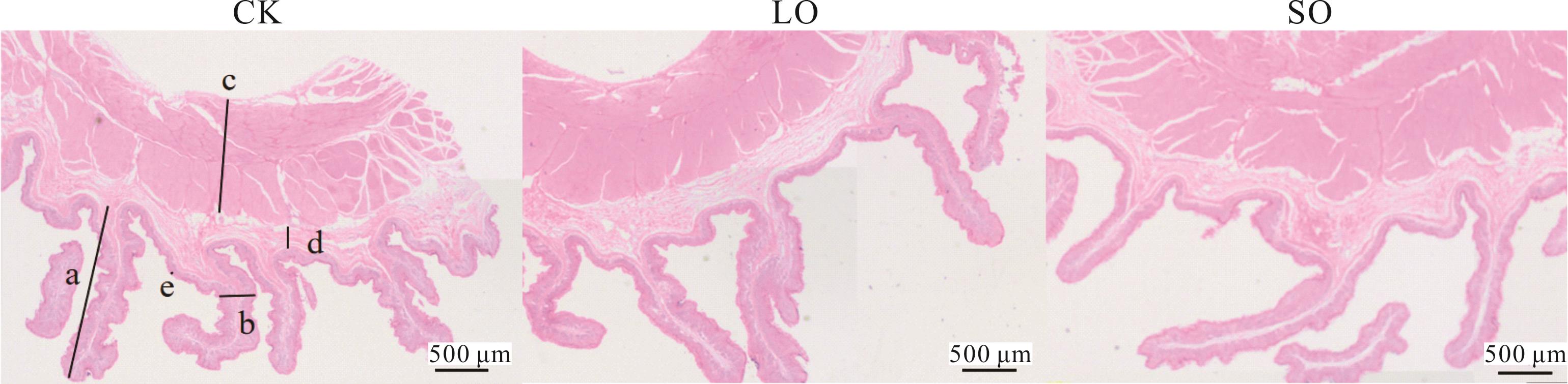
Fig.1 Rumen histology after dietary supplementation with linseed oils and sunflower oils
| 项目Item | 对照CK | 亚麻籽油LO | 葵花籽油SO | P值P-value |
|---|---|---|---|---|
| 乙酸 | 65.93a | 56.62a | 55.63a | 0.201 |
| 丙酸 | 21.31b | 22.84a | 25.19a | 0.005 |
| 异丁酸Isobutyrate | 1.90b | 2.24a | 2.28a | 0.005 |
| 丁酸Butyrate | 6.11b | 12.19a | 10.72a | 0.002 |
| 异戊酸Isovalerate | 3.25b | 4.12a | 4.15a | 0.010 |
| 戊酸 Valerate | 1.50b | 1.98a | 2.05a | 0.003 |
| TVFA (mmol·L-1) | 39.42±7.93b | 54.56±12.38a | 61.86±7.69a | 0.026 |
| 乙酸/丙酸A∶P | 3.20±0.23a | 2.47±0.22b | 2.30±0.28b | <0.001 |
Table 8 Effects of dietary supplementation with linseed oil and sunflower oil on volatile fatty acids (VFA) in the rumen of ewe lambs
| 项目Item | 对照CK | 亚麻籽油LO | 葵花籽油SO | P值P-value |
|---|---|---|---|---|
| 乙酸 | 65.93a | 56.62a | 55.63a | 0.201 |
| 丙酸 | 21.31b | 22.84a | 25.19a | 0.005 |
| 异丁酸Isobutyrate | 1.90b | 2.24a | 2.28a | 0.005 |
| 丁酸Butyrate | 6.11b | 12.19a | 10.72a | 0.002 |
| 异戊酸Isovalerate | 3.25b | 4.12a | 4.15a | 0.010 |
| 戊酸 Valerate | 1.50b | 1.98a | 2.05a | 0.003 |
| TVFA (mmol·L-1) | 39.42±7.93b | 54.56±12.38a | 61.86±7.69a | 0.026 |
| 乙酸/丙酸A∶P | 3.20±0.23a | 2.47±0.22b | 2.30±0.28b | <0.001 |
| [1] | Zhang K, Xu Y B, Yang Y X, et al. Gut microbiota-derived metabolites contribute negatively to hindgut barrier function development at the early weaning goat model. Animal Nutrition, 2022, 10(3): 111-123. |
| [2] | McCoard S A, Cristobal-Carballo O, Knol F W, et al. Impact of early weaning on small intestine, metabolic, immune and endocrine system development, growth and body composition in artificially reared lambs. Journal of Animal Science, 2020, 98(1): skz356. |
| [3] | Guo J P, Pan J Z, Li F D, et al. Effect of different early weaned day on morphological development of stomach for housed lambs. Acta Veterinaria et Zootechnica Sinica, 2018, 49(5): 971-985. |
| 郭江鹏, 潘建忠, 李发弟, 等. 不同早期断奶日龄对舍饲肉用羔羊胃组织形态发育变化的影响.畜牧兽医学报, 2018, 49(5): 971-985. | |
| [4] | Wang X, Liu J G, Ma Y J, et al. Effects of compound Chinese herbal medicine additives on slaughter performance, meat quality and rumen histomorphology of Hu sheep. China Herbivore Science, 2019, 39(3): 22-25. |
| 王霞, 刘建国, 马友记, 等. 复方中草药添加剂对湖羊屠宰性能、肉品质及瘤胃组织形态学的影响. 中国草食动物科学, 2019, 39(3): 22-25. | |
| [5] | Simionatto M, Maeda M E, Silveira D F M, et al. Effect of adding different levels of palm oil-protected fat in the diet of lambs concerning rumen parameters. Animal Feed Science and Technology, 2024, 310: 115929. |
| [6] | Gu S Q, Zhu X F. Effects of dietary oil supplementation on growth performance and nutrient digestibility of fattening goats. China Feed, 2022(10): 72-75. |
| 谷树乾, 朱雪峰. 饲料中添加油脂对育肥山羊生长性能和养分消化率的影响. 中国饲料, 2022(10): 72-75. | |
| [7] | Zhang M, Wang S X, Cheng C X, et al. Effects of different flaxseed level diets on growth performance, serum biochemical indexes, rumen fermentation parameters and rumen microbiota structure of house-fed yaks. Chinese Journal of Animal Nutrition, 2024, 36(11): 7081-7096. |
| 张曼, 王书祥, 程晨旭, 等. 不同亚麻籽水平饲粮对舍饲牦牛生长性能、血清生化指标、瘤胃发酵参数及瘤胃菌群结构的影响.动物营养学报, 2024, 36(11): 7081-7096. | |
| [8] | Wang X L, Shen X Z, Yang J H, et al. Effects of sunflower seed oil supplementation on rumen digestion and fatty acids composition in goats. Acta Veterinaria et Zootechnica Sinica, 2007, 38(4): 356-361. |
| 王喜乐, 沈向真, 杨俊花, 等. 添喂葵花籽油对山羊瘤胃消化代谢与瘤胃液脂肪酸组成的影响.畜牧兽医学报, 2007, 38(4): 356-361. | |
| [9] | Wahle W K, Heys D, Rotondo D. Conjugated linoleic acids: Are they beneficial or detrimental to health? Progress in Lipid Research, 2004, 43(6): 553-587. |
| [10] | Pilajun R, Wanapat M. Effect of coconut oil and mangosteen peel supplementation on ruminal fermentation, microbial population, and microbial protein synthesis in swamp buffaloes. Livestock Science, 2011, 141(2/3): 148-154. |
| [11] | Wu Y N, Cao Y F, Gao Y X, et al. Effects of dietary linseed supplementation on performance, carcass characteristics and meat quality of lamb. Acta Veterinaria et Zootechnica Sinica, 2012, 43(9): 1392-1400. |
| 武雅楠, 曹玉凤, 高艳霞, 等. 日粮中添加亚麻籽对羔羊产肉性能和肉品质的影响. 畜牧兽医学报, 2012, 43(9): 1392-1400. | |
| [12] | Guo J J, Chen X Q, Zhu H L, et al. Effects of dietary n-6/n-3 PUFA ratio on growth performance and lipid metabolism in nursery pigs. Frontiers in Veterinary Science, 2025, 12:1643724. |
| [13] | Zhang Z L, Li X X, Wang Y C, et al. Effect of yeast cultures on growth performance, blood physiological and biochemical indexes and rumen fermentation parameters in lambs. China Animal Husbandry & Veterinary Medicine, 2025, 52(8): 3563-3573. |
| 张兆玲, 李雄雄, 汪炎池,等. 酵母培养物对羔羊生长性能、血液生理生化指标及瘤胃发酵参数的影响. 中国畜牧兽医, 2025, 52(8): 3563-3573. | |
| [14] | Hou L P, Liu K L, Tang D F. Effect of supplemented with flaxseed cake on performance and meat quality of fattening lambs. China Feed, 2021 (11): 129-134. |
| 侯丽萍, 刘克礼, 唐德富. 饲粮添加亚麻籽饼对育肥羔羊生产性能和肉品质的影响.中国饲料, 2021(11): 129-134. | |
| [15] | Wei Z Y, Wang W, Zhou L Y, et al. Effects of dietary extruded linseed and microalgae supplementation on serum antioxidant indexes and muscle fatty acid content of Hu sheep. Animal Husbandry & Veterinary Medicine, 2024, 56(4): 24-28. |
| 魏宗友, 王伟, 周丽雅, 等. 饲粮中添加膨化亚麻籽和微藻对湖羊血清抗氧化指标和肌肉脂肪酸含量的影响. 畜牧与兽医, 2024, 56(4): 24-28. | |
| [16] | Ministry of Agriculture of the PRC. Nutrient requirements of meat-type sheep and goats: NY/T 816-2021. Beijing: China Agriculture Press, 2021. |
| 中华人民共和国农业农村部.肉羊营养需要量: NY/T 816-2021. 北京: 中国农业出版社, 2021. | |
| [17] | General Administration of Quality Supervision, Inspection And Quarantine of the People’s Republic of China, Standardization Administration of the People’s Republic of China. GB/T 9961-2008 Fresh and frozen mutton carcass. Beijing: Standards Press of China, 2008. |
| 中华人民共和国国家质量监督检验检疫总局, 中国国家标准化管理委员会. GB/T 9961-2008 鲜、冻胴体羊肉. 北京: 中国标准出版社, 2008. | |
| [18] | Odongo N, Alzahal O, Lindinger M, et al. Effects of mild heat stress and grain challenge on acid-base balance and rumen tissue histology in lambs. Journal of Animal Science, 2006, 84(2): 447-455. |
| [19] | Mi X M, Chai X, Zhao R Y, et al. Effects of flaxseed on performance and fatty acid content in meat sheep. China Feed, 2018(10): 52-55. |
| 米晓民, 柴霞, 赵瑞媛, 等. 亚麻籽对肉羊生产性能和脂肪酸含量的影响.中国饲料, 2018(10): 52-55. | |
| [20] | Duan W P, Li T X. Effect of flaxseed on growth performance, antioxidant capacity and serum pro-inflammatory cytokines of weaned piglets. China Feed, 2021(24): 41-45. |
| 段卫平, 李同新. 亚麻籽对断奶仔猪生长性能、抗氧化功能和血清促炎因子含量的影响.中国饲料, 2021(24): 41-45. | |
| [21] | Hartanto R, Cai L Y, Yu J K, et al. Effects of sunflower oil supplementation on performance, nutrient digestibility, rumen fermentation and blood metabolites in crossbred (Macheng Black×Boer) goats. Emirates Journal of Food and Agriculture, 2019, 31(1): 1-6. |
| [22] | Mitchaothai J, Everts H, Yuangklang C, et al. Digestion and deposition of individual fatty acids in growing-finishing pigs fed diets containing either beef tallow or sunflower oil. Journal of Animal Physiology and Animal Nutrition, 2008, 92(4): 502-510. |
| [23] | Nguyen D V, Malau-Aduli B S, Nichols P D, et al. Growth performance and carcass characteristics of Australian prime lambs supplemented with pellets containing canola oil or flaxseed oil. Animal Production Science, 2018, 58(11): 2100-2108. |
| [24] | Wang F W, Luo X Y, Wang Z F, et al. Research progress on the development of animal spleen. Journal of Domestic Animal Ecology, 2021, 42(12): 9-13. |
| 汪富文, 罗小雨, 王朝飞, 等. 动物脾脏发育研究进展. 家畜生态学报, 2021, 42(12): 9-13. | |
| [25] | Li X. Effect of compound probiotics preparation on growth performance, diarrhea rate and immune function of weaned piglets. China Feed, 2023(6): 53-56. |
| 李雄. 复合益生菌制剂对断奶仔猪生长性能、腹泻率及免疫功能的影响.中国饲料, 2023(6): 53-56. | |
| [26] | Jiang J L, Xi M J, Wang B, et al. Effects of methionine on liver health of ruminants and its mechanisms. Chinese Journal of Animal Nutrition, 2024, 36(11): 6853-6863. |
| 姜佳利, 席敏杰, 王博, 等. 蛋氨酸对反刍动物肝脏健康的影响及其机制. 动物营养学报, 2024, 36(11): 6853-6863. | |
| [27] | Lesmeister K E, Tozer P R, Heinrichs A J. Development and analysis of a rumen tissue sampling procedure. Journal of Dairy Science, 2004, 87(5): 1336-1344. |
| [28] | Suárez B J, Van Reenen C G, Stockhofe N, et al. Effect of roughage source and roughage to concentrate ratio on animal performance and rumen development in veal calves. Journal of Dairy Science, 2007, 90(5): 2390-2403. |
| [29] | Beiranvand H, Ghorbani G R, Khorvash M, et al. Forage and sugar in dairy calves’starter diet and their interaction on performance, weaning age and rumen fermentation. Journal of Animal Physiology and Animal Nutrition, 2014, 98(3): 439-445. |
| [1] | Jiang-bo XU, Chang-wei MEI, Dong CHEN, Run-yao JIANG, Song-chang GUO, Xiu-hong WU, Ju-ying LUO, Hai-yuan HUANG, Fang LIU. The effect of alfalfa meal on the average daily gain, slaughter performance, meat quality, and serum biochemical indicators of two different hybrid lines of Liangsan pigs [J]. Acta Prataculturae Sinica, 2026, 35(6): 202-215. |
| [2] | Jin-shun ZHAN, Hao-yun JIANG, Hao-bin JIA, Hai-bo WANG, Zhi-yong GU, Yue PAN, Xiao-jun ZHONG, Jun-hong HUO. A comparative study of the growth rate, blood biochemical indexes and rumen fermentation of hybrid sheep from different breed combinations [J]. Acta Prataculturae Sinica, 2026, 35(4): 197-210. |
| [3] | Dong-xu YAO, Cai-zhong WANG, Chen ZHENG. Effects of timothy grass on growth rate, slaughter performance, and meat quality in young meat rabbits [J]. Acta Prataculturae Sinica, 2026, 35(3): 185-194. |
| [4] | Fang LUO, Fei LI, Long GUO, Zhi-yuan MA, Zhi-an ZHANG, Tao GUO, Li WANG, Shuai JIAO, Tian-xi ZHANG, Wen-jin TIAN, Xin-ji WANG, Hui XU. Effects of partial replacement of corn stover with a mixture of fennel residue and licorice seedlings on the growth performance, rumen fermentation parameters, and meat quality of Australian White×Hu sheep [J]. Acta Prataculturae Sinica, 2026, 35(11): 76-87. |
| [5] | Min ZHANG, Rui YANG, Yi-zhou HUANG, Zhi-xin LIN, Xian-yue ZHENG, Qing-hua LIU, Yu-yun GAO, Dong-mei LIN, Zhan-xi LIN, Ling JIN. Effects of Pennisetum giganteum on the growth performance and intestinal health of finishing Congjiang Xiang pigs [J]. Acta Prataculturae Sinica, 2025, 34(5): 171-188. |
| [6] | Shuai QI, Yan-li ZHANG, Yong-jie WAN, Wei-qiang NIU, Ji-xin ZHANG, Xue GAO, Da-gan MAO. Effects of soybean straw co-fermented with a bacterium-enzyme mixture on the growth performance, serum indexes, and rumen microorganisms of Hu sheep [J]. Acta Prataculturae Sinica, 2025, 34(5): 189-201. |
| [7] | Sheng-wei JIN, Yin-cang HAN, Yong-gang SUN, Wei-qin DING, Ya-qian LIU, Zeng-yuan QI, Jian-qiang ZHOU. Effects of different feeding methods on growth performance and blood physiological and biochemical indexes of yaks [J]. Acta Prataculturae Sinica, 2025, 34(1): 215-225. |
| [8] | Dong-yao SU, Yong-liang LI, Qing DONG, Xin-nian ZHAO, Xiao-yu LI, Xiao-dong JIN, Ya-nan WANG, Shu-jun TIAN, Yu-hong GAO, Xin-sheng SUN. Effects of a fermentation bed on the growth, digestion, and blood physiological and biochemical indices of suckling Hu lambs [J]. Acta Prataculturae Sinica, 2024, 33(8): 86-97. |
| [9] | Di SHEN, Zi-ming ZENG, Kai-yue PANG, Sha-tuo CHAI, Hong-xin NIE, Yu-min LI, Yang LIAO, Xun WANG, Wei-hua HUANG, Shu-jie LIU, Ying-kui YANG, Shu-xiang WANG. Effects of low-concentrate and high-concentrate diets on yak growth performance and rumen microbiota structure [J]. Acta Prataculturae Sinica, 2024, 33(5): 155-165. |
| [10] | Rui ZHANG, Xue-jiao AN, Jian-ye LI, Zeng-kui LU, Chun-e NIU, Zhen-fei XU, Jin-xia ZHANG, Zhi-guang GENG, Yao-jing YUE, Bo-hui YANG. Comparative analysis of growth performance, meat productivity, and meat quality in Hu sheep and its hybrids [J]. Acta Prataculturae Sinica, 2024, 33(3): 186-197. |
| [11] | Hao-qian DANG, Juan-qing QIN, Yu-kang GUO, Fu ZHANG, Ying-gang WANG, Qing-hua LIU. Effects of different additives on fermentation quality of bamboo shoot shell and growth performance and rumen fermentation function of Hu Sheep [J]. Acta Prataculturae Sinica, 2023, 32(7): 135-148. |
| [12] | Zi-fan WANG, Xiao-qing ZHANG, Zhi-ming ZHONG, Xin QUAN. Effects of oat hay and oat cubes on feeding behavior and production performance of Pengbo semi-fine wool sheep [J]. Acta Prataculturae Sinica, 2023, 32(5): 171-179. |
| [13] | Ai-yu LIU, Chao WANG, Zhan-jun WU, Shou-pei ZHAO, Li-chen ZHAO, Xiao-yu LI, Wei-tao ZHANG, Le-tian WANG, Yu-hong GAO. Impact of heat stress on growth rate, serum antioxidant properties, and rumen flora in weaned lambs [J]. Acta Prataculturae Sinica, 2023, 32(4): 173-182. |
| [14] | Chao PENG, Zi-jian LI, Hu-cheng WANG, Qiang FENG, Yu-ying SHEN. A comparative study of slaughter and meat quality for sheep fed indoors or grazed with supplementary feed in the hill and gully region of the Loess Plateau [J]. Acta Prataculturae Sinica, 2023, 32(2): 140-147. |
| [15] | Qian-long YANG, Qian-qian WEI, De-hui ZHAO, Xiao-lan GUO, Tie-tao ZHANG, Xiao-xu WANG, Kun BAO, Kai-ying WANG. Effects of dietary rumen-protected cysteine on growth performance, nutrient apparent digestibility and serum biochemical indexes of sika deer during weight gain [J]. Acta Prataculturae Sinica, 2023, 32(2): 148-159. |
| Viewed | ||||||
|
Full text |
|
|||||
|
Abstract |
|
|||||
