
ISSN 1004-5759 CN 62-1105/S
Acta Prataculturae Sinica ›› 2026, Vol. 35 ›› Issue (7): 151-164.DOI: 10.11686/cyxb2025326
Bo-hong ZHANG( ), Xiang MA, Ze-liang JU, Lian-xue DUAN, Xiao-jun WANG, Zhi-feng JIA()
Received:2025-08-14
Revised:2025-09-29
Online:2026-07-20
Published:2026-05-21
Contact:
Zhi-feng JIA
Bo-hong ZHANG, Xiang MA, Ze-liang JU, Lian-xue DUAN, Xiao-jun WANG, Zhi-feng JIA. Genetic diversity analysis and multi-trait evaluation of oat germplasm under different ecological conditions[J]. Acta Prataculturae Sinica, 2026, 35(7): 151-164.
编号 Code | 种质资源 Germplasm resources | 来源 Origin | 编号 Code | 种质资源 Germplasm resources | 来源 Origin |
|---|---|---|---|---|---|
| 1 | 青永久471 Qingyongjiu 471 | 加拿大Canada | 25 | 青永久023 Qingyongjiu 023 | 苏联Soviet Union |
| 2 | 青永久465 Qingyongjiu 465 | 瑞典Sweden | 26 | 青永久027 Qingyongjiu 027 | 苏联Soviet Union |
| 3 | 青永久458 Qingyongjiu 458 | 瑞典Sweden | 27 | 青永久062 Qingyongjiu 062 | 罗马尼亚Romania |
| 4 | 青永久488 Qingyongjiu 488 | 法国France | 28 | 青永久064 Qingyongjiu 064 | 苏联Soviet Union |
| 5 | 青永久085 Qingyongjiu 085 | 瑞士Switzerland | 29 | 青永久097 Qingyongjiu 097 | 瑞典Sweden |
| 6 | 青永久084 Qingyongjiu 084 | 德国Germany | 30 | 青永久160 Qingyongjiu 160 | 丹麦Denmark |
| 7 | 张燕1号 Zhangyan 1 | 中国China | 31 | 青永久479 Qingyongjiu 479 | 罗马尼亚Romania |
| 8 | 西藏白郎 Xizangbailang | 中国China | 32 | 青永久480 Qingyongjiu 480 | 维多利亚Victoria |
| 9 | 青永久045 Qingyongjiu 045 | 加拿大Canada | 33 | 青永久486 Qingyongjiu 486 | 瑞典Sweden |
| 10 | 青永久051 Qingyongjiu 051 | 德国Germany | 34 | 青永久482 Qingyongjiu 482 | 澳大利亚Australia |
| 11 | 青永久080 Qingyongjiu 080 | 匈牙利Hungary | 35 | 青永久092 Qingyongjiu 092 | 匈牙利Hungary |
| 12 | 青永久083 Qingyongjiu 083 | 德国Germany | 36 | 青永久090 Qingyongjiu 090 | 瑞士Switzerland |
| 13 | 青永久257 Qingyongjiu 257 | 丹麦Denmark | 37 | 青永久061 Qingyongjiu 061 | 罗马尼亚Romania |
| 14 | 青永久326 Qingyongjiu 326 | 丹麦Denmark | 38 | 青永久060 Qingyongjiu 060 | 保加利亚Bulgaria |
| 15 | 青永久476 Qingyongjiu 476 | 日本Japan | 39 | 青燕5号 Qingyan 5 | 中国China |
| 16 | 青永久475 Qingyongjiu 475 | 荷兰Netherlands | 40 | 蒙古燕麦 Menggu oat | 中国China |
| 17 | 青永久477 Qingyongjiu 477 | 日本Japan | 41 | 巴燕5号 Bayan 5 | 中国China |
| 18 | 青永久478 Qingyongjiu 478 | 日本Japan | 42 | 高寒7号 Gaohan 7 | 中国China |
| 19 | 青永久226 Qingyongjiu 226 | 丹麦Denmark | 43 | 青永久052 Qingyongjiu 052 | 匈牙利Hungary |
| 20 | 青永久178 Qingyongjiu 178 | 丹麦Denmark | 44 | 青永久055 Qingyongjiu 055 | 罗马尼亚Romania |
| 21 | 青永久073 Qingyongjiu 073 | 匈牙利Hungary | 45 | 青永久057 Qingyongjiu 057 | 蒙古Mongolia |
| 22 | 青永久066 Qingyongjiu 066 | 匈牙利Hungary | 46 | 青永久059 Qingyongjiu 059 | 保加利亚Bulgaria |
| 23 | 青永久037 Qingyongjiu 037 | 加拿大Canada | 47 | 青永久489 Qingyongjiu 489 | 法国France |
| 24 | 青永久029 Qingyongjiu 029 | 加拿大Canada | 48 | 青永久089 Qingyongjiu 089 | 苏联Soviet Union |
Table 1 Names and sources of the tested germplasm resources
编号 Code | 种质资源 Germplasm resources | 来源 Origin | 编号 Code | 种质资源 Germplasm resources | 来源 Origin |
|---|---|---|---|---|---|
| 1 | 青永久471 Qingyongjiu 471 | 加拿大Canada | 25 | 青永久023 Qingyongjiu 023 | 苏联Soviet Union |
| 2 | 青永久465 Qingyongjiu 465 | 瑞典Sweden | 26 | 青永久027 Qingyongjiu 027 | 苏联Soviet Union |
| 3 | 青永久458 Qingyongjiu 458 | 瑞典Sweden | 27 | 青永久062 Qingyongjiu 062 | 罗马尼亚Romania |
| 4 | 青永久488 Qingyongjiu 488 | 法国France | 28 | 青永久064 Qingyongjiu 064 | 苏联Soviet Union |
| 5 | 青永久085 Qingyongjiu 085 | 瑞士Switzerland | 29 | 青永久097 Qingyongjiu 097 | 瑞典Sweden |
| 6 | 青永久084 Qingyongjiu 084 | 德国Germany | 30 | 青永久160 Qingyongjiu 160 | 丹麦Denmark |
| 7 | 张燕1号 Zhangyan 1 | 中国China | 31 | 青永久479 Qingyongjiu 479 | 罗马尼亚Romania |
| 8 | 西藏白郎 Xizangbailang | 中国China | 32 | 青永久480 Qingyongjiu 480 | 维多利亚Victoria |
| 9 | 青永久045 Qingyongjiu 045 | 加拿大Canada | 33 | 青永久486 Qingyongjiu 486 | 瑞典Sweden |
| 10 | 青永久051 Qingyongjiu 051 | 德国Germany | 34 | 青永久482 Qingyongjiu 482 | 澳大利亚Australia |
| 11 | 青永久080 Qingyongjiu 080 | 匈牙利Hungary | 35 | 青永久092 Qingyongjiu 092 | 匈牙利Hungary |
| 12 | 青永久083 Qingyongjiu 083 | 德国Germany | 36 | 青永久090 Qingyongjiu 090 | 瑞士Switzerland |
| 13 | 青永久257 Qingyongjiu 257 | 丹麦Denmark | 37 | 青永久061 Qingyongjiu 061 | 罗马尼亚Romania |
| 14 | 青永久326 Qingyongjiu 326 | 丹麦Denmark | 38 | 青永久060 Qingyongjiu 060 | 保加利亚Bulgaria |
| 15 | 青永久476 Qingyongjiu 476 | 日本Japan | 39 | 青燕5号 Qingyan 5 | 中国China |
| 16 | 青永久475 Qingyongjiu 475 | 荷兰Netherlands | 40 | 蒙古燕麦 Menggu oat | 中国China |
| 17 | 青永久477 Qingyongjiu 477 | 日本Japan | 41 | 巴燕5号 Bayan 5 | 中国China |
| 18 | 青永久478 Qingyongjiu 478 | 日本Japan | 42 | 高寒7号 Gaohan 7 | 中国China |
| 19 | 青永久226 Qingyongjiu 226 | 丹麦Denmark | 43 | 青永久052 Qingyongjiu 052 | 匈牙利Hungary |
| 20 | 青永久178 Qingyongjiu 178 | 丹麦Denmark | 44 | 青永久055 Qingyongjiu 055 | 罗马尼亚Romania |
| 21 | 青永久073 Qingyongjiu 073 | 匈牙利Hungary | 45 | 青永久057 Qingyongjiu 057 | 蒙古Mongolia |
| 22 | 青永久066 Qingyongjiu 066 | 匈牙利Hungary | 46 | 青永久059 Qingyongjiu 059 | 保加利亚Bulgaria |
| 23 | 青永久037 Qingyongjiu 037 | 加拿大Canada | 47 | 青永久489 Qingyongjiu 489 | 法国France |
| 24 | 青永久029 Qingyongjiu 029 | 加拿大Canada | 48 | 青永久089 Qingyongjiu 089 | 苏联Soviet Union |
试验地 Experimental site | 年平均气温Mean annual temperature (℃) | 年平均降水量Mean annual precipitation (mm) | 年蒸发量 Annual evaporation (mm) | 有机质 Organic matter (g·kg-1) | 全氮 Total nitrogen (g·kg-1) | 全磷 Total phosphorus (g·kg-1) | 全钾 Total potassium (g·kg-1) | 碱解氮 Alkali-hydrolyzable nitrogen (mg·kg-1) | 速效磷Available phosphorus (mg·kg-1) | 速效钾Available potassium (mg·kg-1) |
|---|---|---|---|---|---|---|---|---|---|---|
| 湟中Huangzhong | 5.5 | 483 | 1180 | 34.2 | 2.21 | 0.87 | 23.46 | 119 | 19 | 260.00 |
| 贵南Guinan | 2.3 | 404 | 1379 | 37.1 | 2.46 | 0.60 | 21.46 | 137 | 9 | 114.67 |
Table 2 Soil and climatic properties of the experimental site
试验地 Experimental site | 年平均气温Mean annual temperature (℃) | 年平均降水量Mean annual precipitation (mm) | 年蒸发量 Annual evaporation (mm) | 有机质 Organic matter (g·kg-1) | 全氮 Total nitrogen (g·kg-1) | 全磷 Total phosphorus (g·kg-1) | 全钾 Total potassium (g·kg-1) | 碱解氮 Alkali-hydrolyzable nitrogen (mg·kg-1) | 速效磷Available phosphorus (mg·kg-1) | 速效钾Available potassium (mg·kg-1) |
|---|---|---|---|---|---|---|---|---|---|---|
| 湟中Huangzhong | 5.5 | 483 | 1180 | 34.2 | 2.21 | 0.87 | 23.46 | 119 | 19 | 260.00 |
| 贵南Guinan | 2.3 | 404 | 1379 | 37.1 | 2.46 | 0.60 | 21.46 | 137 | 9 | 114.67 |
| 性状Trait | 平均值±标准差 Mean±standard deviation (SD) | 变幅 Range | 变异系数 Coefficient of variation (CV, %) | 多样性指数Shannon-Wiener index (H') |
|---|---|---|---|---|
| 株高Plant height (PH, cm) | 147.88±24.42 | 62.00~195.00 | 16.51 | 1.91 |
| 茎粗Stem diameter (SD, mm) | 4.83±1.02 | 2.35~7.00 | 21.06 | 2.08 |
| 叶面积Leaf area (LA, cm2) | 27.18±8.93 | 7.00~48.15 | 32.86 | 2.07 |
| 鲜重Fresh weight (FW, kg·hm-2) | 29185.69±11514.59 | 9960.00~62400.00 | 39.45 | 1.97 |
| 干重Dry weight (DW, kg·hm-2) | 10058.53±3224.10 | 4765.50~19561.60 | 32.05 | 1.95 |
| 粗灰分Crude ash (Ash, %DM) | 7.06±1.53 | 4.33~11.50 | 21.70 | 2.04 |
| 粗蛋白Crude protein (CP, %DM) | 7.78±1.29 | 5.15~13.90 | 16.65 | 1.99 |
| 酸性洗涤纤维Acid detergent fiber (ADF, %DM) | 40.92±3.96 | 28.00~49.50 | 9.67 | 2.02 |
| 中性洗涤纤维Neutral detergent fiber (NDF, %DM) | 62.07±4.52 | 48.00~73.00 | 7.29 | 2.01 |
| 相对饲喂价值Relative feed value (RFV) | 66.89±8.96 | 50.07~100.79 | 13.40 | 1.94 |
| 净光合速率Net photosynthetic rate (Pn, μmol·m-2·s-1) | 14.04±4.07 | 4.44~28.92 | 28.98 | 2.07 |
| 蒸腾速率Transpiration rate (Tr, mmol·m-2·s-1) | 5.90±3.05 | 0.81~14.93 | 51.68 | 2.04 |
| 胞间CO2浓度Intercellular CO2 concentration (Ci, μmol·mol-1) | 249.69±49.75 | 62.70~338.09 | 19.93 | 1.97 |
| 气孔导度Stomatal conductance (Gs, mmol·m-2·s-1) | 0.22±0.12 | 0.04~0.67 | 55.30 | 1.91 |
| 叶片固有水分利用效率Intrinsic water use efficiency (WUEintr, μmol·mol-1) | 77.57±33.00 | 23.43~202.06 | 42.54 | 1.94 |
| 瞬时水分利用效率Instantanous water use efficiency (WUEinst, μmol·mmol-1) | 3.00±1.62 | 0.97~10.52 | 54.03 | 1.77 |
| 瞬时羧化效率Instantaneous carboxylation efficiency (CE, mol·m-2·s-1) | 0.06±0.02 | 0.01~0.20 | 37.23 | 1.92 |
Table 3 Genetic diversity statistics of 48 oat germplasm resources
| 性状Trait | 平均值±标准差 Mean±standard deviation (SD) | 变幅 Range | 变异系数 Coefficient of variation (CV, %) | 多样性指数Shannon-Wiener index (H') |
|---|---|---|---|---|
| 株高Plant height (PH, cm) | 147.88±24.42 | 62.00~195.00 | 16.51 | 1.91 |
| 茎粗Stem diameter (SD, mm) | 4.83±1.02 | 2.35~7.00 | 21.06 | 2.08 |
| 叶面积Leaf area (LA, cm2) | 27.18±8.93 | 7.00~48.15 | 32.86 | 2.07 |
| 鲜重Fresh weight (FW, kg·hm-2) | 29185.69±11514.59 | 9960.00~62400.00 | 39.45 | 1.97 |
| 干重Dry weight (DW, kg·hm-2) | 10058.53±3224.10 | 4765.50~19561.60 | 32.05 | 1.95 |
| 粗灰分Crude ash (Ash, %DM) | 7.06±1.53 | 4.33~11.50 | 21.70 | 2.04 |
| 粗蛋白Crude protein (CP, %DM) | 7.78±1.29 | 5.15~13.90 | 16.65 | 1.99 |
| 酸性洗涤纤维Acid detergent fiber (ADF, %DM) | 40.92±3.96 | 28.00~49.50 | 9.67 | 2.02 |
| 中性洗涤纤维Neutral detergent fiber (NDF, %DM) | 62.07±4.52 | 48.00~73.00 | 7.29 | 2.01 |
| 相对饲喂价值Relative feed value (RFV) | 66.89±8.96 | 50.07~100.79 | 13.40 | 1.94 |
| 净光合速率Net photosynthetic rate (Pn, μmol·m-2·s-1) | 14.04±4.07 | 4.44~28.92 | 28.98 | 2.07 |
| 蒸腾速率Transpiration rate (Tr, mmol·m-2·s-1) | 5.90±3.05 | 0.81~14.93 | 51.68 | 2.04 |
| 胞间CO2浓度Intercellular CO2 concentration (Ci, μmol·mol-1) | 249.69±49.75 | 62.70~338.09 | 19.93 | 1.97 |
| 气孔导度Stomatal conductance (Gs, mmol·m-2·s-1) | 0.22±0.12 | 0.04~0.67 | 55.30 | 1.91 |
| 叶片固有水分利用效率Intrinsic water use efficiency (WUEintr, μmol·mol-1) | 77.57±33.00 | 23.43~202.06 | 42.54 | 1.94 |
| 瞬时水分利用效率Instantanous water use efficiency (WUEinst, μmol·mmol-1) | 3.00±1.62 | 0.97~10.52 | 54.03 | 1.77 |
| 瞬时羧化效率Instantaneous carboxylation efficiency (CE, mol·m-2·s-1) | 0.06±0.02 | 0.01~0.20 | 37.23 | 1.92 |
| 性状Trait | 变异来源Variance sources | F | P | 性状Trait | 变异来源Variance sources | F | P |
|---|---|---|---|---|---|---|---|
| 株高Plant height (PH) | 基因型Genotype (G) | 290.87 | 0.00 | 相对饲喂价值Relative feed value (RFV) | 基因型Genotype (G) | 33.59 | 0.00 |
| 环境Environment (E) | 1211.13 | 0.00 | 环境Environment (E) | 54.73 | 0.00 | ||
| 基因型×环境G×E | 81.72 | 0.00 | 基因型×环境G×E | 14.93 | 0.00 | ||
| 茎粗Stem diameter (SD) | 基因型Genotype (G) | 293.61 | 0.00 | 净光合速率Net photosynthetic rate (A) | 基因型Genotype (G) | 4.78 | 0.00 |
| 环境Environment (E) | 18786.96 | 0.00 | 环境Environment (E) | 12.56 | 0.00 | ||
| 基因型×环境G×E | 132.80 | 0.00 | 基因型×环境G×E | 4.57 | 0.00 | ||
| 叶面积Leaf area (LA) | 基因型Genotype (G) | 25.89 | 0.00 | 蒸腾速率Transpiration rate (E) | 基因型Genotype (G) | 5.24 | 0.00 |
| 环境Environment (E) | 896.05 | 0.00 | 环境Environment (E) | 511.26 | 0.00 | ||
| 基因型×环境G×E | 18.01 | 0.00 | 基因型×环境G×E | 6.48 | 0.00 | ||
| 鲜重Fresh weight (FW) | 基因型Genotype (G) | 345.16 | 0.00 | 胞间CO2浓度Intercellular CO2 concentration (Ci) | 基因型Genotype (G) | 3.76 | 0.00 |
| 环境Environment (E) | 4593.52 | 0.00 | 环境Environment (E) | 93.20 | 0.00 | ||
| 基因型×环境G×E | 333.99 | 0.00 | 基因型×环境G×E | 3.55 | 0.00 | ||
| 干重Dry weight (DW) | 基因型Genotype (G) | 154.38 | 0.00 | 气孔导度Stomatal conductance (Gs) | 基因型Genotype (G) | 5.27 | 0.00 |
| 环境Environment (E) | 5997.95 | 0.00 | 环境Environment (E) | 192.88 | 0.00 | ||
| 基因型×环境G×E | 192.60 | 0.00 | 基因型×环境G×E | 5.23 | 0.00 | ||
| 粗灰分Crude ash (Ash) | 基因型Genotype (G) | 125.49 | 0.00 | 叶片固有水分利用效率Intrinsic water use efficiency (WUEintr) | 基因型Genotype (G) | 3.51 | 0.00 |
| 环境Environment (E) | 2685.67 | 0.00 | 环境Environment (E) | 181.19 | 0.00 | ||
| 基因型×环境G×E | 208.94 | 0.00 | 基因型×环境G×E | 3.72 | 0.00 | ||
| 粗蛋白Crude protein (CP) | 基因型Genotype (G) | 118.25 | 0.00 | 瞬时水分利用效率Instantanous water use efficiency (WUEinst) | 基因型Genotype (G) | 4.78 | 0.00 |
| 环境Environment (E) | 335.79 | 0.00 | 环境Environment (E) | 378.52 | 0.00 | ||
| 基因型×环境G×E | 145.51 | 0.00 | 基因型×环境G×E | 4.95 | 0.00 | ||
| 酸性洗涤纤维Acid detergent fiber (ADF) | 基因型Genotype (G) | 26.96 | 0.00 | 瞬时羧化效率Instantaneous carboxylation efficiency (CE) | 基因型Genotype (G) | 3.09 | 0.00 |
| 环境Environment (E) | 61.85 | 0.00 | 环境Environment (E) | 13.11 | 0.00 | ||
| 基因型×环境G×E | 14.37 | 0.00 | 基因型×环境G×E | 2.56 | 0.00 | ||
| 中性洗涤纤维Neutral detergent fiber (NDF) | 基因型Genotype (G) | 29.92 | 0.00 | ||||
| 环境Environment (E) | 25.61 | 0.00 | |||||
| 基因型×环境G×E | 13.35 | 0.00 |
Table 4 Analysis of the interaction effects between genotype and environment
| 性状Trait | 变异来源Variance sources | F | P | 性状Trait | 变异来源Variance sources | F | P |
|---|---|---|---|---|---|---|---|
| 株高Plant height (PH) | 基因型Genotype (G) | 290.87 | 0.00 | 相对饲喂价值Relative feed value (RFV) | 基因型Genotype (G) | 33.59 | 0.00 |
| 环境Environment (E) | 1211.13 | 0.00 | 环境Environment (E) | 54.73 | 0.00 | ||
| 基因型×环境G×E | 81.72 | 0.00 | 基因型×环境G×E | 14.93 | 0.00 | ||
| 茎粗Stem diameter (SD) | 基因型Genotype (G) | 293.61 | 0.00 | 净光合速率Net photosynthetic rate (A) | 基因型Genotype (G) | 4.78 | 0.00 |
| 环境Environment (E) | 18786.96 | 0.00 | 环境Environment (E) | 12.56 | 0.00 | ||
| 基因型×环境G×E | 132.80 | 0.00 | 基因型×环境G×E | 4.57 | 0.00 | ||
| 叶面积Leaf area (LA) | 基因型Genotype (G) | 25.89 | 0.00 | 蒸腾速率Transpiration rate (E) | 基因型Genotype (G) | 5.24 | 0.00 |
| 环境Environment (E) | 896.05 | 0.00 | 环境Environment (E) | 511.26 | 0.00 | ||
| 基因型×环境G×E | 18.01 | 0.00 | 基因型×环境G×E | 6.48 | 0.00 | ||
| 鲜重Fresh weight (FW) | 基因型Genotype (G) | 345.16 | 0.00 | 胞间CO2浓度Intercellular CO2 concentration (Ci) | 基因型Genotype (G) | 3.76 | 0.00 |
| 环境Environment (E) | 4593.52 | 0.00 | 环境Environment (E) | 93.20 | 0.00 | ||
| 基因型×环境G×E | 333.99 | 0.00 | 基因型×环境G×E | 3.55 | 0.00 | ||
| 干重Dry weight (DW) | 基因型Genotype (G) | 154.38 | 0.00 | 气孔导度Stomatal conductance (Gs) | 基因型Genotype (G) | 5.27 | 0.00 |
| 环境Environment (E) | 5997.95 | 0.00 | 环境Environment (E) | 192.88 | 0.00 | ||
| 基因型×环境G×E | 192.60 | 0.00 | 基因型×环境G×E | 5.23 | 0.00 | ||
| 粗灰分Crude ash (Ash) | 基因型Genotype (G) | 125.49 | 0.00 | 叶片固有水分利用效率Intrinsic water use efficiency (WUEintr) | 基因型Genotype (G) | 3.51 | 0.00 |
| 环境Environment (E) | 2685.67 | 0.00 | 环境Environment (E) | 181.19 | 0.00 | ||
| 基因型×环境G×E | 208.94 | 0.00 | 基因型×环境G×E | 3.72 | 0.00 | ||
| 粗蛋白Crude protein (CP) | 基因型Genotype (G) | 118.25 | 0.00 | 瞬时水分利用效率Instantanous water use efficiency (WUEinst) | 基因型Genotype (G) | 4.78 | 0.00 |
| 环境Environment (E) | 335.79 | 0.00 | 环境Environment (E) | 378.52 | 0.00 | ||
| 基因型×环境G×E | 145.51 | 0.00 | 基因型×环境G×E | 4.95 | 0.00 | ||
| 酸性洗涤纤维Acid detergent fiber (ADF) | 基因型Genotype (G) | 26.96 | 0.00 | 瞬时羧化效率Instantaneous carboxylation efficiency (CE) | 基因型Genotype (G) | 3.09 | 0.00 |
| 环境Environment (E) | 61.85 | 0.00 | 环境Environment (E) | 13.11 | 0.00 | ||
| 基因型×环境G×E | 14.37 | 0.00 | 基因型×环境G×E | 2.56 | 0.00 | ||
| 中性洗涤纤维Neutral detergent fiber (NDF) | 基因型Genotype (G) | 29.92 | 0.00 | ||||
| 环境Environment (E) | 25.61 | 0.00 | |||||
| 基因型×环境G×E | 13.35 | 0.00 |
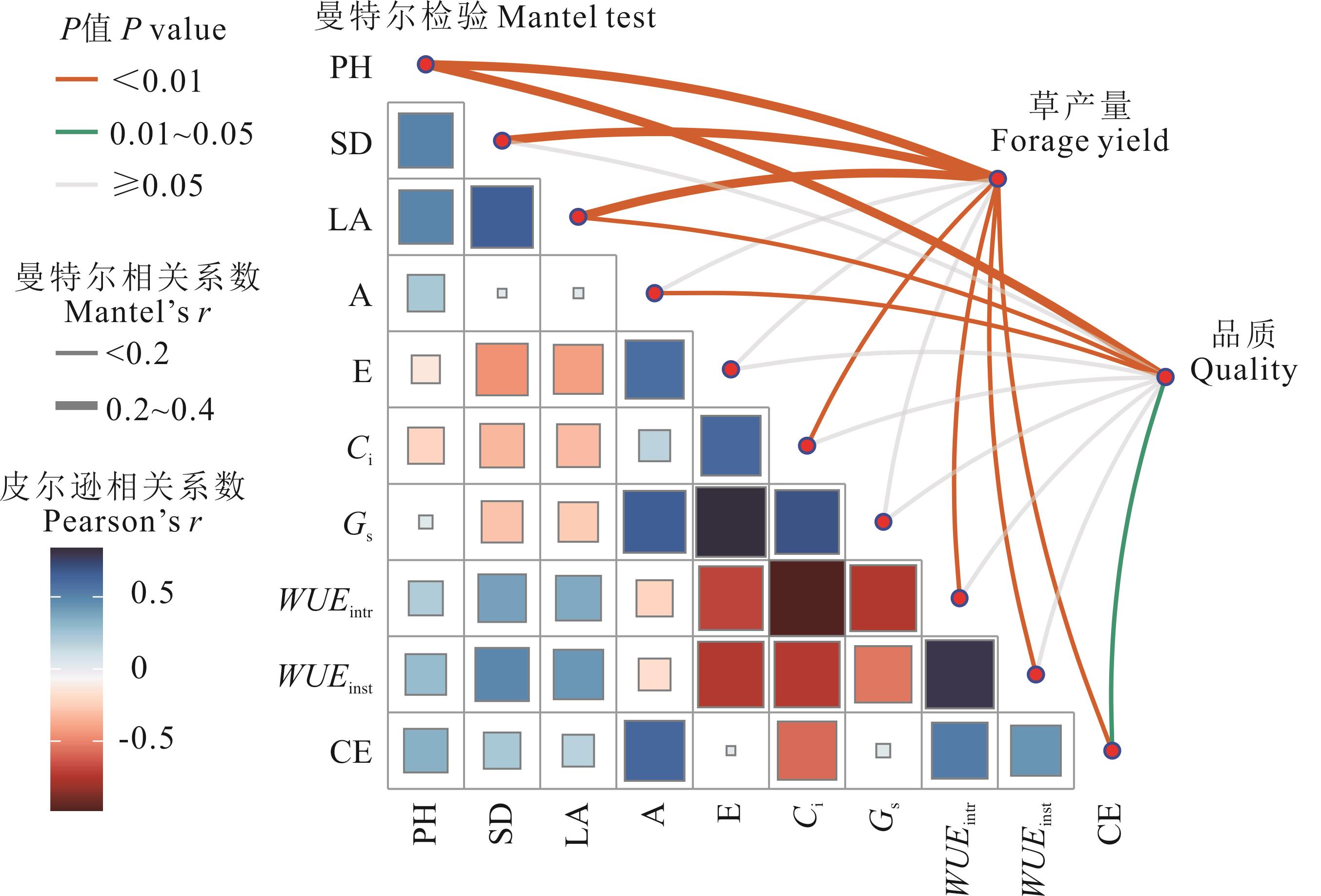
Fig.1 Correlation among forage yield, nutritional quality, agronomic traits, and photosynthetic parameters
性状 Trait | 贵南Guinan | 湟中Huangzhong | ||
|---|---|---|---|---|
| 平均值±标准差Mean±standard deviation (SD) | 变异系数Coefficient of variation (CV, %) | 平均值±标准差Mean±standard deviation (SD) | 变异系数Coefficient of variation (CV, %) | |
| PH (cm) | 154.05±19.19 | 12.46 | 141.71±27.42 | 19.35 |
| SD (mm) | 5.53±0.77 | 13.87 | 4.12±0.70 | 16.92 |
| LA (cm2) | 31.94±7.06 | 22.11 | 22.43±8.05 | 35.88 |
| FW (kg·hm-2) | 33252.00±11314.29 | 34.03 | 25119.38±10236.44 | 40.75 |
| DW (kg·hm-2) | 11720.34±3100.47 | 26.45 | 8396.72±2384.87 | 28.40 |
| Ash (%DM) | 6.48±1.10 | 16.97 | 7.64±1.68 | 21.98 |
| CP (%DM) | 7.99±1.36 | 17.01 | 7.57±1.20 | 15.81 |
| ADF (%DM) | 40.26±4.12 | 10.23 | 41.59±3.68 | 8.86 |
| NDF (%DM) | 61.59±5.15 | 8.36 | 62.55±3.75 | 5.99 |
| RFV | 68.20±10.17 | 14.92 | 65.57±7.36 | 11.23 |
| Pn (μmol·m-2·s-1) | 13.47±4.29 | 31.81 | 14.61±3.77 | 25.80 |
| Tr (mmol·m-2·s-1) | 3.96±1.93 | 48.78 | 7.85±2.71 | 34.51 |
| Ci (μmol·mol-1) | 230.56±53.11 | 23.03 | 268.81±37.56 | 13.97 |
| Gs (mmol·m-2·s-1) | 0.16±0.08 | 50.56 | 0.28±0.13 | 46.23 |
| WUEintr (μmol·mol-1) | 94.18±33.40 | 35.46 | 60.96±22.68 | 37.21 |
| WUEinst (μmol·mmol-1) | 3.98±1.69 | 42.47 | 2.02±0.69 | 33.99 |
| CE (mol·m-2·s-1) | 0.06±0.03 | 42.58 | 0.06±0.02 | 27.36 |
Table 5 Trait variation across different environments
性状 Trait | 贵南Guinan | 湟中Huangzhong | ||
|---|---|---|---|---|
| 平均值±标准差Mean±standard deviation (SD) | 变异系数Coefficient of variation (CV, %) | 平均值±标准差Mean±standard deviation (SD) | 变异系数Coefficient of variation (CV, %) | |
| PH (cm) | 154.05±19.19 | 12.46 | 141.71±27.42 | 19.35 |
| SD (mm) | 5.53±0.77 | 13.87 | 4.12±0.70 | 16.92 |
| LA (cm2) | 31.94±7.06 | 22.11 | 22.43±8.05 | 35.88 |
| FW (kg·hm-2) | 33252.00±11314.29 | 34.03 | 25119.38±10236.44 | 40.75 |
| DW (kg·hm-2) | 11720.34±3100.47 | 26.45 | 8396.72±2384.87 | 28.40 |
| Ash (%DM) | 6.48±1.10 | 16.97 | 7.64±1.68 | 21.98 |
| CP (%DM) | 7.99±1.36 | 17.01 | 7.57±1.20 | 15.81 |
| ADF (%DM) | 40.26±4.12 | 10.23 | 41.59±3.68 | 8.86 |
| NDF (%DM) | 61.59±5.15 | 8.36 | 62.55±3.75 | 5.99 |
| RFV | 68.20±10.17 | 14.92 | 65.57±7.36 | 11.23 |
| Pn (μmol·m-2·s-1) | 13.47±4.29 | 31.81 | 14.61±3.77 | 25.80 |
| Tr (mmol·m-2·s-1) | 3.96±1.93 | 48.78 | 7.85±2.71 | 34.51 |
| Ci (μmol·mol-1) | 230.56±53.11 | 23.03 | 268.81±37.56 | 13.97 |
| Gs (mmol·m-2·s-1) | 0.16±0.08 | 50.56 | 0.28±0.13 | 46.23 |
| WUEintr (μmol·mol-1) | 94.18±33.40 | 35.46 | 60.96±22.68 | 37.21 |
| WUEinst (μmol·mmol-1) | 3.98±1.69 | 42.47 | 2.02±0.69 | 33.99 |
| CE (mol·m-2·s-1) | 0.06±0.03 | 42.58 | 0.06±0.02 | 27.36 |
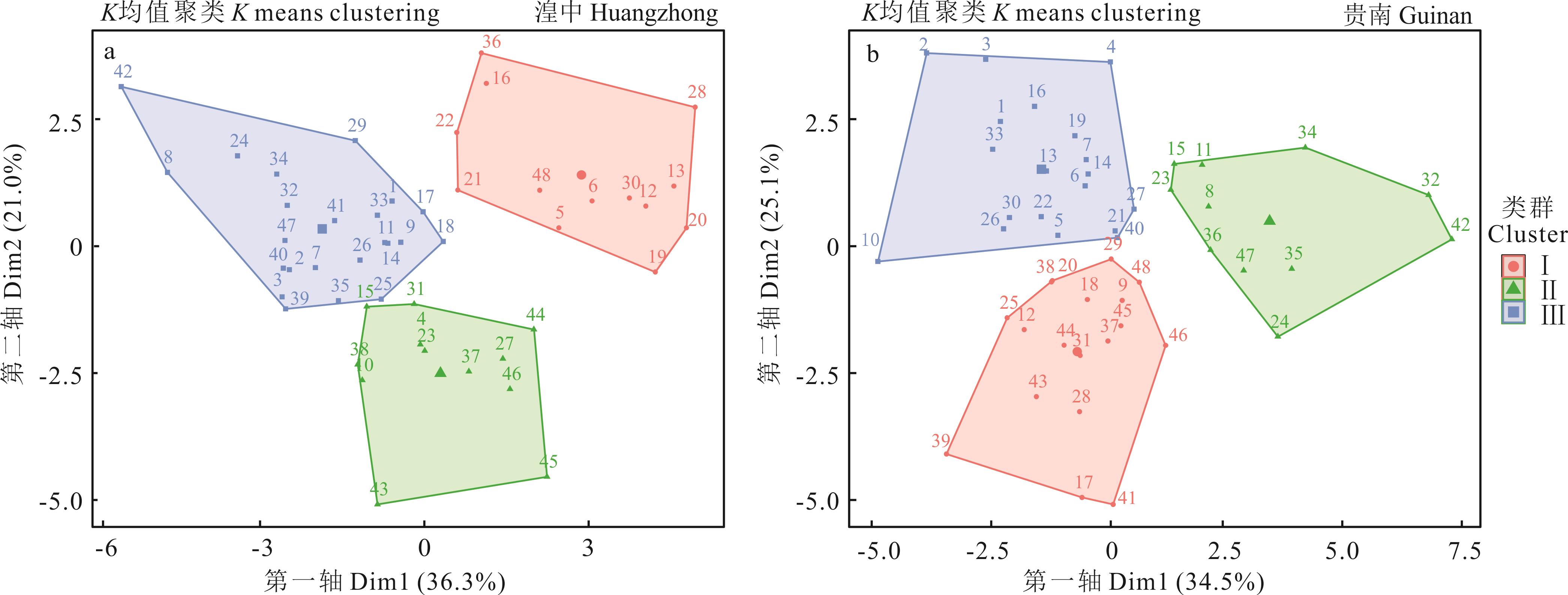
Fig.2 Cluster analysis of 48 oat germplasm
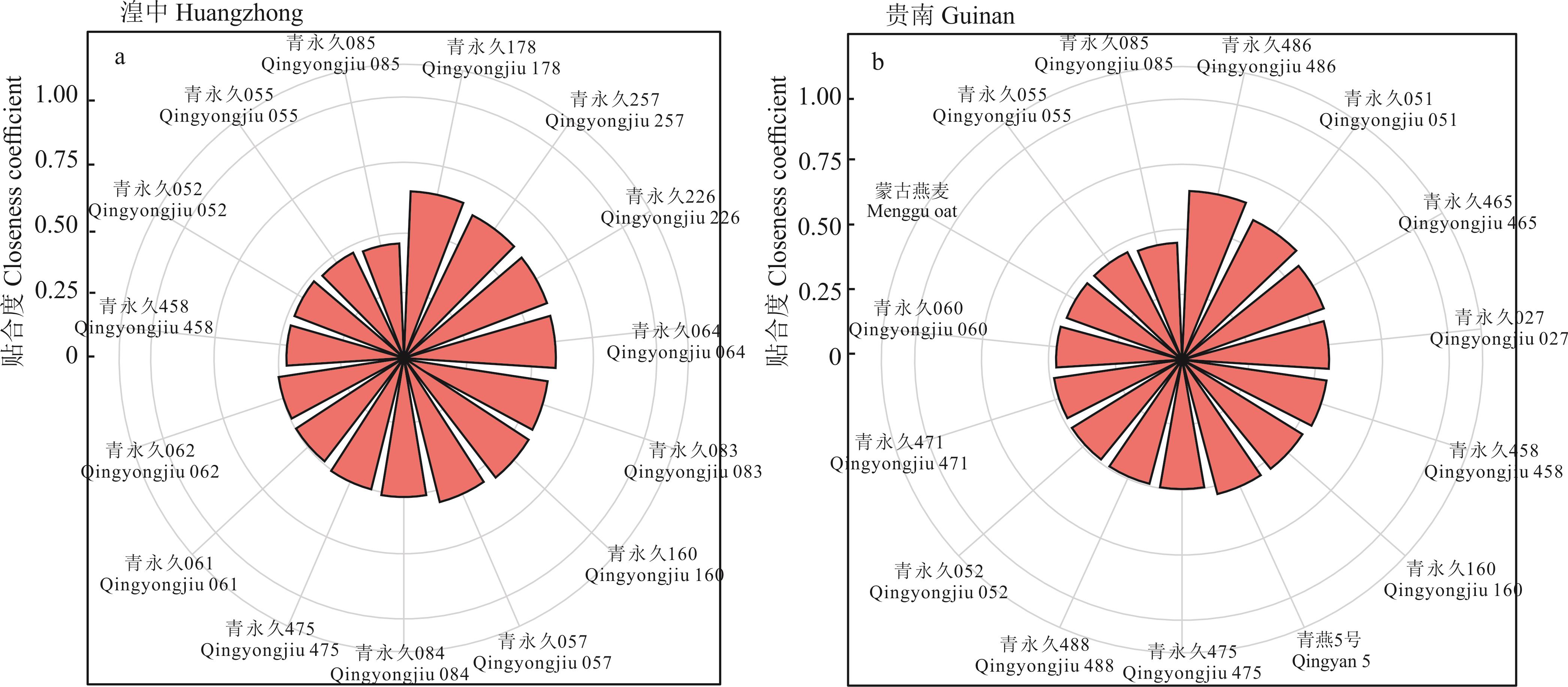
Fig.3 TOPSIS-based comprehensive evaluation of top 15 oat germplasms in two locations
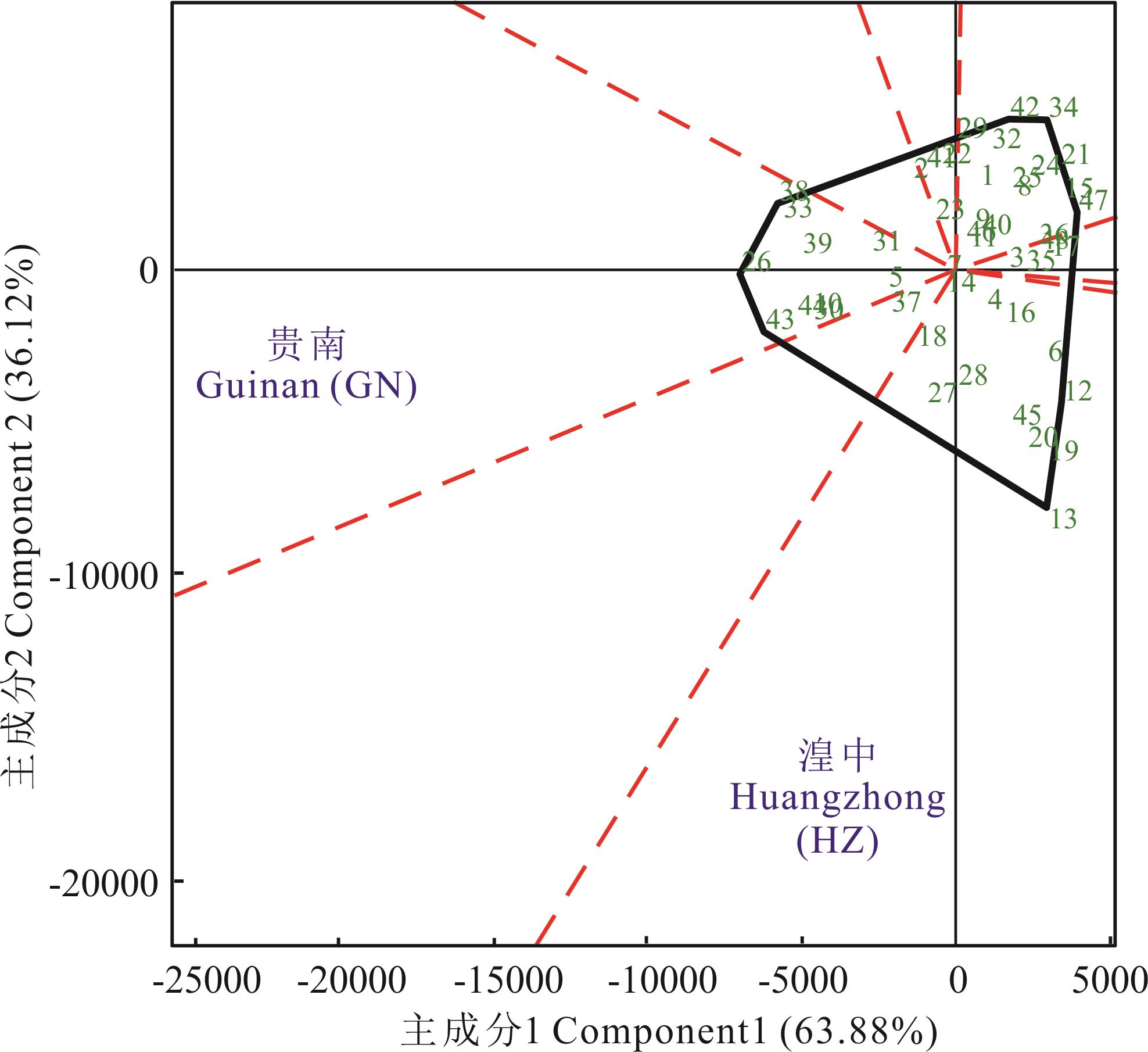
Fig.4 Adaptability analysis of hay yield in oat germplasm resources
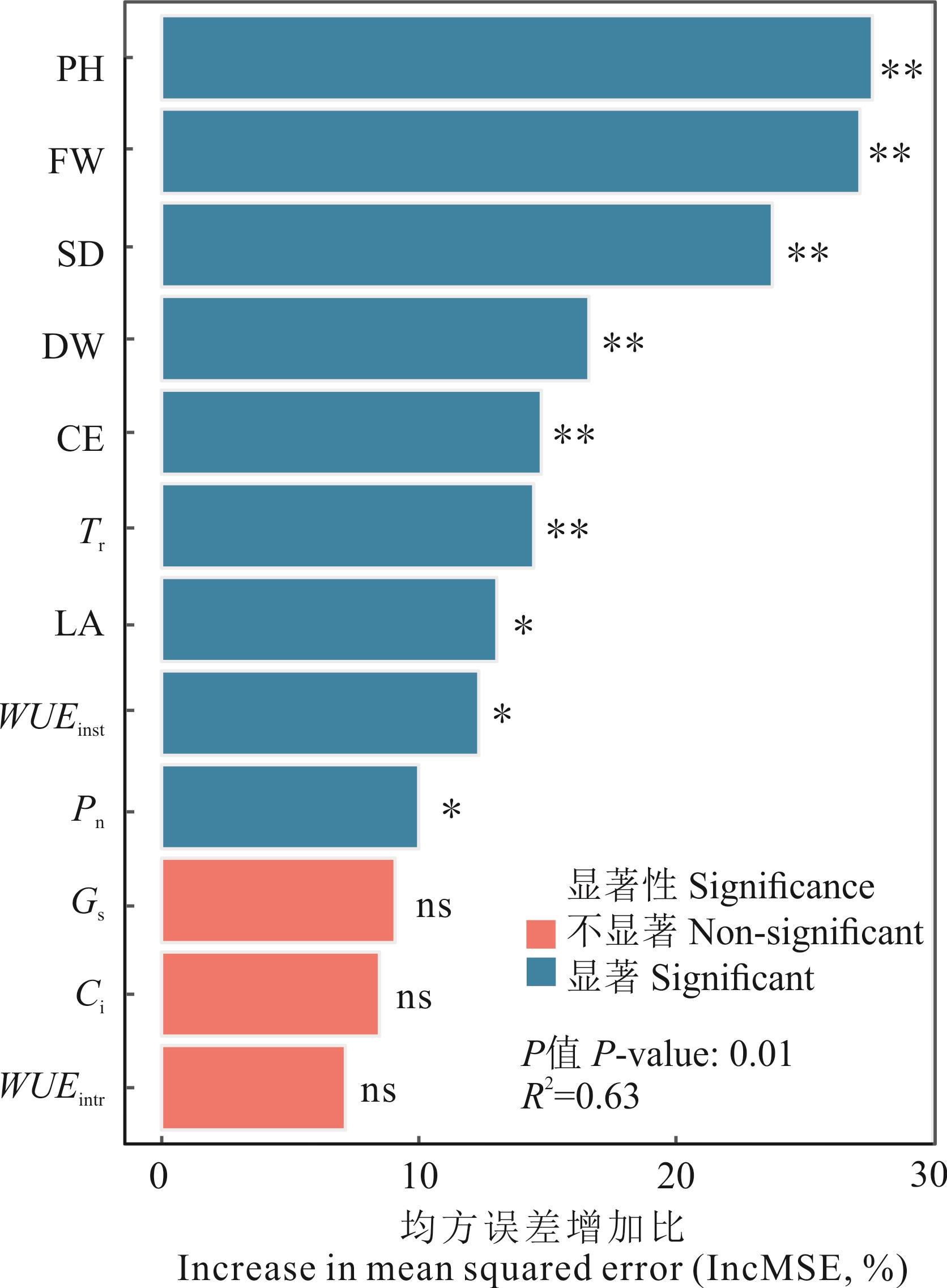
Fig.5 Random forest model linking relative feed value (RFV) to agronomic traits and photosynthetic parameters
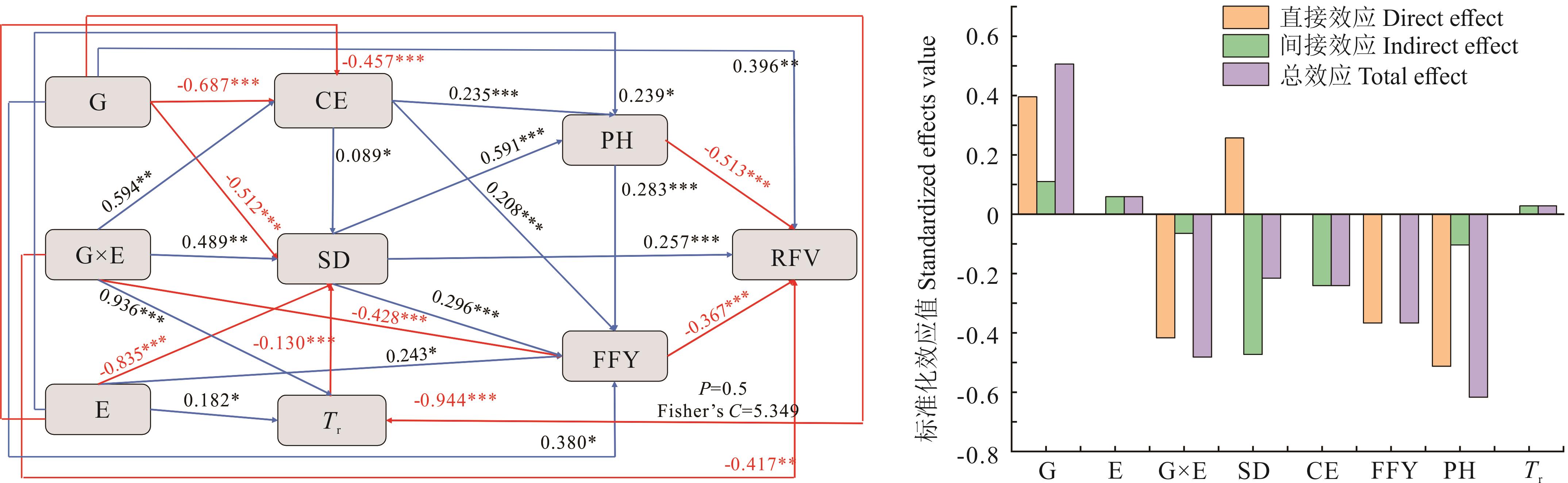
Fig.6 Structural equation modeling of the pathways and standardized effects of genotype and environment on relative feed value (RFV) in oat
| [1] | Li X M, Peng Y L, Yue J. Ecological management of degraded alpine pasture areas under the development of the tourism industry. Pratacultural Science, 2019, 36(5): 1435-1444. |
| 李祥妹, 彭元柳, 岳洁. 旅游产业发展背景下高寒牧区退化草地生态治理途径. 草业科学, 2019, 36(5): 1435-1444. | |
| [2] | Wang Y X, Zheng Q Y, Yan Z L, et al. Institutional transition of grassland property rights and its impact on animal husbandry under the background of climate changes-A case study from eastern Qinghai-Tibet Plateau. Pratacultural Science, 2015, 32(10): 1687-1694. |
| 王彦星, 郑群英, 晏兆莉, 等. 气候变化背景下草原产权制度变迁对畜牧业的影响—以青藏高原东缘牧区为例. 草业科学, 2015, 32(10): 1687-1694. | |
| [3] | Zhang B, Ren C Z. Advances in oat genomic research and molecular breeding. Chinese Bulletin of Botany, 2022, 57(6): 785-791. |
| 张波, 任长忠. 燕麦基因组学与分子育种研究进展. 植物学报, 2022, 57(6): 785-791. | |
| [4] | Ye X L, Gan Z, Wan Y, et al. Advances and perspectives in forage oat breeding. Acta Prataculturae Sinica, 2023, 32(2): 160-177. |
| 叶雪玲, 甘圳, 万燕, 等. 饲用燕麦育种研究进展与展望. 草业学报, 2023, 32(2): 160-177. | |
| [5] | Leiová-Svobodová L, Michel S, Tamm I, et al. Diversity and pre-breeding prospects for local adaptation in oat genetic resources. Sustainability, 2019, 11(24): 6950. |
| [6] | Boczkowska M, Zebrowski J, Nowosielski J, et al. Environmentally-related genotypic, phenotypic and metabolic diversity of oat (Avena sativa) landraces based on 67 Polish accessions. Genetic Resources and Crop Evolution, 2017, 64(8): 1829-1840. |
| [7] | Jiang H X, Bai S S, Wu B, et al. A multivariate evaluation of agronomic straits and forage quality of 22 oat varieties in the Huang-Huai-Hai area of China. Acta Prataculturae Sinica, 2021, 30(1): 140-149. |
| 姜慧新, 柏杉杉, 吴波, 等. 22个燕麦品种在黄淮海地区的农艺性状与饲草品质综合评价. 草业学报, 2021, 30(1): 140-149. | |
| [8] | Francisco J C C, Rispail N, Omar G T, et al. Drought resistance in oat involves ABA-mediated modulation of transpiration and root hydraulic conductivity. Environmental and Experimental Botany, 2021, 182(5): 104333. |
| [9] | Han L, Tang S S, Li J, et al. Construction of SNP high-density genetic map and localization of QTL for β-glucan content in oats. Acta Agronomica Sinica, 2024, 50(7): 1710-1718. |
| 韩丽, 汤胜胜, 李佳, 等. 燕麦SNP高密度遗传图谱构建及β-葡聚糖含量QTL定位. 作物学报, 2024, 50(7): 1710-1718. | |
| [10] | Tang Y L, Wang L, Wang H D, et al. Phenotypic diversity analysis and comprehensive evaluation of oat germplasms. Chinese Journal of Applied and Environmental Biology, 2024, 30(6): 1236-1244. |
| 唐有林, 王蕾, 王寒冬, 等. 燕麦种质资源表型多样性及综合评价. 应用与环境生物学报, 2024, 30(6): 1236-1244. | |
| [11] | Shi J J, Xue Y W, Guo W, et al. Evaluation of forage yield and nutritional value of introduced oat germplasm resources. Journal of Triticeae Crops, 2019, 39(9): 1063-1071. |
| 史京京, 薛盈文, 郭伟, 等. 引进燕麦种质资源饲草产量与饲用营养价值评价. 麦类作物学报, 2019, 39(9): 1063-1071. | |
| [12] | Zhang J. Identification and evaluation of saline-alkali tolerance of oat (Avena sativa) germplasm resources and functional research of related gene. Beijing: Chinese Academy of Agricultural Sciences, 2023. |
| 张静. 燕麦种质资源耐盐碱性鉴定评价及相关基因功能研究. 北京: 中国农业科学院, 2023. | |
| [13] | Yang F. Phenotypic traits and SSR & SNP molecular markers identification of oat germplasm. Beijing: Chinese Academy of Agricultural Sciences, 2022. |
| 杨帆. 燕麦种质资源表型性状和SSR及SNP分子标记鉴定. 北京: 中国农业科学院, 2022. | |
| [14] | Liu Y M. Oat cultivation techniques. Yunnan Agriculture, 2020(1): 86. |
| 刘云梅. 燕麦栽培技术. 云南农业, 2020(1): 86. | |
| [15] | Zheng D S, Wang X M, Zhang J. Description specification and data standard of oat germplasm resources. Beijing: China Agriculture Press, 2006. |
| 郑殿升, 王晓鸣, 张京. 燕麦种质资源描述规范和数据标准. 北京: 中国农业出版社, 2006. | |
| [16] | Linn J G, Martin N P. Forage quality analyses and interpretation. Veterinary Clinics of North America Food Animal Practice, 1991, 7(2): 509. |
| [17] | Li C J, Qin W, Xu C H, et al. Genetic variations and cluster analysis of photosynthetic gas exchange parameters in exotic sugarcane cultivars. Scientia Agricultura Sinica, 2018, 51(12): 2288-2299. |
| 李纯佳, 覃伟, 徐超华, 等. 国外引进甘蔗栽培品种的光合气体交换参数遗传差异与聚类分析. 中国农业科学, 2018, 51(12): 2288-2299. | |
| [18] | Nie B T, Liu D Q, Chen J, et al. Analysis and comprehensive evaluation of agronomic and quality traits of spring soybean varieties in northern China. Acta Agronomica Sinica, 2024, 50(9): 2248-2266. |
| 聂波涛, 刘德泉, 陈健, 等. 北方春大豆品种农艺和品质性状分析与综合评价. 作物学报, 2024, 50(9): 2248-2266. | |
| [19] | Wang H Y, Luo J J, Lian J L, et al. Comprehensive evaluation on yield and stability of winter wheat varieties in Xinjiang areas based on GGE double-plotted map. Seed, 2024, 43(6): 105-112. |
| 王贺亚, 罗静静, 连金龙, 等. 基于GGE双标图对新疆地区冬小麦品种丰产性和稳定性综合评价. 种子, 2024, 43(6): 105-112. | |
| [20] | Wei S W, Yang H, Zhang Q R, et al. The diversity of lettuce resource based on the analysis of phenotypic traits. Journal of Plant Genetic Resources, 2016, 17(5): 871-876. |
| 魏仕伟, 杨华, 张前荣, 等. 基于表型性状的叶用莴苣资源多样性分析. 植物遗传资源学报, 2016, 17(5): 871-876. | |
| [21] | Liu Y, Chen T, Zhang J, et al. Genetic diversity analysis of Chinese cherry landraces (Prunus pseudocerasus) based on phenotypic traits. Acta Horticulturae Sinica, 2016, 43(11): 2119-2132. |
| 刘胤, 陈涛, 张静, 等. 中国樱桃地方种质资源表型性状遗传多样性分析. 园艺学报, 2016, 43(11): 2119-2132. | |
| [22] | Zhang J C, Xu Q J, Zhang Y Q, et al. Analysis of photosynthetic physiology and genetic diversity in spring wheat varieties from Xinjiang over the past 40 years. Agricultural Research in the Arid Areas, 2025, 43(2): 13-21. |
| 张景灿, 徐其江, 张永强, 等. 新疆近40年春小麦品种光合生理遗传多样性分析. 干旱地区农业研究, 2025, 43(2): 13-21. | |
| [23] | Bai X H, Chen W Y, Li Q, et al. Seed germination and seedling growth characteristics of Glycyrrhiza uralensis from different provenances. Acta Prataculturae Sinica, 2025, 34(7): 196-209. |
| 白小红, 陈文燕, 李琴, 等. 不同种源乌拉尔甘草种子萌发及幼苗生长比较研究. 草业学报, 2025, 34(7): 196-209. | |
| [24] | Xu G C, Luo W B, Li H W, et al. Screening for genetic variation in photosynthesis and high photosynthetic efficiency germplasm in potato. Acta Horticulturae Sinica, 2021, 48(11): 2239-2250. |
| 许国春, 罗文彬, 李华伟, 等. 马铃薯叶片光合效率遗传变异分析及高光效种质筛选. 园艺学报, 2021, 48(11): 2239-2250. | |
| [25] | Yan F, Dong Y, Zhao F Y, et al. Comprehensive evaluation of photosynthetic performance of foxtail millet varieties and screening of high photosynthetic efficiency varieties. Journal of Henan Agricultural Sciences, 2024, 53(5): 40-48. |
| 闫锋, 董扬, 赵富阳, 等. 谷子品种光合性能综合评价及高光效品种筛选. 河南农业科学, 2024, 53(5): 40-48. | |
| [26] | Zhu L Y, Yang Q H, Liu Y X, et al. Correlation analysis between photosynthetic characteristics and agronomic traits of wild and cultivated oats during filling process. Crops: 1-9. [2025-08-01]. https://link.cnki.net/urlid/11.1808.S.20250409.1124.012. |
| 朱柃羽, 杨乔惠, 刘亦迅, 等. 野生和栽培燕麦在灌浆过程的光合特性与农艺性状的相关性分析. 作物杂志: 1-9. [2025-08-01]. https://link.cnki.net/urlid/11.1808.S.20250409.1124.012. | |
| [27] | Cheng H Q, Hou Q Q, Zhu M, et al. Effects of climate change and crop rotation system on forage oats yield in northern Shanxi Province. Acta Agronomica Sinica, 2024, 50(10): 2599-2613. |
| 成华强, 侯青青, 朱敏, 等. 气候变化与轮作制度对晋北饲用燕麦产草量的影响. 作物学报, 2024, 50(10): 2599-2613. | |
| [28] | Liang G L, Liu W H, Zhou Q P. Study on photosynthetic characteristics and production performance of I-D oat strain and their parents in the Alpine regions. Chinese Journal of Grassland, 2017, 39(4): 15-21, 80. |
| 梁国玲, 刘文辉, 周青平. 高寒区燕麦I-D新品系与亲本光合特性和生产性能研究. 中国草地学报, 2017, 39(4): 15-21, 80. | |
| [29] | Zhou Q, Lu Q M, Zhao Z C, et al. Identification of drought resistance of 244 spring wheat varieties at seedling stage. Scientia Agricultura Sinica, 2024, 57(9): 1646-1663. |
| 周全, 路秋梅, 赵张晨, 等. 244份春小麦苗期抗旱性的鉴定. 中国农业科学, 2024, 57(9): 1646-1663. | |
| [30] | Bai Y X, Zheng X Q, Yao Y H, et al. Genetic diversity analysis and comprehensive evaluation of phenotypic traits in hulless barley germplasm resources. Scientia Agricultura Sinica, 2019, 52(23): 4201-4214. |
| 白羿雄, 郑雪晴, 姚有华, 等. 青稞种质资源表型性状的遗传多样性分析及综合评价. 中国农业科学, 2019, 52(23): 4201-4214. | |
| [31] | Zhao J, Wang X F, Zhang Y L, et al. Identification of salt tolerance at germination and seedling stage of different rice cultivars. Jiangsu Agricultural Sciences, 2024, 52(23): 55-59. |
| 赵杰, 王晓风, 张余良, 等. 不同水稻品种萌发期与幼苗期耐盐性鉴定. 江苏农业科学, 2024, 52(23): 55-59. | |
| [32] | Liu W J, Jiang F Z, Qi K B, et al. Effects of different fertilization and sowing amounts on vegetation restoration and soil quality in alpine mining areas and comprehensive evaluation. Acta Prataculturae Sinica, 2025, 34(5): 27-39. |
| 刘文谨, 蒋福祯, 祁凯斌, 等. 不同施肥量和播种量对高寒矿区植被恢复和土壤质量的影响及综合评价. 草业学报, 2025, 34(5): 27-39. | |
| [33] | Wang X J, Wang J L, Ju Z L, et al. Comprehensive evaluation on production performance and nutritional quality of different varieties of forage oat in the Qinghai Lake area. Scientia Agricultura Sinica, 2024, 57(19): 3730-3742. |
| 王小军, 王金兰, 琚泽亮, 等. 环青海湖地区不同饲用燕麦品种生产性能和营养品质综合评价. 中国农业科学, 2024, 57(19): 3730-3742. | |
| [34] | Wang J L, Wang X J, Liu Q L, et al. A multi-trait evaluation of production performance and nutritional quality of different oat varieties in the Sanjiangyuan area. Acta Prataculturae Sinica, 2024, 33(10): 83-95. |
| 王金兰, 王小军, 刘启林, 等. 不同燕麦品种在三江源区的生产性能和营养品质综合评价. 草业学报, 2024, 33(10): 83-95. | |
| [35] | Hui J F, Wei K Q, Sun Y L, et al. Response of alfalfa hay yield and nutritional quality to altitude in the Yili River basin. Acta Prataculturae Sinica, 2025, 34(10): 41-50. |
| 回金峰, 魏孔钦, 孙延亮, 等. 伊犁河流域紫花苜蓿干草产量和营养品质对海拔高度的响应. 草业学报, 2025, 34(10): 41-50. | |
| [36] | Gowda K H, Chauhan V B S, Nedunchezhiyan M, et al. Genotype×environment interaction analysis and simultaneous selection using AMMI, BLUP, GGE biplot and MTSI under drought condition in sweet potato. Journal of Soil Science and Plant Nutrition, 2025, 25(2): 3797-3814. |
| [37] | Yu B, Yang H Y, Wang L, et al. Genetic diversity analysis and comprehensive assessment of phenotypic traits in introduced potato germplasm resources in arid and semi-arid area. Acta Agronomica Sinica, 2018, 44(1): 63-74. |
| 余斌, 杨宏羽, 王丽, 等. 引进马铃薯种质资源在干旱半干旱区的表型性状遗传多样性分析及综合评价. 作物学报, 2018, 44(1): 63-74. | |
| [38] | Zhao M Y, Feng Y P, Shi Y, et al. Yield and quality properties of silage maize and their influencing factors in China. Science China-Life Sciences, 2022, 65(8): 1655-1666. |
| [39] | Chen M M. Analysis of genetic diversity and nutritional value of oat germplasm resources. Changchun: Northeast Normal University, 2024. |
| 陈明明. 燕麦种质资源遗传多样性与营养价值分析. 长春: 东北师范大学, 2024. |
| [1] | Shao-yan YUAN, Yuan-kun LIU, Shi-jie CAI, Ting-xin LEI, Ping-ping ZHOU, Jun-zhen WANG, Hong-hai YAN. Comprehensive evaluation of the salt tolerance of diverse oat germplasm at the seedling stage [J]. Acta Prataculturae Sinica, 2026, 35(6): 49-59. |
| [2] | Yu-lin NIU, Ming-fang BAO, Wen-hu WANG, Xin CHEN, Kai-qiang LIU, Wen-hui LIU, Yan QIN. A multivariate evaluation of agronomic traits, yield and seed production in ten accessions of Bromus inermis from the Three-River-Source Region [J]. Acta Prataculturae Sinica, 2026, 35(6): 83-92. |
| [3] | Yue-qi LI, Tao MA, Yu-ping DING, Ming SU, Tao LI, Xiao-ying MA, Feng-lan MA, Meng-hu WAN, Qing-yun LI, Dan ZHANG, Na WU, Ji-li LIU. Adaptation of maize varieties in saline and alkaline land in Ningxia based on growth-nutrient accumulation-yield synergistic regulation [J]. Acta Prataculturae Sinica, 2026, 35(6): 93-107. |
| [4] | Chao-rong LIU, Yong-cheng CHEN, Ying CHEN, Xu-dong ZHANG, Tian-yu HU, Li-he SU, Fan-fan ZHANG, Xu-zhe WANG, Kun YAO, Chun-hui MA. Differences in saline-alkali tolerance of five Leymus chinensis cultivars grown in saline-alkali soil from Xinjiang [J]. Acta Prataculturae Sinica, 2026, 35(4): 29-41. |
| [5] | Yi-xin LIU, Xiao-qing SUI, Xin-yao WANG, Meng-qing LANG, Ling-zi-yin SUN, Er-ge JIER. Mitigating effects of exogenous melatonin on alfalfa under salt stress [J]. Acta Prataculturae Sinica, 2025, 34(9): 206-214. |
| [6] | Xiao-hong BAI, Wen-yan CHEN, Qin LI, Yi-xuan WANG, Xue ZHANG, Lei WANG, Wen-jie QU, Lin ZHU. Seed germination and seedling growth characteristics of Glycyrrhiza uralensis from different provenances [J]. Acta Prataculturae Sinica, 2025, 34(7): 196-209. |
| [7] | Li-li MA, Fu-zhen JIANG, Yu-shou MA, Kai-bin QI, Shun-bin JIA, Zheng-peng LI. Effect of particle size ratio, fertilizer application amount, and seeding rate combinations coal gangue matrix properties in restoration of a mining area [J]. Acta Prataculturae Sinica, 2025, 34(3): 71-84. |
| [8] | Wen-hu WANG, Guo-ling LIANG, Wen-hui LIU, Feng-yu WANG, Wen LI. Comprehensive evaluation of agronomic traits and yield of eight Elymus sibiricus varieties in the Qinghai-Tibet Plateau [J]. Acta Prataculturae Sinica, 2025, 34(2): 123-132. |
| [9] | Gui FU, Yu-ping LIU, Xu SU, Rong-ju QU, Cairangzhaxi. Population genetic diversity and genetic structure analysis of Littledalea przevalskyi based on SSR molecular marker [J]. Acta Prataculturae Sinica, 2025, 34(12): 170-182. |
| [10] | Ye-xin LYU, Mao YE, Jiao-rong QIAN, Wei-long CHEN, Jing CHE, Miao-miao LI, Guo-yan ZENG. Biodiversity and phylogenetic diversity of grasslands in the Habahe forest area of Xinjiang and analysis of the influencing factors [J]. Acta Prataculturae Sinica, 2025, 34(12): 50-61. |
| [11] | Xian-fang ZHANG, Gang NIE, Si-yuan HUANG, Shuai YU, Su-tian ZUO, Xin-quan ZHANG. Identification of hybrids and analysis of phenotypic variation in the F1 generation of Pennisetum purpureum based on SSR markers [J]. Acta Prataculturae Sinica, 2025, 34(11): 114-124. |
| [12] | Min WANG, Li LI, Rong JIA, Ai-ke BAO. Evaluation of physiological characteristics and cold resistance of 10 alfalfa varieties under low temperature stress [J]. Acta Prataculturae Sinica, 2024, 33(6): 76-88. |
| [13] | Ying LUO, Cong LI, Pei WANG, Li-hua TIAN, Hui WANG, Qing-ping ZHOU, Ying-xia LEI. Responses of different oat cultivars to low-nitrogen stress [J]. Acta Prataculturae Sinica, 2024, 33(2): 164-184. |
| [14] | Yong-liang ZHANG, Ze TENG, Feng HAO, Tie-feng YU, Yu-xia ZHANG. Effects of different mixed sowing patterns and sowing ratios of alfalfa on grassland productivity and community stability in grass-legume mixtures [J]. Acta Prataculturae Sinica, 2024, 33(2): 185-197. |
| [15] | Jin-lan WANG, Xiao-jun WANG, Qi-lin LIU, Guo-ling LIANG, Ze-liang JU, Hong-mei SHI, Xiao-bing WANG, Pei WEN, Qingmeiranding, Wen LI. A multi-trait evaluation of production performance and nutritional quality of different oat varieties in the Sanjiangyuan area [J]. Acta Prataculturae Sinica, 2024, 33(10): 83-95. |
| Viewed | ||||||
|
Full text |
|
|||||
|
Abstract |
|
|||||
