
ISSN 1004-5759 CN 62-1105/S
Acta Prataculturae Sinica ›› 2025, Vol. 34 ›› Issue (4): 201-211.DOI: 10.11686/cyxb2024157
Tuo-xuan DONG1,2( ), Xun-feng CHEN1,2, Da-hai MEI1,2, Yong-sha GUO1,2, Xu-hong WEI1,2, Qiu-yan SONG1,2()
Received:2024-04-30
Revised:2024-07-29
Online:2025-04-20
Published:2025-02-19
Contact:
Qiu-yan SONG
Tuo-xuan DONG, Xun-feng CHEN, Da-hai MEI, Yong-sha GUO, Xu-hong WEI, Qiu-yan SONG. Inhibition and control effect of nano-iron and copper on Ascochyta medicaginicola and spring black stem disease[J]. Acta Prataculturae Sinica, 2025, 34(4): 201-211.
浓度 Concentration (mg·L-1) | 马铃薯 Potatoes (g) | 无水葡萄糖 Anhydrous glucose (g) | 琼脂 Agar (g) | 纳米材料悬浮液 Nanomaterial suspension (1000 mg·L-1, mL) | 无菌水 Sterile water (mL) |
|---|---|---|---|---|---|
| 0(空白CK) | 4.0 | 0.4 | 0.4 | 0 | 20.0 |
| 25 | 4.0 | 0.4 | 0.4 | 8.0 | 12.0 |
| 50 | 4.0 | 0.4 | 0.4 | 4.0 | 16.0 |
| 100 | 4.0 | 0.4 | 0.4 | 2.0 | 18.0 |
| 200 | 4.0 | 0.4 | 0.4 | 1.0 | 19.0 |
| 400 | 4.0 | 0.4 | 0.4 | 0.5 | 19.5 |
Table 2 Formulations of Cu NPs medium with different concentration gradients
浓度 Concentration (mg·L-1) | 马铃薯 Potatoes (g) | 无水葡萄糖 Anhydrous glucose (g) | 琼脂 Agar (g) | 纳米材料悬浮液 Nanomaterial suspension (1000 mg·L-1, mL) | 无菌水 Sterile water (mL) |
|---|---|---|---|---|---|
| 0(空白CK) | 4.0 | 0.4 | 0.4 | 0 | 20.0 |
| 25 | 4.0 | 0.4 | 0.4 | 8.0 | 12.0 |
| 50 | 4.0 | 0.4 | 0.4 | 4.0 | 16.0 |
| 100 | 4.0 | 0.4 | 0.4 | 2.0 | 18.0 |
| 200 | 4.0 | 0.4 | 0.4 | 1.0 | 19.0 |
| 400 | 4.0 | 0.4 | 0.4 | 0.5 | 19.5 |
| 处理方式Treatment | 接种顺序Vaccination sequence |
|---|---|
| 空白CK | 无菌水Sterile water (5 mL)→无菌水Sterile water (5 mL) |
| 接菌Fungal inoculation | 孢子悬浮液Spore suspensions (5 mL)→无菌水Sterile water (5 mL) |
| 先注射菌→再注射纳米铜Inoculation of fungi→reinoculation with Cu NPs | 孢子悬浮液Spore suspensions (5 mL)→纳米铜悬浮液Cu NPs suspension (5 mL) |
| 先注射纳米铜→再注射菌Inoculation of Cu NPs→reinoculation with fungi | 纳米铜悬浮液Cu NPs suspension (5 mL)→孢子悬浮液Spore suspensions (5 mL) |
Table 3 Blade treatment
| 处理方式Treatment | 接种顺序Vaccination sequence |
|---|---|
| 空白CK | 无菌水Sterile water (5 mL)→无菌水Sterile water (5 mL) |
| 接菌Fungal inoculation | 孢子悬浮液Spore suspensions (5 mL)→无菌水Sterile water (5 mL) |
| 先注射菌→再注射纳米铜Inoculation of fungi→reinoculation with Cu NPs | 孢子悬浮液Spore suspensions (5 mL)→纳米铜悬浮液Cu NPs suspension (5 mL) |
| 先注射纳米铜→再注射菌Inoculation of Cu NPs→reinoculation with fungi | 纳米铜悬浮液Cu NPs suspension (5 mL)→孢子悬浮液Spore suspensions (5 mL) |

Fig.1 Mycelial growth after treatment with different nanomaterials on 9th day

Fig.2 Diameter of mycelium growth after treatment with different nanomaterials
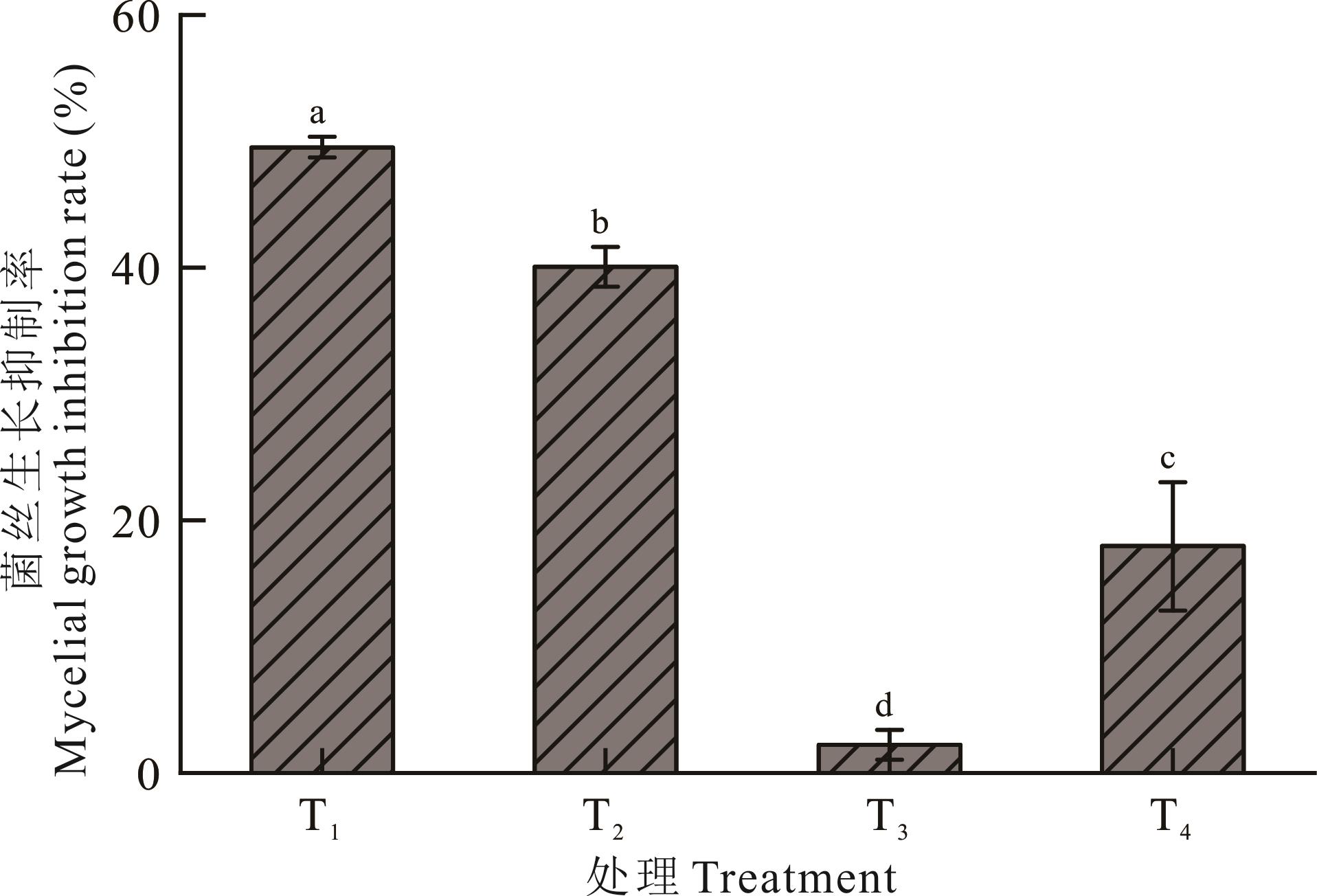
Fig.3 Inhibition rate of mycelial growth of different nanomaterials on 9th day

Fig.4 Mycelial growth after treatment with different concentrations of Cu NPs on 9th day

Fig.5 Diameter of mycelium after treatment with different concentrations of Cu NPs
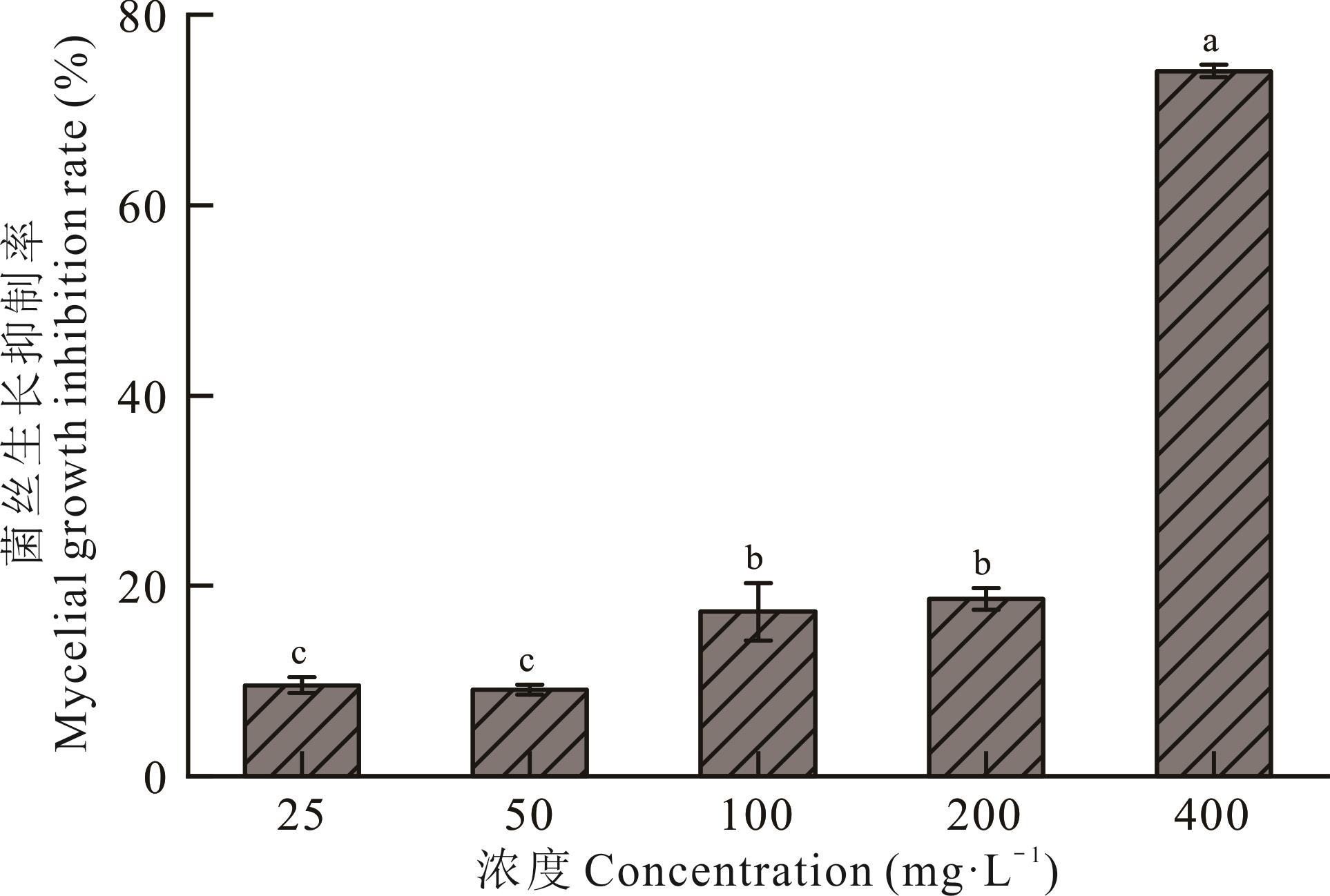
Fig.6 Inhibition rate of mycelial growth of Cu NPs at different concentrations on 9th day

Fig.7 Fitting curves of growth inhibition rate of Cu NPs hyphae at different concentrations on 9th day
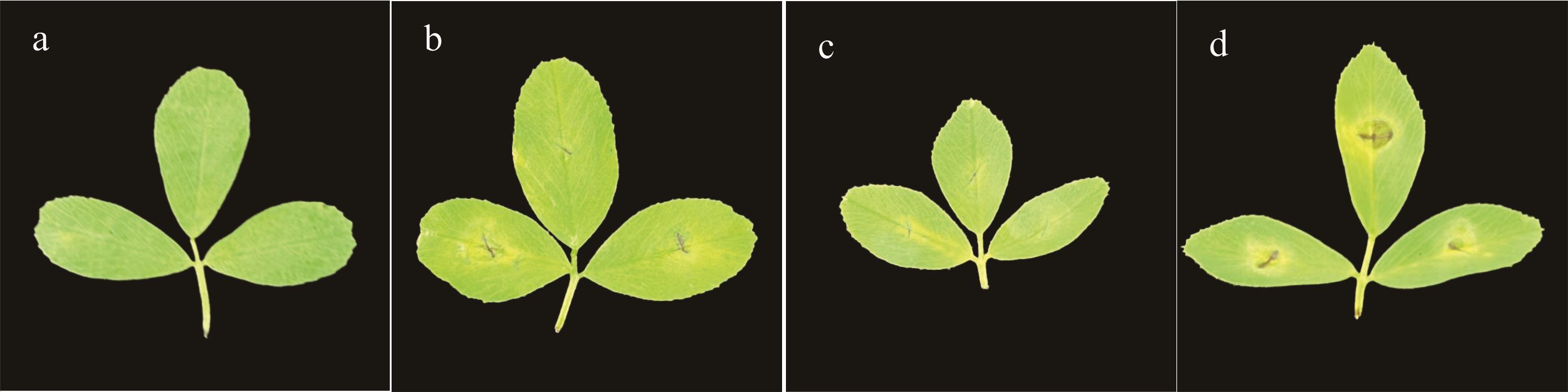
Fig.8 Leaf lesions under different treatments
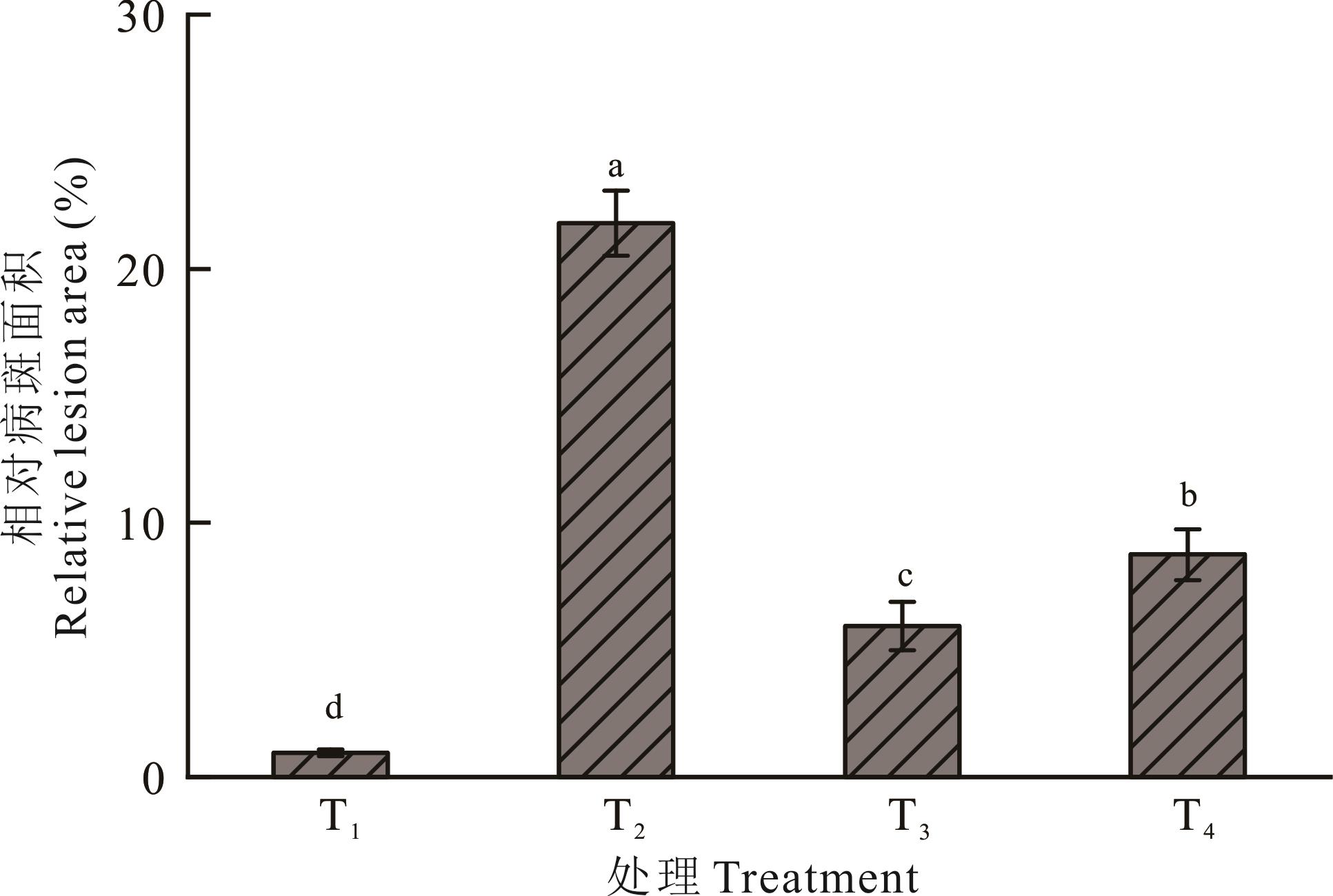
Fig.9 Relative lesion area of leaves under different treatments
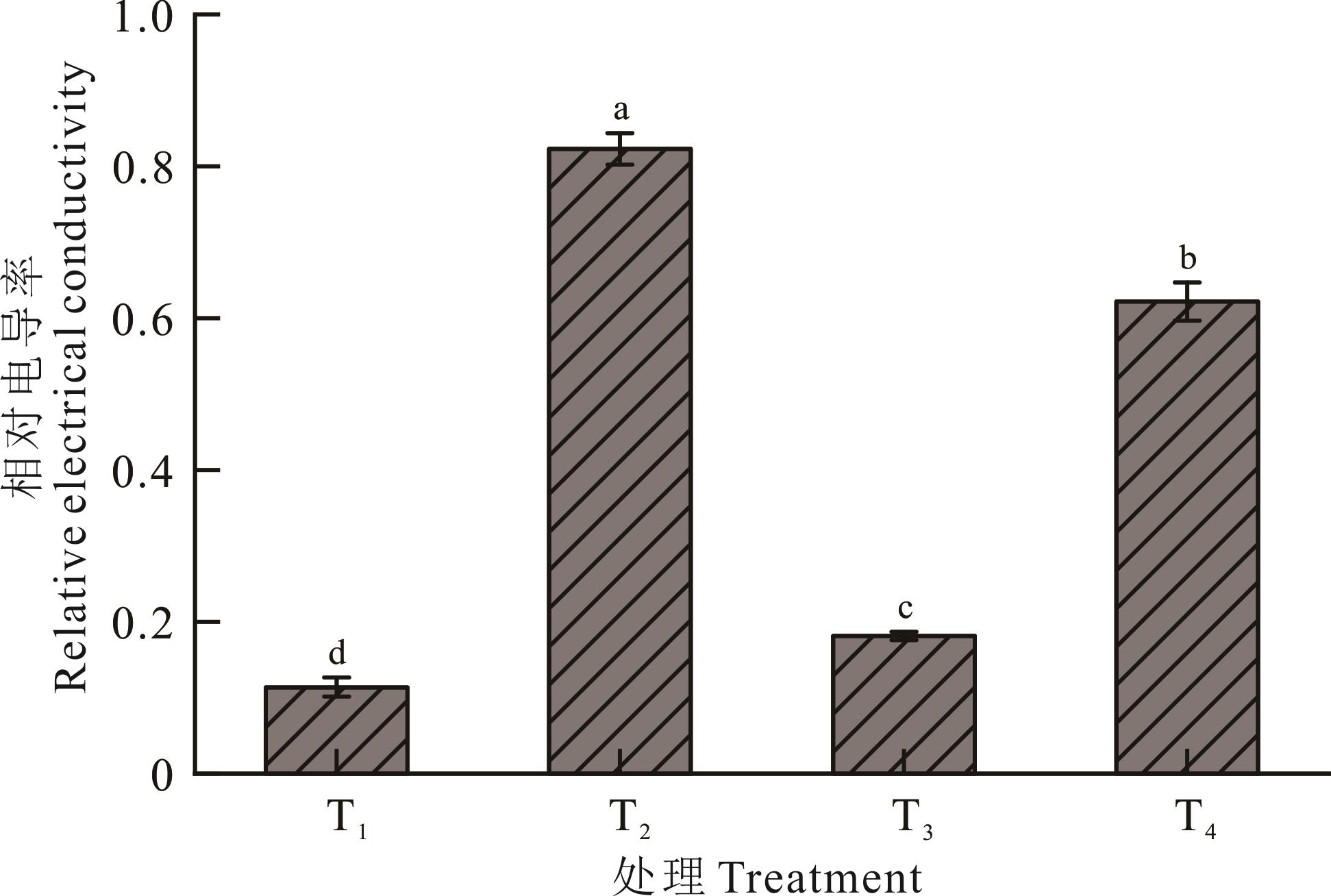
Fig.10 Relative conductivity of blades under different treatments

Fig.11 Superoxide dismutase (SOD), L-phenylalanine ammonia-lyase (PAL), catalase (CAT), polyphenol oxidase (PPO), peroxidase (POD) enzyme activity in leaves under different treatments
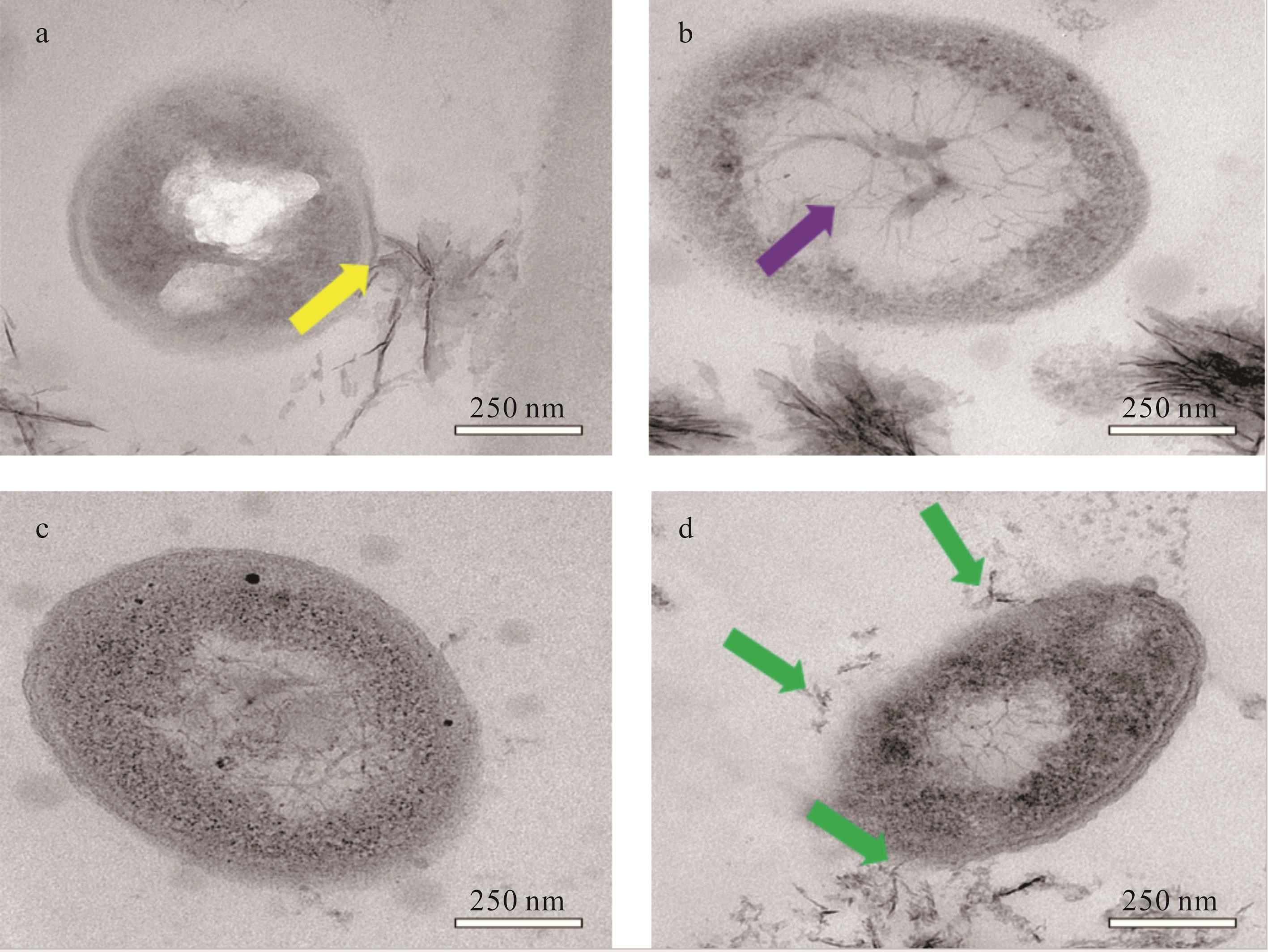
Fig.12 Transmission electron microscopy (TEM) images of A. medicaginicola spores of inoculated leaves under different treatments

Fig.13 Chloroplast transmission electron microscopy (TEM) images of inoculated leaves under different treatments
| 1 | Nan Z B. Alfalfa diseases and integrated disease prevention and control system in China. Animal Science and Veterinary Medicine, 2001, 18(4): 81-84. |
| 南志标. 我国的苜蓿病害及其综合防治体系. 动物科学与动物医学, 2001, 18(4): 81-84. | |
| 2 | Song Y Y. Evaluation of the resistance of forty varieties of alfalfa to stem and leaf fungal diseases. Lanzhou: Lanzhou University, 2016. |
| 宋雨阳. 紫花苜蓿40个品种对茎叶真菌病害的抗性评价. 兰州: 兰州大学, 2016. | |
| 3 | Fan Q. Study on pathogenic mechanism of Phoma medicaginis on alfalfa. Lanzhou: Lanzhou University, 2019. |
| 樊秦. 苜蓿茎点霉对苜蓿的致病机理研究. 兰州: 兰州大学, 2019. | |
| 4 | Chen C, Wu C. Research progress of green synthesis of nanoparticle and its application in agricultural science. China Vegetables, 2022(11): 32-43. |
| 陈城, 吴楚. 纳米颗粒的绿色合成及其在农业上的应用研究进展. 中国蔬菜, 2022(11): 32-43. | |
| 5 | Sun P B, Wang Z J, Ge G T, et al. Effects of nano-selenium spraying on yield, nutritional quality, and selenium content of alfalfa. Chinese Journal of Grassland, 2023, 45(8): 79-87. |
| 孙鹏波, 王志军, 格根图, 等. 喷施纳米硒对紫花苜蓿产量、营养品质和硒含量的影响. 中国草地学报, 2023, 45(8): 79-87. | |
| 6 | Shenashen M, Derbalah A, Hamza A, et al. Recent trend in controlling root rot disease of tomato caused by Fusarium solani using alumina silica nanoparticles. International Journal of Advanced Research in Biological Sciences, 2017, 4(6): 105-119. |
| 7 | Jothirethinam A, Prathiba S, Shanthi N, et al. Green synthesized silver nanoparticles prepared from the antimicrobial crude extracts of two brown seaweeds against plant pathogens. American Journal of Nanotechnology, 2015, 6(2): 31-39. |
| 8 | Bonjar G, Aghighi S, Khatami M, et al. In vitro and in vivo antifungal properties of silver nanoparticles against Rhizoctonia solani, a common agent of rice sheath blight disease. IET Nanobiotechnology, 2017, 11(3): 236-240. |
| 9 | Kaur P, Thakur R, Duhan S J, et al. Management of wilt disease of chickpea in vivo by silver nanoparticles biosynthesized by rhizospheric microflora of chickpea (Cicer arietinum). Journal of Chemical Technology & Biotechnology, 2018, 93(11): 3233-3243. |
| 10 | Hyunho K, Wade E, Yu S, et al. Silica nanoparticle dissolution rate controls the suppression of Fusarium wilt of watermelon (Citrullus lanatus). Environmental Science & Technology, 2021, 55(20): 13513-13522. |
| 11 | Barik T, Sahu B, Swain V. Nanosilica-from medicine to pest control. Parasitology Research, 2008, 103(2): 253-258. |
| 12 | Shivanand K I, Ahmad T S, Ahmad N B, et al. Copper nanoparticles: Green synthesis and managing fruit rot disease of chilli caused by Colletotrichum capsici. Saudi Journal of Biological Sciences, 2020, 28(2): 1477-1486. |
| 13 | Chen J N, Wu L T, Song K, et al. Nonphytotoxic copper oxide nanoparticles are powerful “nanoweapons”that trigger resistance in tobacco against the soil-borne fungal pathogen Phytophthora nicotianae. Journal of Integrative Agriculture, 2022, 21(11): 3245-3262. |
| 14 | Mazhar M W, Ishtiaq M, Hussain I, et al. Seed nano-priming with zinc oxide nanoparticles in rice mitigates drought and enhances agronomic profile. PLoS One, 2022, 17(3): e0264967. |
| 15 | Rosa-García S C D, Martínez-Torres P, Gómez-Cornelio S, et al. Antifungal activity of ZnO and MgO nanomaterials and their mixtures against Colletotrichum gloeosporioides strains from tropical fruit. Journal of Nanomaterials, 2018, 2018(1): 1-9. |
| 16 | Yuan Q H. Advances in alfalfa diseases in China. Plant Protection, 2007, 33(1): 6-10. |
| 袁庆华. 我国苜蓿病害研究进展. 植物保护, 2007, 33(1): 6-10. | |
| 17 | Mohammadi M, Kazemi H. Changes in peroxidase and polyphenol oxidase activities in susceptible and resistant wheat heads inoculated with Fusarium graminearum and induced resistance. Plant Science, 2002, 162(4): 491-498. |
| 18 | Ashraf H, Anjum T, Riaz S, et al. Inhibition mechanism of green-synthesized copper oxide nanoparticles from Cassia fistula towards Fusarium oxysporum by boosting growth and defense response in tomatoes. Environmental Science: Nano, 2021, 8(6): 1729-1748. |
| 19 | Baka Z A, Zahed M M. Antifungal activity of silver/silicon dioxide nanocomposite on the response of faba bean plants (Vicia faba L.) infected by Botrytis cinerea. Bioresources and Bioprocessing, 2022, 9(1): 102. |
| 20 | Yan P X, Zhu Y, Wu Z G, et al. Elementary substance nano powder material with core-shell structure, preparation method thereof and application thereof in agriculture: 2020110708074, 2021-02-02. |
| 闫鹏勋, 祝英, 吴志国, 等. 具有核壳结构的单质纳米粉体材料及其制备方法和在农业上的应用. 中国专利: 2020110708074, 2021-02-02. | |
| 21 | Jo Y K, Kim B H, Jung G. Antifungal activity of silver ions and nanoparticles on phytopathogenic fungi. Plant Disease, 2009, 93(10): 1037-1043. |
| 22 | Devipriya D, Roopan S M. Cissus quadrangularis mediated ecofriendly synthesis of copper oxide nanoparticles and its antifungal studies against Aspergillus niger, Aspergillus flavus. Materials Science and Engineering, 2017, 80(12): 38-44. |
| 23 | Djebali N, Mhadhbi H, Jacquet C, et al. Involvement of hydrogen peroxide, peroxidase and superoxide dismutase in response of Medicago truncatula lines differing in susceptibility to Phoma medicaginis infection. Journal of Phytopathology, 2007, 155(10): 633-640. |
| 24 | Arciniegas-Grijalba P, Patiño-Portela M, Mosquera-Sánchez L, et al. ZnO-based nanofungicides: Synthesis, characterization and their effect on the coffee fungi Mycena citricolor and Colletotrichum sp. Materials Science & Engineering C, 2019, 98(5): 808-825. |
| 25 | Wang H F, Gu L R, Li Y, et al. Unique aggregation of anthrax (Bacillus anthracis) spores by sugar-coated single-walled carbon nanotubes. Journal of the American Chemical Society, 2006, 128(41): 13364-13365. |
| 26 | Bamford C V, Nobbs A H, Barbour M E, et al. Functional regions of Candida albicans hyphal cell wall protein Als3 that determine interaction with the oral bacterium Streptococcus gordonii. Microbiology, 2015, 161(1): 18-29. |
| [1] | Tian-rong LUO, Jian-zhi MA, Ming-yang DU, Jie-cuo DUO, Hui-yan XIONG, Rui-jun DUAN. Identification and expression analysis of LACS gene family members in Medicago sativa [J]. Acta Prataculturae Sinica, 2025, 34(4): 124-136. |
| [2] | Bo YAO, Rui-fen ZHU, Yuan-dong XU, Wan-bin SUN, Chang LIU, Ji-shan CHEN. Effect of biocontrol agents to control forage crop fungal diseases and factors influencing their effectiveness: A Meta-analysis [J]. Acta Prataculturae Sinica, 2025, 34(4): 189-200. |
| [3] | Wen-qi CAI, Shu-xia LI, Xiao-tong WANG, Wen-xue SONG, Xu-xia MA, Xiao-mei MA, Xiao-hong LI, Xin-yao DAI. Effects of interaction between exogenous melatonin and ethylene on the growth and physiological characteristics of Medicago sativa seedlings under salt stress [J]. Acta Prataculturae Sinica, 2025, 34(1): 80-93. |
| [4] | Wen-wen QI, Hong-yuan MA, Ya-xiao LI, Yan DU, Meng-dan SUN, Hai-tao WU. Progress in research on breeding methods to produce new, high-quality forage varieties [J]. Acta Prataculturae Sinica, 2024, 33(6): 187-202. |
| [5] | Ying TAN, Hao YIN. Effects of root application of an arbuscular mycorrhizal fungus and melatonin on the growth, photosynthetic characteristics, and antioxidant system of Medicago sativa under salt stresss [J]. Acta Prataculturae Sinica, 2024, 33(6): 64-75. |
| [6] | Abudilimu YUERENSA·, Wei ZHAO, Xiao-wei WANG, Yan HUANG, Ai-qin ZHNAG. Ovule development before and after fertilization and seed formation dynamics of Medicago sativa cv. Xinmu No.4 [J]. Acta Prataculturae Sinica, 2024, 33(12): 111-121. |
| [7] | Ze-bin LI, Yong-zheng QIU, Yan-jie LIU, Jin-qiu YU, Bai-ji WANG, Qian-ning LIU, Yue WANG, Guo-wen CUI. Identification of the BZR gene family in alfalfa and analysis of its transcriptional responses to abiotic stress [J]. Acta Prataculturae Sinica, 2024, 33(11): 106-122. |
| [8] | Yu-xin WANG, Jia-li TAO, Hui-sen ZHU, Tao XU, Yi-fei ZHANG, Hui-fang CEN. Heterologous expression of miR397-5p from Medicago sativa cv. ‘Pianguan’ improves the drought tolerance of tobacco [J]. Acta Prataculturae Sinica, 2024, 33(11): 123-134. |
| [9] | Xin-yue ZHOU, Qing-xue JIANG, Hui-li JIA, Lin MA, Lu FAN, Xue-min WANG. Cloning and salt-tolerance functional analysis of alfalfa MsBBX20 gene [J]. Acta Prataculturae Sinica, 2024, 33(10): 55-73. |
| [10] | Xu-qin BAI, Chun-yun JIA, Wen-shuan LI, Ya-min LI, Chang-feng LIU, Xiu-yun HAN, Mei-han CHU, Zong-qiang GONG, Xiao-jun LI. An investigation of foliar spraying of selenium fertilizer for selenium enrichment and cadmium reduction in alfalfa [J]. Acta Prataculturae Sinica, 2024, 33(1): 50-60. |
| [11] | Chao-nan LI, Lei WANG, Ji-qiang ZHOU, Chang-xing ZHAO, Xiao-rong XIE, Jin-rong LIU. Effect of microplastics on the growth and physiological characteristics of alfalfa (Medicago sativa) [J]. Acta Prataculturae Sinica, 2023, 32(5): 138-146. |
| [12] | Zheng TIAN, Zheng-yu YANG, Zhong-jie LU, Ben LUO, Mao ZHANG, Rui DONG. Acid-aluminum adaptability and tolerance evaluation of 44 alfalfa cultivars [J]. Acta Prataculturae Sinica, 2023, 32(3): 142-151. |
| [13] | Jiang DU, Zhen-nan MA, Chen-yan WANG, Li ZHANG, De-fu WANG, Yan-bing NIU. Identification and analysis of alfalfa virus disease based on sRNA deep sequencing technology [J]. Acta Prataculturae Sinica, 2023, 32(12): 115-125. |
| [14] | Jiao-yun LU, Hong TIAN, He-shan ZHANG, Jun-bo XIONG, Yang LIU, Zhen-nan WANG. Effects of H2O2 immersion on seed germination and seedling growth of alfalfa under salt stress [J]. Acta Prataculturae Sinica, 2023, 32(10): 141-152. |
| [15] | Xiao-long WANG, Zhao YANG, Yong-cai LAI, Hong LI, Peng ZHONG, Yan-xia XU, Hua CHAI, Sha-sha LI, Yue WU, Min-chao SONG, Jing-ming ZHOU. Effect of root traits of Medicago sativa lines with fall dormancy on overwintering [J]. Acta Prataculturae Sinica, 2023, 32(1): 144-153. |
| Viewed | ||||||
|
Full text |
|
|||||
|
Abstract |
|
|||||
