
ISSN 1004-5759 CN 62-1105/S
Acta Prataculturae Sinica ›› 2026, Vol. 35 ›› Issue (9): 142-153.DOI: 10.11686/cyxb2025335
Qiong ZHANG( ), Yi-ya LI, Luan-mei LU, Zheng-bin CHEN, Li-xia ZHU
Received:2025-08-18
Revised:2025-11-03
Online:2026-09-20
Published:2026-07-27
Contact:
Qiong ZHANG
Qiong ZHANG, Yi-ya LI, Luan-mei LU, Zheng-bin CHEN, Li-xia ZHU. Biological characteristics and risk analysis of the alien invasive plant Pluchea sagittalis[J]. Acta Prataculturae Sinica, 2026, 35(9): 142-153.
指标 Index | 最小值 Minimum value | 最大值 Maximum value | 平均值 Mean value |
|---|---|---|---|
| 密度Density (plant·m-2) | 1 | 15 | 4.03±0.60 |
| 平均高度Average height (cm) | 10 | 250 | 64.98±7.70 |
| 盖度Coverage (cm2) | 100 | 6000 | 1509.14±253.67 |
| 相对盖度Relative coverage (%) | 1 | 99 | 15.51±3.78 |
Table 1 Population characteristics of P. sagittalis
指标 Index | 最小值 Minimum value | 最大值 Maximum value | 平均值 Mean value |
|---|---|---|---|
| 密度Density (plant·m-2) | 1 | 15 | 4.03±0.60 |
| 平均高度Average height (cm) | 10 | 250 | 64.98±7.70 |
| 盖度Coverage (cm2) | 100 | 6000 | 1509.14±253.67 |
| 相对盖度Relative coverage (%) | 1 | 99 | 15.51±3.78 |
| 物种Species | 科名Family | 重要值Important value |
|---|---|---|
| 马尼拉草Zoysia matrella | 禾本科Gramineae | 0.8661 |
| 翼茎阔苞菊P. sagittalis | 菊科Compositae | 0.3194 |
| 扁穗莎草Cyperus compressus | 莎草科Cyperaceae | 0.2402 |
| 钻叶紫菀Symphyotrichum subulatum | 菊科Compositae | 0.1377 |
| 白花蛇舌草Scleromitrion diffusum | 茜草科Rubiaceae | 0.0974 |
| 一点红Emilia sonchifolia | 菊科Compositae | 0.0599 |
| 白花鬼针草Bidens alba | 菊科Compositae | 0.0566 |
| 异型莎草Cyperus difformis | 莎草科Cyperaceae | 0.0430 |
| 苏门白酒草Erigeron sumatrensis | 菊科Compositae | 0.0426 |
| 毛蕨Cyclosorus interruptus | 金星蕨科Thelypteridaceae | 0.0366 |
| 鸡屎藤Paederia foetida | 茜草科Rubiaceae | 0.0187 |
| 叶下珠Phyllanthus urinaria | 叶下珠科Euphorbiaceae | 0.0127 |
| 假臭草Praxelis clematidea | 菊科Compositae | 0.0072 |
| 黄花酢浆草Oxalis pes-caprae | 酢浆草科Oxalidaceae | 0.0072 |
| 鳢肠Eclipta prostrata | 菊科Compositae | 0.0071 |
| 铁苋菜Acalypha australis | 大戟科Euphorbiaceae | 0.0071 |
| 通泉草Mazus pumilus | 通泉草科Mazaceae | 0.0069 |
| 南雀稗Paspalum scrobiculatum var. bispicatum | 禾本科Gramineae | 0.0064 |
| 马唐Digitaria sanguinalis | 禾本科Gramineae | 0.0046 |
| 野甘草Scoparia dulcis | 车前科Plantaginaceae | 0.0041 |
| 藿香蓟Ageratum conyzoides | 菊科Compositae | 0.0041 |
| 蜈蚣凤尾蕨Pteris vittata | 凤尾蕨科Pteridaceae | 0.0037 |
| 海金沙Lygodium japonicum | 海金沙科Lygodiaceae | 0.0035 |
| 黄鹌菜Youngia japonica | 菊科Compositae | 0.0035 |
| 野茼蒿Crassocephalum crepidioides | 菊科Compositae | 0.0035 |
Table 2 Companion plant species in the grassland habitats where P. sagittalis is distributed
| 物种Species | 科名Family | 重要值Important value |
|---|---|---|
| 马尼拉草Zoysia matrella | 禾本科Gramineae | 0.8661 |
| 翼茎阔苞菊P. sagittalis | 菊科Compositae | 0.3194 |
| 扁穗莎草Cyperus compressus | 莎草科Cyperaceae | 0.2402 |
| 钻叶紫菀Symphyotrichum subulatum | 菊科Compositae | 0.1377 |
| 白花蛇舌草Scleromitrion diffusum | 茜草科Rubiaceae | 0.0974 |
| 一点红Emilia sonchifolia | 菊科Compositae | 0.0599 |
| 白花鬼针草Bidens alba | 菊科Compositae | 0.0566 |
| 异型莎草Cyperus difformis | 莎草科Cyperaceae | 0.0430 |
| 苏门白酒草Erigeron sumatrensis | 菊科Compositae | 0.0426 |
| 毛蕨Cyclosorus interruptus | 金星蕨科Thelypteridaceae | 0.0366 |
| 鸡屎藤Paederia foetida | 茜草科Rubiaceae | 0.0187 |
| 叶下珠Phyllanthus urinaria | 叶下珠科Euphorbiaceae | 0.0127 |
| 假臭草Praxelis clematidea | 菊科Compositae | 0.0072 |
| 黄花酢浆草Oxalis pes-caprae | 酢浆草科Oxalidaceae | 0.0072 |
| 鳢肠Eclipta prostrata | 菊科Compositae | 0.0071 |
| 铁苋菜Acalypha australis | 大戟科Euphorbiaceae | 0.0071 |
| 通泉草Mazus pumilus | 通泉草科Mazaceae | 0.0069 |
| 南雀稗Paspalum scrobiculatum var. bispicatum | 禾本科Gramineae | 0.0064 |
| 马唐Digitaria sanguinalis | 禾本科Gramineae | 0.0046 |
| 野甘草Scoparia dulcis | 车前科Plantaginaceae | 0.0041 |
| 藿香蓟Ageratum conyzoides | 菊科Compositae | 0.0041 |
| 蜈蚣凤尾蕨Pteris vittata | 凤尾蕨科Pteridaceae | 0.0037 |
| 海金沙Lygodium japonicum | 海金沙科Lygodiaceae | 0.0035 |
| 黄鹌菜Youngia japonica | 菊科Compositae | 0.0035 |
| 野茼蒿Crassocephalum crepidioides | 菊科Compositae | 0.0035 |

Fig.1 The growth status of P. sagittalis plants under different site conditions
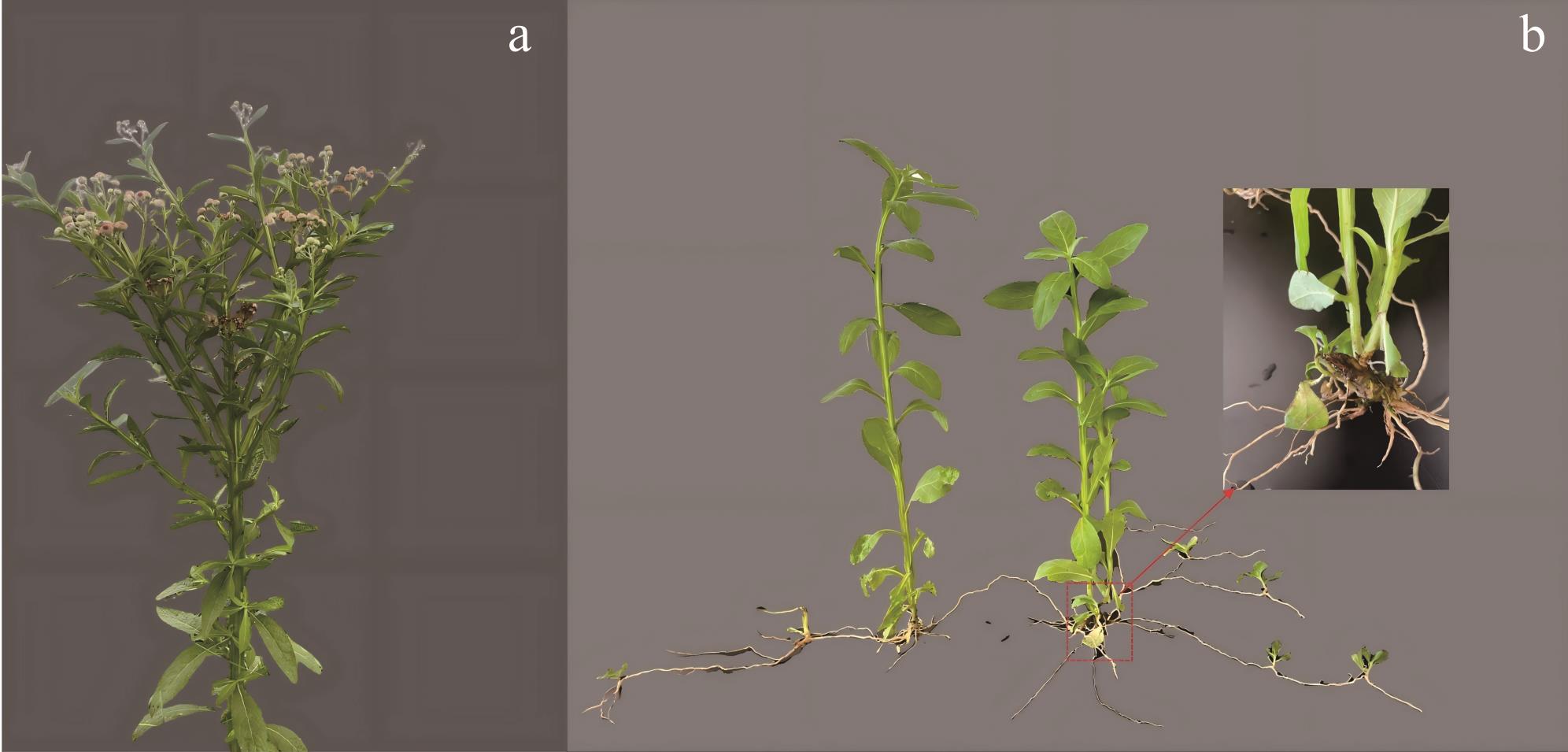
Fig.2 Branches and sprouts of P. sagittalis
| 项目Item | 构件比值Proportion of components (%) | 构件Component | 含水量Water content (%) |
|---|---|---|---|
| 根茎比Root to stem ratio | 18.52±1.55 | 根Root | 62.56±1.10 |
| 根生物量占比Root mass fraction | 15.44±1.08 | 茎Stem | 77.98±0.63 |
| 茎生物量占比Stem mass fraction | 52.14±1.94 | 叶Leaf | 79.87±0.43 |
| 叶生物量占比Leaf mass fraction | 31.99±1.52 |
Table 3 Biomass characteristics of each component of P. sagittalis
| 项目Item | 构件比值Proportion of components (%) | 构件Component | 含水量Water content (%) |
|---|---|---|---|
| 根茎比Root to stem ratio | 18.52±1.55 | 根Root | 62.56±1.10 |
| 根生物量占比Root mass fraction | 15.44±1.08 | 茎Stem | 77.98±0.63 |
| 茎生物量占比Stem mass fraction | 52.14±1.94 | 叶Leaf | 79.87±0.43 |
| 叶生物量占比Leaf mass fraction | 31.99±1.52 |
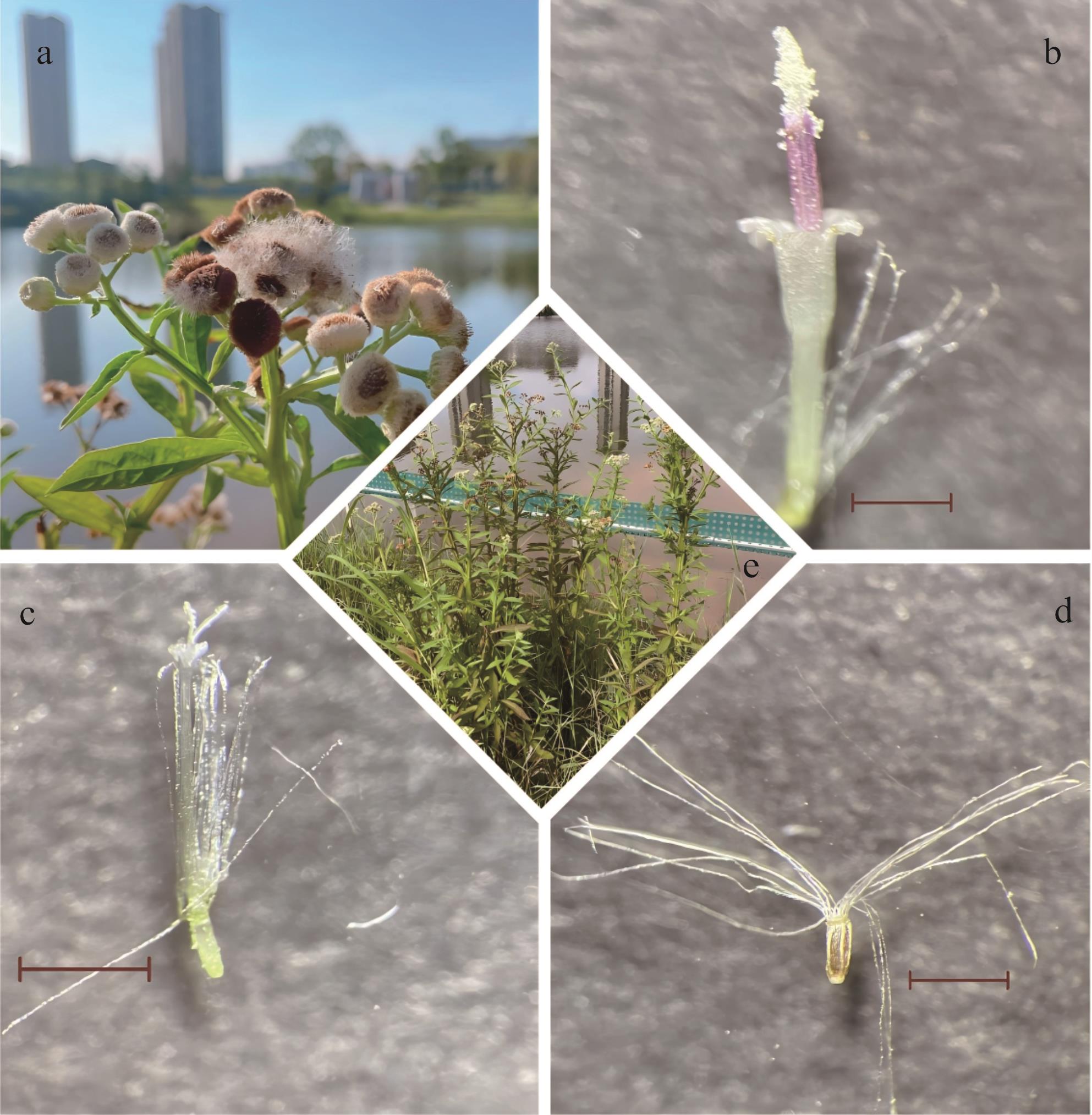
Fig.3 P. sagittalis and its flower and achene
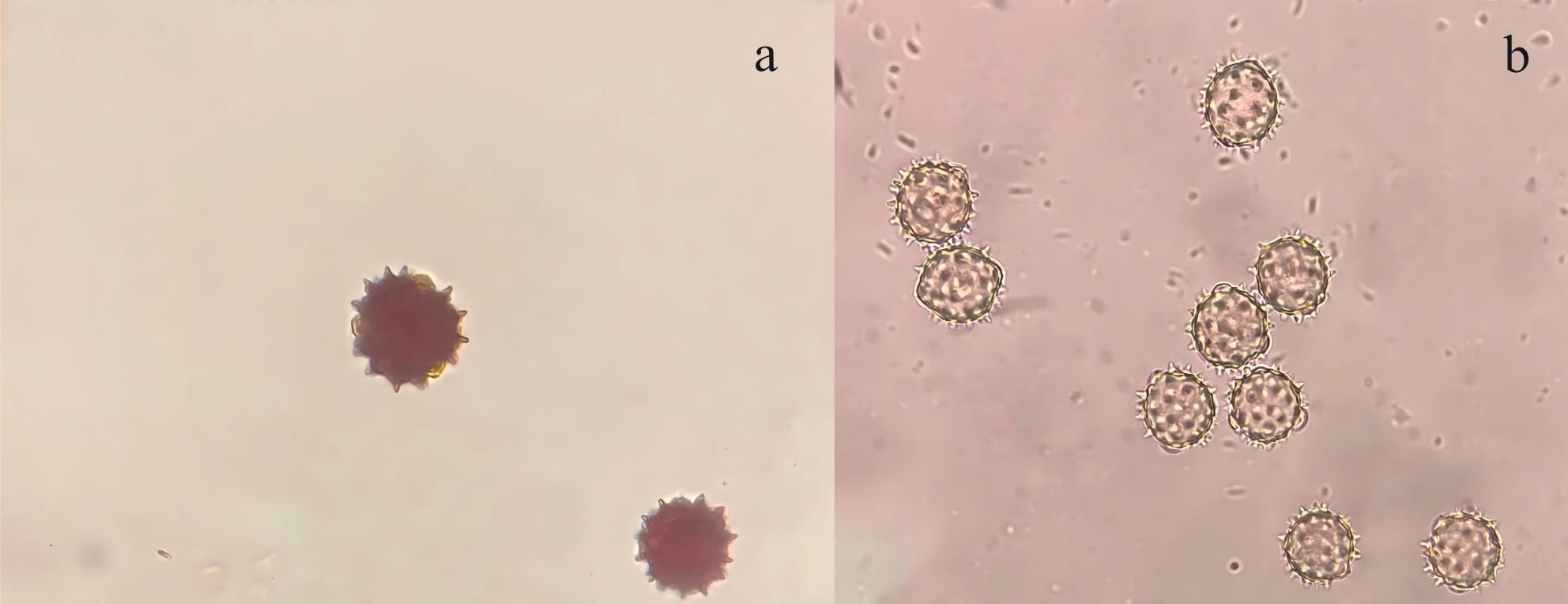
Fig.4 Stained pollen of P. sagittalis (Magnification: 400×)
| 一级指标(权重)First-level indicators (weights) | 二级指标 Second-level indicators | 三级指标 Third-level indicators | 评价指标 Evaluation indicators | 赋值 Assignment | 得分 Score |
|---|---|---|---|---|---|
基本情况 Basic information (R1, 8%) | 国内情况 Domestic situation (R11) | 国内分布范围 Domestic distribution range (R111) | 个别省(自治区,直辖市)有零星分布 Sporadic distribution in a few provinces (autonomous regions, municipalities) | 1 | 1 |
| 大约1/3省(自治区,直辖市)有分布Distributed in about 1/3 of provinces (autonomous regions, municipalities) | 0.5 | - | |||
| 大多数省(自治区,直辖市)均有分布Distributed in most provinces (autonomous regions, municipalities) | 0 | - | |||
国内入侵状况 Domestic invasion status (R112) | 在国内有多处报道其成功入侵危害的情况 Reported in multiple domestic locations with significant damage | 1 | - | ||
| 在国内有报道扩散,但危害并不严重Domestic spread reported with minor harm | 0.5 | 0.5 | |||
引入途径 Introduction pathway (R113) | 通过无意进入国内Unintentional introduction | 2 | 2 | ||
| 通过自然传入国内Natural introduction | 1 | - | |||
| 通过合法途径引入国内Introduced through legal means | 0 | - | |||
境外情况 Foreign situation (R12) | 境外重视程度 International attention level (R121) | >10个国家(地区)列为检疫对象Listed as a quarantine target in more than 10 countries (regions) | 2 | - | |
| 有1~10个国家(地区)列为检疫对象Listed as a quarantine target in 1 to 10 countries (regions) | 1 | 1 | |||
| 属于一般性防治的常规有害生物Considered a conventional pest under general control measures | 0 | - | |||
境外分布情况 International distribution (R122) | 极广:分布区域>3个以上的气候带Extremely broad: Distributed across more than 3 climate zones | 2 | - | ||
| 广:分布区域在2~3个气候带Broad: Distributed across 2-3 climate zones | 1 | 1 | |||
| 局部:分布区域在1个气候带Localized: Confined to a single climate zone | 0.5 | - | |||
植物生物学属性 Plant biological attributes (R2, 9%) | 生活史 Life history (R21) | 生活周期 Life cycle (R211) | 多年生草本植物Perennial herb | 2 | 2 |
| 二年生草本植物Biennial herb | 1 | - | |||
| 一年生草本植物Annual herb | 0.5 | - | |||
生长能力 Growth capability (R22) | 抗逆性 Stress resistance (R221) | 对生长过程中的多种逆境有良好的适应性和耐受性Strong adaptability and tolerance to multiple environmental stresses | 1 | - | |
| 对生长过程中的某种逆境有良好的适应性和耐受性Strong adaptability and tolerance to a specific environmental stress | 0.5 | 0.5 | |||
| 对逆境耐受能力差Poor stress tolerance | 0 | - | |||
遗传特性 Genetic characteristics (R23) | 遗传稳定性 Genetic stability (R231) | 遗传物质10代以内会改变,不稳定Unstable: Genetic material may alter within 10 generations | 1 | - | |
| 遗传物质可以保持10代以上不改变,稳定Stable: Genetic material can remain unchanged for over 10 generations | 0 | 0 | |||
致害性 Harmfulness (R24) | 对人或动物健康的影响Impact on human/animal health (R241) | 植物体有毒或分泌毒素,影响人或动物健康Toxic: The plant is toxic or secretes toxins, posing a risk to human or animal health | 3 | - | |
| 植物体无毒或不分泌毒素,不影响人或动物健康Non-toxic: The plant is not toxic and does not secrete toxins, posing no risk to human or animal health | 0 | 0 | |||
| 是否携带有害生物Whether pests are carried (R25) | 是否是有害生物寄生Whether it serves as a host for pests (R251) | 是有害生物寄生Host to pests | 2 | - | |
| 不是有害生物寄生Not a host to pests | 0 | 0 | |||
繁殖与扩散能力 Reproduction & dispersal capacity (R3, 43%) | 繁殖能力 Reproductive capacity (R31) | 繁殖方式 Reproduction mode (R311) | 有性繁殖和无性繁殖皆有Both sexual and asexual reproduction | 15 | 15 |
| 仅有性繁殖Sexual reproduction only | 8 | - | |||
| 仅无性繁殖Asexual reproduction only | 3 | - | |||
繁殖体数量 Propagule quantity (R312) | 每个繁殖周期单株种子产量≥1000粒或单株分生≥10株Per reproductive cycle, the seed production per plant is ≥1000 grains, or the tillering capacity per plant is ≥10 shoots | 7 | 7 | ||
| 每个繁殖周期单株200粒≤种子产量<1000粒,或3株≤单株分生<10株Per reproductive cycle, the seed production per plant is between 200 and 1000 grains (inclusive of 200 but exclusive of 1000), or the tillering capacity per plant is between 3 and 10 shoots (inclusive of 3 but exclusive of 10) | 3 | - | |||
| 每个繁殖周期单株种子产量<200粒,或单株分生<3株Per reproductive cycle, the seed production per plant is <200 grains, or the tillering capacity per plant is <3 shoots | 0 | - | |||
萌芽率 Germination rate (R313) | 适宜条件下繁殖体萌芽率≥60% Germination rate ≥60% under suitable conditions | 2 | - | ||
| 25%≤适宜条件下繁殖体萌芽率<60% Germination rate is between 25% and 60% (inclusive of 25% but exclusive of 60%) under suitable conditions | 1 | - | |||
| 适宜条件下繁殖体萌芽率<25% Germination rate <25% under suitable conditions | 0 | 0 | |||
种子库种子存活率 Seed viability in the seed bank (R314) | 种子在土壤中保持较长的活性,时间≥1年Seeds remain viable in the soil for a long time, with a viability duration of 1 year or more | 2 | - | ||
| 种子在土壤中保持活性的时间<1年Seeds remain viable in the soil for less than 1 year | 0 | 0 | |||
扩散能力 Dispersal capacity (R32) | 扩散方式 Dispersal mode (R321) | 可通过自然因素(风力,水流等)和生物因素(动物和人类)等多种方式进行扩散Multiple pathways: Capable of dispersal via both natural factors (e.g., wind, water) and biological factors (animals, humans) | 4 | 4 | |
| 仅能通过自然因素进行扩散Natural only: Dispersal relies solely on natural factors | 2 | - | |||
| 仅能通过生物因素进行扩散Biological only: Dispersal relies solely on biological factors | 1 | - | |||
生物扩散力 Biological dispersal capacity (R322) | 自身及其扩散媒介生物移动能力强(≥1000 m)High mobility: Both the organism itself and its dispersal agents exhibit strong movement capacity (≥1000 m) | 8 | - | ||
| 自身及其扩散媒介生物移动能力较强(10 m≤移动能力<1000 m)Moderate mobility: Movement capacity of the organism and its dispersal agents ranges from 10 to 1000 m | 4 | 4 | |||
| 自身及其扩散媒介生物移动能力弱(<10 m)Low mobility: Movement capacity of the organism and its dispersal agents is limited to 10 m | 0 | - | |||
自然扩散能力 Natural dispersal capacity (R323) | 能够长距离传播Long-distance dispersal capability | 5 | - | ||
| 能够短距离传播Short-distance dispersal capability | 2 | 2 | |||
| 基本不能够传播Negligible natural dispersal | 0 | - | |||
环境与危害评估 Environmental and hazard assessment (R4, 26%) | 环境适应性 Environmental adaptability (R41) | 温度适宜度 Temperature suitability (R411) | 原产地温度与评估区域内大多数地区类似High similarity: Temperatures in the region of origin are largely comparable to those in most parts of the assessment area | 2 | 2 |
| 原产地温度与评估区域内大多数地区差异很大Low similarity: Temperatures in the region of origin differ significantly from those in most parts of the assessment area | 0 | - | |||
光照适宜度 Light suitability (R412) | 原产地光照条件与评估区域内大多数地区类似High similarity: Light conditions in the region of origin are largely comparable to those in most parts of the assessment area | 1 | 1 | ||
| 原产地光照条件与评估区域内大多数地区差异很大Low similarity: Light conditions in the region of origin differ significantly from those in most parts of the assessment area | 0 | - | |||
降水量适宜度 Precipitation suitability (R413) | 原产地降水量与评估区域内大多数地区类似High similarity: Precipitation levels in the region of origin are largely comparable to those in most parts of the assessment area | 1 | 1 | ||
| 原产地降水量与评估区域内大多数地区差异很大Low similarity: Precipitation levels in the region of origin differ significantly from those in most parts of the assessment area | 0 | - | |||
生态危害 Ecological hazards (R42) | 能否高密度占领生境Capability for high-density habitat occupation (R421) | 能高密度占领生境Capable of high-density occupation in habitats | 6 | 6 | |
| 仅能占领物种较为单一生境Can only occupy relatively singular/specific habitat types | 3 | - | |||
| 不能高密度占领生境Incapable of high-density habitat occupation | 0 | - | |||
| 能否与本地近缘种植物杂交Capability to hybridize with native congeners/related plant species (R422) | 能够与本地近缘种植物杂交Capable of hybridization: Can hybridize with native congeners/related plant species | 2 | 2 | ||
| 不能够与本地近缘种植物杂交Incapable of hybridization: Cannot hybridize with native congeners/related plant species | 0 | - | |||
| 对其他物种是否有化感作用Presence of allelopathy effects on other species (R423) | 有很强化感作用,抑制其他物种正常生长,形成单一优势群 Strong: Exhibits potent allelopathy effects that suppress normal growth of other species, leading to the formation of monoculture-like stands | 7 | - | ||
| 有化感作用,严重影响部分物种正常生长Moderate: Demonstrates allelopathy effects that severely impact the normal growth of some species | 3 | 3 | |||
| 无化感作用,不影响其他物种正常生长None: Shows no allelopathy effects and does not affect the normal growth of other species | 0 | - | |||
生物链影响 Food web impacts (R43) | 天敌(捕食昆虫、动物和病原菌)控制力Control by natural enemies (predators, parasitoids & pathogens) (R431) | 无天敌Absent: No natural enemies present | 3 | - | |
| 天敌数量少,控制力弱Weak: Natural enemy populations are low, with weak control capability | 2 | - | |||
| 天敌控制力强,且广泛存在Strong: Natural enemies have strong control capability and are widely present | 0 | 0 | |||
| 竞争种Competitor species (R432) | 无竞争种植物No competing plant species | 4 | - | ||
| 竞争种植物数量一般Moderate number of competitors | 2 | 2 | |||
| 竞争种植物广泛存在Abundant competing species | 0 | - | |||
危害控制 Hazard control (R5, 14%) | 防控措施 Control measures (R51) | 检疫难度 Quarantine difficulty (R511) | 不易辨别,需要专业人员经实验室专业仪器设备才能鉴定Difficult to distinguish, requires professional personnel and specialized laboratory equipment for identification | 1 | 1 |
| 专业人员现场即可辨别Field identification possible by professionals | 0.1 | - | |||
| 一般工作人员现场就可以鉴定Field identification possible by general staff | 0 | - | |||
防控方式 Control and prevention measures (R512) | 目前没有有效防控手段No effective control measures are currently available | 7 | - | ||
| 防控手段单一,短期内效果显著Relies on a single control method with significant short-term effects | 4 | 4 | |||
| 物理防治,生物防治,化学防治等多种手段均有显著效果Multiple methods (physical, biological, chemical control) demonstrate significant efficacy | 0 | - | |||
防控难度 Difficulty of control and prevention (R52) | 除害处理难度 Difficulty of prevention and control treatment (R521) | 除害处理困难,成本高,效果差Prevention and control are challenging, with high costs and poor effectiveness | 6 | 6 | |
| 效果好,但除害处理较困难,成本高Good effectiveness, but prevention and control are relatively difficult and costly | 3 | - | |||
| 容易处理,成本低,效果好Prevention and control are easy, with low costs and good effectiveness | 0 | - | |||
| 合计Total | 68 |
Table 4 Invasion risk analysis of P. sagittalis
| 一级指标(权重)First-level indicators (weights) | 二级指标 Second-level indicators | 三级指标 Third-level indicators | 评价指标 Evaluation indicators | 赋值 Assignment | 得分 Score |
|---|---|---|---|---|---|
基本情况 Basic information (R1, 8%) | 国内情况 Domestic situation (R11) | 国内分布范围 Domestic distribution range (R111) | 个别省(自治区,直辖市)有零星分布 Sporadic distribution in a few provinces (autonomous regions, municipalities) | 1 | 1 |
| 大约1/3省(自治区,直辖市)有分布Distributed in about 1/3 of provinces (autonomous regions, municipalities) | 0.5 | - | |||
| 大多数省(自治区,直辖市)均有分布Distributed in most provinces (autonomous regions, municipalities) | 0 | - | |||
国内入侵状况 Domestic invasion status (R112) | 在国内有多处报道其成功入侵危害的情况 Reported in multiple domestic locations with significant damage | 1 | - | ||
| 在国内有报道扩散,但危害并不严重Domestic spread reported with minor harm | 0.5 | 0.5 | |||
引入途径 Introduction pathway (R113) | 通过无意进入国内Unintentional introduction | 2 | 2 | ||
| 通过自然传入国内Natural introduction | 1 | - | |||
| 通过合法途径引入国内Introduced through legal means | 0 | - | |||
境外情况 Foreign situation (R12) | 境外重视程度 International attention level (R121) | >10个国家(地区)列为检疫对象Listed as a quarantine target in more than 10 countries (regions) | 2 | - | |
| 有1~10个国家(地区)列为检疫对象Listed as a quarantine target in 1 to 10 countries (regions) | 1 | 1 | |||
| 属于一般性防治的常规有害生物Considered a conventional pest under general control measures | 0 | - | |||
境外分布情况 International distribution (R122) | 极广:分布区域>3个以上的气候带Extremely broad: Distributed across more than 3 climate zones | 2 | - | ||
| 广:分布区域在2~3个气候带Broad: Distributed across 2-3 climate zones | 1 | 1 | |||
| 局部:分布区域在1个气候带Localized: Confined to a single climate zone | 0.5 | - | |||
植物生物学属性 Plant biological attributes (R2, 9%) | 生活史 Life history (R21) | 生活周期 Life cycle (R211) | 多年生草本植物Perennial herb | 2 | 2 |
| 二年生草本植物Biennial herb | 1 | - | |||
| 一年生草本植物Annual herb | 0.5 | - | |||
生长能力 Growth capability (R22) | 抗逆性 Stress resistance (R221) | 对生长过程中的多种逆境有良好的适应性和耐受性Strong adaptability and tolerance to multiple environmental stresses | 1 | - | |
| 对生长过程中的某种逆境有良好的适应性和耐受性Strong adaptability and tolerance to a specific environmental stress | 0.5 | 0.5 | |||
| 对逆境耐受能力差Poor stress tolerance | 0 | - | |||
遗传特性 Genetic characteristics (R23) | 遗传稳定性 Genetic stability (R231) | 遗传物质10代以内会改变,不稳定Unstable: Genetic material may alter within 10 generations | 1 | - | |
| 遗传物质可以保持10代以上不改变,稳定Stable: Genetic material can remain unchanged for over 10 generations | 0 | 0 | |||
致害性 Harmfulness (R24) | 对人或动物健康的影响Impact on human/animal health (R241) | 植物体有毒或分泌毒素,影响人或动物健康Toxic: The plant is toxic or secretes toxins, posing a risk to human or animal health | 3 | - | |
| 植物体无毒或不分泌毒素,不影响人或动物健康Non-toxic: The plant is not toxic and does not secrete toxins, posing no risk to human or animal health | 0 | 0 | |||
| 是否携带有害生物Whether pests are carried (R25) | 是否是有害生物寄生Whether it serves as a host for pests (R251) | 是有害生物寄生Host to pests | 2 | - | |
| 不是有害生物寄生Not a host to pests | 0 | 0 | |||
繁殖与扩散能力 Reproduction & dispersal capacity (R3, 43%) | 繁殖能力 Reproductive capacity (R31) | 繁殖方式 Reproduction mode (R311) | 有性繁殖和无性繁殖皆有Both sexual and asexual reproduction | 15 | 15 |
| 仅有性繁殖Sexual reproduction only | 8 | - | |||
| 仅无性繁殖Asexual reproduction only | 3 | - | |||
繁殖体数量 Propagule quantity (R312) | 每个繁殖周期单株种子产量≥1000粒或单株分生≥10株Per reproductive cycle, the seed production per plant is ≥1000 grains, or the tillering capacity per plant is ≥10 shoots | 7 | 7 | ||
| 每个繁殖周期单株200粒≤种子产量<1000粒,或3株≤单株分生<10株Per reproductive cycle, the seed production per plant is between 200 and 1000 grains (inclusive of 200 but exclusive of 1000), or the tillering capacity per plant is between 3 and 10 shoots (inclusive of 3 but exclusive of 10) | 3 | - | |||
| 每个繁殖周期单株种子产量<200粒,或单株分生<3株Per reproductive cycle, the seed production per plant is <200 grains, or the tillering capacity per plant is <3 shoots | 0 | - | |||
萌芽率 Germination rate (R313) | 适宜条件下繁殖体萌芽率≥60% Germination rate ≥60% under suitable conditions | 2 | - | ||
| 25%≤适宜条件下繁殖体萌芽率<60% Germination rate is between 25% and 60% (inclusive of 25% but exclusive of 60%) under suitable conditions | 1 | - | |||
| 适宜条件下繁殖体萌芽率<25% Germination rate <25% under suitable conditions | 0 | 0 | |||
种子库种子存活率 Seed viability in the seed bank (R314) | 种子在土壤中保持较长的活性,时间≥1年Seeds remain viable in the soil for a long time, with a viability duration of 1 year or more | 2 | - | ||
| 种子在土壤中保持活性的时间<1年Seeds remain viable in the soil for less than 1 year | 0 | 0 | |||
扩散能力 Dispersal capacity (R32) | 扩散方式 Dispersal mode (R321) | 可通过自然因素(风力,水流等)和生物因素(动物和人类)等多种方式进行扩散Multiple pathways: Capable of dispersal via both natural factors (e.g., wind, water) and biological factors (animals, humans) | 4 | 4 | |
| 仅能通过自然因素进行扩散Natural only: Dispersal relies solely on natural factors | 2 | - | |||
| 仅能通过生物因素进行扩散Biological only: Dispersal relies solely on biological factors | 1 | - | |||
生物扩散力 Biological dispersal capacity (R322) | 自身及其扩散媒介生物移动能力强(≥1000 m)High mobility: Both the organism itself and its dispersal agents exhibit strong movement capacity (≥1000 m) | 8 | - | ||
| 自身及其扩散媒介生物移动能力较强(10 m≤移动能力<1000 m)Moderate mobility: Movement capacity of the organism and its dispersal agents ranges from 10 to 1000 m | 4 | 4 | |||
| 自身及其扩散媒介生物移动能力弱(<10 m)Low mobility: Movement capacity of the organism and its dispersal agents is limited to 10 m | 0 | - | |||
自然扩散能力 Natural dispersal capacity (R323) | 能够长距离传播Long-distance dispersal capability | 5 | - | ||
| 能够短距离传播Short-distance dispersal capability | 2 | 2 | |||
| 基本不能够传播Negligible natural dispersal | 0 | - | |||
环境与危害评估 Environmental and hazard assessment (R4, 26%) | 环境适应性 Environmental adaptability (R41) | 温度适宜度 Temperature suitability (R411) | 原产地温度与评估区域内大多数地区类似High similarity: Temperatures in the region of origin are largely comparable to those in most parts of the assessment area | 2 | 2 |
| 原产地温度与评估区域内大多数地区差异很大Low similarity: Temperatures in the region of origin differ significantly from those in most parts of the assessment area | 0 | - | |||
光照适宜度 Light suitability (R412) | 原产地光照条件与评估区域内大多数地区类似High similarity: Light conditions in the region of origin are largely comparable to those in most parts of the assessment area | 1 | 1 | ||
| 原产地光照条件与评估区域内大多数地区差异很大Low similarity: Light conditions in the region of origin differ significantly from those in most parts of the assessment area | 0 | - | |||
降水量适宜度 Precipitation suitability (R413) | 原产地降水量与评估区域内大多数地区类似High similarity: Precipitation levels in the region of origin are largely comparable to those in most parts of the assessment area | 1 | 1 | ||
| 原产地降水量与评估区域内大多数地区差异很大Low similarity: Precipitation levels in the region of origin differ significantly from those in most parts of the assessment area | 0 | - | |||
生态危害 Ecological hazards (R42) | 能否高密度占领生境Capability for high-density habitat occupation (R421) | 能高密度占领生境Capable of high-density occupation in habitats | 6 | 6 | |
| 仅能占领物种较为单一生境Can only occupy relatively singular/specific habitat types | 3 | - | |||
| 不能高密度占领生境Incapable of high-density habitat occupation | 0 | - | |||
| 能否与本地近缘种植物杂交Capability to hybridize with native congeners/related plant species (R422) | 能够与本地近缘种植物杂交Capable of hybridization: Can hybridize with native congeners/related plant species | 2 | 2 | ||
| 不能够与本地近缘种植物杂交Incapable of hybridization: Cannot hybridize with native congeners/related plant species | 0 | - | |||
| 对其他物种是否有化感作用Presence of allelopathy effects on other species (R423) | 有很强化感作用,抑制其他物种正常生长,形成单一优势群 Strong: Exhibits potent allelopathy effects that suppress normal growth of other species, leading to the formation of monoculture-like stands | 7 | - | ||
| 有化感作用,严重影响部分物种正常生长Moderate: Demonstrates allelopathy effects that severely impact the normal growth of some species | 3 | 3 | |||
| 无化感作用,不影响其他物种正常生长None: Shows no allelopathy effects and does not affect the normal growth of other species | 0 | - | |||
生物链影响 Food web impacts (R43) | 天敌(捕食昆虫、动物和病原菌)控制力Control by natural enemies (predators, parasitoids & pathogens) (R431) | 无天敌Absent: No natural enemies present | 3 | - | |
| 天敌数量少,控制力弱Weak: Natural enemy populations are low, with weak control capability | 2 | - | |||
| 天敌控制力强,且广泛存在Strong: Natural enemies have strong control capability and are widely present | 0 | 0 | |||
| 竞争种Competitor species (R432) | 无竞争种植物No competing plant species | 4 | - | ||
| 竞争种植物数量一般Moderate number of competitors | 2 | 2 | |||
| 竞争种植物广泛存在Abundant competing species | 0 | - | |||
危害控制 Hazard control (R5, 14%) | 防控措施 Control measures (R51) | 检疫难度 Quarantine difficulty (R511) | 不易辨别,需要专业人员经实验室专业仪器设备才能鉴定Difficult to distinguish, requires professional personnel and specialized laboratory equipment for identification | 1 | 1 |
| 专业人员现场即可辨别Field identification possible by professionals | 0.1 | - | |||
| 一般工作人员现场就可以鉴定Field identification possible by general staff | 0 | - | |||
防控方式 Control and prevention measures (R512) | 目前没有有效防控手段No effective control measures are currently available | 7 | - | ||
| 防控手段单一,短期内效果显著Relies on a single control method with significant short-term effects | 4 | 4 | |||
| 物理防治,生物防治,化学防治等多种手段均有显著效果Multiple methods (physical, biological, chemical control) demonstrate significant efficacy | 0 | - | |||
防控难度 Difficulty of control and prevention (R52) | 除害处理难度 Difficulty of prevention and control treatment (R521) | 除害处理困难,成本高,效果差Prevention and control are challenging, with high costs and poor effectiveness | 6 | 6 | |
| 效果好,但除害处理较困难,成本高Good effectiveness, but prevention and control are relatively difficult and costly | 3 | - | |||
| 容易处理,成本低,效果好Prevention and control are easy, with low costs and good effectiveness | 0 | - | |||
| 合计Total | 68 |
| [1] | Tian X S, Qi G J, Hu X N, et al. Advances on early-warning, prevention and control of major agricultural invasive pests in China and the ASEAN region. Journal of Biosafety, 2016, 25(3): 153-160. |
| 田兴山, 齐国君, 胡学难, 等. 中国-东盟重大农业入侵有害生物预警与防控研究进展. 生物安全学报, 2016, 25(3): 153-160. | |
| [2] | Chen J, Zhang Y J, Liu W, et al. Distribution patterns and determinants of invasive alien plants in China. Plants (Basel, Switzerland), 2023, 12(12): 2341. |
| [3] | Early R, Bradley B A, Dukes J S, et al. Global threats from invasive alien species in the twenty-first century and national response capacities. Nature Communications, 2016, 7(1): 12485. |
| [4] | Liu B, Yan J, Li W, et al. Mikania micrantha genome provides insights into the molecular mechanism of rapid growth. Nature Communications, 2020, 11(1): 1-13. |
| [5] | Yu S P, Tian M J, Zhang N N, et al. Prediction and risk analysis of suitable growth area of invasive plant Chromolaena odorata in Guizhou. Journal of West China Forestry Science, 2021, 50(4): 125-130. |
| 喻三鹏, 田茂娟, 张念念, 等. 入侵植物飞机草在贵州的适生区预测及风险分析. 西部林业科学, 2021, 50(4): 125-130. | |
| [6] | Ren M X, Zhang Q G. Clonal diversity and structure of the invasive aquatic plant Eichhornia crassipes in China. Aquatic Botany, 2007, 87(3): 242-246. |
| [7] | Chen J, Liu X F, Luo J J, et al. First report of invasive species of Pluchea sagittalis (Asteraceae) in Sichuan Province, China. Journal of Sichuan Normal University (Natural Science), 2022, 45(6): 797-799. |
| 陈嘉, 刘小凤, 罗俊佳, 等. 首次发现四川省菊科外来入侵杂草——翼茎阔苞菊. 四川师范大学学报(自然科学版), 2022, 45(6): 797-799. | |
| [8] | Jiang A L, Zhu S S, Li X Y, et al. Dynamic changes in alien invasive plants in Guangzhou during 2008-2016. Journal of Tropical and Subtropical Botany, 2017, 25(3): 288-298. |
| 蒋奥林, 朱双双, 李晓瑜, 等. 2008-2016年间广州市外来入侵植物的变化分析. 热带亚热带植物学报, 2017, 25(3): 288-298. | |
| [9] | Yue M F, Pan B L, Tian X S, et al. Investigation and hazard evaluation of exotic invasive plants in agricultural ecosystems in Guangdong Province. Journal of Biosafety, 2011, 20(2): 141-146. |
| 岳茂峰, 樊蓓莉, 田兴山, 等. 广东省农业生态系统外来入侵植物的种类调查与危害评估. 生物安全学报, 2011, 20(2): 141-146. | |
| [10] | Ma J S. Alien invasive flora of China. Shanghai: Shanghai Jiao Tong University Press, 2020. |
| 马金双. 中国外来入侵植物志. 上海: 上海交通大学出版社, 2020. | |
| [11] | Figueredua S M, Nascimentoa F P, Freitas C S, et al. Antinociceptive and gastroprotective actions of ethanolic extract from Pluchea sagittalis (Lam.) Cabrera. Journal of Ethnopharmacology, 2011, 135: 603-609. |
| [12] | Pérez-garcía F, Marín E, Parella T, et al. Activity of taraxasteryl acetate on inflammation and heat shock protein synthesis. Phytomedicine, 2005, 12(4): 278-284. |
| [13] | Rossato L V, Nicoloso F T, Farias J G, et al. Effects of lead on the growth, lead accumulation and physiological responses of Pluchea sagittalis. Ecotoxicology, 2012, 21(1): 111-123. |
| [14] | Zhang J T. Quantitative ecology. Beijing: Science Press, 2004. |
| 张金屯. 数量生态学. 北京: 科学出版社, 2004. | |
| [15] | Zhou K H, Wu S L, Ke J H, et al. Study on population and community characteristics of invasive plant Rorippa amphibia. Pratacultural Science, 2022, 39(5): 888-898. |
| 周凯华, 吴锁龙, 柯杰瀚, 等. 两栖蔊菜种群及其入侵群落特征. 草业科学, 2022, 39(5): 888-898. | |
| [16] | Wei C Q. Studies on reproductive biology and ecological adaptability of invasive plant Parthenium hysterophorus L. Guilin: Guangxi Normal University, 2010. |
| 韦春强. 入侵植物银胶菊的繁殖生物学与生态适应性研究. 桂林: 广西师范大学, 2010. | |
| [17] | Ministry of Agriculture and Rural Affairs of the People’s Republic of China. Technical specification for safety assessment of alien herbaceous plants: NY/T 3669-2020. Beijing: China Agriculture Press, 2020. |
| 中华人民共和国农业农村部. 外来草本植物安全性评估技术规范: NY/T 3669-2020. 北京: 中国农业出版社, 2020. | |
| [18] | Fujian Provincial Entry-exit Inspection and Quarantine Bureau. Detection and identification of Pluchea sagittalis (Lam.) Cabrera: DB35/T 1749-2018. Beijing: Standards Press of China, 2018. |
| 福建省出入境检验检疫局. 翼茎阔苞菊检疫鉴定方法: DB35/T 1749-2018. 北京: 中国标准出版社, 2018. | |
| [19] | Guo H L, Liu J. Overview of invasion patterns of alien plants and predominant influence in road-region ecosystem. Journal of Yunnan University (Natural Science Edition), 2014, 36(S1): 148-153. |
| 国怀亮, 柳江. 路域生态系统中外来入侵植物分布格局及其影响因素研究综述. 云南大学学报(自然科学版), 2014, 36(S1): 148-153. | |
| [20] | Lockwood J L, Cassey P, Blackburn T, et al. The role of propagule pressure in explaining species invasions. Trends Ecollogy & Evolution, 2005, 20: 223-228. |
| [21] | Diao S F, Shao W H, Jiang J M, et al. Phenotypic diversity in natural populations of Sapindus mukorossi based on fruit and seed traits. Acta Ecologica Sinica, 2014, 34(6): 1451-1460. |
| 刁松锋, 邵文豪, 姜景民, 等. 基于种实性状的无患子天然群体表型多样性研究. 生态学报, 2014, 34(6): 1451-1460. | |
| [22] | Sax D F, Brown J H. The paradox of invasion. Global Ecology and Biogeography, 2000, 9(5): 363-371. |
| [1] | Ren-shi MA, Cong-ze JIANG, Wei GAO, Zhong-li LI, Yu-ying SHEN, Xian-long YANG. Effects of slow-release N fertilizer on growth and water- and N- use efficiencies of forage sweet sorghum under three different irrigation regimes [J]. Acta Prataculturae Sinica, 2023, 32(10): 71-81. |
| [2] | Bo-kun ZOU, Xin-ming WANG, Zhang-shan CHU, Xin-hui HUANG, Yu-feng CHEN, Yong-qiang QIAN. Effects of nitrogen forms on growth and nitrogen assimilation and utilization of Buchloe dactyloides [J]. Acta Prataculturae Sinica, 2022, 31(11): 118-127. |
| [3] | ZHAO Gang, LI Shang-zhong, ZHANG Jian-jun, WANG Lei, DANG Yi, FAN Ting-lu, WANG Shu-ying*, CHENG Wan-li. Effects of sowing methods on sowing quality growth and development of maize planted under full-film mulching in double-ridge burrows in Loess Plateau East of Gansu [J]. Acta Prataculturae Sinica, 2018, 27(12): 145-155. |
| [4] | LI Yan, SU De-rong, LI Hong-tao. The relationship between growth characteristics and the quality of alfalfa under sprinkler irrigation in the northwest arid area of China [J]. Acta Prataculturae Sinica, 2018, 27(10): 54-65. |
| [5] | LIU Zhao-Na, GUO Shao-Xia, LI Wei. Effect of arbuscular mycorrhizal fungi on growth and physiological characteristics of Lilium brownii [J]. Acta Prataculturae Sinica, 2017, 26(11): 85-93. |
| [6] | SUN Guang-Zheng, YAO Tuo, ZHAO Gui-Qin, LI Jian-Hong, CHEN Long, LIU Huan. An assessment of the level of control of two fungal pathogens by various plant growth promoting rhizobacteria [J]. Acta Prataculturae Sinica, 2016, 25(8): 154-163. |
| [7] | YANG Bin, LV Shi-Qi, KOU Yi-Xuan, SUN Shan, ZHAO Chang-Ming. Growth and gas exchange characteristics of Jerusalem artichoke (Helianthus tuberosus) at different growth stages in a semi-arid area [J]. Acta Prataculturae Sinica, 2016, 25(10): 77-85. |
| [8] | YU Xiao-Jun, JING Yuan-Yuan, XU Chang-Lin, SHI Shang-Li, ZHANG Jian-Wen, CHEN Lu-Jun, YANG Hai-Lei, XIAO Hong. Effects of film mulching on growth and crown and root characteristics of alfalfa in an alpine meadow [J]. Acta Prataculturae Sinica, 2015, 24(6): 43-52. |
| [9] | GAO Huanhuan, ZENG Fanjiang, LU Yan, LIU Zhen, AN Guixiang, LIU Bo. Effect of different treatments on the growth and physiological characteristics of Alhagi sparsifolia [J]. Acta Prataculturae Sinica, 2015, 24(2): 202-207. |
| [10] | YANG Hai-xia,LIU Run-jin,GUO Shao-xia. Effects of arbuscular mycorrhizal fungus Glomus mosseae on the growth characteristics of Festuca arundinacea under salt stress conditions [J]. Acta Prataculturae Sinica, 2014, 23(4): 195-203. |
| [11] | WU Fa-li,WANG Zhi-sheng,YANG Qin,SHI Hong-mei,SHEN Jun-hua,HU Rui,ZOU Hua-wei. Analysis of growth characteristics, nutritional components and feeding values of native forage grass from the high-cold steppes in the Luqu and Hezuo region of Gannan in summer and winter [J]. Acta Prataculturae Sinica, 2014, 23(4): 31-38. |
| [12] | JIANG Hong-xia,YANG Cheng-de,PU Chong-jian,CHEN Xiu-rong,SHANG Xun-wu. Prediction of potential distributions and risk analysis of Phoma foveata in China [J]. Acta Prataculturae Sinica, 2014, 23(3): 276-281. |
| [13] |
WANG He-zheng, ZHANG Jun, WU Jin-zhi, XU Guo-wei, CHEN Ming-can, FU Guo-zhan, LI You-jun.
Effect of different levels of nitrogen on physiological characteristics of flag leaves and grain yield of wheat [J]. Acta Prataculturae Sinica, 2013, 22(4): 69-75. |
| Viewed | ||||||
|
Full text |
|
|||||
|
Abstract |
|
|||||
