
ISSN 1004-5759 CN 62-1105/S
Acta Prataculturae Sinica ›› 2026, Vol. 35 ›› Issue (11): 157-169.DOI: 10.11686/cyxb2025437
Zhi-juan DANG1,2( ), Xiao-wei WANG1,2, Jia-ning YANG1,2, Ya-feng GAO1,2, Fo-li DU1,2, Han-wen SHEN1,2, Xin ZHAO1,2, Zheng-dong LANG1,2, Yi-chuan SUN1,2, Zhi-wei YANG1,2, Jun-cheng WANG1,2, Hua-jun WANG1,2, Li-rong YAO1,2()
Received:2025-10-21
Revised:2026-02-04
Online:2026-11-20
Published:2026-10-12
Contact:
Li-rong YAO
Zhi-juan DANG, Xiao-wei WANG, Jia-ning YANG, Ya-feng GAO, Fo-li DU, Han-wen SHEN, Xin ZHAO, Zheng-dong LANG, Yi-chuan SUN, Zhi-wei YANG, Jun-cheng WANG, Hua-jun WANG, Li-rong YAO. Physiological responses of Halogeton glomeratus to salt stress and analysis of its salt tolerance threshold at the seedling stage[J]. Acta Prataculturae Sinica, 2026, 35(11): 157-169.
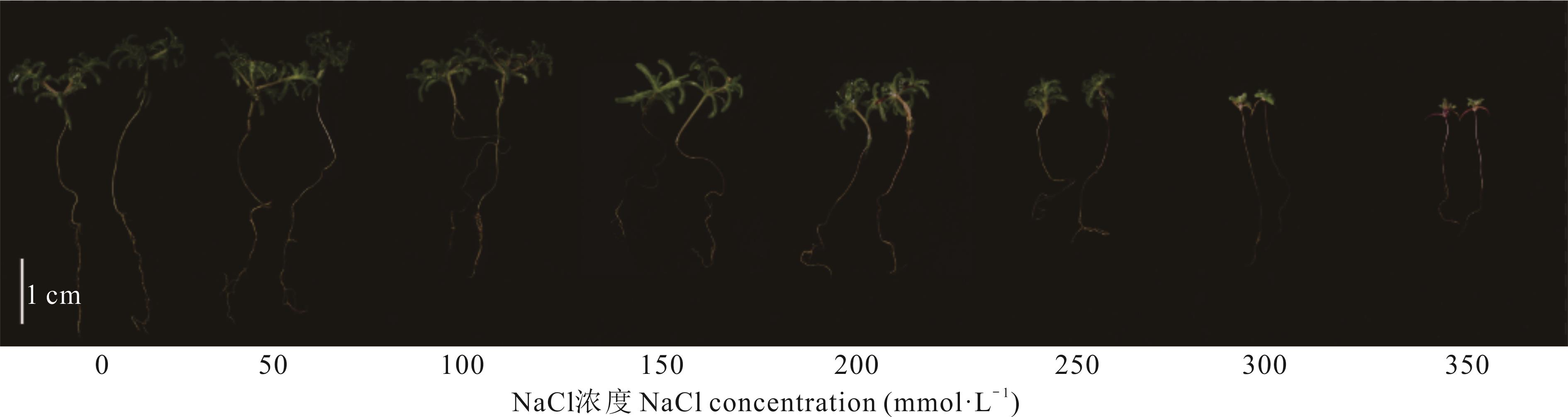
Fig.1 Phenotypic changes of H. glomeratus after 30 days of NaCl stress
NaCl浓度 NaCl concentration (mmol·L-1) | 株高 Plant height (cm) | 根长 Root length (cm) | 根冠比 Root-crown ratio |
|---|---|---|---|
| 0 (CK) | 17.07±1.42a | 21.63±3.11a | 0.40±0.02a |
| 50 | 14.50±2.00b | 13.03±1.53b | 0.17±0.02c |
| 100 | 12.73±0.81bc | 12.80±0.61b | 0.17±0.01c |
| 150 | 11.40±1.14cd | 11.97±1.08b | 0.20±0.07bc |
| 200 | 11.57±1.31cd | 12.57±0.75b | 0.20±0.05bc |
| 250 | 12.17±0.74cd | 11.30±0.44b | 0.24±0.02b |
| 300 | 10.03±0.47d | 10.33±1.62bc | 0.19±0.02bc |
| 350 | 7.80±0.56e | 8.40±0.75c | 0.15±0.03c |
Table 1 The effect of NaCl stress on the growth of H.glomeratus
NaCl浓度 NaCl concentration (mmol·L-1) | 株高 Plant height (cm) | 根长 Root length (cm) | 根冠比 Root-crown ratio |
|---|---|---|---|
| 0 (CK) | 17.07±1.42a | 21.63±3.11a | 0.40±0.02a |
| 50 | 14.50±2.00b | 13.03±1.53b | 0.17±0.02c |
| 100 | 12.73±0.81bc | 12.80±0.61b | 0.17±0.01c |
| 150 | 11.40±1.14cd | 11.97±1.08b | 0.20±0.07bc |
| 200 | 11.57±1.31cd | 12.57±0.75b | 0.20±0.05bc |
| 250 | 12.17±0.74cd | 11.30±0.44b | 0.24±0.02b |
| 300 | 10.03±0.47d | 10.33±1.62bc | 0.19±0.02bc |
| 350 | 7.80±0.56e | 8.40±0.75c | 0.15±0.03c |

Fig.2 Biomass of H.glomeratus under NaCl stress
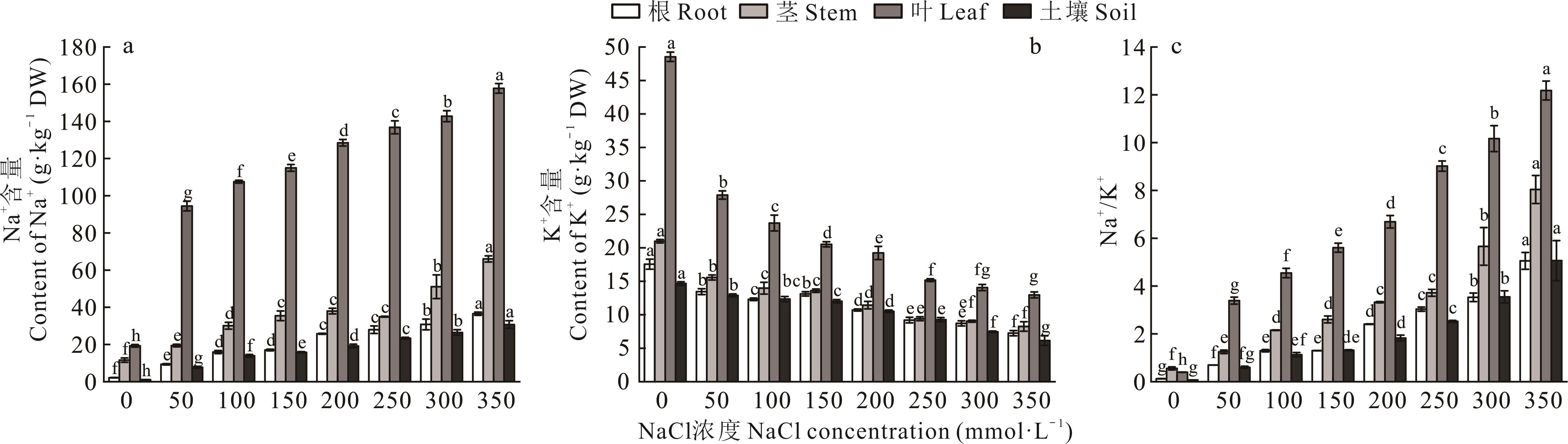
Fig.3 The effect of NaCl stress on the roots, stems, leaves, soil Na+ and K+ contents, and Na+/K+ of H. glomeratus
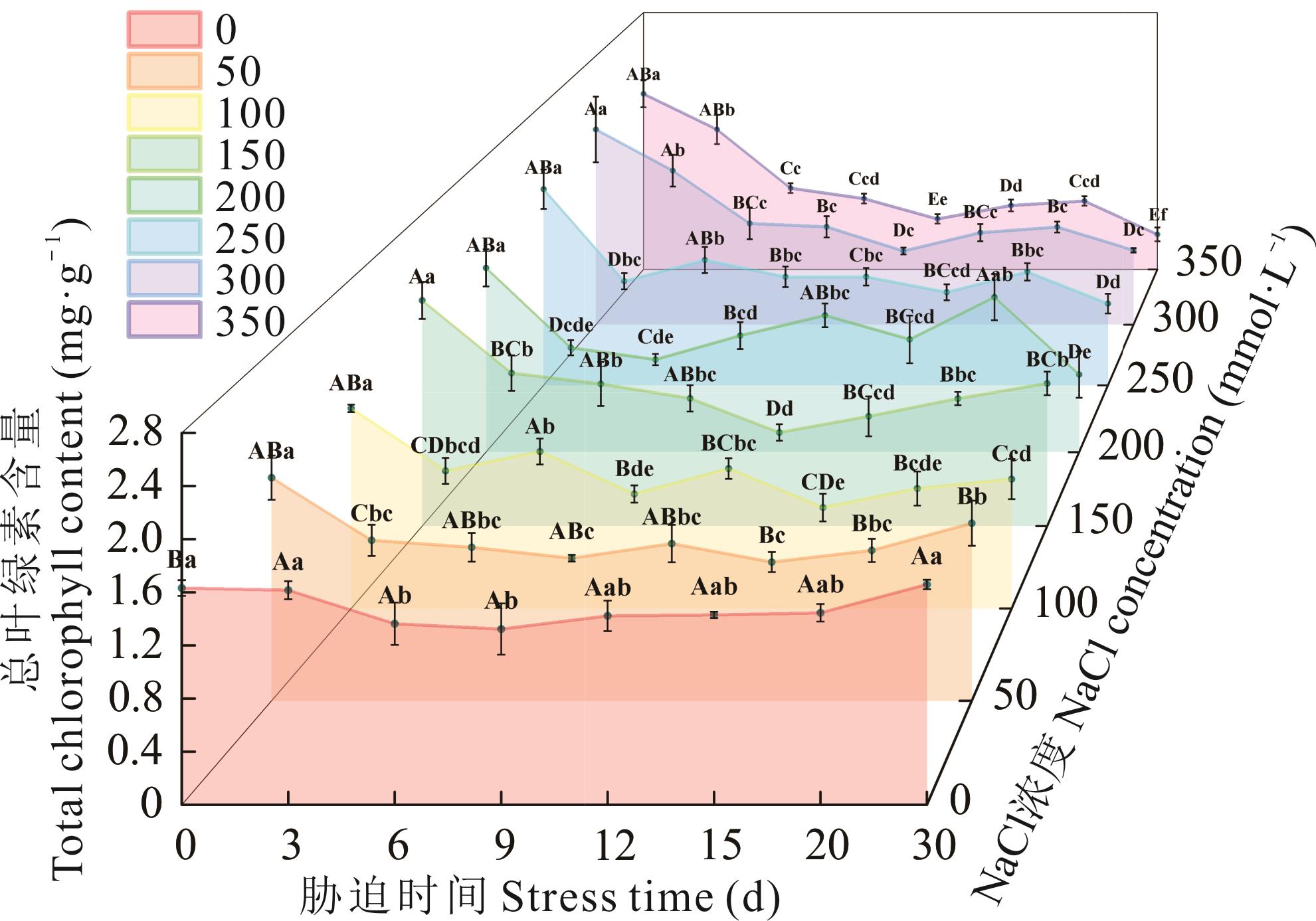
Fig.4 The effect of NaCl stress on the chlorophyll content of H. glomeratus

Fig.5 The effect of NaCl stress on malondialdehyde and soluble sugar contents of H. glomeratus
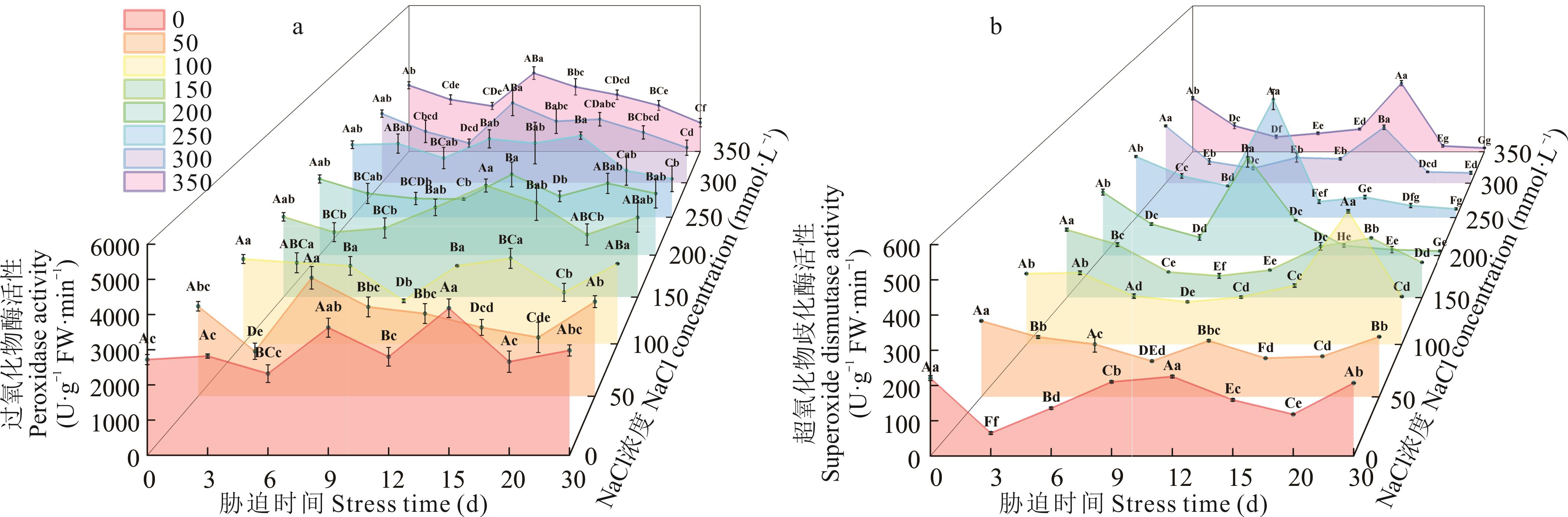
Fig.6 The effect of NaCl stress on the activity of antioxidant enzymes

Fig.7 Principal component analysis of each index under NaCl stress
指标 Parameter | 第一主成分Principal component 1 | 第二主成分Principal component 2 | 权重 Weight (%) | 影响顺序 Influence order | |||
|---|---|---|---|---|---|---|---|
载荷 Loading matri (x) | 特征向量 Eigenvectors | 载荷 Loading matri (x) | 特征向量 Eigenvectors | ||||
| 株高Plant height | 0.958 | 0.393 | -0.184 | -0.139 | 11.42 | 5 | |
| 根长Root length | 0.860 | 0.353 | -0.317 | -0.241 | 9.15 | 8 | |
| 地上生物量Aboveground biomass | 0.831 | 0.341 | 0.257 | 0.195 | 12.89 | 3 | |
| 地下生物量Underground biomass | 0.922 | 0.378 | -0.285 | -0.217 | 10.20 | 6 | |
| 丙二醛含量Malondialdehyde content | 0.263 | 0.108 | 0.848 | 0.644 | 9.59 | 7 | |
| 可溶性糖含量Soluble sugar content | 0.188 | 0.077 | 0.819 | 0.622 | 8.38 | 9 | |
| 叶绿素含量Chlorophyll content | 0.959 | 0.393 | -0.143 | -0.109 | 11.72 | 4 | |
| 过氧化物酶活性Peroxidase activity | 0.910 | 0.373 | 0.165 | 0.125 | 13.28 | 2 | |
| 超氧化物歧化酶活性Superoxide dismutase activity | 0.947 | 0.388 | 0.114 | 0.087 | 13.39 | 1 | |
Table 2 Analysis of component loading matrices, eigenvectors and weights of various indicators in the leaves of H. glomeratus under salt stress
指标 Parameter | 第一主成分Principal component 1 | 第二主成分Principal component 2 | 权重 Weight (%) | 影响顺序 Influence order | |||
|---|---|---|---|---|---|---|---|
载荷 Loading matri (x) | 特征向量 Eigenvectors | 载荷 Loading matri (x) | 特征向量 Eigenvectors | ||||
| 株高Plant height | 0.958 | 0.393 | -0.184 | -0.139 | 11.42 | 5 | |
| 根长Root length | 0.860 | 0.353 | -0.317 | -0.241 | 9.15 | 8 | |
| 地上生物量Aboveground biomass | 0.831 | 0.341 | 0.257 | 0.195 | 12.89 | 3 | |
| 地下生物量Underground biomass | 0.922 | 0.378 | -0.285 | -0.217 | 10.20 | 6 | |
| 丙二醛含量Malondialdehyde content | 0.263 | 0.108 | 0.848 | 0.644 | 9.59 | 7 | |
| 可溶性糖含量Soluble sugar content | 0.188 | 0.077 | 0.819 | 0.622 | 8.38 | 9 | |
| 叶绿素含量Chlorophyll content | 0.959 | 0.393 | -0.143 | -0.109 | 11.72 | 4 | |
| 过氧化物酶活性Peroxidase activity | 0.910 | 0.373 | 0.165 | 0.125 | 13.28 | 2 | |
| 超氧化物歧化酶活性Superoxide dismutase activity | 0.947 | 0.388 | 0.114 | 0.087 | 13.39 | 1 | |
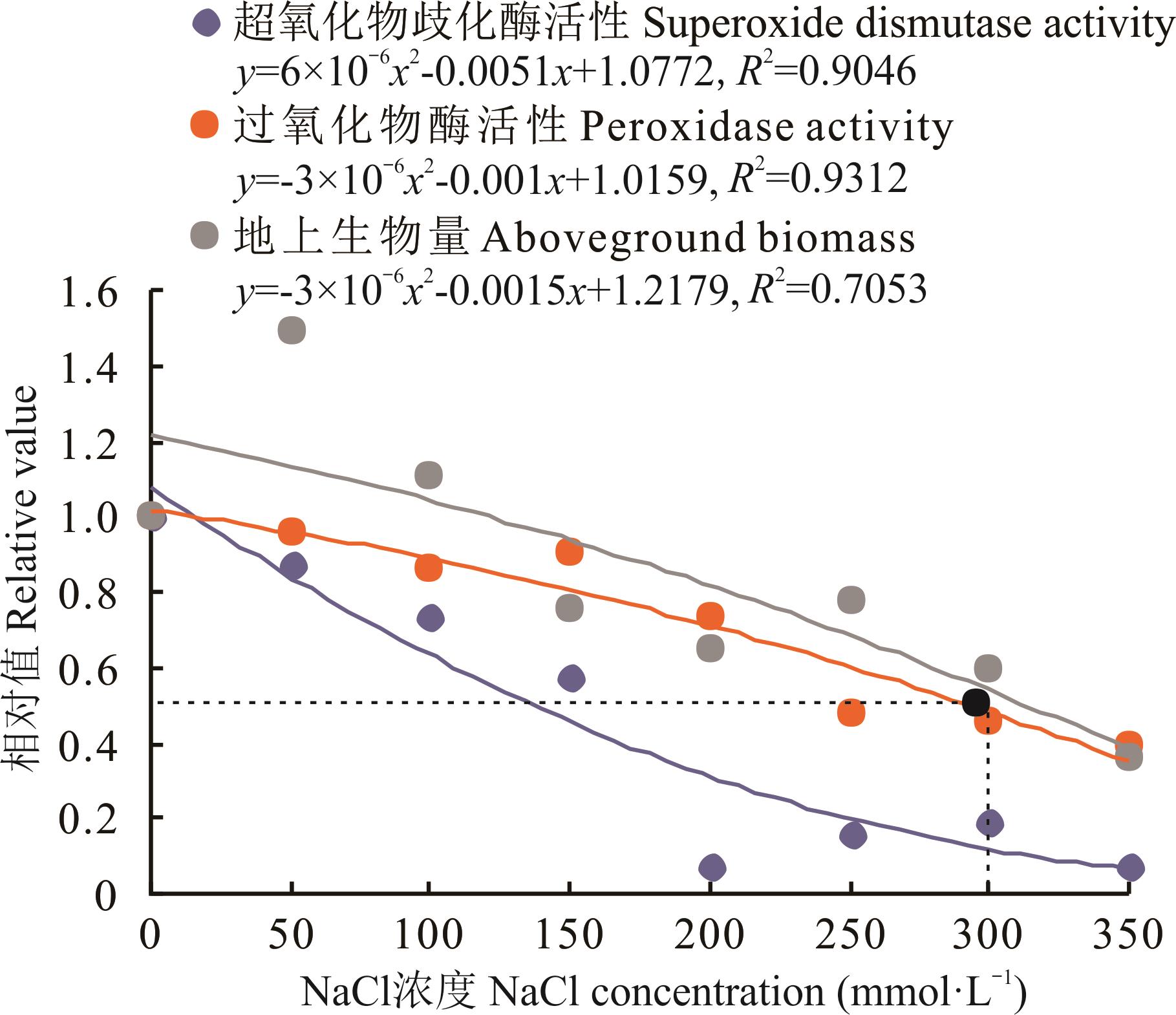
Fig.8 Calculation of the salt tolerance threshold of H. glomeratus
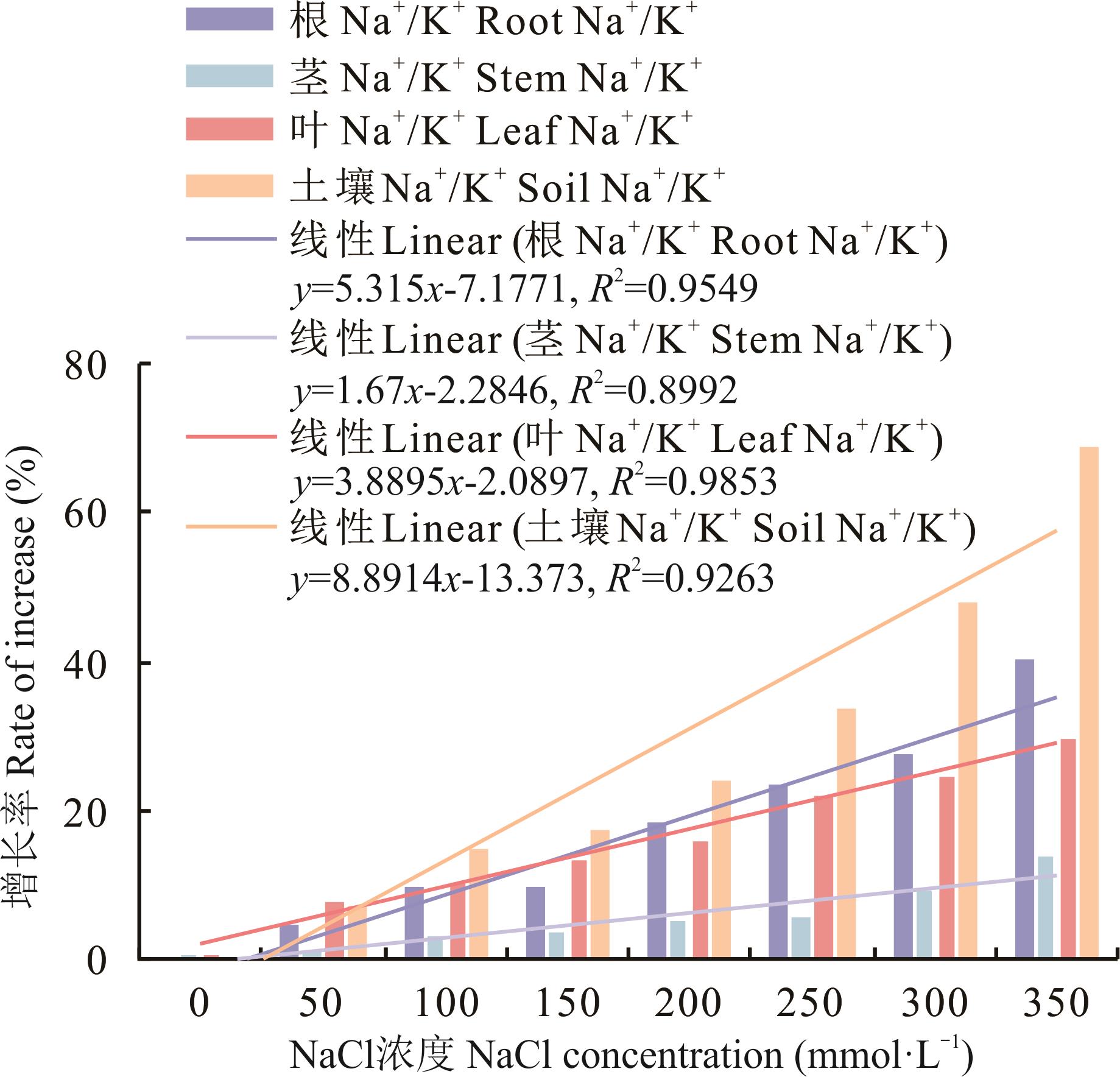
Fig.9 The effect of NaCl stress on the Na+/K+ growth rate of roots, stems, leaves and soil of H. glomeratus
| [1] | Yao D, Niu S Q, Zhao Q, et al. Induced salt tolerance of ryegrass by Bacillus subtilis strain WM13-24 from the rhizosphere of Haloxylon ammodendron. Acta Ecologica Sinica, 2020, 40(20): 7419-7429. |
| 姚丹, 牛舒琪, 赵祺, 等. 梭梭根际枯草芽孢杆菌WM13-24对多年生黑麦草耐盐性的影响. 生态学报, 2020, 40(20): 7419-7429. | |
| [2] | He J J, Yao L R, Wang J C, et al. Effects of drought and salt stress on seed germination characteristics of Halogeton glomeratus. Acta Prataculturae Sinica, 2020, 29(11): 129-140. |
| 何建军, 姚立蓉, 汪军成, 等. 干旱和盐胁迫对盐生植物盐生草种子萌发特性的影响. 草业学报, 2020, 29(11): 129-140. | |
| [3] | Wu C, Yin Y L, Yang X M, et al. A Markov-based model for predicting the development trend of soil microbial communities in saline-alkali land in Wudi County. Concurrency and Computation: Practice and Experience, 2019, 31(10): e4754. |
| [4] | Huang J, Kong Y L, Xu Q S, et al. Progresses for characteristics and amelioration measures of saline soil. Soils, 2022, 54(1): 18-23. |
| 黄晶, 孔亚丽, 徐青山, 等. 盐渍土壤特征及改良措施研究进展. 土壤, 2022, 54(1): 18-23. | |
| [5] | Gong Z Z, Xiong L M, Shi H Z, et al. Plant abiotic stress response and nutrient use efficiency. Science China Life Sciences, 2020, 63(5): 635-674. |
| [6] | Lu A Q, Zhang F J, Wang X Q, et al. Effects of NaCl and Na2SO4 stress on content and distribution of K+ and Na+ of Echinochloa frumentacea seedlings. Acta Agriculturae Zhejiangensis, 2021, 33(3): 396-403. |
| 陆安桥, 张峰举, 王学琴, 等. 盐胁迫对苗期湖南稷子K+、Na+含量与分布的影响. 浙江农业学报, 2021, 33(3): 396-403. | |
| [7] | Wang Y F, Xue Y W, Yang K J, et al. Effects of NaCl stress on ion contents in different organs of maize (Zea mays L.) seed-lings. Chinese Journal of Ecology, 2011, 30(8): 1654-1661. |
| 王玉凤, 薛盈文, 杨克军, 等. NaCl胁迫对玉米幼苗不同器官离子含量的影响. 生态学杂志, 2011, 30(8): 1654-1661. | |
| [8] | Liu H, Zhang F L, Tian H J, et al. Response of different maize varieties to salt stress and screening of salt tolerance. Journal of Maize Sciences, 2024, 32(4): 39-45, 54. |
| 刘鸿, 张富来, 田慧娟, 等. 不同玉米品种对盐胁迫的响应及耐盐性筛选. 玉米科学, 2024, 32(4): 39-45, 54. | |
| [9] | Zhang Z H, Yao L R, Wang J C, et al. Identification of AKR gene family members in Halogeton glomeratus and salt tolerance analysis of the root salt stress response gene HgAKR42639. Acta Prataculturae Sinica, 2024, 33(7): 68-83. |
| 张震欢, 姚立蓉, 汪军成, 等. 盐生草AKR基因家族成员的鉴定及根系盐胁迫响应基因HgAKR42639的耐盐分析. 草业学报, 2024, 33(7): 68-83. | |
| [10] | Huang Z L, Wang J C, Yao L R, et al. Research progress on salt tolerance mechanism of dilute salt halophytes. Journal of Gansu Agricultural University, 2022, 57(2): 1-10. |
| 黄志磊, 汪军成, 姚立蓉, 等. 稀盐盐生植物的耐盐机理研究进展. 甘肃农业大学学报, 2022, 57(2): 1-10. | |
| [11] | Li B C, Wang J C, Yao L R, et al. Halophyte Halogeton glomeratus, a promising candidate for phytoremediation of heavy metal-contaminated saline soils. Plant Soil, 2019, 442: 323-331. |
| [12] | Hu N, Li B C, Yao L R, et al. Effects of different heavy metals on the seed germination and establishment of Halogeton glomeratus. Acta Prataculturae Sinica, 2019, 28(6): 66-81. |
| 胡娜, 李葆春, 姚立蓉, 等. 不同重金属胁迫对盐生草种子萌发特性的影响. 草业学报, 2019, 28(6): 66-81. | |
| [13] | Zhang J, Mao C L, Khan A, et al. Enhanced methane production by using phytoremediated Halogeton glomeratus as substrate via anaerobic digestion. Renewable Energy, 2022, 194(1): 28-39. |
| [14] | Wang B S, Zhao K F. Comparison of extractive methods of Na and K in wheat leaves. Plant Physiology Communications, 1995, 31(1): 50-52. |
| 王宝山, 赵可夫. 小麦叶片中Na、K提取方法的比较. 植物生理学通讯, 1995, 31(1): 50-52. | |
| [15] | Li H S. Principle and technology of plant physiology and biochemical experiments. Beijing: Higher Education Press, 2000. |
| 李合生. 植物生理生化试验原理和技术. 北京: 高等教育出版社, 2000. | |
| [16] | Ren H, Fu L D, Wang Y, et al. Effects of silicon fertilizer and basic seedling distribution on growth, yield and quality of rice. Soil and Fertilizer Sciences in China, 2019(1): 108-116. |
| 任海, 付立东, 王宇, 等. 硅肥与基本苗配置对水稻生长发育、产量及品质的影响. 中国土壤与肥料, 2019(1): 108-116. | |
| [17] | Sun Z H, Ren H, Wang H Z, et al. Effects of foliar silicon sprays on leaf photosynthetic performance and grain yield of summer maize in coastal saline-alkali soil. Acta Agronomica Sinica, 2024, 50(9): 2383-2395. |
| 孙照华, 任昊, 王洪章, 等. 叶面喷施硅制剂对滨海盐碱地夏玉米叶片光合性能及籽粒产量的影响. 作物学报, 2024, 50(9): 2383-2395. | |
| [18] | Li J J, Xu X W, Zang Y, et al. Evaluation of major agronomic traits and nutritional quality of forage barley varieties in the Nanjing region. Acta Prataculturae Sinica, 2026, 35(3): 114-127. |
| 李建建, 徐夕雯, 张源, 等. 南京地区饲用大麦主要农艺性状与营养品质评价. 草业学报, 2026, 35(3): 114-127. | |
| [19] | Qian Y L, Wilhelm S J, Marcum K B. Comparative responses of two Kentucky bluegrass cultivars to salinity stress. Crop Science, 2001, 41(6): 1895-1900. |
| [20] | Suplick-Ploense M R, Qian Y L, Read J C. Relative NaCl tolerance of Kentucky bluegrass, Texas bluegrass, and their hybrids. Crop Science, 2002, 42(6): 2025-2030. |
| [21] | Zhao X T, Wang Y S, Duan J, et al. Effects of salt stress on growth and photosynthetic characteristics of Magnolia wufengensis grafted seedlings. Scientia Silvae Sincae, 2021, 57(4): 43-53. |
| 赵秀婷, 王延双, 段劼, 等. 盐胁迫对红花玉兰嫁接苗生长和光合特性的影响. 林业科学, 2021, 57(4): 43-53. | |
| [22] | Wu Y, Tian Y, Song Y T. The effects of different salt concentrations on the growth and ion accumulation of early-stage Medicago falcata. Chinese Journal of Grassland, 2019, 41(4): 39-44. |
| 武祎, 田雨, 宋彦涛. 不同盐分对黄花苜蓿早期幼苗生长及离子积累的影响. 中国草地学报, 2019, 41(4): 39-44. | |
| [23] | Krishnamurthy S L, Gautam R K, Sharma P C, et al. Effect of different salt stresses on agro-morphological traits and utilisation of salt stress indices for reproductive stage salt tolerance in rice. Field Crops Research, 2016, 190: 26-33. |
| [24] | Li Y B, Han D Y, Fu R Y, et al. Effects of NaCl stress on morphology and related physiological indexes of Carex subpediformis. Pratacultural Science, 2022, 39(3): 529-537. |
| 李英博, 韩戴宇, 付如裕, 等. NaCl胁迫对亚柄薹草形态和相关生理指标的影响. 草业科学, 2022, 39(3): 529-537. | |
| [25] | Wang M M, Zhao G Q, Liang G L, et al. Physiological response of different salt-tolerant oats to salt stress. Pratacultural Science, 2021, 38(11): 2200-2209. |
| 王苗苗, 赵桂琴, 梁国玲, 等. 不同耐盐性燕麦对盐胁迫的生理响应. 草业科学, 2021, 38(11): 2200-2209. | |
| [26] | Yuan Y H. Study on physiological response and adaptive mechanism of broomcorn millet (Panicum miliaceum L.) under salt stress. Yangling: Northwest A & F University, 2022. |
| 袁雨豪. 盐胁迫下糜子的生理响应及适应机制研究. 杨凌: 西北农林科技大学, 2022. | |
| [27] | Gao Y K, Yang P Y, Xiang X D, et al. Response of different salt tolerant sorghum varieties to salt stress in the whole growth period. Acta Agriculturae Boreali-Sinica, 2020, 35(6): 113-121. |
| 高玉坤, 杨溥原, 项晓冬, 等. 不同耐盐高粱品种全生育期对盐胁迫的响应. 华北农学报, 2020, 35(6): 113-121. | |
| [28] | Gao S Y, Liu W J, Li Y Y, et al. Physiological and biochemical responses of Bothriochloa ischaemum seedlings to salt stress at seedling stage and definition of salt tolerance threshold. Acta Prataculturae Sinica, 2025, 34(3): 164-174. |
| 高守舆, 刘文静, 李钰莹, 等. 苗期白羊草对盐胁迫的生理生化响应及其耐盐阈值的界定. 草业学报, 2025, 34(3): 164-174. | |
| [29] | Li R Q, Wang Y X, Sun Y L, et al. Effects of salt stress on the growth, physiology, and biochemistry of five Bromus inermis varieties. Acta Prataculturae Sinica, 2023, 32(1): 99-111. |
| 李瑞强, 王玉祥, 孙玉兰, 等. 盐胁迫对5份无芒雀麦苗期生长和生理生化的影响及综合性评价. 草业学报, 2023, 32(1): 99-111. | |
| [30] | Liu B S, Kang C L, Wang X, et al. Physiological and biochemical response characteristics of Leymus chinensis to saline-alkali stress. Transactions of the Chinese Society of Agricultural Engineering, 2014, 30(23): 166-173. |
| 刘滨硕, 康春莉, 王鑫, 等. 羊草对盐碱胁迫的生理生化响应特征. 农业工程学报, 2014, 30(23): 166-173. | |
| [31] | Wang Z D. Characterization of phenotype traits, salt tolerance and genetic composition of new triticale strains. Tai’an: Shandong Agricultural University, 2022. |
| 王紫铎. 小黑麦新品系农艺性状、耐盐特性分析及遗传组成鉴定. 泰安: 山东农业大学, 2022. | |
| [32] | Su X L, Shu X, Wang X Y, et al. Effects of exogenous melatonin on seed germination and seedling growth of Elymus sibiricus under NaCl stress. Pratacultural Science, 2023, 40(10): 2595-2606. |
| 苏晓丽, 舒欣, 王晓耘, 等. 外源褪黑素对NaCl胁迫下老芒麦种子萌发和幼苗生长的影响. 草业科学, 2023, 40(10): 2595-2606. | |
| [33] | Zhang M R, Ma J B, Yao Y A, et al. Responses of physiological traits of Salicornia european to NaCl stress. Journal of Desert Research, 2014, 34(2): 441-447. |
| 张梅茹, 马金彪, 姚银安, 等. 盐角草(Salicornia europaea)对NaCl处理的生理响应. 中国沙漠, 2014, 34(2): 441-447. | |
| [34] | Lyu S L, Jiang P, Chen X Y, et al. Multiple compartmentalization of sodium conferred salt tolerance in Salicornia europaea. Plant Physiology and Biochemistry, 2012, 51: 47-52. |
| [35] | Wang J C. Study on the salt tolerance mechanisms of ion compartmentation in halophyte Halogeton glomeratus. Lanzhou: Gansu Agricultural University, 2017. |
| 汪军成. 盐生草盐分区隔化耐盐机制研究. 兰州: 甘肃农业大学, 2017. | |
| [36] | Wang X T. Physiological response of Chenopodium album L. to different concentrations of NaHCO3 stress. Changchun: Northeast Normal University, 2020. |
| 王献田. 藜对不同浓度NaHCO3胁迫的生理反应. 长春: 东北师范大学, 2020. | |
| [37] | Hao H, Cao L, Chen W N, et al. Effects of salt stress on the ion balance and physiological-biochemical characteristics of Quercus dentata seedlings. Acta Ecologica Sinica, 2020, 40(19): 6897-6904. |
| 郝汉, 曹磊, 陈伟楠, 等. 盐胁迫对槲树(Quercus dentata)幼苗离子平衡及其生理生化特性的影响. 生态学报, 2020, 40(19): 6897-6904. | |
| [38] | Croft H, Chen J M, Luo X Z, et al. Leaf chlorophyll content as a proxy for leaf photosynthetic capacity. Global Change Biology,2017, 23(9): 3513-3524. |
| [39] | Jiang Y, Zhou M, Wu Y, et al. Evaluation of salt tolerance and its underlying physiological mechanisms in different oats. Pratacultural Science, 2018, 35(12): 2903-2914. |
| 姜瑛, 周萌, 吴越, 等. 不同燕麦品种耐盐性差异及其生理机制. 草业科学, 2018, 35(12): 2903-2914. | |
| [40] | Li S, Wang A Y, Jiao Z, et al. Physiological and chemical characteristics and transcriptome analysis of different type of wheat seedlings under salt stress. Journal of Agricultural Science and Technology, 2024, 26(2): 20-32. |
| 李双, 王爱英, 焦浈, 等. 盐胁迫下不同抗性小麦幼苗生理生化特性及转录组分析. 中国农业科技导报, 2024, 26(2): 20-32. | |
| [41] | Ashraf M, Harris P J C. Potential biochemical indicators of salinity tolerance in plant. Plant Science, 2004, 166(1): 3-16. |
| [42] | Yang Y J, Zheng W, Tian Y, et al. Effects of various mixed salt-alkaline stresses on growth, photosynthesis, and photosynthetic pigment concentrations of Medicago ruthenica seedlings. Photosynthetica, 2011, 49(2): 275-284. |
| [43] | Sofia L C, Karina G, Nacira M, et al. Oxidative damage and antioxidant defenses as potential indicators of salt-tolerant Cenchrus ciliaris L.genotypes. Flora, 2010, 205(9): 622-626. |
| [44] | Liu A R, Zhang Y B, Huang S C, et al. Comparison of stress effects of NaCl and Na2CO3 on seed germination and seedling growth of Festuca arundinacea Schreb. Chinese Journal of Tropical Crops, 2011, 32(6): 1064-1068. |
| 刘爱荣, 张远兵, 黄守程, 等. NaCl与Na2CO3对高羊茅种子萌发及幼苗生长胁迫效应比较. 热带作物学报, 2011, 32(6): 1064-1068. | |
| [45] | Wang Y, Wang Y T, Yang R F, et al. Effects of gibberellin priming on seedling emergence and transcripts involved in mesocotyl elongation in rice under deep direct-seeding conditions. Journal of Zhejiang University-Science (Biomedicine & Biotechnology), 2021, 22(12): 1002-1021. |
| [46] | Yuan H, Zhang X H, Han X Q, et al. Effects of salt and alkali stress on biomass and physiological characteristics of four Phleum pratense at seedling stage. Acta Agrestia Sinica, 2024, 32(4): 1184-1193. |
| 袁惠, 张鲜花, 韩禧卿, 等. 盐、碱胁迫对4份梯牧草苗期生物量及生理特性的影响. 草地学报, 2024, 32(4): 1184-1193. | |
| [47] | Li Y, Yu L J, Jin X X. Mechanism of heavy metal tolerance stress of plants. China Biotechnology, 2015, 35(9): 94-104. |
| 李洋, 于丽杰, 金晓霞. 植物重金属胁迫耐受机制. 中国生物工程杂志, 2015, 35(9): 94-104. | |
| [48] | Wang N. Biological response of different maize varieties at seedling to salt stress and mechanism of tolerance. Shenyang: Shenyang Agricultural University, 2009. |
| 王宁. 不同玉米品种苗期对盐胁迫的生物学响应及耐性机制研究. 沈阳: 沈阳农业大学, 2009. | |
| [49] | Meng C, Lu X L, Song Y R, et al. Evaluation and identification of salt tolerance of 11 Leonurus germplasm lines at the seedling stage. Acta Prataculturae Sinica, 2024, 33(5): 196-203. |
| 孟晨, 鲁雪莉, 宋亦汝, 等. 11份益母草种质材料苗期耐盐性评价与鉴定. 草业学报, 2024, 33(5): 196-203. | |
| [50] | Chen X H. Identification and tolerance mechanism of common millet (Panicum miliaceum L.) in neutral mixed salts. Jinzhong: Shanxi Agricultural University, 2022. |
| 陈小红. 糜子耐中性混合盐鉴定与耐盐机制研究. 晋中: 山西农业大学, 2022. | |
| [51] | Li X K, Wu C N, Wang W, et al. Screening and evaluation of salt-tolerant germplasm of synthetic hexaploid wheat. Journal of Triticeae Crops, 2021, 41(12): 1487-1495. |
| 李小康, 吴崇宁, 王维, 等. 人工合成六倍体小麦耐盐种质资源的筛选及评价. 麦类作物学报, 2021, 41(12): 1487-1495. | |
| [52] | Jia X P, Deng Y M, Sun X B, et al. Impacts of salt stress on the growth and physiological characteristics of Paspalum vaginatum. Acta Prataculturae Sinica, 2015, 24(12): 204-212. |
| 贾新平, 邓衍明, 孙晓波, 等. 盐胁迫对海滨雀稗生长和生理特性的影响. 草业学报, 2015, 24(12): 204-212. |
| [1] | Min JIN, Min LI, Jin-xia HEI, Gui-yin ZHANG, Feng-ju ZHANG, Shu-juan CHEN, Gui-lian MAO. Effects of different concentrations of NaCl on the root morphology of four salt-tolerant plant species and assessment of their salt tolerance [J]. Acta Prataculturae Sinica, 2026, 35(9): 75-86. |
| [2] | Kai-xin LOU, Pei-fang CHONG, Xin-guang BAO, Jin-ting XIAO, Jia-li YANG. Growth-promoting effect of Enterobacter mori on Reaumuria songarica seedlings under salt stress and its rhizosphere mechanism [J]. Acta Prataculturae Sinica, 2026, 35(9): 87-99. |
| [3] | Ruo-hong LI, Chang-ran LI, Jia-yi FU, Xin-yu HU, Pei-sheng MAO. Effects of nano-iron priming and biochar encrusting on the salt tolerance of Festuca sinensis at the seed germination and seedling growth stages [J]. Acta Prataculturae Sinica, 2026, 35(8): 32-44. |
| [4] | Jin-hui YANG, Xiao-tong WANG, Yong-long MA, Dong-wen YU, Yu-hua TONG, Shu-xia LI. Effect of CeO2 NPs on the salt tolerance of alfalfa seedlings [J]. Acta Prataculturae Sinica, 2026, 35(8): 45-54. |
| [5] | Ming WEI, Xin-rui WU, Xuan WU, Hao LI, Guo-qiang WU, Wei-jie ZHANG, Zi-yi CHENG. Cloning of the betaine aldehyde dehydrogenase family BvBADH2 gene and its role in plant salt tolerance [J]. Acta Prataculturae Sinica, 2026, 35(5): 185-195. |
| [6] | Yi-bo WANG, Xue-hua MING, Jian-yong ZHANG, Qi YUAN, Jian-ming DU, Bin WANG, Teng-fei WANG, Yi-yin ZHANG, Jian LAN, Le MU. Multi-trait evaluation of the production performance and seed yield of new oat germplasm materials in the arid area of Ningxia [J]. Acta Prataculturae Sinica, 2026, 35(4): 86-99. |
| [7] | Jian-jian LI, Xi-wen XU, Yuan ZHANG, Huan WANG, Hao-ran WANG, Xiao-hui LI, Hui-quan SHEN, Shao-bin SHEN, Jun-qin ZONG, Hai-lin GUO. Evaluation of major agronomic traits and nutritional quality of forage barley varieties in the Nanjing region [J]. Acta Prataculturae Sinica, 2026, 35(3): 114-127. |
| [8] | Xiang MA, Zhong-xing LI, Rong-chen YANG, Ze-liang JU, Zhi-feng JIA, Pei-zhi YANG. The effect of salt stress on sugar and endogenous hormone content in oat varieties with contrasting salt tolerance [J]. Acta Prataculturae Sinica, 2026, 35(3): 235-244. |
| [9] | Hao-le QI, Si-ning WANG, Xiao-xia LI, Feng-ling SHI. Multivariate evaluation of the salt tolerance of Buchloe dactyloides germplasm lines and construction of a preliminary evaluation model [J]. Acta Prataculturae Sinica, 2026, 35(1): 119-129. |
| [10] | Yi-xin LIU, Xiao-qing SUI, Xin-yao WANG, Meng-qing LANG, Ling-zi-yin SUN, Er-ge JIER. Mitigating effects of exogenous melatonin on alfalfa under salt stress [J]. Acta Prataculturae Sinica, 2025, 34(9): 206-214. |
| [11] | Qing-qing ZHANG, Xing-yu MA, Yan LU, Guang-Xing ZHAO, Fan-jiang ZENG, Cai-bian HUANG. A study of salt tolerance differences in Cyperus esculentus at different growth stages in a sandy saline soil [J]. Acta Prataculturae Sinica, 2025, 34(6): 168-180. |
| [12] | Nan GUO, Wu-chen DU, Shou-kun JI, Jian LIU, Su-qian CUI, Hui YUAN, Xu HAN, Ji-shuang LIU, Li-jie GAO. Effects of different fertilization and reseeding rates on the nutrient content of forage in a mountain meadow and its rumen fermentation parameters [J]. Acta Prataculturae Sinica, 2025, 34(4): 150-163. |
| [13] | Shou-yu GAO, Wen-jing LIU, Yu-ying LI, Qing-yuan XIANG, Jia-jun XU, Lei-qi SHU, Zhao-zhong LI. Physiological and biochemical responses of Bothriochloa ischaemum seedlings to salt stress at seedling stage and definition of salt tolerance threshold [J]. Acta Prataculturae Sinica, 2025, 34(3): 164-174. |
| [14] | Xin-yao WANG, Ya-ping PENG, Li-rong YAO, Jun-cheng WANG, Er-jing SI, Hong ZHANG, Ke YANG, Xiao-le MA, Ya-xiong MENG, Hua-jun WANG, Bao-chun LI. Gene cloning and drought resistance identification of the gene HgS5 in Halogeton glomeratus [J]. Acta Prataculturae Sinica, 2025, 34(2): 184-195. |
| [15] | Chang-ying GUO, Wen-hua DU. Differences in inflorescence and spike characteristics between triticale and its allied species [J]. Acta Prataculturae Sinica, 2025, 34(11): 205-216. |
| Viewed | ||||||
|
Full text |
|
|||||
|
Abstract |
|
|||||
