
ISSN 1004-5759 CN 62-1105/S
Acta Prataculturae Sinica ›› 2026, Vol. 35 ›› Issue (8): 45-54.DOI: 10.11686/cyxb2025330
Previous Articles Next Articles
Jin-hui YANG( ), Xiao-tong WANG, Yong-long MA, Dong-wen YU, Yu-hua TONG, Shu-xia LI()
Received:2025-08-14
Revised:2025-10-22
Online:2026-08-20
Published:2026-06-22
Contact:
Shu-xia LI
Jin-hui YANG, Xiao-tong WANG, Yong-long MA, Dong-wen YU, Yu-hua TONG, Shu-xia LI. Effect of CeO2 NPs on the salt tolerance of alfalfa seedlings[J]. Acta Prataculturae Sinica, 2026, 35(8): 45-54.
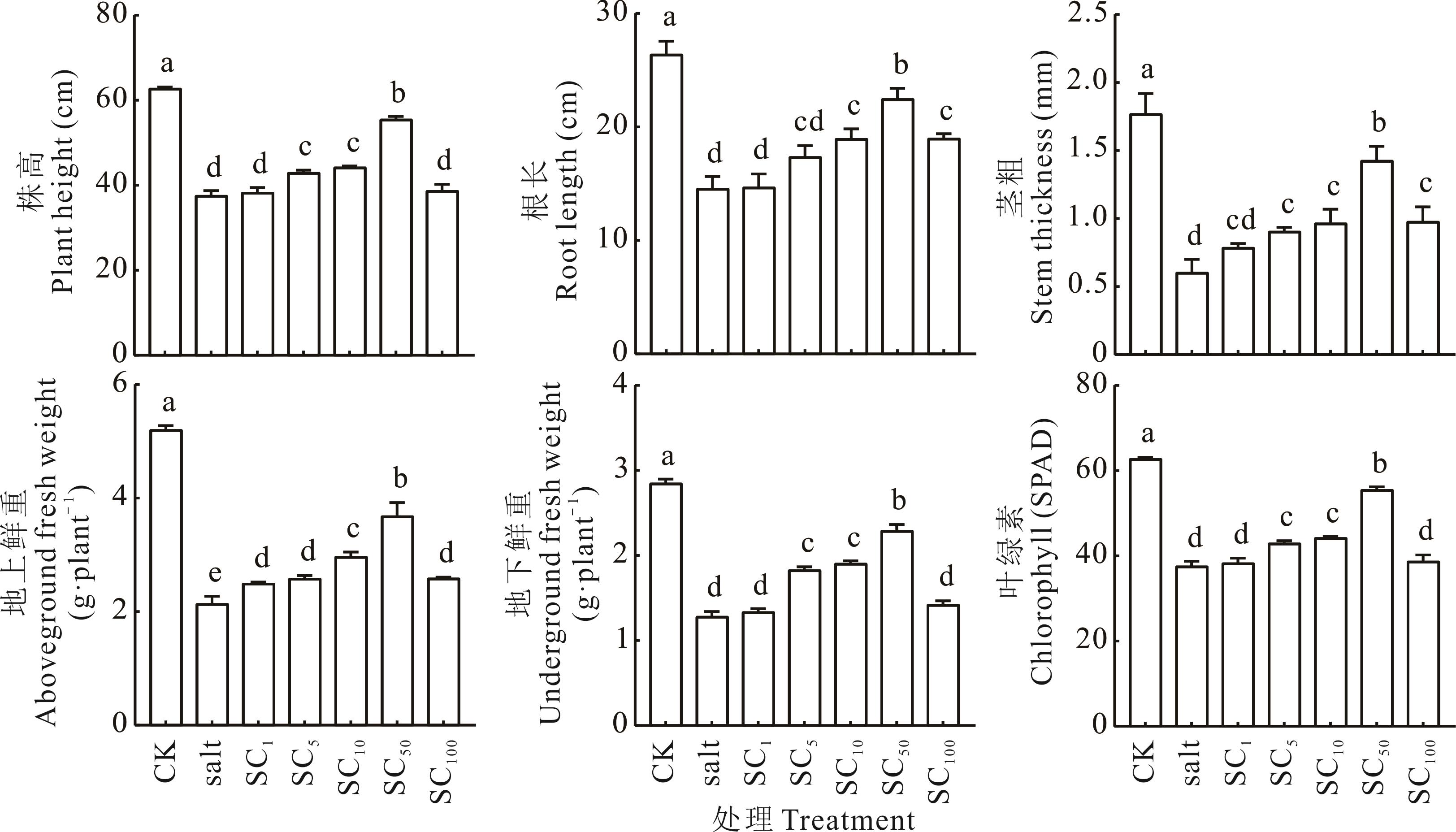
Fig.1 Effect of sprayed CeO2 nanoparticles concentration on the growth of alfalfa seedlings under salt stress
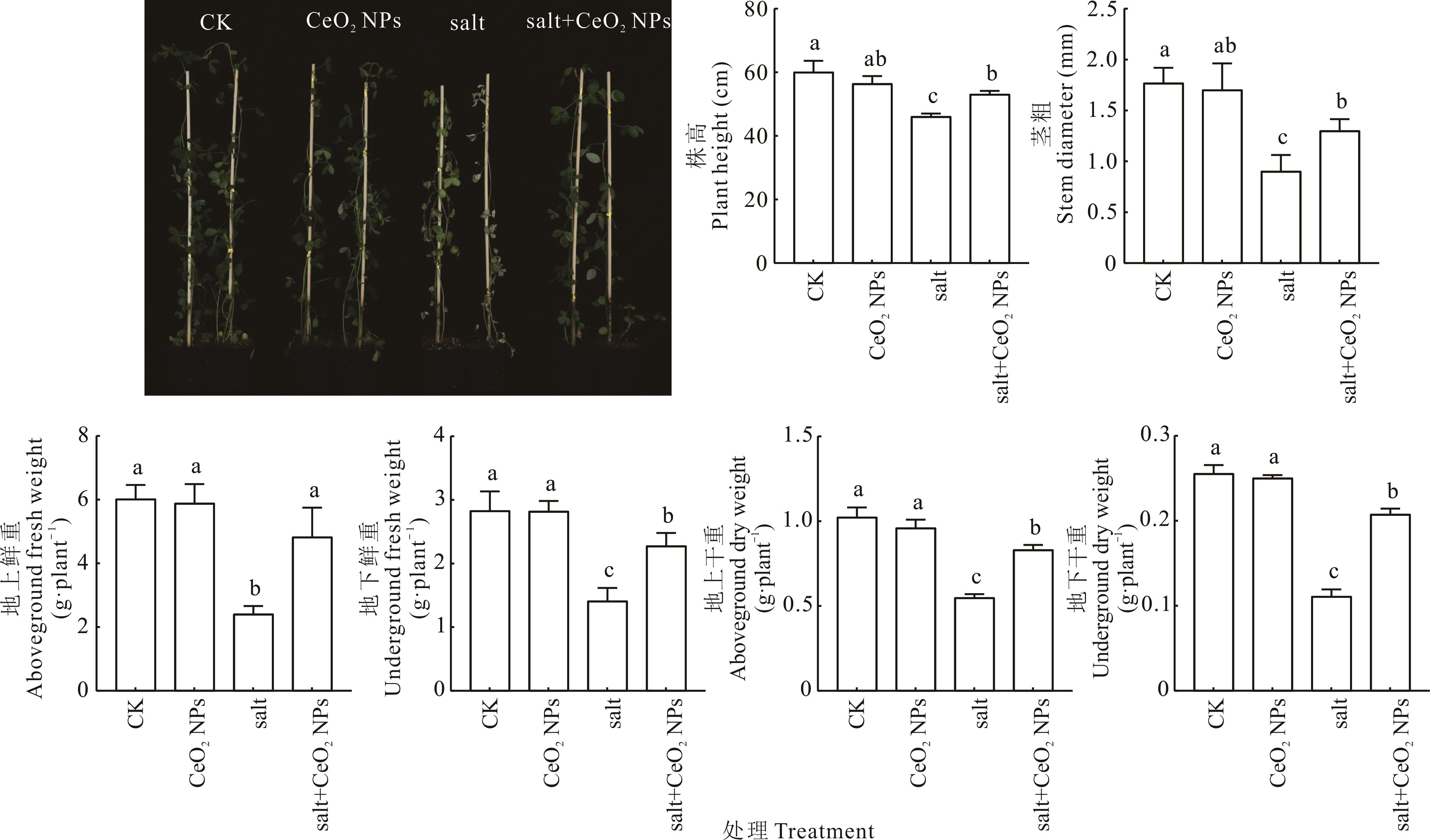
Fig.2 Effect of CeO2 nanoparticles spraying treatment on alfalfa seedling growth under salt stress
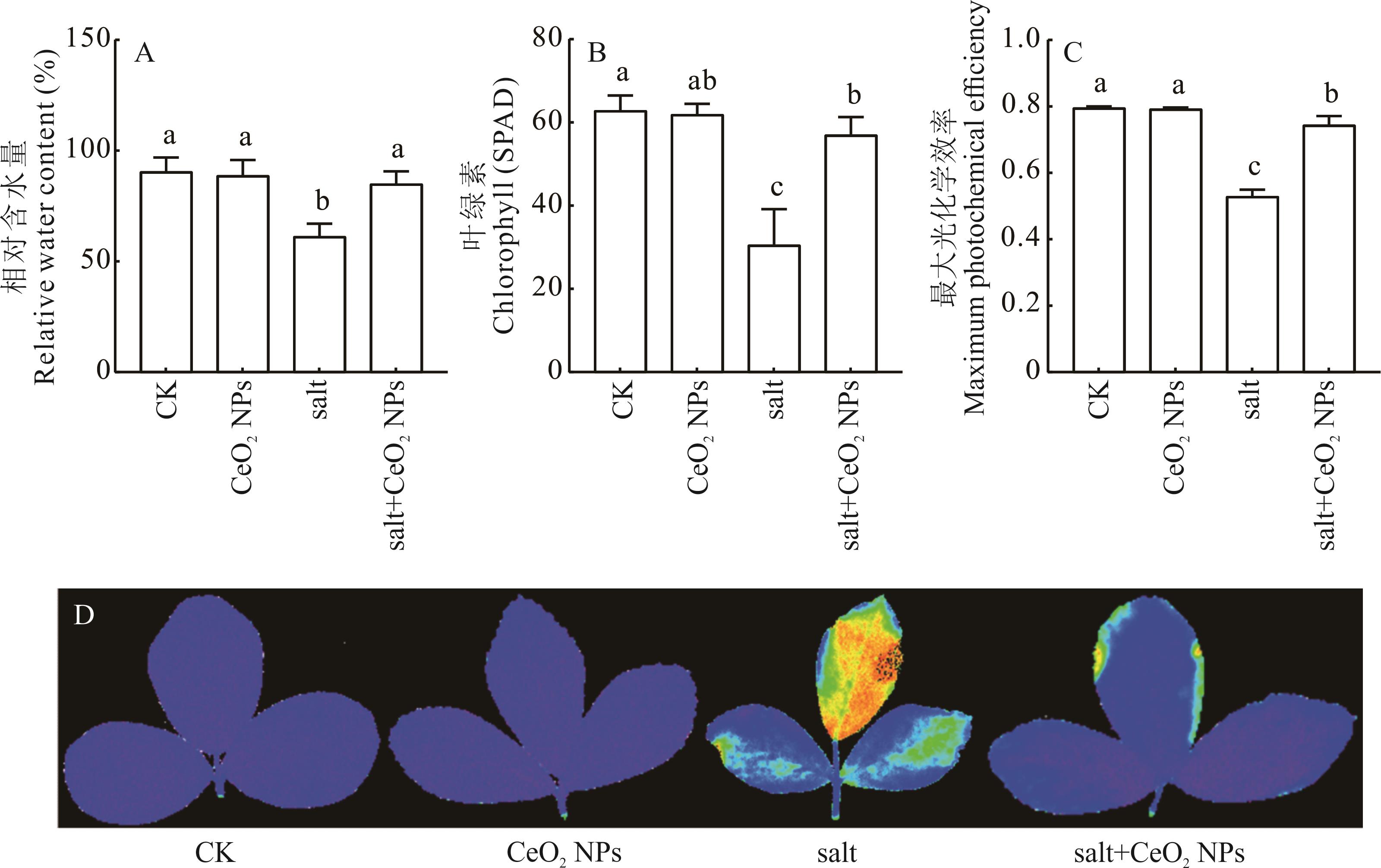
Fig.3 Effect of CeO2 nanoparticles spraying treatment on relative water content and photosynthesis in alfalfa seedlings under salt stress
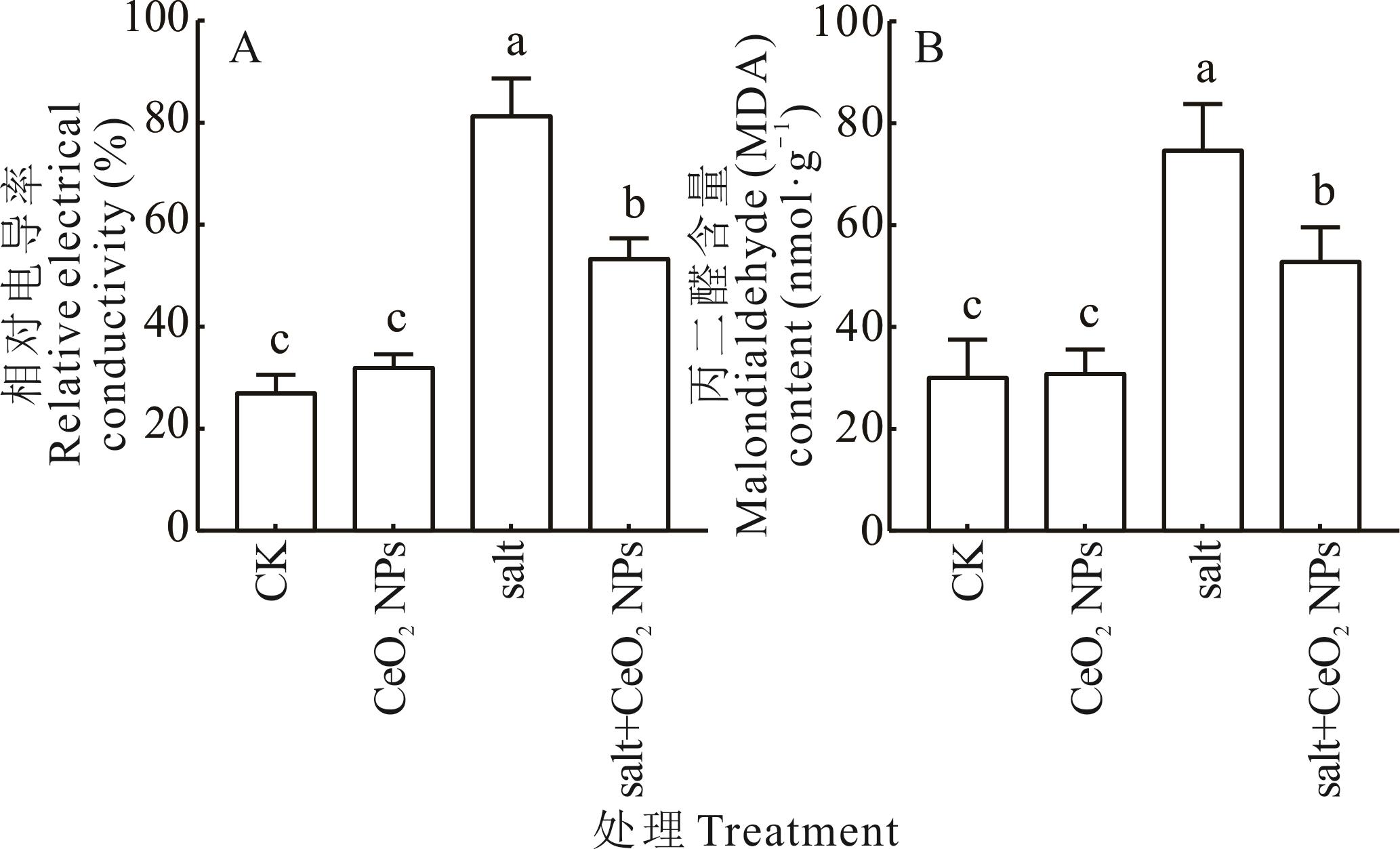
Fig.4 Effect of CeO2 nanoparticles spraying treatment on relative electrical conductivity (REC) and malondialdehyde (MDA) content of alfalfa seedlings under salt stress
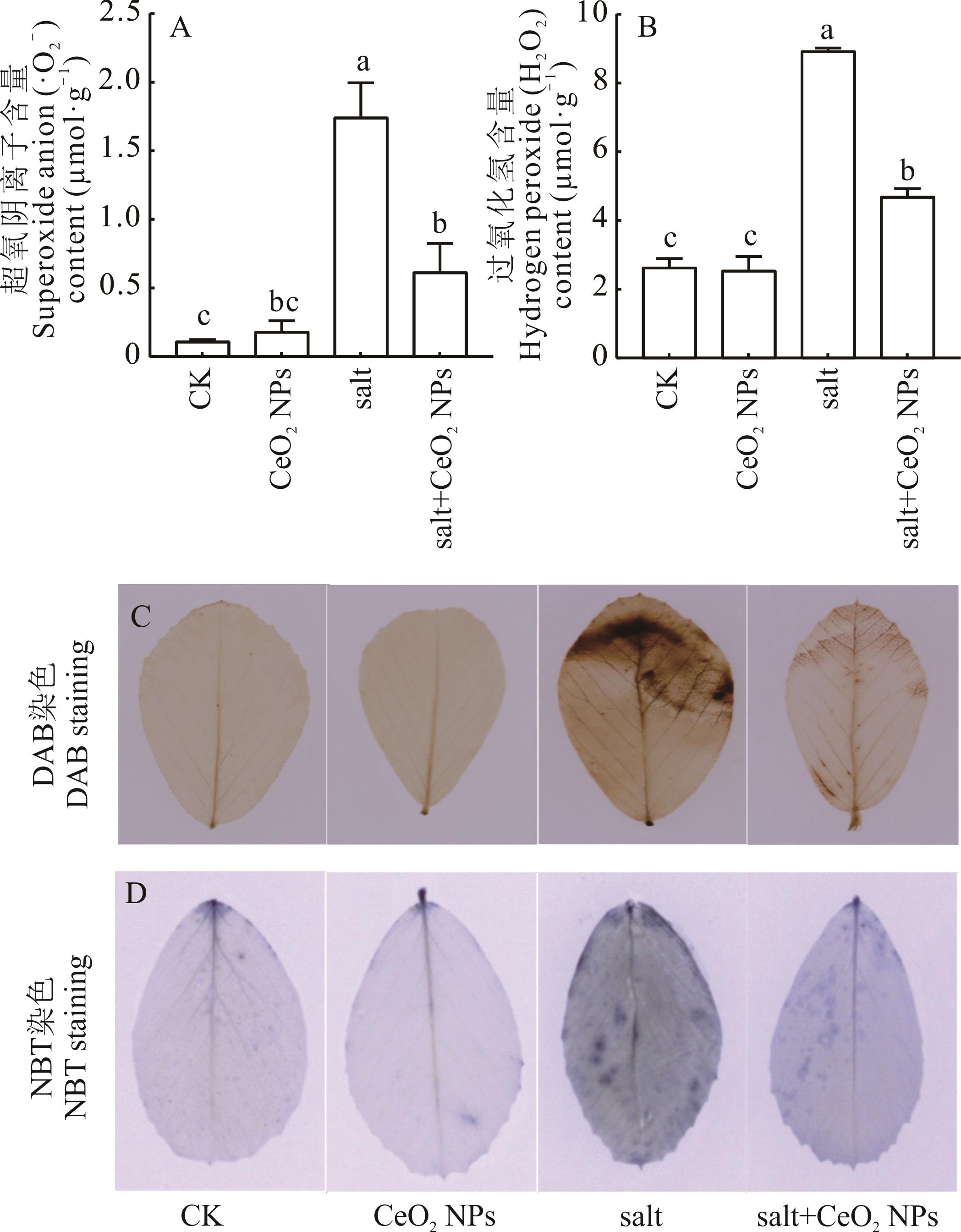
Fig.5 Effect of CeO2 nanoparticles spraying treatment on reactive oxygen species accumulation in alfalfa seedlings under salt stress
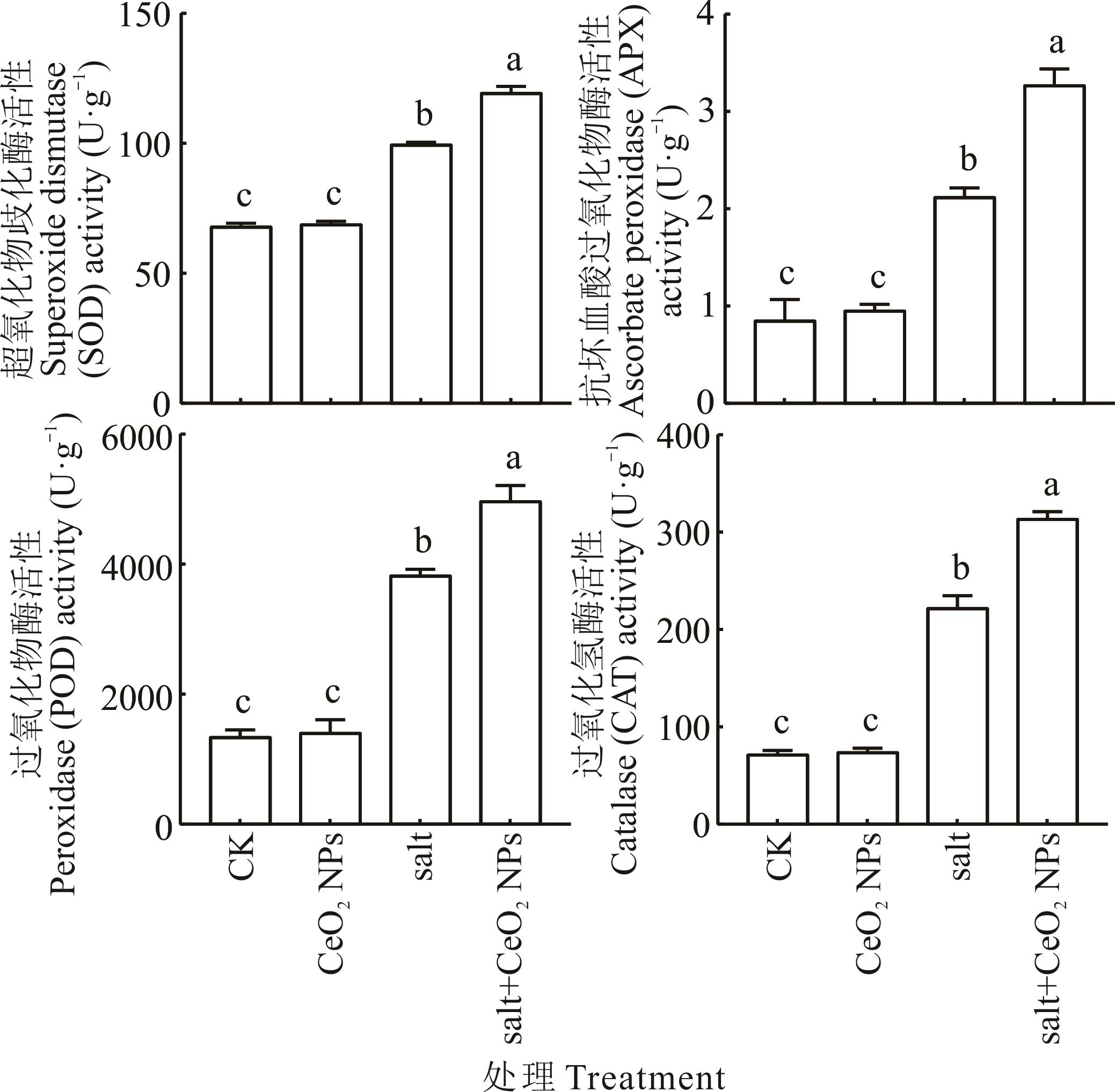
Fig.6 Effect of CeO2 nanoparticles spraying treatment on the antioxidant enzyme system of alfalfa seedlings under salt stress
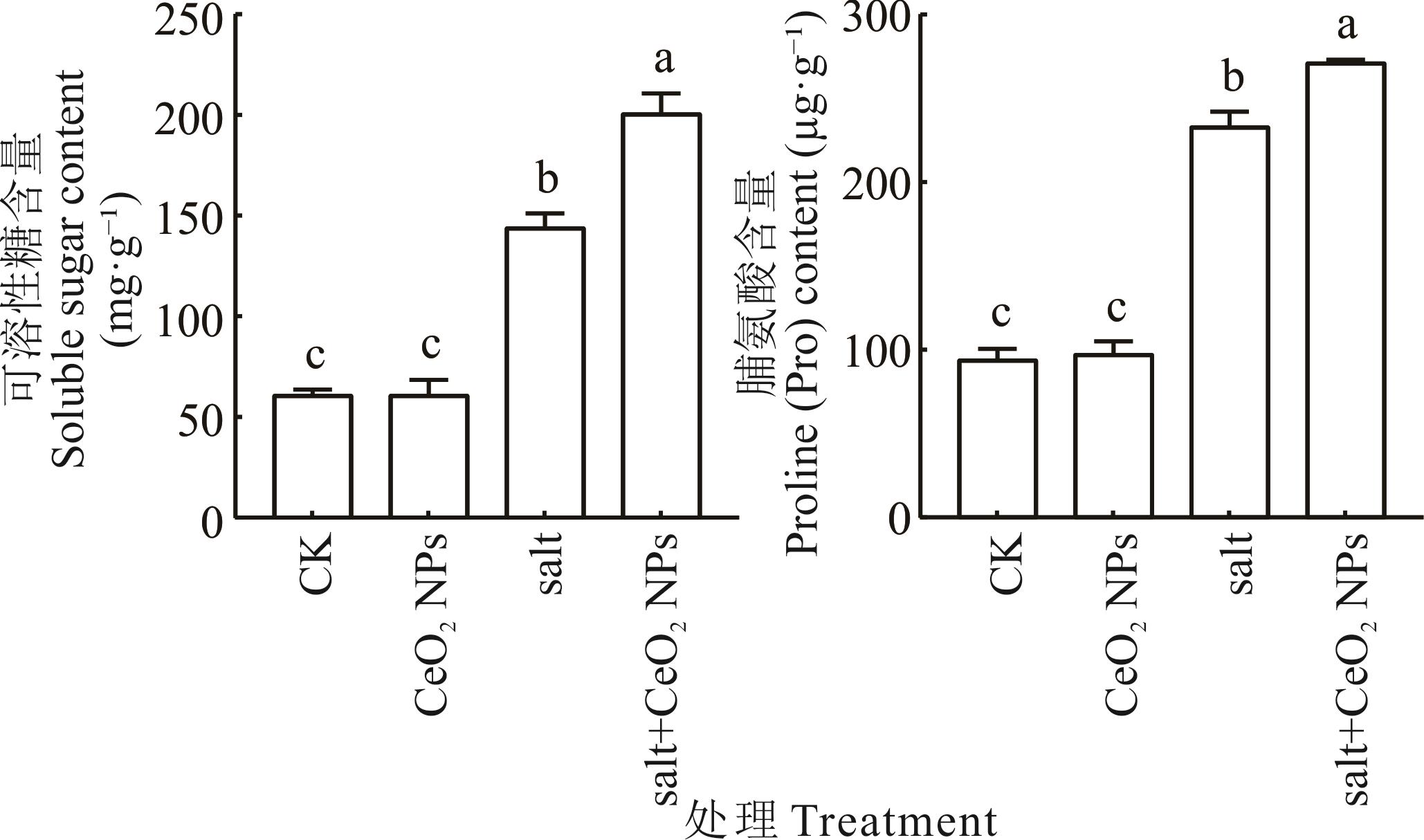
Fig.7 Effect of CeO2 nanoparticles spraying treatment on osmotic regulatory substances in alfalfa seedlings under salt stress
| [1] | Li J G, Pu L J, Zhu M, et al. The present situation and hot lssues in the salt-affected soil research. Acta Geographica Sinica, 2012, 67(9): 1233-1245. |
| 李建国, 濮励杰, 朱明, 等. 土壤盐渍化研究现状及未来研究热点. 地理学报, 2012, 67(9): 1233-1245. | |
| [2] | Zhang K, Li M N, Cao S H, et al. The research advances of molecular mechanisms of plant in responding to salt stress. Acta Agrestia Sinica, 2017, 25(2): 226-235. |
| 张昆, 李明娜, 曹世豪, 等. 植物盐胁迫下应激调控分子机制研究进展. 草地学报, 2017, 25(2): 226-235. | |
| [3] | Hassan E, Hanideh F, Muhammad R. Interactions of nanoparticles and salinity stress at physiological, biochemical and molecular levels in plants: A review. Ecotoxicology and Environmental Safety, 2021, 225: 112769. |
| [4] | Kumar M, Etesami H, Kumar V, et al. Saline soil-based agriculture by halotolerant microorganisms. Singapore: Springer, 2019. |
| [5] | Parul P, Samiksha S, Rachana S, et al. Effect of salinity stress on plants and its tolerance strategies: A review. Environmental Science and Pollution Research, 2015, 22(6): 4056-4075. |
| [6] | Pan J, Huang C H, Luo J, et al. Effects of salt stress on plant and the mechanism of arbuscular mycorrhizal fungi enhancing salt tolerance of plants. Advances in Earth Science, 2018, 33(4): 361-372. |
| 潘晶, 黄翠华, 罗君, 等. 盐胁迫对植物的影响及AMF提高植物耐盐性的机制. 地球科学进展, 2018, 33(4): 361-372. | |
| [7] | Xu J Y, Shi X L, Li X, et al. Analysis of domestic current situation of Medicago sativa L. mixed planting. Modern Agriculture Research, 2024, 30(5): 107-111. |
| 徐静怡, 石昕岚, 李勋, 等. 国内紫花苜蓿混播研究现状分析. 现代农业研究, 2024, 30(5): 107-111. | |
| [8] | Sun P B, Wang Z J, Gegentu, et al. Research progress of alfalfa salt and alkali stress tolerance and mitigation measures. Northern Horticulture, 2023(21): 131-137. |
| 孙鹏波, 王志军, 格根图, 等. 紫花苜蓿耐盐碱胁迫与缓减措施的研究进展. 北方园艺, 2023(21): 131-137. | |
| [9] | Ahmad I, Akhtar M S. Use of nanoparticles in alleviating salt stress//Salt stress, microbes, and plant interactions: Causes and solution. Singapore: Springer, 2019: 199-215. |
| [10] | Faisal Z, Muhammad A. Nanoparticles potentially mediate salt stress tolerance in plants. Plant Physiology and Biochemistry, 2021, 160(3): 257-268. |
| [11] | Deyala M N, Hanan A. Metabolic status during germination of nano silica primed Zea mays seeds under salinity stress. Journal of Crop Science and Biotechnology, 2019, 22(11): 415-423. |
| [12] | Chen S Y, Lu Y, Wu S F, et al. Effects of seed soaking in Fe3O4 nanoparticle on tomato seed germination and seedling protective enzyme system under saline stress. Acta Pedologica Sinica, 2024, 61(4): 1166-1178. |
| 陈思远, 鲁尧, 武思凡, 等. 纳米级Fe3O4分散液浸种对NaCl胁迫下番茄种子萌发及幼苗保护酶系统的影响. 土壤学报, 2024, 61(4): 1166-1178. | |
| [13] | Kalteh M, Alipour Z T, Ashraf S, et al. Effect of silica nanoparticles on basil (Ocimum basilicum) under salinity stress. Journal of Chemical Health Risks, 2014, 4(8): 49-55. |
| [14] | Wang Z S, Li H, Li X N, et al. Nano-ZnO priming induces salt tolerance by promoting photosynthetic carbon assimilation in wheat. Archives of Agronomy and Soil Science, 2020, 66(9): 1259-1273. |
| [15] | Hussain A, Rizwan M, Ali Q, et al. Seed priming with silicon nanoparticles improved the biomass and yield while reduced the oxidative stress and cadmium concentration in wheat grains. Environmental Science and Pollution Research, 2019, 26(1): 7579-7588. |
| [16] | Ma J X. Mechanism of nano cerium oxide seed priming in promoting seed germination of rapeseed under low temperature stress. Hefei: Anhui Agricultural University, 2024. |
| 马锦旭. 纳米氧化铈引发促进低温胁迫下油菜种子萌发的机制研究. 合肥: 安徽农业大学, 2024. | |
| [17] | Zhou H, Wu H H, Zhang F, et al. Molecular basis of cerium oxide nanoparticle enhancement of rice salt tolerance and yield. Environmental Science. Nano, 2021, 8(11): 3294-3311. |
| [18] | Wu H, Zhang X, Giraldo J P, et al. It is not all about sodium: Revealing tissue specificity and signalling roles of potassium in plant responses to salt stress. Plant and Soil, 2018, 431(8): 1-17 |
| [19] | Chang J J.Identification of melatonin synthesis genes in watermelon and signaling mechanism of melatonin regulation of cold resistance. Yangling: Northwest A&F University, 2021. |
| 常静静. 西瓜褪黑素合成基因鉴定及褪黑素调控抗冷性的信号传导机制. 杨凌: 西北农林科技大学, 2021. | |
| [20] | Li Y H.Study on improving rapeseed salt tolerance trough cerium oxide nanoparticles. Wuhan: Huazhong Agricultural University, 2021. |
| 李燕辉. 氧化铈纳米颗粒提升油菜耐盐性的研究. 武汉: 华中农业大学, 2021. | |
| [21] | Basit F, Bhat J A, Ulhassan Z, et al. Seed priming with spermine mitigates chromium stress in rice by modifying the ion homeostasis, cellular ultrastructure and phytohormones balance. Antioxidants, 2022, 11(9): 1704. |
| [22] | Fukagawa N K, Ziska L H. Rice: Importance for global nutrition. Journal of Nutritional Science and Vitaminology, 2019, 65(10): S2-S3. |
| [23] | Wu H H, Shabala L, Shabala S, et al. Hydroxyl radical scavenging by cerium oxide nanoparticles improves Arabidopsis salinity tolerance by enhancing leaf mesophyll potassium retention. Environmental Sciences: Nano, 2018, 5(7): 1567. |
| [24] | Wu H H, Tito N, Giraldo J P, et al. Anionic cerium oxide nano-particles protect plant photosynthesis from abiotic stress by scavenging reactive oxygen species. ACS Nano, 2017, 11(11): 11283-11297. |
| [25] | Liu J H, Li G J, Chen L L, et al. Cerium oxide nanoparticles improve cotton salt tolerance by enabling better ability to maintain cytosolic K+/Na+ ratio. Journal of Nanobiotechnology, 2021, 19(5): 153. |
| [26] | Li Y H, Liu J H, Fu C C, et al. CeO2 nanoparticles modulate Cu-Zn superoxide dismutase and lipoxygenase-Ⅳ isozyme activities to alleviate membrane oxidative damage to improve rape-seed salt tolerance. Environmental Sciences Nano, 2022, 9(3): 1116-1132. |
| [27] | Djanaguiraman M, Nair R, Giraldo J R, et al. Cerium oxide nan-oparticles decrease drought-induced oxidative damage in sorghum leading to higher photosynthesis and grain yield. ACS Omega, 2018, 3(10): 14406-14416. |
| [28] | Wang Q Z, Liu Q, Gao Y N, et al. Review on the mechanisms of the response to salinity-alkalinity stress in plants. Acta Ecologica Sinica, 2017, 37(16): 5565-5577. |
| 王佺珍, 刘倩, 高娅妮, 等. 植物对盐碱胁迫的响应机制研究进展. 生态学报, 2017, 37(16): 5565-5577. | |
| [29] | Li Y H, Lin R C. Advances in the regulation mechanism of chlorophyll synthesis. Chinese Bulletin of Life Sciences, 2024, 36(9): 1141-1148. |
| 李玉红, 林荣呈. 叶绿素合成调控研究进展. 生命科学, 2024, 36(9): 1141-1148. | |
| [30] | Qin Z W, Wei Q Y, Liang L M, et al. Effects of cerium oxide nanoparticles seed priming on growth and physiological characteristics, and expression of stress resistance genes in pepper plants under salt stress. Jiangsu Journal of Agricultural Sciences, 2024, 40(9): 1719-1730. |
| 秦中维, 魏茜雅, 梁腊梅, 等. 氧化铈纳米颗粒引发处理对盐胁迫下辣椒植株生长、生理特性及相关耐盐基因表达的影响. 江苏农业学报, 2024, 40(9): 1719-1730. | |
| [31] | Zhu J K. Abiotic stress signaling and responses in plants. Cell, 2016, 167(2): 313-324. |
| [32] | Li X, Ahammed G J, Zhang X N, et al. Melatonin-mediated regulation of anthocyanin biosynthesis and antioxidant defense confer tolerance to arsenic stress in Camellia sinensis L. Journal of Hazardous Materials, 2021, 403(2): 123922. |
| [33] | Corsi F, Deidda T G, Urbani M, et al. The impressive anti-inflammatory activity of cerium oxide nanoparticles: More than redox? Nanomaterials, 2023, 13(20): 2803. |
| [34] | An J, Hu P G, Li F J, et al. Emerging investigator series: Molecular mechanisms of plant salinity stress tolerance improvement by seed priming with cerium oxide nanoparticles. Environmental Sciences Nano, 2020, 7(8): 2214-2228. |
| [35] | Lorenzo R, Weilan Z, Leonardo L, et al. The impact of cerium oxide nanoparticles on the salt stress responses of Brassica napus L. Environmental Pollution, 2016, 219(12): 28-36. |
| [36] | El-badri A M, Batool M, Mohamed I A, et al. Modulation of salinity impact on early seedling stage via nano-priming application of zinc oxide on rapeseed (Brassica napus L.). Plant Physiology and Biochemistry, 2021, 166(9): 376-392. |
| [37] | Gholamreza G, Elnaz Z, Havzhin R, et al. Protective effects of cerium oxide nanoparticles in grapevine (Vitis vinifera L.) cv. Flame seedless under salt stress conditions. Ecotoxicology and Environmental Safety, 2021, 220(9): 112402. |
| [38] | Khan M N, Li Y, Khan Z, et al. Nanoceria seed priming enhanced salt tolerance in rapeseed through modulating ROS homeostasis and α-amylase activities. Journal of Nanobiotechnology, 2021, 276(9): 1-9. |
| [1] | Ruo-hong LI, Chang-ran LI, Jia-yi FU, Xin-yu HU, Pei-sheng MAO. Effects of nano-iron priming and biochar encrusting on the salt tolerance of Festuca sinensis at the seed germination and seedling growth stages [J]. Acta Prataculturae Sinica, 2026, 35(8): 32-44. |
| [2] | Fen-qi CHEN, Jin-qing ZHANG, Yi-jian YU, Zhen-yu LI. Identification, bioinformatics analysis of AP2 subfamily genes and MsBBM gene cloning in alfalfa [J]. Acta Prataculturae Sinica, 2026, 35(7): 117-134. |
| [3] | Hao-zhen LIU, Jia-lu CHAO, Shi-qin ZHAO, Cheng WANG, Jing-hong ZHANG, Shou-jiang SUN. Genome-wide identification of BBR-BPC genes in Medicago sativa and their transcript profiles in response to seed aging [J]. Acta Prataculturae Sinica, 2026, 35(7): 135-150. |
| [4] | Wu LI, Jia-jing LI, Jie-bing LI, Zhen-zhou LI, Ming GUO, Yan NIU, Hao SUN, De-feng LI, Ying-hua SHI, Zhen-tian LI, Bo-shuai LIU, Ya-lei CUI, Zhi-chang WANG, Yong-tao LI, Xiao-yan ZHU. Optimization of fermentation and ultrasound-assisted extraction parameters for alfalfa saponins [J]. Acta Prataculturae Sinica, 2026, 35(7): 201-216. |
| [5] | Jiang-ping MA, Li-juan CAO, Wen-wen ZHANG, Meng-yu ZHAO, Teng-fei WANG, Yi-yin ZHANG, Bin WANG, Jia-wang LI, Xiao-bing WANG, Jian LAN. Effects of reseeding and phosphorus application on productivity and soil in improvement of degraded alfalfa stands [J]. Acta Prataculturae Sinica, 2026, 35(7): 92-104. |
| [6] | Jiang-bo XU, Chang-wei MEI, Dong CHEN, Run-yao JIANG, Song-chang GUO, Xiu-hong WU, Ju-ying LUO, Hai-yuan HUANG, Fang LIU. The effect of alfalfa meal on the average daily gain, slaughter performance, meat quality, and serum biochemical indicators of two different hybrid lines of Liangsan pigs [J]. Acta Prataculturae Sinica, 2026, 35(6): 202-215. |
| [7] | Meng-yu REN, Li-qun WANG, Li-li NAN, Jia-yu GUO. Responses of new alfalfa lines to salt stress [J]. Acta Prataculturae Sinica, 2026, 35(6): 24-34. |
| [8] | Ming WEI, Xin-rui WU, Xuan WU, Hao LI, Guo-qiang WU, Wei-jie ZHANG, Zi-yi CHENG. Cloning of the betaine aldehyde dehydrogenase family BvBADH2 gene and its role in plant salt tolerance [J]. Acta Prataculturae Sinica, 2026, 35(5): 185-195. |
| [9] | Wen-hui DENG, Xiao-na ZHAO, Jia-yi YONG, Si-yu GUAN, Guo-qiang HU, Teng-fei WANG, Hai-ying HU. Effects of intercropping oat with different densities on alfalfa seed yield and its constituent factors [J]. Acta Prataculturae Sinica, 2026, 35(4): 100-111. |
| [10] | Ping MA, Zhi-guo LIU, Yu-shu SHA, Ya-ling LIU, Xiao-mei TUO, Bing-zhe FU, Xue-qing GAO. Nitrogen utilization characteristics of alfalfa at the seedling stage and screening of nitrogen-efficient varieties [J]. Acta Prataculturae Sinica, 2026, 35(4): 112-123. |
| [11] | Tian ZHANG, Hua-juan LENG, Jing CUI, Fei HE, Xue WANG, Ming-na LI, Qing-chuan YANG, Jun-mei KANG. Identification of synaptotagmin gene family members in alfalfa and their transcript profiles under abiotic stresses [J]. Acta Prataculturae Sinica, 2026, 35(4): 158-168. |
| [12] | Xiang MA, Zhong-xing LI, Rong-chen YANG, Ze-liang JU, Zhi-feng JIA, Pei-zhi YANG. The effect of salt stress on sugar and endogenous hormone content in oat varieties with contrasting salt tolerance [J]. Acta Prataculturae Sinica, 2026, 35(3): 235-244. |
| [13] | Yu-hua TONG, Xiao-tong WANG, Yong-long MA, Jin-hui YANG, Dong-wen YU, Shu-xia LI. Effects of a chitosan seed soaking treatment on seed germination and growth of alfalfa under saline alkali stress [J]. Acta Prataculturae Sinica, 2026, 35(3): 245-256. |
| [14] | Jian-min DU, Zhan-jun WANG, Wei WANG, Xue-peng MA, Dong-ning LI, Ji-xiang LI. Response of drying rate and nutrient content changes to the main environmental factors during alfalfa natural drying in irrigation areas [J]. Acta Prataculturae Sinica, 2026, 35(2): 131-142. |
| [15] | Zhao-ming WANG, Li-na ZHENG, Yue-hua ZHANG, Wei ZHAO, Xiang CHEN, Zhen-yu JIA. Bacterial community assembly in the rhizosphere and endosphere of different perennial alfalfa varieties with low fall dormancy rates [J]. Acta Prataculturae Sinica, 2026, 35(2): 195-207. |
| Viewed | ||||||
|
Full text |
|
|||||
|
Abstract |
|
|||||
