
ISSN 1004-5759 CN 62-1105/S
Acta Prataculturae Sinica ›› 2026, Vol. 35 ›› Issue (10): 237-251.DOI: 10.11686/cyxb2025402
Mei-jun WANG( ), Long-xuan CUI, Zhi-biao NAN, Chao XIA()
Received:2025-09-30
Revised:2025-11-28
Online:2026-10-20
Published:2026-09-09
Contact:
Chao XIA
Mei-jun WANG, Long-xuan CUI, Zhi-biao NAN, Chao XIA. Research progress on the effects of Epichloë endophytes on the structure and diversity of microbial communities in host grasses[J]. Acta Prataculturae Sinica, 2026, 35(10): 237-251.
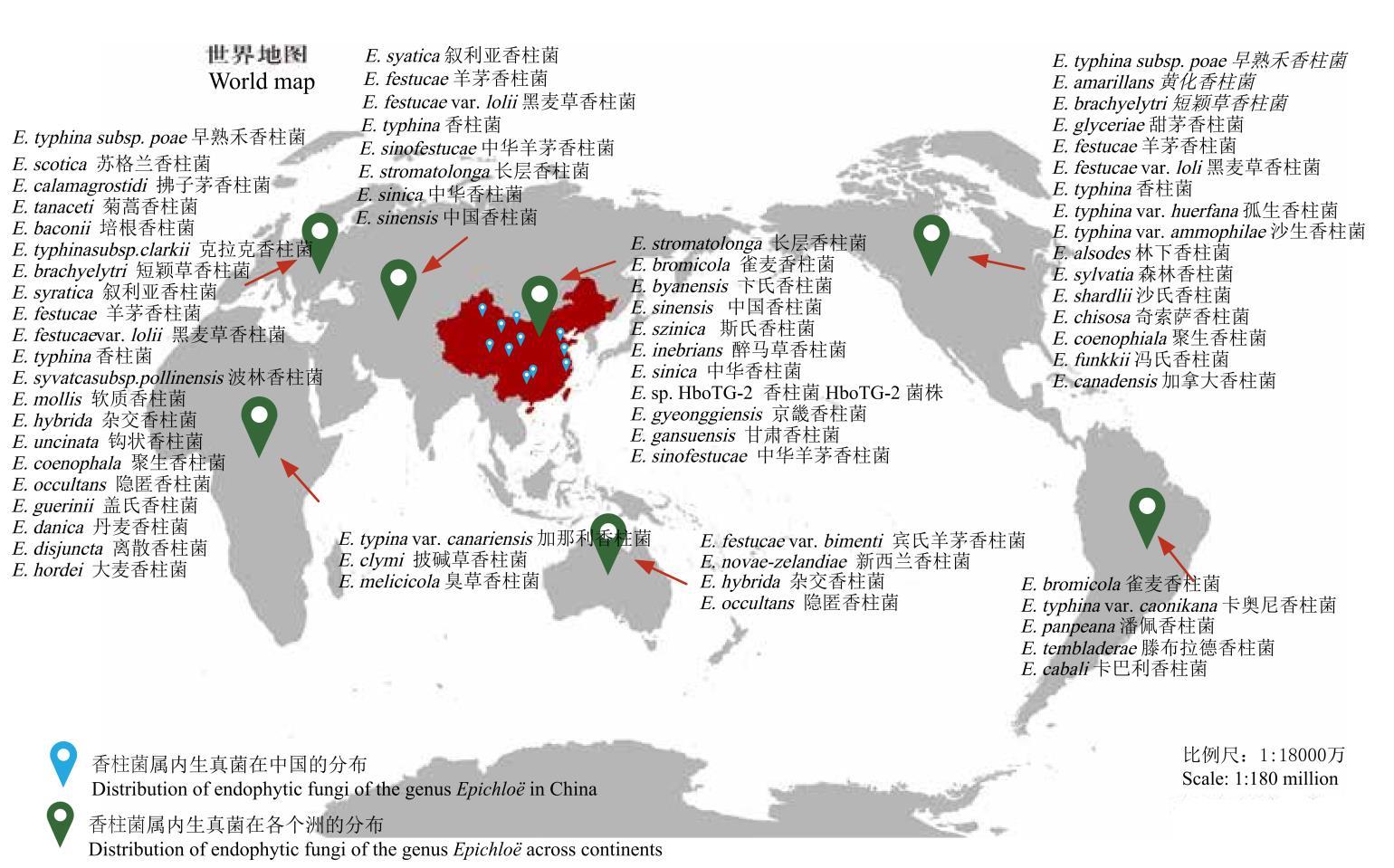
Fig.1 Worldwide distribution of Epichlo? endophytes (Adapted from Du Mingxiang et al[20])
内生真菌 Endophytes | 宿主 Host | 作用 Function | 参考文献 Reference |
|---|---|---|---|
隐匿香柱菌 E. occultans | 多花黑麦草 Lolium multiflorum | 对根际土壤细菌的呼吸作用没有显著影响。Has no significant effect on the respiratory activity of rhizosphere soil bacteria. | [ |
| 改变了宿主根际土壤细菌群落组成。Alters the composition of the host rhizosphere soil bacterial community. | [ | ||
| 增加真菌活性,降低菌根真菌侵染率。Enhances fungal activity, and lower the mycorrhizal fungi infection rate. | [ | ||
黄化香柱菌 E. amarillans | 美洲沙茅草 A. breviligulata | 在水分胁迫条件下降低了植株根系相关细菌群落的多样性。Reduces the diversity of plant root-associated bacterial communities under water stress conditions. | [ |
| 增加了根部内生真菌的丰富度并且在氮肥富集条件下改变了根部内生真菌群落的组成。Increases the abundance of root endophytic fungi and alters the composition of root endophytic fungal communities under nitrogen fertilizer enrichment conditions. | [ | ||
聚生香柱菌 E. coenophiala | 高羊茅 F. arundinacea | 增加了根际土壤细菌的多样性。Enhances the diversity of rhizosphere soil bacteria. | [ |
| 降低了宿主在黏土生境下的革兰氏阳性细菌(G+)的多样性。Decreases the diversity of Gram’positive bacteria (G+) in the host under clay habitat conditions. | [ | ||
| 对根部溶磷细菌多样性没有显著的相互作用。There is no significant interaction with the diversity of phosphate-solubilizing bacteria (PSB) in the roots. | [ | ||
| 降低了古细菌的群落多样性,抑制了黏壤土中革兰氏阳性菌的生长。Reduces the community diversity of archaea and inhibits the growth of Gram-positive bacteria in clay loam. | [ | ||
| 苇状羊茅Schedonorus arundinaceus | 降低菌根真菌的定殖。Reduces the colonization of mycorrhizal fungi. | [ | |
| 在不同的土壤含水量下,对丛枝菌根真菌的定殖率不同。The colonization rate of AMF varies under different soil moisture contents. | [ | ||
| 减少了根部的菌根定殖。Decreases mycorrhizal colonization in roots. | [ | ||
黑麦草香柱菌 E. festucae var. lolii | 多年生黑麦草 L. perenne | 显著增加了 16S rRNA 基因的绝对丰度以及土壤细菌群落的多样性。Significantly increases the absolute abundance of the 16S rRNA gene and the diversity of soil bacterial communities. | [ |
| 改变了根际土壤中与氮循环相关的细菌基因丰度,尽管对土壤真菌群落的绝对丰度和多样性没有显著影响。Alters the abundance of bacterial genes related to nitrogen cycling in rhizosphere soil, although it has no significant effect on the absolute abundance and diversity of soil fungal communities. | [ | ||
甘肃香柱菌 E. gansuensis | 醉马草 A. inebrians | 减少了根际土壤中可培养细菌的种类数目。Decreases the number of culturable bacterial species in the rhizosphere soil. | [ |
| 降低了根相关细菌多样性,增加了根际土壤细菌群落的多样性。Reduces root-associated bacterial diversity while increasing the diversity of rhizosphere soil bacterial communities. | [ | ||
| 在盐胁迫下,显著增加了宿主养分提取和土壤微生物丰度。Significantly enhances host nutrient uptake and soil microbial abundance under salt stress. | [ | ||
| 宿主抵抗CdCl?过程中,内生真菌增强了根际细菌物种间的协作。During the host’s resistance to CdCl?, strengthen the cooperation between rhizosphere bacterial species. | [ | ||
| 在NH??-N处理下增加了宿主根部细菌的α-多样性。Increases the α-diversity of host root bacteria under NH?+-N treatment. | [ | ||
| 降低了根系相关真菌群落的多样性,显著降低了根相关真菌多样性。Reduces the diversity of root-associated fungal communities, significantly reduces the diversity of root-associated fungi (RAF). | [ | ||
| 减少了根际土壤中真菌的数目。Decreases the number of fungi in rhizosphere soil. | [ | ||
| 降低盐胁迫对真菌群落多样性的影响。Mitigates the impact of salt stress on fungal community diversity. | [ | ||
雀麦香柱菌 E. bromicola | 羊草 Leymus chinensis | 提高丛枝菌根真菌的侵染率和孢子密度。Improves the infection rate and spore density of arbuscular mycorrhizal fungi (AMF). | [ |
| 增加根际土壤中真菌的数目。Increases the number of fungi in rhizosphere soil. | [ | ||
雀麦香柱菌 E. bromicola | 羊草 Leymus chinensis | 增加根系和根际土壤中的真菌群落多样性和丰富度。Enhances the diversity and richness of fungal communities in roots and rhizosphere soil. | [ |
| 随植物生长时间的延长,内生真菌与生长时间互作对真菌和细菌丰度影响显著。With the extension of plant growth period, the interaction between endophytic fungi and growth time has a significant impact on the abundance of fungi and bacteria. | [ | ||
| 对宿主根部丛枝菌根真菌总定殖率没有影响。Has no effect on the total colonization rate of arbuscular mycorrhizal fungi (AMF) in host roots. | [ | ||
| 高羊茅F. arundinacea | 减少丛枝菌根真菌定殖率。Reduces the colonization rate of arbuscular mycorrhizal fungi (AMF). | [ | |
| 降低菌根真菌的定殖。Reduces the colonization of mycorrhizal fungi. | [ | ||
| 在盐碱胁迫条件下,显著增加了宿主根部植物促生真菌的多样性并改变了其组成。Significantly increases the diversity of plant growth-promoting fungi (PSE) in host roots and alters their composition under saline-alkali stress conditions. | [ | ||
| 短芒大麦草Hordeum brevisubulatum | 提高土壤中的氨氧化细菌丰度。Increases the abundance of ammonia-oxidizing bacteria in soil. | [ | |
布顿大麦草 Hordeum bogdanii | 抑制了土壤真菌的丰富度,但提高了土壤真菌的多样性。Inhibits the abundance of soil fungi but improves the diversity of soil fungi. | [ | |
| 降低菌根真菌的定殖。Reduces the colonization of mycorrhizal fungi. | [ | ||
羊茅香柱菌 E. festucae | 多年生黑麦草 L. perenne | 显著增加了植物刈割返田后和植物自然生长土壤中真菌群落的多样性。 Significantly increases the diversity of fungal communities in soil after plant mowing and returning to the field, as well as in soil with natural plant growth. | [ |
紫羊茅 Festuca rubra | 显著提高根际土壤真菌群落的代谢途径和次生代谢产物生物合成功能。 Significantly improves the metabolic pathways and secondary metabolite biosynthesis functions of the rhizosphere soil fungal community. | [ | |
潘佩香柱菌 E. panpeana | 奥氏雀麦 Bromus auleticus | 增加根际溶磷真菌多样性。Increases the diversity of phosphate-solubilizing fungi in the rhizosphere. | [ |
西伯利亚香柱菌 E. sibirica | 西伯利亚羽茅Achnatherum sibiricum | 降低菌根真菌的定殖。Reduces the colonization of mycorrhizal fungi. | [ |
滕布拉德香柱菌 E. tembladerae | 刚毛雀麦 Bromus setifolius | 增加菌根真菌的定殖。Increases the colonization of mycorrhizal fungi. | [ |
香柱菌 E. typhina | 多年生黑麦草 L. perenne | 降低菌根真菌的定殖。Reduces the colonization of mycorrhizal fungi. | [ |
| 抑制菌根侵染率。Inhibits the mycorrhizal infection rate. | [ | ||
披碱草香柱菌 E. elymi | 刺毛披碱草 Elymus hystrix | 增加菌根真菌摩西球囊霉(Glomus mosseae)的定殖,降低菌根真菌明球囊霉(Glomus claroideum)的定殖。Increases the colonization of the mycorrhizal fungus G. mosseae and decreases the colonization of the mycorrhizal fungus G. claroideum. | [ |
Table 1 Effects of Epichlo? endophytes on rhizosphere microorganisms
内生真菌 Endophytes | 宿主 Host | 作用 Function | 参考文献 Reference |
|---|---|---|---|
隐匿香柱菌 E. occultans | 多花黑麦草 Lolium multiflorum | 对根际土壤细菌的呼吸作用没有显著影响。Has no significant effect on the respiratory activity of rhizosphere soil bacteria. | [ |
| 改变了宿主根际土壤细菌群落组成。Alters the composition of the host rhizosphere soil bacterial community. | [ | ||
| 增加真菌活性,降低菌根真菌侵染率。Enhances fungal activity, and lower the mycorrhizal fungi infection rate. | [ | ||
黄化香柱菌 E. amarillans | 美洲沙茅草 A. breviligulata | 在水分胁迫条件下降低了植株根系相关细菌群落的多样性。Reduces the diversity of plant root-associated bacterial communities under water stress conditions. | [ |
| 增加了根部内生真菌的丰富度并且在氮肥富集条件下改变了根部内生真菌群落的组成。Increases the abundance of root endophytic fungi and alters the composition of root endophytic fungal communities under nitrogen fertilizer enrichment conditions. | [ | ||
聚生香柱菌 E. coenophiala | 高羊茅 F. arundinacea | 增加了根际土壤细菌的多样性。Enhances the diversity of rhizosphere soil bacteria. | [ |
| 降低了宿主在黏土生境下的革兰氏阳性细菌(G+)的多样性。Decreases the diversity of Gram’positive bacteria (G+) in the host under clay habitat conditions. | [ | ||
| 对根部溶磷细菌多样性没有显著的相互作用。There is no significant interaction with the diversity of phosphate-solubilizing bacteria (PSB) in the roots. | [ | ||
| 降低了古细菌的群落多样性,抑制了黏壤土中革兰氏阳性菌的生长。Reduces the community diversity of archaea and inhibits the growth of Gram-positive bacteria in clay loam. | [ | ||
| 苇状羊茅Schedonorus arundinaceus | 降低菌根真菌的定殖。Reduces the colonization of mycorrhizal fungi. | [ | |
| 在不同的土壤含水量下,对丛枝菌根真菌的定殖率不同。The colonization rate of AMF varies under different soil moisture contents. | [ | ||
| 减少了根部的菌根定殖。Decreases mycorrhizal colonization in roots. | [ | ||
黑麦草香柱菌 E. festucae var. lolii | 多年生黑麦草 L. perenne | 显著增加了 16S rRNA 基因的绝对丰度以及土壤细菌群落的多样性。Significantly increases the absolute abundance of the 16S rRNA gene and the diversity of soil bacterial communities. | [ |
| 改变了根际土壤中与氮循环相关的细菌基因丰度,尽管对土壤真菌群落的绝对丰度和多样性没有显著影响。Alters the abundance of bacterial genes related to nitrogen cycling in rhizosphere soil, although it has no significant effect on the absolute abundance and diversity of soil fungal communities. | [ | ||
甘肃香柱菌 E. gansuensis | 醉马草 A. inebrians | 减少了根际土壤中可培养细菌的种类数目。Decreases the number of culturable bacterial species in the rhizosphere soil. | [ |
| 降低了根相关细菌多样性,增加了根际土壤细菌群落的多样性。Reduces root-associated bacterial diversity while increasing the diversity of rhizosphere soil bacterial communities. | [ | ||
| 在盐胁迫下,显著增加了宿主养分提取和土壤微生物丰度。Significantly enhances host nutrient uptake and soil microbial abundance under salt stress. | [ | ||
| 宿主抵抗CdCl?过程中,内生真菌增强了根际细菌物种间的协作。During the host’s resistance to CdCl?, strengthen the cooperation between rhizosphere bacterial species. | [ | ||
| 在NH??-N处理下增加了宿主根部细菌的α-多样性。Increases the α-diversity of host root bacteria under NH?+-N treatment. | [ | ||
| 降低了根系相关真菌群落的多样性,显著降低了根相关真菌多样性。Reduces the diversity of root-associated fungal communities, significantly reduces the diversity of root-associated fungi (RAF). | [ | ||
| 减少了根际土壤中真菌的数目。Decreases the number of fungi in rhizosphere soil. | [ | ||
| 降低盐胁迫对真菌群落多样性的影响。Mitigates the impact of salt stress on fungal community diversity. | [ | ||
雀麦香柱菌 E. bromicola | 羊草 Leymus chinensis | 提高丛枝菌根真菌的侵染率和孢子密度。Improves the infection rate and spore density of arbuscular mycorrhizal fungi (AMF). | [ |
| 增加根际土壤中真菌的数目。Increases the number of fungi in rhizosphere soil. | [ | ||
雀麦香柱菌 E. bromicola | 羊草 Leymus chinensis | 增加根系和根际土壤中的真菌群落多样性和丰富度。Enhances the diversity and richness of fungal communities in roots and rhizosphere soil. | [ |
| 随植物生长时间的延长,内生真菌与生长时间互作对真菌和细菌丰度影响显著。With the extension of plant growth period, the interaction between endophytic fungi and growth time has a significant impact on the abundance of fungi and bacteria. | [ | ||
| 对宿主根部丛枝菌根真菌总定殖率没有影响。Has no effect on the total colonization rate of arbuscular mycorrhizal fungi (AMF) in host roots. | [ | ||
| 高羊茅F. arundinacea | 减少丛枝菌根真菌定殖率。Reduces the colonization rate of arbuscular mycorrhizal fungi (AMF). | [ | |
| 降低菌根真菌的定殖。Reduces the colonization of mycorrhizal fungi. | [ | ||
| 在盐碱胁迫条件下,显著增加了宿主根部植物促生真菌的多样性并改变了其组成。Significantly increases the diversity of plant growth-promoting fungi (PSE) in host roots and alters their composition under saline-alkali stress conditions. | [ | ||
| 短芒大麦草Hordeum brevisubulatum | 提高土壤中的氨氧化细菌丰度。Increases the abundance of ammonia-oxidizing bacteria in soil. | [ | |
布顿大麦草 Hordeum bogdanii | 抑制了土壤真菌的丰富度,但提高了土壤真菌的多样性。Inhibits the abundance of soil fungi but improves the diversity of soil fungi. | [ | |
| 降低菌根真菌的定殖。Reduces the colonization of mycorrhizal fungi. | [ | ||
羊茅香柱菌 E. festucae | 多年生黑麦草 L. perenne | 显著增加了植物刈割返田后和植物自然生长土壤中真菌群落的多样性。 Significantly increases the diversity of fungal communities in soil after plant mowing and returning to the field, as well as in soil with natural plant growth. | [ |
紫羊茅 Festuca rubra | 显著提高根际土壤真菌群落的代谢途径和次生代谢产物生物合成功能。 Significantly improves the metabolic pathways and secondary metabolite biosynthesis functions of the rhizosphere soil fungal community. | [ | |
潘佩香柱菌 E. panpeana | 奥氏雀麦 Bromus auleticus | 增加根际溶磷真菌多样性。Increases the diversity of phosphate-solubilizing fungi in the rhizosphere. | [ |
西伯利亚香柱菌 E. sibirica | 西伯利亚羽茅Achnatherum sibiricum | 降低菌根真菌的定殖。Reduces the colonization of mycorrhizal fungi. | [ |
滕布拉德香柱菌 E. tembladerae | 刚毛雀麦 Bromus setifolius | 增加菌根真菌的定殖。Increases the colonization of mycorrhizal fungi. | [ |
香柱菌 E. typhina | 多年生黑麦草 L. perenne | 降低菌根真菌的定殖。Reduces the colonization of mycorrhizal fungi. | [ |
| 抑制菌根侵染率。Inhibits the mycorrhizal infection rate. | [ | ||
披碱草香柱菌 E. elymi | 刺毛披碱草 Elymus hystrix | 增加菌根真菌摩西球囊霉(Glomus mosseae)的定殖,降低菌根真菌明球囊霉(Glomus claroideum)的定殖。Increases the colonization of the mycorrhizal fungus G. mosseae and decreases the colonization of the mycorrhizal fungus G. claroideum. | [ |
内生真菌 Endophytes | 宿主 Host | 作用 Function | 参考文献 Reference |
|---|---|---|---|
香柱菌 E. typhina | 博纳早熟禾 Poa bonariensis | 对内生菌群落丰富度和多样性指数没有显著差异。Shows no significant difference in the richness and diversity index of endophytic microbial communities. | [ |
聚生香柱菌 E. coenophiala | 高羊茅 F. arundinacea | 对叶际内生细菌群落没有显著影响。Has no significant effect on the phyllosphere endophytic bacterial community. | [ |
羊茅香柱菌 E. festucae | 多年生黑麦草 L. perenne | 对叶片真菌群落没有显著影响。Has no significant effect on the leaf fungal community. | [ |
甘肃香柱菌 E. gansuensis | 醉马草 A. inebrians | 增加了细菌和真菌群落的Shannon多样性指数,但降低了Simpson多样性指数。Increases the Shannon diversity index of bacterial and fungal communities, but decreases the Simpson diversity index. | [ |
钩状香柱菌 E. uncinata | 草地羊茅 Festuca pratensis | 改变了叶片中的真菌微生物群落。Alters the fungal microbial community in leaves. | [ |
Table 2 Effects of Epichlo? endophytes on leaf-associated microorganisms
内生真菌 Endophytes | 宿主 Host | 作用 Function | 参考文献 Reference |
|---|---|---|---|
香柱菌 E. typhina | 博纳早熟禾 Poa bonariensis | 对内生菌群落丰富度和多样性指数没有显著差异。Shows no significant difference in the richness and diversity index of endophytic microbial communities. | [ |
聚生香柱菌 E. coenophiala | 高羊茅 F. arundinacea | 对叶际内生细菌群落没有显著影响。Has no significant effect on the phyllosphere endophytic bacterial community. | [ |
羊茅香柱菌 E. festucae | 多年生黑麦草 L. perenne | 对叶片真菌群落没有显著影响。Has no significant effect on the leaf fungal community. | [ |
甘肃香柱菌 E. gansuensis | 醉马草 A. inebrians | 增加了细菌和真菌群落的Shannon多样性指数,但降低了Simpson多样性指数。Increases the Shannon diversity index of bacterial and fungal communities, but decreases the Simpson diversity index. | [ |
钩状香柱菌 E. uncinata | 草地羊茅 Festuca pratensis | 改变了叶片中的真菌微生物群落。Alters the fungal microbial community in leaves. | [ |
内生真菌 Endophytes | 宿主 Host | 作用 Function | 参考文献 Reference |
|---|---|---|---|
甘肃香柱菌 E. gansuensis | 醉马草 A. inebrians | 显著降低了种带微生物群落的丰富度和多样性。Significantly reduces the richness and diversity of the seed-borne microbial community. | [ |
| 显著降低了种子内生和附生细菌群落的多样性。Significantly decreases the diversity of endophytic and epiphytic bacterial communities in seeds. | [ | ||
| 改变不同世代之间细菌和真菌的群落组成。Alters the community composition of bacteria and fungi across different generations. | [ | ||
隐匿香柱菌 E. occultans | 多花黑麦草 L. multiflorum | 增加了细菌多样性,并使细菌群落更加均衡。Increases bacterial diversity and makes the bacterial community more balanced. | [ |
香柱菌 E. typhina | 散穗雀麦 Puccinellia distans | 影响真菌群落的组成。Affects the composition of the fungal community. | [ |
中华香柱菌 E. sinensis | 中华羊茅 F.sinensis | 对种带真菌多样性无显著影响。 Has no significant effect on the diversity of seed-borne fungi. | [ |
Table 3 Effects of Epichlo? endophytes on seed-associated microorganisms
内生真菌 Endophytes | 宿主 Host | 作用 Function | 参考文献 Reference |
|---|---|---|---|
甘肃香柱菌 E. gansuensis | 醉马草 A. inebrians | 显著降低了种带微生物群落的丰富度和多样性。Significantly reduces the richness and diversity of the seed-borne microbial community. | [ |
| 显著降低了种子内生和附生细菌群落的多样性。Significantly decreases the diversity of endophytic and epiphytic bacterial communities in seeds. | [ | ||
| 改变不同世代之间细菌和真菌的群落组成。Alters the community composition of bacteria and fungi across different generations. | [ | ||
隐匿香柱菌 E. occultans | 多花黑麦草 L. multiflorum | 增加了细菌多样性,并使细菌群落更加均衡。Increases bacterial diversity and makes the bacterial community more balanced. | [ |
香柱菌 E. typhina | 散穗雀麦 Puccinellia distans | 影响真菌群落的组成。Affects the composition of the fungal community. | [ |
中华香柱菌 E. sinensis | 中华羊茅 F.sinensis | 对种带真菌多样性无显著影响。 Has no significant effect on the diversity of seed-borne fungi. | [ |
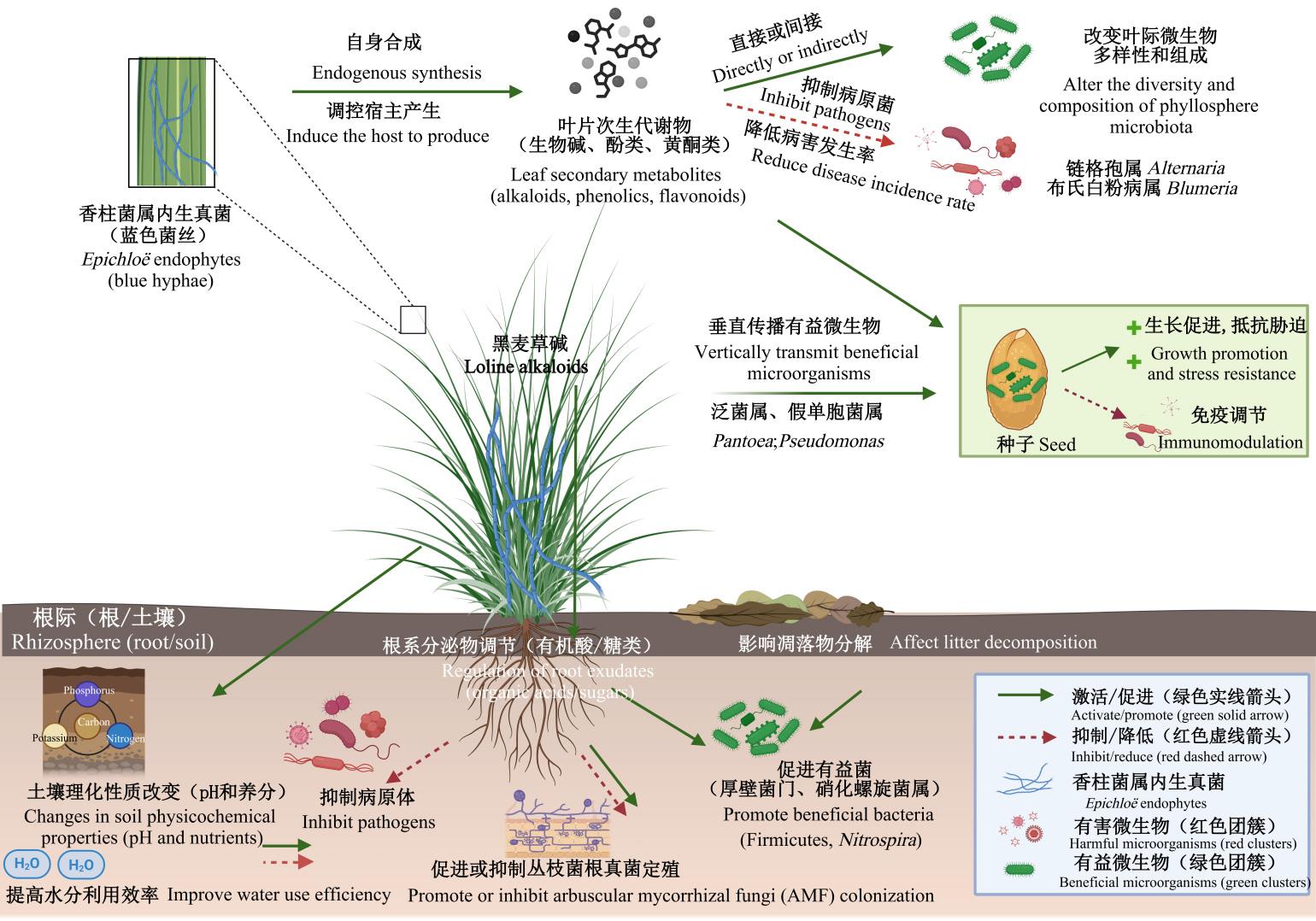
Fig.2 Interaction mechanisms between Epichlo? endophytes and host-associated microorganisms
| [1] | Cernava T. Coming of age for microbiome gene breeding in plants. Nature Communications, 2024, 15(1): 6623. |
| [2] | Cordovez V, Dini-Andreote F, Carrión V J, et al. Ecology and evolution of plant microbiomes. Annual Review of Microbiology, 2019, 73(1): 69-88. |
| [3] | Compant S, Samad A, Faist H, et al. A review on the plant microbiome: ecology, functions, and emerging trends in microbial application. Journal of Advanced Research, 2019, 19: 29-37. |
| [4] | Ren Y, Xun W B, Yan H, et al. Functional compensation dominates the assembly of plant rhizospheric bacterial community. Soil Biology and Biochemistry, 2020, 150: 107968. |
| [5] | Trivedi P, Leach J E, Tringe S G, et al. Plant-microbiome interactions: from community assembly to plant health. Nature Reviews Microbiology, 2020, 18(11): 607-621. |
| [6] | Lakshmanan V, Selvaraj G, Bais H P. Functional soil microbiome: belowground solutions to an aboveground problem. Plant Physiology, 2014, 166(2): 689-700. |
| [7] | Berendsen R L, Pieterse C M J, Bakker P A H M. The rhizosphere microbiome and plant health. Trends in Plant Science, 2012, 17(8): 478-486. |
| [8] | Kandel S L, Joubert P M, Doty S L. Bacterial endophyte colonization and distribution within plants. Microorganisms, 2017, 5(4): 77. |
| [9] | Schardl C L, Leuchtmann A, Spiering M J. Symbioses of grasses with seedborne fungal endophytes. Annual Review of Plant Biology, 2004, 55: 315-340. |
| [10] | Clay K, Schardl C. Evolutionary origins and ecological consequences of endophyte symbiosis with grasses. The American Naturalist, 2002, 160(S4): S99-S127. |
| [11] | Leuchtmann A, Bacon C W, Schardl C L, et al. Nomenclatural realignment of Neotyphodium species with genus Epichloë. Mycologia, 2014, 106(2): 202-215. |
| [12] | Li C Y. Examination of endophytes in 31 samples of Festuca arundinacea and 21 samples of perennial ryegrass//Proceedings of the 3rd congress of the Grassland Society of China and the 5th national academic symposium. Changchun: Grassland Society of China, 1989: 101-105. |
| 李翠英. 31份苇状羊茅、21份多年生黑麦草内生菌的检验//中国草原学会第三届代表大会暨第五次全国学术研讨会论文集. 长春: 中国草原学会, 1989: 101-105. | |
| [13] | Nan Z B. Incidence and distribution of endophytic fungi in seedlings and plants of some native and introduced grasses in China. Acta Prataculturae Sinica, 1996, 5(3): 13-17. |
| 南志标. 内生真菌在我国部分国产和引进禾草品种的幼苗及成株中的分布. 草业学报, 1996, 5(3): 13-17. | |
| [14] | Nan Z B. Incidence and distribution of endophytic fungi in seeds of some native and introduced grasses in China. Acta Prataculturae Sinica, 1996, 5(2): 1-8. |
| 南志标. 内生真菌在我国部分国产和引进禾草品种种子中的分布. 草业学报, 1996, 5(2): 1-8. | |
| [15] | Shymanovich T, Charlton N D, Musso A M, et al. Interspecific and intraspecific hybrid Epichloë species symbiotic with the North American native grass Poa alsodes. Mycologia, 2017, 109(3): 459-474. |
| [16] | White Jr J F, Morgan-Jones G, Morrow A C. Taxonomy, life cycle, reproduction and detection of Acremonium endophytes. Agriculture, Ecosystems and Environment, 1993, 44(1/4): 13-37. |
| [17] | Tian P, Nan Z B, Li C J. Effect of the endophyte Neotyphodium lolii on susceptibility and host physiological response of perennial ryegrass to fungal pathogens. European Journal of Plant Pathology, 2008, 122(4): 593-602. |
| [18] | Li X Z, Fang A G, Li C J, et al. Advances in the researches on the effects of grass endophytes on other microbes. Acta Ecologica Sinica, 2015, 35(6): 1660-1671. |
| 李秀璋, 方爱国, 李春杰, 等. 禾草内生真菌对其他微生物的影响研究进展. 生态学报, 2015, 35(6): 1660-1671. | |
| [19] | Song M L, Li X Z, Saikkonen K, et al. An asexual Epichloë endophyte enhances waterlogging tolerance of Hordeum brevisubulatum. Fungal Ecology, 2015, 13: 44-52. |
| [20] | Du M X, Wang T, Li C J, et al. Advances in the taxonomy of the genus Epichloë endophytic fungi in grasses. Acta Agrestia Sinica, 2023, 31(12): 3575-3586. |
| 杜明祥, 王添, 李春杰, 等. 禾草Epichloë属内生真菌分类学研究进展. 草地学报, 2023, 31(12): 3575-3586. | |
| [21] | Lugtenberg B, Kamilova F. Plant-growth-promoting rhizobacteria. Annual Review of Microbiology, 2009, 63(1): 541-556. |
| [22] | Glick B R. Bacteria with ACC deaminase can promote plant growth and help to feed the world. Microbiological Research, 2014, 169(1): 30-39. |
| [23] | Santi C, Bogusz D, Franche C. Biological nitrogen fixation in non-legume plants. Annals of Botany, 2013, 111(5): 743-767. |
| [24] | Nan Z B, Li C J. Roles of the grass-Neotyphodium association in pastoral agriculture systems. Acta Ecologica Sinica, 2004, 24(3): 605-616. |
| 南志标, 李春杰. 禾草-内生真菌共生体在草地农业系统中的作用. 生态学报, 2004, 24(3): 605-616. | |
| [25] | Nan Z B, Li C J. Neotyphodium in native grasses in China and observations on endophyte/host interactions//Proceedings of 4th international Neotyphodium/grass interactions symposium. Paderborn: Universität Paderborn, 2000: 41-50. |
| [26] | García P A, Lattanzi F A, Grimoldi A A, et al. Multi-symbiotic systems: functional implications of the coexistence of grass-endophyte and legume-rhizobia symbioses. Oikos, 2015, 124(5): 553-560. |
| [27] | Wang C Z, Shi C, Huang W, et al. The impact of aboveground Epichloë endophytic fungi on the rhizosphere microbial functions of the host Melica transsilvanica. Microorganisms, 2024, 12(5): 956. |
| [28] | Bais H P, Weir T L, Perry L G, et al. The role of root exudates in rhizosphere interactions with plants and other organisms. Annual Review of Plant Biology, 2006, 57(1): 233-266. |
| [29] | Mack K M L, Rudgers J A. Balancing multiple mutualists: asymmetric interactions among plants, arbuscular mycorrhizal fungi, and fungal endophytes. Oikos, 2008, 117(2): 310-320. |
| [30] | Gundel P E, Rudgers J A, Whitney K D. Vertically transmitted symbionts as mechanisms of transgenerational effects. American Journal of Botany, 2017, 104(5): 787-792. |
| [31] | Johnson L J, de Bonth A C M, Briggs L R, et al. The exploitation of epichloae endophytes for agricultural benefit. Fungal Diversity, 2013, 60(1): 171-188. |
| [32] | Islam M M, Jana S K, Sengupta S, et al. Impact of rhizospheric microbiome on rice cultivation. Current Microbiology, 2024, 81(7): 188. |
| [33] | Qu Q, Zhang Z Y, Peijnenburg W J G M, et al. Rhizosphere microbiome assembly and its impact on plant growth. Journal of Agricultural and Food Chemistry, 2020, 68(18): 5024-5038. |
| [34] | Ping X X, Khan R A A, Chen S M, et al. Deciphering the role of rhizosphere microbiota in modulating disease resistance in cabbage varieties. Microbiome, 2024, 12(1): 160. |
| [35] | Tang Z R, Tan W B, Li R, et al. Advances in rhizosphere microbiome and rhizosphere immunity effect: a review. Journal of Agricultural and Food Chemistry, 2025, 73: 14707-14721. |
| [36] | Jin Y Y, Bowatte S, Jia Q M, et al. Effects of Epichloë endophytic fungi infection in wild barley (Hordeum brevisubulatum) on soil chemical properties and the soil microbial community. Acta Prataculturae Sinica, 2019, 28(10): 66-77. |
| 金媛媛, BOWATTE Saman, 贾倩民, 等. 内生真菌侵染对野大麦根际土壤化学特性和微生物群落的影响. 草业学报, 2019, 28(10): 66-77. | |
| [37] | Liu D C, Wang Z, Zhu G L, et al. Stable soil moisture promotes shoot performance and shapes the root-rhizosphere microbiome. Agricultural Water Management, 2025, 310: 109354. |
| [38] | Bell-Dereske L, Takacs-Vesbach C, Kivlin S N, et al. Leaf endophytic fungus interacts with precipitation to alter belowground microbial communities in primary successional dunes. FEMS Microbiology Ecology, 2017, 93(6): fix036. |
| [39] | Ju Y W, Zhong R, Christensen M J, et al. Effects of Epichloë gansuensis endophyte on the root and rhizosphere soil bacteria of Achnatherum inebrians under different moisture conditions. Frontiers in Microbiology, 2020, 11: 747. |
| [40] | Larimer A L, Bever J D, Clay K. Consequences of simultaneous interactions of fungal endophytes and arbuscular mycorrhizal fungi with a shared host grass. Oikos, 2012, 121(12): 2090-2096. |
| [41] | Roberts E L, Ferraro A. Rhizosphere microbiome selection by Epichloë endophytes of Festuca arundinacea. Plant and Soil, 2015, 396(1/2): 229-239. |
| [42] | Liu H, Tang H M, Ni X Z, et al. Interactive effects of Epichloë endophytes and arbuscular mycorrhizal fungi on saline-alkali stress tolerance in tall fescue. Frontiers in Microbiology, 2022, 13: 855890. |
| [43] | Siegrist J A, McCulley R L, Bush L P, et al. Alkaloids may not be responsible for endophyte-associated reductions in tall fescue decomposition rates. Functional Ecology, 2010, 24(2): 460-468. |
| [44] | Yang Z H, Xing Y, Ma J G, et al. Epichloë fungal endophytes have more host-dependent effects on the soil microenvironment than on the initial litter quality. Journal of Fungi, 2022, 8(3): 237. |
| [45] | Jin J, Huang R, Wang J F, et al. Increase in Cd tolerance through seed-borne endophytic fungus Epichloë gansuensis affected root exudates and rhizosphere bacterial community of Achnatherum inebrians. International Journal of Molecular Sciences, 2022, 23(21): 13094. |
| [46] | Jenkins M B, Franzluebbers A J, Humayoun S B. Assessing short-term responses of prokaryotic communities in bulk and rhizosphere soils to tall fescue endophyte infection. Plant and Soil, 2006, 289(1/2): 309-320. |
| [47] | Jin Y Y, Chen Z J, He Y L, et al. Effects of Achnatherum inebrians ecotypes and endophyte status on plant growth, plant nutrient, soil fertility and soil microbial community. Soil Science Society of America Journal, 2022, 86(4): 1028-1042. |
| [48] | Rudgers J A, Orr S. Non-native grass alters growth of native tree species via leaf and soil microbes. Journal of Ecology, 2009, 97(2): 247-255. |
| [49] | Kemen A C, Agler M T, Kemen E. Host-microbe and microbe-microbe interactions in the evolution of obligate plant parasitism. New Phytologist, 2015, 206(4): 1207-1228. |
| [50] | Shi C, Wang C, He J, et al. Epichloë endophytes potentially facilitate host plant recruitment of rhizosphere microbiota carrying beneficial traits. Physiologia Plantarum, 2025, 177(4): e70397. |
| [51] | Pang Z Q, Chen J, Wang T H, et al. Linking plant secondary metabolites and plant microbiomes: a review. Frontiers in Plant Science, 2021, 12: 621276. |
| [52] | Blankenship J D, Spiering M J, Wilkinson H H, et al. Production of loline alkaloids by the grass endophyte, Neotyphodium uncinatum, in defined media. Phytochemistry, 2001, 58(3): 395-401. |
| [53] | Shen Y L, Duan T Y. The interaction between arbuscular mycorrhizal fungi (AMF) and grass endophyte (Epichloë) on host plants: a review. Journal of Fungi, 2024, 10(3): 174. |
| [54] | Zhong R, Xia C, Ju Y W, et al. Effects of Epichloë gansuensis on root-associated fungal communities of Achnatherum inebrians under different growth conditions. Fungal Ecology, 2018, 31(2): 29-36. |
| [55] | Zhong R. Responses of Achnatherum inebrians and root-associated fungi to Epichloë gansuensis endophyte. Lanzhou: Lanzhou University, 2021. |
| 钟睿. 醉马草及其根部真菌对甘肃内生真菌(Epichloë gansuensis)的响应. 兰州: 兰州大学, 2021. | |
| [56] | Antunes P M, Miller J, Carvalho L M, et al. Even after death the endophytic fungus of Schedonorus phoenix reduces the arbuscular mycorrhizas of other plants. Functional Ecology, 2008, 22(5): 912-918. |
| [57] | Liu Q H, Parsons A J, Xue H, et al. Competition between foliar Neotyphodium lolii endophytes and mycorrhizal Glomus spp. fungi in Lolium perenne depends on resource supply and host carbohydrate content. Functional Ecology, 2011, 25(4): 910-920. |
| [58] | Novas M V, Cabral D, Godeas A M. Interaction between grass endophytes and mycorrhizas in Bromus setifolius from Patagonia, Argentina. Symbiosis, 2005, 40(1): 23-30. |
| [59] | Arrieta A M, Iannone L J, Scervino J M, et al. A foliar endophyte increases the diversity of phosphorus-solubilizing rhizospheric fungi and mycorrhizal colonization in the wild grass Bromus auleticus. Fungal Ecology, 2015, 17: 146-154. |
| [60] | Cripps M G, Edwards G R, McKenzie S L. Grass species and their fungal symbionts affect subsequent forage growth. Basic and Applied Ecology, 2013, 14(3): 225-234. |
| [61] | Casas C, Omacini M, Montecchia M S, et al. Soil microbial community responses to the fungal endophyte Neotyphodium in Italian ryegrass. Plant and Soil, 2011, 340(1/2): 347-355. |
| [62] | Omacini M, Eggers T, Bonkowski M, et al. Leaf endophytes affect mycorrhizal status and growth of co-infected and neighbouring plants. Functional Ecology, 2006, 20(2): 226-232. |
| [63] | Garces K R, Sage H E, Christian N, et al. Epichloë increases root fungal endophyte richness and alters root fungal endophyte composition in a changing world. Journal of Fungi, 2022, 8(11): 1142. |
| [64] | Buyer J S, Zuberer D A, Nichols K A, et al. Soil microbial community function, structure, and glomalin in response to tall fescue endophyte infection. Plant and Soil, 2011, 339(1/2): 401-412. |
| [65] | Mahmud K, Lee K, Hill N S, et al. Influence of tall fescue Epichloë endophytes on rhizosphere soil microbiome. Microorganisms, 2021, 9(9): 1843. |
| [66] | Slaughter L C, McCulley R L. Aboveground Epichloë coenophiala-grass associations do not affect belowground fungal symbionts or associated plant, soil parameters. Microbial Ecology, 2016, 72(3): 682-691. |
| [67] | Zhang W, Gundel E P, Jáuregui R, et al. The growth promotion in endophyte symbiotic plants does not penalise the resistance to herbivores and bacterial microbiota. Plant, Cell & Environment, 2024, 47(8): 2865-2878. |
| [68] | Jin Y Y, Wei X K, White J F, et al. Soil fungal and bacterial communities are altered by the incorporation of leaf litter containing a fungal endophyte. European Journal of Soil Science, 2022, 73(6): 2289-2299. |
| [69] | Maimaitiyiming M, Huang Y X, Jia L T, et al. Epichloë endophyte alters bacterial nitrogen-cycling gene abundance in the rhizosphere soil of perennial ryegrass. Biology, 2025, 14(7): 879. |
| [70] | Ju Y W, Kou M Z, Zhong R, et al. Alleviating salt stress on seedlings using plant growth promoting rhizobacteria isolated from the rhizosphere soil of Achnatherum inebrians infected with Epichloë gansuensis endophyte. Plant and Soil, 2021, 465(1): 349-366. |
| [71] | Evans S E, Wallenstein M D, Burke I C. Is bacterial moisture niche a good predictor of shifts in community composition under long-term drought? Ecology, 2014, 95(1): 110-122. |
| [72] | Jin Y Y, Chen Z J, White J F, et al. Interactions between Epichloë endophyte and the plant microbiome impact nitrogen responses in host Achnatherum inebrians plants. Microbiology Spectrum, 2024, 12(4): e02574-23. |
| [73] | Huang X, Li X Z, Chai Q, et al. Effects of Achnatherum inebrians/Neotyphodium endophyte symbiont on microflora and nutrient of soil. Pratacultural Science, 2013, 30(3): 352-356. |
| 黄玺, 李秀璋, 柴青, 等. 醉马草内生真菌共生体对土壤微生物和养分的影响. 草业科学, 2013, 30(3): 352-356. | |
| [74] | Wang C, Wang J F, Yang Y, et al. Epichloë endophytes alter the soil microbial communities and soil metabolite profile after their host decomposition under salt stress. Plant and Soil, 2024, 508(1): 1-20. |
| [75] | Liu H, Cui G J, Li M M, et al. Effect of endophytic fungi infection on the growth of Leymus chinensis under benomyl treatment. Chinese Journal of Ecology, 2021, 40(11): 3570-3576. |
| 刘慧, 崔光杰, 李明明, 等. 苯菌灵处理条件下内生真菌感染对羊草生长的影响. 生态学杂志, 2021, 40(11): 3570-3576. | |
| [76] | Zhou Y, Zheng L Y, Zhu M J, et al. Effects of fungal endophyte infection on soil properties and microbial communities in the host grass habitat. Chinese Journal of Plant Ecology, 2014, 38(1): 54-61. |
| 周勇, 郑璐雨, 朱敏杰, 等. 内生真菌感染对禾草宿主生境土壤特性和微生物群落的影响. 植物生态学报, 2014, 38(1): 54-61. | |
| [77] | Chen J, Xu D L, Chao L M, et al. Microbial assemblages associated with the rhizosphere and endosphere of a herbage, Leymus chinensis. Microbial Biotechnology, 2020, 13(5): 1390-1402. |
| [78] | Yang Z H, Jin Y Y, Hou F J, et al. Soil microbial and chemical responses to foliar Epichloë fungal infection in Lolium perenne, Hordeum brevisubulatum and Achnatherum inebrians. Fungal Ecology, 2021, 53: 101091. |
| [79] | Hu M F. Effects of Hordeum bogdanii endophytic fungi expansion on physicochemical properties and microbial diversity in saline soils. Alaer: Tarim University, 2024. |
| 户萌菲. 布顿大麦内生真菌扩张对盐渍土壤理化性质和微生物多样性影响. 阿拉尔: 塔里木大学, 2024. | |
| [80] | Fang A G. Effects of Neotyphodium endophyte and AM fungi on growth of Hordeum brevisubulatum under salt and phosphorus stress conditions. Lanzhou: Lanzhou University, 2013. |
| 方爱国. 盐与磷胁迫条件下内生真菌和菌根菌对野大麦生长的影响. 兰州: 兰州大学, 2013. | |
| [81] | Jin Y Y, Chen Z J, Wang T, et al. Effects of Epichloë endophyte and field management practices on the abundance and diversity of the soil fungal community. Acta Prataculturae Sinica, 2023, 32(4): 142-152. |
| 金媛媛, 陈振江, 王添, 等. 内生真菌和田间管理措施对土壤真菌群落丰度和多样性的影响. 草业学报, 2023, 32(4): 142-152. | |
| [82] | Wang X R. Effects of endophytic fungi and AMF on rhizosphere microbial community characteristics of Festuca rubra L. under different nitrogen conditions. Taiyuan: Shanxi University, 2023. |
| 王雪蓉. 不同氮素条件下内生真菌与AMF对紫羊茅根际微生物群落特征的影响. 太原: 山西大学, 2023. | |
| [83] | Zhou Y, Li X, Qin J H, et al. Effects of simultaneous infections of endophytic fungi and arbuscular mycorrhizal fungi on the growth of their shared host grass Achnatherum sibiricum under varying N and P supply. Fungal Ecology, 2016, 20: 56-65. |
| [84] | Müller J. Artificial infection by endophytes affects growth and mycorrhizal colonisation of Lolium perenne. Functional Plant Biology, 2003, 30(4): 419-424. |
| [85] | Liu B W, Ju Y W, Xia C, et al. The effect of Epichloë endophyte on phyllosphere microbes and leaf metabolites in Achnatherum inebrians. iScience, 2022, 25(4): 104144. |
| [86] | König J, Guerreiro M A, Peršoh D, et al. Knowing your neighbourhood-the effects of Epichloë endophytes on foliar fungal assemblages in perennial ryegrass in dependence of season and land-use intensity. Peer J, 2018, 6: e4660. |
| [87] | Mathew S A, Helander M, Saikkonen K, et al. Epichloë endophytes shape the foliar endophytic fungal microbiome and alter the auxin and salicylic acid phytohormone levels in two meadow fescue cultivars. Journal of Fungi, 2023, 9(1): 90. |
| [88] | Ge X, Li N, Zhang J, et al. Epichloë endophyte-infected Achnatherum sibiricum and neighbouring non-host grasses exhibit associational resistance to soil-borne diseases. Plant Biology, 2025. DOI: 10.1111/plb.70112. |
| [89] | Xia C, Li N N, Zhang X X, et al. An Epichloë endophyte improves photosynthetic ability and dry matter production of its host Achnatherum inebrians infected by Blumeria graminis under various soil water conditions. Fungal Ecology, 2016, 22: 26-34. |
| [90] | Zhang H J, Li X Z, White J F, et al. Epichloë endophyte improves ergot disease resistance of host (Achnatherum inebrians) by regulating leaf senescence and photosynthetic capacity. Journal of Plant Growth Regulation, 2022, 41(2): 808-817. |
| [91] | McCargo P D, Iannone L J, Soria M, et al. Diversity of foliar endophytes in a dioecious wild grass and their interaction with the systemic Epichloë. Fungal Ecology, 2020, 47: 100945. |
| [92] | Nissinen R, Helander M, Kumar M, et al. Heritable Epichloë symbiosis shapes fungal but not bacterial communities of plant leaves. Scientific Reports, 2019, 9(1): 5253. |
| [93] | Bastías D A, Bustos L B, Jáuregui R, et al. Epichloë fungal endophytes influence seed-associated bacterial communities. Frontiers in Microbiology, 2022, 12: 795354. |
| [94] | Xu N H, Zhao Q Q, Zhang Z Y, et al. Phyllosphere microorganisms: sources, drivers, and their interactions with plant hosts. Journal of Agricultural and Food Chemistry, 2022, 70(16): 4860-4870. |
| [95] | Liang J J, Gao G Y, Zhong R, et al. Effect of Epichloë gansuensis endophyte on seed-borne microbes and seed metabolites in Achnatherum inebrians. Microbiology Spectrum, 2023, 11(2): e01350-22. |
| [96] | Gao G Y. Effects of Epichloë endophyte on microbiomis in seed and seed metabolites of Achnatherum inebrian. Lanzhou: Lanzhou University, 2022. |
| 高国玉. 内生真菌对醉马草种带微生物及种子代谢物的影响. 兰州: 兰州大学, 2022. | |
| [97] | Humphrey P T, Whiteman N K. Insect herbivory reshapes a native leaf microbiome. Nature Ecology & Evolution, 2020, 4(2): 221-229. |
| [98] | Qiu Z Q, Verma J P, Liu H W, et al. Response of the plant core microbiome to Fusarium oxysporum infection and identification of the pathobiome. Environmental Microbiology, 2022, 24(10): 4652-4669. |
| [99] | Gundel P E, Rudgers J A, Ghersa C M. Incorporating the process of vertical transmission into understanding of host-symbiont dynamics. Oikos, 2011, 120(8): 1121-1128. |
| [100] | Liu J G, Nagabhyru P, Schardl C L. Epichloë festucae endophytic growth in florets, seeds, and seedlings of perennial ryegrass (Lolium perenne). Mycologia, 2017, 109(5): 691-700. |
| [101] | Tannenbaum I, Kaur J, Mann R, et al. Profiling the Lolium perenne microbiome: from seed to seed. Phytobiomes Journal, 2020, 4(3): 281-289. |
| [102] | Yue J F. Epichloë endophyte mediate seed and microbial characterization to influence drought transgenerational effects in Achnatherum inebrians. Lanzhou: Lanzhou University, 2024. |
| 岳金凤. 内生真菌介导种子及其微生物特征影响宿主抗旱继代效应. 兰州: 兰州大学, 2024. | |
| [103] | Bastias D A, Martínez-Ghersa M A, Ballaré C L, et al. Epichloë fungal endophytes and plant defenses: not just alkaloids. Trends in Plant Science, 2017, 22(11): 939-948. |
| [104] | Hewitt K G, Mace W J, McKenzie C M, et al. Fungal alkaloid occurrence in endophyte-infected perennial ryegrass during seedling establishment. Journal of Chemical Ecology, 2020, 46(4): 410-421. |
| [105] | Górzyńska K, Olejniczak P, Węgrzyn E. The fungus Clonostachys Epichloë alters the influence of the Epichloë endophyte on seed germination and the biomass of Puccinellia distans grass. Frontiers in Microbiology, 2023, 14: 1146061. |
| [106] | Gao Y, Chen Y, Luo Y, et al. The microbiota diversity of Festuca sinensis seeds in Qinghai-Tibet Plateau and their relationship with environments. Frontiers in Microbiology, 2022, 13: 956489. |
| [107] | Graff P, Gundel P E, Salvat A, et al. Protection offered by leaf fungal endophytes to an invasive species against native herbivores depends on soil nutrients. Journal of Ecology, 2020, 108(4): 1592-1604. |
| [108] | Khoiri A N, Wattanachaisaereekul S, Jirakkakul J, et al. Co-transplantation of phyllosphere and rhizosphere microbes promotes microbial colonization and enhances sugarcane growth. Applied Soil Ecology, 2024, 201: 105469. |
| [109] | Li Y, Wang J S, Pan J X, et al. Divergent assembly processes of phyllosphere and rhizosphere microbial communities along environmental gradient. Plant, Cell & Environment, 2024, 48(2): 1380-1392. |
| [110] | Bacon C W, White Jr J F. Evidence for nematode defense in symbiotic grasses. New York: White J J, 2003: 558-569. |
| [111] | Bharadwaj R, Jagadeesan H, Kumar S R, et al. Molecular mechanisms in grass-Epichloë interactions: towards endophyte driven farming to improve plant fitness and immunity. World Journal of Microbiology and Biotechnology, 2020, 36(7): 92. |
| [112] | Kawasaki A, Dennis P G, Forstner C, et al. Manipulating exudate composition from root apices shapes the microbiome throughout the root system. Plant Physiology, 2021, 187(4): 2279-2295. |
| [113] | Wang C, Wang J F, Niu X L, et al. Phosphorus addition modifies the bacterial community structure in rhizosphere of Achnatherum inebrians by influencing the soil properties and modulates the Epichloë gansuensis-mediated root exudate profiles. Plant and Soil, 2023, 491(1): 543-560. |
| [114] | Yadav P, Nehra A, Kalwan G, et al. Harnessing jasmonate, salicylate, and microbe synergy for abiotic stress resilience in crop plants. Journal of Plant Growth Regulation, 2025, 44(1): 40-61. |
| [115] | Abdelfattah A, Tack A J M, Lobato C, et al. From seed to seed: the role of microbial inheritance in the assembly of the plant microbiome. Trends in Microbiology, 2023, 31(4): 346-355. |
| [116] | Sullivan T J, Roberts H, Bultman T L. Genetic covariation between the vertically transmitted endophyte Epichloë canadensis and its host Canada wildrye. Microbial Ecology, 2023, 86(3): 1686-1695. |
| [117] | Gundel P E, Seal C E, Biganzoli F, et al. Occurrence of alkaloids in grass seeds symbiotic with vertically-transmitted Epichloë fungal endophytes and its relationship with antioxidants. Frontiers in Ecology and Evolution, 2018, 6: 211. |
| [118] | Zabalgogeazcoa I, Gundel E P, Helander M, et al. Non-systemic fungal endophytes in Festuca rubra plants infected by Epichloë festucae in subarctic habitats. Fungal Diversity, 2013, 60(1): 25-32. |
| [119] | Li C J, Wang Z F, Chen T X, et al. Creation of novel barley germplasm using an Epichloë endophyte. Chinese Science Bulletin, 2021, 66(20): 2608-2617. |
| 李春杰, 王正凤, 陈泰祥, 等. 利用禾草内生真菌创制大麦新种质. 科学通报, 2021, 66(20): 2608-2617. |
| [1] | Kai-xin LOU, Pei-fang CHONG, Xin-guang BAO, Jin-ting XIAO, Jia-li YANG. Growth-promoting effect of Enterobacter mori on Reaumuria songarica seedlings under salt stress and its rhizosphere mechanism [J]. Acta Prataculturae Sinica, 2026, 35(9): 87-99. |
| [2] | Hui ZHANG, Hui-ling LI, Qing-sen WANG, Feng-jing LIU, Jin-yu LI, Liang-de LI, Qiu-sheng ZHONG, Ding-feng WANG. Effects of intercropping the weed Artemisia lavandulaefolia on soil microbial structure and diversity in tea gardens [J]. Acta Prataculturae Sinica, 2026, 35(6): 166-180. |
| [3] | Fei LI, Lin ZHANG, Ke-jia DE, Ting-xu FENG, Wei-shan LIN, Xue-mei XIANG, Xi-jie WEI. Effects of mixed sowing of oat and common vetch on the microbial diversity of inter-root soil in the Sanjiangyuan region [J]. Acta Prataculturae Sinica, 2026, 35(5): 99-112. |
| [4] | Bei-bei WANG, Chang YANG, Wen-yan ZHU, Shi-xiao XU, Ping SUN. Spatial differences in microbial communities around the root system of Stellera chamaejasme plants of different ages [J]. Acta Prataculturae Sinica, 2026, 35(3): 128-157. |
| [5] | Yi-xin SONG, Ming-yuan LI, Ya-sheng MAIRIYANGU, Ji-lian WANG. The community structure and functional diversity of rhizosphere soil fungi of three plant species in the alpine grassland of Xinjiang [J]. Acta Prataculturae Sinica, 2026, 35(2): 167-178. |
| [6] | Zhao-ming WANG, Li-na ZHENG, Yue-hua ZHANG, Wei ZHAO, Xiang CHEN, Zhen-yu JIA. Bacterial community assembly in the rhizosphere and endosphere of different perennial alfalfa varieties with low fall dormancy rates [J]. Acta Prataculturae Sinica, 2026, 35(2): 195-207. |
| [7] | Hong-yu MA, Xiao-guo ZHOU, Bao WANG, Yu-chuan SONG, Aikeremu·Abulatijiang, Shao-li JIANG, Jiu-zhou MIN, Hong-mei ZHAO, Jun-hui CHENG. Differences in soil microbial functional gene abundance between rhizosphere soils of Haloxylon ammodendron and Tamarix chinensis in the Junggar Desert [J]. Acta Prataculturae Sinica, 2025, 34(8): 109-122. |
| [8] | Hao PENG, Bao-zhu DONG, Li-juan MA, Xiao-dong YU, Yi-fan ZHANG, Xiao-fang LI. Composition and carbon-fixation pathways of carbon-fixing microorganisms in soils of a typical steppe and desert steppe in Inner Mongolia [J]. Acta Prataculturae Sinica, 2025, 34(8): 123-131. |
| [9] | Shan-shan TANG, Min HU. Differences in enzyme activity and bacterial community structure in rhizosphere soil of four grass species [J]. Acta Prataculturae Sinica, 2025, 34(8): 99-108. |
| [10] | Ying WANG, Ming-yuan LI, Mairiyangu·Yasheng, Ji-lian WANG. Comparative study of rhizosphere soil fungal community structure among different plants in Tomur Peak, Xinjiang [J]. Acta Prataculturae Sinica, 2025, 34(7): 83-94. |
| [11] | Wen-hui DENG, Ke-chen SONG, Hao ZHANG, Si-yu GUAN, Jia-yi YONG, Hai-ying HU. Structure and diversity characteristics of the rhizosphere microbial community of dominant plants on the desert steppe under changing precipitation [J]. Acta Prataculturae Sinica, 2025, 34(5): 12-26. |
| [12] | Shuai QI, Yan-li ZHANG, Yong-jie WAN, Wei-qiang NIU, Ji-xin ZHANG, Xue GAO, Da-gan MAO. Effects of soybean straw co-fermented with a bacterium-enzyme mixture on the growth performance, serum indexes, and rumen microorganisms of Hu sheep [J]. Acta Prataculturae Sinica, 2025, 34(5): 189-201. |
| [13] | Yu-du JING, Xiao-wei LIU, Ke LIANG, Jun-hao FENG, Qiang YU, Liang GUO. Impacts of shrub encroachment on the fraction and stability of soil organic carbon of grassland on the Loess Plateau, and the underlying microbial mechanisms [J]. Acta Prataculturae Sinica, 2025, 34(12): 1-15. |
| [14] | Hui-yun TAO, Run-yan YANG, Yan-can LI, Ya-peng LIU, He-xing QI. Diversity of microorganisms in the rhizosphere soil of Kobresia humilis and their responses to environmental factors in the source region of the Yellow River [J]. Acta Prataculturae Sinica, 2025, 34(12): 16-32. |
| [15] | Chun-yan LI, Qian-jin WANG, Xin-he ZHOU, Wen-jing CAO, Meng-li ZHAO, Fang-bo YU. Effects of Burkholderia sp. SX9 inoculants on Trifolium repens growth and soil improvement [J]. Acta Prataculturae Sinica, 2025, 34(11): 53-65. |
| Viewed | ||||||
|
Full text |
|
|||||
|
Abstract |
|
|||||
