
ISSN 1004-5759 CN 62-1105/S
Acta Prataculturae Sinica ›› 2026, Vol. 35 ›› Issue (12): 165-182.DOI: 10.11686/cyxb2025485
Xin-yu LI1,2( ), Xue-min WANG2, Ming-na LI2(), Meng-mei ZHU1, Ru-yue LI2, Yan-ran XU2, Wang DING3, Xia-xiang ZHANG1()
Received:2025-11-27
Revised:2026-03-23
Online:2026-12-20
Published:2026-11-02
Contact:
Ming-na LI,Xia-xiang ZHANG
Xin-yu LI, Xue-min WANG, Ming-na LI, Meng-mei ZHU, Ru-yue LI, Yan-ran XU, Wang DING, Xia-xiang ZHANG. Full-length transcriptome sequencing and comparative transcriptome analysis of leaves across different growth stages in Agropyron cristatum[J]. Acta Prataculturae Sinica, 2026, 35(12): 165-182.
| 引物Primer | 正向Forward (5′-3′) | 反向Reverse (5′-3′) |
|---|---|---|
| β-Actin | GAGCGTGGTTACTCATTCA | TGCCGTACAGATCCTTCC |
| COG1 | TGTCAATCCAGCTCACCACC | CCACACCTTGCCATTACCCT |
| FtsH11 | TCCCTAGTCCTGATGTGCGA | TCAGCCCCATTAAAGCCAGG |
| γ-ECS | TGCCCACTTTGAACGATT | CTTGGCTAACTGGAGAACAT |
| CPI1 | GAAGTGGGTCCTTTCCAGGG | CACCGTCTTGATTCGGGGAT |
| DHAR | CACTTGTGACCCCTCCTG | TTCGCCCCGCCGATGTAG |
| GR | CAACTGGTAGCCGAGCAA | ACTTCAGCACCCAACCCT |
Table 1 Primer sequences for RT-qPCR
| 引物Primer | 正向Forward (5′-3′) | 反向Reverse (5′-3′) |
|---|---|---|
| β-Actin | GAGCGTGGTTACTCATTCA | TGCCGTACAGATCCTTCC |
| COG1 | TGTCAATCCAGCTCACCACC | CCACACCTTGCCATTACCCT |
| FtsH11 | TCCCTAGTCCTGATGTGCGA | TCAGCCCCATTAAAGCCAGG |
| γ-ECS | TGCCCACTTTGAACGATT | CTTGGCTAACTGGAGAACAT |
| CPI1 | GAAGTGGGTCCTTTCCAGGG | CACCGTCTTGATTCGGGGAT |
| DHAR | CACTTGTGACCCCTCCTG | TTCGCCCCGCCGATGTAG |
| GR | CAACTGGTAGCCGAGCAA | ACTTCAGCACCCAACCCT |
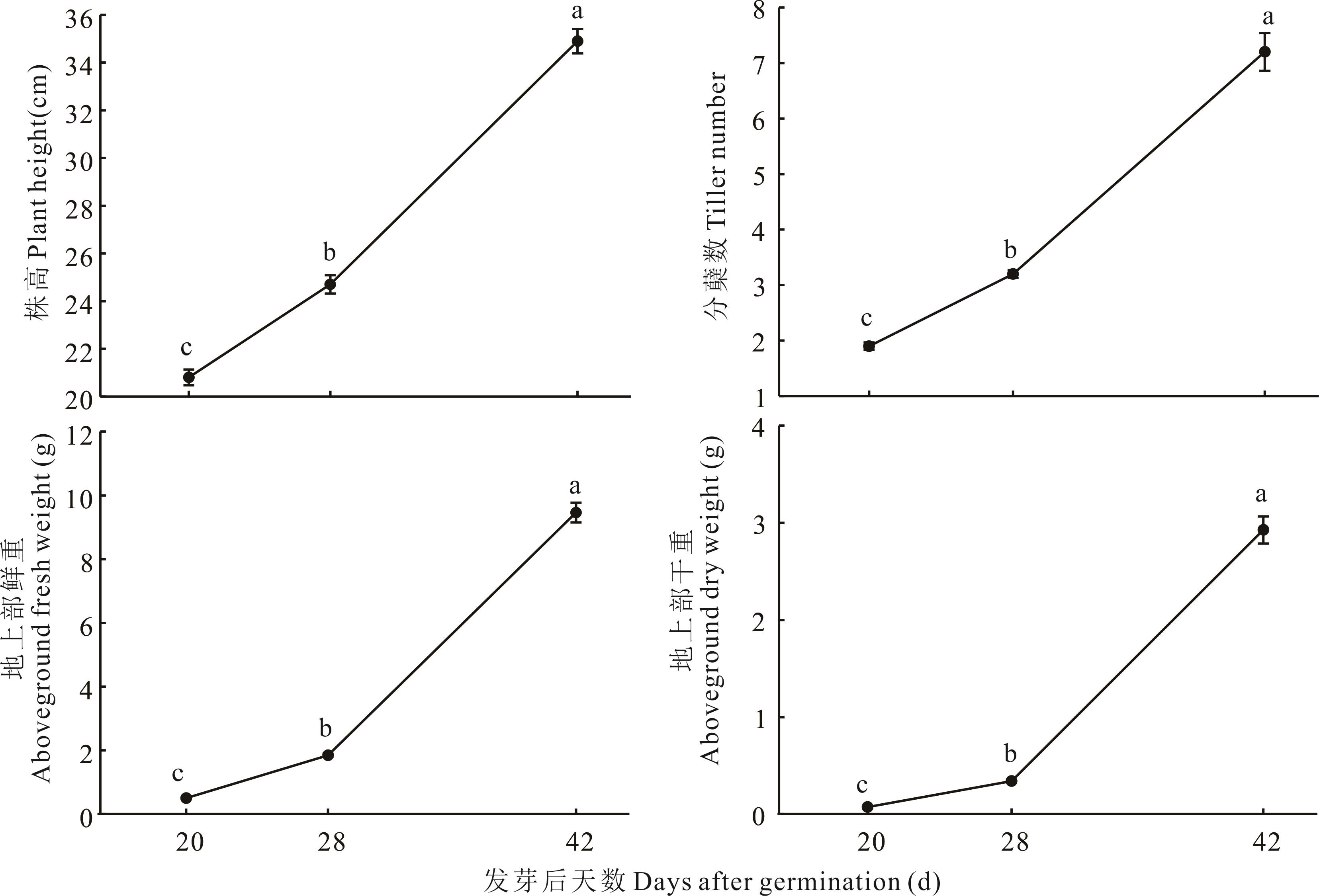
Fig.1 Morphological indicators of the aboveground part of A. cristatum during different growth stages

Fig.2 Analysis of full-length transcriptome of A. cristatum
样品 Sample | 总读取数 Total reads | 总映射数(比例) Total mapped reads (Proportion) |
|---|---|---|
| L_20-1 | 132019604 | 100351816 (76.01%) |
| L_20-2 | 123286334 | 101352978 (82.21%) |
| L_20-3 | 152294434 | 121825554 (79.99%) |
| L_28-1 | 125714796 | 108520384 (86.32%) |
| L_28-2 | 134285710 | 111815444 (83.27%) |
| L_28-3 | 152896860 | 131835092 (86.22%) |
| L_42-1 | 124362884 | 100460702 (80.78%) |
| L_42-2 | 184840476 | 151365264 (81.89%) |
| L_42-3 | 133727556 | 112686780 (84.27%) |
Table 2 Comparison of total reads and total mapped reads for each sample
样品 Sample | 总读取数 Total reads | 总映射数(比例) Total mapped reads (Proportion) |
|---|---|---|
| L_20-1 | 132019604 | 100351816 (76.01%) |
| L_20-2 | 123286334 | 101352978 (82.21%) |
| L_20-3 | 152294434 | 121825554 (79.99%) |
| L_28-1 | 125714796 | 108520384 (86.32%) |
| L_28-2 | 134285710 | 111815444 (83.27%) |
| L_28-3 | 152896860 | 131835092 (86.22%) |
| L_42-1 | 124362884 | 100460702 (80.78%) |
| L_42-2 | 184840476 | 151365264 (81.89%) |
| L_42-3 | 133727556 | 112686780 (84.27%) |
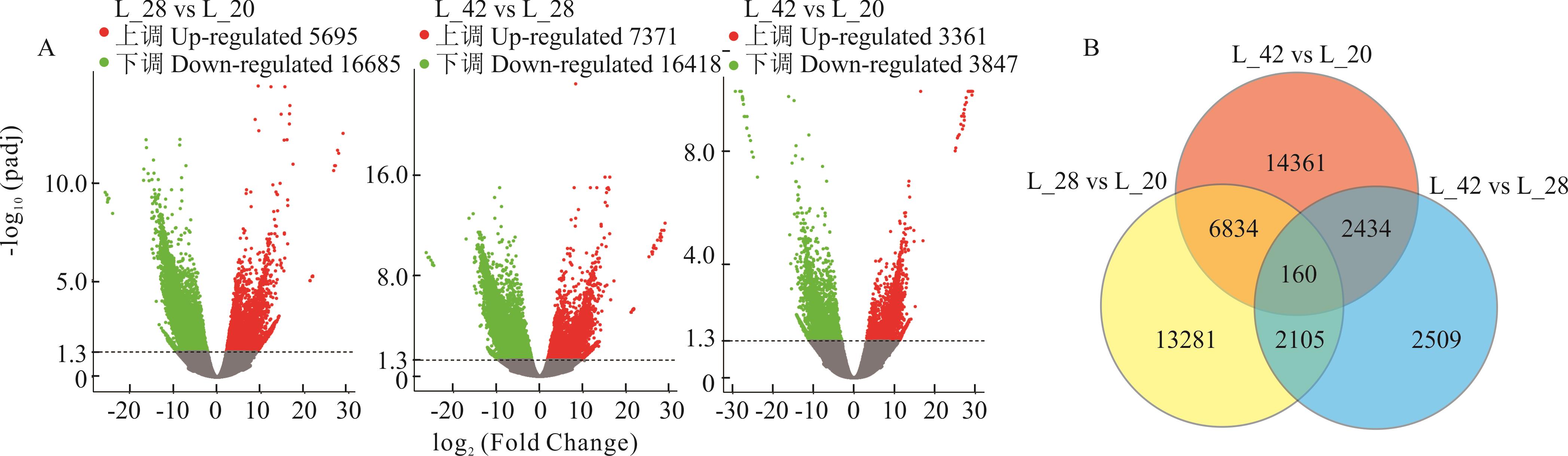
Fig.3 Analysis of differentially expressed genes in A. cristatum leaves at different growth stages

Fig.4 KEGG enrichment analysis of differentially expressed genes in A. cristatum leaves at different growth stages

Fig.5 Heatmap of differentially expressed genes enriched in the photosynthesis pathway

Fig.6 Heatmap of differentially expressed genes enriched in plant hormone signal transduction pathway

Fig.7 Analysis of transcription factors among differentially expressed genes

Fig.8 Heatmap of differentially expressed bHLH, B3 and NF-YA family transcription factors

Fig.9 Heatmap of differentially expressed ERF and NAC family transcription factors
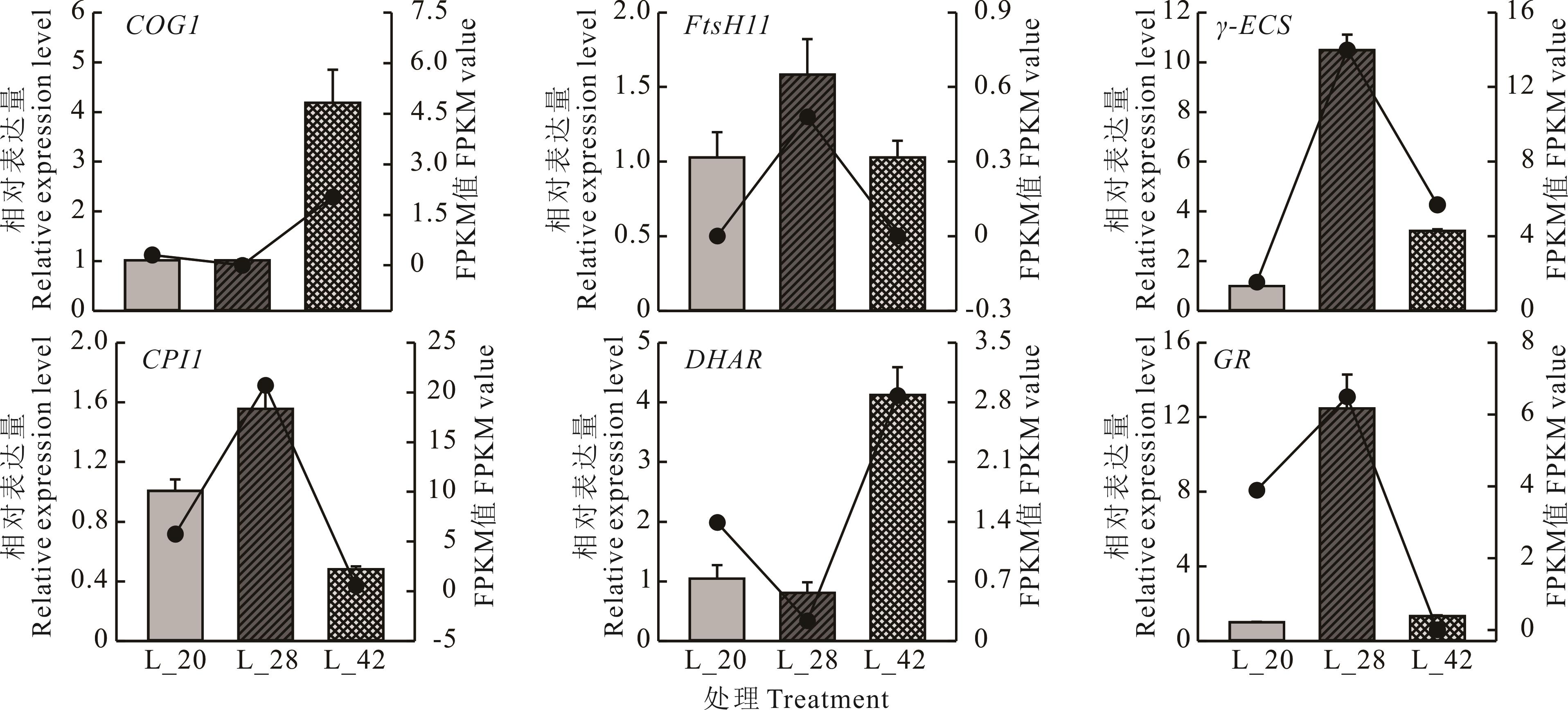
Fig.10 Validation of the transcriptomic data with RT-qPCR
| [1] | Zhou X L, Yang L C, Li G Q, et al. Polymorphism analysis of Agropyron cristatum (L.) Gaertn and endemic species based on cpDNAtrnT-trnL sequences. Qinghai Prataculture, 2019, 28(3): 2-6. |
| 周学丽, 杨路存, 李桂全, 等. 扁穗冰草不同地理种群cpDNAtrnT-trnL多态性分析. 青海草业, 2019, 28(3): 2-6. | |
| [2] | Gao H J, Liu Z D, Sun R. Study on the production performance of newstrain of Agropyron cristatum (L.). Feed Review, 2019(5): 52-54. |
| 高海娟, 刘泽东, 孙蕊. 扁穗冰草新品系生产性能研究. 饲料博览, 2019(5): 52-54. | |
| [3] | Gao H J, Yun J F, Luo X Y, et al. A study on anatomy of vegetative organs of Agropyron cristatum. Pratacultural Science, 2012, 29(3): 429-433. |
| 高海娟, 云锦凤, 罗新义, 等. 扁穗冰草营养器官的解剖学研究. 草业科学, 2012, 29(3): 429-433. | |
| [4] | Xu C B, Mi F G, Wang Y, et al. Factors influencing plant regeneration systems in mature embryo culture of Agropyron. Acta Prataculturae Sinica, 2009, 18(1): 80-85. |
| 徐春波, 米福贵, 王勇, 等. 影响冰草成熟胚组织培养再生体系频率的因素. 草业学报, 2009, 18(1): 80-85. | |
| [5] | Fischer W W, Hemp J, Johnson E J. Evolution of oxygenic photosynthesis. Annual Review of Earth and Planetary Sciences, 2016, 44: 647-683. |
| [6] | Eberhard S, Finazzi G, Wollman F A. The dynamics of photosynthesis. Annual Review of Genetics, 2008, 42: 463-515. |
| [7] | Waters M T, Moylan E C, Langdale J A. GLK transcription factors regulate chloroplast development in a cell-autonomous manner. The Plant Journal, 2008, 56(3): 432-444. |
| [8] | Wu G, Park Y M, Conway R S, et al. The sequential action of miR156 and miR172 regulates developmental timing in Arabidopsis. Cell, 2009, 138(4): 750-759. |
| [9] | Allis C D, Jenuwein T. The molecular hallmarks of epigenetic control. Nature Reviews Genetics, 2016, 17(8): 487-500. |
| [10] | Chan K X, Phua S Y, Crisp P, et al. Learning the languages of the chloroplast: Retrograde signaling and beyond. Annual Review of Plant Biology, 2016, 67: 25-53. |
| [11] | Huang Y, Zhao Y C, Cui L L, et al. Research progress on effects of plant hormones and other regulatory factors on rice root growth and development. Fujian Journal of Agricultural Sciences, 2025, 40(1): 99-111. |
| 黄熠,赵永超,崔丽丽,等. 植物激素等调控因子对水稻根系生长发育的影响研究进展. 福建农业学报, 2025, 40(1): 99-111. | |
| [12] | Waadt R, Seller C A, Hsu P K, et al. Plant hormone regulation of abiotic stress responses. Nature Reviews Molecular Cell Biology, 2022, 23(10): 680-694. |
| [13] | Vanstraelen M, Benková E. Hormonal interactions in the regulation of plant development. Annual Review of Cell and Developmental Biology, 2012, 28: 463-487. |
| [14] | Zhao B Q, Liu Q Y, Wang B S, et al. Roles of phytohormones and their signaling pathways in leaf development and stress responses. Journal of Agricultural and Food Chemistry, 2021, 69(12): 3566-3584. |
| [15] | Müller D, Leyser O. Auxin, cytokinin and the control of shoot branching. Annals of Botany, 2011, 107(7): 1203-1212. |
| [16] | Woodward A W, Bartel B. Auxin: Regulation, action, and interaction. Annals of Botany, 2005, 95(5): 707-735. |
| [17] | Li Q F, Wang C M, Jiang L, et al. An interaction between BZR1 and DELLAs mediates direct signaling crosstalk between brassinosteroids and gibberellins in Arabidopsis. Science Signaling, 2012, 5(244): ra72. |
| [18] | Fan L, Tang J, Ma L, et al. Screening genes related to drought resistance in Agropyron mongolicum Keng based on transcriptome. Acta Agrestia Sinica, 2024, 32(11): 3344-3357. |
| 樊璐, 唐俊, 马琳, 等. 基于转录组测序筛选蒙古冰草抗旱相关基因. 草地学报, 2024, 32(11): 3344-3357. | |
| [19] | Wang H P, Zhao H B, Du J Y, et al. Full length transcriptome analysis of Agropyron mongolicum and identification of hydroxylase genes involved in lignin synthesis and drought response. Journal of Grassland and Forage Science, 2024(1): 10-22. |
| 王贺萍, 赵竑博, 杜锦瑜, 等. 蒙古冰草全长转录组分析及参与木质素合成和干旱响应的羟化酶基因鉴定. 草学, 2024(1): 10-22. | |
| [20] | Salmela L, Rivals E. LoRDEC: Accurate and efficient long read error correction. Bioinformatics, 2014, 30(24): 3506-3514. |
| [21] | Fu L M, Niu B F, Zhu Z W, et al. CD-HIT: Accelerated for clustering the next-generation sequencing data. Bioinformatics, 2012, 28(23): 3150-3152. |
| [22] | Chen S F, Zhou Y Q, Chen Y R, et al. fastp: An ultra-fast all-in-one FASTQ preprocessor. Bioinformatics, 2018, 34(17): i884-i890. |
| [23] | Li B, Dewey C N. RSEM: Accurate transcript quantification from RNA-Seq data with or without a reference genome. BMC Bioinformatics, 2011, 12(1): 323. |
| [24] | Shan C J, Liang Z S. Jasmonic acid regulates ascorbate and glutathione metabolism in Agropyron cristatum leaves under water stress. Plant Science, 2010, 178(2): 130-139. |
| [25] | Livak K J, Schmittgen T D. Analysis of relative gene expression data using real-time quantitative PCR and the 2-ΔΔCt method. Methods, 2001, 25(4): 402-408. |
| [26] | Zhu Q N, Zhang K Y, Chen W X, et al. Transcriptomic and metabolomic analyses reveal key factors regulating chilling stress-induced softening disorder in papaya fruit. Postharvest Biology and Technology, 2023, 205: 112534. |
| [27] | Zhang X F, Ma Y H, Fan B B, et al. Analysis of bHLH transcription factor family based on RNA-Seq in Agropyron mongolicum. Molecular Plant Breeding, 2023, 21(4): 1154-1163. |
| 张学峰, 马艳红, 范菠菠,等. 基于RNA-Seq的蒙古冰草bHLH转录因子家族分析. 分子植物育种, 2023, 21(4): 1154-1163. | |
| [28] | Chen X, Luo S Q, Duan C F, et al. Research advance on the transcription factors in higher plants. Anhui Agricultural Science Bulletin, 2008, 14(9): 48-52, 65. |
| 陈霞, 罗世巧, 段翠芳, 等. 高等植物转录因子研究进展. 安徽农学通报, 2008, 14(9): 48-52, 65. | |
| [29] | Ning M, Li Q Y, Wang Y, et al. Alternative splicing drives the functional diversification of a bHLH transcription factor in the control of growth and drought tolerance in rice. Science Bulletin, 2025, 70(2): 153-156. |
| [30] | Jia Y T. Function analysis of transcription factor bHLH146 in Arabidopsis thaliana. Changchun: Jilin University, 2022. |
| 贾雨彤. 拟南芥转录因子bHLH146的功能研究. 长春: 吉林大学, 2022. | |
| [31] | Gou Y L, Zhang L, Guo H, et al. Research progress on the AP2/ERF transcription factor in plants. Pratacultural Science, 2020, 37(6): 1150-1159. |
| 苟艳丽, 张乐, 郭欢, 等. 植物AP2/ERF类转录因子研究进展. 草业科学, 2020, 37(6): 1150-1159. | |
| [32] | Guo Y F, Ren G D, Zhang K W, et al. Leaf senescence: Progression, regulation, and application. Molecular Horticulture, 2021, 1: 5. |
| [33] | Wang S J, Zhou L D, Hu J, et al. Functional analysis of ERF transcription factors in regulating leaf morphological construction of poplar. Plant Physiology Journal, 2023, 59(6): 1157-1168. |
| 王升级, 周猎鼎, 胡佳, 等. ERF转录因子调控杨树叶片形态构建的功能分析. 植物生理学报, 2023, 59(6): 1157-1168. | |
| [34] | Lim C, Kang K, Shim Y, et al. Rice ETHYLENE RESPONSE FACTOR 101 promotes leaf senescence through jasmonic acid-mediated regulation of OsNAP and OsMYC2. Frontiers in Plant Science, 2020, 11: 1096. |
| [35] | Yu J Y, Gong C R. Advances in biological functions of plant NAC transcription factors. Henan Science, 2024, 42(11): 1589-1601. |
| 于婧瑶, 巩琛锐. 植物NAC转录因子的生物学功能研究进展. 河南科学, 2024, 42(11): 1589-1601. | |
| [36] | Kılıç M, Gollan P J, Lepistö A, et al. Gene expression and organization of thylakoid protein complexes in the PSII-less mutant of Synechocystis sp. PCC 6803. Plant Direct, 2022, 6(6): e409. |
| [37] | Tikhonov A N. The cytochrome b6f complex: Biophysical aspects of its functioning in chloroplasts//Harris J R, Boekema E J. Membrane protein complexes: Structure and function. Singapore: Springer Singapore, 2018: 287-328. |
| [38] | Wang Q Q, Marconi M, Guan C M, et al. Polar auxin transport modulates early leaf flattening. Proceedings of the National Academy of Sciences of the United States of America, 2022, 119(50): e2215569119. |
| [39] | Jia L Q, Dai Y D, Peng Z W, et al. The auxin transporter OsAUX1 regulates tillering in rice (Oryza sativa). Journal of Integrative Agriculture, 2024, 23(5): 1454-1467. |
| [40] | Liu Z H, Dai X H, Li J, et al. The type-B cytokinin response regulator ARR1 inhibits shoot regeneration in an ARR12-dependent manner in Arabidopsis. The Plant Cell, 2020, 32(7): 2271-2291. |
| [1] | Zu-yan MA, Shi-kui DONG, Yin LI, Ran ZHANG, Dan-jia TU, Gui-ling WU, Jian-jun SHI, De-jun SHI. Effects of molybdenum, silicon, and boron addition on the photosynthetic physiology of Elymus breviaristatus and a multivariate evaluation of growth performance [J]. Acta Prataculturae Sinica, 2026, 35(10): 192-206. |
| [2] | Lang SUN, Yan-ping REN, Muzepar NAFISA, Neng-shuang SHEN, Li MA, Cong CHENG, Li LI, Hua ZHANG. Identification of the WOX transcription factor family in Haloxylon ammodendron and functional analyses of the roles of HaWOX29 and HaWOX54 in root growth [J]. Acta Prataculturae Sinica, 2026, 35(1): 192-205. |
| [3] | Wen-hui DENG, Ke-chen SONG, Hao ZHANG, Si-yu GUAN, Jia-yi YONG, Tie-na XIE, Hai-ying HU. Effects of changes in precipitation on stomatal morphology and photosynthetic and physiological characteristics of major species in desert steppe plant communities [J]. Acta Prataculturae Sinica, 2026, 35(1): 65-78. |
| [4] | Han-xing YANG, Ning-ge LIU, Yu-lou TANG, Huan LI, Yi-ming ZHU, Jia-meng GUO, Hao WANG, Rui-xin SHAO, Yong-chao WANG, Qing-hua YANG. Effects of salicylic acid on antioxidant and photosynthetic capacity of maize under high temperature, drought and their combined stress [J]. Acta Prataculturae Sinica, 2026, 35(1): 79-92. |
| [5] | Bin GUO, Wei-cheng LUO, Li-shan SHAN, Ning AN, Bing LIU. Effects of simulated warming on photosynthesis of typical desert shrubs in the Hexi Corridor [J]. Acta Prataculturae Sinica, 2025, 34(7): 145-157. |
| [6] | Fang WANG, Shi-zi ZHANG, Rong-hui DAI, Li-yun YANG, Li-juan LUO, Ling-yan JIANG. Screening and verification of SgMPK6-interacting proteins of Stylosanthes [J]. Acta Prataculturae Sinica, 2024, 33(7): 84-93. |
| [7] | Ying TAN, Hao YIN. Effects of root application of an arbuscular mycorrhizal fungus and melatonin on the growth, photosynthetic characteristics, and antioxidant system of Medicago sativa under salt stresss [J]. Acta Prataculturae Sinica, 2024, 33(6): 64-75. |
| [8] | Fen-qi CHEN, Jin-qing ZHANG, Hui-ling MA. Progress of research on hormone regulation of branching or tillering in plants [J]. Acta Prataculturae Sinica, 2024, 33(2): 212-225. |
| [9] | Chang-zhuang LIU, Yu-zhao TAO, Ming LI, Xiao-ming ZHANG. Effect of manganese sulfate on photosynthesis and nitrogen metabolism of cultivated Indian barnyard grass seedlings under saline-alkali stress [J]. Acta Prataculturae Sinica, 2024, 33(12): 84-98. |
| [10] | Xian-fei SHI, Yu GAO, Xu-sheng HUANG, Ya-li ZHOU, Gui-ping CAI, Xin-ru LI, Run-zhi LI, Jin-ai XUE. Functional characterization of Cyperus esculentus CeWRKY transcription factors in response to abiotic stress [J]. Acta Prataculturae Sinica, 2023, 32(8): 186-201. |
| [11] | Chao-nan LI, Lei WANG, Ji-qiang ZHOU, Chang-xing ZHAO, Xiao-rong XIE, Jin-rong LIU. Effect of microplastics on the growth and physiological characteristics of alfalfa (Medicago sativa) [J]. Acta Prataculturae Sinica, 2023, 32(5): 138-146. |
| [12] | Jia-cheng ZHENG, Jie YU, Fan LI, Xiao-yi HUANG, Jie-qin LI, Hai-zhou CHEN, Xin WANG, Qiu-wen ZHAN, Zhao-shi XU. Functional characterization of the role of SbER10_X1 in regulating photosynthesis and biomass of sorghum forage [J]. Acta Prataculturae Sinica, 2023, 32(4): 91-100. |
| [13] | Xiao-jin ZHOU, Hai-xia HUANG, Jun-xia ZHANG, Bu-dong MA, Gang LU, Jian-wei QI, Ting ZHANG, Zhu ZHU. Effects of salt stress on photosynthetic characteristics of Gymnocarpos przewalskii seedlings [J]. Acta Prataculturae Sinica, 2023, 32(2): 75-83. |
| [14] | Fu LIU, Cheng CHEN, Kai-xuan ZHANG, Mei-liang ZHOU, Xin-quan ZHANG. Cloning and identification of drought tolerance function of the LjbHLH34 gene in Lotus japonicus [J]. Acta Prataculturae Sinica, 2023, 32(1): 178-191. |
| [15] | Yan-liang SUN, Jun-wei ZHAO, Xuan-shuai LIU, Sheng-yi LI, Chun-hui MA, Xu-zhe WANG, Qian-bing ZHANG. Effect of nitrogen application on photosynthetic daily variation, leaf morphology and dry matter yield of alfalfa at the early flowering growth stage [J]. Acta Prataculturae Sinica, 2022, 31(9): 63-75. |
| Viewed | ||||||
|
Full text |
|
|||||
|
Abstract |
|
|||||
