
ISSN 1004-5759 CN 62-1105/S
Acta Prataculturae Sinica ›› 2026, Vol. 35 ›› Issue (1): 179-191.DOI: 10.11686/cyxb2025045
Bin CHEN( ), Yan-ting LIU, Sheng-yan CHEN, Qing XUE, Meng-yu LI, Ji-jia WANG, Ying SUN, Miao HE()
Received:2025-02-18
Revised:2025-04-07
Online:2026-01-20
Published:2025-11-13
Contact:
Miao HE
Bin CHEN, Yan-ting LIU, Sheng-yan CHEN, Qing XUE, Meng-yu LI, Ji-jia WANG, Ying SUN, Miao HE. Bioinformatics analysis of CiMYB4 in Chrysanthemum indicum var. aromaticum and functional characterization of its role in drought resistance[J]. Acta Prataculturae Sinica, 2026, 35(1): 179-191.
| 引物名称Primer name | 引物序列Primer sequence (5′-3′) |
|---|---|
| CiMYB4-2001-F (P-F) | GATTACGCC |
| CiMYB4-1764 (P1-F) | GATTACGCC |
| CiMYB4-1299 (P2-F) | GATTACGCC |
| CiMYB4-954 (P3-F) | GATTACGCC |
| CiMYB4-417 (P4-F) | GATTACGCC |
| CiMYB4-2001-R (P-R) | ACCACCCGG |
Table 1 Promoter clone primers’ sequence
| 引物名称Primer name | 引物序列Primer sequence (5′-3′) |
|---|---|
| CiMYB4-2001-F (P-F) | GATTACGCC |
| CiMYB4-1764 (P1-F) | GATTACGCC |
| CiMYB4-1299 (P2-F) | GATTACGCC |
| CiMYB4-954 (P3-F) | GATTACGCC |
| CiMYB4-417 (P4-F) | GATTACGCC |
| CiMYB4-2001-R (P-R) | ACCACCCGG |
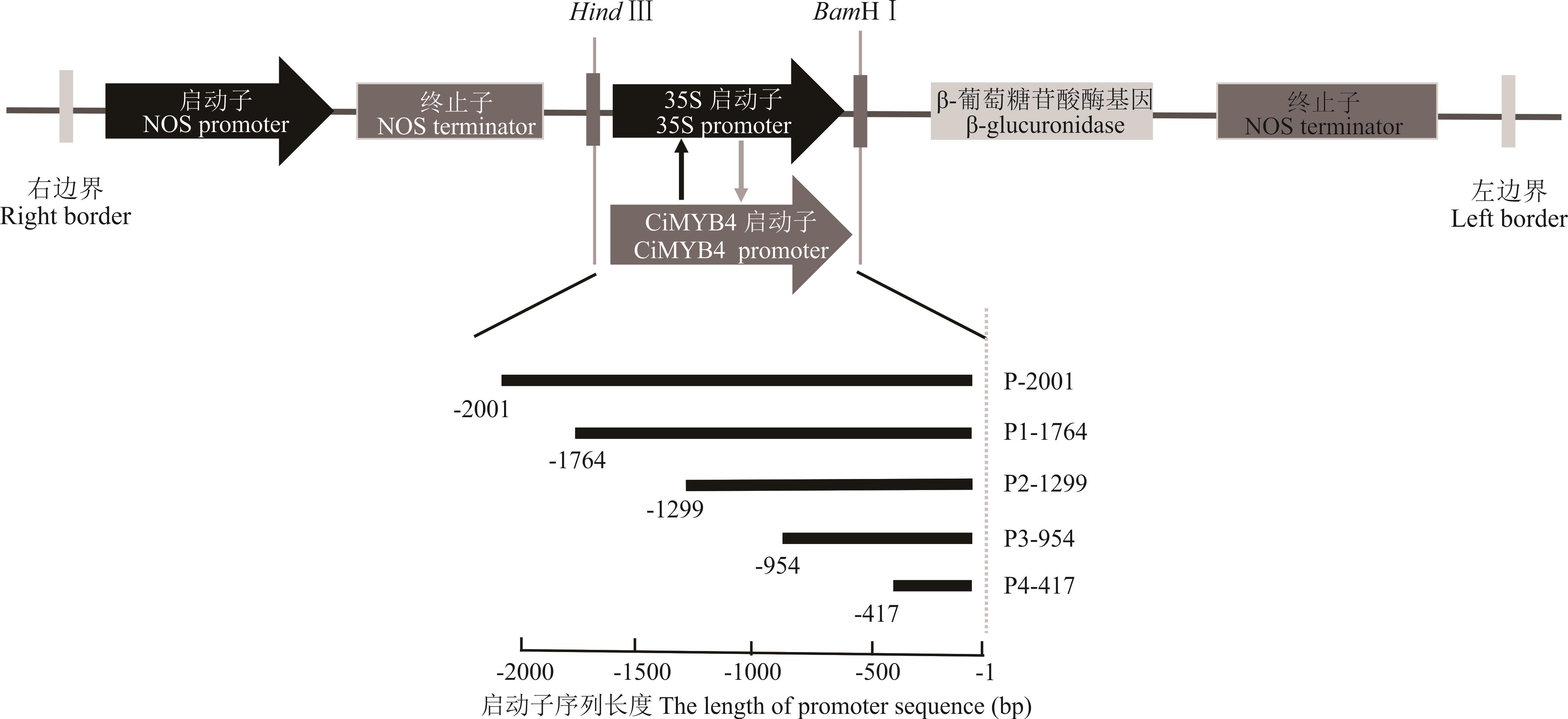
Fig.1 CiMYB4 gene promoter 5′ deletion fragments
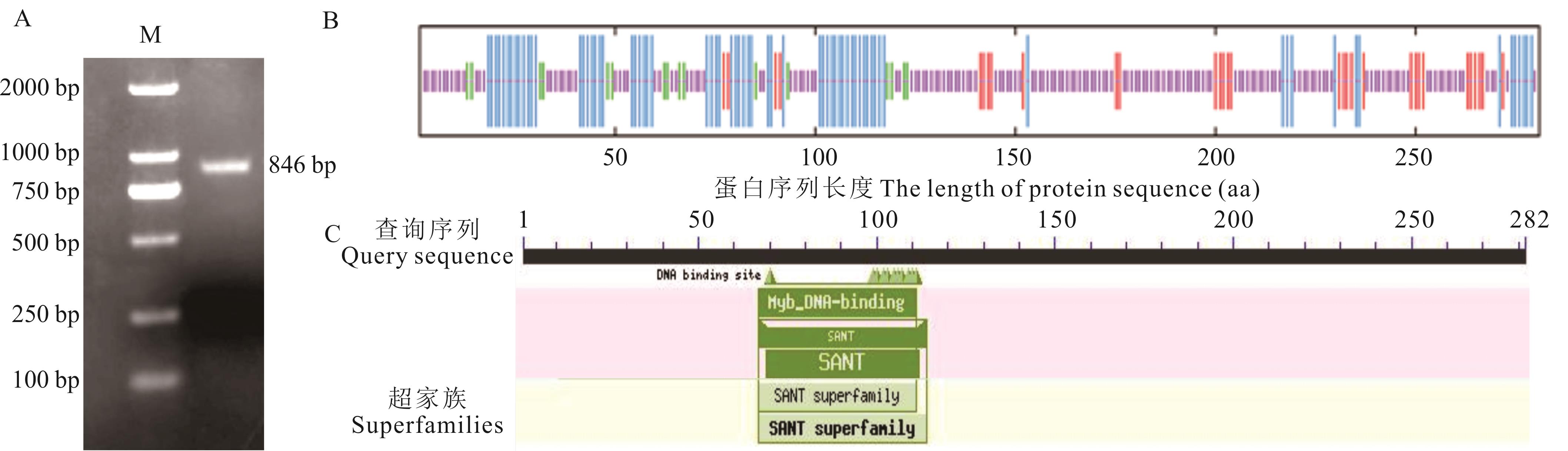
Fig.2 Bioinformatics analysis of CiMYB4
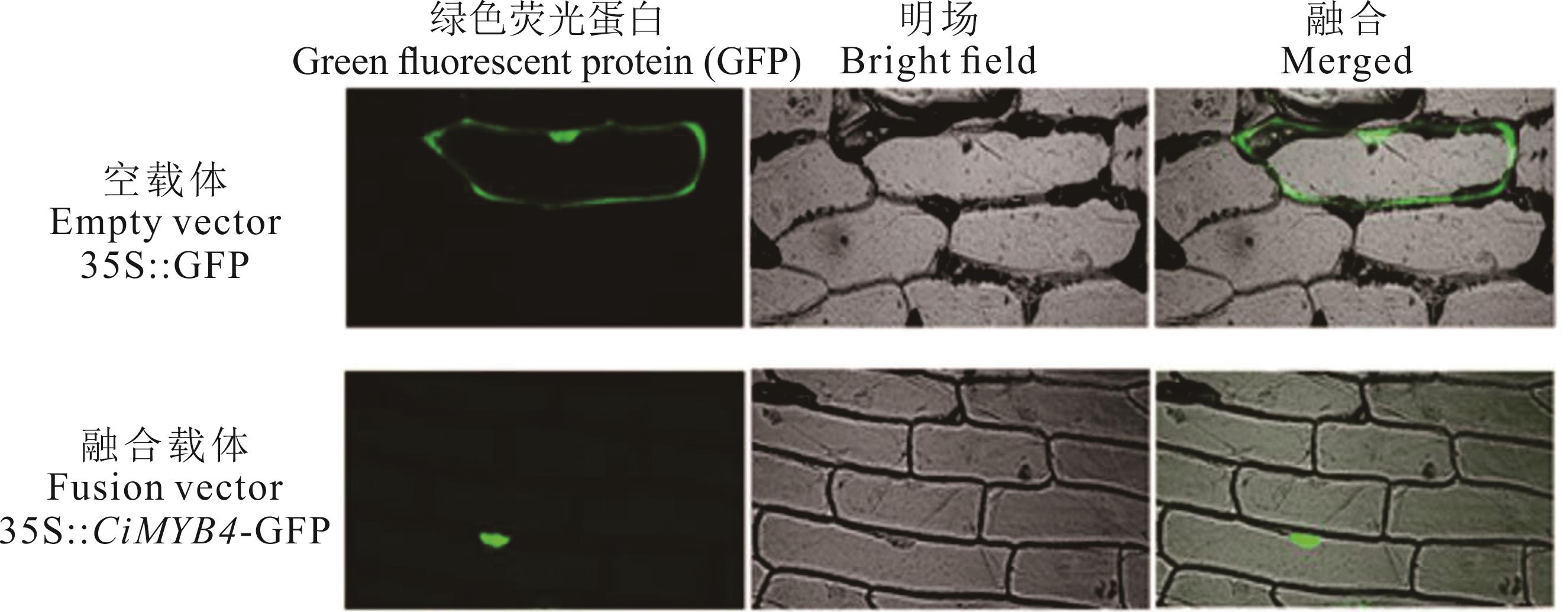
Fig.3 Subcellular localization of CiMYB4
类别 Category | 名称 Name | 核心序列 Core sequence | 功能 Function | 数量 Amount |
|---|---|---|---|---|
| 结构元件Structure elements | TATA-box | TATA | 核心启动子元件Core promoter element | 50 |
| CAAT-box | CAA(A)T | 启动子和增强子区域调控元件Regulatory element in promoter and enhancer regions | 35 | |
| 激素响应元件Phytohormone responsive elements | ABRE | ACGTG | 脱落酸响应元件Abscisic acid responsive element | 3 |
| AAGAA-motif | GTAAAGAAA | 脱落酸响应元件Abscisic acid responsive element | 1 | |
| TGA-element | AACGAC | 生长素响应元件Auxin acid responsive element | 1 | |
| 胁迫响应元件Abiotic stress responsive elements | LTR | AAAGCC | 低温响应元件Low temperature responsive element | 1 |
| STRE | AGGGG | 干旱胁迫响应元件Drought stress responsive element | 3 | |
| TC-rich repeats | ATTTTCTT | 防卫和胁迫响应元件Defense and stress responsive element | 2 | |
| 光响应元件Light responsive elements | G-box | (T)CACGTG(T) | 光响应元件Light responsive element | 2 |
| GATA-motif | AAGGATAAGG | 光响应元件Light responsive element | 1 | |
| GT1-motif | GGTTAA | 光响应元件Light responsive element | 3 | |
| I-box | CCTTATCCT | 光响应元件Light responsive element | 1 | |
| Box 4 | ATTAAT | 光响应元件Light responsive element | 2 | |
| chs-CMA1a | TTACTTAA | 光响应元件Light responsive element | 1 | |
| MRE | AACCTAA | 光响应元件Light responsive element | 1 | |
| 生长发育调控元件Development-related elements | CAT-box | GCCACT | 分生组织表达元件Meristem expression element | 1 |
| 功能未知元件Function unknown elements | MYB CORE | TAACCA、CAACAG | MYB结合位点MYB binding site | 7 |
| MYC CORE | CATTTG、CAATTG | MYC结合位点MYC binding site | 3 | |
| A-box | CCGTCC | 未知功能元件Function unknown element | 2 | |
| AT~TATA-box | TATATA | 未知功能元件Function unknown element | 1 |
Table 2 Cis-acting elements of CiMYB4 promoter
类别 Category | 名称 Name | 核心序列 Core sequence | 功能 Function | 数量 Amount |
|---|---|---|---|---|
| 结构元件Structure elements | TATA-box | TATA | 核心启动子元件Core promoter element | 50 |
| CAAT-box | CAA(A)T | 启动子和增强子区域调控元件Regulatory element in promoter and enhancer regions | 35 | |
| 激素响应元件Phytohormone responsive elements | ABRE | ACGTG | 脱落酸响应元件Abscisic acid responsive element | 3 |
| AAGAA-motif | GTAAAGAAA | 脱落酸响应元件Abscisic acid responsive element | 1 | |
| TGA-element | AACGAC | 生长素响应元件Auxin acid responsive element | 1 | |
| 胁迫响应元件Abiotic stress responsive elements | LTR | AAAGCC | 低温响应元件Low temperature responsive element | 1 |
| STRE | AGGGG | 干旱胁迫响应元件Drought stress responsive element | 3 | |
| TC-rich repeats | ATTTTCTT | 防卫和胁迫响应元件Defense and stress responsive element | 2 | |
| 光响应元件Light responsive elements | G-box | (T)CACGTG(T) | 光响应元件Light responsive element | 2 |
| GATA-motif | AAGGATAAGG | 光响应元件Light responsive element | 1 | |
| GT1-motif | GGTTAA | 光响应元件Light responsive element | 3 | |
| I-box | CCTTATCCT | 光响应元件Light responsive element | 1 | |
| Box 4 | ATTAAT | 光响应元件Light responsive element | 2 | |
| chs-CMA1a | TTACTTAA | 光响应元件Light responsive element | 1 | |
| MRE | AACCTAA | 光响应元件Light responsive element | 1 | |
| 生长发育调控元件Development-related elements | CAT-box | GCCACT | 分生组织表达元件Meristem expression element | 1 |
| 功能未知元件Function unknown elements | MYB CORE | TAACCA、CAACAG | MYB结合位点MYB binding site | 7 |
| MYC CORE | CATTTG、CAATTG | MYC结合位点MYC binding site | 3 | |
| A-box | CCGTCC | 未知功能元件Function unknown element | 2 | |
| AT~TATA-box | TATATA | 未知功能元件Function unknown element | 1 |
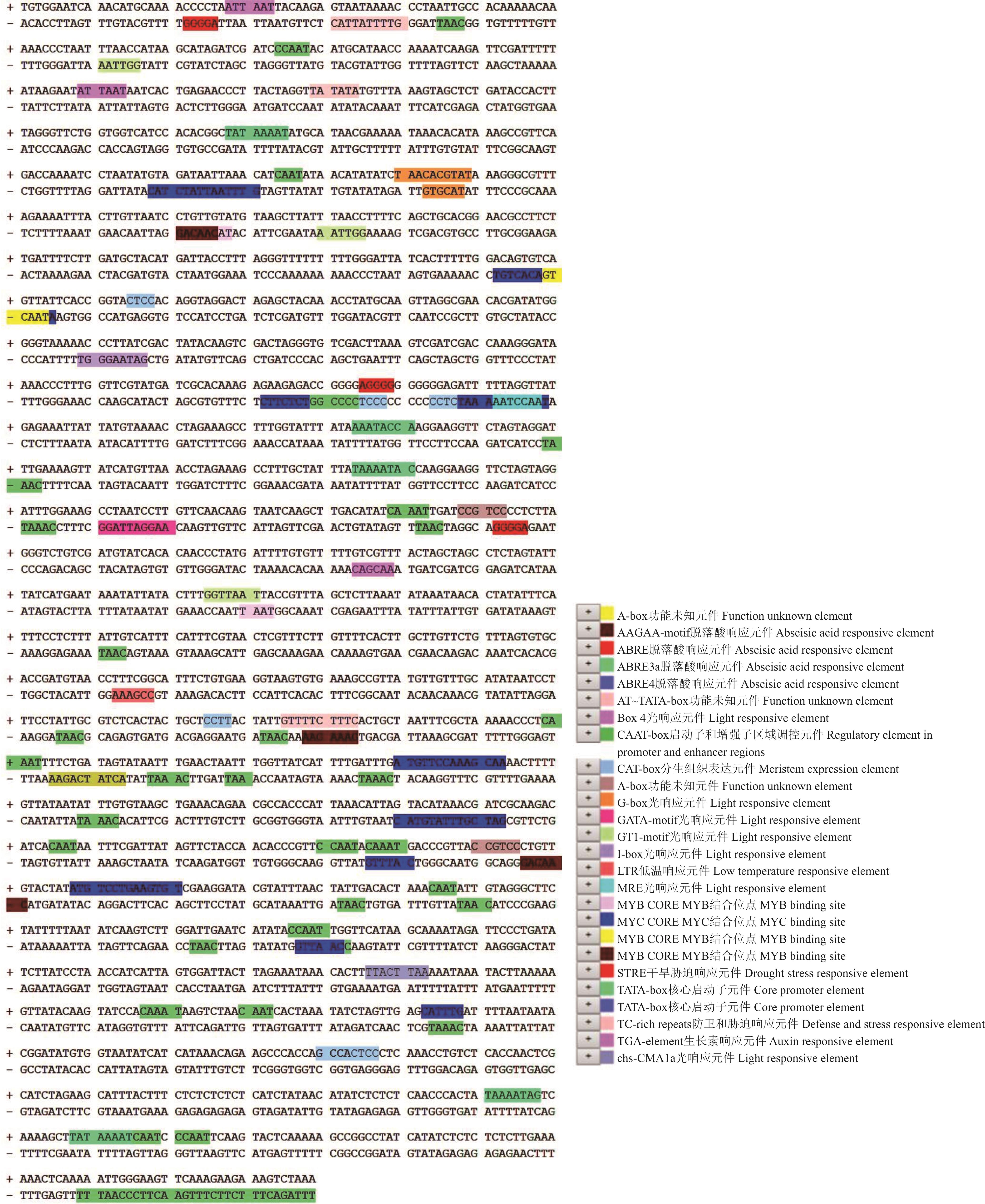
Fig.4 CiMYB4 promoter sequence and some cis-acting elements
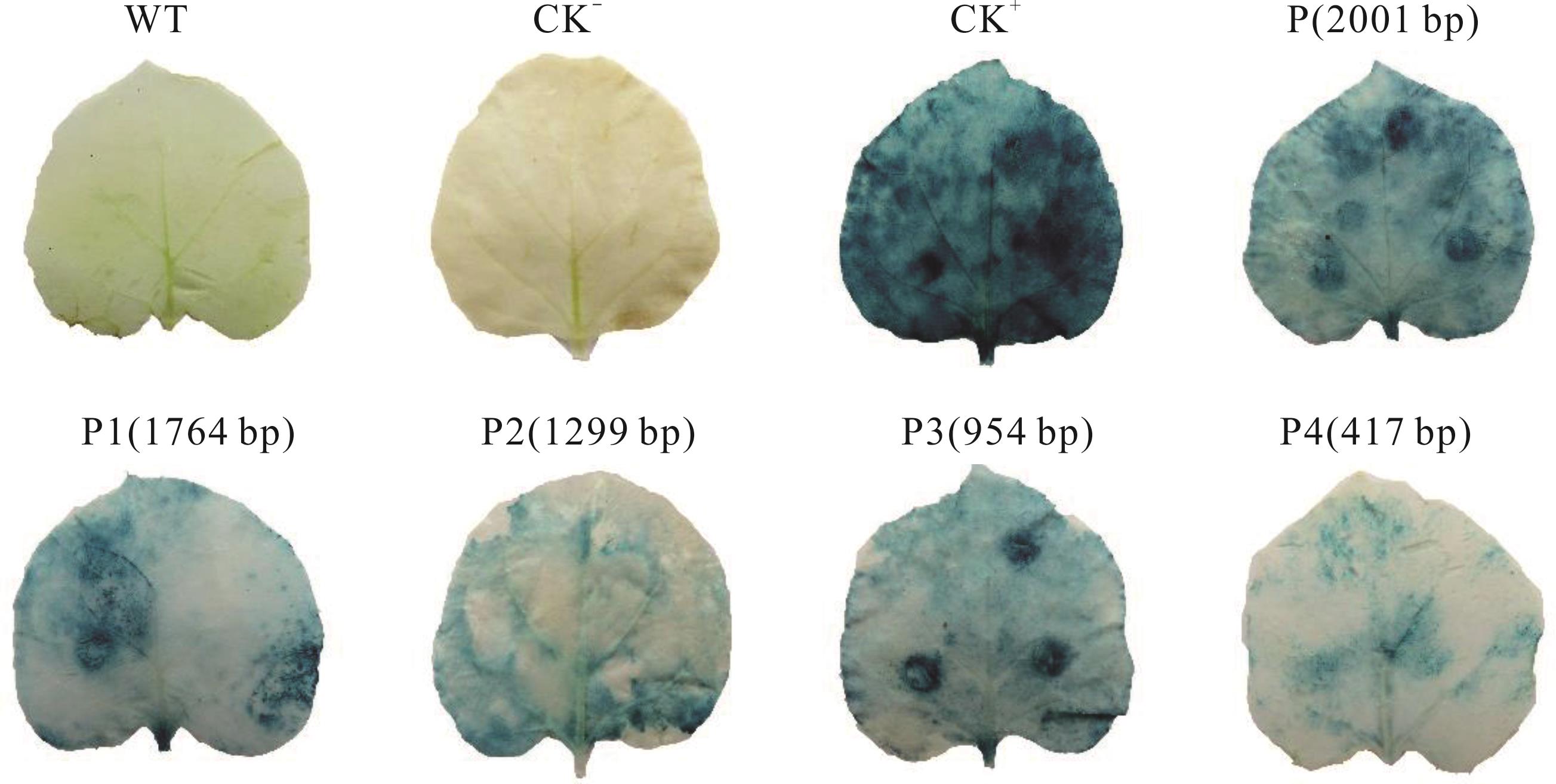
Fig.5 Analysis of β-glucuronidase (GUS) activity of CiMYB4 promoter
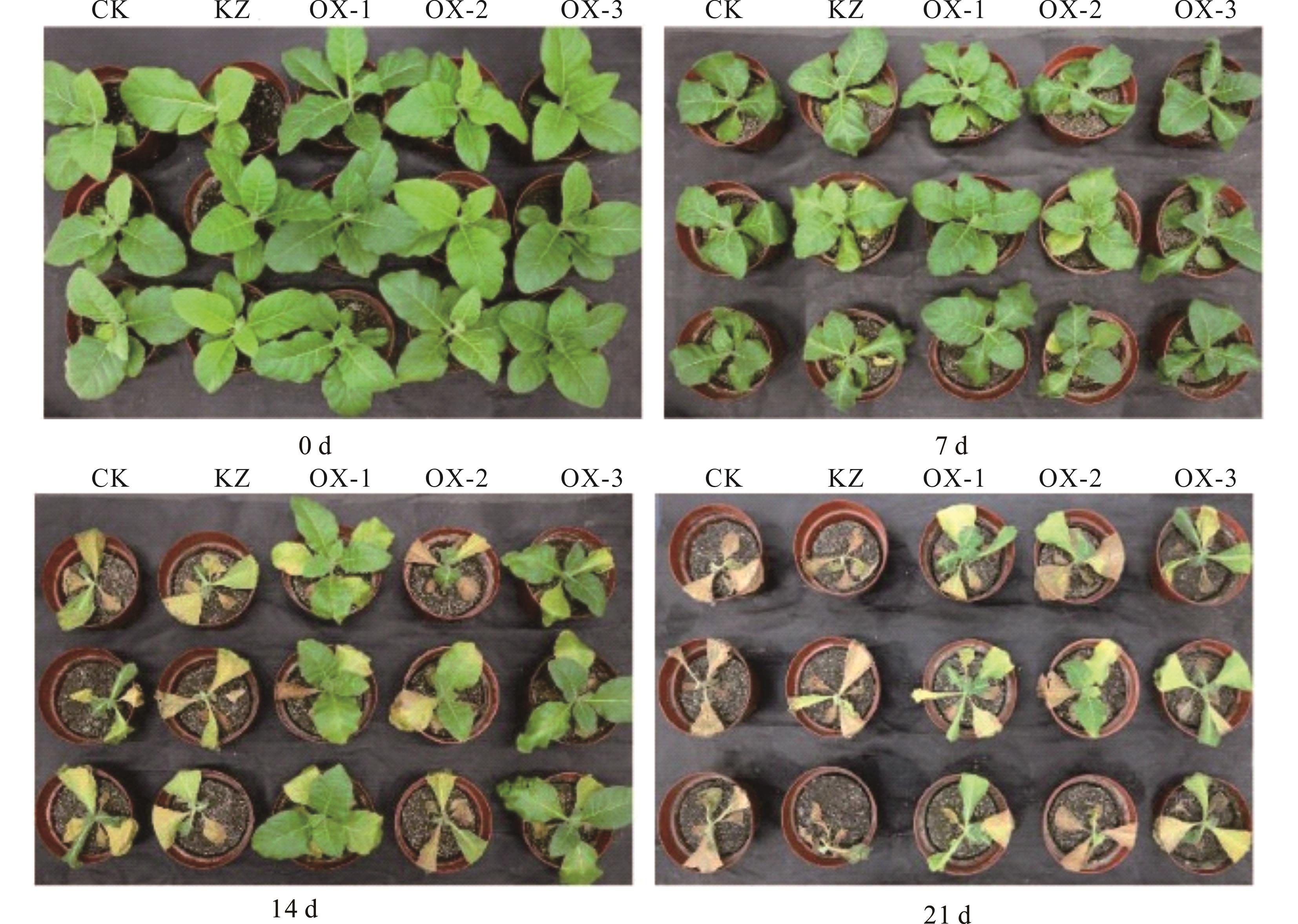
Fig.6 Effects of drought stress on phenotypes of CiMYB4 transgenic tobacco

Fig.7 Effects of drought stress on physiological index of CiMYB4 transgenic tobacco

Fig.8 Effects of drought stress on phenotypes of CiMYB4 transgenic C. indicum

Fig.9 Effects of drought stress on physiological index of CiMYB4 transgenic C. indicum
| [1] | Gao S Z, Chen X H, Lin M H, et al. A birch ELONGATED HYPOCOTYL 5 gene enhances UV-B and drought tolerance. Forestry Research, 2024, 4(1): e022. |
| [2] | Yu Z H, Chen X S, Chen Z W, et al. BcSRC2 interacts with BcAPX4 to increase ascorbic acid content for responding ABA signaling and drought stress in pak-choi. Horticulture Research, 2024, 11(8): uhae165. |
| [3] | Lynch J P. Rightsizing root phenotypes for drought resistance. Journal of Experimental Botany, 2018, 69(13): 3279-3292. |
| [4] | Li L L, Zhu H L, Ju Y Q, et al. Comparison of microstructure and physiological response of the leaves of six Rosa rugosa genotypes under drought stress. Ornamental Plant Research, 2024, 4(1): e016. |
| [5] | Li J Y, Ren J J, Lei X Y, et al. CsREV-CsTCP4-CsVND7 module shapes xylem patterns differentially between stem and leaf to enhance tea plant tolerance to drought. Cell Reports, 2024, 43(4): 113987. |
| [6] | He L Y, Tan M M, Che H T, et al. Cloning and analysis of drought tolerance function of the LpDREB9 in Lilium pumilum. Acta Prataculturae Sinica, 2025, 34(1): 161-173. |
| 贺龙义, 谭萌萌, 车海涛, 等. 细叶百合LpDREB9基因克隆及耐旱性分析. 草业学报, 2025, 34(1): 161-173. | |
| [7] | Lim C, Kang K, Shim Y, et al. Inactivating transcription factor OsWRKY5 enhances drought tolerance through abscisic acid signaling pathways. Plant Physiology, 2022, 188(4): 1900-1916. |
| [8] | Zhao P P, Zhao M, Gao X Y, et al. GhWRKY1bD improves drought tolerance by co-regulation of ABA, ROS, and proline homeostasis in cotton (Gossypium hirsutum). Industrial Crops and Products, 2024, 220(1): 119179. |
| [9] | Ge M M, Tang Y, Guan Y J, et al. TaWRKY31, a novel WRKY transcription factor in wheat, participates in regulation of plant drought stress tolerance. BMC Plant Biology, 2024, 24(1): 27. |
| [10] | Liu J T, Wang Y Q, Ye X R, et al. Genome-wide identification and expression analysis of the WRKY gene family in response to low-temperature and drought stresses in Cucurbita pepo L. Scientia Horticulture, 2024, 330(1): 113048. |
| [11] | Luo Y R, Xu X Y, Yang L F, et al. A R2R3-MYB transcription factor, FeR2R3-MYB, positively regulates anthocyanin biosynthesis and drought tolerance in common buckwheat (Fagopyrum esculentum). Plant Physiology and Biochemistry, 2024, 217(1): 109254. |
| [12] | Fan K, Wu Y C, Mao Z J, et al. A novel NAC transcription factor ZmNAC55 negatively regulates drought stress in Zea mays. Plant Physiology and Biochemistry, 2024, 214(1): 108938. |
| [13] | Yang X Z, Li X, Wang X, et al. Genome-wide identification and characterization of bZIP gene family explore the responses of PsebZIP44 and PsebZIP46 in Pseudoroegneria libanotica under drought stress. BMC Plant Biology, 2024, 24(1): 1-15. |
| [14] | Riechmann J L, Heard J, Martin G, et al. Arabidopsis transcription factors: genome-wide comparative analysis among eukaryotes. Science, 2000, 290(5499): 2105-2110. |
| [15] | Ren Z Z, Zhang P Y, Su H H, et al. Regulatory mechanisms used by ZmMYB39 to enhance drought tolerance in maize (Zea mays) seedlings. Plant Physiology and Biochemistry, 2024, 211(1): 108696. |
| [16] | Yang B C, Song Z H, Li C N, et al. RSM1, an Arabidopsis MYB protein, interacts with HY5/HYH to modulate seed germination and seedling development in response to abscisic acid and salinity. PLoS Genetics, 2018, 14(12): e1007839. |
| [17] | Li Q, Kang F, Xue Q, et al. Functional analysis of the R2R3-MYB transcription factor CiMYB4 of Chrysanthemum indicum var. aromaticum in response to cadmium stress. Acta Prataculturae Sinica, 2024, 33(5): 128-142. |
| 李强, 康璠, 薛晴, 等. 神农香菊R2R3-MYB转录因子CiMYB4在镉胁迫中的功能分析. 草业学报, 2024, 33(5): 128-142. | |
| [18] | Zhou X, Lei D Y, Yao W T, et al. A novel R2R3-MYB transcription factor PbMYB1L of Pyrus bretschneideri regulates cold tolerance and anthocyanin accumulation. Plant Cell Reports, 2024, 43(2): 34. |
| [19] | Zhu N, Duan B L, Zheng H L, et al. An R2R3-MYB gene GhMYB3 functions in drought stress by negatively regulating stomata movement and ROS accumulation. Plant Physiology and Biochemistry, 2023, 197(1): 107648. |
| [20] | Li B Z, Liu R N, Liu J, et al. ZmMYB56 regulates stomatal closure and drought tolerance in maize seedlings through the transcriptional regulation of ZmTOM7. New Crops, 2024, 1(1): 100012. |
| [21] | Song Q, Kong L F, Yang X R, et al. PtoMYB142, a poplar R2R3-MYB transcription factor, contributes to drought tolerance by regulating wax biosynthesis. Tree Physiology, 2022, 42(10): 2133-2147. |
| [22] | Zhang J P, Wang G R, Bie H, et al. Transcription factor ZmMYB153 enhances drought tolerance in maize seedlings by regulating stomatal movement through ABA signaling. Acta Agronomica Sinica, (2025-04-10)[2025-04-18]. http://kns.cnki.net/kcms/detail/11.1809.s.20250110.1231.002.html. |
| 张建鹏, 王国瑞, 别海, 等. 转录因子ZmMYB153通过ABA信号调节气孔运动增强玉米苗期抗旱性. 作物学报, (2025-04-10)[2025-04-18]. http://kns.cnki.net/kcms/detail/11.1809.s.20250110.1231.002.html. | |
| [23] | Wang J J. Cloning of CiMYB4 Chrysanthemum indicum var. aromaticum and genetic transformation of Chrysanthemum indicum. Harbin: Northeast Forestry University, 2019. |
| 王霁佳. 神农香菊CiMYB4基因的克隆及对野菊的遗传转化. 哈尔滨: 东北林业大学, 2019. | |
| [24] | Xue Q. Functional analysis of CiMYB4 gene in response to cadmium stress and cloning, expression analyse of its promoter in Chrysanthemum indicum var. aromaticum. Harbin: Northeast Forestry University, 2022. |
| 薛晴. 神农香菊CiMYB4响应镉胁迫的功能研究及其启动子克隆与表达分析. 哈尔滨: 东北林业大学, 2022. | |
| [25] | Li M Y. Verification of drought tolerance function of CiMYB4 gene of Chrysanthemum indicum var. aromaticum and construction of RNAi vector. Harbin: Northeast Forestry University, 2020. |
| 李梦雨. 神农香菊CiMYB4基因抗旱性功能验证及RNAi载体构建. 哈尔滨: 东北林业大学, 2020. | |
| [26] | Zhou L, Shi K, Cui X R, et al. Overexpression of MsNAC51 from alfalfa confers drought tolerance in tobacco. Environmental and Experimental Botany, 2023, 205(1): 105143. |
| [27] | Li H S. Principles and techniques of plant physiological biochemical experiment. Bejing: Higher Education Press, 2000. |
| 李合生. 植物生理生化实验原理和技术. 北京: 中国高等教育出版社, 2000. | |
| [28] | Dubos C, Stracke R, Grotewold E, et al. MYB transcription factors in Arabidopsis. Trends in Plant Science, 2010, 15(10): 573-581. |
| [29] | Ren M H, Zhang Y P, Xu T, et al. Identification and expression analyses of R2R3-MYB subfamily in alfalfa under drought stress. Acta Agrestia Sinica, 2023, 31(4): 972-983. |
| 任明辉, 张雨蓬, 许涛, 等. 紫花苜蓿R2R3-MYB亚家族鉴定与干旱胁迫下的表达分析. 草地学报, 2023, 31(4): 972-983. | |
| [30] | Jiang Y J, Yu Y P, Sun X Y, et al. Identification of R2R3-MYB gene family and analysis of its expression pattern in centipedegrass under drought stress. Acta Agrestia Sinica, 2023, 31(9): 2628-2641. |
| 蒋宇佳, 于元平, 孙向一, 等. 假俭草R2R3-MYB基因家族的鉴定及其在干旱胁迫下的表达模式分析. 草地学报, 2023, 31(9): 2628-2641. | |
| [31] | Chen G Q, He W Z, Guo X X, et al. Genome-wide identification, classification and expression analysis of the MYB transcription factor family in Petunia. International Journal of Molecular Sciences, 2021, 22(9): 4838. |
| [32] | Zhang T T, Cui Z, Li Y X, et al. Genome-wide identification and expression analysis of MYB transcription factor superfamily in Dendrobium catenatum. Frontiers in Genetics, 2021, 12(1): 714696. |
| [33] | Wei Q H, Chen R, Wei X, et al. Genome-wide identification of R2R3-MYB family in wheat and functional characteristics of the abiotic stress responsive gene TaMYB344. BMC Genomics, 2020, 21(1): 792. |
| [34] | Yang J H, Zhang B H, Gu G, et al. Genome-wide identification and expression analysis of the R2R3-MYB gene family in tobacco (Nicotiana tabacum L.). BMC Genomics, 2022, 23(1): 432. |
| [35] | Feller A, Machemer K, Braun E L, et al. Evolutionary and comparative analysis of MYB and bHLH plant transcription factors. The Plant Journal, 2011, 66(1): 94-116. |
| [36] | Du H, Yang S S, Liang Z, et al. Genome-wide analysis of the MYB transcription factor superfamily in soybean. BMC Plant Biology, 2012, 12(1): 106. |
| [37] | Chen Y H, Yang X Y, He K, et al. The MYB transcription factor superfamily of Arabidopsis: expression analysis and phylogenetic comparison with the rice MYB family. Plant Molecular Biology, 2006, 60(1): 107-124. |
| [38] | Ding Q Q, Wang X T, Hu L Q, et al. MYB-like transcription factor SiMYB42 from foxtail millet (Setaria italica L.) enhances Arabidopsis tolerance to low-nitrogen stress. Hereditas, 2018, 40(4): 327-338. |
| 丁庆倩, 王小婷, 胡利琴, 等. 谷子MYB类转录因子SiMYB42提高转基因拟南芥低氮胁迫耐性. 遗传, 2018, 40(4): 327-338. | |
| [39] | Yang S, Cai W W, Shen L, et al. A CaCDPK29-CaWRKY27b module promotes CaWRKY40 mediated thermotolerance and immunity to Ralstonia solanacearum in pepper. New Phytologist, 2022, 233(4): 1843-1863. |
| [40] | Liu W, Stewart J. Plant synthetic promoters and transcription factors. Current Opinion in Biotechnology, 2016, 37(1): 36-44. |
| [41] | Chen B, Xue Q, Li Z W, et al. Effects of light intensities on physiological characteristics and ultrastructure of four Commelinaceae plants. Acta Agrestia Sinica, 2021, 29(2): 281-292. |
| 陈斌, 薛晴, 李子葳, 等. 光强对4种鸭跖草科植物叶片生理特性和超微结构的影响. 草地学报, 2021, 29(2): 281-292. | |
| [42] | Yang C W, An M Z, Ren W, et al. Contrasting cold tolerance and underlying physiological mechanisms in two rye varieties during seed germination and seedling stages. Chinese Journal of Grassland, 2024, 46(6): 1-9. |
| 杨朝伟, 安明珠, 任伟, 等. 两个黑麦品种种子萌发期和幼苗期耐寒性差异及其生理机制. 中国草地学报, 2024, 46(6): 1-9. | |
| [43] | Farooq M, Wahid A, Kobayashi N, et al. Plant drought stress: effects, mechanisms and management. Sustainable Agriculture, 2009, 29(1): 185-212. |
| [44] | Bai A X, Lu X Y. Effects of calcium and calcium effectors on antioxidant system and osmotic adjustment substances content of sour jujube (Ziziphus jujuba var. spinosa) seedlings under NaCl stress. Plant Physiology Journal, 2020, 56(9): 1910-1920. |
| 白爱兴, 鲁晓燕. 钙和钙效应剂对NaCl胁迫下酸枣幼苗抗氧化系统及渗透调节物质含量的影响. 植物生理学报, 2020, 56(9): 1910-1920. |
| [1] | Xue-qian JIANG, Qing-chuan YANG, Jun-mei KANG. Research progress on yield loss under drought stress and drought resistance genetics of alfalfa (Medicago sativa) [J]. Acta Prataculturae Sinica, 2025, 34(7): 219-234. |
| [2] | Yuan-yuan ZHAO, Xiao-jian PU, Cheng-ti XU, Wei WANG, Yun-jie FU. Cloning of the MtBMI1 gene from Medicago truncatula and its role in drought tolerance [J]. Acta Prataculturae Sinica, 2025, 34(6): 139-153. |
| [3] | Cai-jin CHEN, Ming-fang BAO, Wen-hu WANG, Ji-hong SHANG, Yan-xia ZENG, Xiao-di SHA, Xin-zhong ZHU, Xue-min WANG, Wen-hui LIU. Current situation and prospects for drought-resistance breeding in Medicago sativa [J]. Acta Prataculturae Sinica, 2025, 34(3): 204-223. |
| [4] | Xin-yao WANG, Ya-ping PENG, Li-rong YAO, Jun-cheng WANG, Er-jing SI, Hong ZHANG, Ke YANG, Xiao-le MA, Ya-xiong MENG, Hua-jun WANG, Bao-chun LI. Gene cloning and drought resistance identification of the gene HgS5 in Halogeton glomeratus [J]. Acta Prataculturae Sinica, 2025, 34(2): 184-195. |
| [5] | Long-yi HE, Meng-meng TAN, Hai-tao CHE, Hong-ying ZHANG, Yu-xin ZHU, Yan-ni ZHANG. Cloning and analysis of drought tolerance function of the LpDREB9 in Lilium pumilum [J]. Acta Prataculturae Sinica, 2025, 34(1): 161-173. |
| [6] | Chen-min HUO, Min YUAN, Bao-wen ZHANG, Rui-ju WANG. Genome-wide identification and bioinformatics analysis of CBF/DREB1 transcription factors in wild rice [J]. Acta Prataculturae Sinica, 2024, 33(6): 126-144. |
| [7] | Qiang LI, Fan KANG, Qing XUE, Bin CHEN, Ying SUN. Functional analysis of the R2R3-MYB transcription factor CiMYB4 of Chrysanthemum indicum var. aromaticum in response to cadmium stress [J]. Acta Prataculturae Sinica, 2024, 33(5): 128-142. |
| [8] | Jin-xiu HAN, Bin CHEN, Yan-ting LIU, Ru MENG, Li-yan JIN, Miao HE. Identification of CibHLH1 and its effect on photosynthetic characteristics in Chrysanthemum indicum var. aromaticum [J]. Acta Prataculturae Sinica, 2024, 33(1): 89-101. |
| [9] | Shao-peng WANG, Jia LIU, Jun HONG, Ji-zhen LIN, Yi ZHANG, Kun SHI, Zan WANG. Cloning and function analysis of MsPPR1 in alfalfa under drought stress [J]. Acta Prataculturae Sinica, 2023, 32(7): 49-60. |
| [10] | Wen-juan WANG, Shang-li SHI, Long HE, Bei WU, Chan-chan LIU. Accumulation and functions of polyamines in plants under drought stress [J]. Acta Prataculturae Sinica, 2023, 32(6): 186-202. |
| [11] | Zhi-peng CHANG, Ying-ying SUN, Jia-yang LI, Chun-mei GONG. Cloning and transformation of the CkCAD gene in Caragana korshinskii and analysis of its drought resistance function [J]. Acta Prataculturae Sinica, 2021, 30(3): 68-80. |
| [12] | Dou-dou LIN, Gui-qin ZHAO, Ze-liang JU, Wen-long GONG. Comprehensive evaluation of drought resistance of 15 oat varieties at the seedling stage [J]. Acta Prataculturae Sinica, 2021, 30(11): 108-121. |
| [13] | Hai-feng HE, Cheng-hong YAN, Na WU, Ji-li LIU, Yu-han JIA. Effects of different nitrogen levels on photosynthetic characteristics and drought resistance of switchgrass (Panicum virgatum) [J]. Acta Prataculturae Sinica, 2021, 30(1): 107-115. |
| [14] | ZENG Ling-shuang, LI Pei-ying, SUN Xiao-fan, SUN Zong-jiu. A multi-trait evaluation of drought resistance of bermudagrass (Cynodon dactylon) germplasm from different habitats in Xinjiang province [J]. Acta Prataculturae Sinica, 2020, 29(8): 155-169. |
| [15] | ZHANG Xue-ting, WANG Xin-yong, YANG Wen-xiong, LIU Na, YANG Chang-gang. Evaluation of water-saving and drought-resistant maize varieties in the Hexi oasis irrigation corridor [J]. Acta Prataculturae Sinica, 2020, 29(2): 134-148. |
| Viewed | ||||||
|
Full text |
|
|||||
|
Abstract |
|
|||||
