
ISSN 1004-5759 CN 62-1105/S
Acta Prataculturae Sinica ›› 2026, Vol. 35 ›› Issue (1): 170-178.DOI: 10.11686/cyxb2025168
Han-xue YIN( ), Hai-bei HUANG, Wen-rui ZHONG, Qing ZHANG, Xuan YAO()
Received:2025-04-30
Revised:2025-06-04
Online:2026-01-20
Published:2025-11-13
Contact:
Xuan YAO
Han-xue YIN, Hai-bei HUANG, Wen-rui ZHONG, Qing ZHANG, Xuan YAO. Effects of different lactic acid bacteria on silage quality and tetracycline resistance genes in elephant grass[J]. Acta Prataculturae Sinica, 2026, 35(1): 170-178.
基因 Gene | 引物序列 Primer sequences (5′-3′) | 片段大小 Clip size (bp) | 退火温度 Annealing temperature (℃) | 参考文献 References |
|---|---|---|---|---|
| 16s | F:AGTTTGATCMTGGCTCAG | 1500 | 55 | [ |
| R:AAGTCGTAACAAGGTAACC | ||||
| int1 | F:GGCTTCGTGATGCCTGCTT | 148 | 55 | [ |
| R:CATTCCTGGCCGTGGTTCT | ||||
| int2 | F:GTTATTTTATTGCTGGGATTAGGC | 164 | 56 | [ |
| R:TTTTACGCTGCTGTATGGTGC | ||||
| tetA | F:TTGGCATTCTGCATTCACTCG | 174 | 58 | [ |
| R:CCACCCGTTCCACGTTGTT | ||||
| tetB | F:TTCACCGCATAGTCCCTT | 189 | 58 | [ |
| R:TGCAATAAATCCGAGCAG | ||||
| tetG | F:CAGCTTTCGGATTCTTACGG | 134 | 54 | [ |
| R:GATTGGTGAGGCTCGTTAGC | ||||
| tetK | F:TCGATAGGAACAGCAGTA | 168 | 58 | [ |
| R:CAGCAGATCCTACTCCTT | ||||
| tetM | F:GTGGACAAAGGTACAACGAG | 171 | 55 | [ |
| R:CGGTAAAGTTCGTCACACAC | ||||
| tetO | F:AACTTAGGCATTCTGGCTCAC | 171 | 60 | [ |
| R:TCCCACTGTTCCATATCGTCA | ||||
| tetX | F:CAATAATTGGTGGTGGACCC | 131 | 57 | [ |
| R:TTCTTACCTTGGACATCCCG | ||||
| tetW | F:GAGAGCCTGCTATATGCCAGC | 168 | 61 | [ |
| R:GGGCGTATCCACAATGTTAAC |
Table 1 PCR primer sequences
基因 Gene | 引物序列 Primer sequences (5′-3′) | 片段大小 Clip size (bp) | 退火温度 Annealing temperature (℃) | 参考文献 References |
|---|---|---|---|---|
| 16s | F:AGTTTGATCMTGGCTCAG | 1500 | 55 | [ |
| R:AAGTCGTAACAAGGTAACC | ||||
| int1 | F:GGCTTCGTGATGCCTGCTT | 148 | 55 | [ |
| R:CATTCCTGGCCGTGGTTCT | ||||
| int2 | F:GTTATTTTATTGCTGGGATTAGGC | 164 | 56 | [ |
| R:TTTTACGCTGCTGTATGGTGC | ||||
| tetA | F:TTGGCATTCTGCATTCACTCG | 174 | 58 | [ |
| R:CCACCCGTTCCACGTTGTT | ||||
| tetB | F:TTCACCGCATAGTCCCTT | 189 | 58 | [ |
| R:TGCAATAAATCCGAGCAG | ||||
| tetG | F:CAGCTTTCGGATTCTTACGG | 134 | 54 | [ |
| R:GATTGGTGAGGCTCGTTAGC | ||||
| tetK | F:TCGATAGGAACAGCAGTA | 168 | 58 | [ |
| R:CAGCAGATCCTACTCCTT | ||||
| tetM | F:GTGGACAAAGGTACAACGAG | 171 | 55 | [ |
| R:CGGTAAAGTTCGTCACACAC | ||||
| tetO | F:AACTTAGGCATTCTGGCTCAC | 171 | 60 | [ |
| R:TCCCACTGTTCCATATCGTCA | ||||
| tetX | F:CAATAATTGGTGGTGGACCC | 131 | 57 | [ |
| R:TTCTTACCTTGGACATCCCG | ||||
| tetW | F:GAGAGCCTGCTATATGCCAGC | 168 | 61 | [ |
| R:GGGCGTATCCACAATGTTAAC |
| 项目Item | 含量Content |
|---|---|
| 干物质Dry matter (% FM) | 36.01±0.97 |
| 中性洗涤纤维Neutral detergent fiber (NDF, % DM) | 86.92±1.84 |
| 酸性洗涤纤维Acid detergent fiber (ADF, % DM) | 41.23±0.73 |
| 可溶性碳水化合物Water-soluble carbohydrate (WSC, % DM) | 35.73±1.55 |
| 乳酸菌Lactic acid bacteria (LAB, lg cfu·g-1 FM) | 4.86±0.96 |
| 酵母菌Yeasts (lg cfu·g-1 FM) | 4.43±0.21 |
| 霉菌Moulds (lg cfu·g-1 FM) | 3.44±0.60 |
| 大肠杆菌Coliform bacteria (lg cfu·g-1 FM) | 4.32±0.28 |
Table 2 Elephant grass raw material nutrients and microorganisms on their surface
| 项目Item | 含量Content |
|---|---|
| 干物质Dry matter (% FM) | 36.01±0.97 |
| 中性洗涤纤维Neutral detergent fiber (NDF, % DM) | 86.92±1.84 |
| 酸性洗涤纤维Acid detergent fiber (ADF, % DM) | 41.23±0.73 |
| 可溶性碳水化合物Water-soluble carbohydrate (WSC, % DM) | 35.73±1.55 |
| 乳酸菌Lactic acid bacteria (LAB, lg cfu·g-1 FM) | 4.86±0.96 |
| 酵母菌Yeasts (lg cfu·g-1 FM) | 4.43±0.21 |
| 霉菌Moulds (lg cfu·g-1 FM) | 3.44±0.60 |
| 大肠杆菌Coliform bacteria (lg cfu·g-1 FM) | 4.32±0.28 |
项目 Item | 处理Treatment | 标准误 SEM | P值 P-value | |||||
|---|---|---|---|---|---|---|---|---|
| CK | LA | LB | LC | LD | LE | |||
| pH | 4.77a | 4.50b | 4.44c | 4.38c | 4.49b | 4.51b | 0.029 | ** |
| 乳酸菌Lactic acid bacteria (LAB, lg cfu·g-1 FM) | 7.83a | 7.28b | 7.25b | 8.16a | 6.94b | 7.22b | 0.098 | ** |
| 大肠杆菌Coliform bacteria (lg cfu·g-1 FM) | <2.00 | <2.00 | <2.00 | <2.00 | <2.00 | <2.00 | ND | NS |
| 酵母菌Yeasts (lg cfu·g-1 FM) | <2.00 | <2.00 | <2.00 | <2.00 | <2.00 | <2.00 | ND | NS |
| 霉菌Moulds (lg cfu·g-1 FM) | <2.00 | <2.00 | <2.00 | <2.00 | <2.00 | <2.00 | ND | NS |
| 乳酸Lactic acid (La, % DM) | 1.13b | 1.29ab | 1.39ab | 1.94a | 1.71ab | 1.33ab | 0.103 | NS |
| 乙酸Acetic acid (AA,% DM) | 0.36abc | 0.28bc | 0.25c | 0.60a | 0.32bc | 0.53ab | 0.040 | * |
| 丙酸Propionic acid (PA,% DM) | 0.06a | 0.05a | 0.08a | 0.13a | 0.13a | 0.03a | 0.014 | NS |
Table 3 Silage quality and microbial counts of elephant grass silage after the addition of lactic acid bacteria
项目 Item | 处理Treatment | 标准误 SEM | P值 P-value | |||||
|---|---|---|---|---|---|---|---|---|
| CK | LA | LB | LC | LD | LE | |||
| pH | 4.77a | 4.50b | 4.44c | 4.38c | 4.49b | 4.51b | 0.029 | ** |
| 乳酸菌Lactic acid bacteria (LAB, lg cfu·g-1 FM) | 7.83a | 7.28b | 7.25b | 8.16a | 6.94b | 7.22b | 0.098 | ** |
| 大肠杆菌Coliform bacteria (lg cfu·g-1 FM) | <2.00 | <2.00 | <2.00 | <2.00 | <2.00 | <2.00 | ND | NS |
| 酵母菌Yeasts (lg cfu·g-1 FM) | <2.00 | <2.00 | <2.00 | <2.00 | <2.00 | <2.00 | ND | NS |
| 霉菌Moulds (lg cfu·g-1 FM) | <2.00 | <2.00 | <2.00 | <2.00 | <2.00 | <2.00 | ND | NS |
| 乳酸Lactic acid (La, % DM) | 1.13b | 1.29ab | 1.39ab | 1.94a | 1.71ab | 1.33ab | 0.103 | NS |
| 乙酸Acetic acid (AA,% DM) | 0.36abc | 0.28bc | 0.25c | 0.60a | 0.32bc | 0.53ab | 0.040 | * |
| 丙酸Propionic acid (PA,% DM) | 0.06a | 0.05a | 0.08a | 0.13a | 0.13a | 0.03a | 0.014 | NS |
项目 Item | 处理Treatment | 标准误 SEM | P值 P-value | |||||
|---|---|---|---|---|---|---|---|---|
| CK | LA | LB | LC | LD | LE | |||
| 中性洗涤纤维Neutral detergent fiber (NDF, % DM) | 73.56b | 73.26b | 73.34b | 77.05a | 77.91a | 78.46a | 0.443 | * |
| 酸性洗涤纤维Acid detergent fiber (ADF, % DM) | 44.84a | 36.61c | 40.74b | 41.78b | 41.66b | 43.64a | 0.570 | ** |
| 可溶性碳水化合物Water soluble carbohydrate (WSC, % DM) | 8.56ab | 8.33ab | 8.75ab | 7.60b | 10.23a | 9.47ab | 0.277 | NS |
| 氨态氮Ammonia nitrogen (NH3-N) | 1.10a | 0.40c | 0.40c | 0.42c | 0.65b | 0.65b | 0.057 | ** |
Table 4 Elephant grass nutrients after the addition of lactic acid bacteria
项目 Item | 处理Treatment | 标准误 SEM | P值 P-value | |||||
|---|---|---|---|---|---|---|---|---|
| CK | LA | LB | LC | LD | LE | |||
| 中性洗涤纤维Neutral detergent fiber (NDF, % DM) | 73.56b | 73.26b | 73.34b | 77.05a | 77.91a | 78.46a | 0.443 | * |
| 酸性洗涤纤维Acid detergent fiber (ADF, % DM) | 44.84a | 36.61c | 40.74b | 41.78b | 41.66b | 43.64a | 0.570 | ** |
| 可溶性碳水化合物Water soluble carbohydrate (WSC, % DM) | 8.56ab | 8.33ab | 8.75ab | 7.60b | 10.23a | 9.47ab | 0.277 | NS |
| 氨态氮Ammonia nitrogen (NH3-N) | 1.10a | 0.40c | 0.40c | 0.42c | 0.65b | 0.65b | 0.057 | ** |
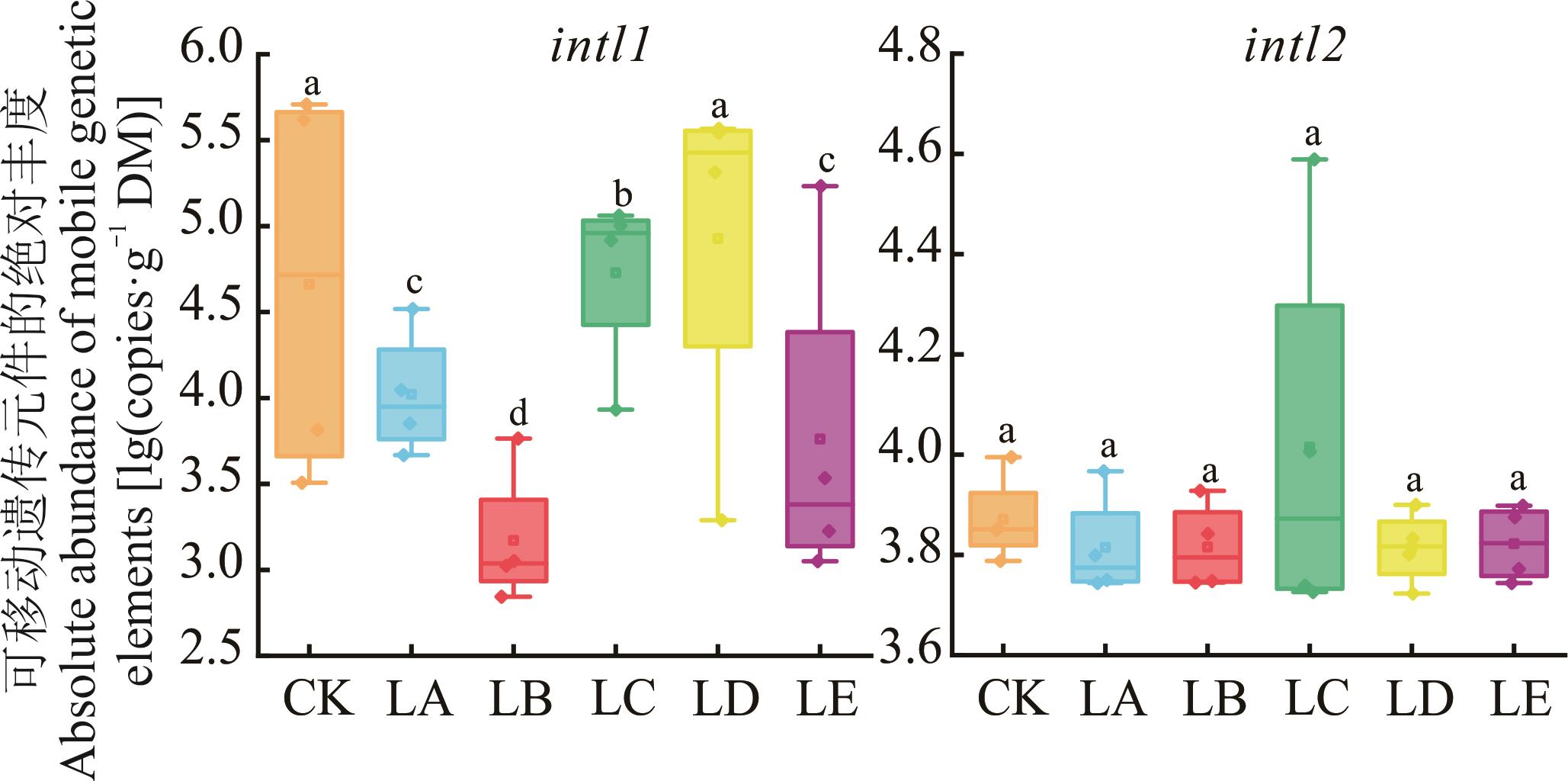
Fig.1 Changes in the absolute abundances of mobile genetic elements (MGEs) after 30 days of fermentation
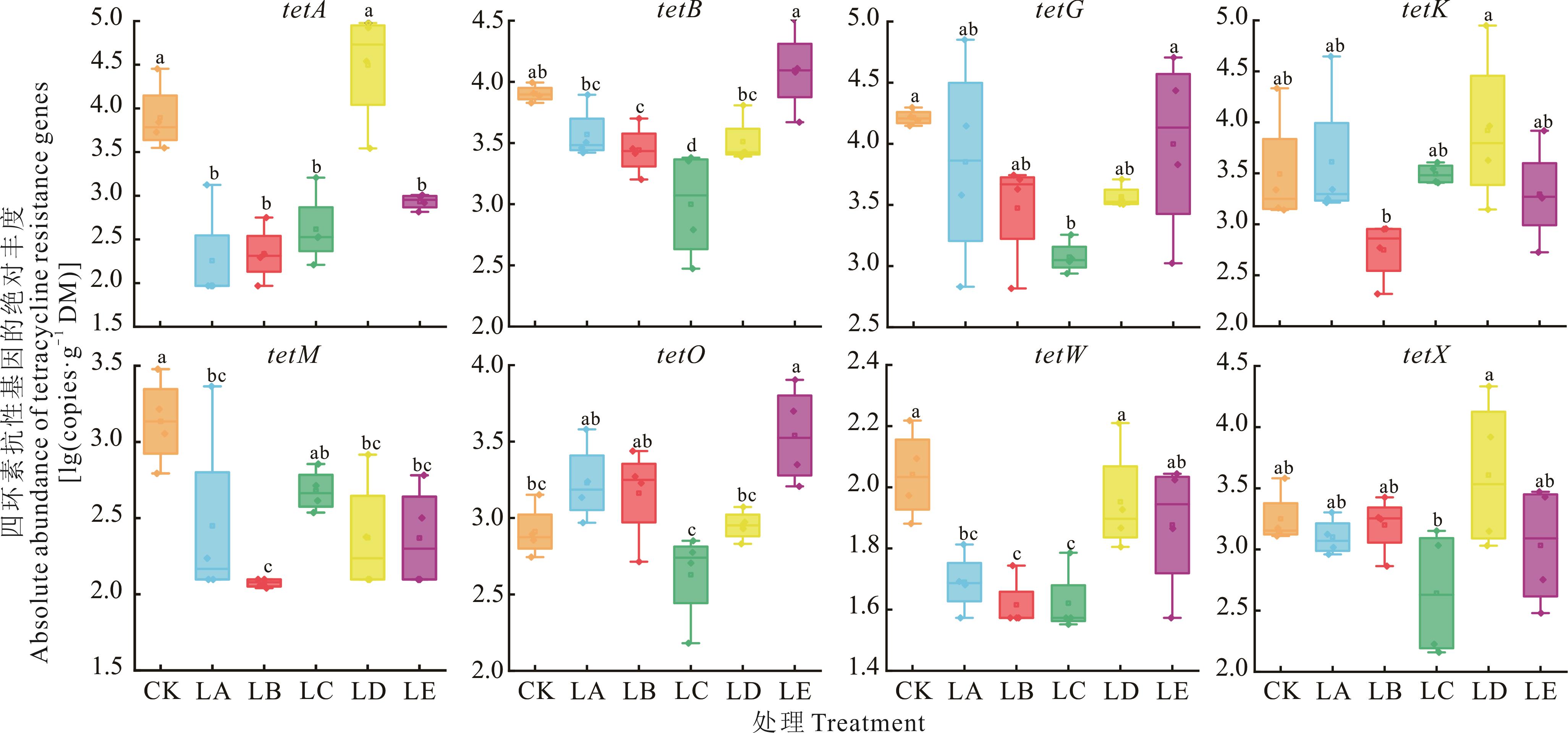
Fig.2 Changes in the absolute abundances of tetracycline resistance genes (TRGs) after 30 days of fermentation
| 基因Gene | intl1 | intl2 |
|---|---|---|
| tetA | 0.556** | -0.080 |
| tetB | 0.132 | -0.292** |
| tetG | 0.154 | -0.047 |
| tetX | 0.233** | -0.237** |
| tetM | 0.389** | -0.296** |
| tetW | 0.293** | -0.064 |
| tetO | 0.287 | -0.164** |
| tetK | 0.403** | -0.108** |
Table 5 Correlations between tetracycline resistance genes (TRGs) and mobile genetic elements (MGEs)
| 基因Gene | intl1 | intl2 |
|---|---|---|
| tetA | 0.556** | -0.080 |
| tetB | 0.132 | -0.292** |
| tetG | 0.154 | -0.047 |
| tetX | 0.233** | -0.237** |
| tetM | 0.389** | -0.296** |
| tetW | 0.293** | -0.064 |
| tetO | 0.287 | -0.164** |
| tetK | 0.403** | -0.108** |
| [1] | Zhu Z W, Wang S F, Zhou M X. Analysis of factors affecting feed quality in feed production management. Feed Research, 2019, 42(12): 118-121. |
| 朱中伟, 汪善锋, 周明夏. 饲料生产管理中影响饲料品质因素的分析. 饲料研究, 2019, 42(12): 118-121. | |
| [2] | Wang C X. Research progress of silage production technology. Modern Journal of Animal Husbandry and Veterinary Medicine, 2024, 423(2): 72-75. |
| 王春晓. 青贮饲料制作技术研究进展. 现代畜牧兽医, 2024, 423(2): 72-75. | |
| [3] | Yan W M, Chen Y K, Yang P B, et al. Research progress on quality assessment methods of silage. China Animal Husbandry & Veterinary Medicine, 2024, 51(1): 135-144. |
| 闫威明, 陈雅坤, 杨鹏标, 等. 青贮饲料质量评定方法研究进展. 中国畜牧兽医, 2024, 51(1): 135-144. | |
| [4] | Tao S, Noriko O, Masataka S, et al. Fermentation quality of forage oat (Avena sativa L.) silages treated with pre-fermented juices, sorbic acid, glucose and encapsulated-glucose. Journal of the Faculty of Agriculture Kyushu University, 2003, 47(2): 341-349. |
| [5] | Shao T, Zhang L, Shimojo M, et al. Fermentation quality of Italian ryegrass (Lolium multiflorum Lam.) silages treated with encapsulated-glucose, glucose, sorbic acid and pre-fermented juices. Asian Australasian Journal of Animal Sciences, 2007, 20(20): 1699-1704. |
| [6] | Shao T, Ohba N, Shimojo M, et al. Effects of adding glucose, sorbic acid and pre-fermented juices on the fermentation quality of guineagrass (Panicum maximum Jacq.) silages. Asian Australasian Journal of Animal Sciences, 2004, 17(6): 808-813. |
| [7] | Wilkinson J L, Boxall A B A, Kolpin D W, et al. Pharmaceutical pollution of the world’s rivers. Proceedings of the National Academy of Sciences of the United States of America, 2022, 119(8): e2113947119. |
| [8] | Peng Y, Peiyan D, Yina Z, et al. Effect of pH on the mitigation of extracellular/intracellular antibiotic resistance genes and antibiotic resistance pathogenic bacteria during anaerobic fermentation of swine manure. Bioresource Technology, 2023, 373(5): 128706. |
| [9] | Lin H, Sun W C, Yu Q G, et al. Acidic conditions enhance the removal of sulfonamide antibiotics and antibiotic resistance determinants in swine manure. Environmental Pollution, 2020, 263(Part A): 14439. |
| [10] | Zhang X, Dong Z T, Usman S, et al. Metagenomics insights into the effects of lactic acid bacteria inoculation on the biological reduction of antibiotic resistance genes in alfalfa silage. Journal of Hazardous Materials, 2023, 443: 130287. |
| [11] | Zhong S. The effects of layer manure composting on tetracycline resistance genes under doxycycline stress. Guangzhou: South China Agricultural University, 2019. |
| 钟珊. 强力霉素胁迫下蛋鸡粪堆肥对四环素类抗生素抗性基因的影响. 广州: 华南农业大学, 2019. | |
| [12] | Sreejith S, Shamna S, Pratyuish P R, et al. Rapid detection of mobile resistance genes tetA and tetB from metaplasmid isolated from healthy broiler feces. Microbial Pathogenesis, 2022(166): 105504. |
| [13] | Jang H M, Kim B Y, Choi S, et al. Prevalence of antibiotic resistance genes from effluent of coastal aquaculture. South Korea. Environmental Pollution, 2018, 233: 1049-1057. |
| [14] | Lim T K, Hanifah A Y, Yusof M, et al. ermA, ermC, tetM and tetK are essential for erythromycin and tetracycline resistance among methicillin-resistant Staphylococcus aureus strains isolated from a tertiary hospital in Malaysia. Indian Journal of Medical Microbiology, 2012, 30(2): 203-207. |
| [15] | Wang C, Wang Y, Zhou W, et al. Effects of Lactobacillus plantarum (LP) and moisture on feed quality and tannin content of Moringa oleifera leaf silage. Acta Prataculturae Sinica, 2019, 28(6): 109-118. |
| 王成, 王益, 周玮, 等. 植物乳杆菌和含水量对辣木叶青贮品质和单宁含量的影响. 草业学报, 2019, 28(6): 109-118. | |
| [16] | Shu S M, Yang C H, Tang Z S, et al. Effects of different moisture contents with previously fermented juice on the quality of whipgrass (Hemarthria compressa) silage. Grass-Feeding Livestock, 2011, 153(4): 41-43. |
| 舒思敏, 杨春华, 唐智松, 等. 添加绿汁发酵液对不同含水量扁穗牛鞭草青贮料品质的影响. 草食家畜, 2011, 153(4): 41-43. | |
| [17] | Bolsen K K, Lin C, Brent B E, et al. Effect of silage additives on the microbial succession and fermentation process of alfalfa and corn silage. Journal of Dairy Science, 1992, 75(11): 3066-3083. |
| [18] | Xu Q F, Yu Z, Han J G, et al. Determining organic acid in alfalfa silage by HPLC. Grassland and Turf, 2007(2): 63-65, 67. |
| 许庆方, 玉柱, 韩建国, 等. 高效液相色谱法测定紫花苜蓿青贮中的有机酸. 草原与草坪, 2007(2): 63-65, 67. | |
| [19] | Chen X Z, Lin P D, Yue W, et al. Effects of various additives on the quality and microbial diversity of broad bean straw silage. Acta Prataculturae Sinica, 2025, 34(4): 164-174. |
| 陈鑫珠, 林平冬, 岳稳, 等. 不同添加剂对蚕豆秸秆青贮品质及微生物多样性的影响. 草业学报, 2025, 34(4): 164-174. | |
| [20] | Van Soest P J, Robertson J B, Lewis B A, et al. Methods for dietary fiber, neutral detergent fiber, and nonstarch polysaccharides in relation to animal nutrition. Journal of Dairy Science, 1991, 74(10): 3583-3597. |
| [21] | Chen X Z, Dong Z X, Zhang J G. Silage carbon sources preferred by epiphytic lactic acid bacteria. Fujian Journal of Agricultural Sciences, 2024, 39(5): 512-521. |
| 陈鑫珠, 董朝霞, 张建国. 饲草附生乳酸菌对碳源的选择性. 福建农业学报, 2024, 39(5): 512-521. | |
| [22] | Wen X. Screening of doxycycline-degrading bacteria and study on their drug resistance gene content. Guangzhou: South China Agricultural University, 2015. |
| 温馨. 强力霉素降解菌的筛选及其耐药基因含量研究. 广州: 华南农业大学, 2015. | |
| [23] | Jin H Z, Zhao Y P, Chen A H. Effects of different microbial agents on the fermentation quality and nutrient contents of corn straw silage. China Feed, 2018(6): 16-20. |
| 靳会珍, 赵月萍, 陈爱华. 不同微生物菌剂对青贮玉米秸秆发酵品质和营养成分的影响. 中国饲料, 2018(6): 16-20. | |
| [24] | Aslam B, Wang W, Arshad M I, et al. Antibiotic resistance: A rundown of a global crisis. Infection and Drug Resistance, 2018(11): 1645. |
| [25] | Bai J, Ding Z T, Su R, et al. Storage temperature is more effective than lactic acid bacteria inoculations in manipulating fermentation and bacterial community diversity, co-occurrence and functionality of the whole-plant corn silage. Microbiology Spectrum, 2022, 10(2): e0010122. |
| [26] | Qian X, Sun W, Gu J, et al. Variable effects of oxytetracycline on antibiotic resistance gene abundance and the bacterial community during aerobic composting of cow manure. Journal of Hazardous Materials, 2016(315): 61-69. |
| [1] | Jiu YUAN. A study of the feed associative effects of mung bean, garlic and eggplant peels when combined with maize straw silage and feed concentrate [J]. Acta Prataculturae Sinica, 2025, 34(9): 173-184. |
| [2] | Juan-yan WU, Jing TIAN, Xiang GUO, Li-ying HUANG, Jian-guo ZHANG. Progress in research and utilization of grain silage [J]. Acta Prataculturae Sinica, 2025, 34(8): 211-220. |
| [3] | Hai-long MAO, Ji-cheng TAI, Heng-shan YANG, Yu-qin ZHANG, Rui-fu ZHANG, Zhen-zhen WANG. Effect of strip configuration on canopy characteristics, yield, and the quality of silage produced from co-cultivated corn and soybean [J]. Acta Prataculturae Sinica, 2025, 34(8): 30-42. |
| [4] | Tian-ci KONG, Xue-qing MA, Chen-bang HE, Tai-yan FAN, Guang-xin LU, He-xing QI. Effects of fungal diseases of silage maize on microbial diversity of silage fermentation [J]. Acta Prataculturae Sinica, 2025, 34(7): 95-106. |
| [5] | Si-ran WANG, Cheng-long DING, Ji-peng TIAN, Yun-hui CHENG, Neng-xiang XU, Wen-jie ZHANG, Xin WANG, Bei-yi LIU. Effects of biological and antifungal additives on ensiling characteristics, in vitro digestibility, gas production, and aerobic stability of fermented total mixed ration including wet brewers’ grains [J]. Acta Prataculturae Sinica, 2025, 34(6): 213-226. |
| [6] | Zong-yang KUANG, Lin MU, Lan WEI, Yang GUO, Gui XU, Yao CHEN, Xue-yun SHI, Zhong-shan WEI, Zhi-fei ZHANG. Effects of different mixture ratios and lactic acid bacteria on the quality and aerobic stability of mixed silage made from whole maize (Zea mays) and soybean (Glycine max) plants [J]. Acta Prataculturae Sinica, 2025, 34(6): 227-238. |
| [7] | Kai MAO, Yi XU, Xue-mei WANG, Huan CHAI, Shuai HUANG, Jian WANG, Shu-qian HUAN, Zhu YU, Mu-sen WANG. Effect of Lactiplantibacillus plantarum and molasses on the fermentation quality, biogenic amines contents and bacterial community of peanut vine silage [J]. Acta Prataculturae Sinica, 2025, 34(5): 146-158. |
| [8] | Si-ran WANG, Bei-yi LIU, Ji-peng TIAN, Yun-hui CHENG, Neng-xiang XU, Wen-jie ZHANG, Xin WANG, Cheng-long DING. Improvement in the fermentation quality of Italian ryegrass silage by ensiling with combined lactic acid bacteria inoculants at low temperature [J]. Acta Prataculturae Sinica, 2025, 34(5): 159-170. |
| [9] | Xin-zhu CHEN, Ping-dong LIN, Wen YUE, Ya-ni YANG, Shui-ling QIU, Xiang-li ZHENG. Effects of various additives on the quality and microbial diversity of broad bean straw silage [J]. Acta Prataculturae Sinica, 2025, 34(4): 164-174. |
| [10] | Peng JIANG, Lei LI, Hao-jun XIE, De-jia XU, Rui WANG, Qiang HU, Quan SUN. Effect of purified biogas slurry drip irrigation on sandy loam soil quality, silage maize productivity and analysis of safe application rate [J]. Acta Prataculturae Sinica, 2025, 34(4): 64-81. |
| [11] | Yu-cheng LIANG, Xiao-wen ZHANG, Tao SHAO, Wen-bo WANG, Xian-jun YUAN. Effects of different lactic acid bacteria strains on fermentation quality and mycotoxin contents of whole-plant corn silage [J]. Acta Prataculturae Sinica, 2025, 34(3): 123-133. |
| [12] | Jun-ling WEI, Xiao-qi LIU, Wan-qing WANG, Ming DENG, Bao-li SUN, Yong-qing GUO. Effect of the mix-ratio of corn stalk and edamame stems/leaves and added cellulase on the fermentation quality and microbial community of silage [J]. Acta Prataculturae Sinica, 2025, 34(12): 111-120. |
| [13] | Di-cheng WANG, Qiang CHAI, Zhi-long FAN, Wen YIN, Hong FAN, Wei HE, Ya-li SUN, Hui-zhe SANG, Fa-long HU. Effects of mixed cropping of leguminous forage and reduced nitrogen fertilizer on soil physicochemical properties and forage yield in a silage maize production system [J]. Acta Prataculturae Sinica, 2025, 34(12): 97-110. |
| [14] | Ying TANG, Xiao-jing LIU. Characteristics of mycotoxin contamination in silage alfalfa from Gansu as determined by high-resolution mass spectrometry [J]. Acta Prataculturae Sinica, 2025, 34(11): 81-97. |
| [15] | Peng-fei CAO, Shui-ping WANG, Qiao-shen HUANG, Shi-long ZHOU, Zhuan LUO, Ying REN, Yong LIU, Tie-jun LI, Shao-xun TANG. Effects of substituting mulberry silage for soybean meal on blood indexes, rumen fermentation, and rumen bacteria of goats [J]. Acta Prataculturae Sinica, 2025, 34(10): 213-228. |
| Viewed | ||||||
|
Full text |
|
|||||
|
Abstract |
|
|||||
