
ISSN 1004-5759 CN 62-1105/S
Acta Prataculturae Sinica ›› 2026, Vol. 35 ›› Issue (2): 221-236.DOI: 10.11686/cyxb2025115
Li-juan CHEN( ), Rong GAO, Jian-xi WANG, Hui-ling MA
Received:2025-04-01
Revised:2025-05-21
Online:2026-02-20
Published:2025-12-24
Contact:
Hui-ling MA
Li-juan CHEN, Rong GAO, Jian-xi WANG, Hui-ling MA. A comparative study of differences in condensed tannin synthesis between Medicago sativa and Onobrychis viciifolia at different growth stages[J]. Acta Prataculturae Sinica, 2026, 35(2): 221-236.
时间 Time (min) | 流速 Flow rate (mL·min-1) | 流动相 Mobile phase (A,%) | 流动相 Mobile phase (B,%) |
|---|---|---|---|
| 0.0 | 1.0 | 5 | 95 |
| 15.0 | 1.0 | 20 | 80 |
| 23.0 | 1.0 | 25 | 75 |
| 25.0 | 1.0 | 30 | 70 |
| 26.0 | 1.0 | 40 | 60 |
| 26.5 | 1.0 | 5 | 95 |
| 31.0 | 1.0 | 5 | 95 |
Table 1 Gradient elution program of the mobile phase
时间 Time (min) | 流速 Flow rate (mL·min-1) | 流动相 Mobile phase (A,%) | 流动相 Mobile phase (B,%) |
|---|---|---|---|
| 0.0 | 1.0 | 5 | 95 |
| 15.0 | 1.0 | 20 | 80 |
| 23.0 | 1.0 | 25 | 75 |
| 25.0 | 1.0 | 30 | 70 |
| 26.0 | 1.0 | 40 | 60 |
| 26.5 | 1.0 | 5 | 95 |
| 31.0 | 1.0 | 5 | 95 |
化合物 Compound | 保留时间 Retention time (min) | 回归方程 Calibration curve equation | 决定系数 Determination coefficient (R2) |
|---|---|---|---|
| 芦丁 Rutin | 20.911 | y=6072.9x+3.537 | 1.0000 |
| 没食子酸 Gallic acid | 7.043 | y=30842.0x-157055.000 | 0.9999 |
| 表儿茶素没食子酸酯 Epicatechin gallate | 21.957 | y=16244.0x-60958.000 | 0.9994 |
| 表儿茶素 Epicatechin | 16.745 | y=7278.5x-4627.600 | 1.0000 |
| 儿茶素 Eatechin | 13.979 | y=7794.4x-25134.000 | 0.9993 |
Table 2 Calibration curve analysis of flavonoid compounds by ultra performance liquid chromatography (UPLC)
化合物 Compound | 保留时间 Retention time (min) | 回归方程 Calibration curve equation | 决定系数 Determination coefficient (R2) |
|---|---|---|---|
| 芦丁 Rutin | 20.911 | y=6072.9x+3.537 | 1.0000 |
| 没食子酸 Gallic acid | 7.043 | y=30842.0x-157055.000 | 0.9999 |
| 表儿茶素没食子酸酯 Epicatechin gallate | 21.957 | y=16244.0x-60958.000 | 0.9994 |
| 表儿茶素 Epicatechin | 16.745 | y=7278.5x-4627.600 | 1.0000 |
| 儿茶素 Eatechin | 13.979 | y=7794.4x-25134.000 | 0.9993 |
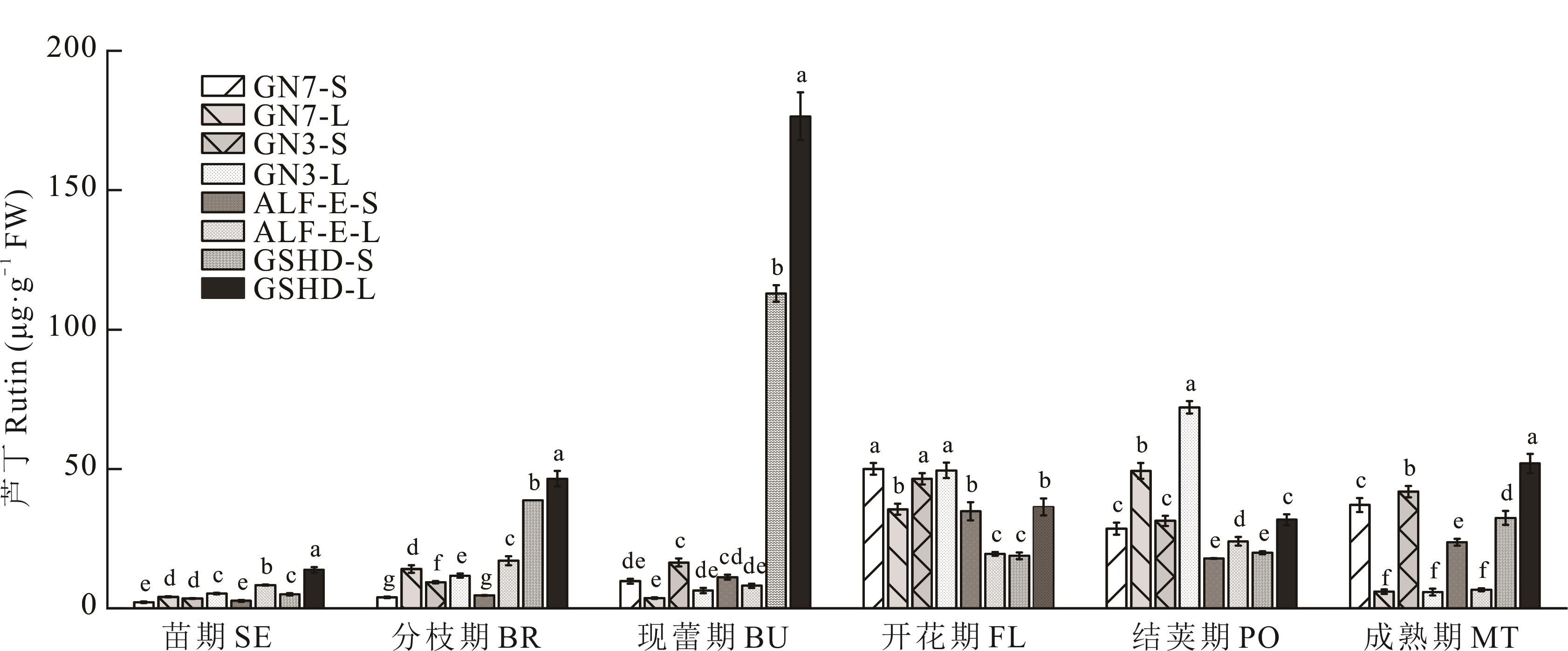
Fig.1 Rutin content in M. sativa and O. viciifolia ‘Gansu’ at different growth stages

Fig.2 Gallic acid content in M. sativa and O. viciifolia ‘Gansu’ at different growth stages
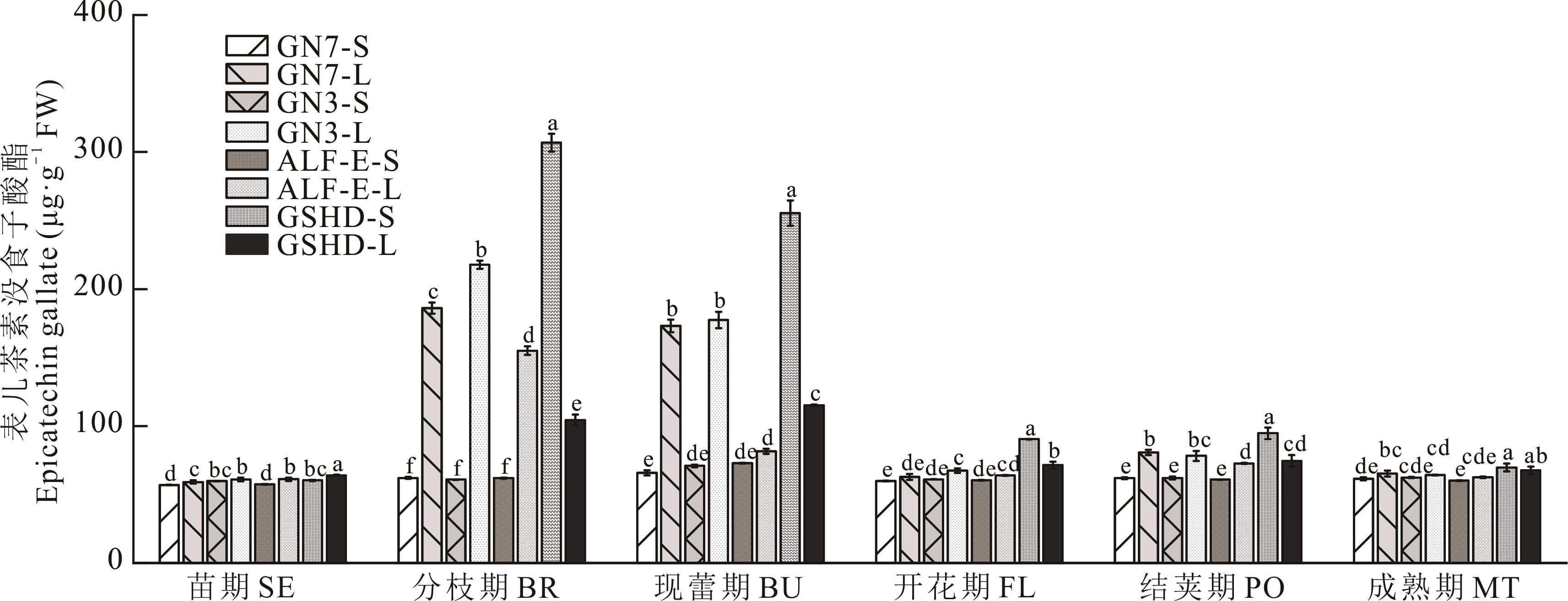
Fig.3 Temporal variation in epicatechin gallate content of alfalfa cultivars and O. viciifolia ‘Gansu’ during distinct growth stages

Fig.4 Epicatechin content in M. sativa and O. viciifolia ‘Gansu’ at different growth stages

Fig.5 Catechin content in M. sativa and O. viciifolia ‘Gansu’ at different growth stages
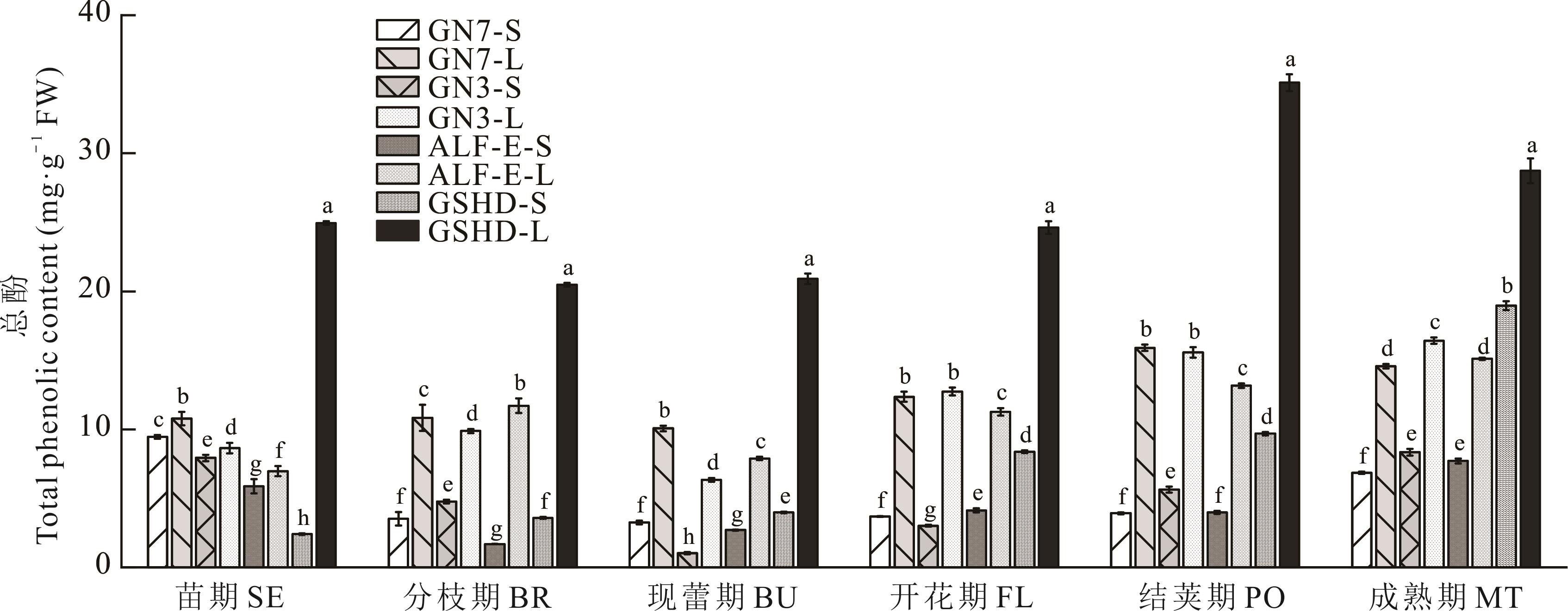
Fig.6 Total phenolic content in M. sativa and O. viciifolia ‘Gansu’ at different growth stages
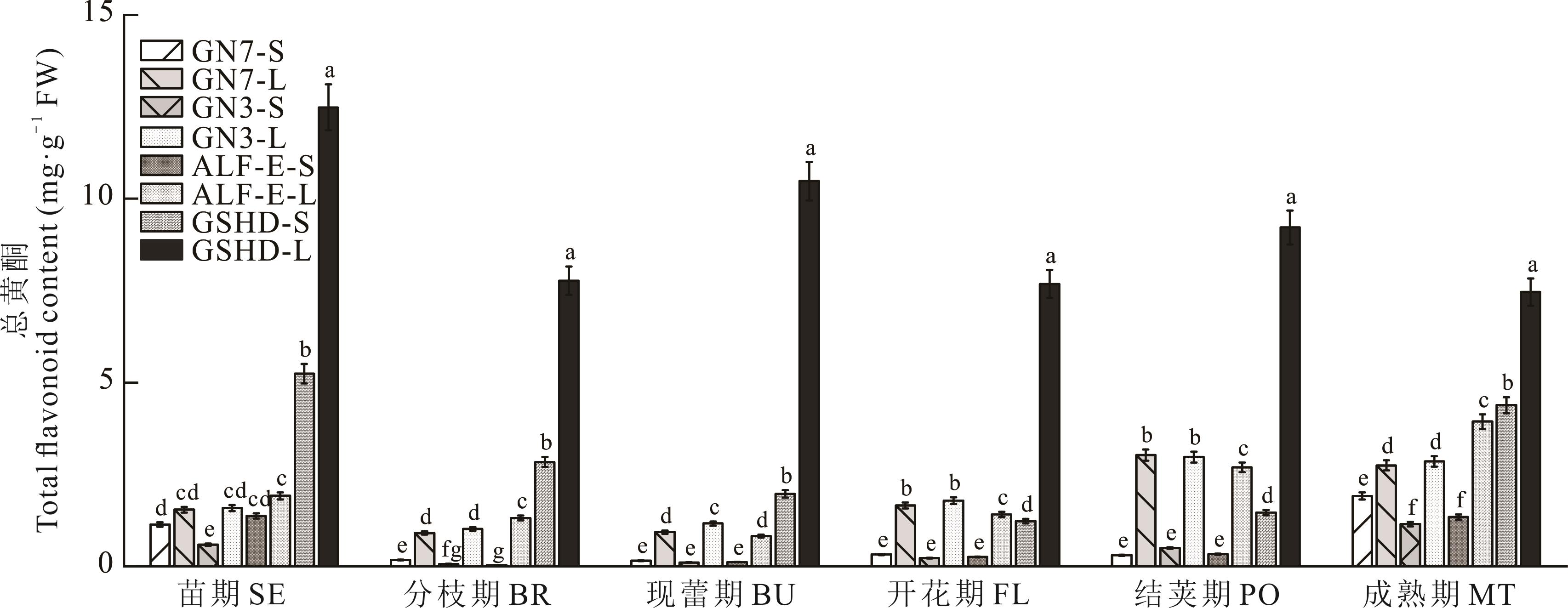
Fig.7 Total flavonoid content in M. sativa and O. viciifolia ‘Gansu’ at different growth stages
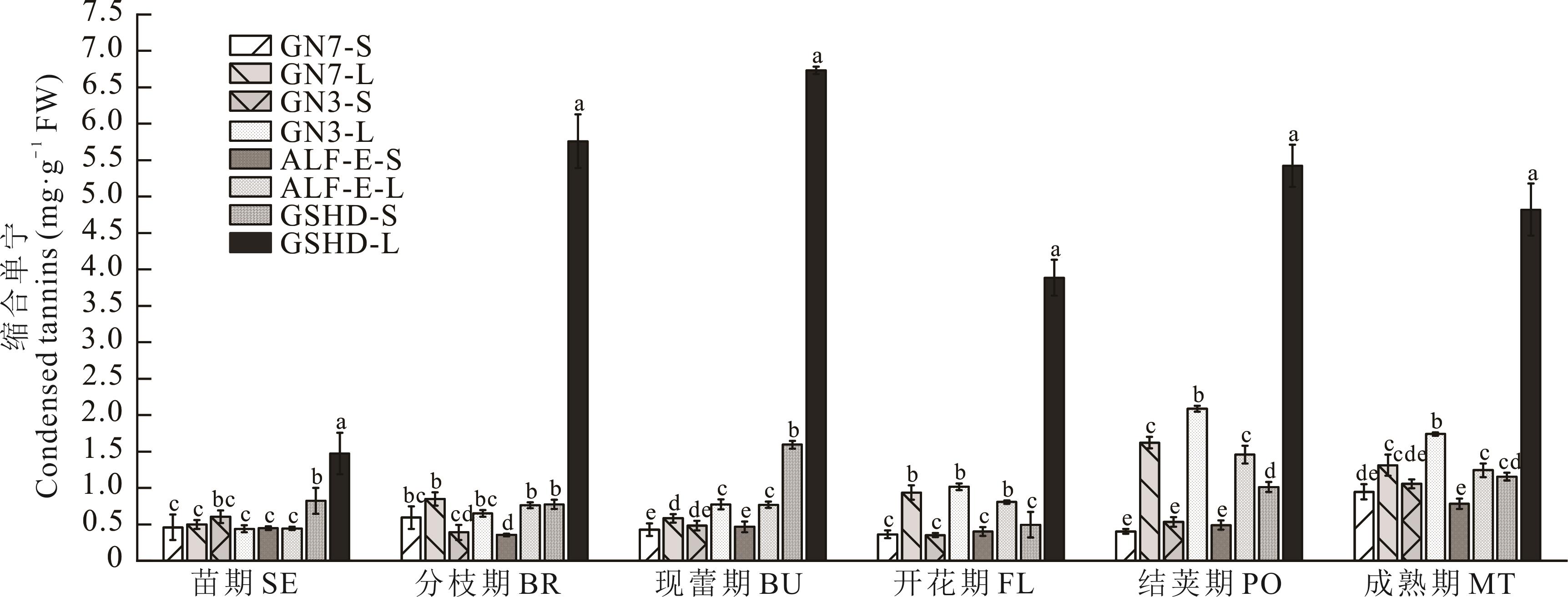
Fig.8 Condensed tannins content in M. sativa and O. viciifolia ‘Gansu’ at different growth stages

Fig.9 Dynamic analysis of 4CL, ANR, C4H, LAR and PAL enzyme activities in M. sativa and O. viciifolia ‘Gansu’ at different growth stages
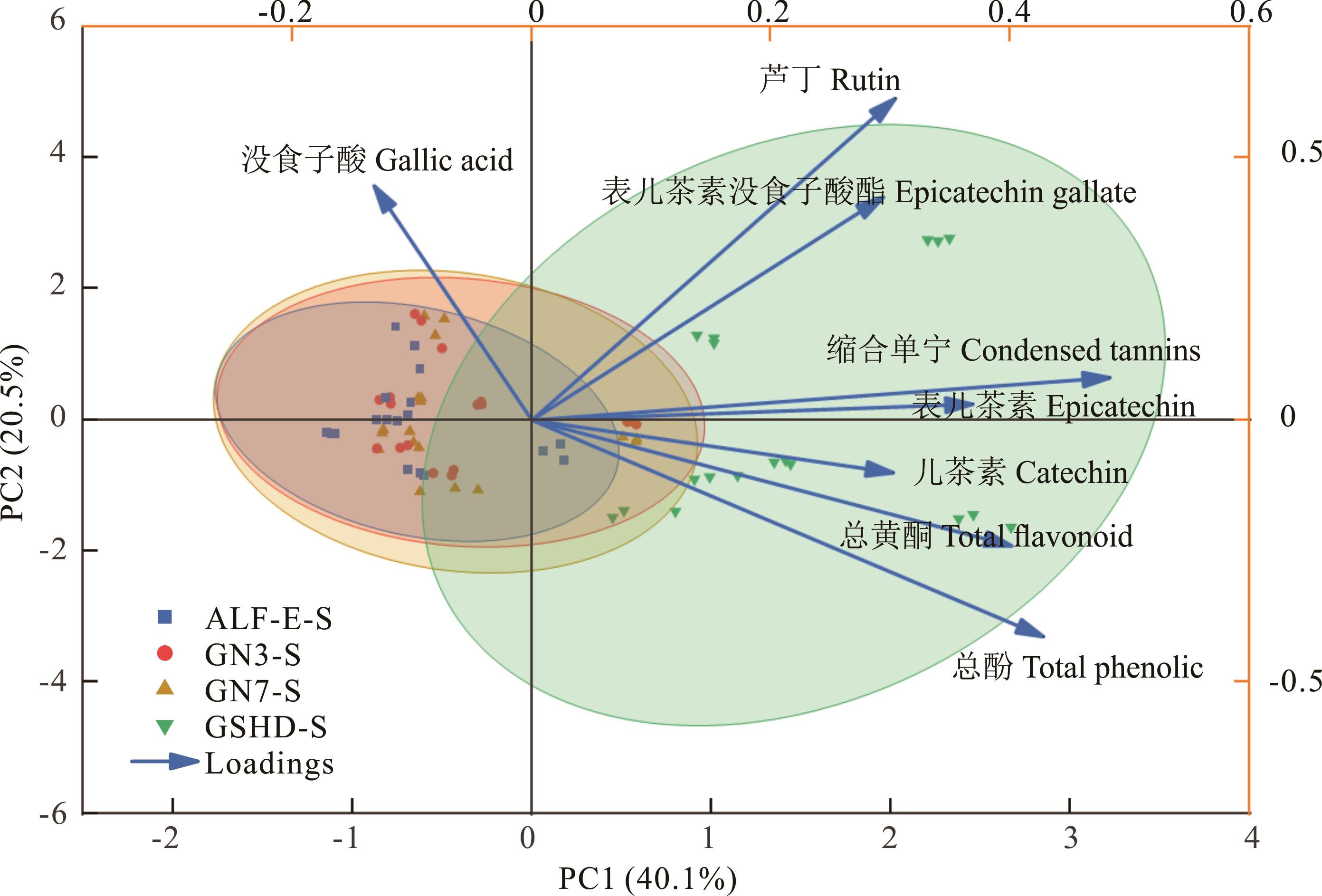
Fig.10 Analysis of phenolic and flavonoid compound contents in the stems of M. sativa and O. viciifolia ‘Gansu’ at different growth stages
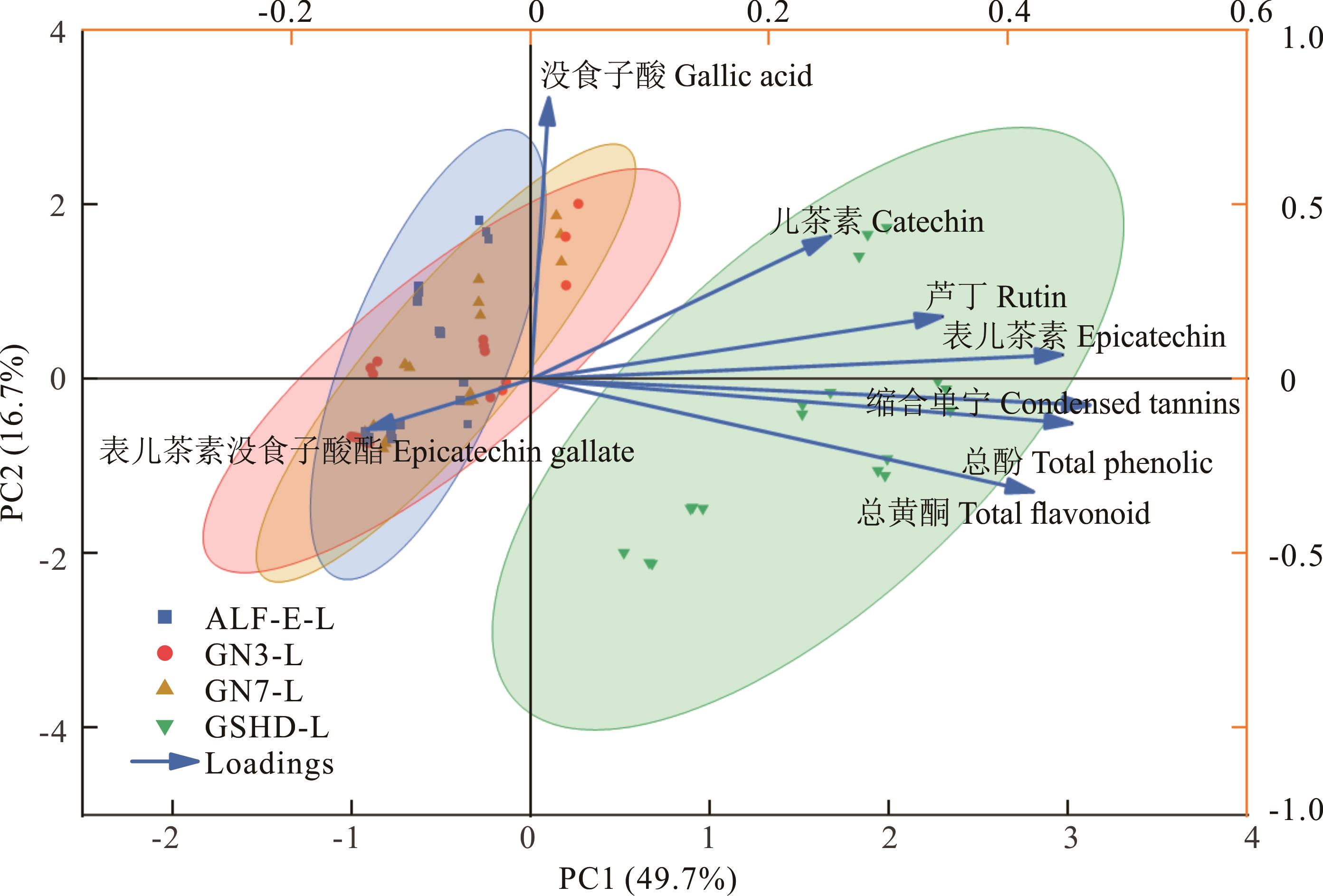
Fig.11 Analysis of phenolic and flavonoid compound contents in the leaves of M. sativa and O. viciifolia ‘Gansu’ at different growth stages
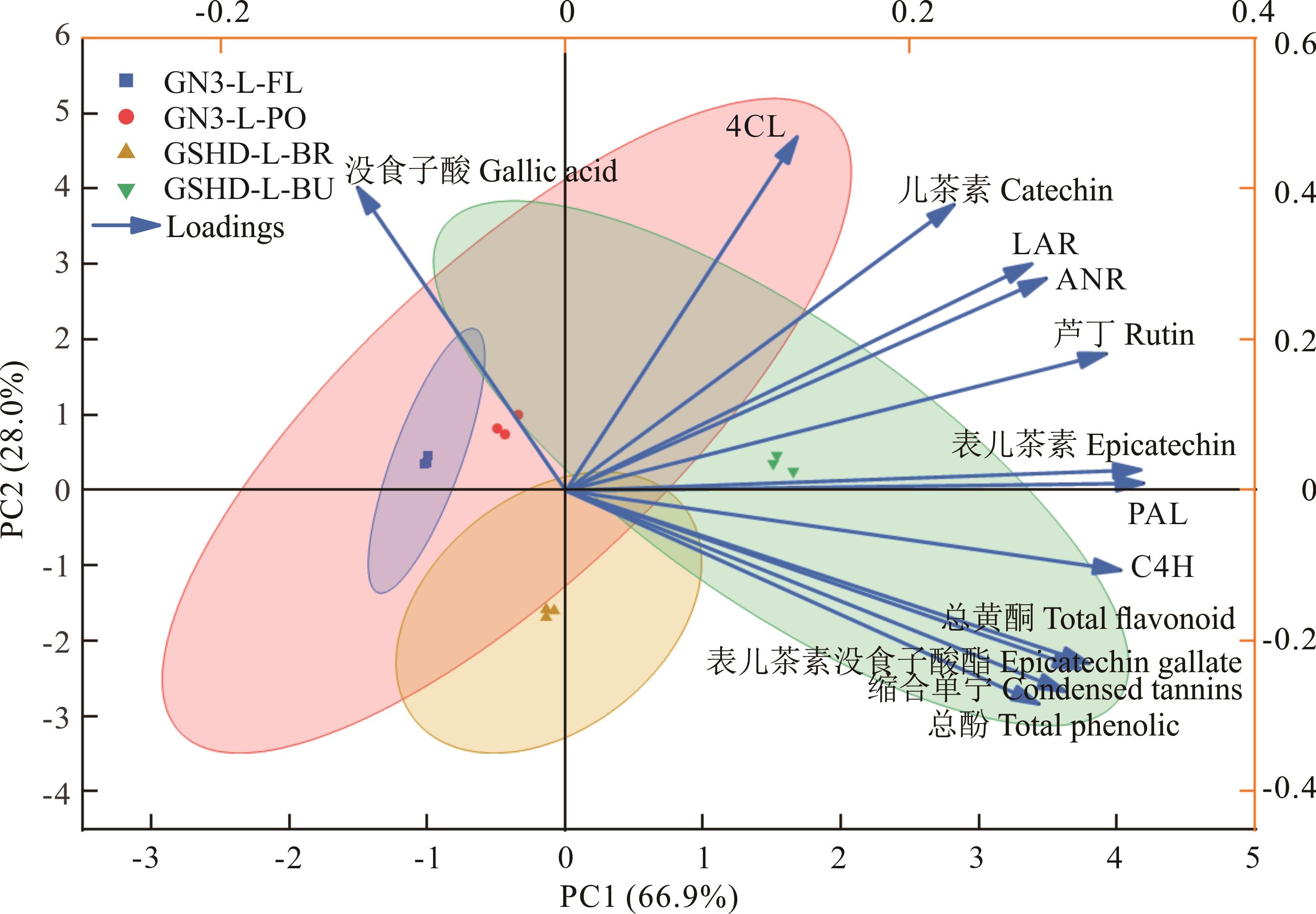
Fig.12 Analysis of phenolic, flavonoid compounds and enzyme activities in M. sativa and O. viciifolia ‘Gansu’
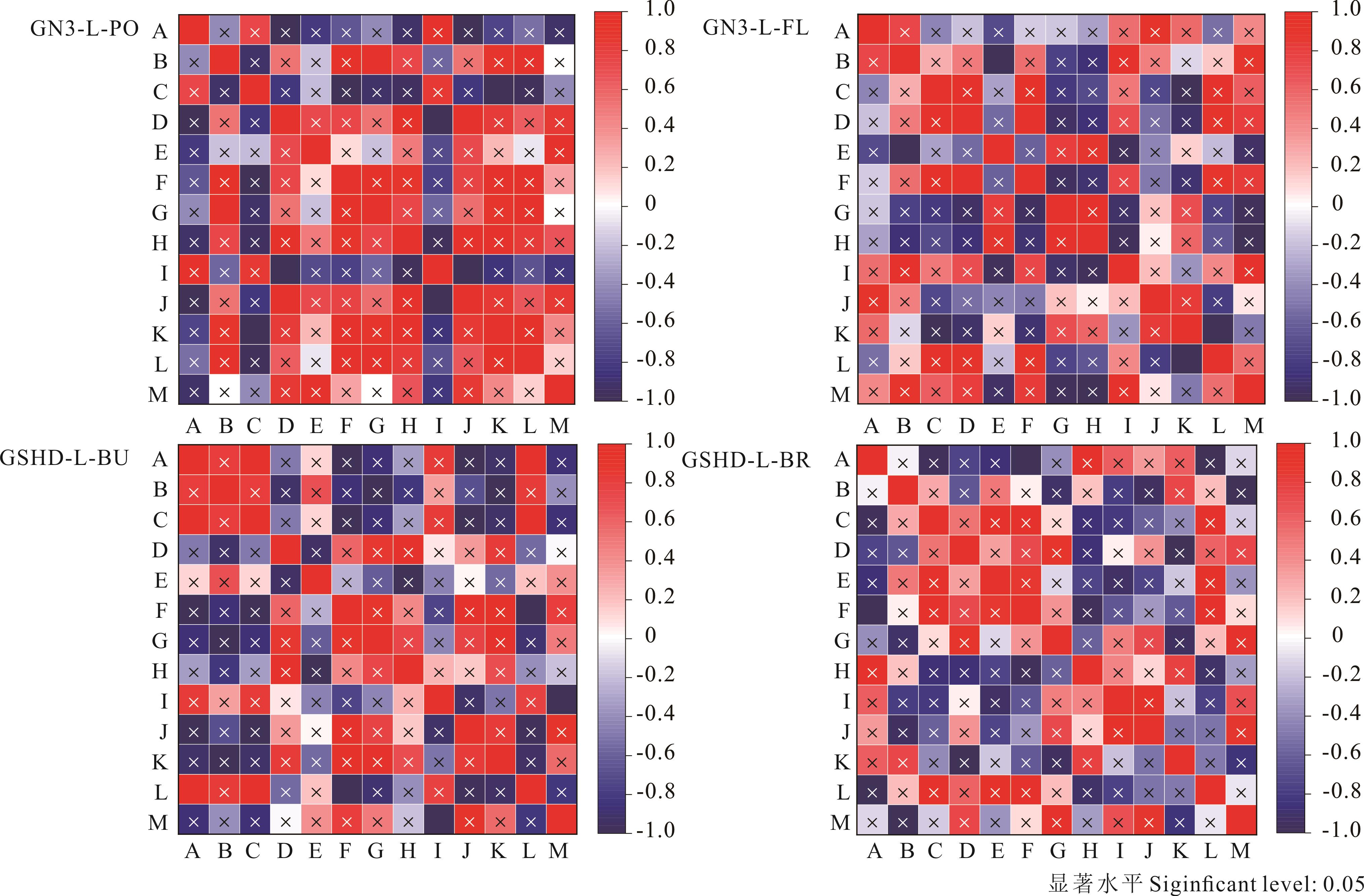
Fig.13 Analysis of the correlation among phenolic and flavonoid compounds and enzyme activities in M. sativa ‘Gannong No.3’ and O. viciifolia ‘Gansu’
| [1] | Rauf A, Imran M, Abu-Izneid T, et al. Proanthocyanidins: a comprehensive review. Biomedicine & Pharmacotherapy, 2019, 116: 108999. |
| [2] | Yu Z, Ouyang L J, Zhao Y G, et al. Research progress of 4-coumaric acid coenzyme aligase (4CL). Molecular Plant Breeding, 2023, 21(15): 1-11. |
| 余珠, 欧阳乐军, 赵永国, 等. 4-香豆酸辅酶A连接酶 (4CL) 的研究进展. 分子植物育种, 2023, 21(15): 1-11. | |
| [3] | Zhou M, Wei L, Sun Z, et al. Production and transcriptional regulation of proanthocyanidin biosynthesis in forage legumes. Applied Microbiology and Biotechnology, 2015, 99(9): 3797-3806. |
| [4] | Chen C Y. Cloning and functional analysis of two key genes in the rocyanidins synthesis in Gansu sainfoin. Lanzhou: Gansu Agricultural University, 2016. |
| 陈春艳. 甘肃红豆草原花青素合成途径的两个关键酶基因的克隆和功能分析. 兰州: 甘肃农业大学, 2016. | |
| [5] | Lu N, Jun J H, Li Y, et al. An unconventional proanthocyanidin pathway in maize. Nature Communications, 2023, 14(1): 4349. |
| [6] | Jonker A, Yu P. The occurrence, biosynthesis, and molecular structure of proanthocyanidins and their effects on legume forage protein precipitation, digestion and absorption in the ruminant digestive tract. International Journal of Molecular Sciences, 2017, 18(5): 1105. |
| [7] | Gou L M. Metabolic engineering of isoflavone and proanthocyanidin biosynthesis in Medicago truncatula and the screening of isoflavone transporter. Beijing: China Agricultural University, 2016. |
| 苟蓝明. 苜蓿异黄酮和缩合单宁代谢路径调控及异黄酮转运蛋白筛选. 北京: 中国农业大学, 2016. | |
| [8] | Wang Y S. Prevention of rumen bloat in goats by addition of condensed tannins to high concentrate diets. Yaan: Sichuan Agricultural University, 2024. |
| 王芋苏. 高精料日粮中添加缩合单宁预防山羊瘤胃胀气的研究. 雅安: 四川农业大学, 2024. | |
| [9] | Naumann H, Sepela R, Rezaire A, et al. Relationships between structures of condensed tannins from texas legumes and methane production during in vitro rumen digestion. Molecules (Basel, Switzerland), 2018, 23(9): 2123. |
| [10] | Rufino-Moya P J, Blanco M, Bertolín J R, et al. Methane production of fresh sainfoin, with or without PEG, and fresh alfalfa at different stages of maturity is similar but the fermentation end products vary. Animals (Basel), 2019, 9(5): 197. |
| [11] | Jonker A, Yu P. The role of proanthocyanidins complex in structure and nutrition interaction in alfalfa forage. International Journal of Molecular Sciences, 2016, 17(5): 793. |
| [12] | Dong W K. The transformation of BAN genes by Agrobacterium-mediated method and its expression analysis in alfalfa. Lanzhou: Gansu Agricultural University, 2017. |
| 董文科. 农杆菌介导的BAN基因在紫花苜蓿中的转化和表达的研究. 兰州: 甘肃农业大学, 2017. | |
| [13] | Wang Y X. Studies on molecular manipulation of condensed tannin synthesis and genetic transformation of alfalfa (Medicago sativa L.) . Lanzhou: Gansu Agricultural University, 2010. |
| 王延秀. 浓缩单宁合成的分子调控及紫花苜蓿遗传转化研究. 兰州: 甘肃农业大学, 2010. | |
| [14] | Li Y H, Jin L, Han G D, et al. Research progress on the role of plant tannins in ruminant nutrition and healthy farming. Acta Agrestia Sinica, 2013, 21(6): 1043-1051. |
| 李元恒, 金龙, 韩国栋, 等. 植物单宁在反刍动物营养和健康养殖作用中的研究进展. 草地学报, 2013, 21(6): 1043-1051. | |
| [15] | Wu G Q, Li H, Lei C R, et al. Effects of additional KCl on growth and physiological characteristics of sainfoin (Onobrychis viciifolia) under high salt stress. Acta Prataculturae Sinica, 2019, 28(6): 45-55. |
| 伍国强, 李辉, 雷彩荣, 等. 添加KCl对高盐胁迫下红豆草生长及生理特性的影响. 草业学报, 2019, 28(6): 45-55. | |
| [16] | Li S Q. Study on drought and saline-alkali resistance of 16 alfalfa varieties and comprehensive evaluation. Changchun: Jilin Agricultural University, 2019. |
| 李诗琴. 16个苜蓿品种抗旱、耐盐碱性研究及综合评价. 长春: 吉林农业大学, 2019. | |
| [17] | Theodoridou K, Aufrère J, Andueza D, et al. Effects of condensed tannins in fresh sainfoin (Onobrychis viciifolia) on in vivo and in situ digestion in sheep. Animal Feed Science and Technology, 2010, 160(1): 23-38. |
| [18] | Huang H J, Zhang Y Q, Du W X, et al. Research progress on germplasm resources of sainfoin (Onobrychis viciaefolia). Acta Agrestia Sinica, 2024, 32(8): 2346-2356. |
| 黄海军, 张雨琪, 杜文宣, 等. 红豆草种质资源研究进展. 草地学报, 2024, 32(8): 2346-2356. | |
| [19] | Liu X L, Li Y H. Research situation on tannins from sainfoin. Animal Husbandry and Feed Science, 2016, 37(12): 52-57. |
| 刘秀丽, 李元恒. 红豆草单宁的研究概况. 畜牧与饲料科学, 2016, 37(12):52-57. | |
| [20] | Theodoridou K, Aufrère J, Andueza D, et al. Effect of plant development during first and second growth cycle on chemical composition, condensed tannins and nutritive value of three sainfoin (Onobrychis viciifolia) varieties and lucerne. Grass and Forage Science, 2011, 66(3): 402-414. |
| [21] | Zong Y Q, Quan W, Li J P, et al. Comparative analysis of pigment and condensed tannin content between red-stem and green-stem alfalfa. Journal of Yunnan Agricultural University (Natural Science), 2023, 38(6): 1067-1072. |
| 宗亚倩, 全伟, 李建平, 等. 红茎与绿茎紫花苜蓿色素及缩合单宁含量的比较分析. 云南农业大学学报(自然科学), 2023, 38(6): 1067-1072. | |
| [22] | Zhang X N. Anti-diabetic activity of phenolic-rich Chinese bayberry (Myrica rubra Sieb. et Zucc.) fruits extracts and its mechanism. Hangzhou: Zhejiang University, 2016. |
| 张夏南. 杨梅果实酚类物质提取物降糖活性及其相关机理研究. 杭州: 浙江大学, 2016. | |
| [23] | Dhanani T, Singh R, Kumar S. Extraction optimization of gallic acid, (+)-catechin, procyanidin-B2, (-)-epicatechin, (-)-epigallocatechin gallate, and (-)-epicatechin gallate: their simultaneous identification and quantification in Saraca asoca. Journal of Food and Drug Analysis, 2017, 25(3): 691-698. |
| [24] | Su T X, Zhou Y, Sun X H, et al. Determination of polyphenols in kiwifruit by HPLC. Food Science and Technology, 2019, 44(9): 327-331. |
| 苏天霞, 周艳, 孙晓红, 等. HPLC测定猕猴桃不同部位中的7种多酚类化合物. 食品科技, 2019, 44(9): 327-331. | |
| [25] | Harbart V, Frede K, Fitzner M, et al. Regulation of carotenoid and flavonoid biosynthetic pathways in Lactuca sativa var. capitate L. in protected cultivation. Frontiers in Plant Science, 2023, 14: 1124750. |
| [26] | Sun Q Y. Studies on the analytic method for non-anthocyanin phenolic compounds in raspberry fruits. Harbin: Northeast Agricultural University, 2019. |
| 孙侨冶. 树莓果实中非花色苷酚类物质分析方法的研究. 哈尔滨: 东北农业大学, 2019. | |
| [27] | Feng X L, Cao S Y, Xu X Y, et al. Antioxidant capacities and total phenolic contents of 11 grape varieties. Science and Technology of Food Industry, 2019, 40(6): 68-75. |
| 冯晓翎, 曹诗瑜, 徐晓瑜, 等. 11个鲜食葡萄品种总酚含量和抗氧化活性的评价. 食品工业科技, 2019, 40(6): 68-75. | |
| [28] | Zou P, Zhang Y Y, Zou L L. Extraction and composition analysis of flavonoids in peony seed shells. Food & Machinery, 2023, 39(4): 44-50. |
| 邹平, 张迎阳, 邹林玲. 牡丹籽壳中黄酮类化合物提取及组分分析. 食品与机械, 2023, 39(4): 44-50. | |
| [29] | Bai X L, Shen S Y, Chen H Y, et al. Microwave-assisted extraction technology of flavonoid from mango peel. Farm Products Processing, 2015 (6): 29-32. |
| 白雪莲, 沈淑雅, 陈怀玉, 等. 微波辅助提取芒果皮黄酮工艺研究. 农产品加工, 2015 (6): 29-32. | |
| [30] | Wang Y. The main components and antioxidant capacity of samara during Acer truncatum bunge fruit maturation. Yangling: Northwest A & F University, 2019. |
| 王瑶. 元宝枫果实成熟过程中主要成分测定及抗氧化能力研究. 杨凌: 西北农林科技大学, 2019. | |
| [31] | Knobloch K H, Hahlbrock K. 4-Coumarate: CoA ligase from cell suspension cultures of Petroselinum hortense Hoffm. Partial purification, substrate specificity, and further properties. Archives of Biochemistry and Biophysics, 1977, 184(1): 237-248. |
| [32] | Peng Q Z, Zhu Y, Liu Z, et al. An integrated approach to demonstrating the ANR pathway of proanthocyanidin biosynthesis in plants. Planta, 2012, 236(3): 901-918. |
| [33] | Jiang X. Effects of water supply on the key enzyme of flavonoids metabolism of Scutellaria baicalensis Georgi. Changchun: Jilin Agricultural University, 2013. |
| 姜雪. 水因子对黄芩黄酮类代谢影响研究. 长春: 吉林农业大学, 2013. | |
| [34] | Liu R, Wang Z Y, Huang Y Y, et al. Effects of rare earth elements La³⁺ and Eu³⁺ on the polyphenols contents and PAL, C4H activities of Pinus koraiensis seedlings. Scientia Silvae Sinicae, 2014, 50(8): 168-173. |
| 刘冉, 王振宇, 黄雨洋, 等. 稀土元素对红松幼苗松多酚含量及PAL, C4H活性的影响. 林业科学, 2014, 50(8): 168-173. | |
| [35] | Liu C J, Zhang H Y, Sun L X, et al. Effects of isobavachalcone on the resistance to TMV and activity of defense enzymes of tobacco. Agrochemicals, 2022, 61(10): 767-770. |
| 刘澄瑾, 张洪雨, 孙礼雪, 等. 苯丙烯菌酮诱导烟草抗烟草花叶病毒(TMV)及对几种防御酶活性的影响. 农药, 2022, 61(10): 767-770. | |
| [36] | Xing Y F. The accumulation of flavanols, expression of leucoanthocyanidin reductase induced by UV-C irradiation in grape berry. Taiyuan: Shanxi Agricultural University, 2013. |
| 邢延富. UV-C对葡萄果实黄烷醇类多酚积累及隐色花色素还原酶表达的研究. 太原: 山西农业大学, 2013. | |
| [37] | Chen C, Zhang H, Dong C, et al. Effect of ozone treatment on the phenylpropanoid biosynthesis of postharvest strawberries. RSC Advances, 2019, 9(44): 25429-25438. |
| [38] | Ainsworth E A, Gillespie K M. Estimation of total phenolic content and other oxidation substrates in plant tissues using Folin-Ciocalteu reagent. Nature Protocols, 2007, 2(4): 875-877. |
| [39] | Mikami-Konishide I, Murakami S, Nakanishi K, et al. Antioxidant capacity and polyphenol content of extracts from crops cultivated in Japan, and the effect of cultivation environment. Food Science and Technology Research, 2013, 19(1): 69-79. |
| [40] | Pourzand A, Tajaddini A, Pirouzpanah S, et al. Associations between dietary allium vegetables and risk of breast cancer: a hospital-based matched case-control study. Journal of Breast Cancer, 2016, 19(3): 292-300. |
| [41] | Bilger W, Rolland M, Nybakken L. UV screening in higher plants induced by low temperature in the absence of UV-B radiation. Photochemical & Photobiological Sciences: Official Journal of the European Photochemistry Association and the European Society for Photobiology, 2007, 6(2): 190-195. |
| [42] | Hawrylak-Nowak B, Dresler S, Stasińska-Jakubas M, et al. NaCl-induced elicitation alters physiology and increases accumulation of phenolic compounds in Melissa officinalis L. International Journal of Molecular Sciences, 2021, 22(13): 6844. |
| [43] | Ramaroson M L, Koutouan C, Helesbeux J J, et al. Role of phenylpropanoids and flavonoids in plant resistance to pests and diseases. Molecules (Basel, Switzerland), 2022, 27(23): 8371. |
| [44] | Xu W Y, Gao W W, He C N. The influence of environmental factors on the biosynthesis of flavonoids in plants. World Science and Technology, 2006 (6): 68-72. |
| 徐文燕, 高微微, 何春年. 环境因子对植物黄酮类化合物生物合成的影响. 世界科学技术, 2006(6): 68-72. | |
| [45] | Eudes A, Pereira J H, Yogiswara S, et al. Exploiting the substrate promiscuity of hydroxycinnamoyl-CoA: shikimate hydroxycinnamoyl transferase to reduce lignin. Plant & Cell Physiology, 2016, 57(3): 568-579. |
| [46] | Bontpart T, Marlin T, Vialet S, et al. Two shikimate dehydrogenases, VvSDH3 and VvSDH4, are involved in gallic acid biosynthesis in grapevine. Journal of Experimental Botany, 2016, 67(11): 3537-3550. |
| [47] | Zhang F C. Comparative study on regulation mechanism of rootstock on growth and berry flavonoid metabolism of wine grape. Yangling: Northwest A & F University, 2022. |
| 张付春. 砧木对酿酒葡萄生长及果实类黄酮物质代谢调控机制的比较研究. 杨凌: 西北农林科技大学, 2022. | |
| [48] | Torres N, Martínez-Lüscher J, Porte E, et al. Optimal ranges and thresholds of grape berry solar radiation for flavonoid biosynthesis in warm olimates. Frontiers in Plant Science, 2020, 11: 931. |
| [49] | Qin Y, Liu X, Li C, et al. Effect of light intensity on celery growth and flavonoid synthesis. Frontiers in Plant Science, 2024, 14: 1326218. |
| [50] | Blancquaert E H, Oberholster A, Ricardo-Da-Silva J M, et al. Grape flavonoid evolution and composition under altered light and temperature conditions in cabernet sauvignon (Vitis vinifera L.). Frontiers in Plant Science, 2019, 10: 1062. |
| [51] | Ma D, Guo Y, Ali I, et al. Accumulation characteristics of plant flavonoids and effects of cultivation measures on their biosynthesis: A review. Plant Physiology and Biochemistry, 2024, 215: 108960. |
| [52] | Hou S, Du W, Hao Y, et al. Elucidation of the regulatory network of flavonoid biosynthesis by profiling the metabolome and transcriptome in tartary buckwheat. Journal of Agricultural and Food Chemistry, 2021, 69(25): 7218-7229. |
| [53] | Jun J H, Lu N, Docampo-Palacios M, et al. Dual activity of anthocyanidin reductase supports the dominant plant proanthocyanidin extension unit pathway. Science Advances, 2021, 7(20): 4682. |
| [54] | Fraser C M, Chapple C. The phenylpropanoid pathway in Arabidopsis. The Arabidopsis Book, 2011, 9: e0152. |
| [55] | Schilmiller A L, Stout J, Weng J K, et al. Mutations in the cinnamate 4-hydroxylase gene impact metabolism, growth and development in Arabidopsis. The Plant Journal: For Cell and Molecular Biology, 2009, 60(5): 771-782. |
| [56] | Ehlting J, Büttner D, Wang Q, et al. Three 4-coumarate:coenzyme A ligases in arabidopsis thaliana represent two evolutionarily divergent classes in angiosperms. The Plant Journal: For Cell and Molecular Biology, 1999, 19(1): 9-20. |
| [57] | Tai Z J, Wang X H, Song X J, et al. Research progress of the biosynthesis, abiotic stress regulation and physiological functions in plant polyphenols. Science and Technology of Food Industry, 2025: 1-15[2025-06-11] https://doi.org/10.13386/j.issn/002-0306.2024110180. |
| 邰振甲, 王欣卉, 宋雪健, 等. 植物多酚的生物合成、非生物胁迫调控与生理功能研究进展. 食品工业科技,2025: 1-15[2025-06-11] https://doi.org/10.13386/j.issn/002-0306.2024110180. | |
| [58] | Wu L, Xiong S, Shi X, et al. AP3 promotes the synthesis of condensed tannin in fruit by positively regulating ANR expression. International Journal of Biological Macromolecules, 2024, 261: 129558. |
| [59] | Chen Q, Liang X, Wu C, et al. Overexpression of leucoanthocyanidin reductase or anthocyanidin reductase elevates tannins content and confers cassava resistance to two-spotted spider mite. Frontiers in Plant Science, 2022, 13: 994866. |
| [60] | Zhao L, Jiang X L, Qian Y M, et al. Metabolic characterization of the anthocyanidin reductase pathway involved in the biosynthesis of flavan-3-ols in elite shuchazao tea (Camellia sinensis) cultivar in the field. Molecules (Basel, Switzerland), 2017, 22(12): 2241. |
| [61] | Wang Y, Mcallister T A, Acharya S. Condensed tannins in sainfoin: composition, concentration, and effects on nutritive andfeeding value of sainfoin forage. Crop Science, 2015, 55(1): 13-22. |
| [62] | Jia K, Zhang X, Meng Y, et al. Metabolomics and transcriptomics provide insights into the flavonoid biosynthesis pathway in the roots of developing Aster tataricus. Journal of Plant Research, 2023, 136(1): 139-156. |
| [1] | Yang-kun LI, Zhuan-lin BEN, Jun-yu ZHANG, Hui-min YANG. A meta-analysis on the effect of fertilizer type on alfalfa seed yield under various climate and soil conditions [J]. Acta Prataculturae Sinica, 2026, 35(2): 54-67. |
| [2] | Ying ZHANG, Shan-mu HE, Ao-lei HE, Chang-ning LI, Tuo YAO. Effects of microbial inoculants combined with organic calcium protein on alfalfa growth and soil enzyme activity [J]. Acta Prataculturae Sinica, 2026, 35(1): 25-39. |
| [3] | Can CUI, Meng-qi WANG, Wan-lu ZHAO, Xin-ying LIU, Jing-jing JIAN, Jun-xin YAN. The effect on seed germination and seedling growth of soaking seeds with diethyl aminoethyl hexanoate in alfalfa under NaCl stress [J]. Acta Prataculturae Sinica, 2025, 34(6): 46-58. |
| [4] | Xin-yue ZHOU, Li-ping WANG, Qing-xue JIANG, Xiao-ran MA, Deng-xia YI, Xue-min WANG. Isolation of the low-temperature induced proteinMsLTI65 from alfalfa and its response to different stresses [J]. Acta Prataculturae Sinica, 2025, 34(5): 89-104. |
| [5] | Tian-rong LUO, Jian-zhi MA, Ming-yang DU, Jie-cuo DUO, Hui-yan XIONG, Rui-jun DUAN. Identification and expression analysis of LACS gene family members in Medicago sativa [J]. Acta Prataculturae Sinica, 2025, 34(4): 124-136. |
| [6] | Tuo-xuan DONG, Xun-feng CHEN, Da-hai MEI, Yong-sha GUO, Xu-hong WEI, Qiu-yan SONG. Inhibition and control effect of nano-iron and copper on Ascochyta medicaginicola and spring black stem disease [J]. Acta Prataculturae Sinica, 2025, 34(4): 201-211. |
| [7] | Wen-qi CAI, Shu-xia LI, Xiao-tong WANG, Wen-xue SONG, Xu-xia MA, Xiao-mei MA, Xiao-hong LI, Xin-yao DAI. Effects of interaction between exogenous melatonin and ethylene on the growth and physiological characteristics of Medicago sativa seedlings under salt stress [J]. Acta Prataculturae Sinica, 2025, 34(1): 80-93. |
| [8] | Wen-wen QI, Hong-yuan MA, Ya-xiao LI, Yan DU, Meng-dan SUN, Hai-tao WU. Progress in research on breeding methods to produce new, high-quality forage varieties [J]. Acta Prataculturae Sinica, 2024, 33(6): 187-202. |
| [9] | Ying TAN, Hao YIN. Effects of root application of an arbuscular mycorrhizal fungus and melatonin on the growth, photosynthetic characteristics, and antioxidant system of Medicago sativa under salt stresss [J]. Acta Prataculturae Sinica, 2024, 33(6): 64-75. |
| [10] | Abudilimu YUERENSA·, Wei ZHAO, Xiao-wei WANG, Yan HUANG, Ai-qin ZHNAG. Ovule development before and after fertilization and seed formation dynamics of Medicago sativa cv. Xinmu No.4 [J]. Acta Prataculturae Sinica, 2024, 33(12): 111-121. |
| [11] | Ze-bin LI, Yong-zheng QIU, Yan-jie LIU, Jin-qiu YU, Bai-ji WANG, Qian-ning LIU, Yue WANG, Guo-wen CUI. Identification of the BZR gene family in alfalfa and analysis of its transcriptional responses to abiotic stress [J]. Acta Prataculturae Sinica, 2024, 33(11): 106-122. |
| [12] | Yu-xin WANG, Jia-li TAO, Hui-sen ZHU, Tao XU, Yi-fei ZHANG, Hui-fang CEN. Heterologous expression of miR397-5p from Medicago sativa cv. ‘Pianguan’ improves the drought tolerance of tobacco [J]. Acta Prataculturae Sinica, 2024, 33(11): 123-134. |
| [13] | Xin-yue ZHOU, Qing-xue JIANG, Hui-li JIA, Lin MA, Lu FAN, Xue-min WANG. Cloning and salt-tolerance functional analysis of alfalfa MsBBX20 gene [J]. Acta Prataculturae Sinica, 2024, 33(10): 55-73. |
| [14] | Xu-qin BAI, Chun-yun JIA, Wen-shuan LI, Ya-min LI, Chang-feng LIU, Xiu-yun HAN, Mei-han CHU, Zong-qiang GONG, Xiao-jun LI. An investigation of foliar spraying of selenium fertilizer for selenium enrichment and cadmium reduction in alfalfa [J]. Acta Prataculturae Sinica, 2024, 33(1): 50-60. |
| [15] | Chao-nan LI, Lei WANG, Ji-qiang ZHOU, Chang-xing ZHAO, Xiao-rong XIE, Jin-rong LIU. Effect of microplastics on the growth and physiological characteristics of alfalfa (Medicago sativa) [J]. Acta Prataculturae Sinica, 2023, 32(5): 138-146. |
| Viewed | ||||||
|
Full text |
|
|||||
|
Abstract |
|
|||||
