
ISSN 1004-5759 CN 62-1105/S
Acta Prataculturae Sinica ›› 2026, Vol. 35 ›› Issue (11): 132-144.DOI: 10.11686/cyxb2025458
Yi-man LIU1( ), Hong-mei ZHANG1, Yi-wen ZOU1, Jun-li WANG1, Bo-shuai LIU1,2,3, Hao SUN1,2,3(), De-feng LI1,2,3()
Received:2025-11-10
Revised:2026-01-05
Online:2026-11-20
Published:2026-10-12
Contact:
Hao SUN,De-feng LI
Yi-man LIU, Hong-mei ZHANG, Yi-wen ZOU, Jun-li WANG, Bo-shuai LIU, Hao SUN, De-feng LI. Production performance and aerial root characteristics of 20 autumn-sown forage oat varieties in northern Henan[J]. Acta Prataculturae Sinica, 2026, 35(11): 132-144.
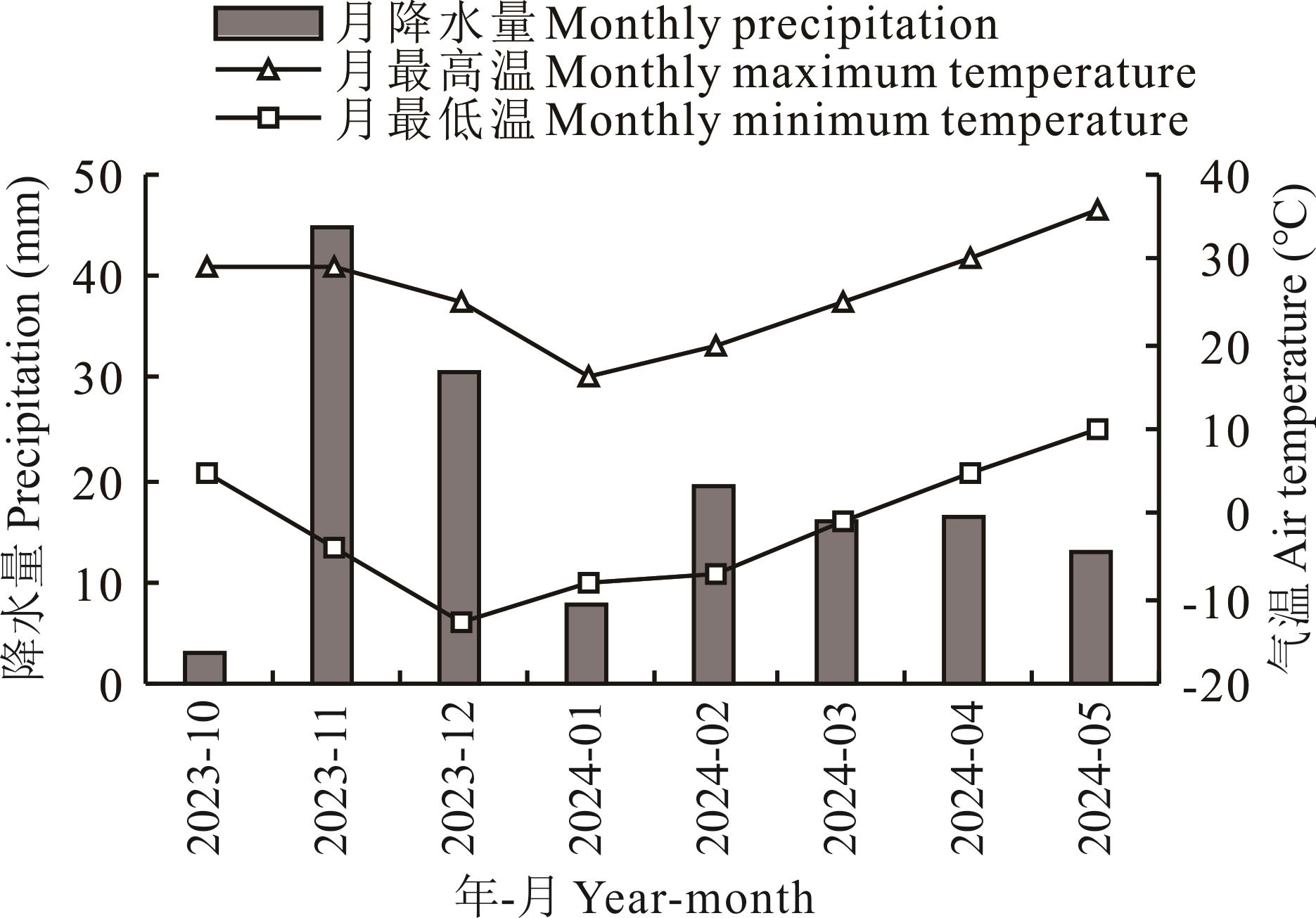
Fig.1 Air temperature and precipitation in test location
品种 Varieties | 发芽率 Germination rate (%) | 净度 Purity (%) | 播种量Seeding rate (kg·hm-2) | 原产地 Origin | 品种 Varieties | 发芽率 Germination rate (%) | 净度 Purity (%) | 播种量Seeding rate (kg·hm-2) | 原产地 Origin |
|---|---|---|---|---|---|---|---|---|---|
| 甜燕2+ Tianyan 2+ | 99.00 | 95.60 | 95.09 | 加拿大Canada | 特牧Temu | 67.00 | 95.50 | 140.66 | 加拿大Canada |
| 甜燕3号 Tianyan 3 | 99.00 | 96.20 | 94.50 | 加拿大Canada | 三星Three stars | 99.00 | 94.30 | 96.40 | 加拿大Canada |
| 甜燕70 Tianyan 70 | 97.00 | 97.40 | 95.26 | 加拿大Canada | 牧丰Mufeng | 95.00 | 91.20 | 103.88 | 加拿大Canada |
| 甜燕75 Tianyan 75 | 99.00 | 98.50 | 92.29 | 加拿大Canada | 贝利Baler | 96.00 | 97.80 | 95.86 | 加拿大Canada |
| Mongan | 93.00 | 97.60 | 99.15 | 加拿大Canada | 爱沃Everleaf | 98.00 | 96.50 | 95.17 | 美国America |
| 禾王King cereals | 97.00 | 94.30 | 98.39 | 加拿大Canada | 俄罗斯Russia | 89.00 | 93.20 | 108.50 | 俄罗斯Russia |
| 锋利Sharp | 100.00 | 96.50 | 93.26 | 加拿大Canada | 坝燕4 Bayan 4 | 84.00 | 91.60 | 116.97 | 中国China |
| 刀客Daoke | 61.00 | 94.20 | 156.63 | 美国America | 坝燕14 Bayan 14 | 57.00 | 95.60 | 165.16 | 中国China |
| 格莱德Gelaide | 57.00 | 97.10 | 162.61 | 加拿大Canada | 坝燕18 Bayan 18 | 82.00 | 96.80 | 113.38 | 中国China |
| 青海444 Qinghai 444 | 82.00 | 93.20 | 117.76 | 澳大利亚Australia | 麦迪逊Madison | 91.00 | 98.80 | 100.10 | 加拿大Canada |
Table 1 Germination percentage, purity, seeding rate and country of origin of different oat varieties
品种 Varieties | 发芽率 Germination rate (%) | 净度 Purity (%) | 播种量Seeding rate (kg·hm-2) | 原产地 Origin | 品种 Varieties | 发芽率 Germination rate (%) | 净度 Purity (%) | 播种量Seeding rate (kg·hm-2) | 原产地 Origin |
|---|---|---|---|---|---|---|---|---|---|
| 甜燕2+ Tianyan 2+ | 99.00 | 95.60 | 95.09 | 加拿大Canada | 特牧Temu | 67.00 | 95.50 | 140.66 | 加拿大Canada |
| 甜燕3号 Tianyan 3 | 99.00 | 96.20 | 94.50 | 加拿大Canada | 三星Three stars | 99.00 | 94.30 | 96.40 | 加拿大Canada |
| 甜燕70 Tianyan 70 | 97.00 | 97.40 | 95.26 | 加拿大Canada | 牧丰Mufeng | 95.00 | 91.20 | 103.88 | 加拿大Canada |
| 甜燕75 Tianyan 75 | 99.00 | 98.50 | 92.29 | 加拿大Canada | 贝利Baler | 96.00 | 97.80 | 95.86 | 加拿大Canada |
| Mongan | 93.00 | 97.60 | 99.15 | 加拿大Canada | 爱沃Everleaf | 98.00 | 96.50 | 95.17 | 美国America |
| 禾王King cereals | 97.00 | 94.30 | 98.39 | 加拿大Canada | 俄罗斯Russia | 89.00 | 93.20 | 108.50 | 俄罗斯Russia |
| 锋利Sharp | 100.00 | 96.50 | 93.26 | 加拿大Canada | 坝燕4 Bayan 4 | 84.00 | 91.60 | 116.97 | 中国China |
| 刀客Daoke | 61.00 | 94.20 | 156.63 | 美国America | 坝燕14 Bayan 14 | 57.00 | 95.60 | 165.16 | 中国China |
| 格莱德Gelaide | 57.00 | 97.10 | 162.61 | 加拿大Canada | 坝燕18 Bayan 18 | 82.00 | 96.80 | 113.38 | 中国China |
| 青海444 Qinghai 444 | 82.00 | 93.20 | 117.76 | 澳大利亚Australia | 麦迪逊Madison | 91.00 | 98.80 | 100.10 | 加拿大Canada |
品种 Variety | 分蘖数Tiller number | 越冬率 Winter survival rate (%) | 叶绿素值Soil and plant analyzer development (SPAD) | |||
|---|---|---|---|---|---|---|
越冬前 Before winter | 越冬后 After winter | 越冬前 Before winter | 返青期 Regreening stage | 拔节期 Jointing stage | ||
| 甜燕70 Tianyan 70 | 3.6±0.3bcde | 6.8±0.3ef | 100.0±0.00a | 26.33±3.58a | 29.30±1.70abc | 35.06±0.15bc |
| Mongan | 2.9±0.3e | 5.6±0.5f | 100.0±0.00a | 24.46±6.31a | 29.35±3.46abc | 33.17±4.81c |
| 格莱德Gelaide | 4.0±0.4abcde | 13.3±0.5b | 100.0±0.00a | 24.49±4.40a | 26.90±0.99abcd | 38.93±1.69abc |
| 特牧Temu | 3.9±0.5bcde | 8.5±0.5cde | 100.0±0.00a | 24.48±4.98a | 27.30±2.69abcd | 41.16±2.63ab |
| 坝燕14 Bayan 14 | 4.3±0.5abcd | 10.1±0.3c | 100.0±0.00a | 25.31±2.22a | 27.00±1.13abcd | 34.63±0.88bc |
| 麦迪逊Madison | 4.1±0.6abcd | 28.1±3.4a | 100.0±0.00a | 23.76±4.53a | 26.95±3.75abcd | 44.06±0.18a |
| 俄罗斯Russia | 3.4±0.3cde | 9.1±0.3cde | 95.3±2.74a | 27.05±0.75a | 29.20±4.38abcd | 39.45±1.08abc |
| 牧丰Mufeng | 4.5±0.6abc | 8.5±0.3cde | 97.9±4.17a | 23.84±3.11a | 25.05±2.19cd | 34.18±0.58bc |
| 爱沃Everleaf | 3.6±0.4bcde | 9.2±0.4cde | 98.0±2.37a | 21.46±2.18a | 31.35±1.34ab | 38.32±5.37abc |
| 甜燕2+ Tianyan 2+ | 5.0±0.4a | 6.9±0.2ef | 98.1±3.91a | 21.26±0.20a | 29.30±2.55abc | 35.93±1.54bc |
| 坝燕4 Bayan 4 | 3.3±0.3de | 5.8±0.2f | 98.4±1.82a | 27.41±3.30a | 29.35±0.49abc | 33.06±4.82c |
| 锋利Sharp | 4.6±0.2ab | 9.2±0.6cde | 98.8±1.59a | 23.87±2.16a | 26.55±1.20abcd | 35.52±4.88bc |
| 甜燕75 Tianyan 75 | 4.0±0.4abcd | 9.2±0.3cde | 98.8±0.80a | 24.21±4.23a | 25.85±1.06bcd | 39.49±0.04abc |
| 禾王King cereals | 3.4±0.5cde | 9.9±0.9cd | 98.8±1.50a | 21.93±0.04a | 30.40±1.98abc | 38.08±1.45abc |
| 三星Three stars | 4.3±0.1abcd | 7.7±0.1def | 99.2±0.90a | 24.72±4.95a | 29.90±2.97abc | 36.58±1.24bc |
| 坝燕18 Bayan 18 | 3.6±0.2bcde | 9.9±0.3cd | 99.5±1.06a | 20.89±2.42a | 23.80±0.71d | 38.86±6.87abc |
| 刀客Daoke | 3.8±0.3bcde | 10.1±0.2cd | 99.5±1.02a | 24.79±2.39a | 31.90±1.98a | 34.12±1.51bc |
| 贝利Baler | 4.0±0.3abcde | 9.8±0.1cd | 99.6±0.88a | 20.42±0.93a | 30.45±2.19abc | 38.92±0.31abc |
| 甜燕3号Tianyan 3 | 4.4±1.1abcd | 9.2±1.4cde | 99.6±0.78a | 24.32±5.57a | 28.45±1.34abcd | 39.84±3.45abc |
| 青海444 Qinghai 444 | 3.3±0.6de | 7.8±0.4def | 88.0±9.60b | 24.61±4.74a | 26.05±2.05bcd | 40.93±2.99ab |
Table 2 The number of tillers,winter survival rate and SPAD of different oat varieties
品种 Variety | 分蘖数Tiller number | 越冬率 Winter survival rate (%) | 叶绿素值Soil and plant analyzer development (SPAD) | |||
|---|---|---|---|---|---|---|
越冬前 Before winter | 越冬后 After winter | 越冬前 Before winter | 返青期 Regreening stage | 拔节期 Jointing stage | ||
| 甜燕70 Tianyan 70 | 3.6±0.3bcde | 6.8±0.3ef | 100.0±0.00a | 26.33±3.58a | 29.30±1.70abc | 35.06±0.15bc |
| Mongan | 2.9±0.3e | 5.6±0.5f | 100.0±0.00a | 24.46±6.31a | 29.35±3.46abc | 33.17±4.81c |
| 格莱德Gelaide | 4.0±0.4abcde | 13.3±0.5b | 100.0±0.00a | 24.49±4.40a | 26.90±0.99abcd | 38.93±1.69abc |
| 特牧Temu | 3.9±0.5bcde | 8.5±0.5cde | 100.0±0.00a | 24.48±4.98a | 27.30±2.69abcd | 41.16±2.63ab |
| 坝燕14 Bayan 14 | 4.3±0.5abcd | 10.1±0.3c | 100.0±0.00a | 25.31±2.22a | 27.00±1.13abcd | 34.63±0.88bc |
| 麦迪逊Madison | 4.1±0.6abcd | 28.1±3.4a | 100.0±0.00a | 23.76±4.53a | 26.95±3.75abcd | 44.06±0.18a |
| 俄罗斯Russia | 3.4±0.3cde | 9.1±0.3cde | 95.3±2.74a | 27.05±0.75a | 29.20±4.38abcd | 39.45±1.08abc |
| 牧丰Mufeng | 4.5±0.6abc | 8.5±0.3cde | 97.9±4.17a | 23.84±3.11a | 25.05±2.19cd | 34.18±0.58bc |
| 爱沃Everleaf | 3.6±0.4bcde | 9.2±0.4cde | 98.0±2.37a | 21.46±2.18a | 31.35±1.34ab | 38.32±5.37abc |
| 甜燕2+ Tianyan 2+ | 5.0±0.4a | 6.9±0.2ef | 98.1±3.91a | 21.26±0.20a | 29.30±2.55abc | 35.93±1.54bc |
| 坝燕4 Bayan 4 | 3.3±0.3de | 5.8±0.2f | 98.4±1.82a | 27.41±3.30a | 29.35±0.49abc | 33.06±4.82c |
| 锋利Sharp | 4.6±0.2ab | 9.2±0.6cde | 98.8±1.59a | 23.87±2.16a | 26.55±1.20abcd | 35.52±4.88bc |
| 甜燕75 Tianyan 75 | 4.0±0.4abcd | 9.2±0.3cde | 98.8±0.80a | 24.21±4.23a | 25.85±1.06bcd | 39.49±0.04abc |
| 禾王King cereals | 3.4±0.5cde | 9.9±0.9cd | 98.8±1.50a | 21.93±0.04a | 30.40±1.98abc | 38.08±1.45abc |
| 三星Three stars | 4.3±0.1abcd | 7.7±0.1def | 99.2±0.90a | 24.72±4.95a | 29.90±2.97abc | 36.58±1.24bc |
| 坝燕18 Bayan 18 | 3.6±0.2bcde | 9.9±0.3cd | 99.5±1.06a | 20.89±2.42a | 23.80±0.71d | 38.86±6.87abc |
| 刀客Daoke | 3.8±0.3bcde | 10.1±0.2cd | 99.5±1.02a | 24.79±2.39a | 31.90±1.98a | 34.12±1.51bc |
| 贝利Baler | 4.0±0.3abcde | 9.8±0.1cd | 99.6±0.88a | 20.42±0.93a | 30.45±2.19abc | 38.92±0.31abc |
| 甜燕3号Tianyan 3 | 4.4±1.1abcd | 9.2±1.4cde | 99.6±0.78a | 24.32±5.57a | 28.45±1.34abcd | 39.84±3.45abc |
| 青海444 Qinghai 444 | 3.3±0.6de | 7.8±0.4def | 88.0±9.60b | 24.61±4.74a | 26.05±2.05bcd | 40.93±2.99ab |
品种 Variety | 抽穗期 Heading date (月-日Month-day) | 收获期 Harvest date (月-日Month-day) | 生育期 Growth period (d) | 株高 Plant height (m) | 鲜草产量 Fresh grass yield (t·hm-2) | 干草产量 Hay grass yield (t·hm-2) | 干鲜比 Dry to fresh ratio |
|---|---|---|---|---|---|---|---|
| 甜燕75 Tianyan 75 | 5-07 | 5-22 | 206 | 1.42±0.03cde | 65.50±1.18ab | 15.61±0.28a | 0.24 |
| 甜燕3号Tianyan 3 | 5-03 | 5-22 | 206 | 1.48±0.02bc | 64.79±3.14ab | 15.43±0.75a | 0.24 |
| 麦迪逊Madison | 5-08 | 5-22 | 206 | 1.51±0.02bc | 65.69±1.36ab | 15.01±0.31a | 0.23 |
| 锋利Sharp | 5-03 | 5-22 | 206 | 1.49±0.04c | 62.35±1.72bc | 14.97±0.41a | 0.24 |
| 贝利Baler | 5-07 | 5-22 | 206 | 1.44±0.06cd | 61.91±2.49bc | 14.28±0.58a | 0.23 |
| 甜燕2+ Tianyan 2+ | 5-02 | 5-22 | 206 | 1.48±0.03cd | 59.06±3.23cd | 14.12±0.77a | 0.24 |
| 甜燕70 Tianyan 70 | 5-04 | 5-18 | 202 | 1.35±0.03efg | 60.76±1.10ab | 12.49±0.21b | 0.21 |
| 俄罗斯Russia | 4-30 | 5-18 | 202 | 1.54±0.04ab | 53.88±4.20e | 12.27±0.96b | 0.23 |
| 坝燕14 Bayan 14 | 4-16 | 5-07 | 191 | 1.35±0.03efg | 55.42±0.91de | 12.20±0.20b | 0.22 |
| 刀客Daoke | 4-27 | 5-18 | 202 | 1.49±0.05cd | 52.88±1.85e | 12.14±0.42b | 0.23 |
| 爱沃Everleaf | 5-11 | 5-24 | 208 | 1.31±0.04fg | 54.64±3.35de | 12.02±0.74b | 0.22 |
| 青海444 Qinghai 444 | 4-20 | 5-07 | 191 | 1.49±0.03bc | 57.89±1.17cd | 11.94±0.24bc | 0.21 |
| 特牧Temu | 4-24 | 5-11 | 195 | 1.53±0.03ab | 65.51±1.33ab | 11.83±0.24bc | 0.18 |
| 牧丰Mufeng | 5-05 | 5-18 | 202 | 1.55±0.02ab | 57.24±3.40de | 11.33±0.67bc | 0.20 |
| 禾王King cereals | 5-06 | 5-18 | 202 | 1.35±0.03efg | 67.15±1.27a | 11.10±0.21bcd | 0.17 |
| 三星Three stars | 4-29 | 5-18 | 202 | 1.41±0.06de | 58.87±2.53cd | 10.96±0.47bcd | 0.19 |
| Mongan | 4-26 | 5-11 | 195 | 1.32±0.03fg | 61.61±3.93bc | 10.42±0.66cd | 0.17 |
| 格莱德Gelaide | 5-05 | 5-18 | 202 | 1.59±0.07a | 56.17±1.20de | 10.39±0.22cd | 0.18 |
| 坝燕18 Bayan 18 | 4-19 | 5-07 | 191 | 1.37±0.05ef | 53.89±1.71e | 10.16±0.32d | 0.19 |
| 坝燕4 Bayan 4 | 4-26 | 5-11 | 195 | 1.28±0.02g | 54.72±0.29de | 9.68±0.05d | 0.18 |
Table 3 Heading stage, harvest time and production performance of different oat varieties
品种 Variety | 抽穗期 Heading date (月-日Month-day) | 收获期 Harvest date (月-日Month-day) | 生育期 Growth period (d) | 株高 Plant height (m) | 鲜草产量 Fresh grass yield (t·hm-2) | 干草产量 Hay grass yield (t·hm-2) | 干鲜比 Dry to fresh ratio |
|---|---|---|---|---|---|---|---|
| 甜燕75 Tianyan 75 | 5-07 | 5-22 | 206 | 1.42±0.03cde | 65.50±1.18ab | 15.61±0.28a | 0.24 |
| 甜燕3号Tianyan 3 | 5-03 | 5-22 | 206 | 1.48±0.02bc | 64.79±3.14ab | 15.43±0.75a | 0.24 |
| 麦迪逊Madison | 5-08 | 5-22 | 206 | 1.51±0.02bc | 65.69±1.36ab | 15.01±0.31a | 0.23 |
| 锋利Sharp | 5-03 | 5-22 | 206 | 1.49±0.04c | 62.35±1.72bc | 14.97±0.41a | 0.24 |
| 贝利Baler | 5-07 | 5-22 | 206 | 1.44±0.06cd | 61.91±2.49bc | 14.28±0.58a | 0.23 |
| 甜燕2+ Tianyan 2+ | 5-02 | 5-22 | 206 | 1.48±0.03cd | 59.06±3.23cd | 14.12±0.77a | 0.24 |
| 甜燕70 Tianyan 70 | 5-04 | 5-18 | 202 | 1.35±0.03efg | 60.76±1.10ab | 12.49±0.21b | 0.21 |
| 俄罗斯Russia | 4-30 | 5-18 | 202 | 1.54±0.04ab | 53.88±4.20e | 12.27±0.96b | 0.23 |
| 坝燕14 Bayan 14 | 4-16 | 5-07 | 191 | 1.35±0.03efg | 55.42±0.91de | 12.20±0.20b | 0.22 |
| 刀客Daoke | 4-27 | 5-18 | 202 | 1.49±0.05cd | 52.88±1.85e | 12.14±0.42b | 0.23 |
| 爱沃Everleaf | 5-11 | 5-24 | 208 | 1.31±0.04fg | 54.64±3.35de | 12.02±0.74b | 0.22 |
| 青海444 Qinghai 444 | 4-20 | 5-07 | 191 | 1.49±0.03bc | 57.89±1.17cd | 11.94±0.24bc | 0.21 |
| 特牧Temu | 4-24 | 5-11 | 195 | 1.53±0.03ab | 65.51±1.33ab | 11.83±0.24bc | 0.18 |
| 牧丰Mufeng | 5-05 | 5-18 | 202 | 1.55±0.02ab | 57.24±3.40de | 11.33±0.67bc | 0.20 |
| 禾王King cereals | 5-06 | 5-18 | 202 | 1.35±0.03efg | 67.15±1.27a | 11.10±0.21bcd | 0.17 |
| 三星Three stars | 4-29 | 5-18 | 202 | 1.41±0.06de | 58.87±2.53cd | 10.96±0.47bcd | 0.19 |
| Mongan | 4-26 | 5-11 | 195 | 1.32±0.03fg | 61.61±3.93bc | 10.42±0.66cd | 0.17 |
| 格莱德Gelaide | 5-05 | 5-18 | 202 | 1.59±0.07a | 56.17±1.20de | 10.39±0.22cd | 0.18 |
| 坝燕18 Bayan 18 | 4-19 | 5-07 | 191 | 1.37±0.05ef | 53.89±1.71e | 10.16±0.32d | 0.19 |
| 坝燕4 Bayan 4 | 4-26 | 5-11 | 195 | 1.28±0.02g | 54.72±0.29de | 9.68±0.05d | 0.18 |
| 品种Variety | CP (%) | NDF (%) | ADF (%) | HC (%) | Ash (%) | RFV | RFQ | PCS | 分级Grade |
|---|---|---|---|---|---|---|---|---|---|
| 牧丰Mufeng | 9.87±0.80cd | 58.18±0.67b | 31.51±0.62c | 27.71±0.52a | 9.75±0.53d | 99.74±2.26a | 133.61±3.22a | -1.67 | 一级Grade1 |
| 甜燕70 Tianyan 70 | 11.31±0.90abc | 58.45±0.87b | 33.27±1.34b | 27.35±1.44a | 11.23±0.52abc | 98.82±1.06a | 128.44±3.29ab | -0.51 | 一级Grade1 |
| 刀客Daoke | 10.69±1.11abcd | 58.40±1.66b | 33.80±0.41b | 27.51±0.96a | 11.52±0.68ab | 98.27±1.88ab | 127.43±5.34ab | -0.46 | 一级Grade1 |
| 锋利Sharp | 10.65±0.93abcd | 60.08±1.30ab | 34.01±1.96ab | 28.29±1.88a | 10.95±0.78abcd | 97.28±2.36abc | 121.40±4.12bcde | -0.33 | 二级Grade2 |
| 贝利Baler | 10.52±0.98abcd | 58.93±1.27ab | 34.48±0.46ab | 27.41±0.74a | 11.49±0.55abc | 97.64±1.74abc | 123.99±4.36abc | -0.22 | 一级Grade1 |
| 坝燕14 Bayan 14 | 11.21±0.41abc | 59.32±1.92ab | 34.29±1.44ab | 27.39±1.04a | 10.86±0.48abcd | 98.05±4.19ab | 123.32±8.20abcd | -0.22 | 二级Grade2 |
| 爱沃Everleaf | 9.49±0.43d | 60.90±0.58ab | 34.74±0.72ab | 27.63±0.42a | 10.10±0.34cd | 93.17±0.88c | 117.19±3.27cde | -0.22 | 二级Grade2 |
| 俄罗斯Russia | 10.11±0.60bcd | 59.19±1.79ab | 34.42±2.03ab | 27.57±2.16a | 11.69±1.07ab | 96.53±2.90abc | 123.32±5.16abcd | -0.20 | 二级Grade2 |
| 甜燕2+ Tianyan 2+ | 10.40±1.16bcd | 59.64±2.02ab | 35.19±1.59ab | 27.76±1.02a | 10.74±0.63bcd | 97.38±3.07abc | 120.16±8.97bcde | -0.19 | 二级Grade2 |
| 甜燕3号Tianyan 3 | 10.65±1.24abcd | 58.36±2.69b | 34.66±1.58ab | 26.20±2.00a | 11.17±0.59abc | 97.18±4.71abc | 125.73±11.57abc | -0.18 | 一级Grade1 |
| 坝燕4 Bayan 4 | 10.64±0.79abcd | 58.30±0.36b | 34.76±0.94ab | 27.06±0.67a | 11.87±1.25ab | 97.53±1.98abc | 125.31±1.83abc | -0.10 | 一级Grade1 |
| 青海444 Qinghai 444 | 11.38±0.39abc | 58.76±1.44ab | 34.40±0.35ab | 26.68±1.26a | 11.26±0.38abc | 97.01±1.79abc | 124.76±5.16abc | -0.02 | 一级Grade1 |
| 格莱德Gelaide | 10.78±1.27abcd | 59.04±1.45ab | 34.30±1.02ab | 27.65±1.02a | 12.15±1.30ab | 95.92±2.38abc | 124.09±5.77abc | 0.03 | 二级Grade2 |
| 三星Three stars | 11.40±0.77abc | 58.31±2.70b | 34.93±0.22ab | 26.11±1.64a | 11.96±0.42ab | 98.38±3.74ab | 125.20±9.40abc | 0.19 | 一级Grade1 |
| 特牧Temu | 11.25±0.98abc | 60.26±1.99ab | 34.61±2.64ab | 27.36±1.42a | 11.02±1.25abcd | 94.95±4.60abc | 119.59±9.94bcde | 0.21 | 二级Grade2 |
| 麦迪逊Madison | 11.24±1.57abc | 60.42±1.59ab | 34.72±0.86ab | 27.90±1.37a | 12.23±0.93a | 95.27±1.51abc | 118.75±4.79bcde | 0.47 | 一级Grade1 |
| 坝燕18 Bayan 18 | 12.15±1.22a | 60.93±1.16ab | 35.47±0.56ab | 27.68±0.60a | 11.16±0.62abc | 95.47±2.36abc | 115.40±3.96cde | 0.69 | 二级Grade2 |
| Mongan | 11.86±0.87ab | 59.94±1.53ab | 35.50±0.42ab | 26.87±1.17a | 11.94±1.02ab | 94.79±1.26abc | 118.40±4.41bcde | 0.78 | 二级Grade2 |
| 甜燕75 Tianyan 75 | 10.78±1.67abcd | 61.32±1.03a | 36.28±0.71a | 27.90±0.85a | 12.13±0.97ab | 93.42±0.17c | 112.37±2.96e | 0.93 | 二级Grade2 |
| 禾王King cereals | 11.80±0.62ab | 61.33±1.09a | 36.10±1.81a | 27.86±1.45a | 11.73±0.74ab | 93.77±0.65bc | 112.75±5.15de | 1.02 | 二级Grade2 |
Table 4 Nutrient content, principal component scores and classification of different oat varieties
| 品种Variety | CP (%) | NDF (%) | ADF (%) | HC (%) | Ash (%) | RFV | RFQ | PCS | 分级Grade |
|---|---|---|---|---|---|---|---|---|---|
| 牧丰Mufeng | 9.87±0.80cd | 58.18±0.67b | 31.51±0.62c | 27.71±0.52a | 9.75±0.53d | 99.74±2.26a | 133.61±3.22a | -1.67 | 一级Grade1 |
| 甜燕70 Tianyan 70 | 11.31±0.90abc | 58.45±0.87b | 33.27±1.34b | 27.35±1.44a | 11.23±0.52abc | 98.82±1.06a | 128.44±3.29ab | -0.51 | 一级Grade1 |
| 刀客Daoke | 10.69±1.11abcd | 58.40±1.66b | 33.80±0.41b | 27.51±0.96a | 11.52±0.68ab | 98.27±1.88ab | 127.43±5.34ab | -0.46 | 一级Grade1 |
| 锋利Sharp | 10.65±0.93abcd | 60.08±1.30ab | 34.01±1.96ab | 28.29±1.88a | 10.95±0.78abcd | 97.28±2.36abc | 121.40±4.12bcde | -0.33 | 二级Grade2 |
| 贝利Baler | 10.52±0.98abcd | 58.93±1.27ab | 34.48±0.46ab | 27.41±0.74a | 11.49±0.55abc | 97.64±1.74abc | 123.99±4.36abc | -0.22 | 一级Grade1 |
| 坝燕14 Bayan 14 | 11.21±0.41abc | 59.32±1.92ab | 34.29±1.44ab | 27.39±1.04a | 10.86±0.48abcd | 98.05±4.19ab | 123.32±8.20abcd | -0.22 | 二级Grade2 |
| 爱沃Everleaf | 9.49±0.43d | 60.90±0.58ab | 34.74±0.72ab | 27.63±0.42a | 10.10±0.34cd | 93.17±0.88c | 117.19±3.27cde | -0.22 | 二级Grade2 |
| 俄罗斯Russia | 10.11±0.60bcd | 59.19±1.79ab | 34.42±2.03ab | 27.57±2.16a | 11.69±1.07ab | 96.53±2.90abc | 123.32±5.16abcd | -0.20 | 二级Grade2 |
| 甜燕2+ Tianyan 2+ | 10.40±1.16bcd | 59.64±2.02ab | 35.19±1.59ab | 27.76±1.02a | 10.74±0.63bcd | 97.38±3.07abc | 120.16±8.97bcde | -0.19 | 二级Grade2 |
| 甜燕3号Tianyan 3 | 10.65±1.24abcd | 58.36±2.69b | 34.66±1.58ab | 26.20±2.00a | 11.17±0.59abc | 97.18±4.71abc | 125.73±11.57abc | -0.18 | 一级Grade1 |
| 坝燕4 Bayan 4 | 10.64±0.79abcd | 58.30±0.36b | 34.76±0.94ab | 27.06±0.67a | 11.87±1.25ab | 97.53±1.98abc | 125.31±1.83abc | -0.10 | 一级Grade1 |
| 青海444 Qinghai 444 | 11.38±0.39abc | 58.76±1.44ab | 34.40±0.35ab | 26.68±1.26a | 11.26±0.38abc | 97.01±1.79abc | 124.76±5.16abc | -0.02 | 一级Grade1 |
| 格莱德Gelaide | 10.78±1.27abcd | 59.04±1.45ab | 34.30±1.02ab | 27.65±1.02a | 12.15±1.30ab | 95.92±2.38abc | 124.09±5.77abc | 0.03 | 二级Grade2 |
| 三星Three stars | 11.40±0.77abc | 58.31±2.70b | 34.93±0.22ab | 26.11±1.64a | 11.96±0.42ab | 98.38±3.74ab | 125.20±9.40abc | 0.19 | 一级Grade1 |
| 特牧Temu | 11.25±0.98abc | 60.26±1.99ab | 34.61±2.64ab | 27.36±1.42a | 11.02±1.25abcd | 94.95±4.60abc | 119.59±9.94bcde | 0.21 | 二级Grade2 |
| 麦迪逊Madison | 11.24±1.57abc | 60.42±1.59ab | 34.72±0.86ab | 27.90±1.37a | 12.23±0.93a | 95.27±1.51abc | 118.75±4.79bcde | 0.47 | 一级Grade1 |
| 坝燕18 Bayan 18 | 12.15±1.22a | 60.93±1.16ab | 35.47±0.56ab | 27.68±0.60a | 11.16±0.62abc | 95.47±2.36abc | 115.40±3.96cde | 0.69 | 二级Grade2 |
| Mongan | 11.86±0.87ab | 59.94±1.53ab | 35.50±0.42ab | 26.87±1.17a | 11.94±1.02ab | 94.79±1.26abc | 118.40±4.41bcde | 0.78 | 二级Grade2 |
| 甜燕75 Tianyan 75 | 10.78±1.67abcd | 61.32±1.03a | 36.28±0.71a | 27.90±0.85a | 12.13±0.97ab | 93.42±0.17c | 112.37±2.96e | 0.93 | 二级Grade2 |
| 禾王King cereals | 11.80±0.62ab | 61.33±1.09a | 36.10±1.81a | 27.86±1.45a | 11.73±0.74ab | 93.77±0.65bc | 112.75±5.15de | 1.02 | 二级Grade2 |
主成分 Principal component | 特征值 Eigenvalue | 累计贡献率 Cumulative contribution rate (%) |
|---|---|---|
| 1 | 3.826 | 54.66 |
| 2 | 1.745 | 79.59 |
Table 5 Principal component eigenvalues and cumulative variance contribution rate
主成分 Principal component | 特征值 Eigenvalue | 累计贡献率 Cumulative contribution rate (%) |
|---|---|---|
| 1 | 3.826 | 54.66 |
| 2 | 1.745 | 79.59 |
项目 Items | 主成分Principal component | |
|---|---|---|
| F1 | F2 | |
| 中性洗涤纤维Neutral detergent fiber | 0.918 | 0.354 |
| 酸性洗涤纤维Acid detergent fiber | 0.874 | 0.326 |
| 粗蛋白Crude protein | 0.422 | 0.657 |
| 粗灰分Crude ash | 0.422 | 0.688 |
| 半纤维素Hemicellulose | 0.334 | -0.743 |
| 相对饲喂价值Relative feeding value | -0.883 | 0.223 |
| 相对牧草质量Relative forage quality | -0.986 | 0.084 |
Table 6 The loadings of principal components on each nutritional index
项目 Items | 主成分Principal component | |
|---|---|---|
| F1 | F2 | |
| 中性洗涤纤维Neutral detergent fiber | 0.918 | 0.354 |
| 酸性洗涤纤维Acid detergent fiber | 0.874 | 0.326 |
| 粗蛋白Crude protein | 0.422 | 0.657 |
| 粗灰分Crude ash | 0.422 | 0.688 |
| 半纤维素Hemicellulose | 0.334 | -0.743 |
| 相对饲喂价值Relative feeding value | -0.883 | 0.223 |
| 相对牧草质量Relative forage quality | -0.986 | 0.084 |
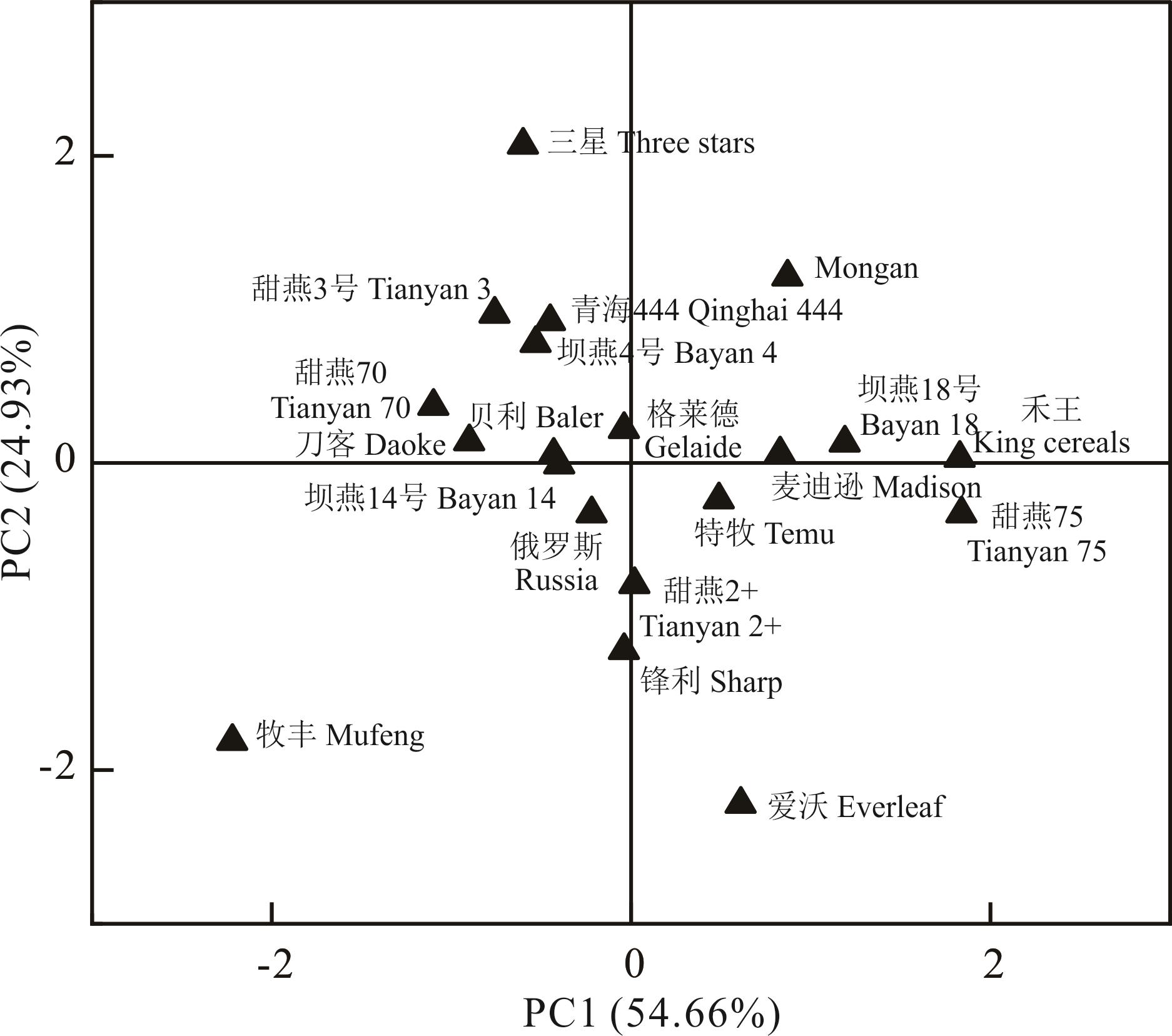
Fig.2 Principal component analysis of different oat varieties
品种 Variety | 第1层气生根The first layer aerial roots | 第2层气生根The second layer aerial roots | 节长Internode length (mm) | 倒伏程度 Lodging degree | |||||
|---|---|---|---|---|---|---|---|---|---|
有效 Effective | 无效 Ineffective | 入土半径 Soil-penetrating radius (mm) | 有效 Effective | 无效 Ineffective | 入土半径 Soil-penetrating radius (mm) | 第1节 First internode | 第2节 Second internode | ||
| 甜燕3号Tianyan 3 | 2.70±1.13a | 2.05±0.07abcd | 6.14±1.51ab | 0.05±0.71a | 0.25±0.07a | 0.05±0.07b | 37.2±5.5bcdef | 88.5±17.6efg | Ⅱ |
| 贝利Baler | 1.85±0.07ab | 2.45±0.78ab | 4.89±0.71bcd | 0.20±0.28a | 0.15±0.21a | 0.88±1.24a | 38.2±1.0bcdef | 94.4±2.2efg | Ⅱ |
| 三星Three stars | 1.63±0.38abc | 0.98±0.76cde | 0.96±1.37fgh | 0.00±0.00a | 0.00±0.00a | 0.00±0.00b | 40.5±5.3bcdef | 99.8±15.2defg | Ⅲ |
| 牧丰Mufeng | 1.60±0.28abc | 3.05±0.78a | 5.53±0.04abc | 0.00±0.00a | 0.20±0.14a | 0.00±0.00b | 33.1±4.0cdef | 102.5±1.7cdefg | Ⅲ |
| 麦迪逊Madison | 1.33±1.25bcd | 1.97±0.35abcd | 4.83±1.22bcd | 0.17±0.29a | 0.50±0.87a | 0.00±0.00b | 61.6±5.8a | 125.0±4.2abc | Ⅲ |
| 甜燕75 Tianyan 75 | 1.30±0.57bcd | 2.05±0.64abcd | 5.85±0.78ab | 0.00±0.00a | 0.10±0.14a | 0.00±0.00b | 37.9±7.9bcdef | 126.2±3.1abc | Ⅲ |
| 锋利Sharp | 1.25±0.21bcd | 2.35±0.07abc | 2.63±1.06cdefgh | 0.00±0.00a | 0.00±0.00a | 0.00±0.00b | 42.6±6.2bcde | 104.8±10.9bcdefg | Ⅱ |
| 禾王King cereals | 1.17±0.38bcd | 1.27±0.67bcde | 3.12±1.30bcdefg | 0.00±0.00a | 0.00±0.00a | 0.00±0.00b | 39.3±11.7bcdef | 109.7±6.7abcde | Ⅳ |
| 青海444 Qinghai 444 | 1.10±0.28bcd | 1.20±0.57bcde | 2.33±0.53defgh | 0.00±0.00a | 0.00±0.00a | 0.00±0.00b | 35.0±3.5bcdef | 105.4±3.0abcdefg | Ⅲ |
| 俄罗斯Russia | 1.05±0.21bcd | 1.35±0.35bcde | 4.69±0.87bcd | 0.00±0.00a | 0.00±0.00a | 0.00±0.00b | 24.0±0.7f | 84.5±7.9fg | Ⅲ |
| 格莱德Gelaide | 1.00±0.57bcd | 1.95±0.64abcd | 4.10±3.20bcde | 0.00±0.00a | 0.10±0.14a | 0.00±0.00b | 33.1±2.1cdef | 97.7±1.9efg | Ⅳ |
| 特牧 Temu | 0.95±0.21bcd | 1.15±0.21bcde | 8.04±1.43a | 0.00±0.00a | 0.05±0.07a | 0.00±0.00b | 29.2±0.3def | 112.1±4.6abcde | Ⅳ |
| 坝燕4 Bayan 4 | 0.85±0.91bcd | 0.90±0.99de | 2.71±2.14cdefgh | 0.00±0.00a | 0.00±0.00a | 0.00±0.00b | 35.4±3.5bcdef | 90.4±5.7efg | Ⅱ |
| 刀客Daoke | 0.75±0.21bcd | 2.35±0.07abc | 3.85±2.38bcdef | 0.10±0.14a | 0.05±0.07a | 0.00±0.00b | 51.5±8.3ab | 127.0±0.5ab | Ⅳ |
| 甜燕70 Tianyan 70 | 0.55±0.35bcd | 1.45±0.21bcde | 1.24±0.90efgh | 0.00±0.00a | 0.00±0.00a | 0.00±0.00b | 35.6±5.6bcdef | 123.2±5.2abcd | Ⅳ |
| 甜燕2+ Tianyan 2+ | 0.40±0.42cd | 1.25±0.49bcde | 0.34±0.06gh | 0.00±0.00a | 0.00±0.00a | 0.00±0.00b | 43.5±2.6bcd | 129.2±8.6a | Ⅳ |
| 爱沃Everleaf | 0.40±0.14cd | 2.15±0.35abcd | 2.47±0.23defgh | 0.00±0.00a | 0.00±0.00a | 0.00±0.00b | 47.6±8.5abc | 106.9±9.1abcde | Ⅳ |
| 坝燕18 Bayan 18 | 0.35±0.21cd | 1.45±1.34bcde | 1.15±0.49efgh | 0.00±0.00a | 0.05±0.07a | 0.00±0.00b | 26.1±18.6ef | 99.2±30.8efg | Ⅲ |
| 坝燕14 Bayan14 | 0.25±0.07d | 0.45±0.35e | 1.30±0.42efgh | 0.00±0.00a | 0.00±0.00a | 0.00±0.00b | 35.7±6.3bcdef | 82.4±3.8g | Ⅱ |
| Mongan | 0.15±0.15d | 0.75±0.49de | 0.00±0.00h | 0.00±0.00a | 0.00±0.00a | 0.00±0.00b | 41.6±8.3bcde | 95.7±5.6efg | Ⅳ |
Table 7 Aerial roots characteristics and lodging degree of different oat varieties
品种 Variety | 第1层气生根The first layer aerial roots | 第2层气生根The second layer aerial roots | 节长Internode length (mm) | 倒伏程度 Lodging degree | |||||
|---|---|---|---|---|---|---|---|---|---|
有效 Effective | 无效 Ineffective | 入土半径 Soil-penetrating radius (mm) | 有效 Effective | 无效 Ineffective | 入土半径 Soil-penetrating radius (mm) | 第1节 First internode | 第2节 Second internode | ||
| 甜燕3号Tianyan 3 | 2.70±1.13a | 2.05±0.07abcd | 6.14±1.51ab | 0.05±0.71a | 0.25±0.07a | 0.05±0.07b | 37.2±5.5bcdef | 88.5±17.6efg | Ⅱ |
| 贝利Baler | 1.85±0.07ab | 2.45±0.78ab | 4.89±0.71bcd | 0.20±0.28a | 0.15±0.21a | 0.88±1.24a | 38.2±1.0bcdef | 94.4±2.2efg | Ⅱ |
| 三星Three stars | 1.63±0.38abc | 0.98±0.76cde | 0.96±1.37fgh | 0.00±0.00a | 0.00±0.00a | 0.00±0.00b | 40.5±5.3bcdef | 99.8±15.2defg | Ⅲ |
| 牧丰Mufeng | 1.60±0.28abc | 3.05±0.78a | 5.53±0.04abc | 0.00±0.00a | 0.20±0.14a | 0.00±0.00b | 33.1±4.0cdef | 102.5±1.7cdefg | Ⅲ |
| 麦迪逊Madison | 1.33±1.25bcd | 1.97±0.35abcd | 4.83±1.22bcd | 0.17±0.29a | 0.50±0.87a | 0.00±0.00b | 61.6±5.8a | 125.0±4.2abc | Ⅲ |
| 甜燕75 Tianyan 75 | 1.30±0.57bcd | 2.05±0.64abcd | 5.85±0.78ab | 0.00±0.00a | 0.10±0.14a | 0.00±0.00b | 37.9±7.9bcdef | 126.2±3.1abc | Ⅲ |
| 锋利Sharp | 1.25±0.21bcd | 2.35±0.07abc | 2.63±1.06cdefgh | 0.00±0.00a | 0.00±0.00a | 0.00±0.00b | 42.6±6.2bcde | 104.8±10.9bcdefg | Ⅱ |
| 禾王King cereals | 1.17±0.38bcd | 1.27±0.67bcde | 3.12±1.30bcdefg | 0.00±0.00a | 0.00±0.00a | 0.00±0.00b | 39.3±11.7bcdef | 109.7±6.7abcde | Ⅳ |
| 青海444 Qinghai 444 | 1.10±0.28bcd | 1.20±0.57bcde | 2.33±0.53defgh | 0.00±0.00a | 0.00±0.00a | 0.00±0.00b | 35.0±3.5bcdef | 105.4±3.0abcdefg | Ⅲ |
| 俄罗斯Russia | 1.05±0.21bcd | 1.35±0.35bcde | 4.69±0.87bcd | 0.00±0.00a | 0.00±0.00a | 0.00±0.00b | 24.0±0.7f | 84.5±7.9fg | Ⅲ |
| 格莱德Gelaide | 1.00±0.57bcd | 1.95±0.64abcd | 4.10±3.20bcde | 0.00±0.00a | 0.10±0.14a | 0.00±0.00b | 33.1±2.1cdef | 97.7±1.9efg | Ⅳ |
| 特牧 Temu | 0.95±0.21bcd | 1.15±0.21bcde | 8.04±1.43a | 0.00±0.00a | 0.05±0.07a | 0.00±0.00b | 29.2±0.3def | 112.1±4.6abcde | Ⅳ |
| 坝燕4 Bayan 4 | 0.85±0.91bcd | 0.90±0.99de | 2.71±2.14cdefgh | 0.00±0.00a | 0.00±0.00a | 0.00±0.00b | 35.4±3.5bcdef | 90.4±5.7efg | Ⅱ |
| 刀客Daoke | 0.75±0.21bcd | 2.35±0.07abc | 3.85±2.38bcdef | 0.10±0.14a | 0.05±0.07a | 0.00±0.00b | 51.5±8.3ab | 127.0±0.5ab | Ⅳ |
| 甜燕70 Tianyan 70 | 0.55±0.35bcd | 1.45±0.21bcde | 1.24±0.90efgh | 0.00±0.00a | 0.00±0.00a | 0.00±0.00b | 35.6±5.6bcdef | 123.2±5.2abcd | Ⅳ |
| 甜燕2+ Tianyan 2+ | 0.40±0.42cd | 1.25±0.49bcde | 0.34±0.06gh | 0.00±0.00a | 0.00±0.00a | 0.00±0.00b | 43.5±2.6bcd | 129.2±8.6a | Ⅳ |
| 爱沃Everleaf | 0.40±0.14cd | 2.15±0.35abcd | 2.47±0.23defgh | 0.00±0.00a | 0.00±0.00a | 0.00±0.00b | 47.6±8.5abc | 106.9±9.1abcde | Ⅳ |
| 坝燕18 Bayan 18 | 0.35±0.21cd | 1.45±1.34bcde | 1.15±0.49efgh | 0.00±0.00a | 0.05±0.07a | 0.00±0.00b | 26.1±18.6ef | 99.2±30.8efg | Ⅲ |
| 坝燕14 Bayan14 | 0.25±0.07d | 0.45±0.35e | 1.30±0.42efgh | 0.00±0.00a | 0.00±0.00a | 0.00±0.00b | 35.7±6.3bcdef | 82.4±3.8g | Ⅱ |
| Mongan | 0.15±0.15d | 0.75±0.49de | 0.00±0.00h | 0.00±0.00a | 0.00±0.00a | 0.00±0.00b | 41.6±8.3bcde | 95.7±5.6efg | Ⅳ |
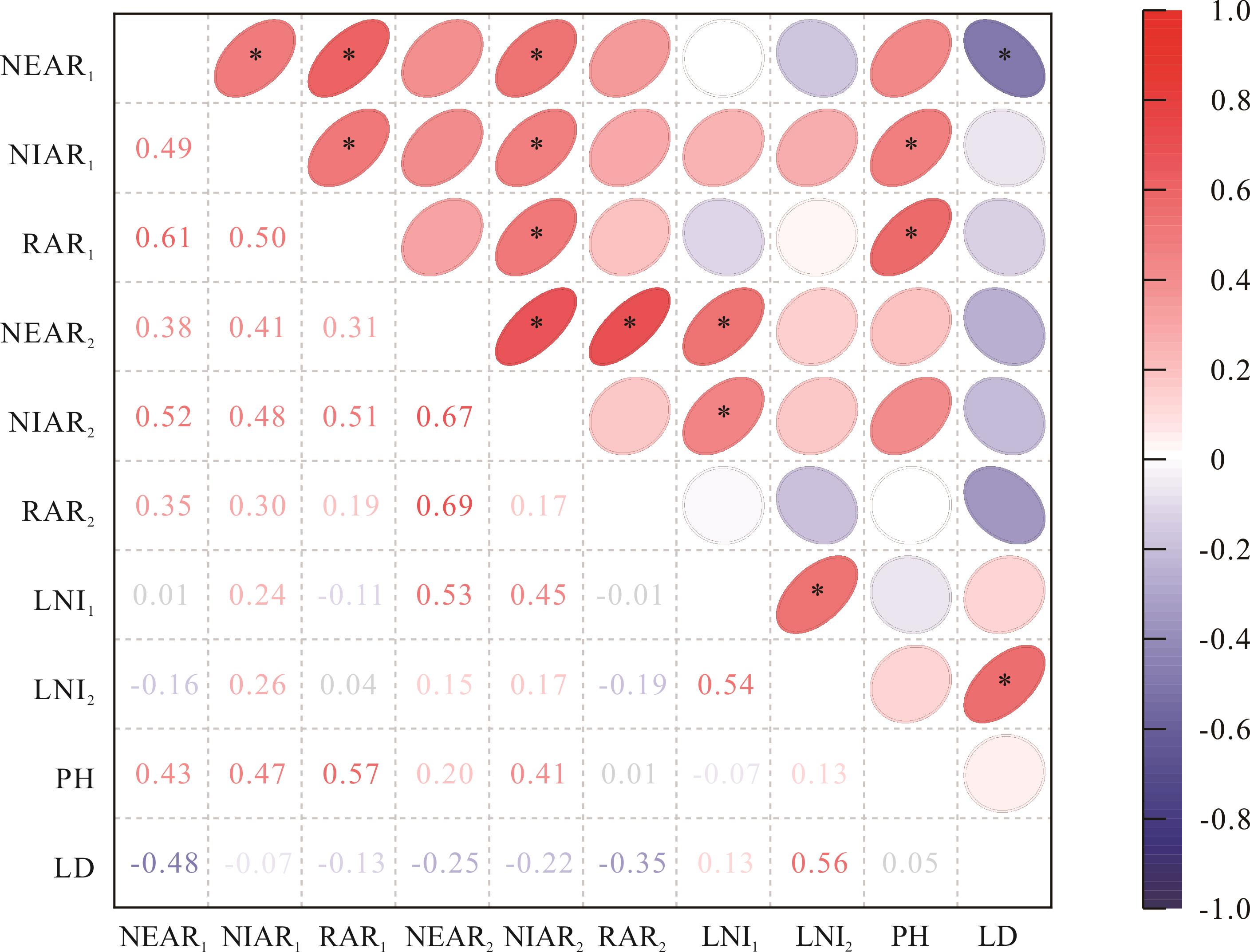
Fig.3 Relationships between aerial roots number, internode length, plant height and lodging degree of different oat varieties
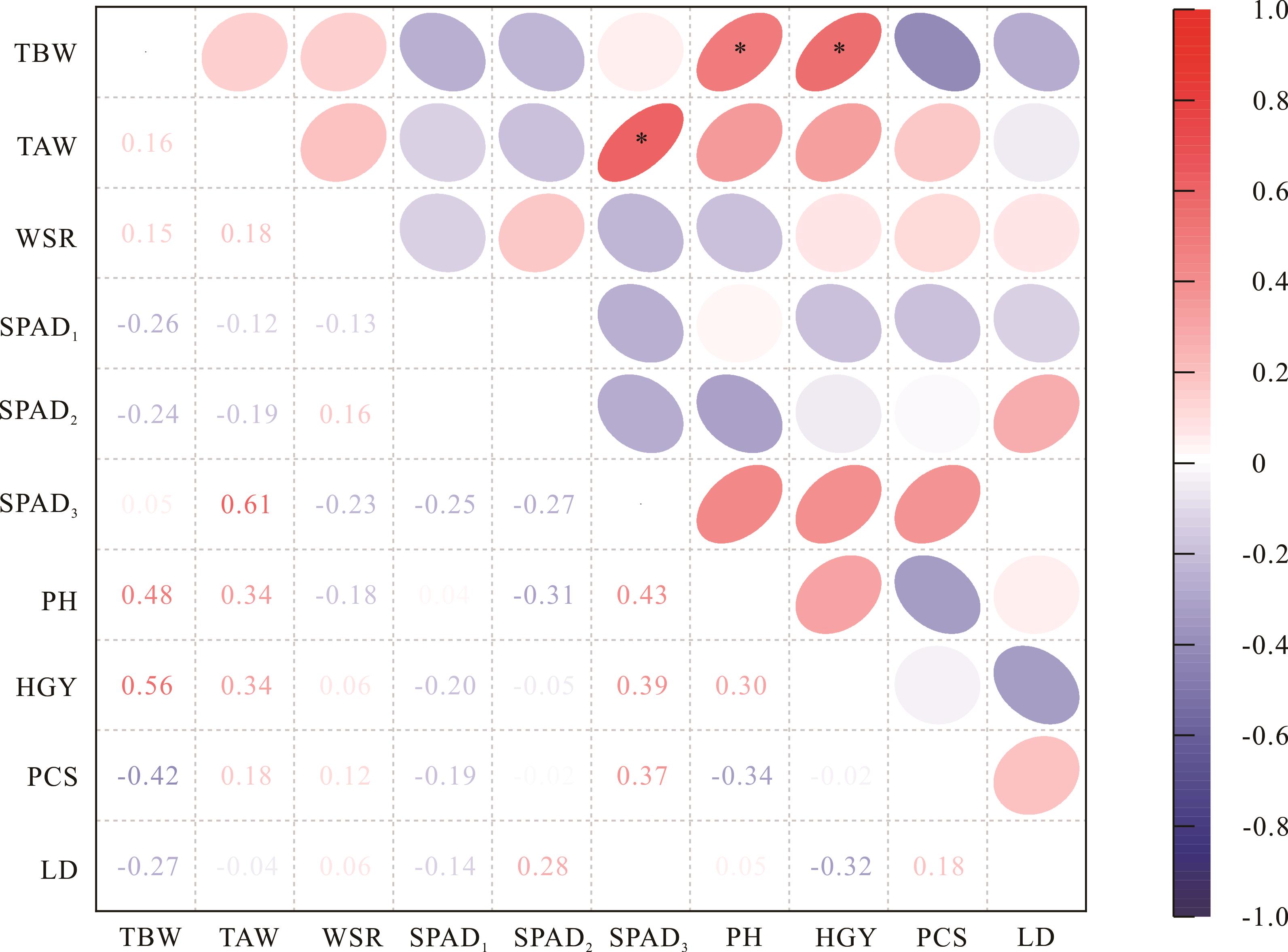
Fig.4 Correlations between indicators such as winter survival rate, tiller number, soil and plant analyzer development value, plant height, hay yield, and lodging degree
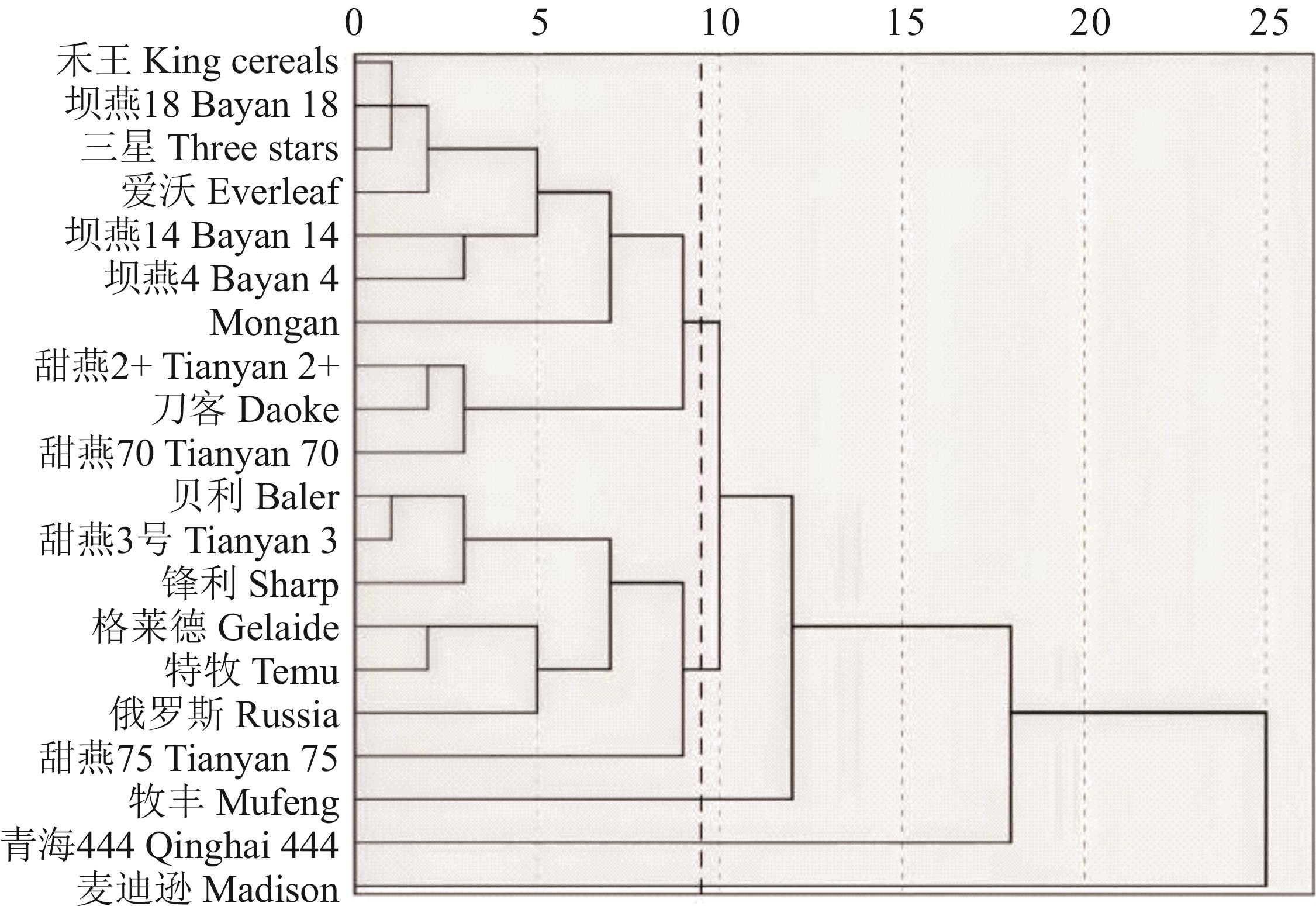
Fig.5 Cluster analysis of different oat varieties
品种 Variety | 越冬率 Winter survival rate | 越冬前分蘖数Tiller number before winter | 株高 Plant height | 干草产量 Hay grass yield | 主成分得分 Principal component score | 第1层有效气生根数Number of effective aerial roots in the first layer | 第2茎节节长 Length of the second internode | 倒伏程度 Lodging degree | 隶属值 Membership value | 隶属值排序 Membership value sorting |
|---|---|---|---|---|---|---|---|---|---|---|
| 甜燕3号Tianyan 3 | 0.97 | 0.71 | 0.65 | 0.97 | 0.45 | 1.00 | 0.87 | 1.00 | 0.83 | 1 |
| 锋利Sharp | 0.90 | 0.81 | 0.68 | 0.89 | 0.50 | 0.43 | 0.52 | 1.00 | 0.72 | 2 |
| 贝利Baler | 0.97 | 0.52 | 0.52 | 0.78 | 0.46 | 0.67 | 0.74 | 1.00 | 0.71 | 3 |
| 牧丰Mufeng | 0.83 | 0.76 | 0.87 | 0.28 | 1.00 | 0.57 | 0.57 | 0.50 | 0.67 | 4 |
| 坝燕14 Bayan14 | 1.00 | 0.67 | 0.23 | 0.42 | 0.46 | 0.04 | 1.00 | 1.00 | 0.60 | 5 |
| 麦迪逊Madison | 1.00 | 0.57 | 0.74 | 0.90 | 0.20 | 0.46 | 0.09 | 0.50 | 0.56 | 6 |
| 俄罗斯Russia | 0.61 | 0.24 | 0.84 | 0.44 | 0.45 | 0.35 | 0.95 | 0.50 | 0.55 | 7 |
| 三星Three stars | 0.93 | 0.67 | 0.42 | 0.22 | 0.31 | 0.58 | 0.63 | 0.50 | 0.53 | 8 |
| 格莱德Gelaide | 1.00 | 0.52 | 1.00 | 0.12 | 0.37 | 0.33 | 0.67 | 0.00 | 0.50 | 9 |
| 甜燕75 Tianyan 75 | 0.90 | 0.52 | 0.45 | 1.00 | 0.03 | 0.45 | 0.06 | 0.50 | 0.49 | 10 |
| 甜燕2+ Tianyan 2+ | 0.84 | 1.00 | 0.65 | 0.75 | 0.45 | 0.10 | 0.00 | 0.00 | 0.47 | 11 |
| 坝燕4 Bayan 4 | 0.87 | 0.19 | 0.00 | 0.00 | 0.42 | 0.27 | 0.83 | 1.00 | 0.45 | 12 |
| 特牧Temu | 1.00 | 0.48 | 0.81 | 0.36 | 0.30 | 0.31 | 0.36 | 0.00 | 0.45 | 12 |
| 刀客Daoke | 0.96 | 0.43 | 0.68 | 0.41 | 0.55 | 0.24 | 0.04 | 0.00 | 0.41 | 13 |
| 青海444 Qinghai 444 | 0.00 | 0.33 | 0.68 | 0.38 | 0.39 | 0.37 | 0.51 | 0.50 | 0.39 | 14 |
| 坝燕18 Bayan 18 | 0.96 | 0.33 | 0.29 | 0.08 | 0.12 | 0.08 | 0.64 | 0.50 | 0.38 | 15 |
| 甜燕70 Tianyan 70 | 1.00 | 0.33 | 0.23 | 0.47 | 0.57 | 0.16 | 0.12 | 0.00 | 0.36 | 16 |
| 爱沃Everleaf | 0.83 | 0.33 | 0.10 | 0.39 | 0.46 | 0.10 | 0.47 | 0.00 | 0.34 | 17 |
| 禾王King cereals | 0.90 | 0.24 | 0.23 | 0.24 | 0.00 | 0.40 | 0.41 | 0.00 | 0.30 | 18 |
| Mongan | 1.00 | 0.00 | 0.13 | 0.12 | 0.09 | 0.00 | 0.71 | 0.00 | 0.26 | 19 |
Table 8 Comprehensive evaluation and membership function values of different oat varieties
品种 Variety | 越冬率 Winter survival rate | 越冬前分蘖数Tiller number before winter | 株高 Plant height | 干草产量 Hay grass yield | 主成分得分 Principal component score | 第1层有效气生根数Number of effective aerial roots in the first layer | 第2茎节节长 Length of the second internode | 倒伏程度 Lodging degree | 隶属值 Membership value | 隶属值排序 Membership value sorting |
|---|---|---|---|---|---|---|---|---|---|---|
| 甜燕3号Tianyan 3 | 0.97 | 0.71 | 0.65 | 0.97 | 0.45 | 1.00 | 0.87 | 1.00 | 0.83 | 1 |
| 锋利Sharp | 0.90 | 0.81 | 0.68 | 0.89 | 0.50 | 0.43 | 0.52 | 1.00 | 0.72 | 2 |
| 贝利Baler | 0.97 | 0.52 | 0.52 | 0.78 | 0.46 | 0.67 | 0.74 | 1.00 | 0.71 | 3 |
| 牧丰Mufeng | 0.83 | 0.76 | 0.87 | 0.28 | 1.00 | 0.57 | 0.57 | 0.50 | 0.67 | 4 |
| 坝燕14 Bayan14 | 1.00 | 0.67 | 0.23 | 0.42 | 0.46 | 0.04 | 1.00 | 1.00 | 0.60 | 5 |
| 麦迪逊Madison | 1.00 | 0.57 | 0.74 | 0.90 | 0.20 | 0.46 | 0.09 | 0.50 | 0.56 | 6 |
| 俄罗斯Russia | 0.61 | 0.24 | 0.84 | 0.44 | 0.45 | 0.35 | 0.95 | 0.50 | 0.55 | 7 |
| 三星Three stars | 0.93 | 0.67 | 0.42 | 0.22 | 0.31 | 0.58 | 0.63 | 0.50 | 0.53 | 8 |
| 格莱德Gelaide | 1.00 | 0.52 | 1.00 | 0.12 | 0.37 | 0.33 | 0.67 | 0.00 | 0.50 | 9 |
| 甜燕75 Tianyan 75 | 0.90 | 0.52 | 0.45 | 1.00 | 0.03 | 0.45 | 0.06 | 0.50 | 0.49 | 10 |
| 甜燕2+ Tianyan 2+ | 0.84 | 1.00 | 0.65 | 0.75 | 0.45 | 0.10 | 0.00 | 0.00 | 0.47 | 11 |
| 坝燕4 Bayan 4 | 0.87 | 0.19 | 0.00 | 0.00 | 0.42 | 0.27 | 0.83 | 1.00 | 0.45 | 12 |
| 特牧Temu | 1.00 | 0.48 | 0.81 | 0.36 | 0.30 | 0.31 | 0.36 | 0.00 | 0.45 | 12 |
| 刀客Daoke | 0.96 | 0.43 | 0.68 | 0.41 | 0.55 | 0.24 | 0.04 | 0.00 | 0.41 | 13 |
| 青海444 Qinghai 444 | 0.00 | 0.33 | 0.68 | 0.38 | 0.39 | 0.37 | 0.51 | 0.50 | 0.39 | 14 |
| 坝燕18 Bayan 18 | 0.96 | 0.33 | 0.29 | 0.08 | 0.12 | 0.08 | 0.64 | 0.50 | 0.38 | 15 |
| 甜燕70 Tianyan 70 | 1.00 | 0.33 | 0.23 | 0.47 | 0.57 | 0.16 | 0.12 | 0.00 | 0.36 | 16 |
| 爱沃Everleaf | 0.83 | 0.33 | 0.10 | 0.39 | 0.46 | 0.10 | 0.47 | 0.00 | 0.34 | 17 |
| 禾王King cereals | 0.90 | 0.24 | 0.23 | 0.24 | 0.00 | 0.40 | 0.41 | 0.00 | 0.30 | 18 |
| Mongan | 1.00 | 0.00 | 0.13 | 0.12 | 0.09 | 0.00 | 0.71 | 0.00 | 0.26 | 19 |
| [1] | Li P F, Mo F, Li D F, et al. Exploring agronomic strategies to improve oat productivity and control weeds: leaf type, row spacing, and planting density. Canadian Journal of Plant Science, 2018, 98(5): 1084-1093. |
| [2] | He Z Y. Advantages and application of oat hay in dairy cattle production. China Dairy Cattle, 2015(17): 12-15. |
| 贺忠勇. 燕麦干草在奶牛生产中的优势及应用. 中国奶牛, 2015(17): 12-15. | |
| [3] | Yuan B, Chen G Z, Yang H Y, et al. Advances in lodging resistance of oats. Journal of Hebei North University (Natural Science Edition), 2024, 40(3): 1-4. |
| 袁搏, 陈冠州, 杨会勇, 等. 燕麦抗倒伏研究进展. 河北北方学院学报(自然科学版), 2024, 40(3): 1-4. | |
| [4] | Liang G L, Liu W H, Zhang Y C, et al. Effect of lodging on the grain filling process and non-structure carbohydrate of oats. Acta Agrestia Sinica, 2020, 28(4): 1024-1033. |
| 梁国玲, 刘文辉, 张永超, 等. 倒伏发生对燕麦籽粒灌浆进程及非结构性碳水化物的影响. 草地学报, 2020, 28(4): 1024-1033. | |
| [5] | Wang Y, Pan Y H, Zhao F L, et al. Changes in the lodging resistance of winter wheat from 1950s to the 2020s in Henan Province of China. BMC Plant Biology, 2023, 23(1): 442. |
| [6] | Nan M, Wang X R, Li J, et al. Differences in traits related to lodging resistance among oat genotypes. Acta Prataculturae Sinica, 2023, 32(11): 106-118. |
| 南铭, 王兴荣, 李晶, 等. 燕麦抗倒伏性状的基因型差异. 草业学报, 2023, 32(11): 106-118. | |
| [7] | Tian B H. The methods of lodging resistance assessment in cereal crops and their application in foxtail millet. Journal of Plant Genetic Resources, 2013, 14(2): 265-269. |
| 田伯红. 禾谷类作物抗倒伏性的研究方法与谷子抗倒性评价. 植物遗传资源学报, 2013, 14(2): 265-269. | |
| [8] | Yu D W, Zhu M, Yun H Y. Relationship between brace root traits and lodging resistance of maize. Journal of Northwest A&F University (Natural Science Edition), 2022, 50(1): 91-97. |
| 于大伟, 朱猛, 员海燕. 玉米气生根性状与抗倒性的关系. 西北农林科技大学学报(自然科学版), 2022, 50(1): 91-97. | |
| [9] | Gao J Y, Feng P J, Zhang J L, et al. Enhancing maize’s nitrogen-fixing potential through ZmSBT3, a gene suppressing mucilage secretion. Journal of Integrative Plant Biology, 2023, 65(12): 2645-2659. |
| [10] | Huang W H, Wang H, Mei D S. Research progress on lodging resistance of crops. Crops, 2018(4): 13-19. |
| 黄文辉, 王会, 梅德圣. 农作物抗倒性研究进展. 作物杂志, 2018(4): 13-19. | |
| [11] | Li Z Q. Oat hay quality evaluation. China Dairy Cattle, 2013, 31(19): 1-3. |
| 李志强. 燕麦干草质量评价. 中国奶牛, 2013, 31(19): 1-3. | |
| [12] | China Animal Agriculture Association. Oats hay quality grade: T/CAAA 002-2018. Animal Agriculture, 2019(1): 40-43. |
| 中国畜牧业协会. 燕麦干草质量分级: T/CAAA 002-2018. 畜牧产业, 2019(1): 40-43. | |
| [13] | Gong M. Screening methods and indexes of drought resistance in crops and comprehensive evaluation. Journal of Yunnan Agricultural University, 1989, 4(1): 73-81. |
| 龚明. 作物抗旱性鉴定方法与指标及其综合评价. 云南农业大学学报, 1989, 4(1): 73-81. | |
| [14] | Saika N, Shamshir H, Tawqeer N, et al. Bi-environmental evaluation of oat (Avena sativa L.) genotypes for yield and nutritional traits under cold stress conditions using multivariate analysis. Plant Genetic Resources: Characterisation & Utilisation, 2024, 22(5): 295-303. |
| [15] | Lou C H, Wang B, Li D F, et al. Comparison of production performance and nutritional value of 16 oat varieties in Yellow River beach area. Pratacultural Science, 2019, 36(7): 1843-1851. |
| 娄春华, 王博, 李德锋, 等. 黄河滩区16个春播燕麦品种的生产性能和营养品质. 草业科学, 2019, 36(7): 1843-1851. | |
| [16] | Wooten D R, Livingston D P I, Jellen E N, et al. An intergenomic reciprocal translocation associated with oat winter hardiness component traits. Crop Science, 2007, 47(5): 1832-1840. |
| [17] | Marshall H G. Breeding oat for resistance to environmental stress. New York, USA: John Wiley & Sons, Ltd, 2015. |
| [18] | Wang G L, Wu B, Zhang J H, et al. The comparison of productivity of different oat varieties in the Yellow River Delta. Chinese Journal of Grassland, 2020, 42(6): 141-148. |
| 王国良, 吴波, 张进红, 等. 黄河三角洲地区不同品种燕麦生产性能比较. 中国草地学报, 2020, 42(6): 141-148. | |
| [19] | Liang W P, Li S E, He C G, et al. Present situation of promotion and utilization status of alfalfa and oat in Qingyang city. China Cattle Science, 2021, 47(4): 82-83, 88. |
| 梁万鹏, 李世恩, 贺春贵, 等. 庆阳市紫花苜蓿和燕麦推广利用现状. 中国牛业科学, 2021, 47(4): 82-83, 88. | |
| [20] | Yao J, He Y, Lu J D, et al. Winter survival rate, tillering characteristics, and production performance of autumn-sown forage oats in Henan province. Acta Agrestia Sinica, 2023, 31(2): 528-539. |
| 姚晋, 何云, 卢家顶, 等. 河南省秋播饲用燕麦的越冬率、分蘖特性及其生产性能. 草地学报, 2023, 31(2): 528-539. | |
| [21] | Sang R J, Danjiuluobu, Zhang H M, et al. Comprehensive evaluation of winter survival rate and production performance of 23 forage oat varieties in autumn sowing in northern Henan province. Feed Research, 2025, 48(12): 135-141. |
| 桑瑞娟, 旦久罗布, 张红妹, 等. 23个饲用燕麦品种在豫北秋播的越冬性和生产性能综合评价. 饲料研究, 2025, 48(12): 135-141. | |
| [22] | Xu X L, Song Y T, Zhao J D, et al. Changes in forage quality and its relationship with plant diversity under fertilization and mowing in Hulun Buir meadow steppe. Acta Prataculturae Sinica, 2021, 30(7): 1-10. |
| 徐鑫磊, 宋彦涛, 赵京东, 等. 施肥和刈割对呼伦贝尔草甸草原牧草品质的影响及其与植物多样性的关系. 草业学报, 2021, 30(7): 1-10. | |
| [23] | Yang Y X, Wang S Y, He T R, et al. Study on plant biomass and its seasonal dynamics of typical wet land ecosystem in the Sanjiang plain. Grassland of China, 2002, 24(1): 2-8. |
| 杨永兴, 王世岩, 何太蓉, 等. 三江平原典型湿地生态系统生物量及其季节动态研究. 中国草地, 2002, 24(1): 2-8. | |
| [24] | Yan T F, Wei Z W, Wang A H, et al. Evaluation of production performance and feeding value of different oat materials in Jianghuai area. Chinese Journal of Grassland, 2020, 42(3): 111-118. |
| 闫天芳, 魏臻武, 王爱华, 等. 8份燕麦材料在江淮地区生产性能及饲用价值评价. 中国草地学报, 2020, 42(3): 111-118. | |
| [25] | Liu Q, Hao H, Tang B, et al. Comprehensive evaluation of production performance of 10 oat varieties in Panxi region. Feed Research, 2023, 46(18): 124-128. |
| 柳茜, 郝虎, 唐斌, 等. 10个燕麦品种在攀西地区生产性能综合评价. 饲料研究, 2023, 46(18): 124-128. | |
| [26] | Xue H F, Meng Q X. Recent nutritional advances of neutral detergent fiber in dairy cow. Chinese Journal of Animal Nutrition, 2007, 19(Z1): 454-458. |
| 薛红枫, 孟庆翔. 奶牛中性洗涤纤维营养研究进展. 动物营养学报, 2007, 19(Z1): 454-458. | |
| [27] | Wu Y, Zhang W H, Chen M H, et al. Productive performance comparison of different oat varieties in Yangzhou region. Pratacultural Science, 2018, 35(7): 1728-1733. |
| 吴亚, 张卫红, 陈鸣晖, 等. 不同品种燕麦在扬州地区的生产性能. 草业科学, 2018, 35(7): 1728-1733. | |
| [28] | Marshall H G, Kolb F L, Roth G W. Effects of nitrogen fertilizer rate, seeding rate, and row spacing on semidwarf and conventional height spring oat. Crop Science, 1987, 27(3): 572-575. |
| [29] | Sang R J, Cui C J, He Y, et al. Lodging resistance and production performance of 18 autumn-sown forage oat varieties in northen Henan Province. Acta Prataculturae Sinica, 2024, 33(8): 74-85. |
| 桑瑞娟, 崔超杰, 何云, 等. 豫北地区18个秋播饲用燕麦品种抗倒伏特性及生产性能评价. 草业学报, 2024, 33(8): 74-85. | |
| [30] | Yu D W. Study on the effect of brace root traits on lodging resistance and genetic research of brace root traits. Yangling: Northwest A & F University, 2014. |
| 于大伟. 玉米气生根性状与抗倒性的关系及其遗传研究. 杨凌: 西北农林科技大学, 2014. | |
| [31] | Wang Y X, Zhang Z H, Li Z H. Combining ability and path analysis of lodging resistance traits in maize. Journal of Henan Agricultural University, 2011, 45(1): 1-6. |
| 王永学, 张战辉, 刘宗华. 玉米抗倒伏性状的配合力效应及通径分析. 河南农业大学学报, 2011, 45(1): 1-6. |
| [1] | Kai-yue PANG, Yan-long FENG, He-yun LIU, Shao-feng SU, Jia-hua DU, Jia-hai WU, Bing ZENG. Research progress on fermented total mixed ration and its application to ruminant feeding [J]. Acta Prataculturae Sinica, 2026, 35(9): 211-235. |
| [2] | Xia WANG, Meng-yu YAN, Qian-xi WANG, Zhen-wu WEI, Jia WEI, Zheng-feng CAO, Yan-yan LV, Chuan-jie ZHANG, Xue-yang MIN. A comparative study of the yield of alfalfa (Medicago sativa) varieties with different fall dormancy in the Yangtze-Huaihe region [J]. Acta Prataculturae Sinica, 2026, 35(8): 65-83. |
| [3] | Yu-lin NIU, Ming-fang BAO, Wen-hu WANG, Xin CHEN, Kai-qiang LIU, Wen-hui LIU, Yan QIN. A multivariate evaluation of agronomic traits, yield and seed production in ten accessions of Bromus inermis from the Three-River-Source Region [J]. Acta Prataculturae Sinica, 2026, 35(6): 83-92. |
| [4] | Xiao-cong LI, Ju-hui YAN, Xing WANG, Peng-fei HU, Yu-nong YE, Bing-zhe FU. Effects of different inter-row planting ratios of alfalfa and smooth brome on grass production performance and soil physicochemical properties [J]. Acta Prataculturae Sinica, 2026, 35(5): 113-125. |
| [5] | Yi-bo WANG, Xue-hua MING, Jian-yong ZHANG, Qi YUAN, Jian-ming DU, Bin WANG, Teng-fei WANG, Yi-yin ZHANG, Jian LAN, Le MU. Multi-trait evaluation of the production performance and seed yield of new oat germplasm materials in the arid area of Ningxia [J]. Acta Prataculturae Sinica, 2026, 35(4): 86-99. |
| [6] | Hao-bin JIA, Hao-yun JIANG, Ai-hua LI, Hai-bo WANG, Sun-quan LIN, Yue PAN, Jun-hong HUO, Jin-shun ZHAN. Effects of diets with different concentrate-to-roughage ratios on the growth rate, serum biochemical indexes, and rumen fermentation of Guangfeng goats [J]. Acta Prataculturae Sinica, 2026, 35(3): 170-184. |
| [7] | Yi-yin ZHANG, Ai-ping XIAO, Bin WANG, Teng-fei WANG, Hai-ying HU, Jian LAN. Effect of nitrogen application on grass productivity and energy use efficiency in a mixed forage sorghum/lablab planting [J]. Acta Prataculturae Sinica, 2026, 35(1): 40-52. |
| [8] | Zhi-peng ZHANG, Qing-xue JIANG, Xin-yue ZHOU, Tong MIAO, Jun TANG, Deng-xia YI, Xue-min WANG, Lin MA. Screening of candidate genes for plant height in forage oat (Avena sativa) through combined transcriptome and proteome analysis [J]. Acta Prataculturae Sinica, 2025, 34(9): 147-161. |
| [9] | Chun-yan REN, Zhi-yun HAO, Rui BING, Ying-dong HUO, Hai-bi ZHAO, Peng-fei YIN, De-fu TANG, Shu-qin LIN, Ji-qing WANG. Effects of adding cellulase to the starter diet on the production performance, organ development, fatty acid composition, and serum antioxidant indices of Hu lambs [J]. Acta Prataculturae Sinica, 2025, 34(7): 120-131. |
| [10] | Ling-fei XIANG, Feng-ju ZHANG, Dong-mei MA, Jin-long LIU, Jian LAN, Jian-qiang DENG, Hai-ying HU, Bin WANG, Chun-jiang CAI, Qiao-li MA. Effects of nitrogen, phosphorus and potassium rationing on production performance and nutritional quality of Echinochloa frumentacea in saline soil [J]. Acta Prataculturae Sinica, 2025, 34(7): 185-195. |
| [11] | Bin WANG, Jia-mei SHI, Teng-fei WANG, Yi-yin ZHANG, Jiang-ping MA, Jia-wang LI, Xiao-bing WANG, Jian-qiang DENG, Jian LAN. Effect of nitrogen application on production performance and nitrogen fertilizer contribution of forage sorghum/lablab mixed cropping [J]. Acta Prataculturae Sinica, 2025, 34(4): 53-63. |
| [12] | Jiang-ping MA, Yi-yin ZHANG, Teng-fei WANG, Bin WANG, Jian LAN. Interspecific relationship and forage productivity effects in mixed sowings of Sorghum bicolor and Dolichos lablab [J]. Acta Prataculturae Sinica, 2025, 34(3): 111-122. |
| [13] | Ya-jiao ZHAO, Xiao-jing LIU, Fang LIN. Selection of intercropping combinations suitable for alfalfa and Poaceae forages in semi-arid areas of the Loess Plateau [J]. Acta Prataculturae Sinica, 2025, 34(3): 97-110. |
| [14] | Wen-hu WANG, Guo-ling LIANG, Wen-hui LIU, Feng-yu WANG, Wen LI. Comprehensive evaluation of agronomic traits and yield of eight Elymus sibiricus varieties in the Qinghai-Tibet Plateau [J]. Acta Prataculturae Sinica, 2025, 34(2): 123-132. |
| [15] | Zhong-li LI, Cong-ze JIANG, Ren-shi MA, Wei GAO, Na SHOU, Yu-ying SHEN, Xian-long YANG. Suitability of five forage sweet sorghum varieties for production in the dry plateau area of Longdong [J]. Acta Prataculturae Sinica, 2024, 33(8): 50-62. |
| Viewed | ||||||
|
Full text |
|
|||||
|
Abstract |
|
|||||
