
ISSN 1004-5759 CN 62-1105/S
Acta Prataculturae Sinica ›› 2025, Vol. 34 ›› Issue (7): 107-119.DOI: 10.11686/cyxb2024304
Gui FU1,2,4( ), Yu-ping LIU3,4,5, Xu SU3,4,5(), Rong-ju QU3, Zha-xi CAIRANG3
Received:2024-07-31
Revised:2024-09-12
Online:2025-07-20
Published:2025-05-12
Contact:
Xu SU
Gui FU, Yu-ping LIU, Xu SU, Rong-ju QU, Zha-xi CAIRANG. Analysis of SSR characterization in full-length transcriptome and development of SSR molecular markers for Littledalea racemosa[J]. Acta Prataculturae Sinica, 2025, 34(7): 107-119.
居群编号 Population No. | 样本数量 Sample size | 采样地 Sampling location | 纬度 Latitude (N) | 经度 Longitude (E) | 海拔 Altitude (m) |
|---|---|---|---|---|---|
| POP2 | 3 | 青海省兴海县Xinghai County, Qinghai Province | 35°20′32.5″ | 99°5′8.2″ | 4164 |
| POP8 | 3 | 青海省玛沁县Maqin County, Qinghai Province | 34°32′58.1″ | 99°8′47.4″ | 4396 |
| POP12 | 3 | 青海省玛多县Maduo County, Qinghai Province | 34°8′22.7″ | 97°40′25.8″ | 4727 |
| POP13 | 3 | 青海省玛沁县 Maqin County, Qinghai Province | 34°30′36″ | 99°9′0″ | 4353 |
| POP20 | 3 | 青海省曲麻莱县Qumalai County, Qinghai Province | 34°9′1.3″ | 95°53′55.2″ | 4513 |
| POP25 | 3 | 青海省曲麻莱县Qumalai County, Qinghai Province | 35°31′16.3″ | 93°54′47.8″ | 4625 |
| POP62 | 3 | 青海省兴海县Xinghai County, Qinghai Province | 35°29′26.6″ | 99°29′57.3″ | 4455 |
| POP65 | 3 | 青海省兴海县Xinghai County, Qinghai Province | 35°23′3.1″ | 99°18′2.4″ | 4377 |
| POP66 | 3 | 青海省玛多县Maduo County, Qinghai Province | 35°20′49.8″ | 99°6′6.2″ | 4171 |
| POP68 | 3 | 青海省玛多县Maduo County, Qinghai Province | 35°7′38.4″ | 99°4′2.3″ | 4200 |
| POP69 | 3 | 青海省玛多县Maduo County, Qinghai Province | 35°5′51.6″ | 99°6′7.8″ | 4117 |
| POP72 | 3 | 青海省玛沁县Maqin County, Qinghai Province | 34°23′54.0″ | 99°12′2.5″ | 4293 |
| POP73 | 3 | 青海省玛沁县Maqin County, Qinghai Province | 34°30′13.1″ | 99°10′9.4″ | 4363 |
| POP88 | 3 | 青海省曲麻莱县Qumalai County, Qinghai Province | 34°9′31.8″ | 95°55′14.0″ | 4582 |
| POP95 | 3 | 西藏类乌齐县Riwoqê County, Xizang | 30°51′14.2″ | 96°37′19.0″ | 4552 |
| POP101 | 3 | 青海省格尔木市Geermu City, Qinghai Province | 33°49′48.6″ | 92°20′2.6″ | 4613 |
| POP104 | 3 | 青海省格尔木市 Geermu City, Qinghai Province | 33°59′19.5″ | 92°20′46.4″ | 4655 |
| POP106 | 3 | 青海省格尔木市 Geermu City, Qinghai Province | 34°6′12.8″ | 92°21′34.0″ | 4740 |
| POP111 | 3 | 青海省格尔木市 Geermu City, Qinghai Province | 34°25′21.4″ | 92°43′23.4″ | 4568 |
| POP115 | 3 | 青海省格尔木市 Geermu City, Qinghai Province | 34°38′56.9″ | 92°53′52.3″ | 4829 |
| POP118 | 3 | 青海省格尔木市 Geermu City, Qinghai Province | 34°50′47.0″ | 92°56′56.1″ | 4623 |
| POP119 | 3 | 青海省格尔木市 Geermu City, Qinghai Province | 34°57′21.3″ | 92°57′9.9″ | 4558 |
| POP120 | 3 | 青海省格尔木市 Geermu City, Qinghai Province | 35°5′17.8″ | 93°1′32.9″ | 4690 |
| POP122 | 3 | 青海省格尔木市 Geermu City, Qinghai Province | 35°18′35.8″ | 93°17′42.6″ | 4536 |
| POP125 | 3 | 青海省格尔木市 Geermu City, Qinghai Province | 35°32′49.4″ | 93°57′24.3″ | 4628 |
| POP126 | 3 | 青海省格尔木市 Geermu City, Qinghai Province | 35°38′19.2″ | 94°4′9.4″ | 4772 |
| POP127 | 3 | 青海省格尔木市 Geermu City, Qinghai Province | 35°43′11.1″ | 94°6′57.3″ | 4468 |
Table 1 Materials and detailed information of origins
居群编号 Population No. | 样本数量 Sample size | 采样地 Sampling location | 纬度 Latitude (N) | 经度 Longitude (E) | 海拔 Altitude (m) |
|---|---|---|---|---|---|
| POP2 | 3 | 青海省兴海县Xinghai County, Qinghai Province | 35°20′32.5″ | 99°5′8.2″ | 4164 |
| POP8 | 3 | 青海省玛沁县Maqin County, Qinghai Province | 34°32′58.1″ | 99°8′47.4″ | 4396 |
| POP12 | 3 | 青海省玛多县Maduo County, Qinghai Province | 34°8′22.7″ | 97°40′25.8″ | 4727 |
| POP13 | 3 | 青海省玛沁县 Maqin County, Qinghai Province | 34°30′36″ | 99°9′0″ | 4353 |
| POP20 | 3 | 青海省曲麻莱县Qumalai County, Qinghai Province | 34°9′1.3″ | 95°53′55.2″ | 4513 |
| POP25 | 3 | 青海省曲麻莱县Qumalai County, Qinghai Province | 35°31′16.3″ | 93°54′47.8″ | 4625 |
| POP62 | 3 | 青海省兴海县Xinghai County, Qinghai Province | 35°29′26.6″ | 99°29′57.3″ | 4455 |
| POP65 | 3 | 青海省兴海县Xinghai County, Qinghai Province | 35°23′3.1″ | 99°18′2.4″ | 4377 |
| POP66 | 3 | 青海省玛多县Maduo County, Qinghai Province | 35°20′49.8″ | 99°6′6.2″ | 4171 |
| POP68 | 3 | 青海省玛多县Maduo County, Qinghai Province | 35°7′38.4″ | 99°4′2.3″ | 4200 |
| POP69 | 3 | 青海省玛多县Maduo County, Qinghai Province | 35°5′51.6″ | 99°6′7.8″ | 4117 |
| POP72 | 3 | 青海省玛沁县Maqin County, Qinghai Province | 34°23′54.0″ | 99°12′2.5″ | 4293 |
| POP73 | 3 | 青海省玛沁县Maqin County, Qinghai Province | 34°30′13.1″ | 99°10′9.4″ | 4363 |
| POP88 | 3 | 青海省曲麻莱县Qumalai County, Qinghai Province | 34°9′31.8″ | 95°55′14.0″ | 4582 |
| POP95 | 3 | 西藏类乌齐县Riwoqê County, Xizang | 30°51′14.2″ | 96°37′19.0″ | 4552 |
| POP101 | 3 | 青海省格尔木市Geermu City, Qinghai Province | 33°49′48.6″ | 92°20′2.6″ | 4613 |
| POP104 | 3 | 青海省格尔木市 Geermu City, Qinghai Province | 33°59′19.5″ | 92°20′46.4″ | 4655 |
| POP106 | 3 | 青海省格尔木市 Geermu City, Qinghai Province | 34°6′12.8″ | 92°21′34.0″ | 4740 |
| POP111 | 3 | 青海省格尔木市 Geermu City, Qinghai Province | 34°25′21.4″ | 92°43′23.4″ | 4568 |
| POP115 | 3 | 青海省格尔木市 Geermu City, Qinghai Province | 34°38′56.9″ | 92°53′52.3″ | 4829 |
| POP118 | 3 | 青海省格尔木市 Geermu City, Qinghai Province | 34°50′47.0″ | 92°56′56.1″ | 4623 |
| POP119 | 3 | 青海省格尔木市 Geermu City, Qinghai Province | 34°57′21.3″ | 92°57′9.9″ | 4558 |
| POP120 | 3 | 青海省格尔木市 Geermu City, Qinghai Province | 35°5′17.8″ | 93°1′32.9″ | 4690 |
| POP122 | 3 | 青海省格尔木市 Geermu City, Qinghai Province | 35°18′35.8″ | 93°17′42.6″ | 4536 |
| POP125 | 3 | 青海省格尔木市 Geermu City, Qinghai Province | 35°32′49.4″ | 93°57′24.3″ | 4628 |
| POP126 | 3 | 青海省格尔木市 Geermu City, Qinghai Province | 35°38′19.2″ | 94°4′9.4″ | 4772 |
| POP127 | 3 | 青海省格尔木市 Geermu City, Qinghai Province | 35°43′11.1″ | 94°6′57.3″ | 4468 |
| 统计项目Statistical items | 数目Number |
|---|---|
| Unigene数量 Number of Unigene | 30624 |
| Unigene序列总长度 Total length of Unigene sequence (bp) | 94880976 |
| 含SSR位点Unigene序列总数 Total number of Unigene sequence with SSR loci | 10367 |
| SSR位点数 Number of SSR loci | 14089 |
| 含1个以上SSR位点数的Unigene The number of Unigene with more than 1 SSR loci | 2710 |
| 复合型SSR位点数 Number of composite SSR loci | 927 |
| SSR出现频率 The occurrence frequency of SSR loci (%) | 46.01 |
| SSR发生频率 The incidence of SSR loci (%) | 33.85 |
Table 2 The description of distribution information for SSR loci intranscriptome
| 统计项目Statistical items | 数目Number |
|---|---|
| Unigene数量 Number of Unigene | 30624 |
| Unigene序列总长度 Total length of Unigene sequence (bp) | 94880976 |
| 含SSR位点Unigene序列总数 Total number of Unigene sequence with SSR loci | 10367 |
| SSR位点数 Number of SSR loci | 14089 |
| 含1个以上SSR位点数的Unigene The number of Unigene with more than 1 SSR loci | 2710 |
| 复合型SSR位点数 Number of composite SSR loci | 927 |
| SSR出现频率 The occurrence frequency of SSR loci (%) | 46.01 |
| SSR发生频率 The incidence of SSR loci (%) | 33.85 |
重复类型 Repeat types | 数目 Number | 比例 Proportion (%) | 频率 Frequency (%) | 平均分布距离 Average distribution distance (kb) | 总长度 Total length (bp) | 平均长度 Average length (bp) |
|---|---|---|---|---|---|---|
| 单核苷酸Mono-nucleotide | 5196 | 36.88 | 16.97 | 18.26 | 67040 | 12.90 |
| 二核苷酸Di-nucleotide | 2977 | 21.13 | 9.72 | 31.87 | 25448 | 8.55 |
| 三核苷酸Tri-nucleotide | 5543 | 39.34 | 18.10 | 17.12 | 31536 | 5.69 |
| 四核苷酸Tetra-nucleotide | 269 | 1.91 | 0.88 | 352.73 | 1515 | 5.63 |
| 五核苷酸Penta-nucleotide | 53 | 0.38 | 0.17 | 1790.21 | 243 | 4.58 |
| 六核苷酸Hexa-nucleotide | 51 | 0.36 | 0.17 | 1860.41 | 312 | 6.12 |
| 总计Total | 14089 | 100.00 | 46.00 | 6.73 | 192100 | 13.63 |
Table 3 Analysis of duplication types of SSR loci for L. racemosa
重复类型 Repeat types | 数目 Number | 比例 Proportion (%) | 频率 Frequency (%) | 平均分布距离 Average distribution distance (kb) | 总长度 Total length (bp) | 平均长度 Average length (bp) |
|---|---|---|---|---|---|---|
| 单核苷酸Mono-nucleotide | 5196 | 36.88 | 16.97 | 18.26 | 67040 | 12.90 |
| 二核苷酸Di-nucleotide | 2977 | 21.13 | 9.72 | 31.87 | 25448 | 8.55 |
| 三核苷酸Tri-nucleotide | 5543 | 39.34 | 18.10 | 17.12 | 31536 | 5.69 |
| 四核苷酸Tetra-nucleotide | 269 | 1.91 | 0.88 | 352.73 | 1515 | 5.63 |
| 五核苷酸Penta-nucleotide | 53 | 0.38 | 0.17 | 1790.21 | 243 | 4.58 |
| 六核苷酸Hexa-nucleotide | 51 | 0.36 | 0.17 | 1860.41 | 312 | 6.12 |
| 总计Total | 14089 | 100.00 | 46.00 | 6.73 | 192100 | 13.63 |
重复类型 Repeat type | 基序类型 Motif type | 数量 Number | 比例 Proportion (%) | 频率 Frequency (%) | 重复类型 Repeat type | 基序类型 Motif type | 数量 Number | 比例 Proportion (%) | 频率 Frequency (%) |
|---|---|---|---|---|---|---|---|---|---|
单核苷酸 Mono-nucleotide | A/T | 3829 | 73.69 | 12.50 | 四核苷酸 Tetra-nucleotide | AACC/GGTT | 11 | 4.09 | 0.04 |
| C/G | 1367 | 26.31 | 4.46 | ACTC/AGTG | 11 | 4.09 | 0.04 | ||
二核苷酸 Di-nucleotide | AG/CT | 1983 | 66.61 | 6.48 | AGGC/CCTG | 10 | 3.72 | 0.03 | |
| AC/GT | 603 | 20.26 | 1.97 | CCCG/CGGG | 10 | 3.72 | 0.03 | ||
| AT/AT | 201 | 6.75 | 0.66 | 其他Others (18) | 76 | 28.25 | 0.25 | ||
| CG/CG | 190 | 6.38 | 0.62 | 五核苷酸 Penta-nucleotide | AAACC/GGTTT | 9 | 16.98 | 0.03 | |
三核苷酸 Tri-nucleotide | CCG/CGG | 1736 | 31.32 | 5.67 | AAGAG/CTCTT | 7 | 13.21 | 0.02 | |
| AGC/CTG | 1057 | 19.07 | 3.45 | AGAGG/CCTCT | 7 | 13.21 | 0.02 | ||
| AGG/CCT | 1034 | 18.65 | 3.38 | AGGGG/CCCCT | 7 | 13.21 | 0.02 | ||
| ACC/GGT | 468 | 8.44 | 1.53 | CCCCG/CGGGG | 7 | 13.21 | 0.02 | ||
| AAG/CTT | 385 | 6.95 | 1.26 | AACCC/GGGTT | 3 | 5.66 | 0.01 | ||
| ACG/CGT | 265 | 4.78 | 0.87 | 其他Others (13) | 13 | 24.53 | 0.04 | ||
| ATC/ATG | 227 | 4.10 | 0.74 | 六核苷酸 Hexa-nucleotide | AGAGGG/CCCTCT | 6 | 11.76 | 0.02 | |
| AAC/GTT | 223 | 4.02 | 0.73 | AGCAGG/CCTGCT | 5 | 9.80 | 0.02 | ||
| AAT/ATT | 99 | 1.79 | 0.32 | AAGCAG/CTGCTT | 3 | 5.88 | 0.01 | ||
| ACT/AGT | 49 | 0.88 | 0.16 | ACCTCC/AGGTGG | 3 | 5.88 | 0.01 | ||
四核苷酸 Tetra-nucleotide | AGGG/CCCT | 33 | 12.27 | 0.11 | AACAGC/CTGTTG | 2 | 3.92 | 0.01 | |
| ATCC/ATGG | 25 | 9.29 | 0.08 | AAGGAG/CCTTCT | 2 | 3.92 | 0.01 | ||
| AAAG/CTTT | 23 | 8.55 | 0.08 | ACCGCC/CGGTGG | 2 | 3.92 | 0.01 | ||
| ACAT/ATGT | 21 | 7.81 | 0.07 | AGGCGC/CCTGCG | 2 | 3.92 | 0.01 | ||
| ACGC/CGTG | 20 | 7.43 | 0.07 | AGGGCG/CCCTCG | 2 | 3.92 | 0.01 | ||
| AGAT/ATCT | 15 | 5.58 | 0.05 | AGGGGG/CCCCCT | 2 | 3.92 | 0.01 | ||
| AAGG/CCTT | 14 | 5.20 | 0.05 | 其他Others (22) | 22 | 43.14 | 0.07 |
Table 4 Analysis of motif types of SSR loci
重复类型 Repeat type | 基序类型 Motif type | 数量 Number | 比例 Proportion (%) | 频率 Frequency (%) | 重复类型 Repeat type | 基序类型 Motif type | 数量 Number | 比例 Proportion (%) | 频率 Frequency (%) |
|---|---|---|---|---|---|---|---|---|---|
单核苷酸 Mono-nucleotide | A/T | 3829 | 73.69 | 12.50 | 四核苷酸 Tetra-nucleotide | AACC/GGTT | 11 | 4.09 | 0.04 |
| C/G | 1367 | 26.31 | 4.46 | ACTC/AGTG | 11 | 4.09 | 0.04 | ||
二核苷酸 Di-nucleotide | AG/CT | 1983 | 66.61 | 6.48 | AGGC/CCTG | 10 | 3.72 | 0.03 | |
| AC/GT | 603 | 20.26 | 1.97 | CCCG/CGGG | 10 | 3.72 | 0.03 | ||
| AT/AT | 201 | 6.75 | 0.66 | 其他Others (18) | 76 | 28.25 | 0.25 | ||
| CG/CG | 190 | 6.38 | 0.62 | 五核苷酸 Penta-nucleotide | AAACC/GGTTT | 9 | 16.98 | 0.03 | |
三核苷酸 Tri-nucleotide | CCG/CGG | 1736 | 31.32 | 5.67 | AAGAG/CTCTT | 7 | 13.21 | 0.02 | |
| AGC/CTG | 1057 | 19.07 | 3.45 | AGAGG/CCTCT | 7 | 13.21 | 0.02 | ||
| AGG/CCT | 1034 | 18.65 | 3.38 | AGGGG/CCCCT | 7 | 13.21 | 0.02 | ||
| ACC/GGT | 468 | 8.44 | 1.53 | CCCCG/CGGGG | 7 | 13.21 | 0.02 | ||
| AAG/CTT | 385 | 6.95 | 1.26 | AACCC/GGGTT | 3 | 5.66 | 0.01 | ||
| ACG/CGT | 265 | 4.78 | 0.87 | 其他Others (13) | 13 | 24.53 | 0.04 | ||
| ATC/ATG | 227 | 4.10 | 0.74 | 六核苷酸 Hexa-nucleotide | AGAGGG/CCCTCT | 6 | 11.76 | 0.02 | |
| AAC/GTT | 223 | 4.02 | 0.73 | AGCAGG/CCTGCT | 5 | 9.80 | 0.02 | ||
| AAT/ATT | 99 | 1.79 | 0.32 | AAGCAG/CTGCTT | 3 | 5.88 | 0.01 | ||
| ACT/AGT | 49 | 0.88 | 0.16 | ACCTCC/AGGTGG | 3 | 5.88 | 0.01 | ||
四核苷酸 Tetra-nucleotide | AGGG/CCCT | 33 | 12.27 | 0.11 | AACAGC/CTGTTG | 2 | 3.92 | 0.01 | |
| ATCC/ATGG | 25 | 9.29 | 0.08 | AAGGAG/CCTTCT | 2 | 3.92 | 0.01 | ||
| AAAG/CTTT | 23 | 8.55 | 0.08 | ACCGCC/CGGTGG | 2 | 3.92 | 0.01 | ||
| ACAT/ATGT | 21 | 7.81 | 0.07 | AGGCGC/CCTGCG | 2 | 3.92 | 0.01 | ||
| ACGC/CGTG | 20 | 7.43 | 0.07 | AGGGCG/CCCTCG | 2 | 3.92 | 0.01 | ||
| AGAT/ATCT | 15 | 5.58 | 0.05 | AGGGGG/CCCCCT | 2 | 3.92 | 0.01 | ||
| AAGG/CCTT | 14 | 5.20 | 0.05 | 其他Others (22) | 22 | 43.14 | 0.07 |
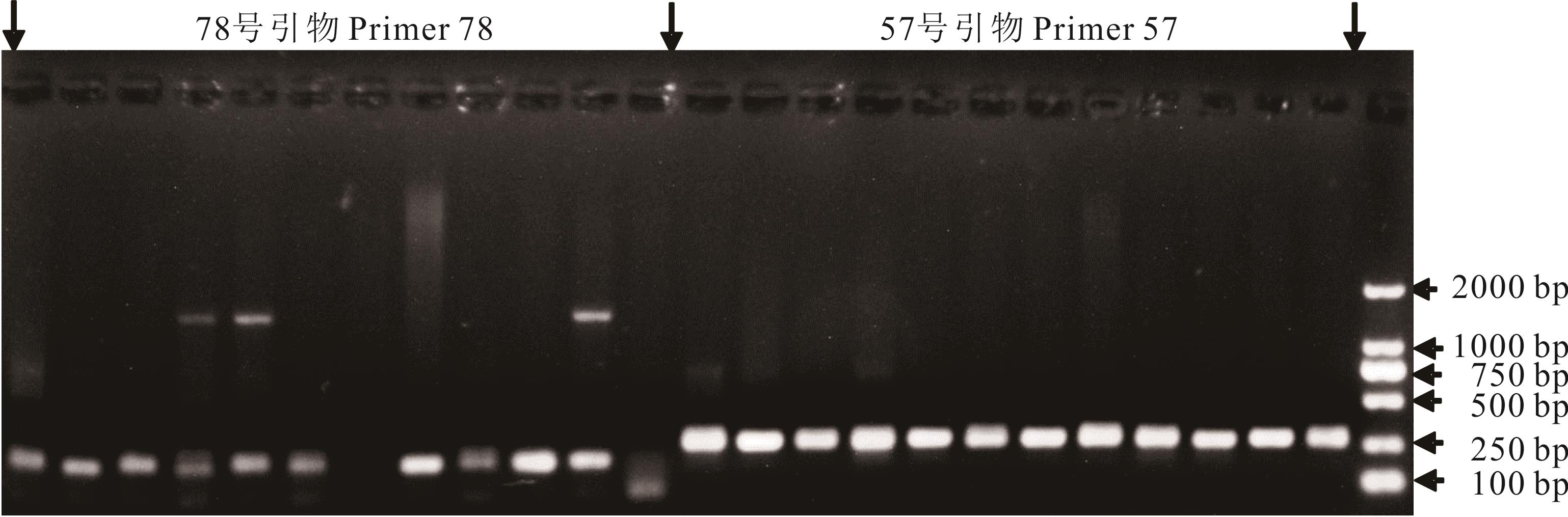
Fig.1 Agarose gel electrophoresis profiles of two primers pairs
引物 编号 NO. | 重复基元 Repetition type | 正向引物 Forward primer (5′-3′) | 反向引物 Reverse primer (5′-3′) | 产物大小 Product size (bp) | 退火温度 Annealing temperature (℃) |
|---|---|---|---|---|---|
| SR57 | (GTTGG)5 | TGATGATTGGAGCGAGCGAAGT | GAGAAGCGAAAAAAAGGGAGGC | 291~318 | 57.5 |
| SR78 | (GTAG)5 | GGGTCCTTTACCTGACTCCTC | CACCCAATCGCAAACAGC | 163~247 | 56.5 |
| SR87 | (CAAT)5 | TCCCGCAAGGAAAAAGAG | CAGCACAAACGAAAAATAAAAATA | 371~399 | 51.0 |
| SR91 | (GAGCCT)5 | ATCGCCCGTGTCTCCTGTTTC | CGCAAGAAAACATCTCCACACAAGT | 349~385 | 57.5 |
| SR106 | (GGTT)7 | CAAAGTCGTGGGTCAGGTGTC | CCACAAGAACCAGCCAATACAAA | 254~298 | 57.5 |
| SR108 | (TGTA)10 | AGGCACAACTAATAGCAAGCA | CAATCGCTAACGCTGACG | 139~197 | 55.0 |
| SR112 | (GCCT)6 | GCAGCCGCCGACTACCTACT | AAACCACCGCGAAGACAACA | 233~261 | 59.5 |
| SR119 | (ATTT)5 | GGACCTGACCATCCATCTAAACT | TCGTTCTCGGTCGCTTTGT | 176~196 | 57.5 |
| SR120 | (CTAT)10 | CGGCTGCTCTTGGTTGATG | CGGTTAGGTGGGCTGGTTC | 202~254 | 60.5 |
| SR121 | (TGAC)6 | GACAACGGAAATGTGCCTGAG | TGGGTGGAGTTCCCTTTAGTTT | 229~281 | 57.5 |
| SR125 | (ACGC)9 | GCCGTCGCCAGTTCATTC | CTGCCTGACTCCAAGAGGAAATA | 265~301 | 59.5 |
| SR127 | (GTAT)5 | GGGAATGGACAGATTGGTTGA | GCTGACTGGTAACACGAAAGAAAA | 148~192 | 60.5 |
| SR129 | (ACGC)9 | GCCGTCGCCAGTTCATTC | CTGCCTGACTCCAAGAGGAAATA | 266~302 | 59.5 |
| SR130 | (AGAT)5 | CAGGTCCAGATGCCAAGC | GACAACAGAATACTACATTACACGG | 255~279 | 57.5 |
| SR131 | (AGAT)5 | GAACCCGCTCACTCTCTGAATGG | TCACCCAGACTTGGAAGCAAACTA | 422~516 | 59.5 |
Table 5 Information of 15 pairs of polymorphic SSR primers developed for L. racemosa
引物 编号 NO. | 重复基元 Repetition type | 正向引物 Forward primer (5′-3′) | 反向引物 Reverse primer (5′-3′) | 产物大小 Product size (bp) | 退火温度 Annealing temperature (℃) |
|---|---|---|---|---|---|
| SR57 | (GTTGG)5 | TGATGATTGGAGCGAGCGAAGT | GAGAAGCGAAAAAAAGGGAGGC | 291~318 | 57.5 |
| SR78 | (GTAG)5 | GGGTCCTTTACCTGACTCCTC | CACCCAATCGCAAACAGC | 163~247 | 56.5 |
| SR87 | (CAAT)5 | TCCCGCAAGGAAAAAGAG | CAGCACAAACGAAAAATAAAAATA | 371~399 | 51.0 |
| SR91 | (GAGCCT)5 | ATCGCCCGTGTCTCCTGTTTC | CGCAAGAAAACATCTCCACACAAGT | 349~385 | 57.5 |
| SR106 | (GGTT)7 | CAAAGTCGTGGGTCAGGTGTC | CCACAAGAACCAGCCAATACAAA | 254~298 | 57.5 |
| SR108 | (TGTA)10 | AGGCACAACTAATAGCAAGCA | CAATCGCTAACGCTGACG | 139~197 | 55.0 |
| SR112 | (GCCT)6 | GCAGCCGCCGACTACCTACT | AAACCACCGCGAAGACAACA | 233~261 | 59.5 |
| SR119 | (ATTT)5 | GGACCTGACCATCCATCTAAACT | TCGTTCTCGGTCGCTTTGT | 176~196 | 57.5 |
| SR120 | (CTAT)10 | CGGCTGCTCTTGGTTGATG | CGGTTAGGTGGGCTGGTTC | 202~254 | 60.5 |
| SR121 | (TGAC)6 | GACAACGGAAATGTGCCTGAG | TGGGTGGAGTTCCCTTTAGTTT | 229~281 | 57.5 |
| SR125 | (ACGC)9 | GCCGTCGCCAGTTCATTC | CTGCCTGACTCCAAGAGGAAATA | 265~301 | 59.5 |
| SR127 | (GTAT)5 | GGGAATGGACAGATTGGTTGA | GCTGACTGGTAACACGAAAGAAAA | 148~192 | 60.5 |
| SR129 | (ACGC)9 | GCCGTCGCCAGTTCATTC | CTGCCTGACTCCAAGAGGAAATA | 266~302 | 59.5 |
| SR130 | (AGAT)5 | CAGGTCCAGATGCCAAGC | GACAACAGAATACTACATTACACGG | 255~279 | 57.5 |
| SR131 | (AGAT)5 | GAACCCGCTCACTCTCTGAATGG | TCACCCAGACTTGGAAGCAAACTA | 422~516 | 59.5 |

Fig.2 The capillary electrophoresis spectrum diagram for three samples in 88 population based on 78 SSR primers
引物编号 NO. | 观测等位基因数 Observed number of alleles (Na) | 有效等位基因数 Effective number of alleles (Ne) | Shannon’s信息指数 Shannon’s information index (I) | 观测杂合度 Observed heterozygosity (Ho) | 期望杂合度 Expected heterozygosity (He) | 多态性信息含量 Polymorphic information content (PIC) |
|---|---|---|---|---|---|---|
| SR57 | 6 | 4.5441 | 1.5808 | 0.9825 | 0.7868 | 0.7435 |
| SR78 | 13 | 7.9152 | 2.2157 | 1.0000 | 0.8800 | 0.8610 |
| SR87 | 7 | 2.9388 | 1.3745 | 0.6341 | 0.6679 | 0.6210 |
| SR91 | 6 | 2.7487 | 1.2149 | 0.9870 | 0.6404 | 0.5670 |
| SR106 | 9 | 4.1166 | 1.6314 | 0.9589 | 0.7623 | 0.7190 |
| SR108 | 12 | 5.1392 | 1.9508 | 0.9333 | 0.8122 | 0.7840 |
| SR112 | 8 | 2.6828 | 1.2844 | 0.8312 | 0.6314 | 0.5830 |
| SR119 | 5 | 1.9719 | 0.9952 | 0.3793 | 0.5015 | 0.4620 |
| SR120 | 11 | 6.6667 | 2.1061 | 0.9400 | 0.8586 | 0.8340 |
| SR121 | 10 | 4.8518 | 1.8239 | 0.9667 | 0.8073 | 0.7690 |
| SR125 | 8 | 5.6082 | 1.8138 | 0.7067 | 0.8272 | 0.7970 |
| SR127 | 7 | 4.7393 | 1.7108 | 0.9661 | 0.7957 | 0.7610 |
| SR129 | 8 | 4.8313 | 1.6973 | 0.7083 | 0.7986 | 0.7620 |
| SR130 | 7 | 5.2630 | 1.7644 | 0.9744 | 0.8205 | 0.7830 |
| SR131 | 15 | 7.6809 | 2.2747 | 0.8947 | 0.8814 | 0.8570 |
| 平均值±标准差Mean±standard deviation | 8.8000±2.8586 | 4.7799±1.7557 | 1.6959±0.3670 | 0.8575±0.1770 | 0.7648±0.1073 | 0.7270±0.1125 |
Table 6 Amplification analysis of 15 pairs of SSR primers in L. racemosa
引物编号 NO. | 观测等位基因数 Observed number of alleles (Na) | 有效等位基因数 Effective number of alleles (Ne) | Shannon’s信息指数 Shannon’s information index (I) | 观测杂合度 Observed heterozygosity (Ho) | 期望杂合度 Expected heterozygosity (He) | 多态性信息含量 Polymorphic information content (PIC) |
|---|---|---|---|---|---|---|
| SR57 | 6 | 4.5441 | 1.5808 | 0.9825 | 0.7868 | 0.7435 |
| SR78 | 13 | 7.9152 | 2.2157 | 1.0000 | 0.8800 | 0.8610 |
| SR87 | 7 | 2.9388 | 1.3745 | 0.6341 | 0.6679 | 0.6210 |
| SR91 | 6 | 2.7487 | 1.2149 | 0.9870 | 0.6404 | 0.5670 |
| SR106 | 9 | 4.1166 | 1.6314 | 0.9589 | 0.7623 | 0.7190 |
| SR108 | 12 | 5.1392 | 1.9508 | 0.9333 | 0.8122 | 0.7840 |
| SR112 | 8 | 2.6828 | 1.2844 | 0.8312 | 0.6314 | 0.5830 |
| SR119 | 5 | 1.9719 | 0.9952 | 0.3793 | 0.5015 | 0.4620 |
| SR120 | 11 | 6.6667 | 2.1061 | 0.9400 | 0.8586 | 0.8340 |
| SR121 | 10 | 4.8518 | 1.8239 | 0.9667 | 0.8073 | 0.7690 |
| SR125 | 8 | 5.6082 | 1.8138 | 0.7067 | 0.8272 | 0.7970 |
| SR127 | 7 | 4.7393 | 1.7108 | 0.9661 | 0.7957 | 0.7610 |
| SR129 | 8 | 4.8313 | 1.6973 | 0.7083 | 0.7986 | 0.7620 |
| SR130 | 7 | 5.2630 | 1.7644 | 0.9744 | 0.8205 | 0.7830 |
| SR131 | 15 | 7.6809 | 2.2747 | 0.8947 | 0.8814 | 0.8570 |
| 平均值±标准差Mean±standard deviation | 8.8000±2.8586 | 4.7799±1.7557 | 1.6959±0.3670 | 0.8575±0.1770 | 0.7648±0.1073 | 0.7270±0.1125 |
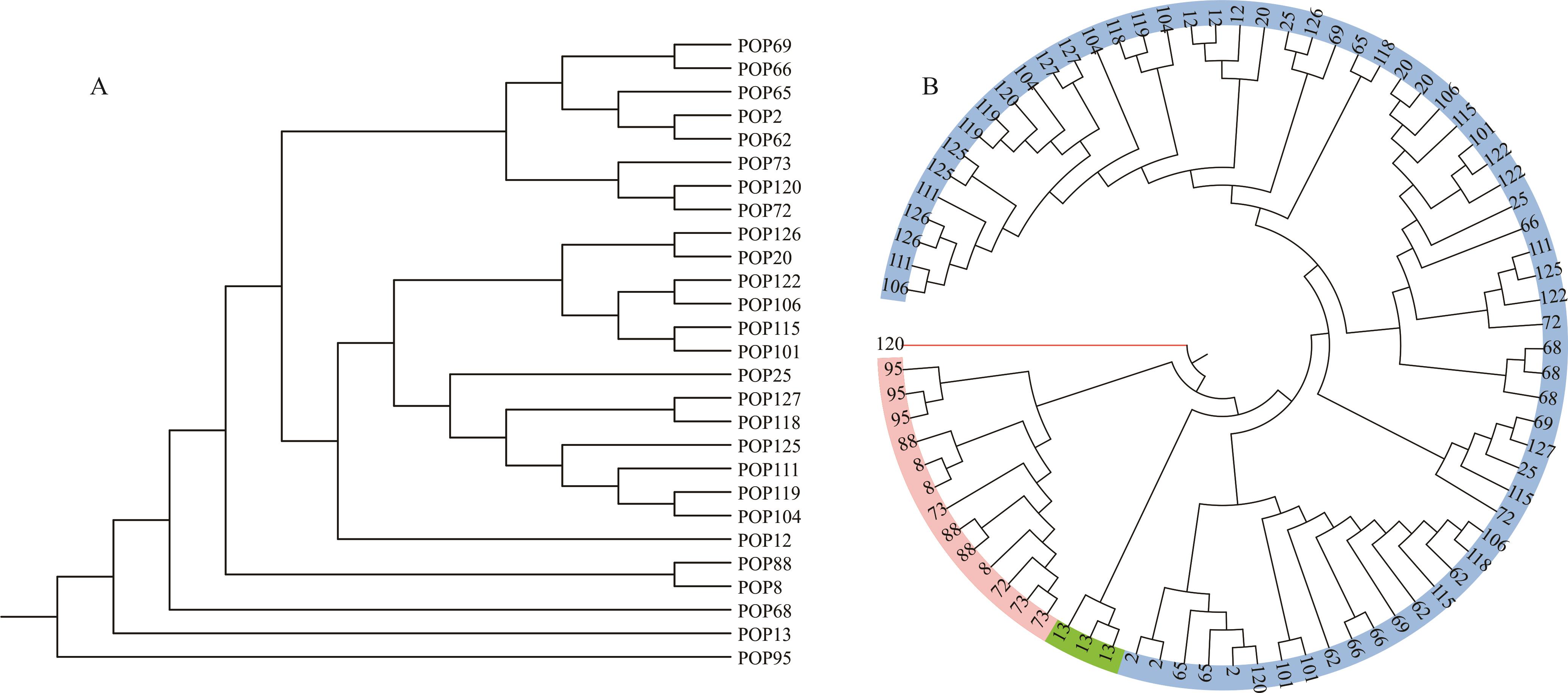
Fig.3 UPGMA dendrogram for L. racemosa based on SSR markers
| 1 | Liu L, Guo B Z. Flora of China (Volume 9, Book 2). Beijing: Science Press, 2002: 377-380. |
| 刘亮, 郭本兆. 中国植物志(第九卷第二分册). 北京: 科学出版社, 2002: 377-380. | |
| 2 | Lyu T, Liu Y P, Zhou Y H, et al. Germplasm collection and taxonomic review of Littledalea (Poaceae) in the Qinghai-Tibet Plateau.Hubei Agricultural Sciences, 2018, 57(22): 11-13. |
| 吕婷, 刘玉萍, 周勇辉, 等. 青藏高原扇穗茅属的分类现状及种质资源收集. 湖北农业科学, 2018, 57(22): 11-13. | |
| 3 | Hooker J D. Flora of British India. London: L.Reeve & Co, 1897: 2472-2473. |
| 4 | Geng Y L. Illustration for main plants in China-Poaceae. Beijing: Science Press, 1959: 254-257. |
| 耿以礼. 中国主要植物图说-禾本科. 北京: 科学出版社, 1959: 254-257. | |
| 5 | Tzvelev N N. Planta Asiae centralium. Aedibus: Nauka, 1968: 173-174. |
| 6 | Wu Z Y. Flora of Xizang (Volume 5). Beijing: Science Press, 1987: 138-139. |
| 吴征镒. 西藏植物志(第五卷). 北京: 科学出版社, 1987: 138-139. | |
| 7 | Lu S L. Littledalea, flora of Qinghai (Volume 4). Xining: Qinghai People’s Publishing House, 1999: 72-74. |
| 卢生莲. 扇穗茅属,青海植物志(第四卷). 西宁: 青海人民出版社, 1999: 72-74. | |
| 8 | Zhou Y H. Species delimitation of Littledalea (Poaceae), an endemic genus from the Qinghai-Tibet Plateau. Xining: Qinghai Normal University, 2017. |
| 周勇辉. 青藏高原特有属-扇穗茅属的物种界定研究. 西宁: 青海师范大学, 2017. | |
| 9 | Liu Y P, Lyu T, Zhu D, et al. Sequencing and alignment analysis of the complete chloroplast genome of Littledalea tibetica, an endemic species from the Qinghai-Tibet Plateau.Bulletin of Botanical Research, 2018, 38(4): 518-525. |
| 刘玉萍, 吕婷, 朱迪, 等. 青藏高原特有种-藏扇穗茅叶绿体基因组测序及序列分析. 植物研究, 2018, 38(4): 518-525. | |
| 10 | Liu T, Liu Y P, Lyu T, et al. Potential distribution of Littledalea, an endemic genus from the Qinghai-Tibet Plateau, predicted by Biomod 2 models.Acta Agrestia Sinica, 2020, 28(6): 1650-1656. |
| 刘涛, 刘玉萍, 吕婷, 等. 基于Biomod 2组合模型预测青藏高原特有属扇穗茅属物种的潜在分布. 草地学报, 2020, 28(6): 1650-1656. | |
| 11 | Yang P, Su X, Liu Y P, et al. Chromosome number and karyotype analysis from different populations of Littledalea racemosa. Acta Agrestia Sinica, 2022, 30(7): 1712-1720. |
| 杨萍, 苏旭, 刘玉萍, 等. 扇穗茅不同居群染色体数目及核型分析. 草地学报, 2022, 30(7): 1712-1720. | |
| 12 | Kalia R K, Rar M K, Kalia S, et al. Microsatellite markers: An overview of the recent progress in plants. Euphytica, 2011, 177(3): 309-334. |
| 13 | Gao T X, Cai Y L, Feng Y, et al. Genetic diversity and genetic structure of Prunus pseudocerasus populations from China as revealed by SSR markers. Acta Horticulturae Sinica, 2016, 43(6): 1148-1156. |
| 高天翔, 蔡宇良, 冯瑛, 等. 中国樱桃14个自然居群遗传多样性和遗传结构的SSR评价. 园艺学报, 2016, 43(6): 1148-1156. | |
| 14 | Gao C C, Yan L P, Wu D J, et al. Analysis of the genetic diversity and population structure of Fraxinus spp. populations based on SSR markers. Journal of Central South University of Forestry & Technology, 2023, 43(6): 69-78. |
| 高铖铖, 燕丽萍, 吴德军, 等. 基于SSR标记的白蜡群体遗传多样性和群体结构分析. 中南林业科技大学学报, 2023, 43(6): 69-78. | |
| 15 | Yan R J, Schnabel K E, Rowden A A, et al. Population structure and genetic connectivity of squat lobsters (Munida Leach, 1820) associated with vulnerable marine ecosystems in the southwest Pacific Ocean. Frontiers in Marine Science, 2020, 6: 791. |
| 16 | Sun L J, He J J, Wang J, et al. Development of SSR markers based on full-length transcriptome sequencing and genetic diversity analysis of Halogeton glomeratus. Acta Prataculturae Sinica, 2022, 31(8): 199-210. |
| 孙禄娟, 何建军, 汪军, 等. 基于全长转录组测序的盐生草SSR标记开发及其遗传多样性分析. 草业学报, 2022, 31(8): 199-210. | |
| 17 | Nie J R, Zhang W J, Zheng Y, et al. Advances in molecular markers and transcriptomics of Hemarthria compressa.Journal of Grassland and Forage Science, 2021(6): 1-8. |
| 聂嘉荣, 张文浚, 郑燕, 等. 扁穗牛鞭草分子标记及转录组学研究进展. 草业与畜牧, 2021(6): 1-8. | |
| 18 | Gao J P, Wang D, Cao L Y, et al. Transcriptome sequencing of Codonopsis pilosula and identification of candidate genes involved in polysaccharide biosynthesis. PLoS One, 2015, 10(2): 117-134. |
| 19 | Porebski S, Bailey L G, Baum B R. Modification of a CTAB DNA extraction protocol for plants containing high polysaccharide and polyphenol components. Plant Molecular Biology Reporter, 1997, 15(1): 8-15. |
| 20 | Peakall R, Smouse P E. GenAlEx 6.5: genetic analysis in excel. Population genetic software for teaching and research-an update. Bioinformatics, 2012, 28(19): 2537-2539. |
| 21 | Yeh F C, Yang R C, Boyle T, et al. POPGENE Version 1.32 Microsoft windows-based freeware for populations genetic analysis Version 1.31. Edmonton: University of Alberta, and Tim Boyle, Centre for International Forestry Research, 1999. |
| 22 | Kalinowski S T, Taper M L, Marshall T C. Revising how the computer program CERVUS accommodates genotyping error increases success in paternity assignment. Molecular Ecology, 2007, 16(5): 1099-1106. |
| 23 | Nei M F, Tajima F, Tateno Y. Accuracy of estimated phylogenetic trees from molecular data. II. Gene frequency data. Journal of Molecular Evolution, 1982, 19(2): 153-170. |
| 24 | Zhang X Y, Zhang X L, Li N, et al. Development and application of genomic SSR markers in Rosa persica. Journal of Central South University of Forestry & Technology, 2024, 44(6): 186-194. |
| 张雪云, 张晓龙, 李娜, 等. 单叶蔷薇基因组SSR标记开发与应用. 中南林业科技大学学报, 2024, 44(6): 186-194. | |
| 25 | Song Y, Zhang X R, He J X, et al. Genetic diversity analysis of Sophora flavescens Ait. germplasm resources based on cpSSR markers. Crops, 2023, 39(1): 30-37. |
| 宋芸, 张鑫瑞, 贺嘉欣, 等. 基于叶绿体SSR分子标记的苦参种质资源遗传多样性分析. 作物杂志, 2023, 39(1): 30-37. | |
| 26 | Zhao Q J, Xie T, Hu Y Q, et al. Identification of Alpinia officinarum Hance cultivation types based on EST-SSR molecular markers. Molecular Plant Breeding, 2023, 21(2): 557-565. |
| 赵全杰, 谢腾, 胡雨晴, 等. 基于EST-SSR分子标记技术的高良姜栽培类型的鉴别. 分子植物育种, 2023, 21(2): 557-565. | |
| 27 | Yin H, Li B, Zhang M Z, et al. Analysis of SSR sequence characteristics of Hordeum brevisubulatum transcriptome. Molecular Plant Breeding, 2021, 8: 1-9. |
| 尹航, 李冰, 张明智, 等. 短芒大麦草转录组SSR序列特征分析. 分子植物育种, 2021, 8: 1-9. | |
| 28 | Zhu Y Q, Peng D D, Lin C W, et al. Development of SSR markers based on transcriptome sequence and analysis of genetic diversity in Sorghum sudanense. Acta Prataculturae Sinica, 2018, 27(5): 178-189. |
| 朱永群, 彭丹丹, 林超文, 等. 苏丹草转录组SSR分子标记开发及遗传多样性评价. 草业学报, 2018, 27(5): 178-189. | |
| 29 | Mao X R, Liu Y P, Su X, et al. Characteristics analysis of simple sequence repeat (SSR) loci in Psammochloa villosa (Poaceae) based on transcriptome data.Acta Agrestia Sinica, 2022, 30(8): 1990-2001. |
| 毛轩睿, 刘玉萍, 苏旭, 等. 沙鞭转录组简单重复序列(SSR)位点特征分析. 草地学报, 2022, 30(8): 1990-2001. | |
| 30 | Fu G, Liu Y P, Su X. Analysis of SSR characteristics for Elsholtzia densa Benth. based on transcriptome data. Acta Botanica Boreali-Occidentalia Sinica, 2021, 41(4): 654-663. |
| 富贵, 刘玉萍, 苏旭. 基于转录组数据的密花香薷SSR位点特征分析.西北植物学报, 2021, 41(4): 654-663. | |
| 31 | Yin Y, An W, Zhao J H, et al. SSR information in transcriptome and development of molecular markers in Lycium ruthenicum. Journal of Zhejiang A&F University, 2019, 36(2): 422-428. |
| 尹跃, 安巍, 赵建华, 等. 黑果枸杞转录组SSR信息分析及分子标记开发. 浙江农林大学学报, 2019, 36(2): 422-428. | |
| 32 | Zhang T Y, Song L, Shen Q. EST-SSR distribution characteristics and markers development of Perilla frutescens. Guizhou Agricultural Sciences, 2017, 45(9): 114-118. |
| 张天缘, 宋莉, 沈奇. 紫苏EST-SSR分布特征及标记开发. 贵州农业科学, 2017, 45(9): 114-118. | |
| 33 | Liu X L, Zhang A L, Zhao Y, et al. SSR information analysis and primers selecting for Salvia yunnanensis. Lishizhen Medicine and Materia Medica Research, 2017, 28(9): 2224-2225. |
| 刘小莉, 张爱丽, 赵燕, 等. 云南鼠尾草SSR位点信息分析和引物初筛. 时珍国医国药, 2017, 28(9): 2224-2225. | |
| 34 | Liu X Y, Wei Y K, Li G B. Development and characterization of microsatellite markers for the east Asia Salvia group using transcriptome sequencing. Molecular Plant Breeding, 2019, 17(22): 7445-7452. |
| 刘欣雨, 魏宇昆, 李桂彬. 丹参转录组的微卫星位点(SSR)特征及属内通用引物的开发. 分子植物育种, 2019, 17(22): 7445-7452. | |
| 35 | Haydar K, Crytsal M Y L, Wieland M. Survey of simple sequence repeats in completed fungal genomes. Molecular Biology&Evolution, 2005, 22(3): 639-649. |
| 36 | Shen X B, Zhu Y J, Xu G B. Distribution characteristics of SSR loci and development of molecular markers in Taxus fauna. Journal of Central South University of Forestry & Technology, 2021, 41(4): 139-147. |
| 申响保, 朱妍洁, 徐刚标. 密叶红豆杉SSR位点分布特征及分子标记开发.中南林业科技大学学报, 2021, 41(4): 139-147. | |
| 37 | Zheng C Y. Development of SSR molecular markers and analyses of genetic diversity in Xanthopappus subacaulis (Asteraceae). Xining: Qinghai Normal University, 2023. |
| 郑长远. 黄缨菊SSR分子标记开发及遗传多样性研究. 西宁: 青海师范大学, 2023. | |
| 38 | Thiel T, Michalek W, Varshney R K, et al. Exploiting EST databases for the development and characterization of gene-derived SSR-markers in barley (Hordeum vulgare L.). Theoretical and Applied Genetics, 2003, 106(3): 411-422. |
| 39 | Kantety R V, LaRota M, Matthews D E, et al. Data mining for simple sequence repeats in expressed sequence tags from barley, maize, rice, sorghum and wheat. Plant Molecular Biology, 2002, 48(5/6): 501-510. |
| 40 | Sun J J, Zhou T, Zhang R T, et al. Comparative transcriptomes and development of expressed sequence tag-simple sequence repeat markers for two closely related oak species. Journal of Systematics and Evolution, 2019, 57(5): 440-450. |
| 41 | Botstein D, White R L, Skolnick M, et al. Construction of a genetic linkage map in man using restriction fragment length polymorphisms. American Journal of Human Genetics, 1980, 32(3): 314. |
| [1] | Ting MA, Fen-qi CHEN, Yong WANG, Xue HA, Ya-jun LI, Hui-ling MA. Differentially expressed genes and related pathways in root systems of Astragalus cicer under NaCl stress [J]. Acta Prataculturae Sinica, 2025, 34(4): 104-123. |
| [2] | Ya-qi FENG, Jia-hui CHEN, Jing-ni ZHANG, Chao SUI, Ji-wei CHEN, Zhi-peng LIU, Qiang ZHOU, Wen-xian LIU. Development of high-protein and high-yield associated InDel molecular markers based on re-sequencing in alfalfa [J]. Acta Prataculturae Sinica, 2025, 34(4): 137-149. |
| [3] | Yong-yao FU, Li CAI, Feng-yao LI, Wen-jun YANG, Wen-ji XU, Si-jia JIANG, Li-ping YANG. Induction and molecular and cellular identification of polyploid Lilium davidii var. unicolor [J]. Acta Prataculturae Sinica, 2024, 33(7): 172-181. |
| [4] | Shuo LI, Pei-ying LI, Zong-jiu SUN, Wen LI. Transcriptome analysis-based bermudagrass root RNA sequencing data under drought stress [J]. Acta Prataculturae Sinica, 2024, 33(4): 186-198. |
| [5] | Bing ZENG, Pan-pan SHANG, Bing-na SHEN, Yin-chen WANG, Ming-hao QU, Yang YUAN, Lei BI, Xing-yun YANG, Wen-wen LI, Xiao-li ZHOU, Yu-qian ZHENG, Wen-qiang GUO, Yan-long FENG, Bing ZENG. Differentially expressed genes and related pathways in root systems of Dactylis glomerata under flooding stress [J]. Acta Prataculturae Sinica, 2024, 33(2): 93-111. |
| [6] | Tian TIAN, Jun-qiao LI, Bin MA, Xin-ci WANG, Jun-ru QU. Study on sampling strategy of Potentilla anserina in the wild based on SSR molecular markers [J]. Acta Prataculturae Sinica, 2023, 32(9): 181-197. |
| [7] | Hao ZHANG, Hai-ying HU, Hui-xia LI, Hai-ming HE, Shuang MA, Feng-hua MA, Ke-chen SONG. Physiological response and transcriptome analysis of the desert steppe dominant plant Lespedeza potaninii to drought stress [J]. Acta Prataculturae Sinica, 2023, 32(7): 188-205. |
| [8] | Jia-qi DONG, Yan-ting YANG, Wen-qiang FAN, Jia-ni WANG, Feng-ling SHI. Identification of Medicago ruthenica hybrids and heterosis analysis of main agronomic traits in F1 and F2 [J]. Acta Prataculturae Sinica, 2023, 32(7): 229-239. |
| [9] | Ting CUI, Yong WANG, Hui-ling MA. Analysis of the key exogenous IAA-induced gene expression levels and metabolic pathways involved in long-distance translocation of Cd in Poa pratensis [J]. Acta Prataculturae Sinica, 2023, 32(6): 146-156. |
| [10] | Lu-juan SUN, Jian-jun HE, Jun-cheng WANG, Li-rong YAO, Er-jing SI, Ke YANG, Bao-chun LI, Xiao-le MA, Xun-wu SHANG, Ya-xiong MENG, Hua-jun WANG. Development of SSR markers based on full-length transcriptome sequencing and genetic diversity analysis of Halogeton glomeratus [J]. Acta Prataculturae Sinica, 2022, 31(8): 199-210. |
| [11] | Jing PAN, Jun-chao ZHANG, You-jun CHEN, Qing-ping ZHOU. Genetic diversity analysis and fingerprint construction of Elymus germplasm based on SCoT markers [J]. Acta Prataculturae Sinica, 2022, 31(11): 48-60. |
| [12] | Guo-fang WU, Xiao-xia YU, Zhuo YU, Dong-sheng YANG, Qian-qian LU. Screening and identification of target fragments with low cyanide traits of sorghum-sudangrass hybrid using BSA-SSR [J]. Acta Prataculturae Sinica, 2021, 30(7): 82-92. |
| [13] | Jing ZHOU, Si-qi CHEN, Wen-jiao SHI, Fu-lin YANG, Hui LIN, Zhan-xi LIN. Transcriptome analyses of functional genes in young leaves and roots of Giant Juncao [J]. Acta Prataculturae Sinica, 2021, 30(2): 143-155. |
| [14] | SHU Xin-yue, JIANG Bo, MA Li, ZHENG Ai-ping. Transcriptome analysis of Tilletia horrida at different infection time points [J]. Acta Prataculturae Sinica, 2020, 29(9): 190-202. |
| [15] | DING Yong-fu, WANG Ji-liang, CHEN Fen-qi, ZHUANG Ze-long, BAI Ming-xing, LU Yan-tian, JIN Bing-bing, PENG Yun-ling. Correlation between SSR diversity and ear traits of maize inbred lines [J]. Acta Prataculturae Sinica, 2020, 29(7): 143-153. |
| Viewed | ||||||
|
Full text |
|
|||||
|
Abstract |
|
|||||
