
ISSN 1004-5759 CN 62-1105/S
Acta Prataculturae Sinica ›› 2027, Vol. 36 ›› Issue (1): 101-111.DOI: 10.11686/cyxb2026036
Xue WANG1( ), Li JIANG2(), Yan XIA1, Qing-sheng CAI1, Lai-qing LOU1()
Received:2026-01-21
Revised:2026-04-16
Online:2027-01-20
Published:2026-11-25
Contact:
Lai-qing LOU
Xue WANG, Li JIANG, Yan XIA, Qing-sheng CAI, Lai-qing LOU. Plant growth-promoting bacteria improve salt tolerance of Apocynum pictum by enhancing osmolyte accumulation and Na⁺/K⁺ homeostasis[J]. Acta Prataculturae Sinica, 2027, 36(1): 101-111.
项目 Item | 浓度 Concentration (mg | 项目 Item | 浓度 Concentration (mg | 项目 Item | 浓度 Concentration (mg |
|---|---|---|---|---|---|
| NH4NO3 | 825.0 | 维生素B1 Vitamin B1 | 0.05 | MnSO4 | 7.55 |
| KNO3 | 950.0 | 维生素B6 Vitamin B6 | 0.25 | Na2MoO4 | 0.075 |
| CaCl2 | 116.1 | 甘氨酸Glycine | 1.00 | CoCl2 | 0.007 |
| MgSO4 | 90.35 | 肌醇Inositol | 50.0 | KI | 0.415 |
| KH2PO4 | 85.0 | 烟酸Niacin | 0.25 | H3BO3 | 3.10 |
| ZnSO4·7H2O | 5.30 | 蔗糖Sucrose | 15000 | NaFeEDTA | 18.35 |
| CuSO4·5H2O | 0.0125 | 琼脂Agar | 10000 |
Table 1 The components and concentrations of 1/2 MS medium
项目 Item | 浓度 Concentration (mg | 项目 Item | 浓度 Concentration (mg | 项目 Item | 浓度 Concentration (mg |
|---|---|---|---|---|---|
| NH4NO3 | 825.0 | 维生素B1 Vitamin B1 | 0.05 | MnSO4 | 7.55 |
| KNO3 | 950.0 | 维生素B6 Vitamin B6 | 0.25 | Na2MoO4 | 0.075 |
| CaCl2 | 116.1 | 甘氨酸Glycine | 1.00 | CoCl2 | 0.007 |
| MgSO4 | 90.35 | 肌醇Inositol | 50.0 | KI | 0.415 |
| KH2PO4 | 85.0 | 烟酸Niacin | 0.25 | H3BO3 | 3.10 |
| ZnSO4·7H2O | 5.30 | 蔗糖Sucrose | 15000 | NaFeEDTA | 18.35 |
| CuSO4·5H2O | 0.0125 | 琼脂Agar | 10000 |
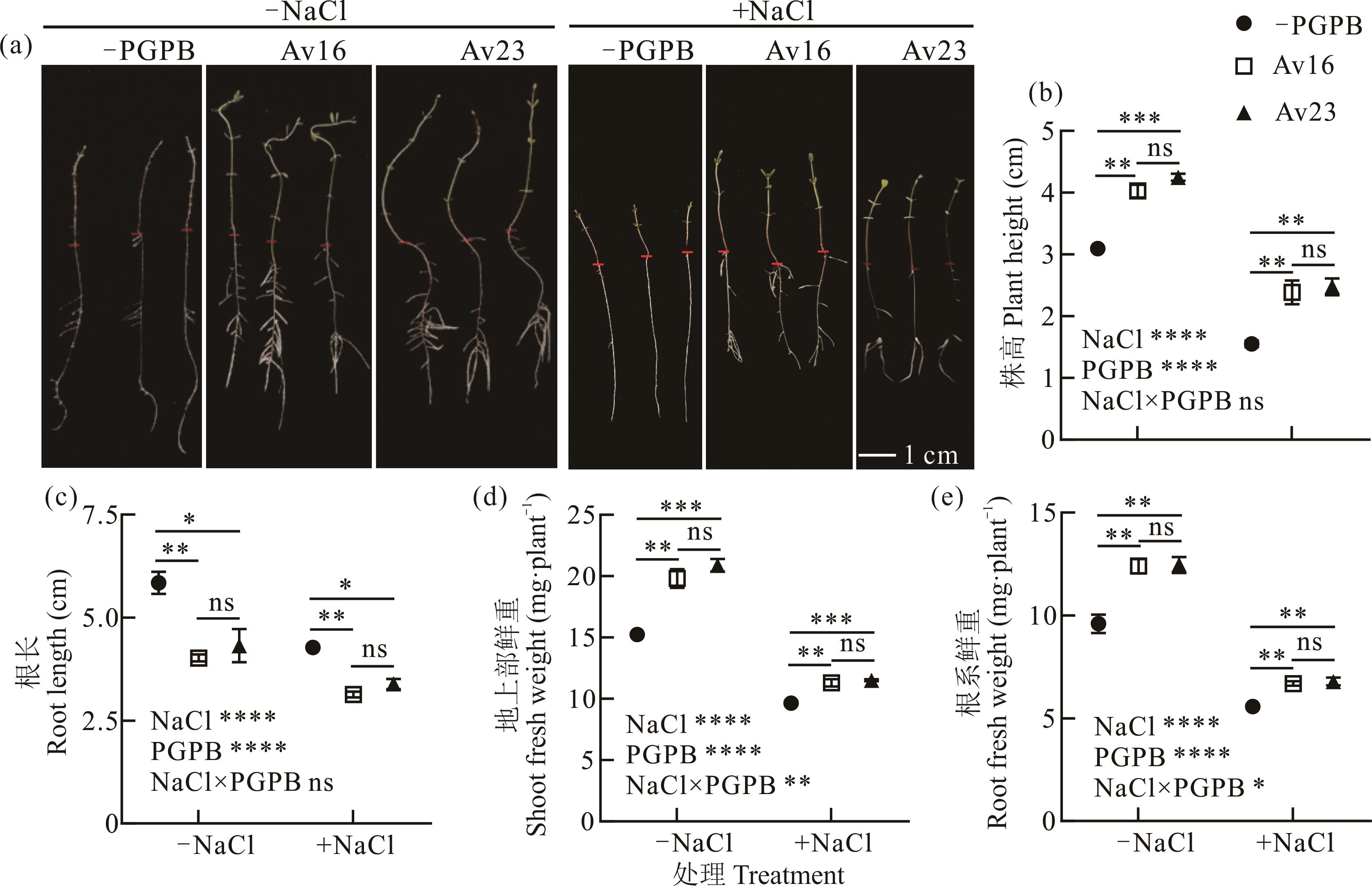
Fig.1 Effects of plant growth-promoting bacteria (PGPB) strains Enterobacter sp. Av16 and Acinetobacter sp. Av23 on the growth of A. pictum seedlings
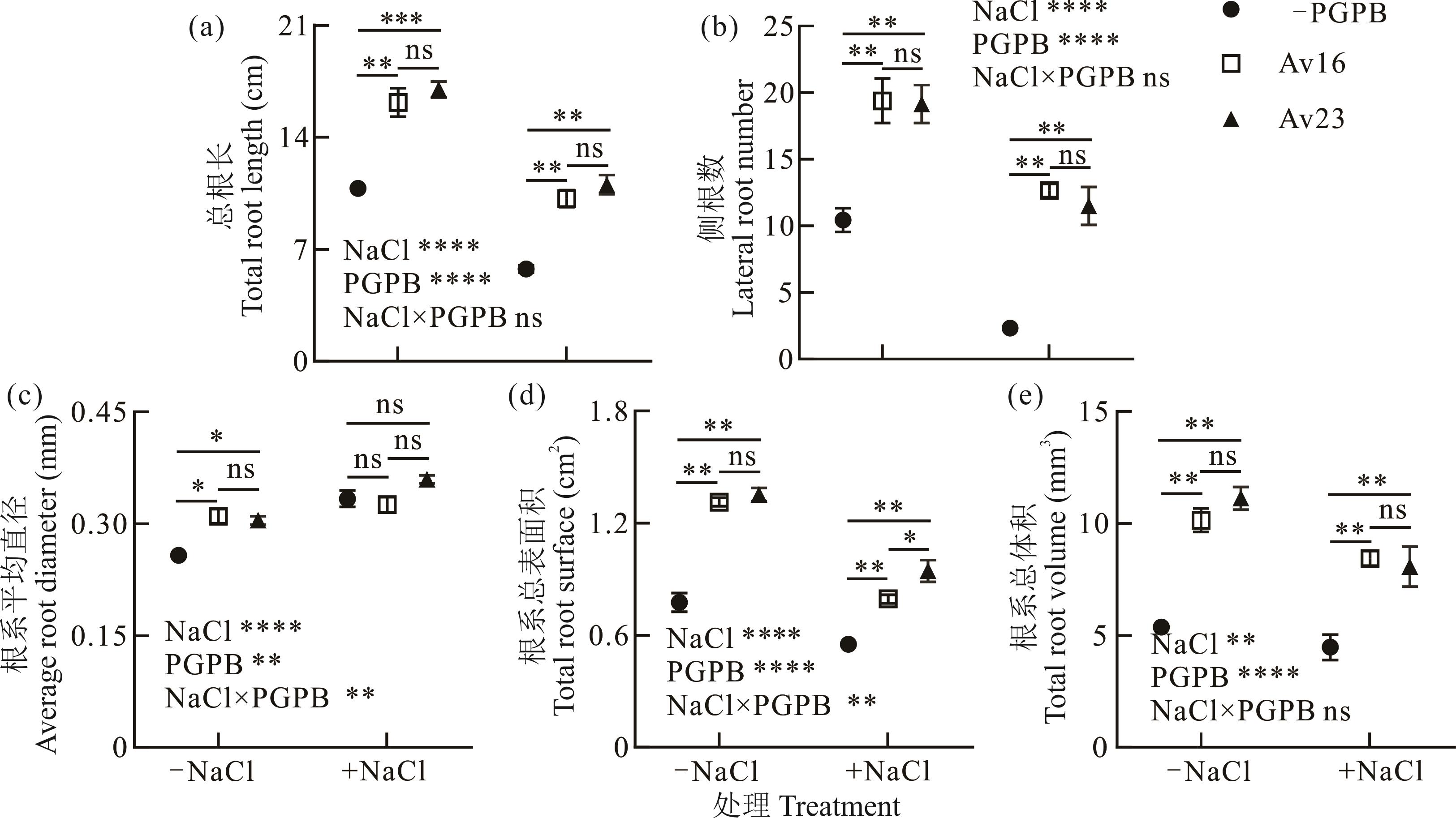
Fig.2 Effects of plant growth-promoting bacteria (PGPB) strains Enterobacter sp. Av16 and Acinetobacter sp. Av23 on root morphology of A. pictum seedlings
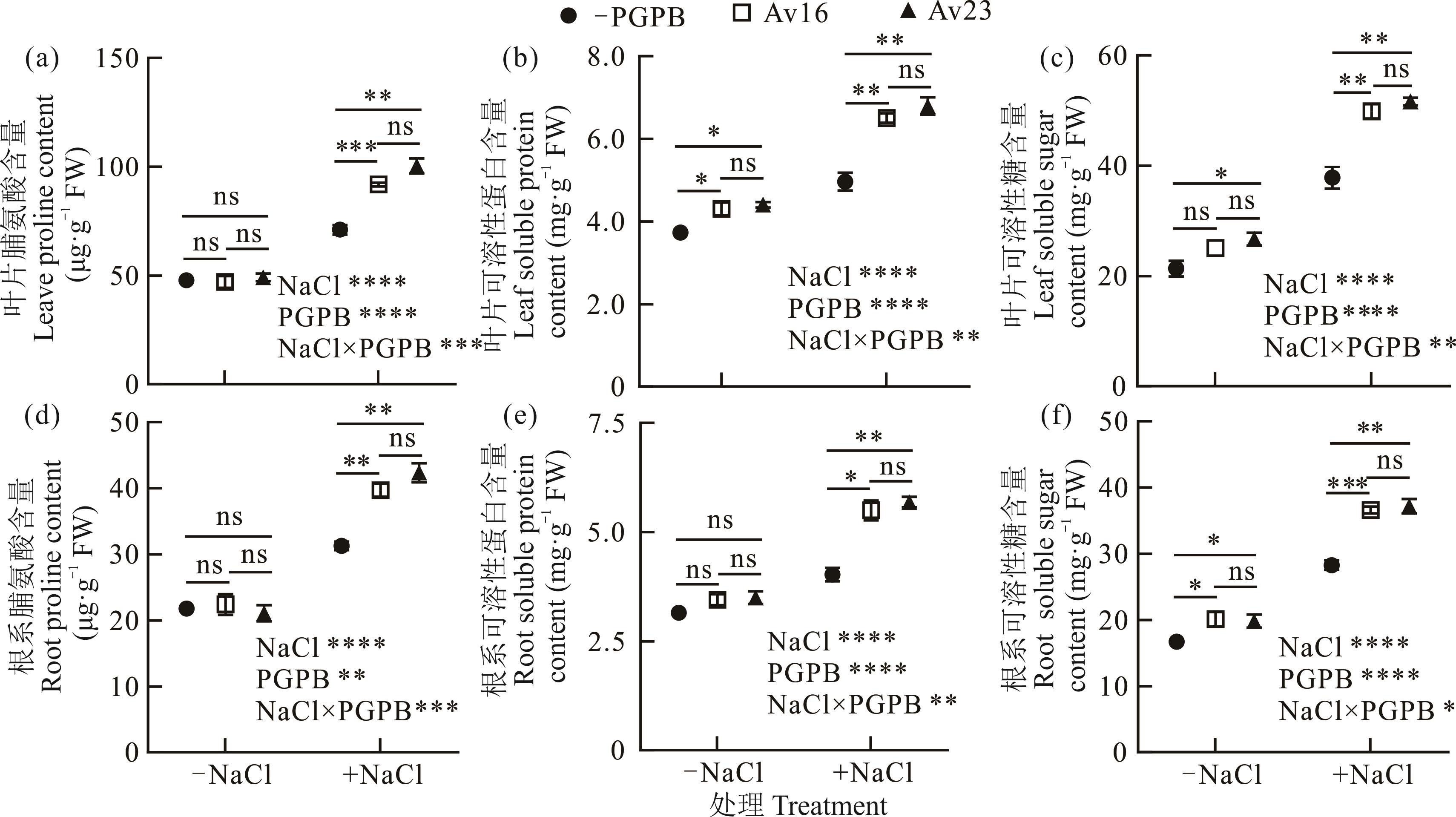
Fig.3 Effects of plant growth-promoting bacteria (PGPB) strains Enterobacter sp. Av16 and Acinetobacter sp. Av23 on the contents of proline, soluble sugar and soluble protein of A. pictum seedlings
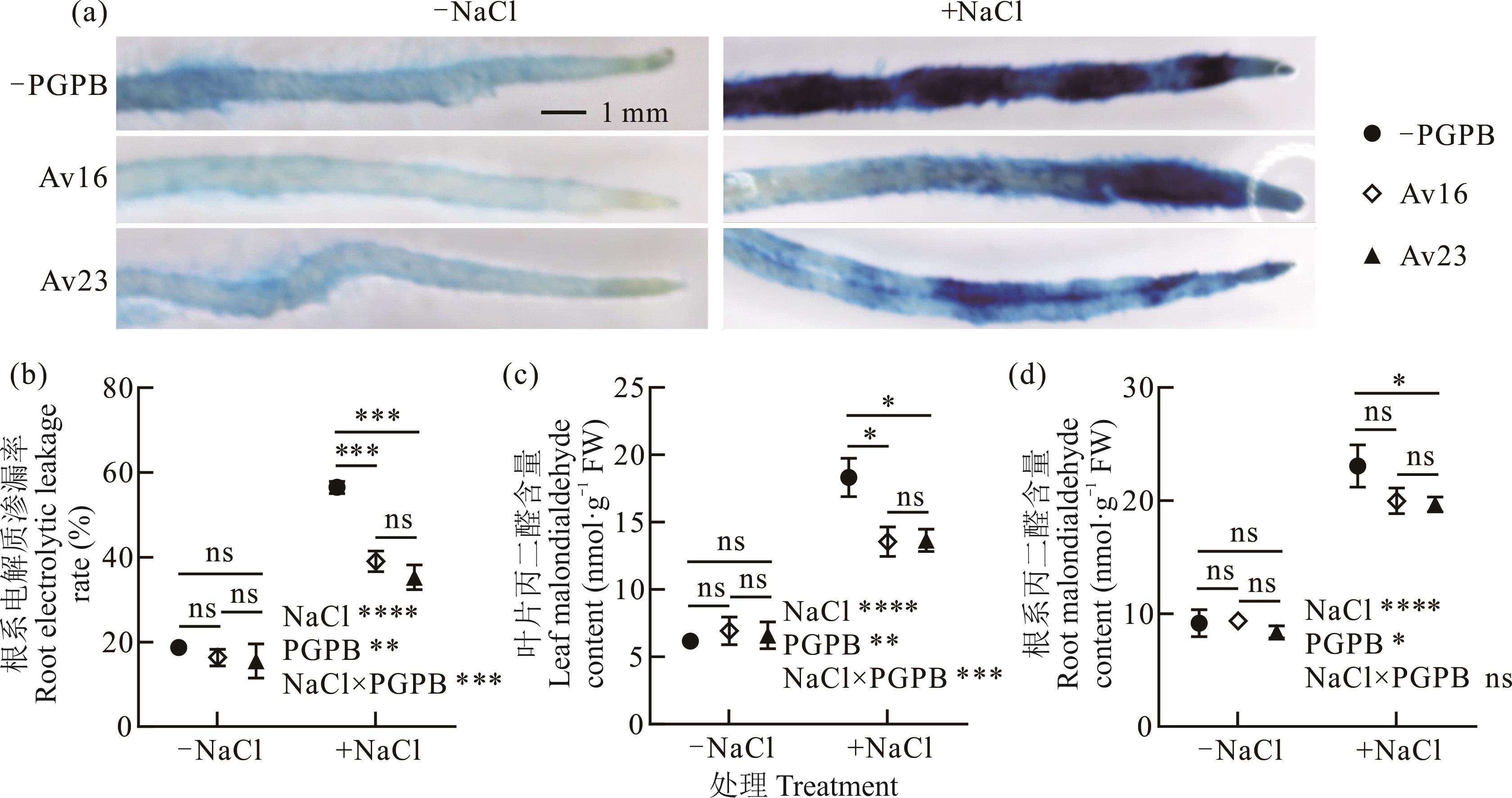
Fig.4 Effects of plant growth-promoting bacteria (PGPB) strains Enterobacter sp. Av16 and Acinetobacter sp. Av23 on plasma membrane integrity, root ion leakage and malondialdehyde (MDA) content of A. pictum seedlings
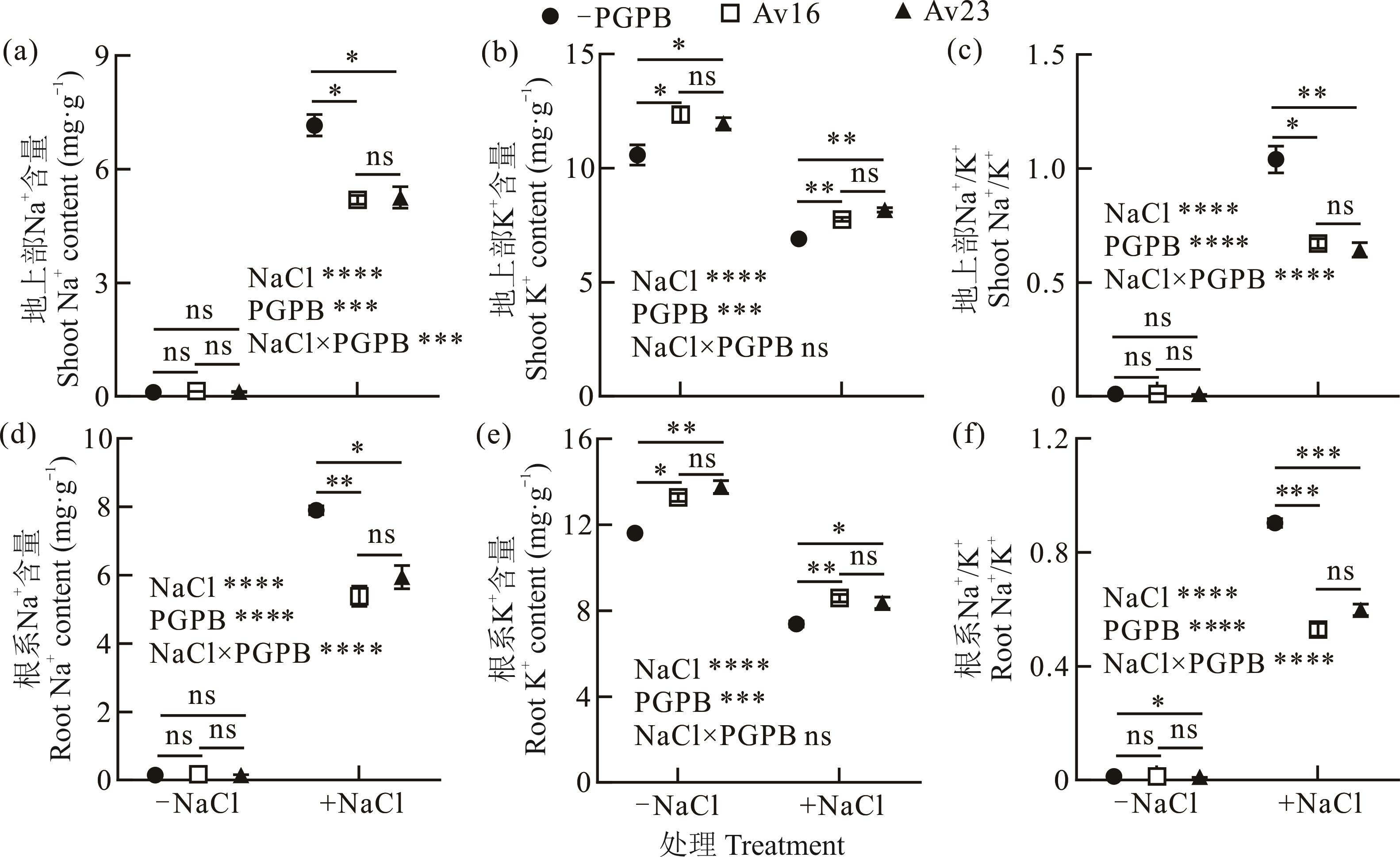
Fig.5 Effects of plant growth-promoting bacteria (PGPB) strains Enterobacter sp. Av16 and Acinetobacter sp. Av23 on Na+, K+ content and Na+/K+ of A. pictum seedlings

Fig.6 Effects of plant growth-promoting bacteria (PGPB) strains Enterobacter sp. Av16 and Acinetobacter sp. Av23 on net K+ and Na+ influx, average K+ and Na+ flux rate in roots of A. pictum seedlings (n=5)
| [1] | Ren Y P, Zhang J L, Yang G, et al. Survey of wild hemp resource in the two rivers valley of Tarim Basin on Xinjiang. Pratacultural Science, 2008, 25(4): 37-41. |
| 任玉平, 张江玲, 扬刚, 等. 新疆塔里木盆地两河流域野生麻资源调查. 草业科学, 2008, 25(4): 37-41. | |
| [2] | Jiang L, She C W, Tian C Y, et al. Storage period and different abiotic factors regulate seed germination of two Apocynum species-cash crops in arid saline regions in the northwestern China. Frontiers in Plant Science, 2021, 12: 671157. |
| [3] | Han Z J, Zhao Q Q, Jiang L. Study on salt tolerance characteristics of medicinal plants Apocynum venetum and Apocynum pictum. Acta Agrestia Sinica, 2025, 33(6): 1800-1806. |
| 韩占江, 赵晴晴, 姜黎. 药用植物罗布麻和白麻的耐盐特性研究. 草地学报, 2025, 33(6): 1800-1806. | |
| [4] | Muhammad N, Dong Q, Luo T, et al. New developments in understanding cotton’s physiological and molecular responses to salt stress. Plant Stress, 2025, 15: 100742. |
| [5] | Glick B R. Plant growth-promoting bacteria: Mechanisms and applications. Scientifica, 2012, 2012(1): 963401. |
| [6] | Singh M, Singh S K, Sharma J G, et al. Insights into the multifaceted roles of soil microbes in mitigating abiotic stress in crop plants: A review. Environmental and Experimental Botany, 2024, 228: 106010. |
| [7] | Ahammed I, Mondal R, Nesa J, et al. Understanding the role of soil microbiota and its’ interplay with environment to ensure sustainable development for the future generations. Applied Soil Ecology, 2025, 212: 106217. |
| [8] | Hnini M, Rabeh K. The power of plant growth-promoting rhizobacteria: A systematic review on sustainable pathogen management in tomato crops. Physiological and Molecular Plant Pathology, 2025, 139: 102828. |
| [9] | Shabaan M, Asghar H N, Zahir Z A, et al. Salt-tolerant PGPR confer salt tolerance to maize through enhanced soil biological health, enzymatic activities, nutrient uptake and antioxidant defense. Frontiers in Microbiology, 2022, 13: 901865. |
| [10] | Li H P, Ma H B, Zhang J L. Halo-tolerant plant growth-promoting bacteria-mediated plant salt resistance and microbiome-based solutions for sustainable agriculture in saline soils. FEMS Microbiology Ecology, 2025, 101(5): fiaf037. |
| [11] | Ali B, Wang X K, Saleem M H, et al. PGPR-mediated salt tolerance in maize by modulating plant physiology, antioxidant defense, compatible solutes accumulation and bio-surfactant producing genes. Plants, 2022, 11(3): 345. |
| [12] | AlHosani M, Kappachery S, Khan T A, et al. Mangrove-associated halotolerant bacteria augments salinity stress tolerance in Solanum lycopersicum. Plant Science, 2025, 359: 112642. |
| [13] | Jia X Y, Sun L L, Yue J S, et al. Developed BL-EF to acquire plant growth-promoting functions under salt stress by introducing the ACC deaminase gene. Plant Physiology and Biochemistry, 2025, 222: 109764. |
| [14] | Jiang L, Wu X J, Zhao Z Y, et al. Luobuma (Apocynum)-cash crops for saline lands. Industrial Crops and Products, 2021, 173: 114146. |
| [15] | Chan C O, Lau C C, Ng Y F, et al. Discrimination between leave of Apocynum venetum and its adulterant, A. pictum based on antioxidant assay and chemical profiles combined with multivariate statistical analysis. Antioxidants, 2015, 4(2): 359-372. |
| [16] | Aibibaihan M, Zhang J, Zhu J, et al. Comprehensive analysis of components in Chinese medicines derived from Apocynum venetum and Poacynum pictum in Xinjiang based on HPLC fingerprint and chemometrics. China Journal of Chinese Materia Medica, 2021, 46(15): 3886-3892. |
| 艾比拜罕·麦提如则, 张娟, 朱军, 等. 基于HPLC 指纹图谱和化学计量学综合分析新疆罗布麻和白麻药材化学成分差异. 中国中药杂志, 2021, 46(15): 3886-3892. | |
| [17] | Chen C H, Zhou Y Y, Xue J, et al. Comparative analysis of active components in different parts of Apocynum venetum L. and Apocynum pictum Schrenk based on high performance liquid chromatography. Modern Chinese Medicine, 2023, 25(5): 1010-1019. |
| 陈翠花, 周永逸, 薛佳, 等. 基于HPLC的罗布麻与白麻不同部位活性成分比较分析. 中国现代中药, 2023, 25(5): 1010-1019. | |
| [18] | Zhang J, Feng C Y, Qing D G, et al. Comparative studies on component and anti-inflammatory activity of Apocynum pictum leaves and Apocynum venetum leaves. Drug Evaluation Research, 2023, 46(4): 711-720. |
| 张娟, 冯春艳, 卿德刚, 等. 白麻叶和罗布麻叶的化学成分与抗炎活性比较研究. 药物评价研究, 2023, 46(4): 711-720. | |
| [19] | Jiang L, Gong Y N, Zhao Y, et al. Changes in biochemical composition and nutrient materials in Apocynum pictum honey during storage. Foods, 2024, 13(23): 3790. |
| [20] | Zhang Q, Deng C J, Zhao J, et al. Effects of salt and drought stress on germination rate and germination potential of Apocynum venetum and Poacynum pictum. Agricultural Technology & Equipment, 2024(10): 30-33. |
| 张权, 邓成军, 赵洁, 等. 盐分和干旱胁迫对罗布麻和白麻发芽率和发芽势的影响. 农业技术与装备, 2024(10): 30-33. | |
| [21] | Ji Y C, Zhao X Q, Zhao B, et al. Effects of quercetin and kaempferol on seed germination and seedling growth in Apocynum pictum Schrenk under salt stress. Arid Zone Research, 2025, 42(8): 1415-1425. |
| 季雨辰, 赵雪情, 赵冰, 等. 槲皮素和山奈酚对盐胁迫下白麻种子 萌发和幼苗生长的影响. 干旱区研究, 2025, 42(8): 1415-1425. | |
| [22] | Wang X, Jiang L, Ge Y, et al. Halotolerant plant growth-promoting bacteria Enterobacter sp. Av16 and Acinetobacter sp. Av23 enhance seed germination and seedling photosynthesis of Apocynum pictum under salt stress. Journal of Zhejiang University Science B (Biomedicine & Biotechnology), 2026, 27(6): 656-670. |
| [23] | Gupta A, Mishra R, Rai S, et al. Mechanistic insights of plant growth promoting bacteria mediated drought and salt stress tolerance in plants for sustainable agriculture. International Journal of Molecular Sciences, 2022, 23(7): 3741. |
| [24] | Bates L S, Waldren R P, Teare I D. Rapid determination of free proline for water-stress studies. Plant and Soil, 1973, 39: 205-207. |
| [25] | Bradford M M. A rapid and sensitive method for the quantitation of microgram quantities of protein utilizing the principle of protein-dye binding. Analytical Biochemistry, 1976, 72(1/2): 248-254. |
| [26] | Yemm E W, Willis A J. The estimation of carbohydrates in plant extracts by anthrone. Biochemical Journal, 1954, 57: 508-514. |
| [27] | Baker C J, Mock N M. An improved method for monitoring cell death in cell suspension and leaf disc assays using Evans blue. Plant Cell, Tissue and Organ Culture, 1994, 39: 7-12. |
| [28] | Tang J, Jiang L, Wang X, et al. Salt-tolerant plant growth-promoting bacteria enhanced the growth and alleviated salt toxicity to maize by increasing K+/Na+ homeostasis. International Journal of Environmental Science and Technology, 2025, 22: 6637-6650. |
| [29] | Heath R L, Packer L. Photoperoxidation in isolated chloroplasts: I. Kinetics and stoichiometry of fatty acid peroxidation. Archives of Biochemistry and Biophysics, 1968, 125(1): 189-198. |
| [30] | Tsai Y C, Chen K C, Cheng T S, et al. Chlorophyll fluorescence analysis in diverse rice varieties reveals the positive correlation between the seedlings salt tolerance and photosynthetic efficiency. BMC Plant Biology, 2019, 19: 403. |
| [31] | Farooq M, Park J R, Jang Y H, et al. Rice cultivars under salt stress show differential expression of genes related to the regulation of Na+/K+ balance. Frontiers in Plant Science, 2021, 12: 680131. |
| [32] | El-Esawi M A, Alaraidh I A, Alsahli A A, et al. Bacillus firmus (SW5) augments salt tolerance in soybean (Glycine max L.) by modulating root system architecture, antioxidant defense systems and stress-responsive genes expression. Plant Physiology and Biochemistry, 2018, 132: 375-384. |
| [33] | Mishra P, Mishra J, Arora N K. Plant growth promoting bacteria for combating salinity stress in plants-recent developments and prospects: A review. Microbiological Research, 2021, 252: 126861. |
| [34] | Kang S M, Hoque M I U, Woo J I, et al. Mitigation of salinity stress on soybean seedlings using indole acetic acid-producing Acinetobacter pittii YNA40. Agriculture, 2023, 13(5): 1021. |
| [35] | Zhu Z, Zhang H, Leng J, et al. Isolation and characterization of plant growth-promoting rhizobacteria and their effects on the growth of Medicago sativa L. under salinity conditions. Antonie van Leeuwenhoek, 2020, 113: 1263-1278. |
| [36] | Lee S, Kim Y K, Nie H, et al. Functional characterization of a novel plant growth-promoting rhizobacterium enhancing root growth and salt stress tolerance. Scientific Reports, 2025, 15: 30405. |
| [37] | Zerrouk I Z, Rahmoune B, Khelifi L, et al. Algerian Sahara PGPR confers maize root tolerance to salt and aluminum toxicity via ACC deaminase and IAA. Acta Physiologiae Plantarum, 2019, 41(6): 91. |
| [38] | Chen F Y, Xiao L T, Huang Q X, et al. Physiological evaluation of salt tolerance in sunflower seedlings across different genotypes. Agronomy, 2024, 14(12): 2995. |
| [39] | Taj Z, Bakka K, Challabathula D. Halotolerant PGPB Staphylococcus sciuri ET101 protects photosynthesis through activation of redox dissipation pathways in Lycopersicon esculentum. Plant Physiology and Biochemistry, 2024, 208: 108482. |
| [40] | Liu J, Zhao X H, Niu Y Q, et al. Plant growth-promoting rhizobacteria Halomonas alkaliantarcticae M23 promotes the salt tolerance of maize by increasing the K+/Na+ ratio, antioxidant levels, and ABA levels and changing the rhizosphere bacterial community. BMC Plant Biology, 2025, 25(1): 727. |
| [41] | Sofy M R, Aboseidah A A, Heneidak S A, et al. ACC deaminase containing endophytic bacteria ameliorate salt stress in Pisum sativum through reduced oxidative damage and induction of antioxidative defense systems. Environmental Science and Pollution Research, 2021, 28(30): 40971-40991. |
| [42] | Lu L, Liu N, Fan Z H, et al. A novel PGPR strain, Streptomyces lasalocidi JCM 3373T, alleviates salt stress and shapes root architecture in soybean by secreting indole-3-carboxaldehyde. Plant Cell & Environment, 2024, 47(6): 1941-1956. |
| [43] | Sukweenadhi J, Balusamy S R, Kim Y J, et al. A growth-promoting bacteria, Paenibacillus yonginensis DCY84T enhanced salt stress tolerance by activating defense-related systems in Panax ginseng. Frontiers in Plant Science, 2018, 9: 813. |
| [44] | Sunita K, Mishra I, Mishra J, et al. Secondary metabolites from halotolerant plant growth promoting rhizobacteria for ameliorating salinity stress in plants. Frontiers in Microbiology, 2020, 11: 567768. |
| [45] | Kanawapee N, Sanitchon J, Lontom W, et al. Evaluation of salt tolerance at the seedling stage in rice genotypes by growth performance, ion accumulation, proline and chlorophyll content. Plant and Soil, 2012, 358(1/2): 235-249. |
| [46] | Sánchez P, Castro-Cegrí A, Sierra S, et al. The synergy of halotolerant PGPB and mauran mitigates salt stress in tomato (Solanum lycopersicum) via osmoprotectants accumulation. Physiologia Plantarum, 2023, 175(6): e14111. |
| [47] | Rahman S, Rahmani A A, Abdul Aziz M, et al. The Enterobacter sp. SA187 stimulates stress-responsive genes and promotes salt and heat stress tolerance in tomato plants. Scientia Horticulturae, 2025, 342: 114038. |
| [48] | Kang B R, Kim M D, Park J S, et al. Genomic and functional insights into Bacillus velezensis KB21-A promising rhizobacterium for enhancing plant growth and stress tolerance in cucumber. Scientia Horticulturae, 2025, 339: 113904. |
| [1] | Min JIN, Min LI, Jin-xia HEI, Gui-yin ZHANG, Feng-ju ZHANG, Shu-juan CHEN, Gui-lian MAO. Effects of different concentrations of NaCl on the root morphology of four salt-tolerant plant species and assessment of their salt tolerance [J]. Acta Prataculturae Sinica, 2026, 35(9): 75-86. |
| [2] | Kai-xin LOU, Pei-fang CHONG, Xin-guang BAO, Jin-ting XIAO, Jia-li YANG. Growth-promoting effect of Enterobacter mori on Reaumuria songarica seedlings under salt stress and its rhizosphere mechanism [J]. Acta Prataculturae Sinica, 2026, 35(9): 87-99. |
| [3] | Ruo-hong LI, Chang-ran LI, Jia-yi FU, Xin-yu HU, Pei-sheng MAO. Effects of nano-iron priming and biochar encrusting on the salt tolerance of Festuca sinensis at the seed germination and seedling growth stages [J]. Acta Prataculturae Sinica, 2026, 35(8): 32-44. |
| [4] | Jin-hui YANG, Xiao-tong WANG, Yong-long MA, Dong-wen YU, Yu-hua TONG, Shu-xia LI. Effect of CeO2 NPs on the salt tolerance of alfalfa seedlings [J]. Acta Prataculturae Sinica, 2026, 35(8): 45-54. |
| [5] | Ming WEI, Xin-rui WU, Xuan WU, Hao LI, Guo-qiang WU, Wei-jie ZHANG, Zi-yi CHENG. Cloning of the betaine aldehyde dehydrogenase family BvBADH2 gene and its role in plant salt tolerance [J]. Acta Prataculturae Sinica, 2026, 35(5): 185-195. |
| [6] | Xiang MA, Zhong-xing LI, Rong-chen YANG, Ze-liang JU, Zhi-feng JIA, Pei-zhi YANG. The effect of salt stress on sugar and endogenous hormone content in oat varieties with contrasting salt tolerance [J]. Acta Prataculturae Sinica, 2026, 35(3): 235-244. |
| [7] | Zhi-juan DANG, Xiao-wei WANG, Jia-ning YANG, Ya-feng GAO, Fo-li DU, Han-wen SHEN, Xin ZHAO, Zheng-dong LANG, Yi-chuan SUN, Zhi-wei YANG, Jun-cheng WANG, Hua-jun WANG, Li-rong YAO. Physiological responses of Halogeton glomeratus to salt stress and analysis of its salt tolerance threshold at the seedling stage [J]. Acta Prataculturae Sinica, 2026, 35(11): 157-169. |
| [8] | Yi-xin LIU, Xiao-qing SUI, Xin-yao WANG, Meng-qing LANG, Ling-zi-yin SUN, Er-ge JIER. Mitigating effects of exogenous melatonin on alfalfa under salt stress [J]. Acta Prataculturae Sinica, 2025, 34(9): 206-214. |
| [9] | Qing-qing ZHANG, Xing-yu MA, Yan LU, Guang-Xing ZHAO, Fan-jiang ZENG, Cai-bian HUANG. A study of salt tolerance differences in Cyperus esculentus at different growth stages in a sandy saline soil [J]. Acta Prataculturae Sinica, 2025, 34(6): 168-180. |
| [10] | Ge TIAN, Li-li NAN, Li-qun WANG, Xiang-xiang MA, Rong HE, Jia-yu GUO. Effects of exogenous ABA on growth and physiological characteristics of sainfoin seedlings under NaCl stress [J]. Acta Prataculturae Sinica, 2025, 34(10): 95-106. |
| [11] | Wen-qi CAI, Shu-xia LI, Xiao-tong WANG, Wen-xue SONG, Xu-xia MA, Xiao-mei MA, Xiao-hong LI, Xin-yao DAI. Effects of interaction between exogenous melatonin and ethylene on the growth and physiological characteristics of Medicago sativa seedlings under salt stress [J]. Acta Prataculturae Sinica, 2025, 34(1): 80-93. |
| [12] | Zhen-huan ZHANG, Li-rong YAO, Jun-cheng WANG, Er-jing SI, Hong ZHANG, Ke YANG, Xiao-le MA, Ya-xiong MENG, Hua-jun WANG, Bao-chun LI. Identification of AKR gene family members in Halogeton glomeratus and salt tolerance analysis of the root salt stress response gene HgAKR42639 [J]. Acta Prataculturae Sinica, 2024, 33(7): 68-83. |
| [13] | Meng WANG, Xue-li LU, Ju-ying WANG, Meng-chao ZHANG, Yi-ru SONG, Chen MENG, Li ZHANG, Zong-chang XU. Evaluation and screening of the salt tolerance of triticale germplasm at the germination and seedling stages [J]. Acta Prataculturae Sinica, 2024, 33(5): 58-68. |
| [14] | Xiao-han YANG, Guo-qiang WU, Ming WEI, Bei-chen WANG. Function of high-affinity potassium transporters in maintaining ion homeostasis and other plant responses to abiotic stresses [J]. Acta Prataculturae Sinica, 2023, 32(5): 190-202. |
| [15] | Yan-lan ZHAO, Xin-yi ZENG, Jin-chao GONG, Xiang-jun LI, Xu-xu LI, Shan LIU, Xin-quan ZHANG, Ji-qiong ZHOU. Effect of arbuscular mycorrhizal fungi on the salt tolerance of Trifolium repens [J]. Acta Prataculturae Sinica, 2023, 32(3): 179-188. |
| Viewed | ||||||
|
Full text |
|
|||||
|
Abstract |
|
|||||
