
ISSN 1004-5759 CN 62-1105/S
Acta Prataculturae Sinica ›› 2026, Vol. 35 ›› Issue (6): 155-165.DOI: 10.11686/cyxb2025254
Yuan-yuan LIU1,2( ), Jun-feng YANG1,2, Qi-wen CUI1,2, Ming-yuan LI1,2, Ji-lian WANG1,2()
Received:2025-06-26
Revised:2025-09-09
Online:2026-06-20
Published:2026-04-13
Contact:
Ji-lian WANG
Yuan-yuan LIU, Jun-feng YANG, Qi-wen CUI, Ming-yuan LI, Ji-lian WANG. Isolation and growth-promoting effects of rhizobia from the Sesbania cannabina seed trial area in saline-alkali land in Kashi, Xinjiang[J]. Acta Prataculturae Sinica, 2026, 35(6): 155-165.
菌株编号 Strain number | NaCl含量Sodiumchloride content | pH | ||||||||||
|---|---|---|---|---|---|---|---|---|---|---|---|---|
| 4% | 5% | 6% | 7% | 8% | 5 | 6 | 7 | 8 | 9 | 10 | 11 | |
| C-4-1 | + + | + + | + + | + + | + | + + | + + | + + + | + + | + | + | + |
| B-2-1 | + + | + + | + | + | - | + | + | + + | + + | + | - | - |
| B-3-1 | + + | + + | + + | + | + | + + | + + | + + + | + + + | ++ | + | + |
| A-2-1 | + + | + + | + | + | - | + | + | + + | + + | + + | + | - |
| B-5-1 | + + | + + | + | + | + | + | + + | + + + | + + | + + | + | + |
| A-1-1 | + + | + + | + | + | - | + | + + | + + | + + | + + | + | - |
| A-5-1 | + + | + + | + + | + | + | + + | + + | + + + | + + + | + + | + | + |
| B-4-1 | + + | + + | + | + | + | + | + | + + | + + | + | - | - |
| C-6-1 | + + | + + | + | + | - | + + | + + | + + | + + | + | + | + |
| C-3-2 | + + | + + | + + | + + | + | + + | + + | + + + | + + + | + + | + + | + |
| C-1-1 | + + | + + | + | + | - | + | + | + + | + + | + | - | - |
| B-1-1 | + + | + + | + | + | - | + | + | + + | + + | + | - | - |
| A-4-1 | + + | + + | + + | + | - | + + | + + | + + + | + + | + + | + | - |
| B-6-1 | + + | + + | + | + | - | + | + | + + | + + | + | - | - |
| C-2-1 | + + | + + | + + | + | - | + + | + + | + + | + + | + | + | + |
| C-5-1 | + + | + + | + | + | - | + | + | + + | + + | + + | + | - |
| A-6-1 | + + | + + | + + | + | - | + | + | + + | + + | + | + | - |
Table 1 Salt and alkali resistance tests of the strains
菌株编号 Strain number | NaCl含量Sodiumchloride content | pH | ||||||||||
|---|---|---|---|---|---|---|---|---|---|---|---|---|
| 4% | 5% | 6% | 7% | 8% | 5 | 6 | 7 | 8 | 9 | 10 | 11 | |
| C-4-1 | + + | + + | + + | + + | + | + + | + + | + + + | + + | + | + | + |
| B-2-1 | + + | + + | + | + | - | + | + | + + | + + | + | - | - |
| B-3-1 | + + | + + | + + | + | + | + + | + + | + + + | + + + | ++ | + | + |
| A-2-1 | + + | + + | + | + | - | + | + | + + | + + | + + | + | - |
| B-5-1 | + + | + + | + | + | + | + | + + | + + + | + + | + + | + | + |
| A-1-1 | + + | + + | + | + | - | + | + + | + + | + + | + + | + | - |
| A-5-1 | + + | + + | + + | + | + | + + | + + | + + + | + + + | + + | + | + |
| B-4-1 | + + | + + | + | + | + | + | + | + + | + + | + | - | - |
| C-6-1 | + + | + + | + | + | - | + + | + + | + + | + + | + | + | + |
| C-3-2 | + + | + + | + + | + + | + | + + | + + | + + + | + + + | + + | + + | + |
| C-1-1 | + + | + + | + | + | - | + | + | + + | + + | + | - | - |
| B-1-1 | + + | + + | + | + | - | + | + | + + | + + | + | - | - |
| A-4-1 | + + | + + | + + | + | - | + + | + + | + + + | + + | + + | + | - |
| B-6-1 | + + | + + | + | + | - | + | + | + + | + + | + | - | - |
| C-2-1 | + + | + + | + + | + | - | + + | + + | + + | + + | + | + | + |
| C-5-1 | + + | + + | + | + | - | + | + | + + | + + | + + | + | - |
| A-6-1 | + + | + + | + + | + | - | + | + | + + | + + | + | + | - |
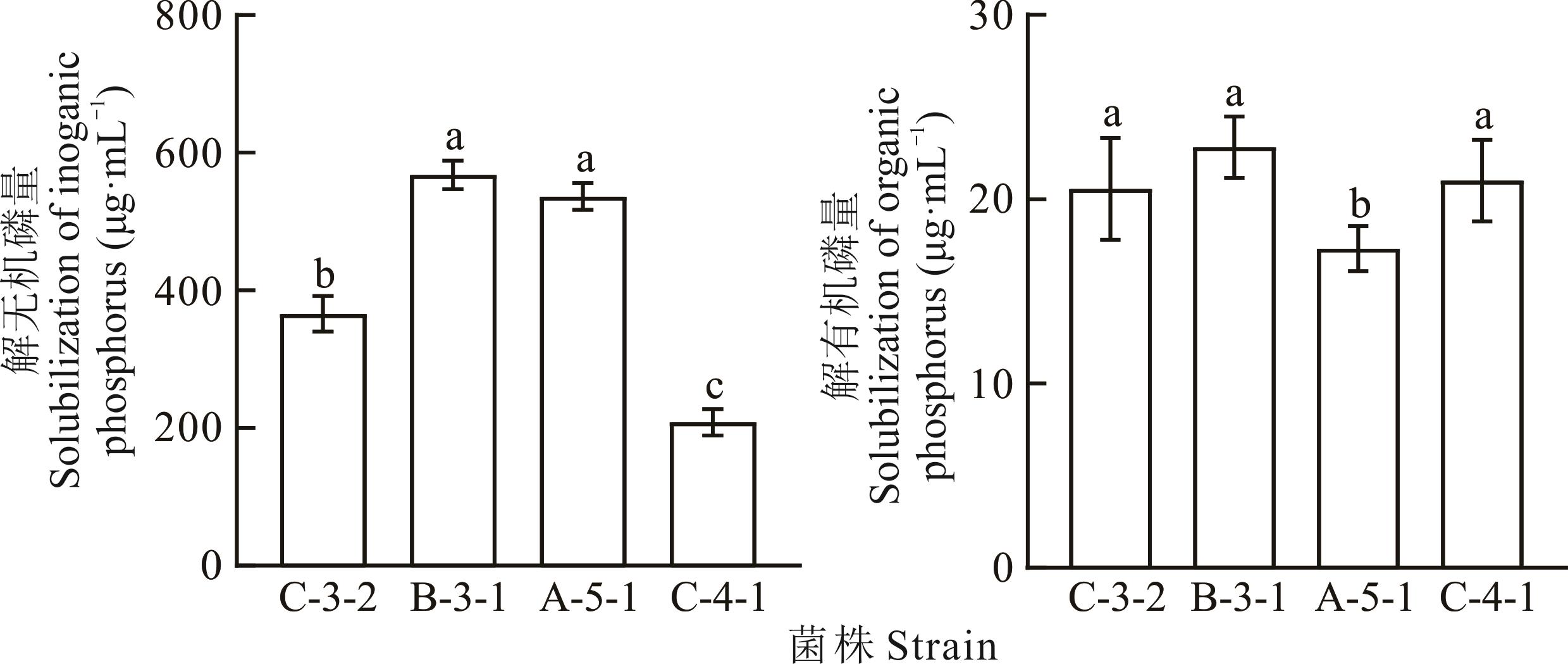
Fig.1 Determination of phosphate-solubilizing ability of strain
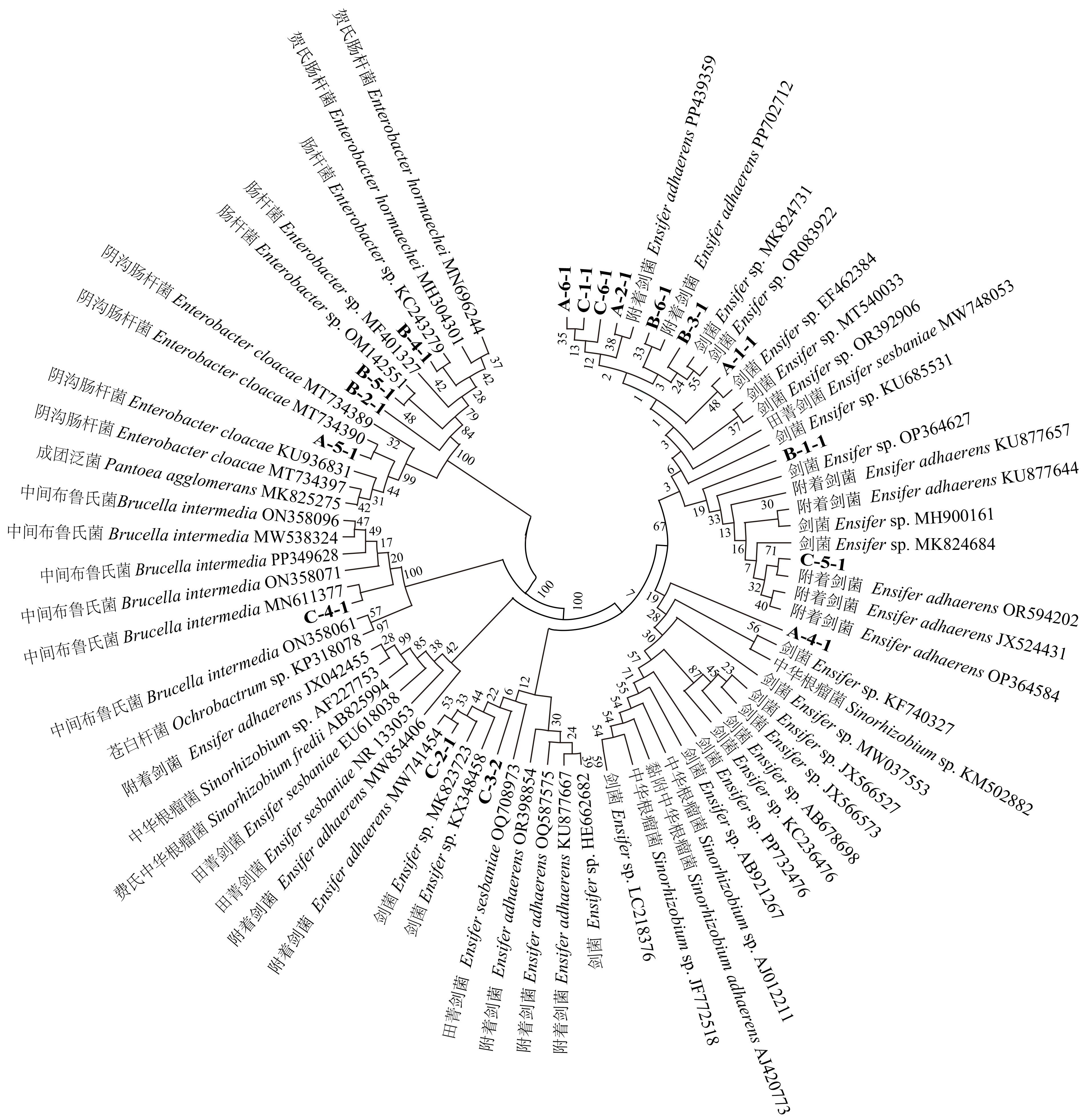
Fig.2 Phylogenetic tree based on 16S rRNA gene of the isolated rhizobial strains
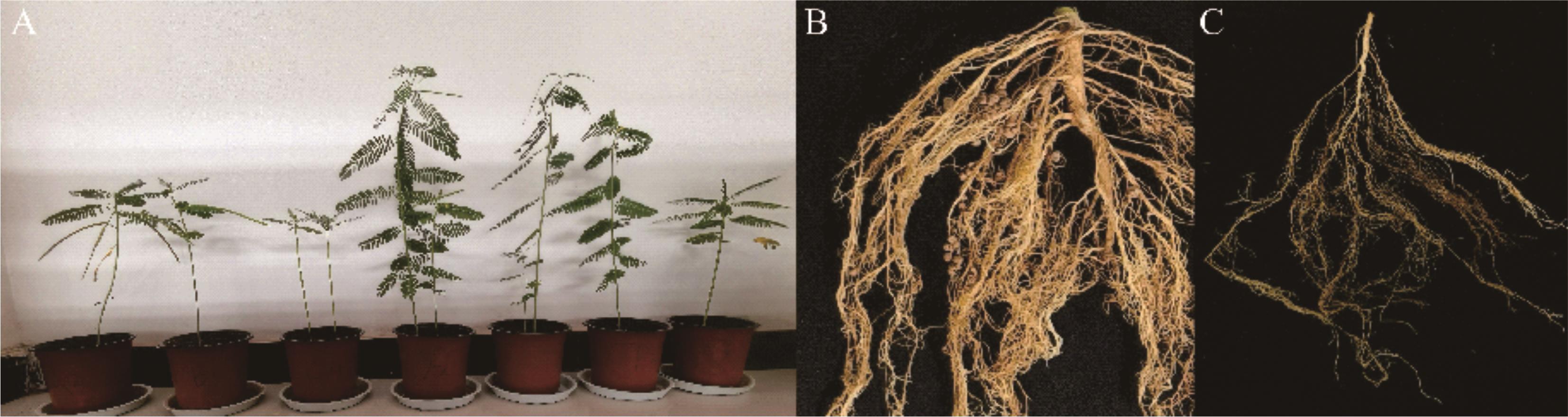
Fig. 3 Effects of rhizobium inoculation on the growth of S. cannabina
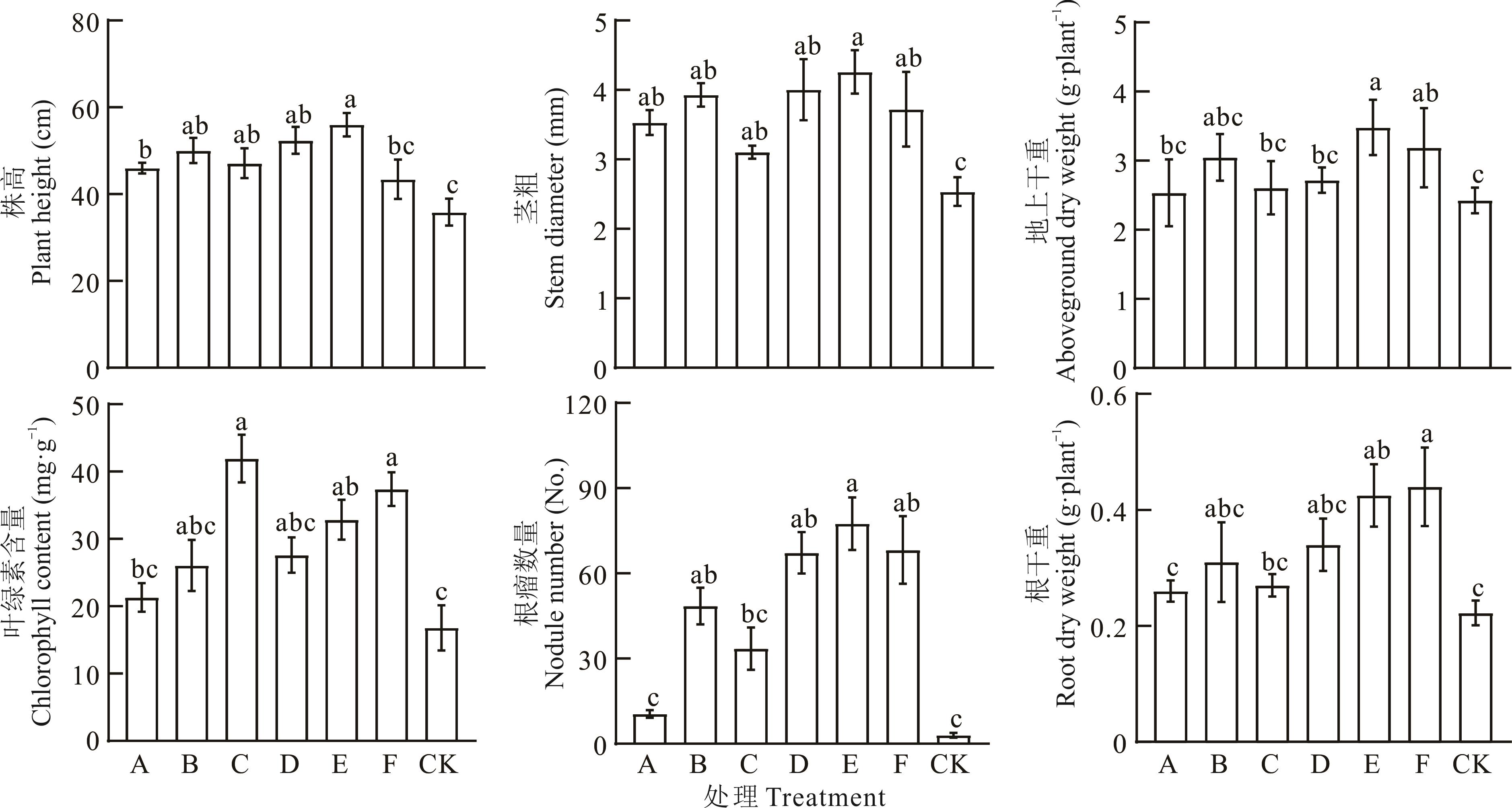
Fig. 4 The growth-promoting effects of different treatments on S. cannabina
处理 Treatment | pH | 全盐 Soil salinity (g·kg-1) | 速效氮 Available nitrogen (mg·kg-1) | 全钾 Total potassium (g·kg-1) | 速效钾 Available potassium (mg·kg-1) | 全磷 Total phosphorus (g·kg-1) | 速效磷 Available phosphorus (mg·kg-1) |
|---|---|---|---|---|---|---|---|
| A | 8.05±0.02c | 1.02±0.04c | 37.30±0.85c | 12.20±0.81b | 288.50±42.19d | 2.14±0.29d | 14.95±0.73b |
| B | 8.11±0.03b | 1.02±0.14c | 42.83±1.32b | 11.90±0.61b | 210.75±29.39e | 1.10±0.12e | 15.56±0.63ab |
| C | 8.13±0.02b | 0.98±0.02c | 41.99±0.88b | 14.00±0.82a | 296.25±44.02d | 2.80±0.33b | 15.79±0.89ab |
| D | 7.99±0.02d | 1.10±0.06c | 42.15±1.02b | 15.55±1.18a | 379.00±59.23c | 2.76±0.43b | 16.29±1.11a |
| E | 8.03±0.03c | 1.07±0.06c | 45.26±2.71a | 14.55±1.71a | 429.00±48.46bc | 2.73±0.70bc | 15.73±0.31ab |
| F | 8.02±0.01c | 1.23±0.05b | 43.27±1.74b | 11.73±1.41b | 531.75±68.94a | 3.60±0.50a | 15.45±0.70ab |
| CK | 8.33±0.04a | 1.61±0.03a | 22.81±1.13d | 14.88±0.56a | 266.25±23.84de | 2.70±0.14bcd | 14.94±0.49b |
Table 2 Effects of rhizobium inoculation on soil properties in S. cannabina cultivation
处理 Treatment | pH | 全盐 Soil salinity (g·kg-1) | 速效氮 Available nitrogen (mg·kg-1) | 全钾 Total potassium (g·kg-1) | 速效钾 Available potassium (mg·kg-1) | 全磷 Total phosphorus (g·kg-1) | 速效磷 Available phosphorus (mg·kg-1) |
|---|---|---|---|---|---|---|---|
| A | 8.05±0.02c | 1.02±0.04c | 37.30±0.85c | 12.20±0.81b | 288.50±42.19d | 2.14±0.29d | 14.95±0.73b |
| B | 8.11±0.03b | 1.02±0.14c | 42.83±1.32b | 11.90±0.61b | 210.75±29.39e | 1.10±0.12e | 15.56±0.63ab |
| C | 8.13±0.02b | 0.98±0.02c | 41.99±0.88b | 14.00±0.82a | 296.25±44.02d | 2.80±0.33b | 15.79±0.89ab |
| D | 7.99±0.02d | 1.10±0.06c | 42.15±1.02b | 15.55±1.18a | 379.00±59.23c | 2.76±0.43b | 16.29±1.11a |
| E | 8.03±0.03c | 1.07±0.06c | 45.26±2.71a | 14.55±1.71a | 429.00±48.46bc | 2.73±0.70bc | 15.73±0.31ab |
| F | 8.02±0.01c | 1.23±0.05b | 43.27±1.74b | 11.73±1.41b | 531.75±68.94a | 3.60±0.50a | 15.45±0.70ab |
| CK | 8.33±0.04a | 1.61±0.03a | 22.81±1.13d | 14.88±0.56a | 266.25±23.84de | 2.70±0.14bcd | 14.94±0.49b |
菌株 Strain | 最相似菌株 Most similar strain | 相似度 Similarity (%) |
|---|---|---|
| H1 | 附着剑菌 E. adhaerens Casida AT(JNAE01000171) | 99.74 |
| H2 | 田菁剑菌 E. sesbaniae CCBAU 65729T(JF834143) | 99.35 |
| H3 | 附着剑菌 E. adhaerens Casida AT(JNAE01000171) | 99.74 |
| H4 | 附着剑菌 E. adhaerens Casida AT(JNAE01000171) | 99.35 |
| H5 | 田菁剑菌 E. sesbaniae CCBAU 65729T(JF834143) | 99.35 |
Table 3 Re-isolation of rhizobia from S. cannabina root nodules
菌株 Strain | 最相似菌株 Most similar strain | 相似度 Similarity (%) |
|---|---|---|
| H1 | 附着剑菌 E. adhaerens Casida AT(JNAE01000171) | 99.74 |
| H2 | 田菁剑菌 E. sesbaniae CCBAU 65729T(JF834143) | 99.35 |
| H3 | 附着剑菌 E. adhaerens Casida AT(JNAE01000171) | 99.74 |
| H4 | 附着剑菌 E. adhaerens Casida AT(JNAE01000171) | 99.35 |
| H5 | 田菁剑菌 E. sesbaniae CCBAU 65729T(JF834143) | 99.35 |
| [1] | Basu A, Prasad P, Das S N, et al. Plant growth promoting rhizobacteria (PGPR) as green bioinoculants: Recent developments, constraints, and prospects. Sustainability, 2021, 13(3): 1140. |
| [2] | Egamberdieva D, Wirth S J, Bellingrath-Kimura S D, et al. Salt-tolerant plant growth promoting rhizobacteria for enhancing crop productivity of saline soils. Frontiers in Microbiology, 2019, 10: 2791. |
| [3] | Lv N, Shi L, Dai Y Y, et al. Reclamation of saline-alkali soils in Xinjiang: A review. Journal of Irrigation and Drainage, 2024, 43(12): 1-10. |
| 吕宁, 石磊, 戴昱余, 等. 新疆盐碱地治理利用研究回顾与启示. 灌溉排水学报, 2024, 43(12): 1-10. | |
| [4] | Zhang W X, Shen Z F, Shao Y H, et al. Soil biota and sustainable agriculture: A review. Acta Ecologica Sinica, 2020, 40(10): 3183-3206. |
| 张卫信, 申智锋, 邵元虎, 等. 土壤生物与可持续农业研究进展. 生态学报, 2020, 40(10): 3183-3206. | |
| [5] | Dai J X, Tian P Y, Shen C, et al. Screening of rhizosphere bacteria from salt tolerant plants and their growth promoting effects. Journal of Environmental Sciences, 2021, 30(5): 968-975. |
| 代金霞, 田平雅, 沈聪, 等. 耐盐植物根际促生菌筛选及促生效应研究. 生态环境学报, 2021, 30(5): 968-975. | |
| [6] | Liu J Y, Li X L, Jin Q. Research progress in saline-alkali remediation of agricultural soil. Soil Science, 2023, 11(3): 122-126. |
| 刘婧怡, 李雪玲, 金前. 农业土壤盐碱化修复治理研究进展. 土壤科学, 2023, 11(3): 122-126. | |
| [7] | Nemanja K, Camilla F, Alessio M, et al. Taxonomy of Rhizobiaceae revisited: Proposal of a new framework for genus delimitation. International Journal of Systematic and Evolutionary Microbiology, 2022, 72(3): 005243. |
| [8] | Duan H X, Shi Q, Kang S P, et al. Advances in research on the interactions among arbuscular mycorrhizal fungi, rhizobia, and plants. Acta Prataculturae Sinica, 2024, 33(5): 166-182. |
| 段海霞, 师茜, 康生萍, 等. 丛枝菌根真菌和根瘤菌与植物共生研究进展. 草业学报, 2024, 33(5): 166-182. | |
| [9] | Roy S, Liu W, Nandety R S, et al. Celebrating 20 years of genetic discoveries in Legume nodulation and symbiotic nitrogen fixation. Plant and Cell, 2020, 32(1): 15-41. |
| [10] | Zheng Y F, Liang J, Zhao D L, et al. The root nodule microbiome of cultivated and wild halophytic legumes showed similar diversity but distinct community structure in Yellow River Delta saline soils. Microorganisms, 2020, 8(2): 207. |
| [11] | Lv Z, Su A, Hu F Y, et al. Effects of sesbania on chlorimuron-ethyl removal and soil microbial community in farmland. Chinese Journal of Ecology, 2024, 43(9): 2750-2757. |
| 律泽, 苏澳, 胡芳雨, 等. 田菁对农田氯嘧磺隆去除及土壤微生物群落的影响. 生态学杂志, 2024, 43(9): 2750-2757. | |
| [12] | Chang D N, Ma X T, Zhou G P, et al. Symbiotic compatibility of different rhizobia strains with important Chinese milk vetch (Astragalus sinicus) cultivars. Acta Prataculturae Sinica, 2022, 31(12): 171-180. |
| 常单娜, 马晓彤, 周国朋, 等. 不同根瘤菌与紫云英主栽品种的共生匹配性. 草业学报, 2022, 31(12): 171-180. | |
| [13] | Lu J Y, Zhang H S, Tian H, et al. Research progress on effects of nitrogen deposition on soil nitrogen cycling in grassland ecosystems. Acta Prataculturae Sinica, 2022, 31(6): 221-234. |
| 陆姣云, 张鹤山, 田宏, 等. 氮沉降影响草地生态系统土壤氮循环过程的研究进展.草业学报, 2022, 31(6): 221-234. | |
| [14] | Jian S L, Li S X, Liu S Q, et al. Research advances of cover crops and their important roles. Acta Agronomica Sinica, 2022, 48(1): 1-14. |
| 蹇述莲, 李书鑫, 刘胜群, 等. 覆盖作物及其作用的研究进展. 作物学报, 2022, 48(1): 1-14. | |
| [15] | Ren M X, Li J, Ai J M, et al. Species diversity and plant growth-promoting effects of bacteria isolated from the root nodules of Sophora davidii. ActaMicrobiologica Sinica, 2024, 64(8): 2940-2954. |
| 任明霞, 李静, 艾加敏, 等. 白刺花根瘤中分离细菌的物种多样性及其促生效应. 微生物学报, 2024, 64(8): 2940-2954. | |
| [16] | Man J, Tang B, Deng B, et al. Isolation, screening and beneficial effects of plant growth-promoting rhizobacteria (PGPR) in the rhizosphere of Leymus chinensis. Acta Prataculturae Sinica, 2021, 30(1): 59-71. |
| 漫静, 唐波, 邓波, 等. 羊草根际促生菌的分离筛选及促生作用研究. 草业学报, 2021, 30(1): 59-71. | |
| [17] | Li C, Liu R, Yu Y K, et al. Screening of efficient phosphate-solubilizing bacteria capable of promoting maize growth from black soil. Microbiology China, 2025, 52(3): 1101-1117. |
| 李畅, 刘锐, 于运凯, 等. 黑土高效解磷菌的筛选及其对玉米的促生效果. 微生物学通报, 2025, 52(3): 1101-1117. | |
| [18] | Li J, Li M Y, Zhang T, et al. Screening of phosphate-solubilizing bacteria from halophytes and their growth-promoting effects. Journal of Nuclear Agricultural Sciences, 2023, 37(7): 1470-1479. |
| 李静, 李明源, 张甜, 等. 盐生植物解磷菌的筛选及促生效应研究. 核农学报, 2023, 37(7): 1470-1479. | |
| [19] | Liu X P, Zang S Y, Zhi G, et al. Isolation for plant-growth promoting halotolerant bacteria from alkali-saline soil. Chinese Journal of Soil Sinence, 2022, 53(3): 567-576. |
| 柳鑫鹏, 臧淑英, 智刚, 等. 盐碱土耐盐碱细菌筛选及其植物促生能力研究. 土壤通报, 2022, 53(3): 567-576. | |
| [20] | Liu K Y, Ning X B. Screening and enzymatic properties of salt-tolerant alkaline protease strain LK-3. Joumal of Food Science and Biotechnology, 2024, 43(3): 46-53. |
| 刘可玉, 宁喜斌. 耐盐碱性蛋白酶菌株LK-3的筛选及酶学性质. 食品与生物技术学报, 2024, 43(3): 46-53. | |
| [21] | Cheng X Y, Wang J L, Mairiyangu·Yasheng, et al. Isolation and growth-promoting characteristics of rhizobacteria producing indole-3-acetic acid from the rhizosphere soil of Kalidium foliatum. Acta Prataculturae Sinica, 2024, 33(4): 110-121. |
| 程鑫宇, 王继莲, 麦日艳古·亚生, 等. 盐爪爪根际土壤产IAA菌株分离及促生特性分析. 草业学报, 2024, 33(4): 110-121. | |
| [22] | Li T, Yu J, Qiao Y F, et al. Effect of short-term low temperature on seedling growth and nodule nitrogen fixation in soybean. Chinese Journal of Agrometeorology, 2024, 45(2): 159-169. |
| 李天, 余洁, 乔云发, 等. 短期低温对大豆苗期生长和结瘤固氮的影响. 中国农业气象, 2024, 45(2): 159-169. | |
| [23] | Wang X Y, Liu Y X, Sui X Q, et al. Effect of spray injection on leaf cells, agronomic traits and seed yield formation in alfalfa. Acta Agrestia Sinica, 2025, 33(6): 1972-1981. |
| 王鑫尧, 刘沂欣, 隋晓青, 等. 喷施缩节胺对紫花苜蓿叶片细胞、农艺性状及种子产量形成的影响. 草地学报, 2025, 33(6): 1972-1981. | |
| [24] | Bao S D. Soil agrochemical analysis (3rd edition). Beijing: China Agriculture Press, 2000: 42-116. |
| 鲍士旦. 土壤农化分析(第3版). 北京: 中国农业出版社, 2000: 42-116. | |
| [25] | Li X Y. Genetic diversity, screening and application of high efficient symbiotic rhizobia isolated from Sesbania cannabina in the Yellow River Dalta. Yantai: University of Chinese Academy of Sciences, 2015. |
| 李项岳. 黄河三角洲田菁根瘤菌遗传多样性、高效菌株筛选及应用. 烟台: 中国科学院大学, 2015. | |
| [26] | Hao Z W, Ren M X, Ai J M, et al. Research progress of non-rhizobia in leguminous root nolules. Acta Microbiologica Sinica, 1-19[2025-09-06]. https://doi.org/10.13343/j.cnki.wsxb.20250369. |
| 郝紫微, 任明霞, 艾加敏, 等. 豆科植物根瘤中的非根瘤菌研究进展. 微生物学报, 1-19[2025-09-06]. https://doi.org/10.13343/j.cnki.wsxb.20250369. | |
| [27] | Dilfuza J, Annapurna K, Kakhramon D, et al. Co-inoculation of rhizobacteria promotes growth, yield, and nutrient contents in soybean and improves soil enzymes and nutrients under drought conditions. Scientific Reports, 2021, 11(1): 22081. |
| [28] | Chang Y D. Screening of rhizobial combinations and nitrogen fixation mechanism of ‘F-wild Soybean Hybrid S007’. Hohhot: Inner Mongolia Agricultural University, 2024. |
| 常雅迪.‘蒙农S007饲用大豆’根瘤菌组合筛选与固氮机理研究. 呼和浩特: 内蒙古农业大学, 2024. | |
| [29] | Arafat R, Max M, Cassandra N, et al. Competitive interference among rhizobia reduces benefits to hosts. Current Biology, 2023, 33(14): 2988-3001. |
| [30] | Liu L S, Yu Y X, Guo L, et al. Utilization of different forms of phoshorus by Sinorhizobium meliloti. Acta Prataculturae Sinica, 2015, 24(7): 60-67. |
| 刘卢生, 玉永雄, 郭蕾, 等. 苜蓿根瘤菌对不同形态磷利用效率的研究. 草业学报, 2015, 24(7): 60-67. | |
| [31] | Liu X Y, Shi F L, Liu H, et al. Effects of rhizobium on the growth of alfalfa and the soil nutrient content. Chinese Journal of Grassland, 2016, 38(6): 45-52. |
| 刘旭艳, 石凤翎, 刘昊, 等. 接种根瘤菌对苜蓿生长及土壤养分的影响. 中国草地学报, 2016, 38(6): 45-52. | |
| [32] | Zeng C L, Liu L, Tian X T, et al. Effects of tillage management and rhizobia inoculation on soil fertility, pea yield and quality. Journal of Jianghan University (Natural Science Edition), 2021, 49(2): 66-75. |
| 曾长立, 刘丽, 田雪婷, 等. 耕作方式与接种根瘤菌对土壤肥力及豌豆产量与品质的影响. 江汉大学学报(自然科学版), 2021, 49(2): 66-75. | |
| [33] | Jiao J, Tian C F. Evolution of rhizobial nodulation and nitrogen fixation. Acta Microbiologica Sinica, 2019, 46(2): 388-397. |
| 焦健, 田长富. 根瘤菌共生固氮能力的进化模式. 微生物学通报, 2019, 46(2): 388-397. |
| [1] | Yi-han WANG, Lu-meng SHI, Zhi-jian LI, Bang-wei ZHOU. Effects of grass species and biochar application rate on soda saline-alkali soil improvement and forage growth in northeast China [J]. Acta Prataculturae Sinica, 2026, 35(5): 139-150. |
| [2] | Lei LI, Yong-kuan MA, Peng JIANG, Zhi-ming ZHU, Li-dong JI, Long LI, Xing XU. Effects of a ‘six-aspect integrated’ pattern on dynamic changes in soil water and salt contents, quality of cultivated land, and silage maize productivity in saline-alkali land in the Ningxia irrigation area [J]. Acta Prataculturae Sinica, 2026, 35(3): 68-82. |
| [3] | Lei ZHANG, Jin-tao DU, Qian-yu FAN, Shun LI, Song-juan GAO, Wei-dong CAO. Response of biological nitrogen fixation by milk vetch to soil fertility and rhizobium inoculation [J]. Acta Prataculturae Sinica, 2025, 34(5): 51-63. |
| [4] | Zhao MA, Xiao-fan LI, Li-qiong SUN, Zhi HUANG, Lei XU, Ting LU, Xiao-qing TANG, Kang-cai WANG. Effects of three endophytic bacteria in the roots of Salvia miltiorrhiza on host growth and medicinal quality [J]. Acta Prataculturae Sinica, 2025, 34(4): 175-188. |
| [5] | Yuan-yuan DU, Wen-juan KANG, Shang-li SHI, Yi-lin HAN, Fu-qiang HE. Effects of exogenous hormones on the proliferation of endophytic fluorescent labeled rhizobia in seeds and growth of the seedlings [J]. Acta Prataculturae Sinica, 2025, 34(2): 81-93. |
| [6] | Yi-lin HAN, Wen-juan KANG, Shang-li SHI, Yuan-yuan DU, Fu-qiang HE, Yan WANG, Wen-lu HOU, Xi-lin XIE. Studies of the difference in symbiotic interaction between Sinorhizobium meliloti strain QL2 and different alfalfa varieties [J]. Acta Prataculturae Sinica, 2025, 34(10): 132-150. |
| [7] | Hai-xia DUAN, Qian SHI, Sheng-ping KANG, Hai-qing GOU, Chong-liang LUO, You-cai XIONG. Advances in research on the interactions among arbuscular mycorrhizal fungi, rhizobia, and plants [J]. Acta Prataculturae Sinica, 2024, 33(5): 166-182. |
| [8] | Ya TAO, Li-jun XU, Feng LI, Wen-long LI, Qi-zhong SUN, Chang XU, Ke-jian LIN. The Leymus chinensis industry in China needs to be urgently revitalized [J]. Acta Prataculturae Sinica, 2023, 32(11): 188-198. |
| [9] | Dan-na CHANG, Xiao-tong MA, Guo-peng ZHOU, Song-juan GAO, Rui LIU, Wei-dong CAO. Symbiotic compatibility of different rhizobia strains with important Chinese milk vetch (Astragalus sinicus) cultivars [J]. Acta Prataculturae Sinica, 2022, 31(12): 171-180. |
| [10] | Yong-gang CHEN, Wen-juan KANG, Fang WU, Yun A, Shang-li SHI, Cui-mei ZHANG, Zi-li LI. Boron promotes secretion of extracellular polysaccharides and indole-3-acetic acid by Rhizobium [J]. Acta Prataculturae Sinica, 2021, 30(5): 42-51. |
| [11] | Zhi-min WEI, Bin SUN, Cheng FANG, Zi-wen DAI, Man-qiang LIU, Jia-guo JIAO, Feng HU, Hui-xin LI, Li XU. Co-inoculation with rhizobia and azotobacter affects the growth of Vicia villosa [J]. Acta Prataculturae Sinica, 2021, 30(5): 94-102. |
| [12] | Hai-feng HE, Cheng-hong YAN, Na WU, Ji-li LIU, Yu-han JIA. Effects of different nitrogen levels on photosynthetic characteristics and drought resistance of switchgrass (Panicum virgatum) [J]. Acta Prataculturae Sinica, 2021, 30(1): 107-115. |
| [13] | XING Yi-mei, DONG Li, ZHAN Li-feng, CAI Hua, YANG Sheng-qiu, SUN Na. Effect of mixed inoculation of Glomus mosseae and Sinorhizobium melilotion alkali resistance of alfalfa [J]. Acta Prataculturae Sinica, 2020, 29(9): 136-145. |
| [14] | YAN Jing, XIA Li, SHENG Xia-fang, HE Lin-yan. Isolation of heavy metal-tolerant Sinorhizobium meliloti and the effect on copper uptake of alfalfa, perennial ryegrass and Sorghum bicolor plants grown on copper-contaminated soil [J]. Acta Prataculturae Sinica, 2019, 28(2): 102-111. |
| [15] | ZHAO Tao, MA Chun-hui, WANG Dong, JING Yong-yuan, XI Lin-qiao. Correlation between rhizobia distribution and the physical/chemical properties in soil of winter wheat intercropped with sweet clover [J]. Acta Prataculturae Sinica, 2018, 27(4): 45-55. |
| Viewed | ||||||
|
Full text |
|
|||||
|
Abstract |
|
|||||
