
ISSN 1004-5759 CN 62-1105/S
Acta Prataculturae Sinica ›› 2027, Vol. 36 ›› Issue (1): 135-148.DOI: 10.11686/cyxb2026005
Xue-li LU1( ), Gins-murat SABIROVICH2,3, Syeda-wajeeha GILLANI1, Jing FENG2,3, Meng WANG4, Xiao-bin LI5, Kuo XU6, Chen MENG1, Yi-ru SONG4, Yu BAI4, Yi-qiang LI1(), Zong-chang XU1()
Received:2026-01-06
Revised:2026-03-13
Online:2027-01-20
Published:2026-11-25
Contact:
Yi-qiang LI,Zong-chang XU
Xue-li LU, Gins-murat SABIROVICH, Syeda-wajeeha GILLANI, Jing FENG, Meng WANG, Xiao-bin LI, Kuo XU, Chen MENG, Yi-ru SONG, Yu BAI, Yi-qiang LI, Zong-chang XU. Transcriptome analysis and effects of salt stress on seed germination of Amaranthus hypochondriacus[J]. Acta Prataculturae Sinica, 2027, 36(1): 135-148.
基因 Gene | 基因描述 Gene description | 正向引物序列 Forward primer sequence (5'-3') | 反向引物序列 Reverse primer sequence (5'-3') |
|---|---|---|---|
| AhACT | 肌动蛋白基因,内参基因Actin gene, reference gene | CGTGACCTGACTGATTACCTTA | GCTCGTAGTTCTTCTCAATGGC |
| IAA | 吲哚-3-乙酸相关基因Indole-3-acetic acid related gene | GGATCCGATTAATCGATCTG | CAGCCTCTGAACTCTTCATTA |
| TMK | 跨膜激酶基因Transmembrane kinase gene | GCACTATGCACACGTGATTG | GACATCAACGACTTGACCAG |
| AHP | 组氨酸磷酸转移蛋白基因Histidine-containing phosphotransfer protein gene | CGTAGCTACTGTGAACAGCA | TCCATGGTGAATAGCATCTG |
| PYL | 脱落酸受体基因Pyrbactin resistance 1-like gene | ATACGATCGTGGTAGAATCGT | ATCCGACATAGCAATAACTCC |
| PP2C | 蛋白磷酸酶2C基因Protein phosphatase 2C gene | GAAGTAAGAGTACACAAGCGC | TATCACAAGCAGTCTCATCGC |
| ABF | 脱落酸响应元件结合因子基因Abscisic acid responsive element binding factor gene | CTACCTCCACATCAGTTCG | GCCTCATCATTACAGTAGCG |
| PSK | 植物磺肽素前体基因Phytosulfokine precursor gene | GAGACACCATGTGCATTTG | ACTCTTAGGAGTCATGTAACG |
| CALM | 钙调蛋白基因Calmodulin gene | CAAGTATGGACCTGCATGTA | AACAGGAGTATGATCTACCTC |
Table 1 Gene qRT-PCR primer sequences
基因 Gene | 基因描述 Gene description | 正向引物序列 Forward primer sequence (5'-3') | 反向引物序列 Reverse primer sequence (5'-3') |
|---|---|---|---|
| AhACT | 肌动蛋白基因,内参基因Actin gene, reference gene | CGTGACCTGACTGATTACCTTA | GCTCGTAGTTCTTCTCAATGGC |
| IAA | 吲哚-3-乙酸相关基因Indole-3-acetic acid related gene | GGATCCGATTAATCGATCTG | CAGCCTCTGAACTCTTCATTA |
| TMK | 跨膜激酶基因Transmembrane kinase gene | GCACTATGCACACGTGATTG | GACATCAACGACTTGACCAG |
| AHP | 组氨酸磷酸转移蛋白基因Histidine-containing phosphotransfer protein gene | CGTAGCTACTGTGAACAGCA | TCCATGGTGAATAGCATCTG |
| PYL | 脱落酸受体基因Pyrbactin resistance 1-like gene | ATACGATCGTGGTAGAATCGT | ATCCGACATAGCAATAACTCC |
| PP2C | 蛋白磷酸酶2C基因Protein phosphatase 2C gene | GAAGTAAGAGTACACAAGCGC | TATCACAAGCAGTCTCATCGC |
| ABF | 脱落酸响应元件结合因子基因Abscisic acid responsive element binding factor gene | CTACCTCCACATCAGTTCG | GCCTCATCATTACAGTAGCG |
| PSK | 植物磺肽素前体基因Phytosulfokine precursor gene | GAGACACCATGTGCATTTG | ACTCTTAGGAGTCATGTAACG |
| CALM | 钙调蛋白基因Calmodulin gene | CAAGTATGGACCTGCATGTA | AACAGGAGTATGATCTACCTC |
NaCl浓度 NaCl concentration (mmol·L-1) | 发芽势 Germination energy | 发芽率 Germination rate | 发芽指数 Germination index | 相对盐害率 Relative salt injury rate |
|---|---|---|---|---|
| 0 | 100.00±0.00a | 100.00±0.00a | 77.12±1.15a | |
| 10 | 98.89±0.02a | 100.00±0.00a | 77.02±1.32a | 0.00 |
| 25 | 98.89±0.02a | 98.89±0.02a | 76.92±1.50a | 0.01 |
| 50 | 95.56±0.02a | 96.67±0.03a | 74.43±1.59a | 0.03 |
| 100 | 68.89±0.04b | 68.89±0.04b | 53.25±3.32b | 0.31 |
| 200 | 0.00±0.00c | 0.00±0.00c | 0.00±0.00c | 1.00 |
Table 2 Effects of salt stress treatment on seed germination indicators of A. hypochondriacus (%)
NaCl浓度 NaCl concentration (mmol·L-1) | 发芽势 Germination energy | 发芽率 Germination rate | 发芽指数 Germination index | 相对盐害率 Relative salt injury rate |
|---|---|---|---|---|
| 0 | 100.00±0.00a | 100.00±0.00a | 77.12±1.15a | |
| 10 | 98.89±0.02a | 100.00±0.00a | 77.02±1.32a | 0.00 |
| 25 | 98.89±0.02a | 98.89±0.02a | 76.92±1.50a | 0.01 |
| 50 | 95.56±0.02a | 96.67±0.03a | 74.43±1.59a | 0.03 |
| 100 | 68.89±0.04b | 68.89±0.04b | 53.25±3.32b | 0.31 |
| 200 | 0.00±0.00c | 0.00±0.00c | 0.00±0.00c | 1.00 |
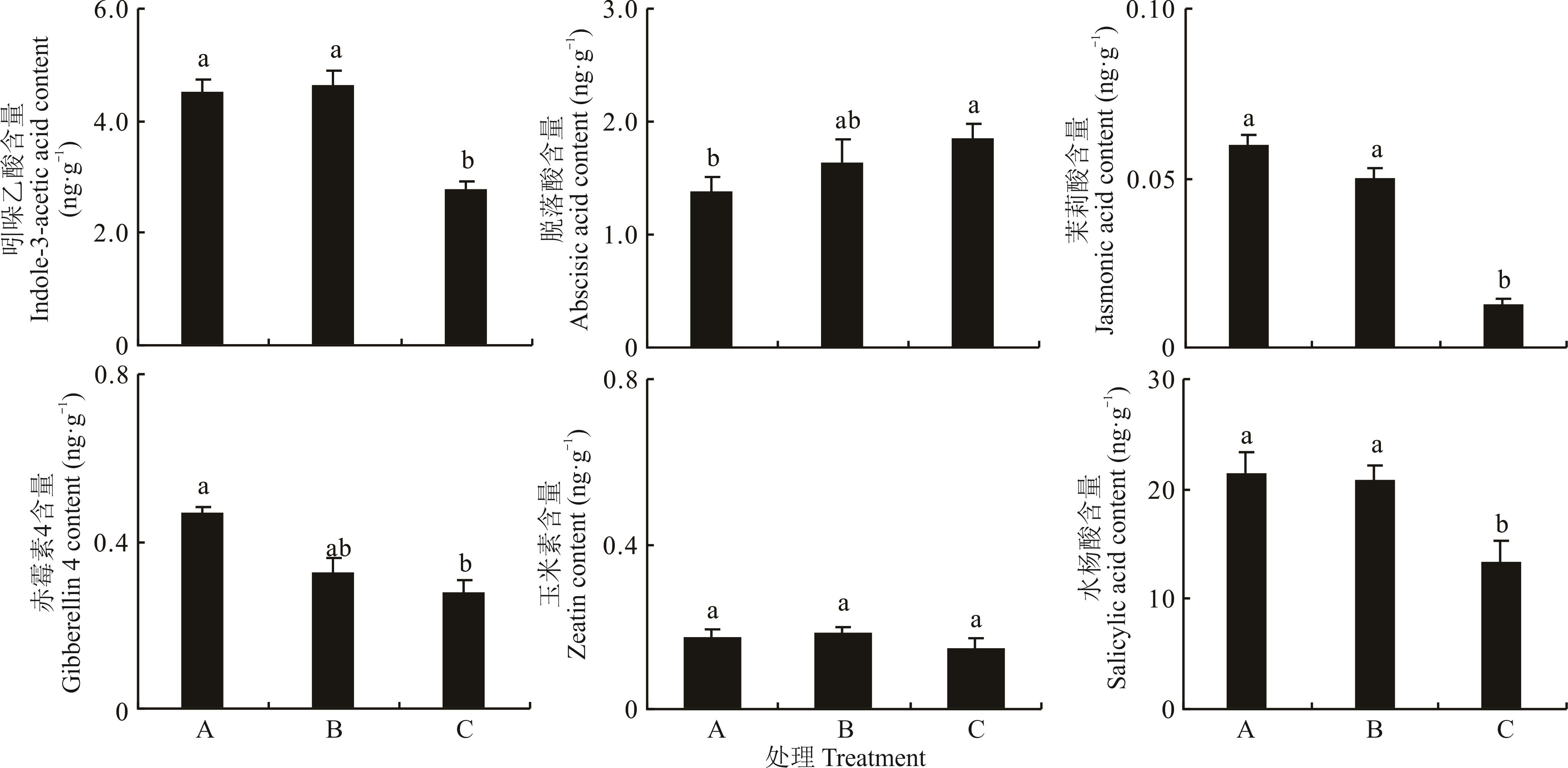
Fig.1 Effects of different salt concentration treatments on endogenous hormone contents of A. hypochondriacus seeds

Fig.2 Transcriptome data analysis of A. hypochondriacus samples treated with CK, 25 and 100 mmol·L-1 NaCl for 3 days

Fig.3 Gene ontology (GO) enrichment analysis of differentially expressed genes

Fig.4 Kyoto Encyclopedia of Genes and Genomes (KEGG) pathway enrichment analysis of differentially expressed genes

Fig.5 The expression pattern analysis of differentially expressed genes in the plant hormone signal transduction pathway

Fig. 6 Correlation analysis between candidate germination-promoting genes and germination and hormone content indicators
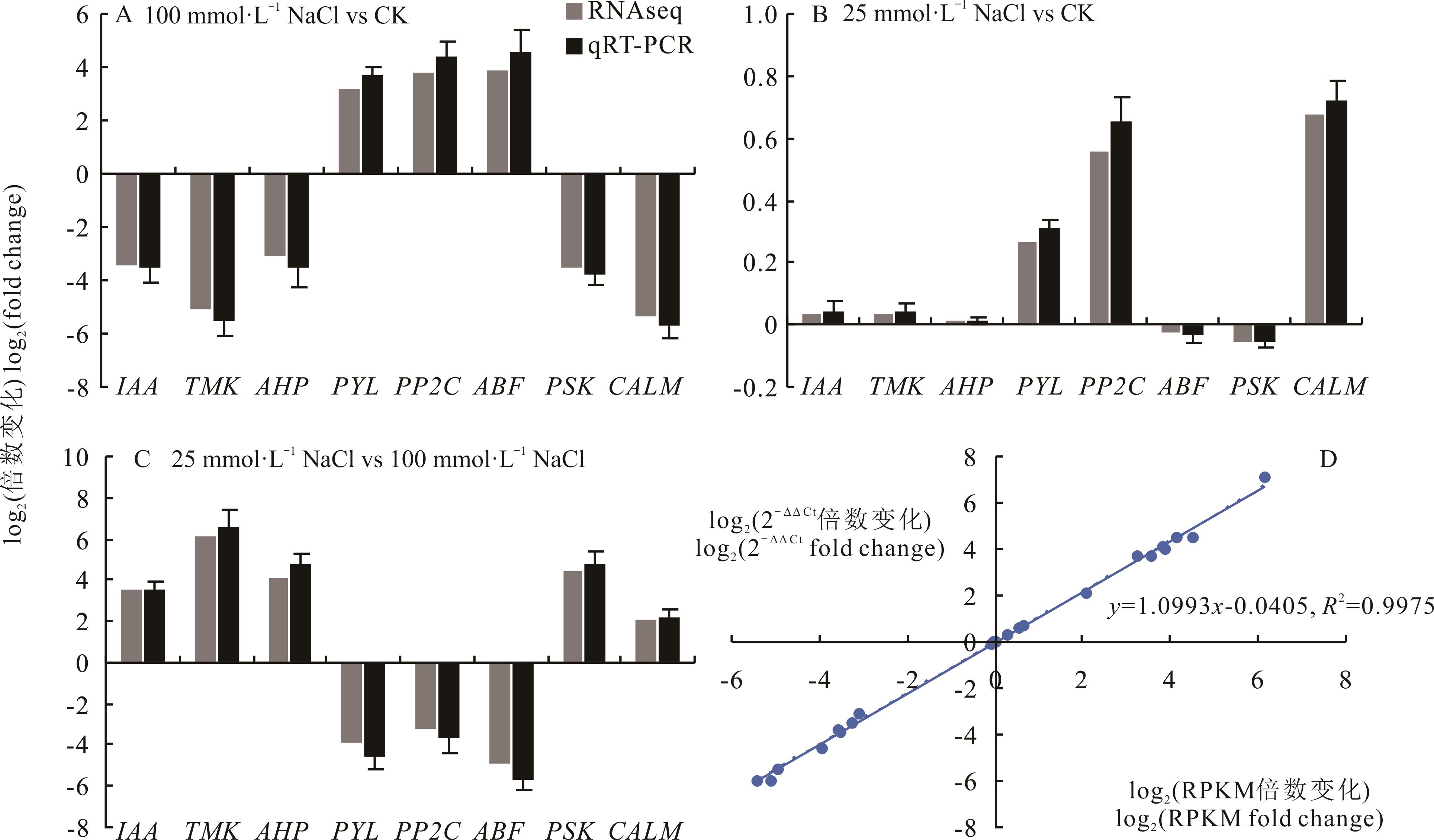
Fig.7 Validation of gene expression patterns by qRT-PCR
| [1] | Tan S H. Collaborative innovation of suitable crops for suitable land contributes to farmland protection and improvement. People’s Tribune, 2024(3): 55-59. |
| 谭淑豪. “适地适种”协同创新助力耕地保护和改良. 人民论坛, 2024(3): 55-59. | |
| [2] | Liu X J, Guo K, Feng X H, et al. Discussion on the agricultural efficient utilization of saline-alkali land resources. Chinese Journal of Eco-Agriculture, 2023, 31(3): 345-353. |
| 刘小京, 郭凯, 封晓辉, 等. 农业高效利用盐碱地资源探讨. 中国生态农业学报, 2023, 31(3): 345-353. | |
| [3] | Wang R G, Zhao J B, Cheng G Y. Research on the contribution and potential of forage industry development in safeguarding food security. Chinese Journal of Animal Science, 2024, 60(7): 351-356. |
| 王瑞港, 赵金标, 程广燕. 发展饲草产业对保障粮食安全的贡献与潜力研究. 中国畜牧杂志, 2024, 60(7): 351-356. | |
| [4] | Wang W W, Li S Y, Li A, et al. Study on the development of pasture-based livestock husbandry and ecological coordination in south China. Acta Ecologica Sinica, 2024, 44(22): 10212-10221. |
| 王雯雯, 栗塞雅, 李昂, 等. 我国南方草牧业发展和生态协同研究. 生态学报, 2024, 44(22): 10212-10221. | |
| [5] | Duan J X, Zang Q J, Xue S M, et al. Effect on forage yield and silage quality of silage maize and amaranth intercropping in subtropical districts. Pratacultural Science, 2024, 41(6): 1471-1482. |
| 段佳鑫, 臧庆吉, 薛世明, 等. 亚热带区玉米和籽粒苋间作对饲草产量和品质的影响. 草业科学, 2024, 41(6): 1471-1482. | |
| [6] | Ma Z, Fan X, Tang M H, et al. Influencing factors and feeding value of Amaranthus hypochondriacus silage. Chinese Journal of Animal Science, 2024, 60(1): 43-48. |
| 马壮, 范雪, 唐明欢, 等. 籽粒苋青贮品质的影响因素及其饲用价值. 中国畜牧杂志, 2024, 60(1): 43-48. | |
| [7] | Yang Y, Wu T T, Yang J, et al. Comparison of nutritional value and degradation characteristics in rumen of sheep among peanut seedlings, grain amaranth and alfalfa. Feed Industry, 2022, 43(16): 33-38. |
| 杨颖, 吴涛涛, 杨俊, 等. 花生秧、籽粒苋、苜蓿的营养价值及其在羊瘤胃中降解特性的比较. 饲料工业, 2022, 43(16): 33-38. | |
| [8] | Cui D W. High-yield cultivation techniques of Amaranthus hypochondriacus. Modern Animal Husbandry Science & Technology, 2020(3): 28-29. |
| 崔大为. 籽粒苋的高产栽培技术. 现代畜牧科技, 2020(3): 28-29. | |
| [9] | Huang M R, He F, Liu X J, et al. Analysis on the genetic diversity of 64 Amaranthus caudatus germplasm resources. Seed, 2025, 44(7): 118-125. |
| 黄民锐, 何方, 刘晓娟, 等. 64份籽粒苋资源遗传多样性分析. 种子, 2025, 44(7): 118-125. | |
| [10] | A R H, Lu B Y, Xu Y, et al. Nutritional value of grain amaranth and its research progress in brewing industry. Liquor Making, 2024, 51(1): 5-11. |
| 阿如汗, 禄炳云, 许云, 等. 籽粒苋的营养价值及其在酒行业中的研究进展. 酿酒, 2024, 51(1): 5-11. | |
| [11] | Lin L, Chen X, Lu Y Z, et al. Physiological characteristics and feeding value of saline-alkali tolerant plants. China Feed, 2025(11): 149-154. |
| 林露, 陈熙, 卢月樟, 等. 耐盐碱植物的生理特点及其饲用价值. 中国饲料, 2025(11): 149-154. | |
| [12] | Wang J L, Mu L L, Shen Z B, et al. Effects of NaCl stress on seed germination of Amaranthus hypochondriacus. Heilongjiang Agricultural Sciences, 2022(1): 14-19. |
| 王建丽, 牟林林, 申忠宝, 等. NaCl胁迫对籽粒苋种子萌发的影响. 黑龙江农业科学, 2022(1): 14-19. | |
| [13] | Qi C J. Genetic diversity analysis and salt tolerance study of the germplasm resources of Amaranths hypochondriacus L. Harbin: Harbin Normal University, 2021. |
| 齐春杰. 籽粒苋种质资源遗传多样性分析及耐盐性研究. 哈尔滨: 哈尔滨师范大学, 2021. | |
| [14] | Lou B X. Interpretation of the whole chloroplast genome of Amaranthus and the molecular mechanism of salt tolerance in Amaranthus hypochondriacus L. Jinan: Shandong Normal University, 2022. |
| 娄本霞. 苋属叶绿体基因组分析及籽粒苋耐盐分子机制研究. 济南: 山东师范大学, 2022. | |
| [15] | Xu Z C, Lu X L, Jiang Q Y, et al. Evaluation on salt tolerance of 50 soybean germplasm resources at seedling stage in Huang-huai producing area. Chinese Journal of Oil Crop Sciences, 2025, 47(4): 851-860. |
| 徐宗昌, 鲁雪莉, 姜奇彦, 等. 50份黄淮产区大豆种质资源苗期耐盐性评价. 中国油料作物学报, 2025, 47(4): 851-860. | |
| [16] | Liu B, Li R R, Xu W P, et al. Determination of five endogenous hormones in Zizania caduciflora by ultra-high performance liquid chromatography-tandem mass spectrometry. Agrochemicals, 2022, 61(4): 280-284. |
| 刘彬, 李瑞瑞, 徐文平, 等. QuEChERS-超高效液相色谱-串联质谱法同时测定茭白中5种内源性植物激素. 农药, 2022, 61(4): 280-284. | |
| [17] | Guo J G, Tong M M, Tang J. Analysis of multiple pesticide residues in polyphenol-rich agricultural products by UPLC-MS/MS using a modified QuEChERS extraction and dilution method. Food Chemistry, 2019, 274: 452-459. |
| [18] | Palmeros-Suárez P A, Massange-Sánchez J A, Sánchez-Segura L, et al. AhDGR2, an amaranth abiotic stress-induced DUF642 protein gene, modifies cell wall structure and composition and causes salt and ABA hyper-sensibility in transgenic Arabidopsis. Planta, 2017, 245(3): 623-640. |
| [19] | Livak K J, Schmittgen T D. Analysis of relative gene expression data using real-time quantitative PCR and the 2-ΔΔCT method. Methods, 2001, 25(4): 402-408. |
| [20] | Du R N, Zhang R, Tang X D, et al. Seed germination characteristics and salt tolerance evaluation of 333 domestic and foreigh soybean germplasm resources under salt stress. Soybean Science, 2025, 44(4): 59-63. |
| 杜若楠, 张睿, 唐晓东, 等. 盐胁迫下国内外333份大豆种质资源的种子萌发特性及耐盐性评价. 大豆科学, 2025, 44(4): 59-63. | |
| [21] | Zeng P, Xie T, Shen J X, et al. Potassium transporter OsHAK9 regulates seed germination under salt stress by preventing gibberellin degradation through mediating OsGA2ox7 in rice. Journal of Integrative Plant Biology, 2024, 66(4): 731-748. |
| [22] | Jing M Y, Zhang Z Y, Zhang M, et al. Effects of seed soaking with salicylic acid on seed germination and seedling growth of quinoa under salt stress. Crops, 2025(1): 194-201. |
| 景茂雅, 张子玉, 张萌, 等. 水杨酸浸种对盐胁迫藜麦种子萌发及幼苗生长的影响. 作物杂志, 2025(1): 194-201. | |
| [23] | Meng C, Lu X L, Wang J Y, et al. Effects of different salt stresses on triticale seed germination. Acta Prataculturae Sinica, 2023, 32(12): 171-180. |
| 孟晨, 鲁雪莉, 王菊英, 等. 不同类型盐胁迫对小黑麦种子萌发的影响. 草业学报, 2023, 32(12): 171-180. | |
| [24] | Li A Y, Li R M, Chen Y Z, et al. Effects of exogenous salicylic acid or melatonin on seed germination and seedling growth of soybean under salt stress. Anhui Agricultural Science Bulletin, 2024, 30(19): 31-36. |
| 李傲宇, 李瑞敏, 陈翼芝, 等. 外源水杨酸、褪黑素对盐胁迫下大豆种子萌发和幼苗生长的影响. 安徽农学通报, 2024, 30(19): 31-36. | |
| [25] | Fu Y Y, Lai J H, Yuan H Y, et al. Analysis of physiological and biochemical indexes changes during seed germination of Paris polyphylla var. yunnanensis. Bulletin of Botanical Research, 2025, 45(6): 952-964. |
| 符莹莹, 赖佳辉, 袁华怡, 等. 滇重楼种子萌发过程中生理生化指标变化分析. 植物研究, 2025, 45(6): 952-964. | |
| [26] | Liu Z G, Ma C Y, Hou L, et al. Exogenous SA affects rice seed germination under salt stress by regulating Na+/K+ balance and endogenous GAs and ABA homeostasis. International Journal of Molecular Sciences, 2022, 23(6): 3293. |
| [27] | Li Z H. Advances in hormones during tobacco seed germination. Journal of Yunnan Agricultural University (Natural Science), 2013, 28(3): 416-423. |
| 李振华. 烟草种子萌发的激素效应研究进展. 云南农业大学学报(自然科学), 2013, 28(3): 416-423. | |
| [28] | Ayele B T, Ozga J A, Kurepin L V, et al. Developmental and embryo axis regulation of gibberellin biosynthesis during germination and young seedling growth of pea. Plant Physiology, 2006, 142(3): 1267-1281. |
| [29] | Bawa G, Feng L Y, Chen G P, et al. Gibberellins and auxin regulate soybean hypocotyl elongation under low light and high-temperature interaction. Physiologia Plantarum, 2020, 170(3): 345-356. |
| [30] | Clarice F G, Dior R K. Interplay between auxin and abiotic stresses in maize. Journal of Experimental Botany, 2025, 76(7): 1879-1887. |
| [31] | Finkelstein R, Reeves W, Ariizumi T, et al. Molecular aspects of seed dormancy. Annual Review of Plant Biology, 2008, 59(1): 387-415. |
| [1] | Xue WANG, Li JIANG, Yan XIA, Qing-sheng CAI, Lai-qing LOU. Plant growth-promoting bacteria improve salt tolerance of Apocynum pictum by enhancing osmolyte accumulation and Na⁺/K⁺ homeostasis [J]. Acta Prataculturae Sinica, 2027, 36(1): 101-111. |
| [2] | Min JIN, Min LI, Jin-xia HEI, Gui-yin ZHANG, Feng-ju ZHANG, Shu-juan CHEN, Gui-lian MAO. Effects of different concentrations of NaCl on the root morphology of four salt-tolerant plant species and assessment of their salt tolerance [J]. Acta Prataculturae Sinica, 2026, 35(9): 75-86. |
| [3] | Kai-xin LOU, Pei-fang CHONG, Xin-guang BAO, Jin-ting XIAO, Jia-li YANG. Growth-promoting effect of Enterobacter mori on Reaumuria songarica seedlings under salt stress and its rhizosphere mechanism [J]. Acta Prataculturae Sinica, 2026, 35(9): 87-99. |
| [4] | Ruo-hong LI, Chang-ran LI, Jia-yi FU, Xin-yu HU, Pei-sheng MAO. Effects of nano-iron priming and biochar encrusting on the salt tolerance of Festuca sinensis at the seed germination and seedling growth stages [J]. Acta Prataculturae Sinica, 2026, 35(8): 32-44. |
| [5] | Jin-hui YANG, Xiao-tong WANG, Yong-long MA, Dong-wen YU, Yu-hua TONG, Shu-xia LI. Effect of CeO2 NPs on the salt tolerance of alfalfa seedlings [J]. Acta Prataculturae Sinica, 2026, 35(8): 45-54. |
| [6] | Jing XIE, Xu-ming MENG, Zhen CANG, Yun-tao HUA, Xian-yi ZHOU, Da-gan MAO. Analysis of key genes in Hu wavy pattern lambskin based on transcriptome sequencing [J]. Acta Prataculturae Sinica, 2026, 35(7): 188-200. |
| [7] | Zi-xin YU, Wei-zheng SHEN, Gao PAN, Wen-yin WANG, Wen-sheng LIU. Screening of manganese-tolerant endophytic fungi from seeds and their ability to promote seed germination and seedling growth under manganese stress [J]. Acta Prataculturae Sinica, 2026, 35(6): 145-154. |
| [8] | Ming WEI, Xin-rui WU, Xuan WU, Hao LI, Guo-qiang WU, Wei-jie ZHANG, Zi-yi CHENG. Cloning of the betaine aldehyde dehydrogenase family BvBADH2 gene and its role in plant salt tolerance [J]. Acta Prataculturae Sinica, 2026, 35(5): 185-195. |
| [9] | Xiang MA, Zhong-xing LI, Rong-chen YANG, Ze-liang JU, Zhi-feng JIA, Pei-zhi YANG. The effect of salt stress on sugar and endogenous hormone content in oat varieties with contrasting salt tolerance [J]. Acta Prataculturae Sinica, 2026, 35(3): 235-244. |
| [10] | Yu-hua TONG, Xiao-tong WANG, Yong-long MA, Jin-hui YANG, Dong-wen YU, Shu-xia LI. Effects of a chitosan seed soaking treatment on seed germination and growth of alfalfa under saline alkali stress [J]. Acta Prataculturae Sinica, 2026, 35(3): 245-256. |
| [11] | Ji-yuan ZHANG, Hai-quan AN, Jing-yi PAN, Chang LIU, Si-si LONG, Li-li ZHAO. Drought resistance evaluation of seed germination and seedling growth of seven alfalfa cultivars [J]. Acta Prataculturae Sinica, 2026, 35(2): 68-82. |
| [12] | Xin-yu LI, Xue-min WANG, Ming-na LI, Meng-mei ZHU, Ru-yue LI, Yan-ran XU, Wang DING, Xia-xiang ZHANG. Full-length transcriptome sequencing and comparative transcriptome analysis of leaves across different growth stages in Agropyron cristatum [J]. Acta Prataculturae Sinica, 2026, 35(12): 165-182. |
| [13] | Zhi-juan DANG, Xiao-wei WANG, Jia-ning YANG, Ya-feng GAO, Fo-li DU, Han-wen SHEN, Xin ZHAO, Zheng-dong LANG, Yi-chuan SUN, Zhi-wei YANG, Jun-cheng WANG, Hua-jun WANG, Li-rong YAO. Physiological responses of Halogeton glomeratus to salt stress and analysis of its salt tolerance threshold at the seedling stage [J]. Acta Prataculturae Sinica, 2026, 35(11): 157-169. |
| [14] | Yi-xin LIU, Xiao-qing SUI, Xin-yao WANG, Meng-qing LANG, Ling-zi-yin SUN, Er-ge JIER. Mitigating effects of exogenous melatonin on alfalfa under salt stress [J]. Acta Prataculturae Sinica, 2025, 34(9): 206-214. |
| [15] | Qing-qing ZHANG, Xing-yu MA, Yan LU, Guang-Xing ZHAO, Fan-jiang ZENG, Cai-bian HUANG. A study of salt tolerance differences in Cyperus esculentus at different growth stages in a sandy saline soil [J]. Acta Prataculturae Sinica, 2025, 34(6): 168-180. |
| Viewed | ||||||
|
Full text |
|
|||||
|
Abstract |
|
|||||
