
ISSN 1004-5759 CN 62-1105/S
Acta Prataculturae Sinica ›› 2025, Vol. 34 ›› Issue (5): 64-73.DOI: 10.11686/cyxb2024230
Previous Articles Next Articles
Yu-qi ZHENG( ), Jia-yue YAN, Bo-yuan LI, Yan WEI()
Received:2024-06-17
Revised:2024-07-22
Online:2025-05-20
Published:2025-03-20
Contact:
Yan WEI
Yu-qi ZHENG, Jia-yue YAN, Bo-yuan LI, Yan WEI. Dispersal unit morphology, and effects of burial depth on seed germination and emergence of Stipa sareptana[J]. Acta Prataculturae Sinica, 2025, 34(5): 64-73.
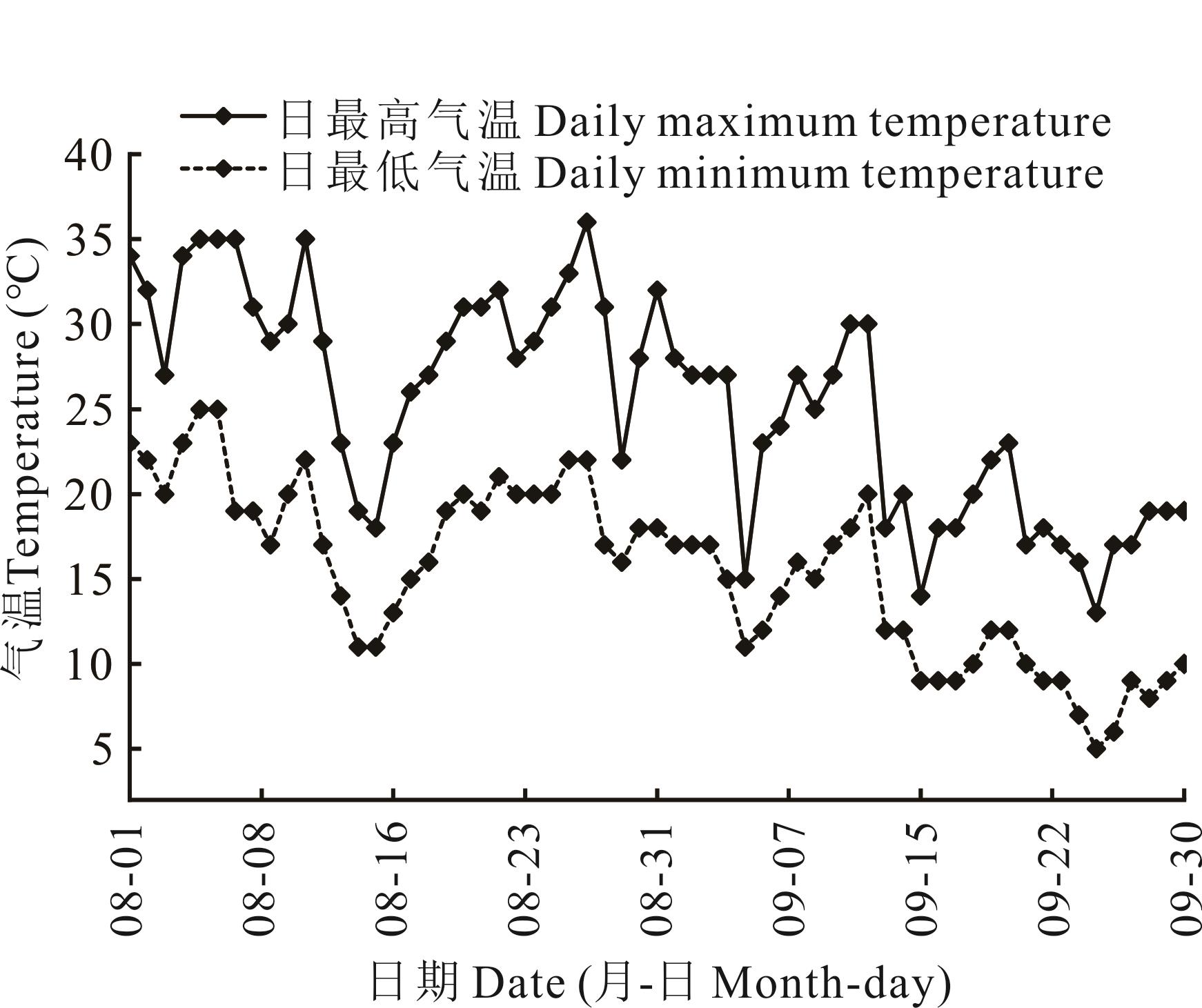
Fig.1 The maximum and minimum daily temperature in Urumqi from August to September in 2023
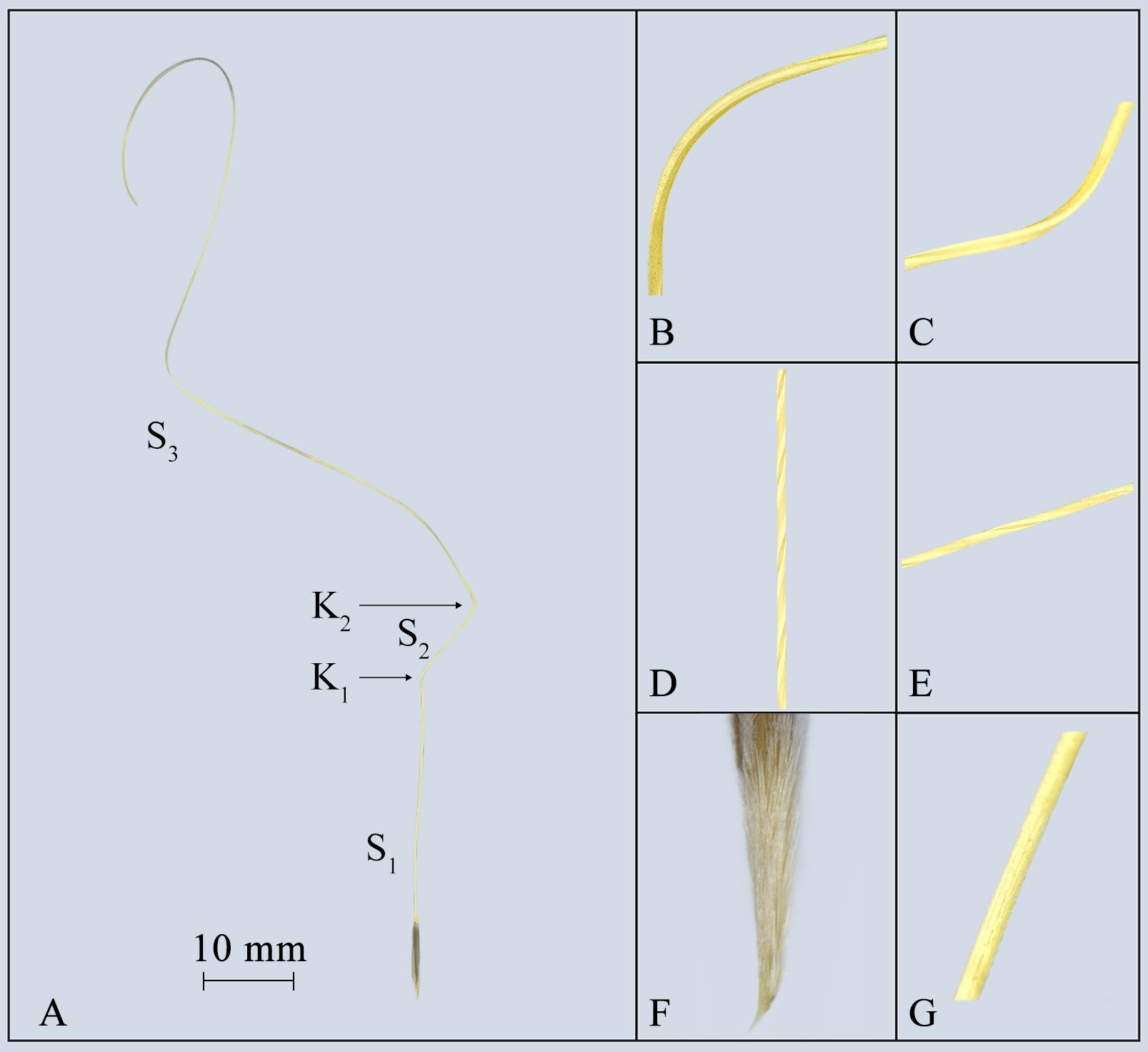
Fig.2 Morphological structure of dispersal unit of S. sareptana

Fig. 3 Morphological characteristics of all parts of S. sareptana
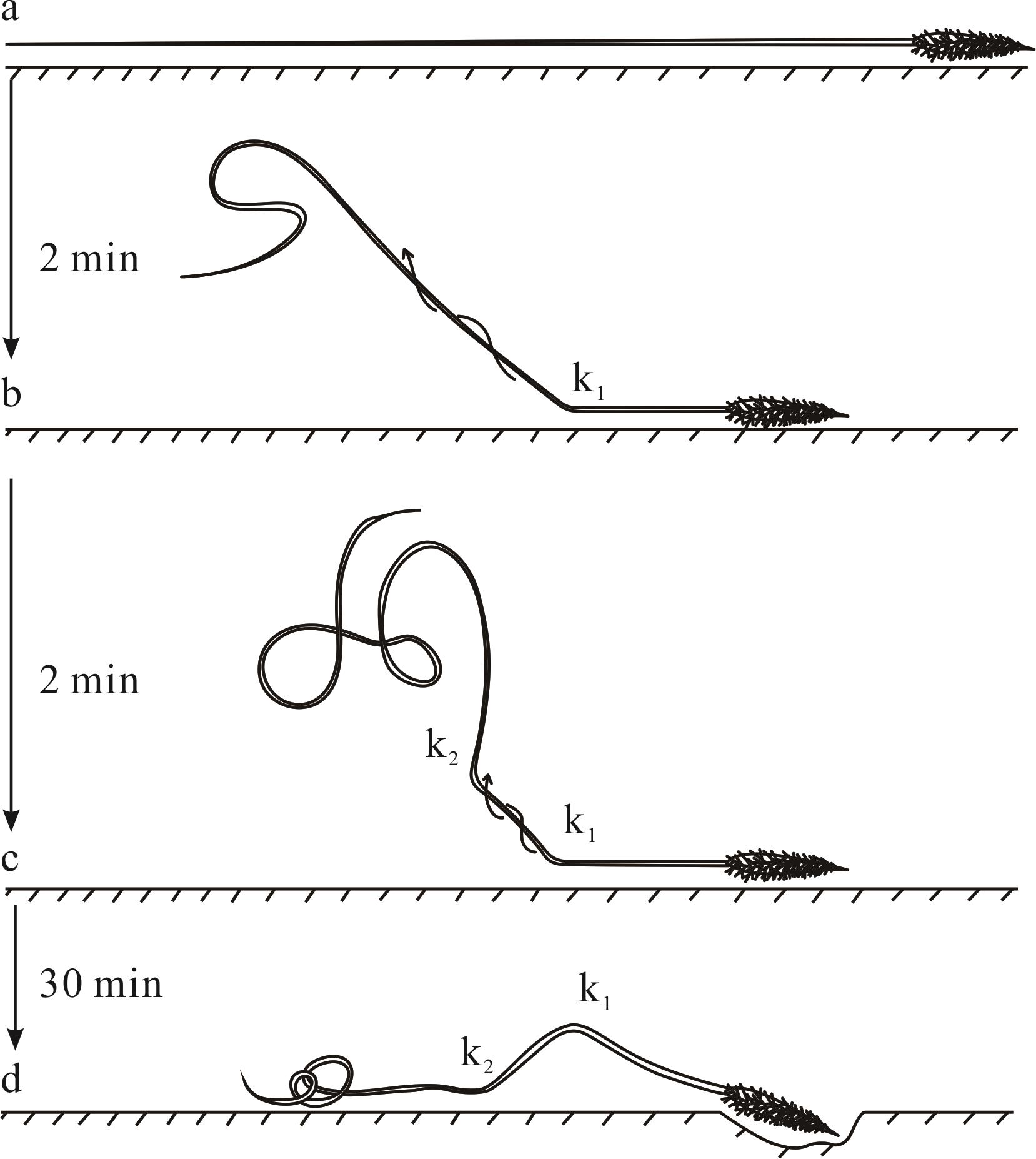
Fig.4 The hygroscopic awn movements
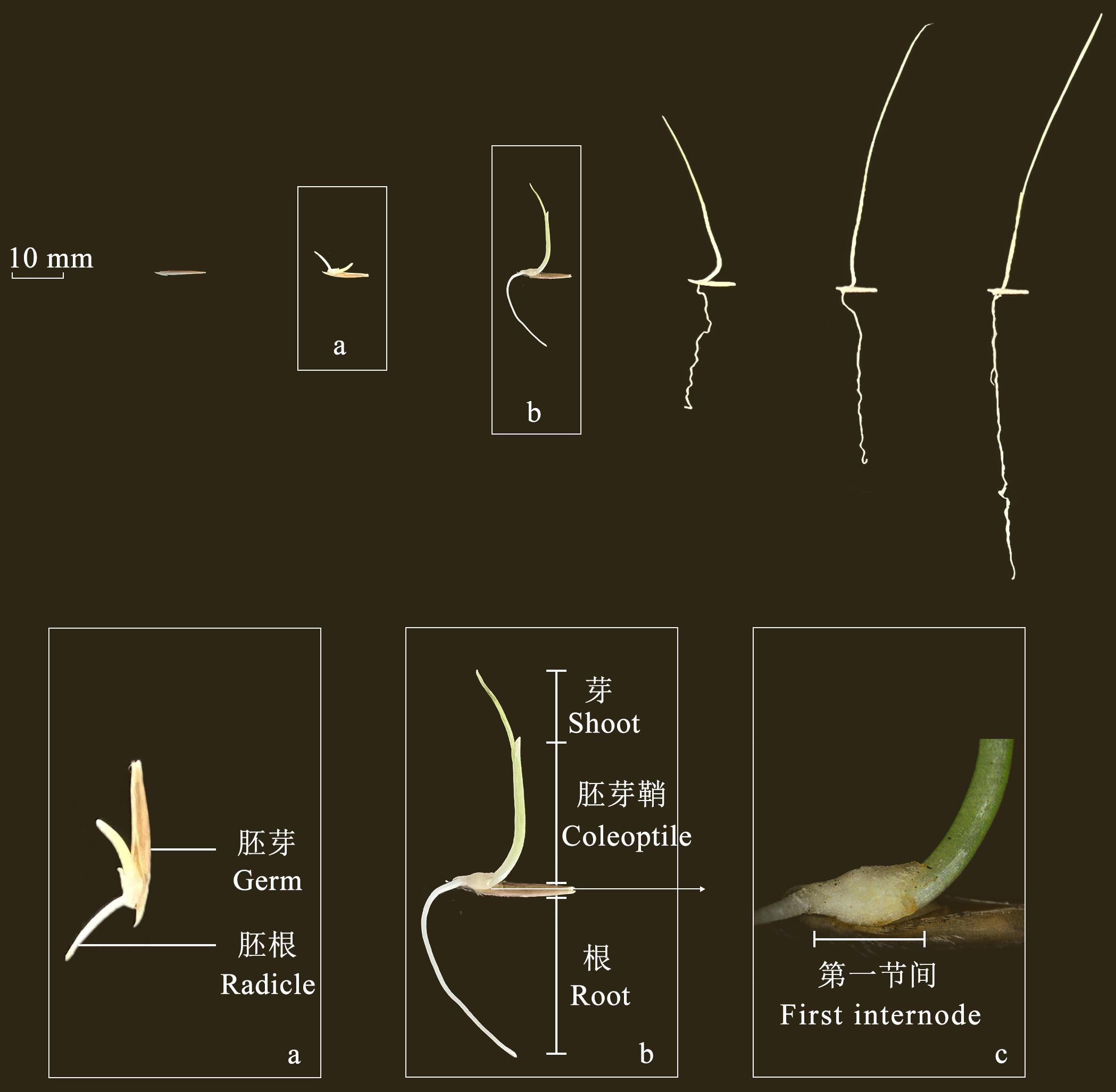
Fig.5 The germination process of S. sareptana under the same buried depth
播种后天数 Days after sowing (d) | 幼苗不同部位长度The length of each part of the seedling (cm) | |||
|---|---|---|---|---|
| 根Root | 第一节间First internode | 胚芽鞘Coleoptile | 芽Shoot | |
| 3 | 0.91±0.21c | 0.11±0.08b | 0.30±0.14c | 0 |
| 6 | 1.63±0.15bc | 0.16±0.06a | 1.28±0.31b | 0.29±0.26d |
| 9 | 2.06±0.34b | 0.18±0.07a | 1.96±0.22a | 0.65±0.48c |
| 12 | 2.24±0.33b | 0.20±0.05a | 2.05±0.12a | 1.02±0.33b |
| 15 | 3.77±0.19a | 0.20±0.04a | 2.02±0.21a | 1.61±0.13a |
Table 1 Growth and morphology of different parts of the seedlings of S. sareptana
播种后天数 Days after sowing (d) | 幼苗不同部位长度The length of each part of the seedling (cm) | |||
|---|---|---|---|---|
| 根Root | 第一节间First internode | 胚芽鞘Coleoptile | 芽Shoot | |
| 3 | 0.91±0.21c | 0.11±0.08b | 0.30±0.14c | 0 |
| 6 | 1.63±0.15bc | 0.16±0.06a | 1.28±0.31b | 0.29±0.26d |
| 9 | 2.06±0.34b | 0.18±0.07a | 1.96±0.22a | 0.65±0.48c |
| 12 | 2.24±0.33b | 0.20±0.05a | 2.05±0.12a | 1.02±0.33b |
| 15 | 3.77±0.19a | 0.20±0.04a | 2.02±0.21a | 1.61±0.13a |
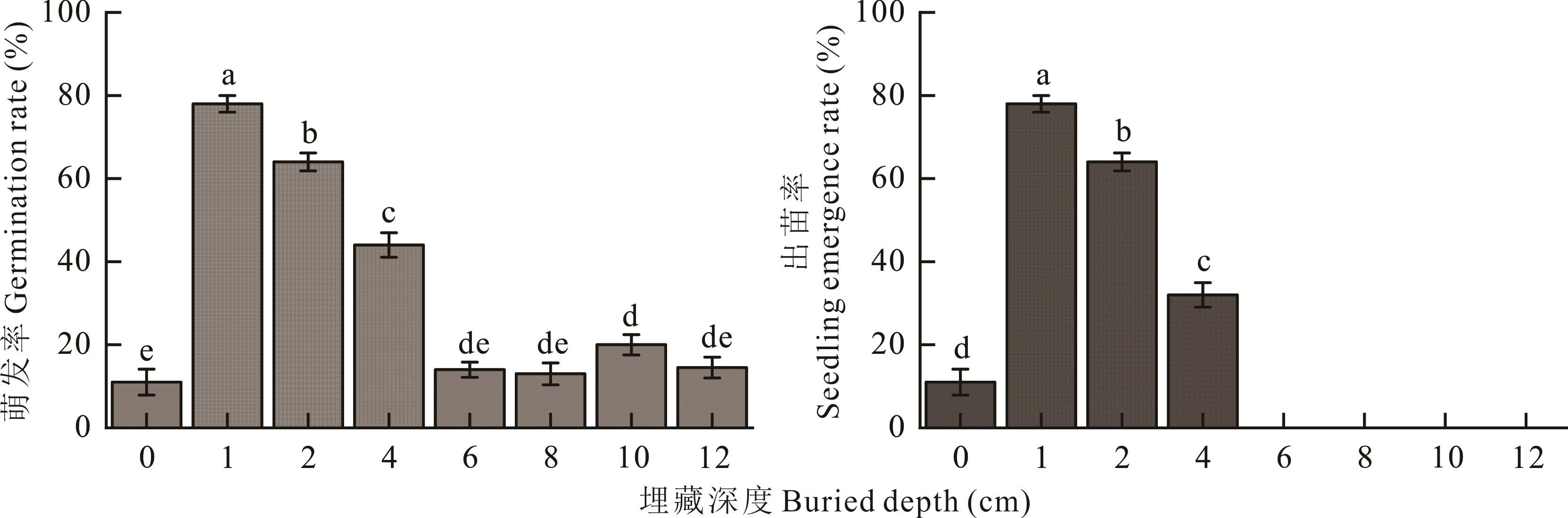
Fig.6 Effect of different burial depth on seeds germination rate and seedling emergence rate of S. sareptana
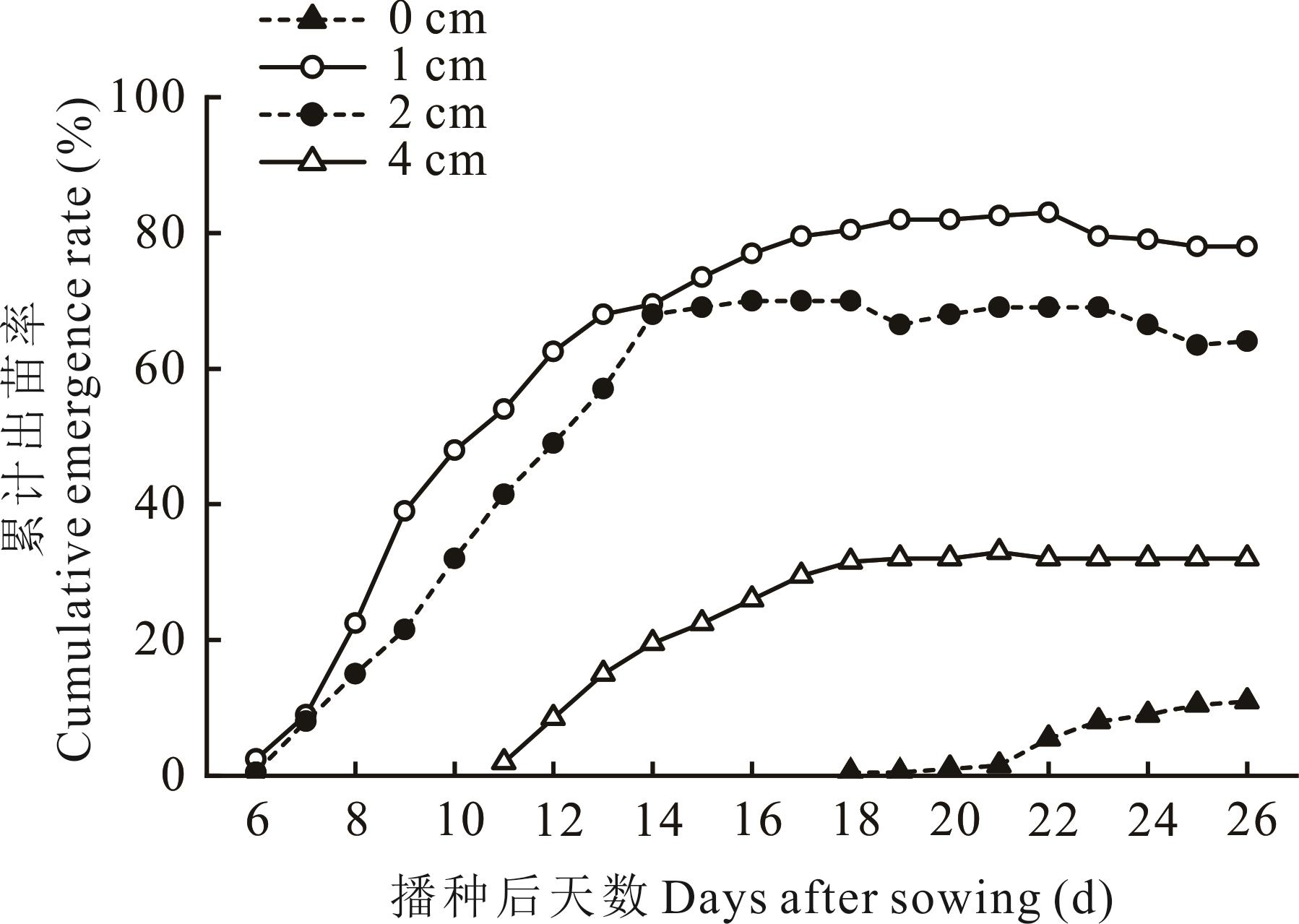
Fig.7 Effect of different burial depths on the cumulative emergence rate of seeds of S. sareptana
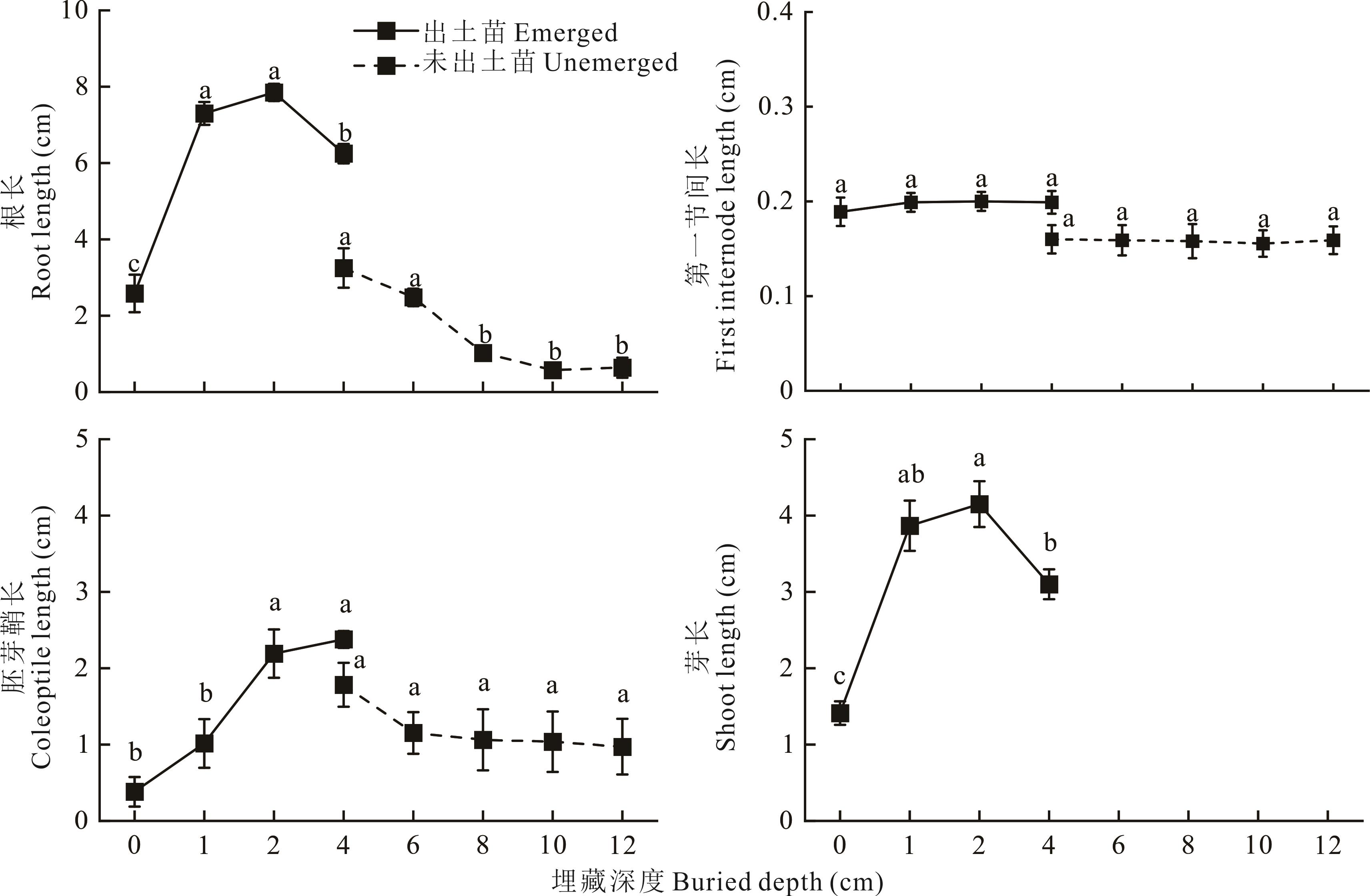
Fig.8 Effects of different burial depths on roots, first internode, coleoptile and shoot length of S. sareptana
| 1 | Pearson T R H, Burslem D F R P, Mullins C E, et al. Germination ecology of neotropical pioneers: Interacting effects of environmental conditions and seed size. Ecology, 2002, 83(10): 2798-2807. |
| 2 | Tekrony D M, Shande T, Rucker M, et al. Effect of seed shape on corn germination and vigour during warehouse and controlled environmental storage. Seed Science and Technology, 2005, 33(1): 185-197. |
| 3 | Baskin C C. Seeds: Ecology, biogeography, and evolution of dormancy and germination. San Diego: Academic Press, 1998. |
| 4 | Zheng Y R, Sun R, Chen Y X, et al.Spatial pattern of plant propagules along mountain river: A case of Dicun Stream, the source of Jiulong River. Chinese Journal of Ecology, 2021, 40(10): 3050-3059. |
| 郑雅容, 孙荣, 陈雅贤, 等. 典型山地河流植物繁殖体特征——以九龙江源头溪流地村溪为例. 生态学杂志, 2021, 40(10): 3050-3059. | |
| 5 | Elbaum R, Zaltzman L, Burgert I, et al. The role of wheat awns in the seed dispersal unit. Science, 2007, 316(5826): 884-886. |
| 6 | Yanez A, Desta I, Commins P, et al. Morphokinematics of the hygroactuation of feather grass awns. Advanced Biosystems, 2018, 2(7): 1800007. |
| 7 | Stamp N E. Production and effect of seed size in a grassland annual (Erodium brachycarpum, Geraniaceae). American Journal of Botany, 1990, 77(7): 874-882. |
| 8 | Zhou Z Q, Li T S, Wu Y P, et al. A study of optimum germination conditions of Stipa bungeana seeds. Pratacultural Science, 2013, 30(2): 218-222. |
| 周芝琴, 李廷山, 武艳培, 等. 长芒草种子适宜萌发条件. 草业科学, 2013, 30(2): 218-222. | |
| 9 | Maun M A. Adaptations of plants to burial in coastal sand dunes. Canadian Journal of Botany, 1998, 76(5): 713-738. |
| 10 | Xiong Y Q, Zhao C Y, Zhao X J. Effects of burial depth and planting density on seedling emergence and growth of Ambrosia artemisiifolia of different seed sizes. Acta Ecologica Sinica, 2021, 41(24): 9621-9629. |
| 熊韫琦, 赵彩云, 赵相健. 埋深和播种密度对豚草种子出苗及幼苗生长的影响. 生态学报, 2021, 41(24): 9621-9629. | |
| 11 | Ma H Y, Liang Z W, Yan C, et al.Effects of sand-burial depth on Leymus chinensis seedlings emergence and growth. Chinese Journal of Ecology, 2007, 26(12): 2003-2007. |
| 马红媛, 梁正伟, 闫超, 等. 四种沙埋深度对羊草种子出苗和幼苗生长的影响. 生态学杂志, 2007, 26(12): 2003-2007. | |
| 12 | Yan C, Liang Z W, Ma H Y, et al. Effects of sowing depth on seed germination and seedling growth of Leymus chinensis. Chinese Journal of Grassland, 2007, 29(5): 31-35. |
| 闫超, 梁正伟, 马红媛, 等. 不同播种深度对羊草出苗率和幼苗生长的影响. 中国草地学报, 2007, 29(5): 31-35. | |
| 13 | Li Y, Qi W W, Li S Y, et al. Seed germination and seedling growth of Medicago sativa in response to the variations of temperature, light, and burial depth. Chinese Journal of Ecology, 2021, 40(2): 332-339. |
| 李阳, 亓雯雯, 李绍阳, 等. 苜蓿种子萌发和幼苗生长对温度、光照和埋深的响应. 生态学杂志, 2021, 40(2): 332-339. | |
| 14 | Lloret F, Casanovas C, Peñuelas J. Seedling survival of Mediterranean shrubland species in relation to root∶shoot ratio, seed size and water and nitrogen use. Functional Ecology, 1999, 13(2): 210-216. |
| 15 | Hofmann M, Isselstein J. Effects of drought and competition by a ryegrass sward on the seedling growth of a range of grassland species. Journal of Agronomy and Crop Science, 2004, 190(4): 277-286. |
| 16 | Amini R, Hasanfard A, Ahmadian N, et al. Effect of environmental, seed burial depth, and straw mulch on germination and seedling emergence in Cichorium glandulosum. Weed Science, 2024, 72(2): 164-171. |
| 17 | Yang J J, Wan J J, Narkes W, et al. Seed morphology and effect of sheep rumen digestion on germinability of 28 grass of Tianshan. Acta Prataculturae Sinica, 2015, 24(2): 104-115. |
| 杨洁晶, 万娟娟, 娜丽克斯, 等. 28种植物种子形态学性状及其萌发对绵羊瘤胃消化的反应. 草业学报, 2015, 24(2): 104-115. | |
| 18 | Peart M H. Further experiments on the biological significance of the seed-dispersal units in grasses. The Journal of Ecology, 1981, 69(2): 425-436. |
| 19 | Ghermandi L. The effect of the awn on the burial and germination of Stipa speciosa (Poaceae). Acta Oecologica, 1995, 16(6): 719-728. |
| 20 | Zhang J N, Liu K. Mechanisms for plants detecting the optimum time and place to germinate. Acta Prataculturae Sinica, 2014, 23(1): 328-338. |
| 张佳宁, 刘坤. 植物调节萌发时间和萌发地点的机制. 草业学报, 2014, 23(1): 328-338. | |
| 21 | Peart M H. Experiments on the biological significance of the morphology of seed-dispersal units in grasses. The Journal of Ecology, 1979, 67: 843-863. |
| 22 | Harper J L. Population biology of plants. London: Academic Press, 1977. |
| 23 | Ren J, Tao L, Liu X M. Effect of sand burial depth on seed germination and seedling emergence of Calligonum L. species. Journal of Arid Environments, 2002, 51(4): 603-611. |
| 24 | Zhao J Z, Kong D S, Wang L, et al.Effects of low temperature stratification on emergence of Lycium ruthenicum under drought at different sowing depths. Acta Prataculturae Sinica, 2017, 26(12): 56-66. |
| 赵晶忠, 孔东升, 王立, 等. 低温层积处理对干旱和深埋胁迫下黑果枸杞出苗的影响研究. 草业学报, 2017, 26(12): 56-66. | |
| 25 | Bai M J. Ecological characteristics of seed germination and seedling emergence of ten desert plant species. Lanzhou: Lanzhou University, 2019. |
| 白梦杰. 十种荒漠植物种子萌发与出苗的生态特性研究. 兰州: 兰州大学, 2019. | |
| 26 | Forcella F, Benech A R L, Sanchez R, et al. Modeling seedling emergence. Field Crops Research, 2000, 67(2): 123-139. |
| 27 | Maun M A, Riach S. Morphology of caryopses, seedlings and seedling emergence of the grass Calamovilfa longifolia from various depths in sand. Oecologia, 1981, 49(1): 137-142. |
| 28 | Sheldon J C. The behaviour of seeds in soil: Ⅲ. The influence of seed morphology and behaviour of seedlings on the establishment of plants from surface lying seeds. Journal of Ecology, 1974, 62(1): 47-66. |
| 29 | Guo C X, Yao T, Li F M, et al. Effect of five different treatments on seed germination of Stipa glareosa. Acta Agrestia Sinica, 2016, 24(6): 87-93. |
| 郭春秀, 姚拓, 李发明, 等. 5种处理方法对沙生针茅种子萌发影响的研究. 草地学报, 2016, 24(6): 87-93. | |
| 30 | Wang J J, Yu L, Zhu G, et al. Effect of environmental factors on seed germination of Limonium aureum. Pratacultural Science, 2018, 35(7): 1661-1669. |
| 王靖靖, 余玲, 朱恭, 等. 几种环境因子对黄花矶松种子萌发的影响. 草业科学, 2018, 35(7): 1661-1669. | |
| 31 | Tang L, Li C, Luo K, et al. Effects of environmental factors on seed germination of Vicia villosa Roth var. glabresens Koch. Chinese Journal of Grassland, 2021, 43(9): 71-77. |
| 唐丽, 李淳, 骆凯, 等. 几种环境因子对光叶紫花苕种子萌发的影响. 中国草地学报, 2021, 43(9): 71-77. | |
| 32 | Huang Z Y, Dong M, Zhang S M. Strategies of seed germination on sand dune and seedling desiccation tolerance, of Psammochloa villosa (Poaceae). Acta Ecologica Sinica, 2005, 25(2): 298-303. |
| 黄振英, 董鸣, 张淑敏. 沙鞭(禾本科)种子在沙丘上的萌发策略及幼苗的耐干燥特性. 生态学报, 2005, 25(2): 298-303. | |
| 33 | Zhang J H, Maun M A. Effects of sand burial on seed germination, seeding emergence, survival, and growth of Agropyron psammophilum. Canadian Journal of Botany, 1990, 68(2): 304-310. |
| 34 | Gutterman Y. Seed germination in desert plants. Endeavour, 2014, 19(1): 47. |
| 35 | Keeley J E, Fotheringham C J. Trace gas emission and smoke-induced seed germination. Science, 1997, 276(5316): 1248-1250. |
| 36 | Yang H L, Cao Z P, Dong M, et al.Effects of sand burying on caryopsis germination and seedling growth of Bromus inermis Leyss. Chinese Journal of Applied Ecology, 2007, 18(11): 2438-2443. |
| 杨慧玲, 曹志平, 董鸣, 等. 沙埋对无芒雀麦种子萌发和幼苗生长的影响. 应用生态学报, 2007, 18(11): 2438-2443. | |
| 37 | Maqbool M M, Naz S, Ahmad T, et al. The impact of seed burial depths and post-emergence herbicides on seedling emergence and biomass production of wild oat (Avena fatua L.): Implications for management. PLoS One, 2020, 15(10): e0240944. |
| 38 | Yue Y H, Jin G L, Han W Q, et al. Effect of burial depth on seed germination and seedling growth of Achnatherum inebrians. Chinese Journal of Grassland, 2020, 42(2): 8-13. |
| 岳永寰, 靳瑰丽, 韩万强, 等. 埋藏深度对醉马草种子萌发与幼苗生长的影响. 中国草地学报, 2020, 42(2): 8-13. | |
| 39 | Wang W J, He D H, Tang X Q, et al. Effect of different temperature and sand burial depths on seed germination and seedling growth of Sophora moorcroftiana. Journal of Desert Research, 2011, 31(6): 1437-1442. |
| 王文娟, 贺达汉, 唐小琴, 等. 不同温度和沙埋深度对砂生槐种子萌发及幼苗生长的影响. 中国沙漠, 2011, 31(6): 1437-1442. | |
| 40 | Li B, Fang Z J, Zhang Y J, et al. Comprehensive analysis of mixed soda saline-alkali resistance of germplasm resources of Longmualfalfa. Acta Agrestia Sinica, 2019, 27(1): 141-147. |
| 李波, 方志坚, 张英俊, 等. 龙牧苜蓿种质资源耐混合苏打盐碱能力综合分析. 草地学报, 2019, 27(1): 141-147. | |
| 41 | Chen W, Wang J H, Zhang Y, et al. Effects of sand burial on seed germination and seedling growth of Hedysarum scoparium. Ecological Science, 2011, 30(1): 26-31. |
| 陈文, 王桔红, 张勇, 等. 沙埋对花棒种子萌发和幼苗生长的影响. 生态科学, 2011, 30(1): 26-31. |
| [1] | Li-fen HAO, Xiao-yang XU, Yu JI, Rui WANG, De-bao WU, Yu-yu LI, Ke-jian LIN. Comparison of the dynamic morphological and physiological characteristics of twin seeds during the germination of field sandbur [J]. Acta Prataculturae Sinica, 2024, 33(9): 40-50. |
| [2] | Ting-ting ZHANG, Yu-le LIU, Hong CHEN, Ling-xin XU, Xiang-wei CHEN, En-heng WANG, Jun-xin YAN. Effects of different exogenous substances on the seed germination, seedling growth, and physiology of Melilotus suaveolens under salt, alkali, and drought stress [J]. Acta Prataculturae Sinica, 2024, 33(8): 122-132. |
| [3] | Bang-yin HE, Jing-hong PEI, Qi-rui YE, Jia-jia HU, Cai-xue ZHENG, Jiang-wen LI. Allelopathic effects of different artificial economic forest litter extracts on Fabaceae and Poaceae species [J]. Acta Prataculturae Sinica, 2024, 33(8): 199-208. |
| [4] | Kun-fei RUAN, Tian-qi WANG, Ning-ning BI, Shao-tong SHI, Sen LI, Zhong-hua LIU. Allelopathic effects of aqueous extracts of fallen leaves of Acer truncatum on three medicinal plants [J]. Acta Prataculturae Sinica, 2024, 33(7): 151-159. |
| [5] | Jin-zhu GAO, Dong-hao ZHAO, Le GAO, Xi-hao SU, Xue-qing HE. Effects of cerium nitrate and abscisic acid treatment on alfalfa seed germination and seedling physiological characteristics [J]. Acta Prataculturae Sinica, 2024, 33(6): 175-186. |
| [6] | Shao-ying MA, Gui-ping CHEN, Na WANG, Lei MA, Rong-fang LIAN, Sheng LI, Xu-cheng ZHANG. Identification of potential autotoxic substances in pea soil and analysis of their autotoxic effects [J]. Acta Prataculturae Sinica, 2023, 32(6): 134-145. |
| [7] | Shi-min ZHANG, Jiao-yang ZHAO, Hui-sen ZHU, Kai WEI, Yong-xin WANG. Effects of selenium on metabolic transformation and morphogenesis in different varieties of alfalfa during the germination stage [J]. Acta Prataculturae Sinica, 2023, 32(4): 79-90. |
| [8] | Wen-jie QU, Wen-zhi ZHAO, Lei WANG, Jian-jun QU, Xin-guo YANG. Response of germination and seedling survival of two shrubs to simulated dry-wet treatments [J]. Acta Prataculturae Sinica, 2023, 32(11): 179-187. |
| [9] | Xiang LI, Meng ZHANG, Chun-zeng LIU, Yi-fei ZHU, Xiao-xin YE. Effects of dialectric barrier discharge plasma treatment on seed germination and physiological characteristics of Astragalus sinicus [J]. Acta Prataculturae Sinica, 2023, 32(10): 129-140. |
| [10] | Jiao-yun LU, Hong TIAN, He-shan ZHANG, Jun-bo XIONG, Yang LIU, Zhen-nan WANG. Effects of H2O2 immersion on seed germination and seedling growth of alfalfa under salt stress [J]. Acta Prataculturae Sinica, 2023, 32(10): 141-152. |
| [11] | Qi-bo TAO, Xi-hu QIE, Qian ZHANG, Yu-xuan GAO, Ya-qi ZHANG, Rui-zhen ZHANG, Xiao-fei CHEN, Tian-xiu NIU, Xiao-tong SUN, Yu-ting NIE, Ya-ru LIU, Jia-qi HU, Shang-zhi ZHONG, Juan SUN. Research progress on vigor estimation for forage seeds [J]. Acta Prataculturae Sinica, 2023, 32(10): 200-225. |
| [12] | Ying-zi GUO, Wen-qing JIA, Song-lin HE, Zheng WANG. Allelopathic effects of extracts of Sonchus asper on seed germination and seedling growth of three herbaceous flower species [J]. Acta Prataculturae Sinica, 2022, 31(9): 96-106. |
| [13] | Chun-jie LI, Ming-xiao LANG, Zhen-jiang CHEN, Tai-xiang CHEN, Jing LIU, Yuan-yuan JIN, Xue-kai WEI. Effects of Epichloë endophytic fungi on the germination of grass seeds [J]. Acta Prataculturae Sinica, 2022, 31(3): 192-206. |
| [14] | Peng ZHANG, Xi REN, Si-yu MENG, Xiao-xing WEI, Gen-sheng BAO. Effects of Epichloё endophyte on seed germination and seedling growth of Stipa purpurea under salt stress [J]. Acta Prataculturae Sinica, 2022, 31(10): 110-121. |
| [15] | Xin-tong ZHAO, Xiao-dong CHEN, Zi-ji LI, Ju-ming ZHANG, Tian-zeng LIU. An evaluation of the effects of the plant endophyte Enterobacter on the salt tolerance of bermudagrass [J]. Acta Prataculturae Sinica, 2021, 30(9): 127-136. |
| Viewed | ||||||
|
Full text |
|
|||||
|
Abstract |
|
|||||
