
ISSN 1004-5759 CN 62-1105/S
Acta Prataculturae Sinica ›› 2025, Vol. 34 ›› Issue (12): 157-169.DOI: 10.11686/cyxb2025014
Yong-long LI( ), Sheng-hui ZHOU, Meng-yao XUE, Yuan GAO, Le JU, Yi-bing CHEN, Song-lin FU, Jian-hao HAO, Heng LI, Kun ZHANG(), Zhi-fang ZUO()
Received:2025-01-17
Revised:2025-03-27
Online:2025-12-20
Published:2025-10-20
Contact:
Kun ZHANG,Zhi-fang ZUO
Yong-long LI, Sheng-hui ZHOU, Meng-yao XUE, Yuan GAO, Le JU, Yi-bing CHEN, Song-lin FU, Jian-hao HAO, Heng LI, Kun ZHANG, Zhi-fang ZUO. Cloning of the gene ZjWRKY63 from Zoysia japonica and its salt resistance analysis in transgenic Arabidopsis[J]. Acta Prataculturae Sinica, 2025, 34(12): 157-169.
| 名称Name | 寡核苷酸Oligonucleotides (5′-3′) | 用途Purpose |
|---|---|---|
| ZjWRKY63-F | GTGTTACTTCCCCGGGGATCCATGGACAGCGAGTGGAGCG | ZjWRKY63基因克隆 For the gene cloning of ZjWRKY63 |
| ZjWRKY63-R | GTCATCCTTGTAGTCAAGCTTTGTCATGGCAGTGCCTCC | |
| AtABI5-F | AGAGGGATAGCGAACGAGTCTAGTC | 用于下游基因的qRT-PCR表达分析 For the qRT-PCR of downstream gene expression analysis |
| AtABI5-R | GTTCGGGTTTGGATTAGGTTTAGG | |
| AtCOR15A-F | CAGTTCGTCGTCGTTTCT | |
| AtCOR15A-R | CCAATGTATCTGCGGTTT | |
| AtDREB1A-F | AGGAGACGTTGGTGGAGGCT | |
| AtDREB1A-R | ACGTCGTCATCATCGCCGTC | |
| AtMYC2-F | GCGTTGATGGATTTGGAGTT | |
| AtMYC2-R | TTGCTCTGAGCTGTTCTTGC | |
| AtSOS1-F | TCGTTTCAGCCAAATCAGAAAGT | |
| AtSOS1-R | TTTGCCTTGTGCTGCTTTCC | |
| AtSOS2-F | GGCTTGAAGAAAGTGAGTCTCG | |
| AtSOS2-R | GCTACATAGTTCGGAGTTCCACA | |
| AtACT-F | GGTAACATTGTGCTCAGTGGTGG | 拟南芥内参基因 Inner reference gene of A. thaliana |
| AtACT-R | AACGACCTTAATCTTCATGCTGC |
Table 1 Primers used for gene cloning and expression analysis
| 名称Name | 寡核苷酸Oligonucleotides (5′-3′) | 用途Purpose |
|---|---|---|
| ZjWRKY63-F | GTGTTACTTCCCCGGGGATCCATGGACAGCGAGTGGAGCG | ZjWRKY63基因克隆 For the gene cloning of ZjWRKY63 |
| ZjWRKY63-R | GTCATCCTTGTAGTCAAGCTTTGTCATGGCAGTGCCTCC | |
| AtABI5-F | AGAGGGATAGCGAACGAGTCTAGTC | 用于下游基因的qRT-PCR表达分析 For the qRT-PCR of downstream gene expression analysis |
| AtABI5-R | GTTCGGGTTTGGATTAGGTTTAGG | |
| AtCOR15A-F | CAGTTCGTCGTCGTTTCT | |
| AtCOR15A-R | CCAATGTATCTGCGGTTT | |
| AtDREB1A-F | AGGAGACGTTGGTGGAGGCT | |
| AtDREB1A-R | ACGTCGTCATCATCGCCGTC | |
| AtMYC2-F | GCGTTGATGGATTTGGAGTT | |
| AtMYC2-R | TTGCTCTGAGCTGTTCTTGC | |
| AtSOS1-F | TCGTTTCAGCCAAATCAGAAAGT | |
| AtSOS1-R | TTTGCCTTGTGCTGCTTTCC | |
| AtSOS2-F | GGCTTGAAGAAAGTGAGTCTCG | |
| AtSOS2-R | GCTACATAGTTCGGAGTTCCACA | |
| AtACT-F | GGTAACATTGTGCTCAGTGGTGG | 拟南芥内参基因 Inner reference gene of A. thaliana |
| AtACT-R | AACGACCTTAATCTTCATGCTGC |

Fig.1 Transcriptome and cloning analysis of Z. japonica ZjWRKY63

Fig.2 The conserved domain analysis of Z. japonicaZjWRKY63
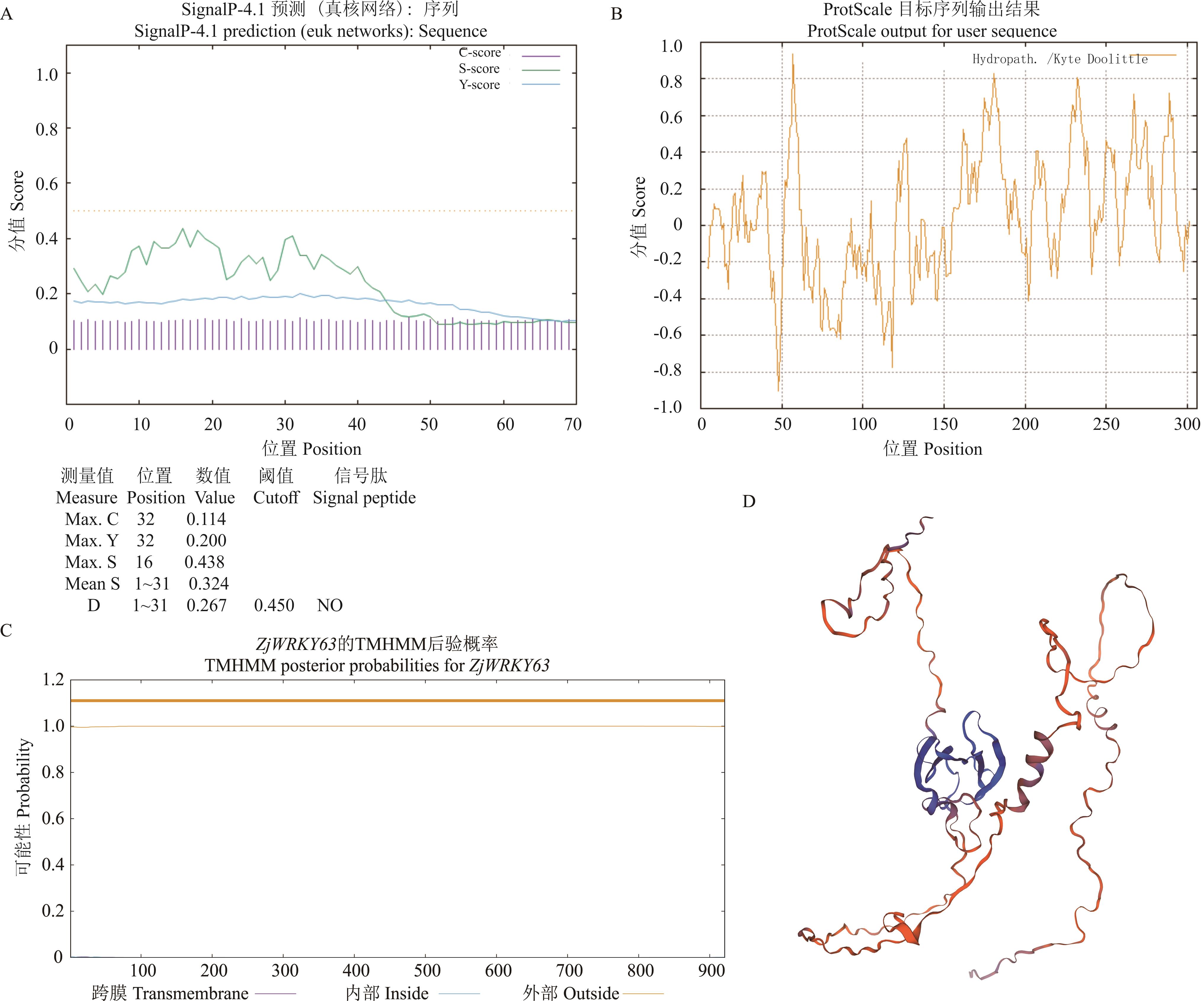
Fig.3 Bioinformatic analysis of Z. japonica ZjWRKY63
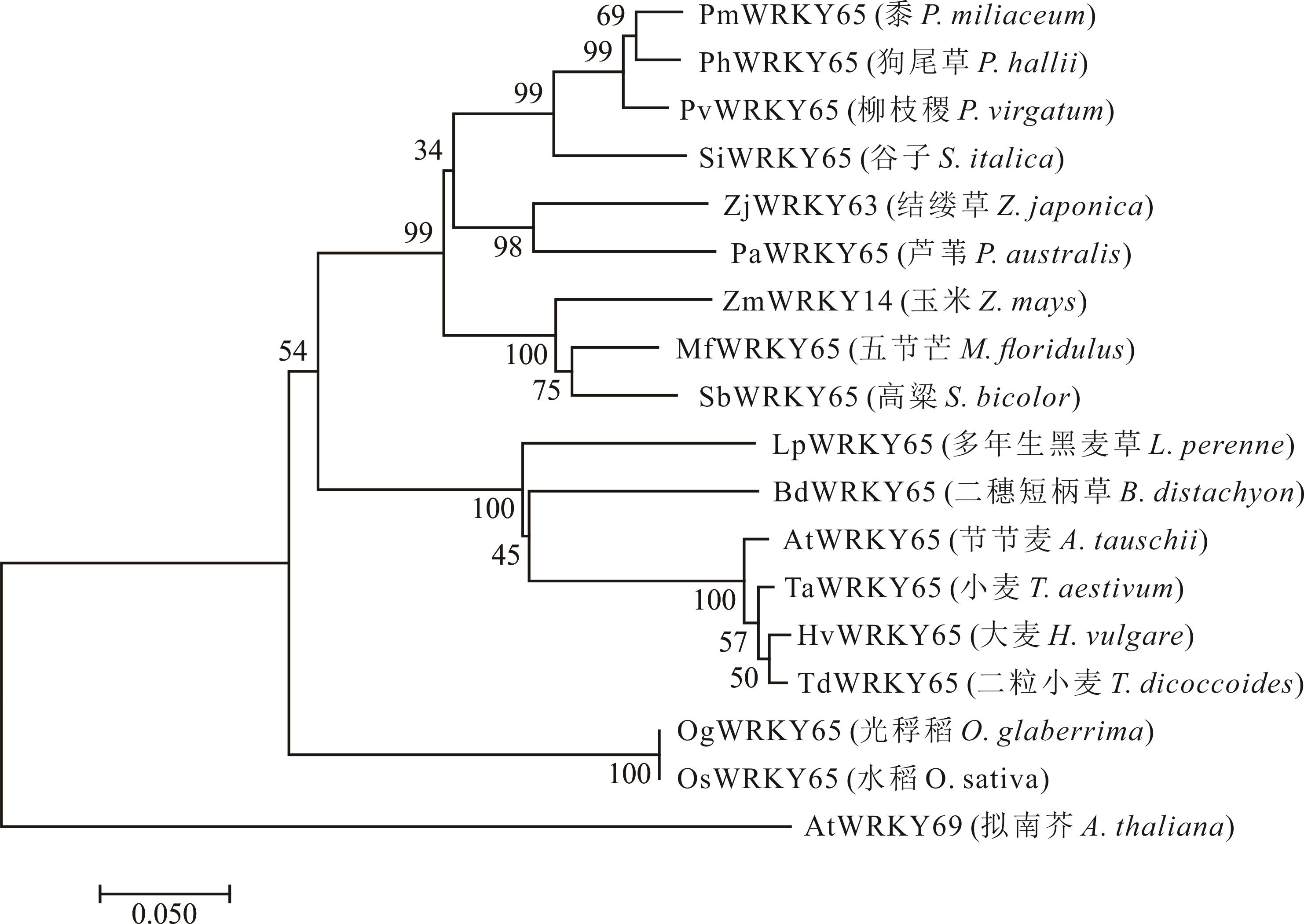
Fig.4 Phylogenetic tree analysis of Z. japonicaZjWRKY63
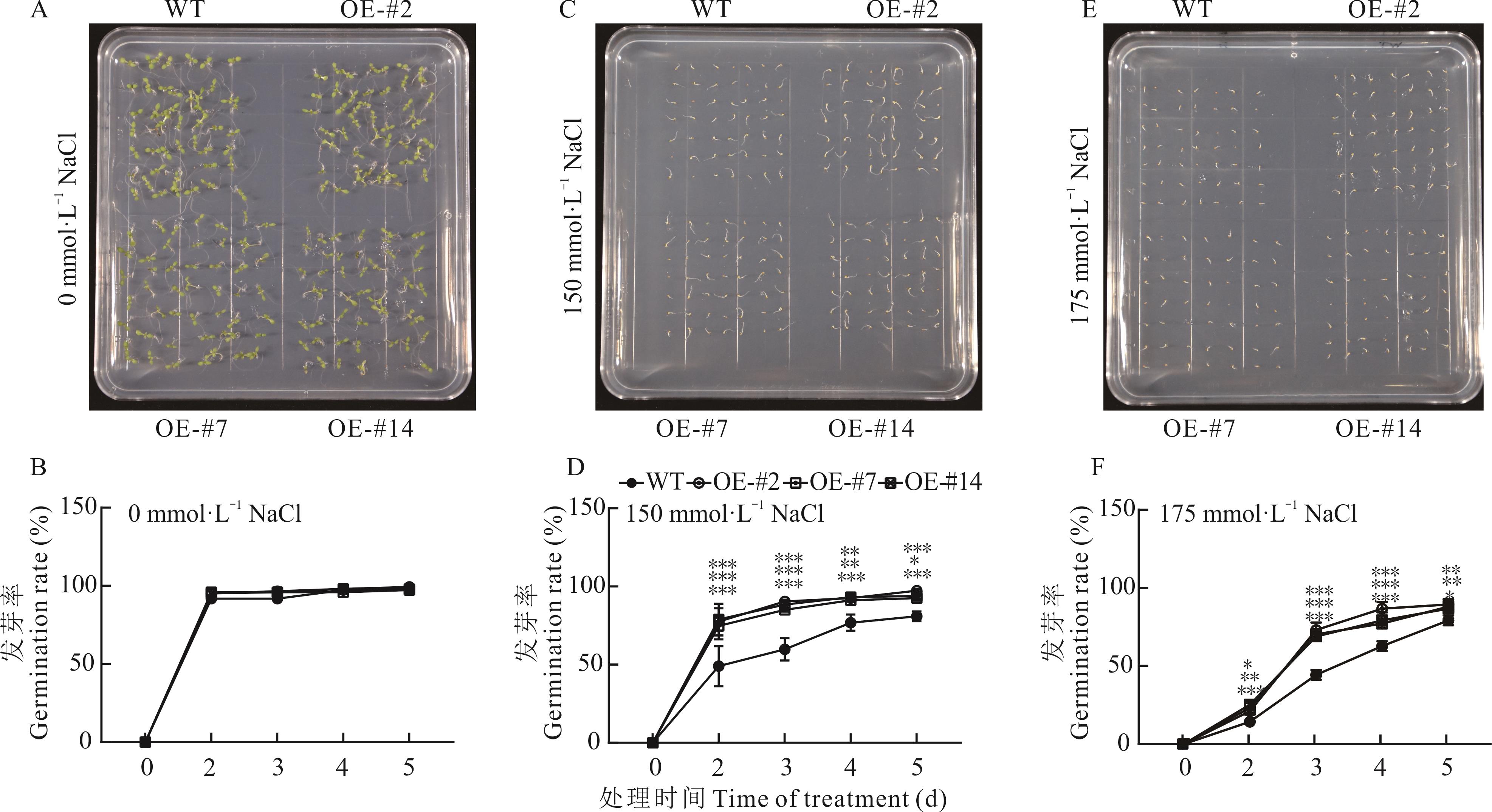
Fig.5 Germination rate analysis of transgenic A. thaliana with overexpression of ZjWRKY63
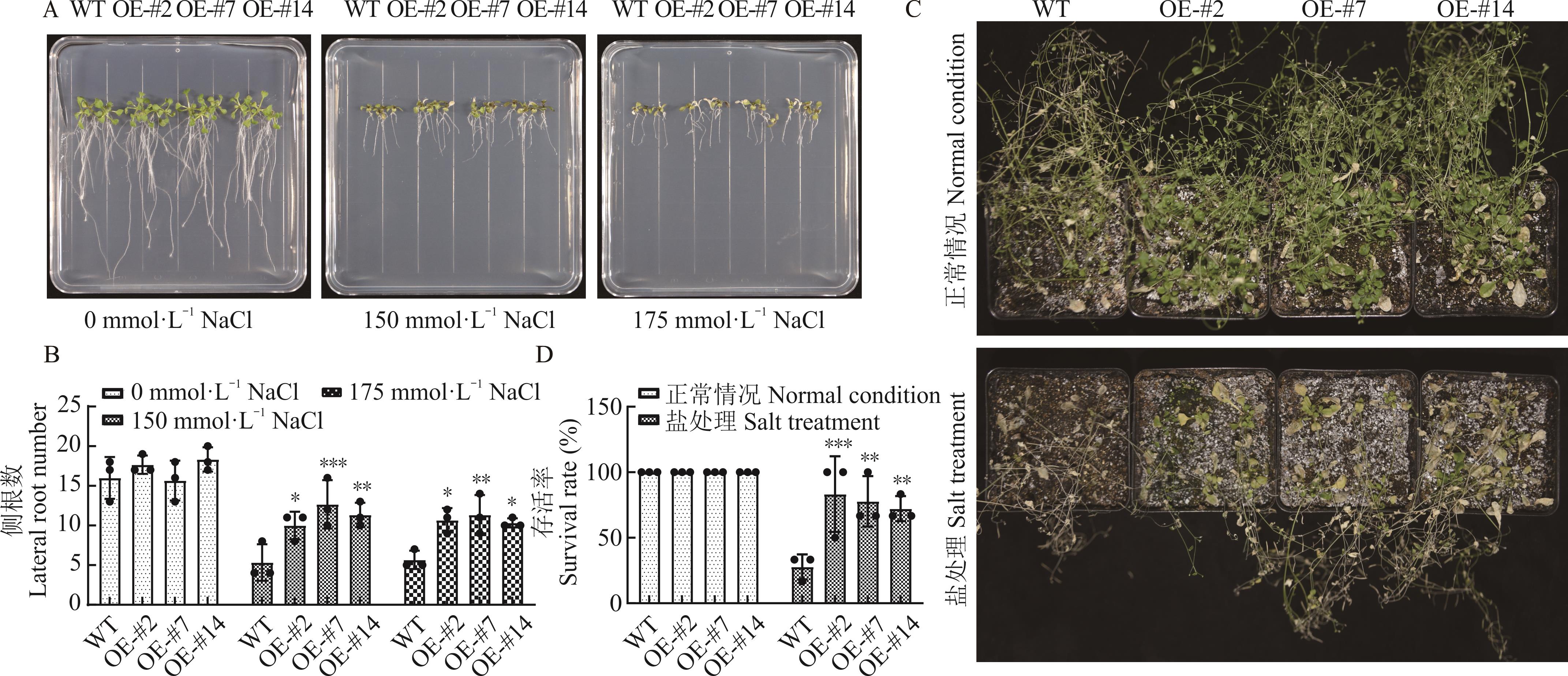
Fig.6 The salt tolerant analysis of transgenic A. thaliana with overexpression of ZjWRKY63
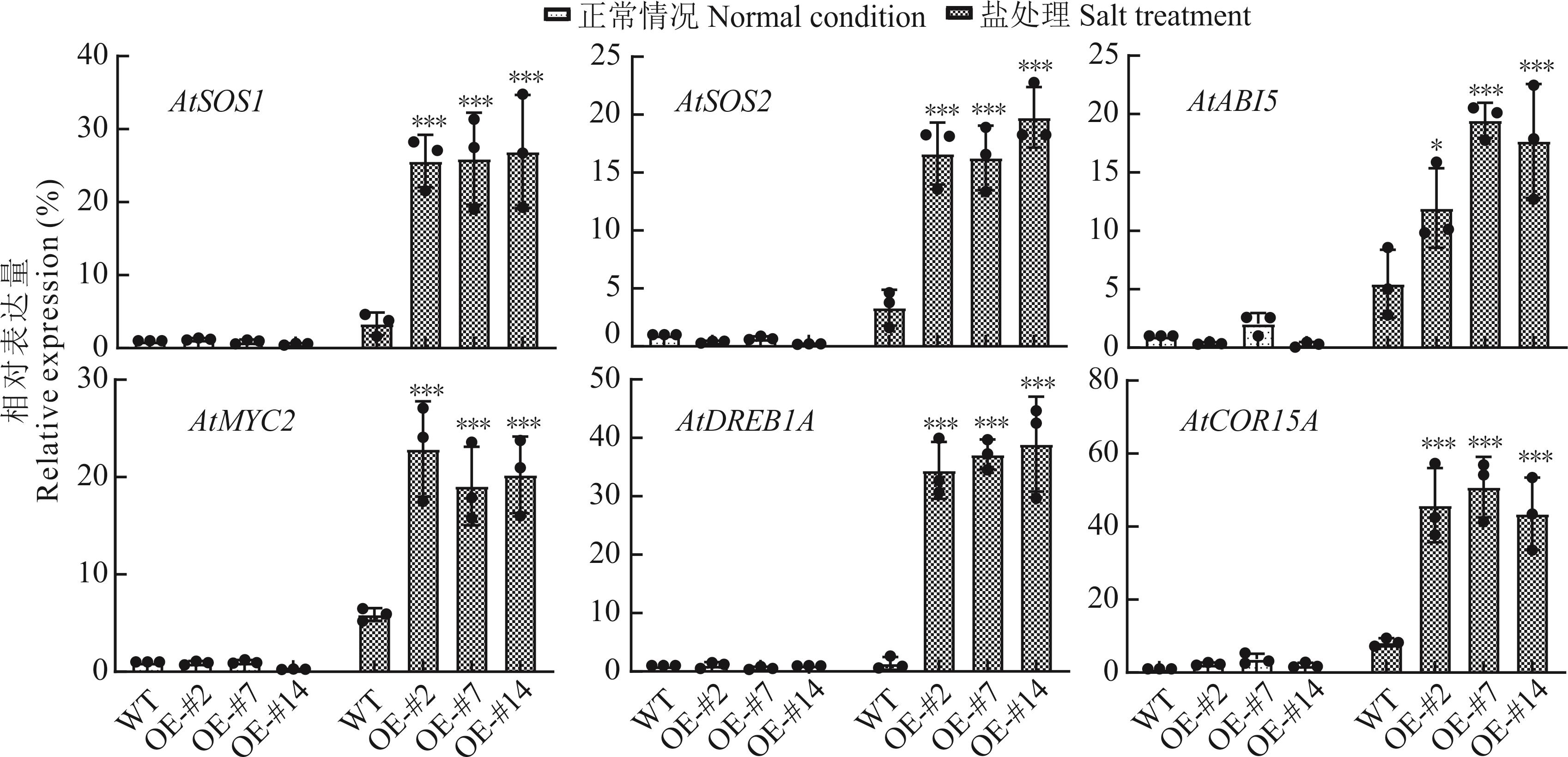
Fig.7 The expression analysis of stress-responsive genes in transgenic A. thaliana with overexpression of ZjWRKY63 under salt stress treatment
| [1] | Liu Y, Jiang W, Zhao W, et al. Effects of biochar application on soil properties and the growth of Melissa officinalis L. under salt stress. Scientia Horticulturae, 2024, 338(1): 113704. |
| [2] | Li J X, Bai X M, Zhang C, et al. Effects of different salt types on seed germination and seedling growth of Poa annua. Arid Zone Research, 2023, 40(7): 1131-1140. |
| 李娟霞, 白小明, 张翠, 等. 不同盐分类型对一年生早熟禾种子萌发和幼苗生长的影响. 干旱区研究, 2023, 40(7): 1131-1140. | |
| [3] | Wang R, Yu M Y, Cao Z J, et al. Effects of salt stress on seed germination characteristics of Poa pratensis L. Seed, 2024, 43(9): 86-93, 100. |
| 王蓉, 于铭玥, 曹志坚, 等. 盐处理对草地早熟禾种子萌发特性的影响. 种子, 2024, 43(9): 86-93, 100. | |
| [4] | Song X. Research progress on stress resistance of seashore paspalum. Modern Agricultural Science and Technology, 2024(11): 126-132. |
| 宋鑫. 海滨雀稗抗逆性研究进展. 现代农业科技, 2024(11): 126-132. | |
| [5] | Zuo Z F, Lee H Y, Kang H G. Basic helix-loop-helix transcription factors: regulators for plant growth development and abiotic stress responses. International Journal of Molecular Sciences, 2023, 24(2): 1419. |
| [6] | Lata C, Prasad M. Role of DREBs in regulation of abiotic stress responses in plants. Journal of Experimental Botany, 2011, 62(14): 4731-4748. |
| [7] | Rai G K, Mishra S, Chouhan R, et al. Plant salinity stress, sensing, and its mitigation through WRKY. Frontiers in Plant Science, 2023, 14(4): 1238507. |
| [8] | Johnson C S, Kolevski B, Smyth D R. TRANSPARENT TESTA GLABRA2, a trichome and seed coat development gene of Arabidopsis, encodes a WRKY transcription factor. The Plant Cell, 2002, 14(6): 1359-1375. |
| [9] | Rushton P J, Somssich I E, Ringler P, et al. WRKY transcription factors. Trends in Plant Science, 2010, 15(5): 247-258. |
| [10] | Eulgem T, Rushton P J, Robatzek S, et al. The WRKY superfamily of plant transcription factors. Trends in Plant Science, 2000, 5(5): 199-206. |
| [11] | Dong J X, Chen C H, Chen Z X, et al. Expression profiles of the Arabidopsis WRKY gene superfamily during plant defense response. Plant Molecular Biology, 2003, 51(1): 21-37. |
| [12] | Wu K L, Guo Z J, Wang H H, et al. The WRKY family of transcription factors in rice and Arabidopsis and their origins. DNA Research, 2005, 12(1): 9-26. |
| [13] | Eulgem T, Somssich I E. Networks of WRKY transcription factors in defense signaling. Current Opinion in Plant Biology, 2007, 10(4): 366-371. |
| [14] | Jiang J J, Ma S H, Ye N H, et al. WRKY transcription factors in plant responses to stresses. Journal of Integrative Plant Biology, 2017, 59(2): 86-101. |
| [15] | Liang C P, Chen L G. Preliminary exploration of the mechanism by which AtWRKY45 regulates salt tolerance in Arabidopsis thaliana. Seed Science and Technology, 2024, 42(17): 13-17. |
| 梁承萍, 陈利钢. AtWRKY45调控拟南芥耐盐性的机制初探. 种子科技, 2024, 42(17): 13-17. | |
| [16] | Zhou S, Zheng W J, Liu B H, et al. Characterizing the role of TaWRKY13 in salt tolerance. International Journal of Molecular Sciences, 2019, 20(22): 5712. |
| [17] | Zhu D, Hou L X, Xiao P L, et al. VvWRKY30, a grape WRKY transcription factor, plays a positive regulatory role under salinity stress. Plant Science, 2018, 280: 132-142. |
| [18] | Li X, Ye G, Shen Z, et al. Na+ and K+ homeostasis in different organs of contrasting Zoysia japonica accessions under salt stress. Environmental and Experimental Botany, 2023, 214: 105455. |
| [19] | Bao W, Wang X, Chen M, et al. A WRKY transcription factor, PcWRKY33, from Polygonum cuspidatum reduces salt tolerance in transgenic Arabidopsis thaliana. Plant Cell Reports, 2018, 37(7): 1033-1048. |
| [20] | Cai R, Dai W, Zhang C, et al. The maize WRKY transcription factor ZmWRKY17 negatively regulates salt stress tolerance in transgenic Arabidopsis plants. Planta, 2017, 246: 1215-1231. |
| [21] | Zhao K, Zhang D, Lv K, et al. Functional characterization of poplar WRKY75 in salt and osmotic tolerance. Plant Science, 2019, 289: 110259. |
| [22] | Yuan Y, Son J H, Park M Y, et al. Overexpression of ZjWRKY10, a Zoysia japonica WRKY transcription factor gene, accelerates leaf senescence and flowering in transgenic Arabidopsis. Journal of Plant Biotechnology, 2024, 51(1): 1-10. |
| [23] | He X, Duan H L, Luo L J, et al. Morphological characteristics variations of germplasm resources in Zoysia Willd. Molecular Plant Breeding, 2024, 22(13): 4364-4376. |
| 何潇, 段宏利, 罗丽娟, 等. 结缕草属种质资源形态特征变异. 分子植物育种, 2024, 22(13): 4364-4376. | |
| [24] | Li H, Li D F, Deng Y, et al. Expression analysis of abiotic stress response gene HcWRKY71 in kenaf and transformation of Arabidopsis. Acta Agronomica Sinica, 2021, 47(6): 1090-1099. |
| 李辉, 李德芳, 邓勇, 等. 红麻非生物逆境胁迫响应基因HCWRKY71表达分析及转化拟南芥. 作物学报, 2021, 47(6): 1090-1099. | |
| [25] | Li Y, Mi X F, Yan L, et al. Cloning and salt tolerance analysis of UDP-glycosyltransferases UGT72B3 gene in Carex rigescens. Chinese Journal of Grassland, 2023, 45(8): 10-22. |
| 李岩, 米鑫丰, 闫丽, 等. 白颖苔草UDP-糖基转移酶UGT72B3基因的克隆与耐盐性分析. 中国草地学报, 2023, 45(8): 10-22. | |
| [26] | Li Y, Yang Q, Huang H, et al. Overexpression of PvWAK3 from seashore paspalum increases salt tolerance in transgenic Arabidopsis via maintenance of ion and ROS homeostasis. Plant Physiology and Biochemistry, 2024, 207: 108337. |
| [27] | Yu Y G, Wu Y X, He L. A wheat WRKY transcription factor TaWRKY17 enhances tolerance to salt stress in transgenic Arabidopsis and wheat plant. Plant Molecular Biology, 2023, 113(4): 171-191. |
| [28] | Wang J J, An C, Guo H L, et al. Physiological and transcriptomic analyses reveal the mechanisms underlying the salt tolerance of Zoysia japonica Steud. BMC Plant Biology, 2020, 20: 1-16. |
| [29] | Yamasaki K, Kigawa T, Seki M, et al. DNA-binding domains of plant-specific transcription factors: structure, function, and evolution. Trends in Plant Science, 2013, 18(5): 267-276. |
| [30] | Zhang H Y, Liu Y W, Yang J F, et al. Identification and analysis of salt tolerance of wheat transcription factor TaWRKY33 protein. Scientia Agricultura Sinica, 2018, 51(24): 4591-4602. |
| 张惠媛, 刘永伟, 杨军峰, 等. 小麦转录因子基因TaWRKY33的耐盐性分析. 中国农业科学, 2018, 51(24): 4591-4602. | |
| [31] | Qin Y, Tian Y, Liu X. A wheat salinity-induced WRKY transcription factor TaWRKY93 confers multiple abiotic stress tolerance in Arabidopsis thaliana. Biochemical and Biophysical Research Communications, 2015, 464(2): 428-433. |
| [32] | Lv B B, Wu Q, Wang A H, et al. A WRKY transcription factor, FtWRKY46, from Tartary buckwheat improves salt tolerance in transgenic Arabidopsis thaliana. Plant Physiology and Biochemistry, 2020, 147: 43-53. |
| [33] | Li P L, Song A P, Gao C Y, et al. Chrysanthemum WRKY gene CmWRKY17 negatively regulates salt stress tolerance in transgenic chrysanthemum and Arabidopsis plants. Plant Cell Reports, 2015, 34(8): 1365-1378. |
| [34] | Muchate N S, Nikalje G C, Rajurkar N S, et al. Plant salt stress: adaptive responses, tolerance mechanism and bioengineering for salt tolerance. The Botanical Review, 2016, 82(4): 371-406. |
| [35] | Wang Q, Guan C, Wang P, et al. The effect of AtHKT1; 1 or AtSOS1 mutation on the expressions of Na+ or K+ transporter genes and ion homeostasis in Arabidopsis thaliana under salt stress. International Journal of Molecular Sciences, 2019, 20(5): 1085. |
| [36] | Shi H Z, Zhu J K. Regulation of expression of the vacuolar Na+/H+ antiporter gene AtNHX1 by salt stress and abscisic acid. Plant Molecular Biology, 2002, 50(3): 543-550. |
| [37] | Ryu H, Cho Y G. Plant hormones in salt stress tolerance. Journal of Plant Biology, 2015, 58(3): 147-155. |
| [38] | Mahajan S, Tuteja N. Cold, salinity and drought stresses: an overview. Archives of Biochemistry and Biophysics, 2005, 444(2): 139-158. |
| [1] | Wei-peng ZOU, Yi LIU, Jia-xing ZHAI, Si-yi ZHOU, Zhi-yi GONG, Hui-fang CEN, Hui-sen ZHU, Tao XU. Cloning of MsNAC053 from alfalfa and analysis of its transcript profile in response to abiotic stresses [J]. Acta Prataculturae Sinica, 2025, 34(9): 121-133. |
| [2] | Yuan-yuan ZHAO, Xiao-jian PU, Cheng-ti XU, Wei WANG, Yun-jie FU. Cloning of the MtBMI1 gene from Medicago truncatula and its role in drought tolerance [J]. Acta Prataculturae Sinica, 2025, 34(6): 139-153. |
| [3] | Zhi-fang ZUO, Yong-long LI, Yu-jia WEI, Sheng-hui ZHOU, Yan LI, Guo-feng YANG. Identification of DREB genes from Zoysia japonica and their transcript profiles in response to abiotic stress [J]. Acta Prataculturae Sinica, 2025, 34(5): 74-88. |
| [4] | Xin-yue ZHOU, Li-ping WANG, Qing-xue JIANG, Xiao-ran MA, Deng-xia YI, Xue-min WANG. Isolation of the low-temperature induced proteinMsLTI65 from alfalfa and its response to different stresses [J]. Acta Prataculturae Sinica, 2025, 34(5): 89-104. |
| [5] | Shou-yu GAO, Wen-jing LIU, Yu-ying LI, Qing-yuan XIANG, Jia-jun XU, Lei-qi SHU, Zhao-zhong LI. Physiological and biochemical responses of Bothriochloa ischaemum seedlings to salt stress at seedling stage and definition of salt tolerance threshold [J]. Acta Prataculturae Sinica, 2025, 34(3): 164-174. |
| [6] | Xin-yao WANG, Ya-ping PENG, Li-rong YAO, Jun-cheng WANG, Er-jing SI, Hong ZHANG, Ke YANG, Xiao-le MA, Ya-xiong MENG, Hua-jun WANG, Bao-chun LI. Gene cloning and drought resistance identification of the gene HgS5 in Halogeton glomeratus [J]. Acta Prataculturae Sinica, 2025, 34(2): 184-195. |
| [7] | Meng WANG, Xue-li LU, Ju-ying WANG, Meng-chao ZHANG, Yi-ru SONG, Chen MENG, Li ZHANG, Zong-chang XU. Evaluation and screening of the salt tolerance of triticale germplasm at the germination and seedling stages [J]. Acta Prataculturae Sinica, 2024, 33(5): 58-68. |
| [8] | Yi-yin ZHANG, Xue-ying LI, Bin WANG, Ke-chen SONG, Jian LAN, Hai-ying HU. Effects of salt stress on water use efficiency and osmotic adjustment of seedlings of different triticale strains [J]. Acta Prataculturae Sinica, 2024, 33(4): 87-98. |
| [9] | Xin-yue ZHOU, Qing-xue JIANG, Hui-li JIA, Lin MA, Lu FAN, Xue-min WANG. Cloning and salt-tolerance functional analysis of alfalfa MsBBX20 gene [J]. Acta Prataculturae Sinica, 2024, 33(10): 55-73. |
| [10] | Shang-qin HU, Jun-cheng WANG, Li-rong YAO, Er-jing SI, Xiao-le MA, Ke YANG, Hong ZHANG, Ya-xiong MENG, Hua-jun WANG, Bao-chun LI. Cloning and preliminary functional analysis of the root gene HgAKR6C of Halogeton glomeratus [J]. Acta Prataculturae Sinica, 2024, 33(1): 61-74. |
| [11] | Jin GUAN, Yi-di GUO, Ling-yun LIU, Shu-xia YIN, Ke TENG. An efficient protocol for Zoysia japonica mesophyll protoplast isolation and transformation, and its application in subcellular localization and protein interaction analysis [J]. Acta Prataculturae Sinica, 2023, 32(7): 61-71. |
| [12] | Xiao-han YANG, Guo-qiang WU, Ming WEI, Bei-chen WANG. Function of high-affinity potassium transporters in maintaining ion homeostasis and other plant responses to abiotic stresses [J]. Acta Prataculturae Sinica, 2023, 32(5): 190-202. |
| [13] | Yuan WANG, Jing WANG, Shu-xia LI. Cloning of MsBBX24 from alfalfa (Medicago sativa) and determination of its role in salt tolerance [J]. Acta Prataculturae Sinica, 2023, 32(3): 107-117. |
| [14] | Han MIAO, Lai WEI, Yan-ping YANG, Yong-he CHE. Comprehensive screening of Agropyron cultivars for tolerance to salt stress at the seedling stage [J]. Acta Prataculturae Sinica, 2023, 32(3): 200-211. |
| [15] | Chen MENG, Xue-li LU, Ju-ying WANG, Yun-chong WEI, Cheng-sheng ZHANG, Yi-qiang LI, Zong-chang XU. Effects of different salt stresses on triticale seed germination [J]. Acta Prataculturae Sinica, 2023, 32(12): 171-180. |
| Viewed | ||||||
|
Full text |
|
|||||
|
Abstract |
|
|||||
