
ISSN 1004-5759 CN 62-1105/S
Acta Prataculturae Sinica ›› 2026, Vol. 35 ›› Issue (11): 64-75.DOI: 10.11686/cyxb2025453
Previous Articles Next Articles
Xiao-qian ZHAO( ), Rui DONG, Jing ZHANG, Yuan-yuan LI, Gui-xin HU, Bin CHU, Li-min HUA()
Received:2025-11-05
Revised:2026-01-08
Online:2026-11-20
Published:2026-10-12
Contact:
Li-min HUA
Xiao-qian ZHAO, Rui DONG, Jing ZHANG, Yuan-yuan LI, Gui-xin HU, Bin CHU, Li-min HUA. Responses of soil macrofaunal diversity in alpine meadows to plateau pika disturbance and yak grazing[J]. Acta Prataculturae Sinica, 2026, 35(11): 64-75.
处理 Treatment | 土壤温度 Soil temperature (℃) | 土壤湿度 Soil moisture (%) | 土壤紧实度 Soil compaction (kPa) | 土壤容重 Soil bulk density (g·cm-3) | 土壤全氮 Soil total nitrogen (g·kg-1) | 土壤全磷 Soil total phosphorus (g·kg-1) | 土壤全钾 Soil total potassium (g·kg-1) |
|---|---|---|---|---|---|---|---|
| -P-Y | 22.96±0.43b | 23.48±0.28ab | 1397.40±31.35b | 1.05±0.03bc | 5.02±0.08a | 0.91±0.05b | 8.70±0.07a |
| +P-Y | 21.67±0.47c | 24.14±0.26a | 1305.21±31.28c | 0.99±0.04c | 5.43±0.31a | 1.14±0.05a | 8.82±0.17a |
| -P+Y | 24.70±0.26a | 21.51±0.44c | 1559.59±28.10a | 1.17±0.02a | 5.19±0.33a | 0.83±0.03b | 8.95±0.17a |
| +P+Y | 24.33±0.24a | 22.96±0.32b | 1502.20±28.14a | 1.09±0.02ab | 5.16±0.30a | 0.92±0.06b | 8.88±0.18a |
Table 1 Soil physical properties and total nutrients of each treatment under plateau pika and yak disturbances
处理 Treatment | 土壤温度 Soil temperature (℃) | 土壤湿度 Soil moisture (%) | 土壤紧实度 Soil compaction (kPa) | 土壤容重 Soil bulk density (g·cm-3) | 土壤全氮 Soil total nitrogen (g·kg-1) | 土壤全磷 Soil total phosphorus (g·kg-1) | 土壤全钾 Soil total potassium (g·kg-1) |
|---|---|---|---|---|---|---|---|
| -P-Y | 22.96±0.43b | 23.48±0.28ab | 1397.40±31.35b | 1.05±0.03bc | 5.02±0.08a | 0.91±0.05b | 8.70±0.07a |
| +P-Y | 21.67±0.47c | 24.14±0.26a | 1305.21±31.28c | 0.99±0.04c | 5.43±0.31a | 1.14±0.05a | 8.82±0.17a |
| -P+Y | 24.70±0.26a | 21.51±0.44c | 1559.59±28.10a | 1.17±0.02a | 5.19±0.33a | 0.83±0.03b | 8.95±0.17a |
| +P+Y | 24.33±0.24a | 22.96±0.32b | 1502.20±28.14a | 1.09±0.02ab | 5.16±0.30a | 0.92±0.06b | 8.88±0.18a |
处理 Treatment | pH | 土壤有机质 Soil organic carbon (g·kg-1) | 土壤速效磷 Soil available phosphorus (mg·kg-1) | 土壤速效钾 Soil available potassium (mg·kg-1) | 香农-维纳指数 Shannon-Wiener index | Pielou指数 Pielou index | 丰富度指数 Richness index |
|---|---|---|---|---|---|---|---|
| -P-Y | 6.89±0.09a | 110.03±2.57c | 6.97±0.34ab | 264.77±9.62b | 3.06±0.02b | 0.88±0.01a | 23.89±0.61ab |
| +P-Y | 7.04±0.11a | 118.64±4.78b | 7.36±0.60a | 297.31±11.53a | 3.18±0.02a | 0.86±0.00a | 25.78±0.62a |
| -P+Y | 7.01±0.13a | 130.36±2.63a | 5.33±0.35c | 230.72±8.07c | 3.12±0.01ab | 0.84±0.02a | 23.56±0.90bc |
| +P+Y | 7.13±0.12a | 123.47±3.87ab | 5.93±0.38bc | 248.28±11.12bc | 3.14±0.03a | 0.86±0.01a | 21.89±0.42c |
Table 2 Soil nutrients and plant diversity of each treatment under plateau pika and yak disturbances
处理 Treatment | pH | 土壤有机质 Soil organic carbon (g·kg-1) | 土壤速效磷 Soil available phosphorus (mg·kg-1) | 土壤速效钾 Soil available potassium (mg·kg-1) | 香农-维纳指数 Shannon-Wiener index | Pielou指数 Pielou index | 丰富度指数 Richness index |
|---|---|---|---|---|---|---|---|
| -P-Y | 6.89±0.09a | 110.03±2.57c | 6.97±0.34ab | 264.77±9.62b | 3.06±0.02b | 0.88±0.01a | 23.89±0.61ab |
| +P-Y | 7.04±0.11a | 118.64±4.78b | 7.36±0.60a | 297.31±11.53a | 3.18±0.02a | 0.86±0.00a | 25.78±0.62a |
| -P+Y | 7.01±0.13a | 130.36±2.63a | 5.33±0.35c | 230.72±8.07c | 3.12±0.01ab | 0.84±0.02a | 23.56±0.90bc |
| +P+Y | 7.13±0.12a | 123.47±3.87ab | 5.93±0.38bc | 248.28±11.12bc | 3.14±0.03a | 0.86±0.01a | 21.89±0.42c |
处理 Treatment | 轴根系植物地上生物量 Aboveground biomass of taprooted plants | 轴根系植物地下生物量 Belowground biomass of taprooted plants | 须根系植物地上生物量 Aboveground biomass of fibrous-rooted plants | 须根系植物地下生物量 Belowground biomass of fibrous-rooted plants |
|---|---|---|---|---|
| -P-Y | 144.70±5.12ab | 167.22±4.89ab | 330.11±17.66a | 700.00±23.86a |
| +P-Y | 160.30±10.84a | 176.67±4.35a | 300.00±24.08ab | 660.00±24.77ab |
| -P+Y | 123.40±4.70c | 143.89±5.10c | 260.00±28.68bc | 600.00±26.24bc |
| +P+Y | 129.09±4.56bc | 159.44±3.49b | 230.00±17.91c | 552.22±31.04c |
Table 3 Biomass of different plant root types of each treatment under plateau pika and yak disturbances (g·m-2)
处理 Treatment | 轴根系植物地上生物量 Aboveground biomass of taprooted plants | 轴根系植物地下生物量 Belowground biomass of taprooted plants | 须根系植物地上生物量 Aboveground biomass of fibrous-rooted plants | 须根系植物地下生物量 Belowground biomass of fibrous-rooted plants |
|---|---|---|---|---|
| -P-Y | 144.70±5.12ab | 167.22±4.89ab | 330.11±17.66a | 700.00±23.86a |
| +P-Y | 160.30±10.84a | 176.67±4.35a | 300.00±24.08ab | 660.00±24.77ab |
| -P+Y | 123.40±4.70c | 143.89±5.10c | 260.00±28.68bc | 600.00±26.24bc |
| +P+Y | 129.09±4.56bc | 159.44±3.49b | 230.00±17.91c | 552.22±31.04c |
类群 Taxon | -P-Y | +P-Y | -P+Y | +P+Y | 总计 Total | 占比 Percent (%) | 总优势度 Total dominance | ||||
|---|---|---|---|---|---|---|---|---|---|---|---|
| 个数No. | D | 个数No. | D | 个数No. | D | 个数No. | D | ||||
| 叶甲科Chrysomelidae | 25 | +++ | 37 | +++ | 15 | +++ | 16 | ++ | 93 | 11.41 | +++ |
| 象甲科Curculionidae | 28 | +++ | 21 | ++ | 16 | +++ | 46 | +++ | 111 | 13.62 | +++ |
| 拟步甲科Tenebrionidae | 2 | ++ | 1 | + | 7 | ++ | 5 | ++ | 15 | 1.84 | ++ |
| 叩甲科Elateroidea | 2 | ++ | 4 | ++ | 5 | ++ | 11 | 1.35 | ++ | ||
| 鳃金龟科Melolonthidae | 10 | ++ | 2 | + | 4 | ++ | 16 | 1.96 | ++ | ||
| 花蝇科Cantharidae | 6 | ++ | 9 | ++ | 1 | ++ | 3 | ++ | 19 | 2.33 | ++ |
| 大蚊科Tipulidae | 3 | ++ | 1 | + | 3 | ++ | 1 | + | 8 | 0.98 | + |
| 实蝇科Trypetidae | 3 | + | 13 | +++ | 16 | 1.96 | ++ | ||||
| 蕈蚊科Mosquitidae | 1 | ++ | 2 | ++ | 3 | 0.37 | + | ||||
| 秆蝇科Chloropidae | 1 | + | 11 | ++ | 12 | 1.47 | ++ | ||||
| 潜蝇科Agromyzidae | 1 | ++ | 1 | 0.12 | + | ||||||
| 沫蝉科Cercopidae | 1 | + | 1 | + | 2 | 0.25 | + | ||||
| 蚜科Aphididae | 3 | + | 3 | 0.37 | + | ||||||
| 叶蝉科Cicadellidae | 2 | ++ | 1 | + | 3 | 0.37 | + | ||||
| 长蝽科Lygaeidae | 1 | + | 5 | ++ | 2 | ++ | 8 | 0.98 | + | ||
| 粉虱科Aleyrodidae | 1 | + | 1 | 0.12 | + | ||||||
| 球蚧科Coccidae | 11 | ++ | 2 | + | 13 | 1.60 | ++ | ||||
| 叶蜂科Tenthredinidae | 1 | + | 1 | ++ | 2 | 0.25 | + | ||||
| 羽蛾科Pterophoridae | 2 | + | 2 | 0.25 | + | ||||||
| 夜蛾科Noctuidae | 2 | + | 6 | ++ | 5 | ++ | 13 | 1.60 | ++ | ||
| 螟蛾科Pyralidae | 1 | + | 1 | 0.12 | + | ||||||
| 瓦娄蜗牛科Valloniidae | 1 | + | 1 | + | 1 | ++ | 1 | + | 4 | 0.49 | + |
| 鞘翅目幼虫Coleoptera larva | 8 | ++ | 8 | 0.98 | + | ||||||
| 鳞翅目幼虫Lepidoptera larva | 2 | ++ | 3 | + | 1 | + | 6 | 0.74 | + | ||
| 步甲科Carabidae | 11 | ++ | 14 | ++ | 4 | ++ | 9 | ++ | 38 | 4.66 | ++ |
| 隐翅甲科Staphylinidae | 4 | ++ | 7 | ++ | 1 | ++ | 12 | 1.47 | ++ | ||
| 寄蝇科Tachinidae | 1 | ++ | 1 | 0.12 | + | ||||||
| 食蚜蝇科Syrphidae | 1 | + | 1 | 0.12 | + | ||||||
| 食虫虻科Asilidae | 1 | + | 3 | + | 4 | 0.49 | + | ||||
| 虻科Tabanidae | 2 | ++ | 2 | 0.25 | + | ||||||
| 蜂虻科Bombyliidae | 20 | +++ | 20 | 2.45 | ++ | ||||||
| 茧蜂科Braconidae | 1 | + | 1 | 0.12 | + | ||||||
| 蜈蚣科Scolopendridae | 4 | ++ | 12 | ++ | 2 | ++ | 1 | + | 19 | 2.33 | ++ |
| 地蛛科Atypidae | 4 | ++ | 2 | + | 6 | 0.74 | + | ||||
| 金龟甲科Scarabaeidae | 25 | +++ | 62 | +++ | 3 | ++ | 7 | ++ | 97 | 11.90 | +++ |
| 粪金龟科Geotrupidae | 3 | + | 1 | ++ | 2 | ++ | 6 | 0.74 | + | ||
| 蜉金龟科Aphodiidae | 20 | ++ | 2 | ++ | 2 | ++ | 24 | 2.94 | ++ | ||
| 丽蝇科Calliphoridae | 7 | ++ | 7 | 0.86 | + | ||||||
| 麻蝇科Sarcophagidae | 11 | ++ | 7 | ++ | 7 | ++ | 25 | 3.07 | ++ | ||
| 正蚓科Lumbricidae | 11 | ++ | 24 | ++ | 13 | +++ | 4 | ++ | 52 | 6.38 | ++ |
| 双翅目幼虫Diptera larva | 2 | ++ | 30 | ++ | 2 | ++ | 34 | 4.17 | ++ | ||
| 蚁科Formicidae | 14 | ++ | 57 | +++ | 21 | +++ | 92 | 11.29 | +++ | ||
| 蝇科Muscidae | 1 | ++ | 1 | 0.12 | + | ||||||
| 长足虻科Dolichopodidae | 2 | ++ | 2 | 0.25 | + | ||||||
| 总计Total | 195 | 355 | 99 | 166 | 815 | ||||||
Table 4 Compositions of soil macrofaunal communities in alpine meadow under disturbance of plateau pika and yak
类群 Taxon | -P-Y | +P-Y | -P+Y | +P+Y | 总计 Total | 占比 Percent (%) | 总优势度 Total dominance | ||||
|---|---|---|---|---|---|---|---|---|---|---|---|
| 个数No. | D | 个数No. | D | 个数No. | D | 个数No. | D | ||||
| 叶甲科Chrysomelidae | 25 | +++ | 37 | +++ | 15 | +++ | 16 | ++ | 93 | 11.41 | +++ |
| 象甲科Curculionidae | 28 | +++ | 21 | ++ | 16 | +++ | 46 | +++ | 111 | 13.62 | +++ |
| 拟步甲科Tenebrionidae | 2 | ++ | 1 | + | 7 | ++ | 5 | ++ | 15 | 1.84 | ++ |
| 叩甲科Elateroidea | 2 | ++ | 4 | ++ | 5 | ++ | 11 | 1.35 | ++ | ||
| 鳃金龟科Melolonthidae | 10 | ++ | 2 | + | 4 | ++ | 16 | 1.96 | ++ | ||
| 花蝇科Cantharidae | 6 | ++ | 9 | ++ | 1 | ++ | 3 | ++ | 19 | 2.33 | ++ |
| 大蚊科Tipulidae | 3 | ++ | 1 | + | 3 | ++ | 1 | + | 8 | 0.98 | + |
| 实蝇科Trypetidae | 3 | + | 13 | +++ | 16 | 1.96 | ++ | ||||
| 蕈蚊科Mosquitidae | 1 | ++ | 2 | ++ | 3 | 0.37 | + | ||||
| 秆蝇科Chloropidae | 1 | + | 11 | ++ | 12 | 1.47 | ++ | ||||
| 潜蝇科Agromyzidae | 1 | ++ | 1 | 0.12 | + | ||||||
| 沫蝉科Cercopidae | 1 | + | 1 | + | 2 | 0.25 | + | ||||
| 蚜科Aphididae | 3 | + | 3 | 0.37 | + | ||||||
| 叶蝉科Cicadellidae | 2 | ++ | 1 | + | 3 | 0.37 | + | ||||
| 长蝽科Lygaeidae | 1 | + | 5 | ++ | 2 | ++ | 8 | 0.98 | + | ||
| 粉虱科Aleyrodidae | 1 | + | 1 | 0.12 | + | ||||||
| 球蚧科Coccidae | 11 | ++ | 2 | + | 13 | 1.60 | ++ | ||||
| 叶蜂科Tenthredinidae | 1 | + | 1 | ++ | 2 | 0.25 | + | ||||
| 羽蛾科Pterophoridae | 2 | + | 2 | 0.25 | + | ||||||
| 夜蛾科Noctuidae | 2 | + | 6 | ++ | 5 | ++ | 13 | 1.60 | ++ | ||
| 螟蛾科Pyralidae | 1 | + | 1 | 0.12 | + | ||||||
| 瓦娄蜗牛科Valloniidae | 1 | + | 1 | + | 1 | ++ | 1 | + | 4 | 0.49 | + |
| 鞘翅目幼虫Coleoptera larva | 8 | ++ | 8 | 0.98 | + | ||||||
| 鳞翅目幼虫Lepidoptera larva | 2 | ++ | 3 | + | 1 | + | 6 | 0.74 | + | ||
| 步甲科Carabidae | 11 | ++ | 14 | ++ | 4 | ++ | 9 | ++ | 38 | 4.66 | ++ |
| 隐翅甲科Staphylinidae | 4 | ++ | 7 | ++ | 1 | ++ | 12 | 1.47 | ++ | ||
| 寄蝇科Tachinidae | 1 | ++ | 1 | 0.12 | + | ||||||
| 食蚜蝇科Syrphidae | 1 | + | 1 | 0.12 | + | ||||||
| 食虫虻科Asilidae | 1 | + | 3 | + | 4 | 0.49 | + | ||||
| 虻科Tabanidae | 2 | ++ | 2 | 0.25 | + | ||||||
| 蜂虻科Bombyliidae | 20 | +++ | 20 | 2.45 | ++ | ||||||
| 茧蜂科Braconidae | 1 | + | 1 | 0.12 | + | ||||||
| 蜈蚣科Scolopendridae | 4 | ++ | 12 | ++ | 2 | ++ | 1 | + | 19 | 2.33 | ++ |
| 地蛛科Atypidae | 4 | ++ | 2 | + | 6 | 0.74 | + | ||||
| 金龟甲科Scarabaeidae | 25 | +++ | 62 | +++ | 3 | ++ | 7 | ++ | 97 | 11.90 | +++ |
| 粪金龟科Geotrupidae | 3 | + | 1 | ++ | 2 | ++ | 6 | 0.74 | + | ||
| 蜉金龟科Aphodiidae | 20 | ++ | 2 | ++ | 2 | ++ | 24 | 2.94 | ++ | ||
| 丽蝇科Calliphoridae | 7 | ++ | 7 | 0.86 | + | ||||||
| 麻蝇科Sarcophagidae | 11 | ++ | 7 | ++ | 7 | ++ | 25 | 3.07 | ++ | ||
| 正蚓科Lumbricidae | 11 | ++ | 24 | ++ | 13 | +++ | 4 | ++ | 52 | 6.38 | ++ |
| 双翅目幼虫Diptera larva | 2 | ++ | 30 | ++ | 2 | ++ | 34 | 4.17 | ++ | ||
| 蚁科Formicidae | 14 | ++ | 57 | +++ | 21 | +++ | 92 | 11.29 | +++ | ||
| 蝇科Muscidae | 1 | ++ | 1 | 0.12 | + | ||||||
| 长足虻科Dolichopodidae | 2 | ++ | 2 | 0.25 | + | ||||||
| 总计Total | 195 | 355 | 99 | 166 | 815 | ||||||

Fig.1 Comparison of soil macrofauna community diversity under pika and yak disturbance
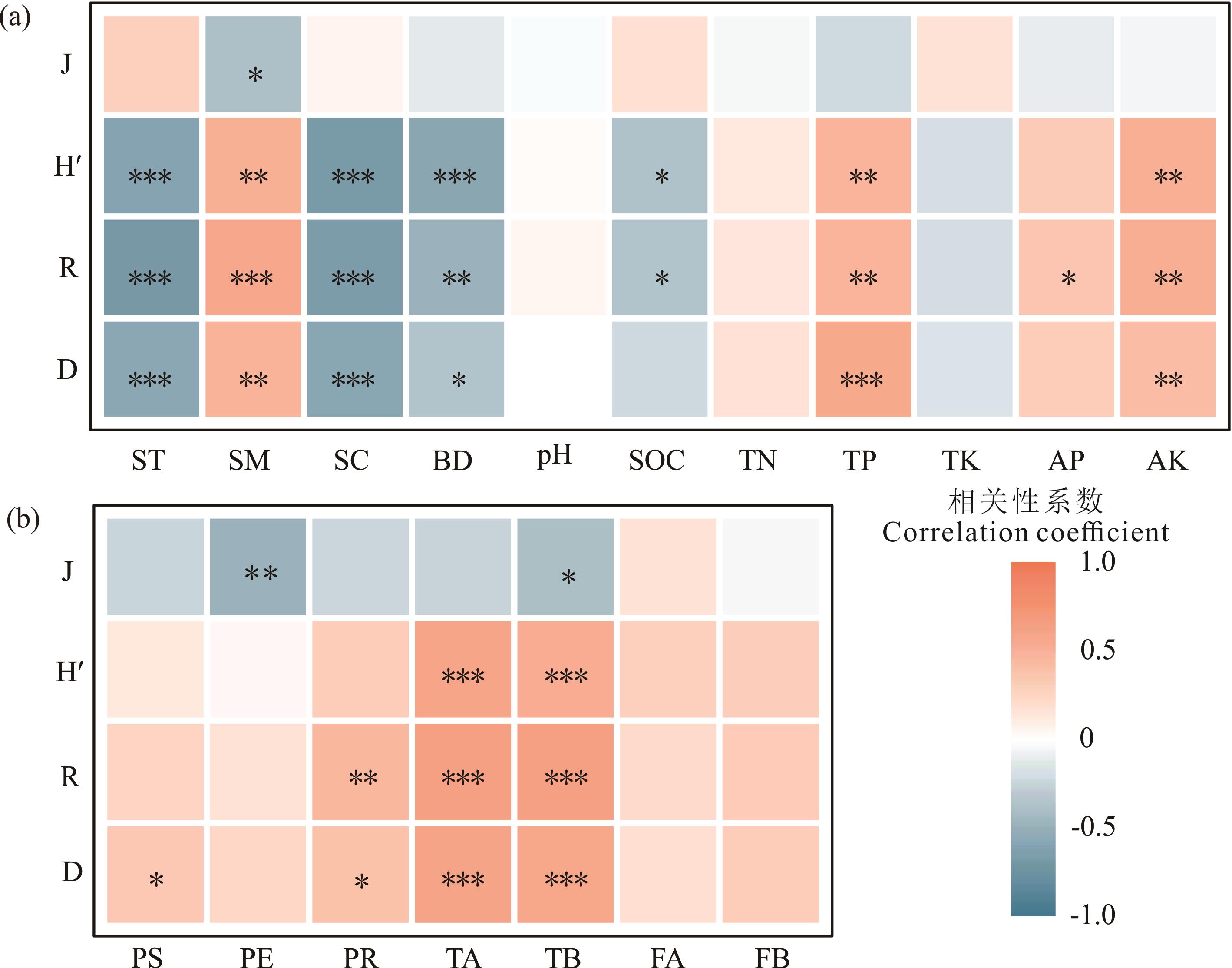
Fig.2 Correlation between soil macrofauna community diversity and environmental factors
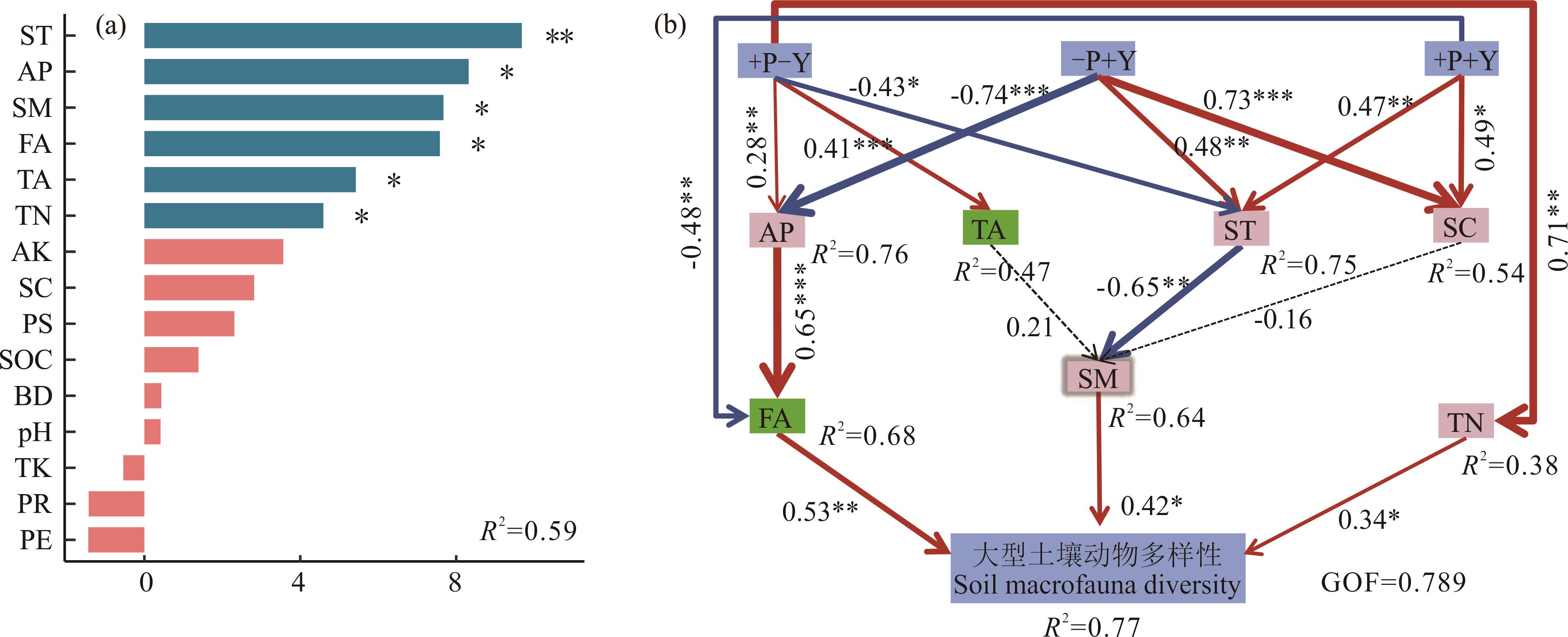
Fig.3 Key drivers and pathways shaping soil macrofaunal diversity
| [1] | Wardle D A, Bardgett R D, Klironomos J N, et al. Ecological linkages between aboveground and belowground biota. Science, 2004, 304(5677): 1629-1633. |
| [2] | Copley J. Ecology goes underground. Nature, 2000, 406(6795): 452-454. |
| [3] | Fu S L. A review and perspective on soil biodiversity research. Biodiversity Science, 2007, 15(2): 109-115. |
| 傅声雷. 土壤生物多样性的研究概况与发展趋势. 生物多样性, 2007, 15(2): 109-115. | |
| [4] | Yu C. Effects of plateau pika disturbances on soil nutrient concentrations of alpine meadow at three spatial scales. Lanzhou: Lanzhou University, 2018. |
| 于成. 高原鼠兔干扰对高寒草甸土壤养分含量影响的空间多尺度分析. 兰州: 兰州大学, 2018. | |
| [5] | Cai X C, Wei C B, Chu B, et al. Assessing the effects of plateau pika (Ochotona curzoniae) disturbance on vegetation and soil in alpine meadow: insights from bibliometric and Meta-analytical approaches. Journal of Plant Protection, 2024, 51(5): 1045-1055. |
| 蔡新成, 魏才卜, 楚彬, 等. 基于文献计量学和Meta分析方法评估高原鼠兔干扰对高寒草甸植物与土壤的影响. 植物保护学报, 2024, 51(5): 1045-1055. | |
| [6] | Angst G, Potapov A, Joly F X, et al. Conceptualizing soil fauna effects on labile and stabilized soil organic matter. Nature Communications, 2024, 15(1): 5005. |
| [7] | Sun X, Li Q, Yao H F, et al. Soil fauna and soil health. Acta Pedologica Sinica, 2021, 58(5): 1073-1083. |
| 孙新, 李琪, 姚海凤, 等. 土壤动物与土壤健康. 土壤学报, 2021, 58(5): 1073-1083. | |
| [8] | Smith A T, Foggin J M. The plateau pika (Ochotona curzoniae) is a keystone species for biodiversity on the Tibetan Plateau. Animal Conservation, 1999, 2(4): 235-240. |
| [9] | Sun F D, Long R J, Guo Z G, et al. Effects of rodents activities on plant community and soil environment in alpine meadow. Pratacultural Science, 2011, 28(1): 146-151. |
| 孙飞达, 龙瑞军, 郭正刚, 等. 鼠类活动对高寒草甸植物群落及土壤环境的影响. 草业科学, 2011, 28(1): 146-151. | |
| [10] | Chen J J, Yi S H, Qin Y. The contribution of plateau pika disturbance and erosion on patchy alpine grassland soil on the Qinghai-Tibetan Plateau: Implications for grassland restoration. Geoderma, 2017, 297: 1-9. |
| [11] | Shi M M, Wang Z, Zhou B R, et al. Characteristics of grassland degradation and its relationship with climate factors on Qinghai-Tibetan Plateau, China. Chinese Journal of Applied Ecology, 2022, 33(12): 3271-3278. |
| 石明明, 王喆, 周秉荣, 等. 青藏高原草地退化特征及其与气候因子的关系. 应用生态学报, 2022, 33(12): 3271-3278. | |
| [12] | Hua L M, Chai S Q. Rodent pest control on grasslands in China: current state, problems and prospects. Journal of Plant Protection, 2022, 49(1): 415-423. |
| 花立民, 柴守权. 中国草原鼠害防治现状、问题及对策. 植物保护学报, 2022, 49(1): 415-423. | |
| [13] | Cui H Y, Wang Y B, Zhou X, et al. Positive role of plateau pika (Ochotona curzoniae) on environmental quality at low and moderate density on the Tibetan Plateau: Evidence from a Meta-analysis. Journal of Environmental Management, 2024, 361: 121239. |
| [14] | Duan Y Y, Zhang J, Wang L L, et al. Effects of plateau pika on the relationship between plant species diversity and functional diversity in alpine meadow. Acta Prataculturae Sinica, 2022, 31(11): 25-35. |
| 段媛媛, 张静, 王玲玲, 等. 高原鼠兔对高寒草甸植物物种多样性和功能多样性关系的影响. 草业学报, 2022, 31(11): 25-35. | |
| [15] | Shi H X, Yu J L. Influence of burrowing rodent density plots on the alpine Kobresia meadows structure and soil water content. Chinese Journal of Grassland, 2010, 32(4): 109-112, 116. |
| 石红霄, 于健龙. 高原鼠兔洞口密度对高寒嵩草草甸植被及土壤水分的影响. 中国草地学报, 2010, 32(4): 109-112, 116. | |
| [16] | Niu Y J, Yang S W, Wang G Z, et al. Effects of grazing disturbance on plant diversity, community structure and direction of succession in an alpine meadow on the Tibetan Plateau, China. Acta Ecologica Sinica, 2018, 38(3): 274-280. |
| [17] | Song Y Q. The effects and regulation mechanisms of grassland patchy degradation and herbivore grazing on plant diversity. Changchun: Northeast Normal University, 2023. |
| 宋月青. 草地斑块化退化和草食动物放牧对植物多样性的影响及调控机制. 长春: 东北师范大学, 2023. | |
| [18] | Ye G H, Chu B, Hu G X, et al. Response of soil macrofauna diversity to environmental factors under plateau zokor (Myospalax baileyi) disturbance in alpine meadow ecosystem. Acta Ecologica Sinica, 2021, 41(2): 792-802. |
| 叶国辉, 楚彬, 胡桂馨, 等. 高原鼢鼠干扰下高寒草甸大型土壤动物多样性对环境因子的响应. 生态学报, 2021, 41(2): 792-802. | |
| [19] | Wang Z Z, Liu Y, He K, et al. Community characteristics and niche of soil macrofauna in the Nianchu River Basin, Tibet. Chinese Journal of Ecology, 2021, 40(12): 3911-3921. |
| 王壮壮, 刘洋, 贺凯, 等. 西藏年楚河流域大型土壤动物群落特征与生态位. 生态学杂志, 2021, 40(12): 3911-3921. | |
| [20] | Yin W Y. Pictorial keys to soil animals of China. Beijing: Science Press, 1998. |
| 尹文英. 中国土壤动物检索图鉴. 北京: 科学出版社, 1998. | |
| [21] | Zhong J M. Larval taxonomy. Beijing: Agriculture Press, 1990. |
| 钟觉民. 幼虫分类学. 北京: 农业出版社, 1990. | |
| [22] | Liu C F, Duan Y Y, Wang L L, et al. Effects of plateau pika (Ochotona curzoniae) disturbance on the relationship between plant species diversity and soil ecological stoichiometry in alpine meadows. Acta Prataculturae Sinica, 2023, 32(6): 157-166. |
| 刘彩凤, 段媛媛, 王玲玲, 等. 高原鼠兔干扰对高寒草甸植物物种多样性与土壤生态化学计量比间关系的影响. 草业学报, 2023, 32(6): 157-166. | |
| [23] | Bao S D. Soil agrochemical analysis (The Third Edition). Beijing: China Agriculture Press, 2000. |
| 鲍士旦. 土壤农化分析(第3版). 北京: 中国农业出版社, 2000. | |
| [24] | Kardol P, Wardle D A. How understanding aboveground-belowground linkages can assist restoration ecology. Trends in Ecology & Evolution, 2010, 25(11): 670-679. |
| [25] | Su X X, Li X L, Sun H F, et al. Effects of plateau pika and mowing disturbances on plant community and soil physical and chemical properties in alpine meadow. Acta Ecologica Sinica, 2024, 44(22): 10189-10199. |
| 苏晓雪, 李希来, 孙华方, 等. 高原鼠兔和刈割扰动对高寒草甸植物群落和土壤特征的影响. 生态学报, 2024, 44(22): 10189-10199. | |
| [26] | Wang B, Wu L J, Chen D M, et al. Grazing simplifies soil micro-food webs and decouples their relationships with ecosystem functions in grasslands. Global Change Biology, 2020, 26(2): 960-970. |
| [27] | Ren Q, Ai Y, Hu J, et al. Effects of different yak grazing intensities on soil and plant biomass in an alpine meadow on the Qinghai-Tibetan Plateau. Acta Ecologica Sinica, 2021, 41(17): 6862-6870. |
| 任强, 艾鷖, 胡健, 等. 不同强度牦牛放牧对青藏高原高寒草地土壤和植物生物量的影响. 生态学报, 2021, 41(17): 6862-6870. | |
| [28] | Cole L, Buckland S M, Bardgett R D. Influence of disturbance and nitrogen addition on plant and soil animal diversity in grassland. Soil Biology and Biochemistry, 2008, 40(2): 505-514. |
| [29] | Scheunemann N, Digel C, Scheu S, et al. Roots rather than shoot residues drive soil arthropod communities of arable fields. Oecologia, 2015, 179(4): 1135-1145. |
| [30] | Wu Q, Wu P F, Wang Q, et al. Effects of grazing intensity on the community structure and diversity of different soil fauna in alpine meadow. Scientia Agricultura Sinica, 2016, 49(9): 1826-1834. |
| 武崎, 吴鹏飞, 王群, 等. 放牧强度对高寒草地不同类群土壤动物的群落结构和多样性的影响. 中国农业科学, 2016, 49(9): 1826-1834. | |
| [31] | Hua R, Ye G H, De Giuli M, et al. Decreased species richness along bare patch gradient in the degradation of Kobresia pasture on the Tibetan Plateau. Ecological Indicators, 2023, 157: 111195. |
| [32] | Pang X P. Responses of plant productivity and soil nutrients of alpine meadows to the disturbance by plateau pika. Lanzhou: Lanzhou University, 2021. |
| 庞晓攀. 高寒草甸植物生产力与土壤主要养分对高原鼠兔干扰响应的研究. 兰州: 兰州大学, 2021. | |
| [33] | Wang S P, Luo M Y, Feng Y H, et al. Theoretical advances in biodiversity research. Biodiversity Science, 2022, 30(10): 25-37. |
| 王少鹏, 罗明宇, 冯彦皓, 等. 生物多样性理论最新进展. 生物多样性, 2022, 30(10): 25-37. | |
| [34] | Yang X, Zang J Y, Feng J L, et al. High grazing intensity suppress soil microorganisms in grasslands in China: A Meta-analysis. Applied Soil Ecology, 2022, 177: 104502. |
| [35] | Zhao J X, Tian L H, Wei H X, et al. Impact of plateau pika (Ochotona curzoniae) burrowing-induced microtopography on ecosystem respiration of the alpine meadow and steppe on the Tibetan Plateau. Plant and Soil, 2021, 458(1): 217-230. |
| [36] | Radford B J, Wilson-Rummenie A C, Simpson G B, et al. Compacted soil affects soil macrofauna populations in a semi-arid environment in central Queensland. Soil Biology and Biochemistry, 2001, 33(12/13): 1869-1872. |
| [37] | Sun J C, Liu R T, Wang Z, et al. Effects of grazing on diversity of soil fauna in a grassland ecosystem based on the bibliometric analysis. Acta Ecologica Sinica, 2024, 44(14): 6405-6415. |
| 孙建财, 刘任涛, 王真, 等. 基于文献计量的放牧对草地土壤动物多样性的影响. 生态学报, 2024, 44(14): 6405-6415. | |
| [38] | Downey S S, Walker M, Moschler J, et al. An intermediate level of disturbance with customary agricultural practices increases species diversity in Maya community forests in Belize. Communications Earth & Environment, 2023, 4(1): 428. |
| [39] | Hua R. Research on key technologies of plateau pika damage monitoring and risk assessment in Qinghai-Tibet Plateau. Lanzhou: Gansu Agricultural University, 2023. |
| 花蕊. 青藏高原高原鼠兔危害监测预警与风险评估关键技术研究. 兰州: 甘肃农业大学, 2023. | |
| [40] | Hua L M. An environmentally friendly paradigm for grassland rodent pest management: theory foundation, technical framework, and practical application. Journal of Plant Protection, 2025, 52(6): 1353-1362. |
| 花立民. 环境友好型草原鼠害管理范式:理论基础、技术体系与实践应用. 植物保护学报, 2025, 52(6): 1353-1362. |
| [1] | Yu-feng TENG, Jian MA, Bin CHEN, Yan-fang LU, Jing LI, Xing LI, Ning LI, Hong-ru LI. Characteristics of the bud bank in and around plateau pika mounds in the alpine meadow on the northern slopes of the Qilian Mountains [J]. Acta Prataculturae Sinica, 2026, 35(8): 182-192. |
| [2] | Jing-juan MA, Xi-lai LI, Tong-jiang YIN, Yu-ying BAO, Yu-fang ZHANG, Bei-qiao DING, Ying YUAN. Effects of recovery succession of degraded patches on soil water holding capacity in an alpine meadow [J]. Acta Prataculturae Sinica, 2026, 35(4): 14-28. |
| [3] | Ao HAN, Yang LIU, Yun-han NI, Hong XIAO, Chang-lin XU, Kai MA, Yun WANG. Effects of shrub encroachment on soil enzyme activities and microbial metabolic limitations in alpine meadows of the Eastern Qilian Mountains [J]. Acta Prataculturae Sinica, 2026, 35(11): 38-51. |
| [4] | Shuang YAN, Fei XIA, Wei WEI, Jing-long WANG, Hao-yang WU, Lin-ling RAN, Yun-yin XUE, Hao SHI, Shai-kun ZHENG, Jun-qiang WANG, Jun-dong HE. Differences along an erosion gradient in alpine meadow plant community diversity and factors influencing diversity [J]. Acta Prataculturae Sinica, 2025, 34(6): 1-13. |
| [5] | Rui-bing WANG, Huan CHEN, Zhen-zhen PAN, Wei ZHAO, Shao-hao BANG, Xiao-long ZHOU, Zheng-wei REN. Mechanisms of species diversity loss in an alpine meadow community after adding different types and numbers of resources [J]. Acta Prataculturae Sinica, 2025, 34(5): 1-11. |
| [6] | Jia-juan HUO, Ming-hua SONG. Changes in nitrogen uptake rate of plant species in different degradation stages of an alpine meadow on the Qinghai-Tibet Plateau [J]. Acta Prataculturae Sinica, 2025, 34(2): 16-26. |
| [7] | Xiao-dong TU, Jun-fang CUI, Fu-hong KUANG, Chun-pei LI, Jiu-zhen DU, Hong-lan WANG, Xiang-yu TANG. Effects of conversion of alpine meadow to cultivated land on the soil microbial community in northwest Sichuan [J]. Acta Prataculturae Sinica, 2025, 34(2): 54-66. |
| [8] | Yang-yi-dan HE, Chang-ming CHEN, Xiao-xia HUANG, Guo-mei SHI, Ke-jian HE. A study of the relationship between plant functional traits and environmental factors in the alpine meadows of western Sichuan [J]. Acta Prataculturae Sinica, 2024, 33(9): 28-39. |
| [9] | Xiang-jiao TAN, Kui-cai DONG, Hua ZHANG, Chuan-chuan TANG, Yan YANG. Effects of snow addition on soil phosphorus availability in an alpine meadow of the Tibetan Plateau [J]. Acta Prataculturae Sinica, 2024, 33(7): 205-214. |
| [10] | Rui-min QIN, Si-jia CHENG, Li MA, Zhong-hua ZHANG, Jing-jing WEI, Hong-ye SU, Zheng-chen SHI, Tao CHANG, Xue HU, De-ha-ze A, Fang YUAN, Shan LI, Hua-kun ZHOU. Effects of grazing exclusion and fertilization on alpine meadow community characteristics and vegetation carbon and nitrogen pools [J]. Acta Prataculturae Sinica, 2024, 33(4): 1-11. |
| [11] | Zhi-yuan YOU, Shu-juan MA, Chang-ting WANG, Lu-ming DING, Xiao-yan SONG, Gao-fei YIN, Jun MAO. Using the model MaxEnt to predict plant distribution patterns of different functional groups in the alpine meadow ecosystem on Sichuan-Yunnan Plateau [J]. Acta Prataculturae Sinica, 2024, 33(3): 1-12. |
| [12] | Yuan MA, Xiao-li WANG, Yu-shou MA, De-gang ZHANG. Effects of the degree of alpine meadow degradation on the rhizosphere soil fungal community and the ecological network of dominant species [J]. Acta Prataculturae Sinica, 2024, 33(2): 125-137. |
| [13] | Ya-si FENG, Wen-ting JIANG, Yi-hong LIU, Yan WANG, Yuan LI, You-chao CHEN, Yan-jiang CAI. Effects of plowing and plant residue mulching on soil nitrous oxide emissions in a black soil beach-type degraded grassland [J]. Acta Prataculturae Sinica, 2024, 33(11): 15-29. |
| [14] | Lin-zhi LI, De-gang ZHANG, Yuan MA, Zhu-zhu LUO, Dong LIN, Long HAI, Lan-ge BAI. Ecological stoichiometry characteristics of soil aggregates in alpine meadows with differing degrees of degradation [J]. Acta Prataculturae Sinica, 2023, 32(8): 48-60. |
| [15] | Xiao-qin LIAO, Chang-ting WANG, Dan LIU, Guo TANG, Jun MAO. Effects of combined nitrogen and phosphorus application on root characteristics of alpine meadow [J]. Acta Prataculturae Sinica, 2023, 32(7): 160-174. |
| Viewed | ||||||
|
Full text |
|
|||||
|
Abstract |
|
|||||
