
ISSN 1004-5759 CN 62-1105/S
Acta Prataculturae Sinica ›› 2026, Vol. 35 ›› Issue (12): 210-226.DOI: 10.11686/cyxb2025006
Hong-shen XU( ), Miao-miao DOU, Hui-qiong SUN, Xin-yu WANG, Zhuo-jun LIU, Yu-ning HAO, Xiao-xia SHI, Zi-hao GUO, Xiao-dong JIANG(), Chun-lai ZHANG()
Received:2025-01-07
Revised:2025-04-07
Online:2026-12-20
Published:2026-11-02
Contact:
Xiao-dong JIANG,Chun-lai ZHANG
Hong-shen XU, Miao-miao DOU, Hui-qiong SUN, Xin-yu WANG, Zhuo-jun LIU, Yu-ning HAO, Xiao-xia SHI, Zi-hao GUO, Xiao-dong JIANG, Chun-lai ZHANG. Identification and expression analysis of the auxin response factor (ARF) gene family in Chenopodium quinoa[J]. Acta Prataculturae Sinica, 2026, 35(12): 210-226.
基因 Gene | 基因ID Gene ID | 染色体位置 Chromosomal location | 基因长度 Gene length (bp) | 编码序列长度 Coding sequence length (bp) | 外显子数 Number of extron |
|---|---|---|---|---|---|
| CqARF1 | AUR62017628 | Chr00: 137069135-137078739+ | 9605 | 3036 | 15 |
| CqARF2 | AUR62014884 | Chr01: 32379801-32385387- | 5587 | 2201 | 10 |
| CqARF3 | AUR62025282 | Chr01: 35173388-35181140+ | 7753 | 3675 | 15 |
| CqARF4 | AUR62037757 | Chr01: 67284467-67287685- | 3219 | 2559 | 2 |
| CqARF5 | AUR62027988 | Chr01: 104096345-104105070+ | 8726 | 3409 | 15 |
| CqARF6 | AUR62004506 | Chr01: 119597615-119602513+ | 4899 | 3121 | 14 |
| CqARF7 | AUR62004685 | Chr01: 122071511-122075850- | 4340 | 2002 | 2 |
| CqARF8 | AUR62031093 | Chr02: 5801568-5807597- | 6030 | 2372 | 10 |
| CqARF9 | AUR62028286 | Chr02: 48949398-48957949+ | 8552 | 3471 | 15 |
| CqARF10 | AUR62035726 | Chr03: 22879783-22887666- | 7884 | 3547 | 14 |
| CqARF11 | AUR62020722 | Chr04: 17913500-17922453- | 8954 | 3559 | 16 |
| CqARF12 | AUR62018248 | Chr04: 30750720-30753978+ | 3259 | 2594 | 2 |
| CqARF13 | AUR62004743 | Chr05: 61522016-61532186+ | 10171 | 3521 | 14 |
| CqARF14 | AUR62039546 | Chr06: 25055496-25057977- | 2482 | 1491 | 3 |
| CqARF15 | AUR62041135 | Chr06: 50679370-50691099- | 11730 | 1491 | 14 |
| CqARF16 | AUR62040500 | Chr07: 44176612-44181910- | 5299 | 2858 | 14 |
| CqARF17 | AUR62023601 | Chr10: 594565-598120+ | 3556 | 3898 | 2 |
| CqARF18 | AUR62023447 | Chr10: 2468755-2472754+ | 4000 | 1662 | 13 |
| CqARF19 | AUR62035452 | Chr10: 41839308-41845033- | 5726 | 2041 | 5 |
| CqARF20 | AUR62035439 | Chr10: 42663267-42671953+ | 8687 | 3687 | 14 |
| CqARF21 | AUR62033846 | Chr10: 50898892-50902089- | 3198 | 1338 | 4 |
| CqARF22 | AUR62037509 | Chr12: 26065525-26076208- | 10684 | 3577 | 14 |
| CqARF23 | AUR62010868 | Chr13: 6562877-6569697- | 6821 | 2462 | 15 |
| CqARF24 | AUR62032471 | Chr14: 40104253-40114926+ | 10674 | 2670 | 14 |
| CqARF25 | AUR62015175 | Chr15: 59034635-59043804+ | 9170 | 3089 | 15 |
| CqARF26 | AUR62034763 | Chr16: 9888885-9894953+ | 6069 | 3615 | 13 |
| CqARF27 | AUR62041688 | Chr16: 12729160-12735228- | 6069 | 3619 | 13 |
| CqARF28 | AUR62019870 | Chr16: 72216529-72222848+ | 6320 | 2454 | 14 |
| CqARF29 | AUR62039870 | Chr17: 25502874-25508338- | 5465 | 4042 | 3 |
| CqARF30 | AUR62009525 | Chr18: 29548577-29554484+ | 5908 | 3479 | 13 |
Table 1 Basic information of ARF gene family members in C. quinoa
基因 Gene | 基因ID Gene ID | 染色体位置 Chromosomal location | 基因长度 Gene length (bp) | 编码序列长度 Coding sequence length (bp) | 外显子数 Number of extron |
|---|---|---|---|---|---|
| CqARF1 | AUR62017628 | Chr00: 137069135-137078739+ | 9605 | 3036 | 15 |
| CqARF2 | AUR62014884 | Chr01: 32379801-32385387- | 5587 | 2201 | 10 |
| CqARF3 | AUR62025282 | Chr01: 35173388-35181140+ | 7753 | 3675 | 15 |
| CqARF4 | AUR62037757 | Chr01: 67284467-67287685- | 3219 | 2559 | 2 |
| CqARF5 | AUR62027988 | Chr01: 104096345-104105070+ | 8726 | 3409 | 15 |
| CqARF6 | AUR62004506 | Chr01: 119597615-119602513+ | 4899 | 3121 | 14 |
| CqARF7 | AUR62004685 | Chr01: 122071511-122075850- | 4340 | 2002 | 2 |
| CqARF8 | AUR62031093 | Chr02: 5801568-5807597- | 6030 | 2372 | 10 |
| CqARF9 | AUR62028286 | Chr02: 48949398-48957949+ | 8552 | 3471 | 15 |
| CqARF10 | AUR62035726 | Chr03: 22879783-22887666- | 7884 | 3547 | 14 |
| CqARF11 | AUR62020722 | Chr04: 17913500-17922453- | 8954 | 3559 | 16 |
| CqARF12 | AUR62018248 | Chr04: 30750720-30753978+ | 3259 | 2594 | 2 |
| CqARF13 | AUR62004743 | Chr05: 61522016-61532186+ | 10171 | 3521 | 14 |
| CqARF14 | AUR62039546 | Chr06: 25055496-25057977- | 2482 | 1491 | 3 |
| CqARF15 | AUR62041135 | Chr06: 50679370-50691099- | 11730 | 1491 | 14 |
| CqARF16 | AUR62040500 | Chr07: 44176612-44181910- | 5299 | 2858 | 14 |
| CqARF17 | AUR62023601 | Chr10: 594565-598120+ | 3556 | 3898 | 2 |
| CqARF18 | AUR62023447 | Chr10: 2468755-2472754+ | 4000 | 1662 | 13 |
| CqARF19 | AUR62035452 | Chr10: 41839308-41845033- | 5726 | 2041 | 5 |
| CqARF20 | AUR62035439 | Chr10: 42663267-42671953+ | 8687 | 3687 | 14 |
| CqARF21 | AUR62033846 | Chr10: 50898892-50902089- | 3198 | 1338 | 4 |
| CqARF22 | AUR62037509 | Chr12: 26065525-26076208- | 10684 | 3577 | 14 |
| CqARF23 | AUR62010868 | Chr13: 6562877-6569697- | 6821 | 2462 | 15 |
| CqARF24 | AUR62032471 | Chr14: 40104253-40114926+ | 10674 | 2670 | 14 |
| CqARF25 | AUR62015175 | Chr15: 59034635-59043804+ | 9170 | 3089 | 15 |
| CqARF26 | AUR62034763 | Chr16: 9888885-9894953+ | 6069 | 3615 | 13 |
| CqARF27 | AUR62041688 | Chr16: 12729160-12735228- | 6069 | 3619 | 13 |
| CqARF28 | AUR62019870 | Chr16: 72216529-72222848+ | 6320 | 2454 | 14 |
| CqARF29 | AUR62039870 | Chr17: 25502874-25508338- | 5465 | 4042 | 3 |
| CqARF30 | AUR62009525 | Chr18: 29548577-29554484+ | 5908 | 3479 | 13 |
| 蛋白Protein | PL (aa) | MW(Da) | pI | II | AI | GRAVY | 蛋白Protein | PL (aa) | MW(Da) | pI | II | AI | GRAVY |
|---|---|---|---|---|---|---|---|---|---|---|---|---|---|
| CqARF1 | 855 | 94764.69 | 5.78 | 62.40 | 75.81 | -0.402 | CqARF16 | 695 | 76510.27 | 6.16 | 51.02 | 69.70 | -0.436 |
| CqARF2 | 588 | 65092.62 | 8.21 | 53.58 | 67.13 | -0.463 | CqARF17 | 553 | 60662.63 | 5.94 | 49.91 | 69.73 | -0.319 |
| CqARF3 | 956 | 105347.20 | 5.96 | 59.07 | 68.56 | -0.511 | CqARF18 | 627 | 70319.34 | 6.46 | 58.51 | 72.07 | -0.534 |
| CqARF4 | 612 | 67991.93 | 7.62 | 45.51 | 72.35 | -0.420 | CqARF19 | 561 | 62325.29 | 5.20 | 52.68 | 67.02 | -0.352 |
| CqARF5 | 1016 | 111714.07 | 6.11 | 59.88 | 73.34 | -0.486 | CqARF20 | 881 | 97360.64 | 5.29 | 57.63 | 72.81 | -0.425 |
| CqARF6 | 657 | 73477.61 | 6.03 | 56.70 | 71.45 | -0.545 | CqARF21 | 445 | 48881.43 | 5.83 | 56.24 | 71.57 | -0.193 |
| CqARF7 | 549 | 60918.14 | 6.57 | 49.76 | 67.07 | -0.371 | CqARF22 | 812 | 90221.44 | 5.95 | 52.42 | 72.03 | -0.441 |
| CqARF8 | 633 | 69710.49 | 6.56 | 52.50 | 67.44 | -0.464 | CqARF23 | 622 | 69312.17 | 5.59 | 54.69 | 72.38 | -0.520 |
| CqARF9 | 946 | 104225.10 | 5.96 | 58.16 | 68.77 | -0.494 | CqARF24 | 617 | 68380.82 | 6.20 | 60.64 | 70.29 | -0.488 |
| CqARF10 | 883 | 97302.49 | 5.15 | 56.78 | 73.10 | -0.402 | CqARF25 | 876 | 97167.45 | 5.87 | 63.27 | 76.56 | -0.404 |
| CqARF11 | 1092 | 120031.21 | 6.18 | 64.38 | 73.40 | -0.520 | CqARF26 | 828 | 92222.53 | 6.63 | 56.98 | 63.45 | -0.652 |
| CqARF12 | 612 | 67993.93 | 7.25 | 46.36 | 71.23 | -0.419 | CqARF27 | 828 | 92168.41 | 6.47 | 57.48 | 63.80 | -0.641 |
| CqARF13 | 829 | 92163.75 | 6.03 | 53.82 | 73.38 | -0.413 | CqARF28 | 619 | 69164.13 | 6.13 | 56.20 | 71.44 | -0.528 |
| CqARF14 | 488 | 54094.17 | 6.19 | 44.96 | 73.01 | -0.274 | CqARF29 | 695 | 76558.29 | 6.25 | 51.90 | 70.27 | -0.444 |
| CqARF15 | 620 | 68911.67 | 6.28 | 60.41 | 74.82 | -0.427 | CqARF30 | 826 | 92170.61 | 6.27 | 57.84 | 65.27 | -0.623 |
Table 2 Physicochemical properties of ARF family proteins in C. quinoa
| 蛋白Protein | PL (aa) | MW(Da) | pI | II | AI | GRAVY | 蛋白Protein | PL (aa) | MW(Da) | pI | II | AI | GRAVY |
|---|---|---|---|---|---|---|---|---|---|---|---|---|---|
| CqARF1 | 855 | 94764.69 | 5.78 | 62.40 | 75.81 | -0.402 | CqARF16 | 695 | 76510.27 | 6.16 | 51.02 | 69.70 | -0.436 |
| CqARF2 | 588 | 65092.62 | 8.21 | 53.58 | 67.13 | -0.463 | CqARF17 | 553 | 60662.63 | 5.94 | 49.91 | 69.73 | -0.319 |
| CqARF3 | 956 | 105347.20 | 5.96 | 59.07 | 68.56 | -0.511 | CqARF18 | 627 | 70319.34 | 6.46 | 58.51 | 72.07 | -0.534 |
| CqARF4 | 612 | 67991.93 | 7.62 | 45.51 | 72.35 | -0.420 | CqARF19 | 561 | 62325.29 | 5.20 | 52.68 | 67.02 | -0.352 |
| CqARF5 | 1016 | 111714.07 | 6.11 | 59.88 | 73.34 | -0.486 | CqARF20 | 881 | 97360.64 | 5.29 | 57.63 | 72.81 | -0.425 |
| CqARF6 | 657 | 73477.61 | 6.03 | 56.70 | 71.45 | -0.545 | CqARF21 | 445 | 48881.43 | 5.83 | 56.24 | 71.57 | -0.193 |
| CqARF7 | 549 | 60918.14 | 6.57 | 49.76 | 67.07 | -0.371 | CqARF22 | 812 | 90221.44 | 5.95 | 52.42 | 72.03 | -0.441 |
| CqARF8 | 633 | 69710.49 | 6.56 | 52.50 | 67.44 | -0.464 | CqARF23 | 622 | 69312.17 | 5.59 | 54.69 | 72.38 | -0.520 |
| CqARF9 | 946 | 104225.10 | 5.96 | 58.16 | 68.77 | -0.494 | CqARF24 | 617 | 68380.82 | 6.20 | 60.64 | 70.29 | -0.488 |
| CqARF10 | 883 | 97302.49 | 5.15 | 56.78 | 73.10 | -0.402 | CqARF25 | 876 | 97167.45 | 5.87 | 63.27 | 76.56 | -0.404 |
| CqARF11 | 1092 | 120031.21 | 6.18 | 64.38 | 73.40 | -0.520 | CqARF26 | 828 | 92222.53 | 6.63 | 56.98 | 63.45 | -0.652 |
| CqARF12 | 612 | 67993.93 | 7.25 | 46.36 | 71.23 | -0.419 | CqARF27 | 828 | 92168.41 | 6.47 | 57.48 | 63.80 | -0.641 |
| CqARF13 | 829 | 92163.75 | 6.03 | 53.82 | 73.38 | -0.413 | CqARF28 | 619 | 69164.13 | 6.13 | 56.20 | 71.44 | -0.528 |
| CqARF14 | 488 | 54094.17 | 6.19 | 44.96 | 73.01 | -0.274 | CqARF29 | 695 | 76558.29 | 6.25 | 51.90 | 70.27 | -0.444 |
| CqARF15 | 620 | 68911.67 | 6.28 | 60.41 | 74.82 | -0.427 | CqARF30 | 826 | 92170.61 | 6.27 | 57.84 | 65.27 | -0.623 |
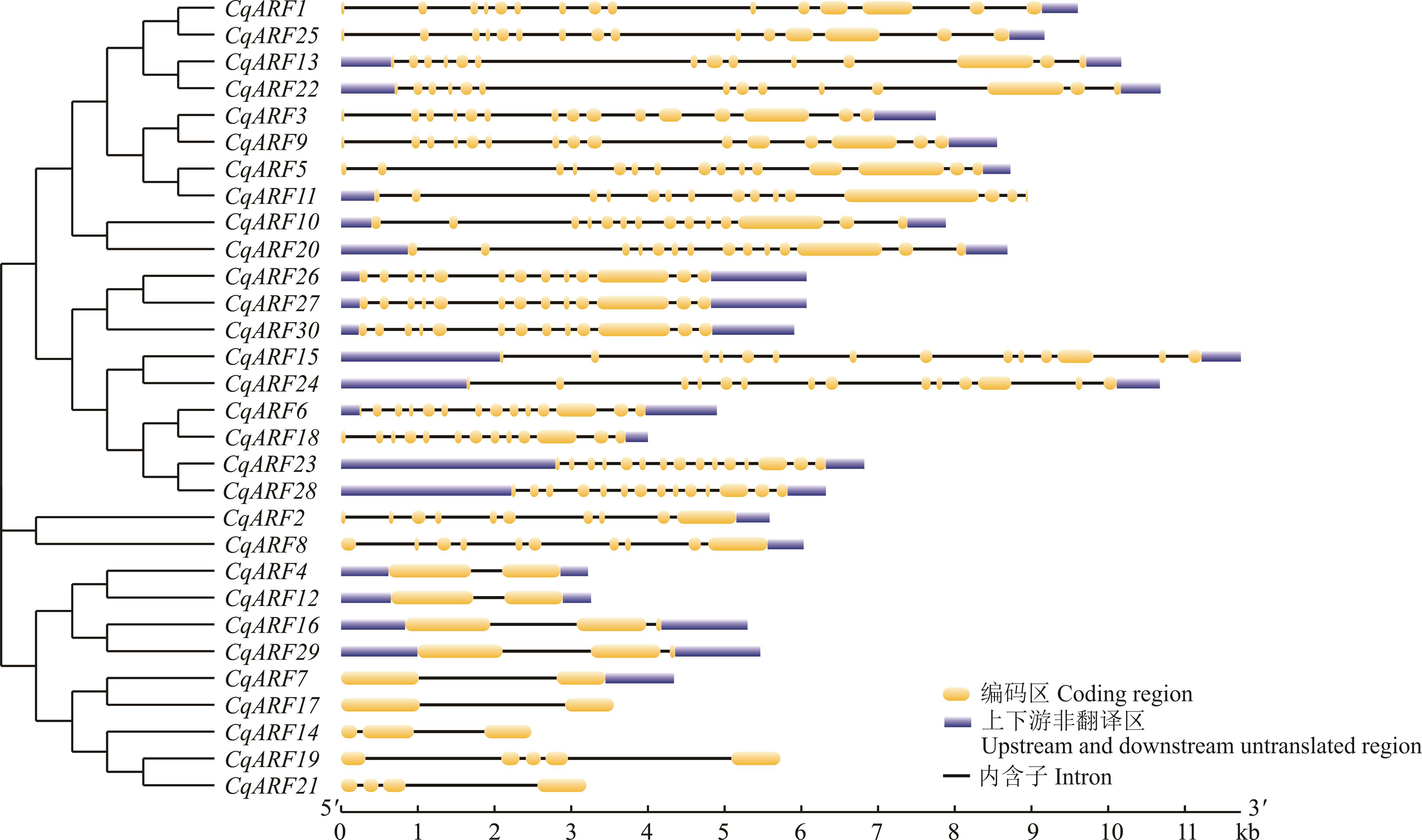
Fig.1 Gene structure analysis of ARF in C. quinoa

Fig.2 Chromosomal mapping of ARF in C. quinoa
蛋白 Protein | 百分比 Percentage (%) | 亚细胞定位 Subcellular localization | 蛋白 Protein | 百分比 Percentage (%) | 亚细胞定位 Subcellular localization | ||||||
|---|---|---|---|---|---|---|---|---|---|---|---|
α-螺旋 α-helix | 延伸链 ES | β-转角 β-turn | 无规则卷曲 Random coil | α-螺旋 α-helix | 延伸链 ES | β-转角 β-turn | 无规则卷曲 Random coil | ||||
| CqARF1 | 23.39 | 15.20 | 3.86 | 57.54 | N | CqARF16 | 17.84 | 16.12 | 4.75 | 61.29 | N |
| CqARF2 | 16.67 | 14.29 | 4.76 | 64.29 | N | CqARF17 | 14.10 | 17.54 | 3.80 | 64.56 | C |
| CqARF3 | 25.00 | 13.70 | 5.44 | 55.86 | N | CqARF18 | 18.50 | 16.59 | 4.15 | 60.77 | N |
| CqARF4 | 19.61 | 16.99 | 4.41 | 58.99 | N | CqARF19 | 22.28 | 18.00 | 3.74 | 55.97 | C |
| CqARF5 | 28.54 | 15.94 | 6.30 | 49.21 | N | CqARF20 | 25.20 | 15.66 | 3.75 | 55.39 | N |
| CqARF6 | 19.48 | 17.81 | 4.72 | 57.99 | N | CqARF21 | 14.16 | 19.55 | 3.82 | 62.47 | N |
| CqARF7 | 13.30 | 17.67 | 4.37 | 64.66 | C | CqARF22 | 27.46 | 14.53 | 3.20 | 54.80 | N |
| CqARF8 | 15.96 | 14.53 | 4.42 | 65.09 | N | CqARF23 | 19.29 | 17.52 | 4.82 | 58.36 | N |
| CqARF9 | 25.05 | 14.06 | 5.50 | 55.39 | N | CqARF24 | 18.96 | 17.50 | 4.05 | 59.48 | N |
| CqARF10 | 27.52 | 14.50 | 3.74 | 54.25 | N | CqARF25 | 23.29 | 15.18 | 3.31 | 58.22 | N |
| CqARF11 | 33.88 | 14.65 | 7.88 | 43.59 | N | CqARF26 | 19.93 | 14.86 | 3.50 | 61.71 | N |
| CqARF12 | 20.10 | 15.85 | 5.07 | 58.99 | N | CqARF27 | 20.29 | 15.22 | 3.50 | 60.99 | N |
| CqARF13 | 26.90 | 14.72 | 3.38 | 55.01 | N | CqARF28 | 20.68 | 17.12 | 4.68 | 57.51 | N |
| CqARF14 | 12.70 | 19.88 | 4.10 | 63.32 | N | CqARF29 | 18.42 | 14.68 | 4.46 | 62.45 | N |
| CqARF15 | 19.19 | 17.26 | 4.35 | 59.19 | N | CqARF30 | 19.73 | 14.65 | 3.87 | 61.74 | N |
Table 3 Secondary structure analysis and subcellular localization prediction of ARF in C. quinoa
蛋白 Protein | 百分比 Percentage (%) | 亚细胞定位 Subcellular localization | 蛋白 Protein | 百分比 Percentage (%) | 亚细胞定位 Subcellular localization | ||||||
|---|---|---|---|---|---|---|---|---|---|---|---|
α-螺旋 α-helix | 延伸链 ES | β-转角 β-turn | 无规则卷曲 Random coil | α-螺旋 α-helix | 延伸链 ES | β-转角 β-turn | 无规则卷曲 Random coil | ||||
| CqARF1 | 23.39 | 15.20 | 3.86 | 57.54 | N | CqARF16 | 17.84 | 16.12 | 4.75 | 61.29 | N |
| CqARF2 | 16.67 | 14.29 | 4.76 | 64.29 | N | CqARF17 | 14.10 | 17.54 | 3.80 | 64.56 | C |
| CqARF3 | 25.00 | 13.70 | 5.44 | 55.86 | N | CqARF18 | 18.50 | 16.59 | 4.15 | 60.77 | N |
| CqARF4 | 19.61 | 16.99 | 4.41 | 58.99 | N | CqARF19 | 22.28 | 18.00 | 3.74 | 55.97 | C |
| CqARF5 | 28.54 | 15.94 | 6.30 | 49.21 | N | CqARF20 | 25.20 | 15.66 | 3.75 | 55.39 | N |
| CqARF6 | 19.48 | 17.81 | 4.72 | 57.99 | N | CqARF21 | 14.16 | 19.55 | 3.82 | 62.47 | N |
| CqARF7 | 13.30 | 17.67 | 4.37 | 64.66 | C | CqARF22 | 27.46 | 14.53 | 3.20 | 54.80 | N |
| CqARF8 | 15.96 | 14.53 | 4.42 | 65.09 | N | CqARF23 | 19.29 | 17.52 | 4.82 | 58.36 | N |
| CqARF9 | 25.05 | 14.06 | 5.50 | 55.39 | N | CqARF24 | 18.96 | 17.50 | 4.05 | 59.48 | N |
| CqARF10 | 27.52 | 14.50 | 3.74 | 54.25 | N | CqARF25 | 23.29 | 15.18 | 3.31 | 58.22 | N |
| CqARF11 | 33.88 | 14.65 | 7.88 | 43.59 | N | CqARF26 | 19.93 | 14.86 | 3.50 | 61.71 | N |
| CqARF12 | 20.10 | 15.85 | 5.07 | 58.99 | N | CqARF27 | 20.29 | 15.22 | 3.50 | 60.99 | N |
| CqARF13 | 26.90 | 14.72 | 3.38 | 55.01 | N | CqARF28 | 20.68 | 17.12 | 4.68 | 57.51 | N |
| CqARF14 | 12.70 | 19.88 | 4.10 | 63.32 | N | CqARF29 | 18.42 | 14.68 | 4.46 | 62.45 | N |
| CqARF15 | 19.19 | 17.26 | 4.35 | 59.19 | N | CqARF30 | 19.73 | 14.65 | 3.87 | 61.74 | N |
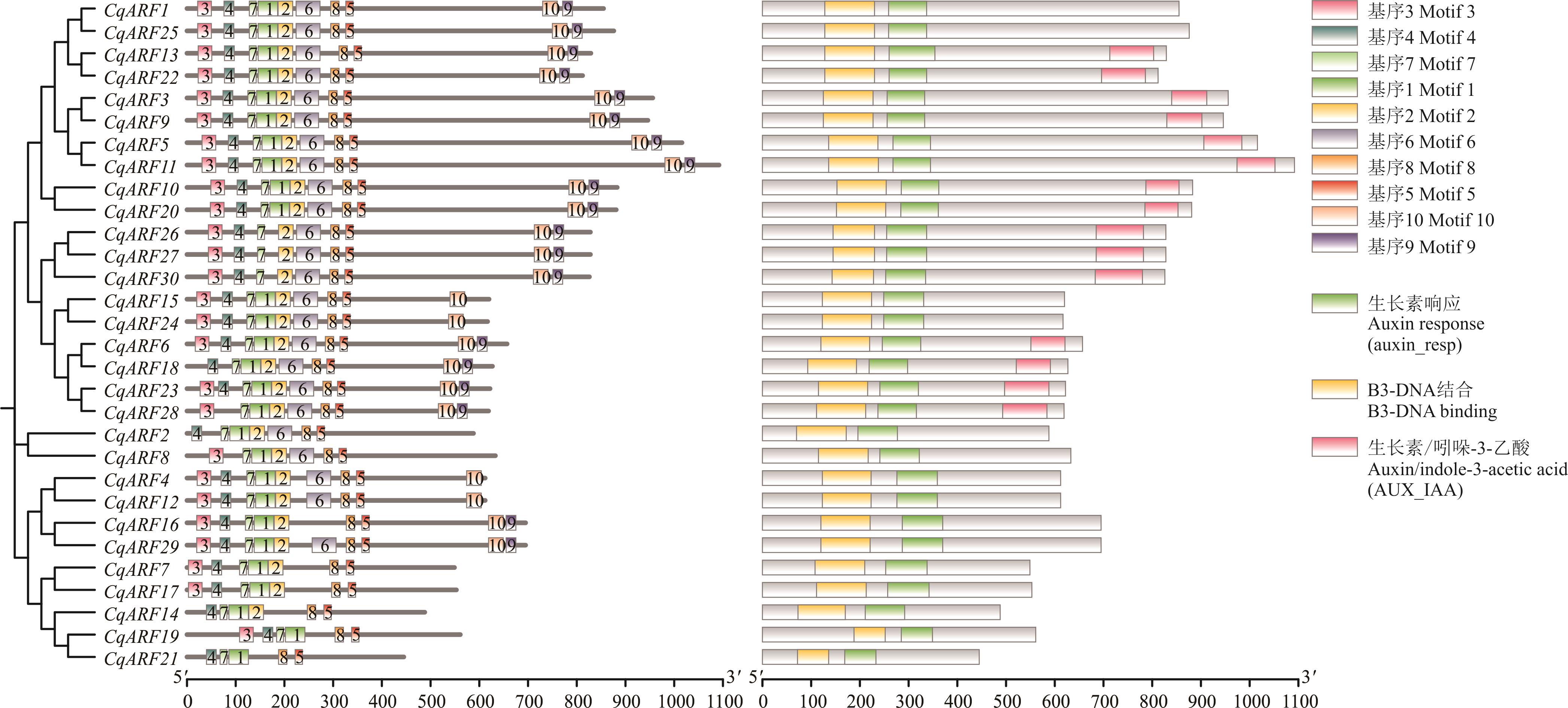
Fig.3 Motif and domain analysis of ARF proteins in C. quinoa

Fig.4 Analysis of the promoter cis-acting element of ARFs in C. quinoa
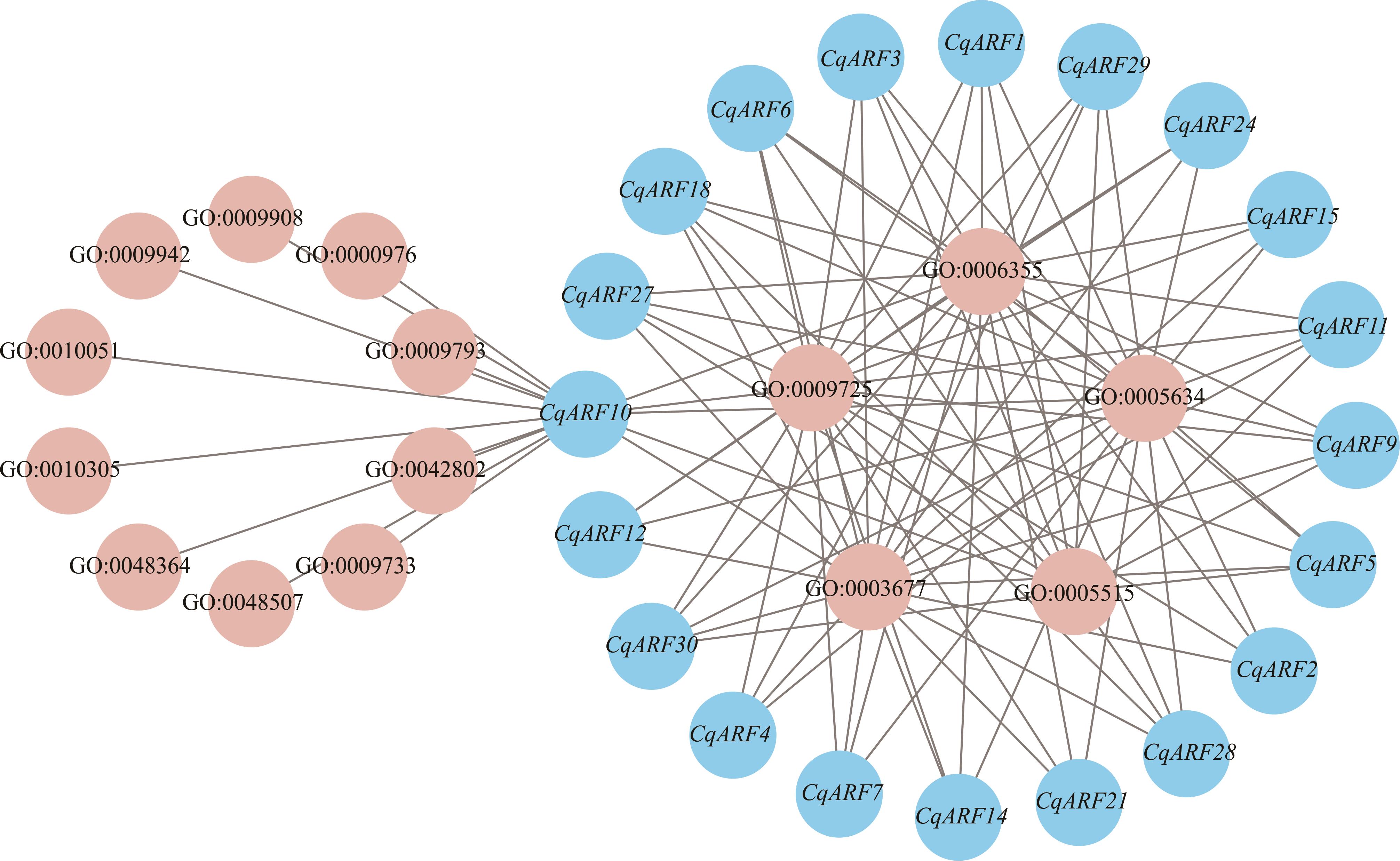
Fig.5 GO enrichment analysis of ARFs in C. quinoa

Fig.6 Phylogenetic tree of the ARF family of A. thaliana, sugar beet, spinach, quinoa, soybean, rice, sorghum, wheat and maize

Fig.7 Phylogenetic tree of the ARF family of A. thaliana, sugar beet, spinach, and quinoa

Fig.8 Collineearity analysis of ARFs in C.quinoa with S.oleracea and B. vulgaris
基因 1 Gene 1 | 基因 2 Gene 2 | 非同义突变率 Nonsynonymous mutation rate (Ka) | 同义突变率 Synonymous mutation rate (Ks) | Ka/Ks | 复制方式 Reproduction method |
|---|---|---|---|---|---|
| CqARF6 | CqARF23 | 0.303711934 | 1.799526020 | 0.168773294 | 片段重复Segmental |
| CqARF6 | CqARF28 | 0.315466921 | 2.426265491 | 0.130021600 | 片段重复Segmental |
| CqARF6 | CqARF18 | 0.026772832 | 0.087442224 | 0.306177390 | 片段重复Segmental |
| CqARF7 | CqARF17 | 0.044005625 | 0.114549220 | 0.384163460 | 片段重复Segmental |
| CqARF13 | CqARF22 | 0.003744324 | 0.065036080 | 0.057573034 | 片段重复Segmental |
| CqARF23 | CqARF28 | 0.021890044 | 0.124503376 | 0.175818881 | 片段重复Segmental |
| CqARF2 | CqARF8 | 0.015303726 | 0.096195701 | 0.159089495 | 片段重复Segmental |
| CqARF1 | CqARF25 | 0.006629596 | 0.050358851 | 0.131647080 | 片段重复Segmental |
| CqARF18 | CqARF28 | 0.319129591 | 2.155157368 | 0.148077164 | 片段重复Segmental |
| CqARF18 | CqARF23 | 0.316229623 | 1.753180105 | 0.180374864 | 片段重复Segmental |
| CqARF3 | CqARF9 | 0.009643482 | 0.095576199 | 0.100898363 | 片段重复Segmental |
| CqARF5 | CqARF11 | 0.013328907 | 0.079634402 | 0.167376241 | 片段重复Segmental |
| CqARF26 | CqARF30 | 0.012628000 | 0.067031715 | 0.188388442 | 片段重复Segmental |
| CqARF10 | CqARF20 | 0.014057937 | 0.080890289 | 0.173790171 | 片段重复Segmental |
| CqARF4 | CqARF12 | 0.010622153 | 0.078919709 | 0.134594430 | 片段重复Segmental |
| CqARF27 | CqARF30 | 0.011572071 | 0.070838085 | 0.163359461 | 片段重复Segmental |
Table 4 Analysis of evolutionary selection parameters of ARFs in C.quinoa
基因 1 Gene 1 | 基因 2 Gene 2 | 非同义突变率 Nonsynonymous mutation rate (Ka) | 同义突变率 Synonymous mutation rate (Ks) | Ka/Ks | 复制方式 Reproduction method |
|---|---|---|---|---|---|
| CqARF6 | CqARF23 | 0.303711934 | 1.799526020 | 0.168773294 | 片段重复Segmental |
| CqARF6 | CqARF28 | 0.315466921 | 2.426265491 | 0.130021600 | 片段重复Segmental |
| CqARF6 | CqARF18 | 0.026772832 | 0.087442224 | 0.306177390 | 片段重复Segmental |
| CqARF7 | CqARF17 | 0.044005625 | 0.114549220 | 0.384163460 | 片段重复Segmental |
| CqARF13 | CqARF22 | 0.003744324 | 0.065036080 | 0.057573034 | 片段重复Segmental |
| CqARF23 | CqARF28 | 0.021890044 | 0.124503376 | 0.175818881 | 片段重复Segmental |
| CqARF2 | CqARF8 | 0.015303726 | 0.096195701 | 0.159089495 | 片段重复Segmental |
| CqARF1 | CqARF25 | 0.006629596 | 0.050358851 | 0.131647080 | 片段重复Segmental |
| CqARF18 | CqARF28 | 0.319129591 | 2.155157368 | 0.148077164 | 片段重复Segmental |
| CqARF18 | CqARF23 | 0.316229623 | 1.753180105 | 0.180374864 | 片段重复Segmental |
| CqARF3 | CqARF9 | 0.009643482 | 0.095576199 | 0.100898363 | 片段重复Segmental |
| CqARF5 | CqARF11 | 0.013328907 | 0.079634402 | 0.167376241 | 片段重复Segmental |
| CqARF26 | CqARF30 | 0.012628000 | 0.067031715 | 0.188388442 | 片段重复Segmental |
| CqARF10 | CqARF20 | 0.014057937 | 0.080890289 | 0.173790171 | 片段重复Segmental |
| CqARF4 | CqARF12 | 0.010622153 | 0.078919709 | 0.134594430 | 片段重复Segmental |
| CqARF27 | CqARF30 | 0.011572071 | 0.070838085 | 0.163359461 | 片段重复Segmental |
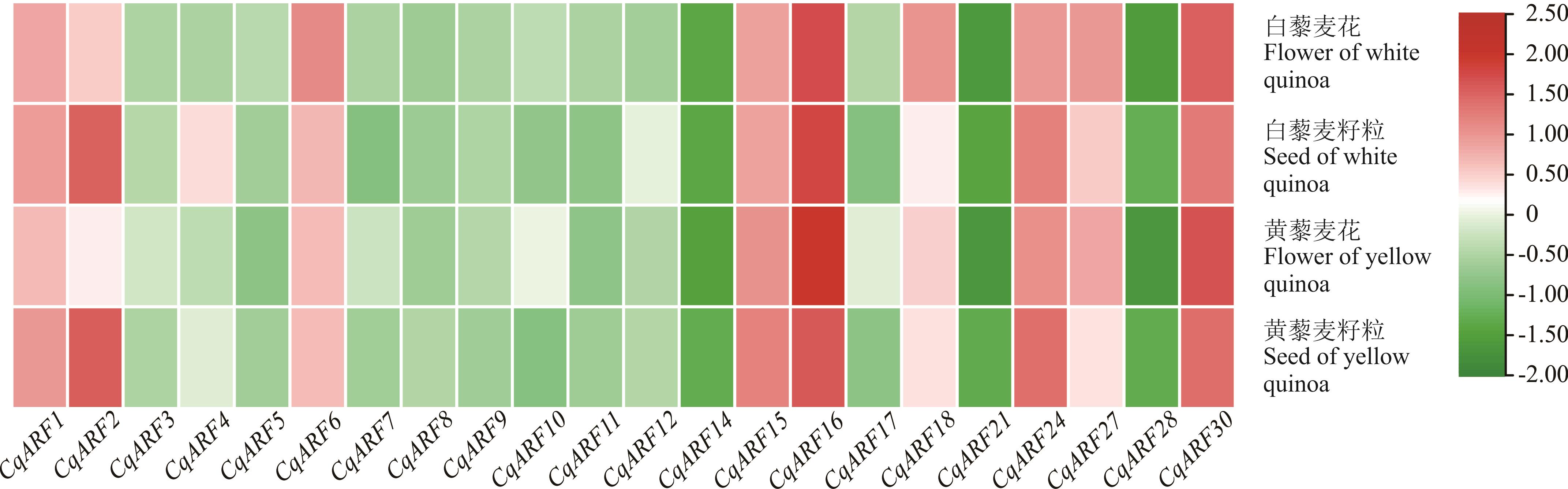
Fig.9 Expression analysis of ARF genes in C.quinoa including flower and seed
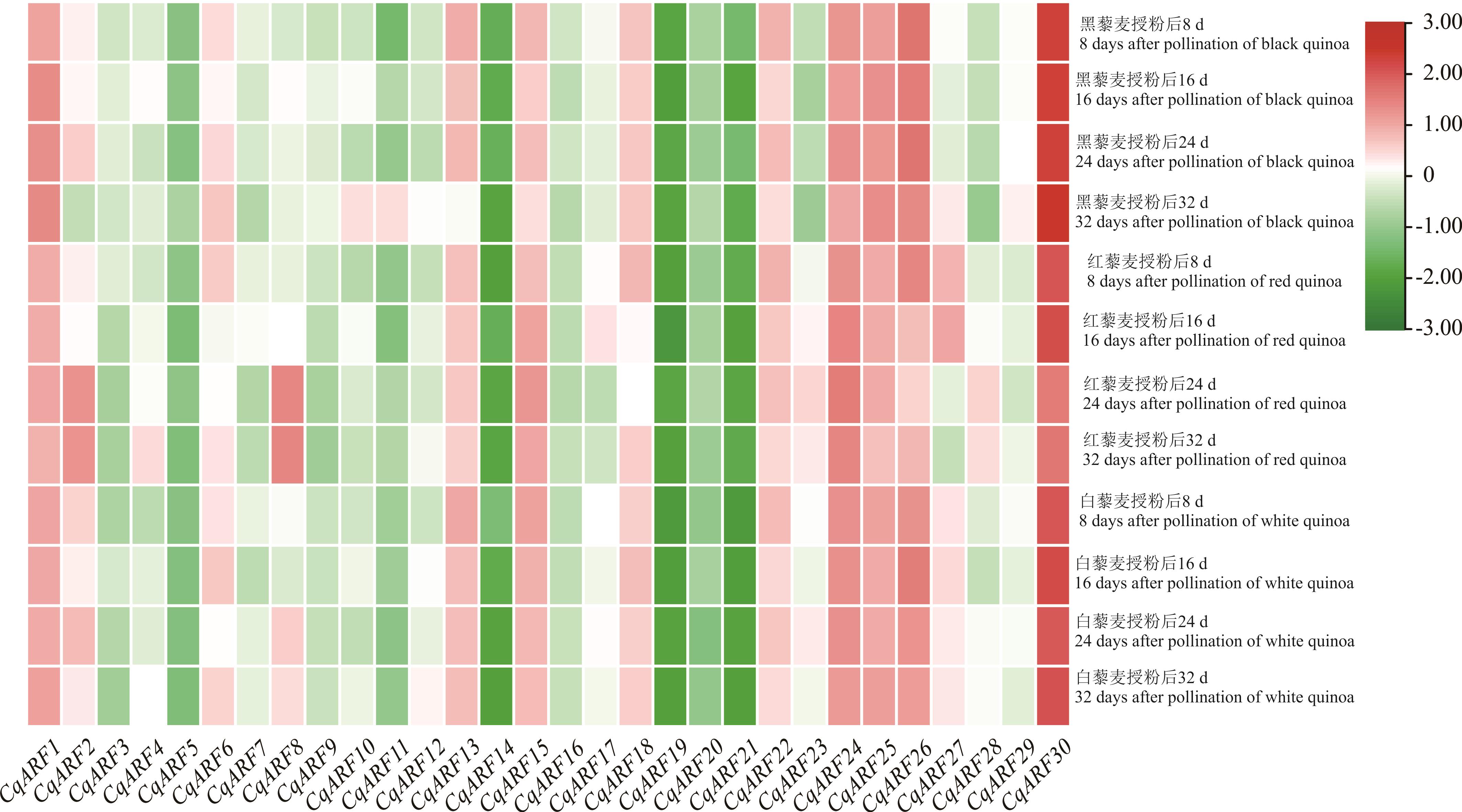
Fig.10 Expression of CqARF genes during grain development in C. quinoa

Fig.11 Expression of some CqARF genes during grain development in C. quinoa
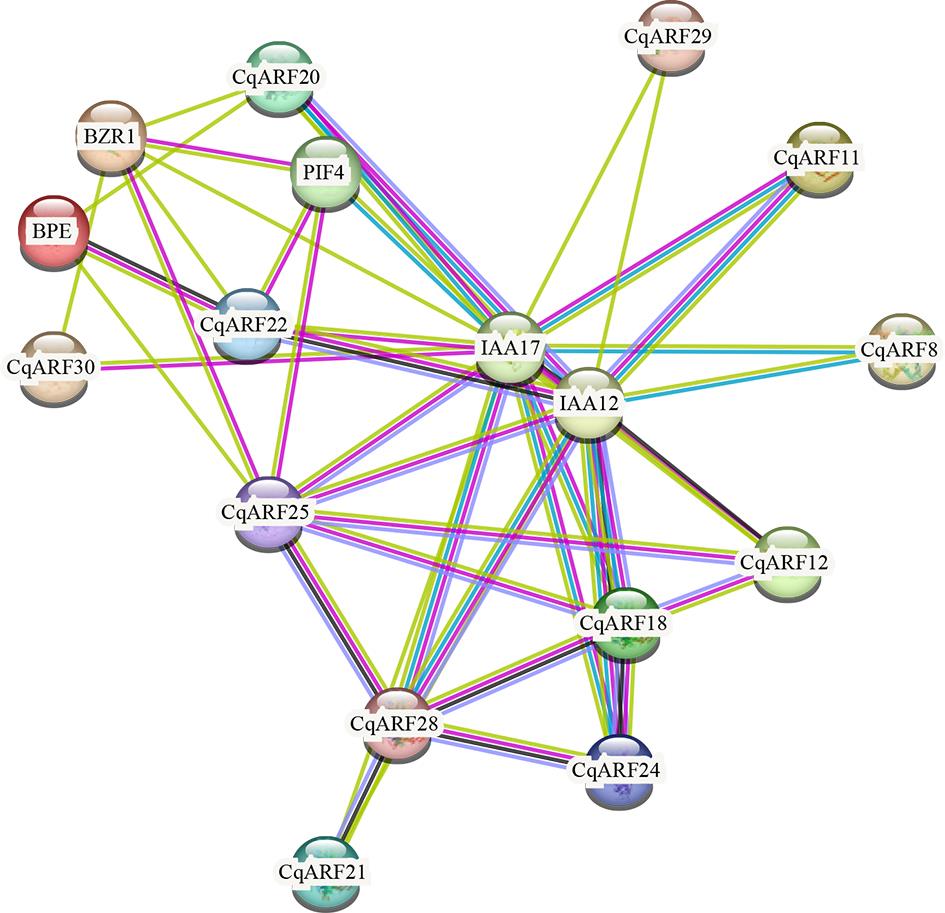
Fig.12 Protein-protein interaction network analysis of ARF in C.quinoa
基因ID Gene ID | 变异位点 Position of variation (POS) | 参考碱基 Reference allele (REF) | 突变碱基 Alternative allele (ALT) | 质量值 Quality | CQ3 | CQ6 | CQ8 | CQ9 | 单核苷酸多态性效应 Single nucleotide polymorphism_effect |
|---|---|---|---|---|---|---|---|---|---|
| CqARF1 | 137066642 | A | C | 80.20 | A,A | A,A | N | A,C | 上游效应Upstream |
| CqARF1 | 137068065 | A | G | 48.60 | A,A | A,G | N | N | 上游效应Upstream |
| CqARF1 | 137067017 | A | G | 323.12 | A,A | A,G | A,G | A,G | 上游效应Upstream |
| CqARF1 | 137070583 | A | G | 408.19 | A,A | A,G | A,G | G,G | 内含子Intron |
| CqARF1 | 137070760 | T | C | 372.22 | T,T | T,C | T,C | C,C | 内含子Intron |
| CqARF1 | 137074788 | T | C | 158.20 | N | T,T | T,T | T,C | 内含子Intron |
| CqARF1 | 137069513 | C | T | 1109.46 | T,T | T,T | T,T | T,T | 内含子Intron |
| CqARF24 | 40101003 | A | G | 119.14 | G,G | A,A | A,A | A,A | 上游效应Upstream |
| CqARF24 | 40101130 | G | A | 172.59 | A,A | G,G | G,G | G,G | 上游效应 Upstream |
| CqARF24 | 40103100 | T | A | 172.26 | A,A | T,T | N | T,T | 上游效应Upstream |
| CqARF24 | 40102779 | C | T | 79.74 | C,T | C,C | C,C | C,C | 上游效应Upstream |
| CqARF24 | 40103316 | T | A | 79.84 | T,T | T,T | T,T | A,A | 上游效应Upstream |
| CqARF24 | 40103661 | A | G | 49.35 | G,G | A,A | A,A | A,A | 上游效应Upstream |
| CqARF24 | 40102722 | C | T | 178.98 | T,T | C,C | C,C | C,C | 上游效应Upstream |
| CqARF24 | 40103742 | T | C | 51.02 | N | T,T | C,C | T,T | 上游效应Upstream |
| CqARF24 | 40116631 | G | A | 89.39 | A,A | G,G | G,G | G,G | 下游效应Downstream |
| CqARF24 | 40119474 | T | C | 53.44 | C,C | T,T | T,T | N | 下游效应Downstream |
Table 5 Analysis of single nucleotide polymorphism (SNP) DNA variation of CqARFs in four quinoa cultivars
基因ID Gene ID | 变异位点 Position of variation (POS) | 参考碱基 Reference allele (REF) | 突变碱基 Alternative allele (ALT) | 质量值 Quality | CQ3 | CQ6 | CQ8 | CQ9 | 单核苷酸多态性效应 Single nucleotide polymorphism_effect |
|---|---|---|---|---|---|---|---|---|---|
| CqARF1 | 137066642 | A | C | 80.20 | A,A | A,A | N | A,C | 上游效应Upstream |
| CqARF1 | 137068065 | A | G | 48.60 | A,A | A,G | N | N | 上游效应Upstream |
| CqARF1 | 137067017 | A | G | 323.12 | A,A | A,G | A,G | A,G | 上游效应Upstream |
| CqARF1 | 137070583 | A | G | 408.19 | A,A | A,G | A,G | G,G | 内含子Intron |
| CqARF1 | 137070760 | T | C | 372.22 | T,T | T,C | T,C | C,C | 内含子Intron |
| CqARF1 | 137074788 | T | C | 158.20 | N | T,T | T,T | T,C | 内含子Intron |
| CqARF1 | 137069513 | C | T | 1109.46 | T,T | T,T | T,T | T,T | 内含子Intron |
| CqARF24 | 40101003 | A | G | 119.14 | G,G | A,A | A,A | A,A | 上游效应Upstream |
| CqARF24 | 40101130 | G | A | 172.59 | A,A | G,G | G,G | G,G | 上游效应 Upstream |
| CqARF24 | 40103100 | T | A | 172.26 | A,A | T,T | N | T,T | 上游效应Upstream |
| CqARF24 | 40102779 | C | T | 79.74 | C,T | C,C | C,C | C,C | 上游效应Upstream |
| CqARF24 | 40103316 | T | A | 79.84 | T,T | T,T | T,T | A,A | 上游效应Upstream |
| CqARF24 | 40103661 | A | G | 49.35 | G,G | A,A | A,A | A,A | 上游效应Upstream |
| CqARF24 | 40102722 | C | T | 178.98 | T,T | C,C | C,C | C,C | 上游效应Upstream |
| CqARF24 | 40103742 | T | C | 51.02 | N | T,T | C,C | T,T | 上游效应Upstream |
| CqARF24 | 40116631 | G | A | 89.39 | A,A | G,G | G,G | G,G | 下游效应Downstream |
| CqARF24 | 40119474 | T | C | 53.44 | C,C | T,T | T,T | N | 下游效应Downstream |
| [1] | Casanova-Sáez R, Mateo-Bonmatí E, Ljung K. Auxin metabolism in plants. Cold Spring Harbor Perspectives in Biology, 2021, 13(3): a039867. |
| [2] | Abel S, Theologis A. Early genes and auxin action. Plant Physiology, 1996, 111(1): 9-17. |
| [3] | Ulmasov T, Hagen G, Guilfoyle T J. Dimerization and DNA binding of auxin response factors. The Plant Journal, 1999, 19(3): 309-319. |
| [4] | Okushima Y, Overvoorde P J, Arima K, et al. Functional genomic analysis of the AUXIN RESPONSE FACTOR gene family members in Arabidopsis thaliana: Unique and overlapping functions of ARF7 and ARF19. The Plant Cell, 2005, 17(2): 444-463. |
| [5] | Wang D K, Pei K M, Fu Y P, et al. Genome-wide analysis of the auxin response factors (ARF) gene family in rice (Oryza sativa). Gene, 2007, 394(1/2): 13-24. |
| [6] | Chen D, Wang W A, Wu Y Q, et al. Expression and distribution of the auxin response factors in Sorghum bicolor during development and temperature stress. International Journal of Molecular Sciences, 2019, 20(19): 4816. |
| [7] | Xu L, Wang D, Liu S, et al. Comprehensive atlas of wheat (Triticum aestivum L.) AUXIN RESPONSE FACTOR expression during male reproductive development and abiotic stress. Frontiers in Plant Science, 2020, 11: 586144. |
| [8] | Wang Y, Deng D, Shi Y, et al. Diversification, phylogeny and evolution of auxin response factor (ARF) family: Insights gained from analyzing maize ARF genes. Molecular Biology Reports, 2012, 39(3): 2401-2415. |
| [9] | Zhao Y, Weng Q Y, Ma H L, et al. Genome-wide identification and bioinformatics analysis of ARF gene family in Setaria italic. Journal of Plant Genetic Resources, 2016, 17(3): 547-554. |
| 赵艳, 瓮巧云, 马海莲, 等. 谷子ARF基因家族的鉴定与生物信息学分析. 植物遗传资源学报, 2016, 17(3): 547-554. | |
| [10] | Tang Y, Du G, Xiang J, et al. Genome-wide identification of auxin response factor (ARF) gene family and the miR160-ARF18-mediated response to salt stress in peanut (Arachis hypogaea L.). Genomics, 2022, 114(1): 171-184. |
| [11] | Tiwari S B, Hagen G, Guilfoyle T. The roles of auxin response factor domains in auxin-responsive transcription. The Plant Cell, 2003, 15(2): 533-543. |
| [12] | Rienstra J, Hernández-García J, Weijers D. To bind or not to bind: How AUXIN RESPONSE FACTORs select their target genes. Journal of Experimental Botany, 2023, 74(22): 6922-6932. |
| [13] | Chaudhary C, Sharma N, Khurana P. Genome-wide identification of Aux/IAA and ARF gene families in bread wheat (Triticum aestivum L.). Protoplasma, 2023, 260(1): 257-270. |
| [14] | Sima X J, Zheng B S. Advances in primary auxin-responsive Aux/IAA gene family: A review. Journal of Zhejiang A&F University, 2015, 32(2): 313-318. |
| 司马晓娇, 郑炳松. 植物生长素原初响应基因Aux/IAA研究进展. 浙江农林大学学报, 2015, 32(2): 313-318. | |
| [15] | Zhao Z, Andersen S U, Ljung K, et al. Hormonal control of the shoot stem-cell niche. Nature, 2010, 465(7301): 1089-1092. |
| [16] | Hardtke C S, Berleth T. The Arabidopsis gene MONOPTEROS encodes a transcription factor mediating embryo axis formation and vascular development. The EMBO Journal, 1998, 17(5): 1405-1411. |
| [17] | Harper R M, Stowe-Evans E L, Luesse D R, et al. The NPH4 locus encodes the auxin response factor ARF7, a conditional regulator of differential growth in aerial Arabidopsis tissue. The Plant Cell, 2000, 12(5): 757-770. |
| [18] | Nagpal P, Ellis C M, Weber H, et al. Auxin response factors ARF6 and ARF8 promote jasmonic acid production and flower maturation. Development, 2005, 132(18): 4107-4118. |
| [19] | Okushima Y, Fukaki H, Onoda M, et al. ARF7 and ARF19 regulate lateral root formation via direct activation of LBD/ASL genes in Arabidopsis. The Plant Cell, 2007, 19(1): 118-130. |
| [20] | Wilmoth J C, Wang S, Tiwari S B, et al. NPH4/ARF7 and ARF19 promote leaf expansion and auxin-induced lateral root formation. The Plant Journal, 2005, 43(1): 118-130. |
| [21] | Waller F, Furuya M, Nick P. OsARF1, an auxin response factor from rice, is auxin-regulated and classifies as a primary auxin responsive gene. Plant Molecular Biology, 2002, 50(3): 415-425. |
| [22] | Attia K A, Abdelkhalik A F, Ammar M H, et al. Antisense phenotypes reveal a functional expression of OsARF1, an auxin response factor, in transgenic rice. Current Issues in Molecular Biology, 2009, 11(1): 29-34. |
| [23] | Li X P, Zeng Q F, Zhang G S, et al. The regulation effect of the soybean auxin response factor gene GmARF17 on the growth and development of hypocotyls. Journal of Nuclear Agricultural Sciences, 2015, 29(9): 1668-1676. |
| 李小平, 曾庆发, 张根生, 等. 大豆生长素响应因子基因GmARF17对胚轴生长发育的调控作用. 核农学报, 2015, 29(9): 1668-1676. | |
| [24] | Sun W, Yu H, Ma Z, et al. Molecular evolution and local root heterogeneous expression of the Chenopodium quinoa ARF genes provide insights into the adaptive domestication of crops in complex environments. Journal of Molecular Evolution, 2021, 89(4/5): 287-301. |
| [25] | Wang B, Zhu X, Song X, et al. Identification of ARF gene family and functional analysis of CqARF05 under drought and salt stress in quinoa. Scientific Reports, 2025, 15(1): 5072. |
| [26] | Jarvis D E, Ho Y S, Lightfoot D J, et al. The genome of Chenopodium quinoa. Nature, 2017, 542(7641): 307-312. |
| [27] | Hu B, Jin J, Guo A Y, et al. GSDS 2.0: An upgraded gene feature visualization server. Bioinformatics, 2015, 31(8): 1296-1297. |
| [28] | Fan J L, Zhu L X, Guo Z Q, et al. Identification of JAZ gene family and analysis on their differential expression under freezing stress and DNA variation in common wheat. Plant Physiology Journal, 2022, 58(10): 1873-1889. |
| 范佳利, 朱立勋, 郭志强, 等. 普通小麦JAZ基因家族鉴定及其响应冻害时基因差异表达和DNA变异分析. 植物生理学报, 2022, 58(10): 1873-1889. | |
| [29] | Korasick D A, Jez J M, Strader L C. Refining the nuclear auxin response pathway through structural biology. Current Opinion in Plant Biology, 2015, 27: 22-28. |
| [30] | Liu Z, Miao L, Huo R, et al. ARF2-ARF4 and ARF5 are essential for female and male gametophyte development in Arabidopsis. Plant & Cell Physiology, 2018, 59(1): 179-189. |
| [31] | Pan G, Yang X, He J, et al. Comprehensive analyses of the ARF gene family in cannabis reveals their potential roles in regulating cannabidiol biosynthesis and male flower development. Frontiers in Plant Science, 2024, 15: 1394337. |
| [32] | Zhang M J, Xue Y Y, Xu S, et al. Identification of ARF genes in Cucurbita pepo L. and analysis of expression patterns, and functional analysis of CpARF22 under drought, salt stress. BMC Genomics, 2024, 25(1): 112. |
| [33] | Gao Z, Wu Y, Li M, et al. The auxin response factor (ARF) gene family in Cyclocarya paliurus: Genome-wide identification and their expression profiling under heat and drought stresses. Physiology and Molecular Biology of Plants, 2024, 30(6): 921-944. |
| [34] | Xu H S, Jiang X D, Wang X L, et al. Identification and characterisation of auxin-binding protein gene ABP1 in Chenopodium quinoa. Plant Physiology Journal, 2024, 60(7): 1157-1167. |
| 徐宏申, 姜晓东, 王锡亮, 等. 藜麦生长素结合蛋白基因ABP1的鉴定与表达分析. 植物生理学报, 2024, 60(7): 1157-1167. |
| [1] | Ying ZHAO, Cong-cong ZHANG, Yu-ting SONG, Chong-min ZHANG, Yue AN, Bin-bin YANG, Yong MA, Bao-qiang WANG. Promoting effect of 2,4-epibrassinolide on the growth of quinoa seedlings under saline-alkali stress [J]. Acta Prataculturae Sinica, 2026, 35(9): 100-112. |
| [2] | Jin-di LIU, Shi-yong CHEN, Jin LI, Tao JIANG, Guo-ling LIANG, Qing-ping ZHOU. Identification of the sucrose transporter gene family in oats and its response to drought and saline-alkali conditions [J]. Acta Prataculturae Sinica, 2026, 35(8): 144-156. |
| [3] | Feng LI, Xu-hu GUO, Hui-fen CAO, Xiang-rui KONG, Dong-xue YANG, Dong-xu ZHANG, Yong-fang ZHANG. Functional analysis of quinoa NAC transcription factor CqNAC66 in response to drought and salt stress [J]. Acta Prataculturae Sinica, 2026, 35(8): 170-181. |
| [4] | Yi-lin DI, Si-tian LIU, Xin-ying LIU, Yong DU, Zhou LI. Effects of γ-aminobutyric acid on cadmium stress tolerance and cadmium uptake and transport in creeping bentgrass [J]. Acta Prataculturae Sinica, 2026, 35(2): 208-220. |
| [5] | Rui GAN, Guo-bin YANG, Xiao-qing SUI, Jing QI, Gui-li JIN, Yu-xiang WANG, Jian PENG. The effects of biochar on the physiological responses and gene expression of Bromus inermis seedlings under saline-alkaline stress [J]. Acta Prataculturae Sinica, 2026, 35(10): 117-128. |
| [6] | Yi-hua WANG, Ci REN, Pan-yu ZHANG, Cui-ling LIU, Liang-liang HE, Jie-yi LI, Chao LIU, Shu CHEN. A functional study of the role of SgNAC1 in salt tolerance in Stylosanthes [J]. Acta Prataculturae Sinica, 2026, 35(10): 144-155. |
| [7] | Miao-miao DOU, Xiao-dong JIANG, Hui-qiong SUN, Hong-shen XU, Xi-liang WANG, Bo-hui YANG, Wen-ting CHAI, Shan-shan ZHAO, Chun-lai ZHANG. Cloning, expression profiling and DNA variation analysis of the disease-resistance gene CqSGT1 in quinoa (Chenopodium quinoa) [J]. Acta Prataculturae Sinica, 2026, 35(1): 223-240. |
| [8] | Chang WANG, Geng-mei MIN, Li-juan ZHANG, Jian-ying LU, Zao-xia NIU, Yu-ming WEI, Fa-rong YANG. Progress in research on quinoa downy mildew and its integrated control [J]. Acta Prataculturae Sinica, 2025, 34(9): 194-205. |
| [9] | Nan QIN, Rui-peng CAO, Jing-han GAO, Yu-fei PENG, Miao TIAN, Hong LYU, Lu REN, Hui YIN, Xiao-jun ZHAO. Identification and analysis of culturable endophytic fungi from quinoa seeds [J]. Acta Prataculturae Sinica, 2025, 34(11): 98-113. |
| [10] | Ya-jing MENG, Guo-qiang WU, Ming WEI. Genome-wide identification of the Beta vulgaris ABF (BvABF) gene family and analysis of the expression pattern in sugar beet under ABA treatment [J]. Acta Prataculturae Sinica, 2024, 33(9): 94-110. |
| [11] | Shu-zhen SONG, Cai-ye ZHU, Li-shan LIU, Xu-ying GONG, Rui-rui LUO. The effect of tail-docking on adipocyte structure and lipid metabolism-related gene expression in Lanzhou fat-tailed sheep [J]. Acta Prataculturae Sinica, 2024, 33(7): 94-104. |
| [12] | Hai-ming KONG, Jia-xing SONG, Jing YANG, Qian LI, Pei-zhi YANG, Yu-man CAO. Identification and transcript profiling of the CAMTA gene family under abiotic stress in alfalfa [J]. Acta Prataculturae Sinica, 2024, 33(5): 143-154. |
| [13] | Chao-nan MENG, Yu-jie ZHAO, Jia-xin CHEN, Yi-lu ZHANG, Yan-jia WANG, Li-rong FENG, Yu-gang SUN, Chang-hong GUO. Screening and identification of two strains of nitrogen-fixing bacteria from the silage maize rhizosphere and their roles in plant growth promotion [J]. Acta Prataculturae Sinica, 2024, 33(3): 174-185. |
| [14] | Jia-hui CHEN, Wen-xian LIU. Construction and application of a graphic visualization tool for important forage omics data [J]. Acta Prataculturae Sinica, 2024, 33(2): 57-67. |
| [15] | Jin GUAN, Yi-di GUO, Ling-yun LIU, Shu-xia YIN, Ke TENG. An efficient protocol for Zoysia japonica mesophyll protoplast isolation and transformation, and its application in subcellular localization and protein interaction analysis [J]. Acta Prataculturae Sinica, 2023, 32(7): 61-71. |
| Viewed | ||||||
|
Full text |
|
|||||
|
Abstract |
|
|||||
