
ISSN 1004-5759 CN 62-1105/S
Acta Prataculturae Sinica ›› 2026, Vol. 35 ›› Issue (12): 90-102.DOI: 10.11686/cyxb2025507
Previous Articles Next Articles
Wen-jun ZHANG1( ), Kang-yu ZHAO1, Yan-xia XU2(), Xue-Peng FU1(), Qiu-jin LIU2,3, Dan-ni LI2,3
Received:2025-12-11
Revised:2026-01-22
Online:2026-12-20
Published:2026-11-02
Contact:
Yan-xia XU,Xue-Peng FU
Wen-jun ZHANG, Kang-yu ZHAO, Yan-xia XU, Xue-Peng FU, Qiu-jin LIU, Dan-ni LI. Isolation and identification of Bacillus cereus strain DS-9 and potential for alleviating alfalfa continuous cropping autotoxin accumulation[J]. Acta Prataculturae Sinica, 2026, 35(12): 90-102.
处理 Treatment | 浓度Concentration ( | 种子数Seed quantity (No.·petri dish-1) | 主根长Main root length (mm) | 发芽势Germination potential | 发芽率Germination rate | |
|---|---|---|---|---|---|---|
| 5 d | 7 d | |||||
| CK | - | 30 | 45.90±13.25a | 0.77±0.06a | 0.85±0.04a | 0.86±0.04a |
| 阿魏酸Ferulic acid | 0.5 | 30 | 38.84±7.03a | 0.76±0.07a | 0.81±0.07a | 0.85±0.05a |
| 阿魏酸Ferulic acid | 5.0 | 30 | 38.06±5.98a | 0.82±0.13a | 0.82±0.13a | 0.85±0.10a |
| 阿魏酸Ferulic acid | 50.0 | 30 | 31.91±7.84b | 0.74±0.02a | 0.78±0.04a | 0.79±0.06a |
| 咖啡酸Caffeic acid | 0.5 | 30 | 36.79±9.60a | 0.81±0.02a | 0.82±0.02a | 0.82±0.02a |
| 咖啡酸Caffeic acid | 5.0 | 30 | 36.03±10.51a | 0.80±0.04a | 0.83±0.07a | 0.83±0.07a |
| 咖啡酸Caffeic acid | 50.0 | 30 | 35.46±11.55a | 0.75±0.09a | 0.82±0.05a | 0.82±0.05a |
| 香豆素Coumarin | 0.5 | 30 | 34.28±4.49b | 0.75±0.02a | 0.83±0.03a | 0.83±0.03a |
| 香豆素Coumarin | 5.0 | 30 | 31.74±7.66b | 0.43±0.06b | 0.80±0.06a | 0.81±0.07a |
| 香豆素Coumarin | 50.0 | 30 | 4.93±1.93c | 0.01±0.02b | 0.20±0.14b | 0.29±0.19b |
Table 1 Effects of different phenolic acid treatments on alfalfa seed germination and seedling root growth
处理 Treatment | 浓度Concentration ( | 种子数Seed quantity (No.·petri dish-1) | 主根长Main root length (mm) | 发芽势Germination potential | 发芽率Germination rate | |
|---|---|---|---|---|---|---|
| 5 d | 7 d | |||||
| CK | - | 30 | 45.90±13.25a | 0.77±0.06a | 0.85±0.04a | 0.86±0.04a |
| 阿魏酸Ferulic acid | 0.5 | 30 | 38.84±7.03a | 0.76±0.07a | 0.81±0.07a | 0.85±0.05a |
| 阿魏酸Ferulic acid | 5.0 | 30 | 38.06±5.98a | 0.82±0.13a | 0.82±0.13a | 0.85±0.10a |
| 阿魏酸Ferulic acid | 50.0 | 30 | 31.91±7.84b | 0.74±0.02a | 0.78±0.04a | 0.79±0.06a |
| 咖啡酸Caffeic acid | 0.5 | 30 | 36.79±9.60a | 0.81±0.02a | 0.82±0.02a | 0.82±0.02a |
| 咖啡酸Caffeic acid | 5.0 | 30 | 36.03±10.51a | 0.80±0.04a | 0.83±0.07a | 0.83±0.07a |
| 咖啡酸Caffeic acid | 50.0 | 30 | 35.46±11.55a | 0.75±0.09a | 0.82±0.05a | 0.82±0.05a |
| 香豆素Coumarin | 0.5 | 30 | 34.28±4.49b | 0.75±0.02a | 0.83±0.03a | 0.83±0.03a |
| 香豆素Coumarin | 5.0 | 30 | 31.74±7.66b | 0.43±0.06b | 0.80±0.06a | 0.81±0.07a |
| 香豆素Coumarin | 50.0 | 30 | 4.93±1.93c | 0.01±0.02b | 0.20±0.14b | 0.29±0.19b |

Fig.1 Changes in alfalfa seed germination and root morphology under treatment with three phenolic acids
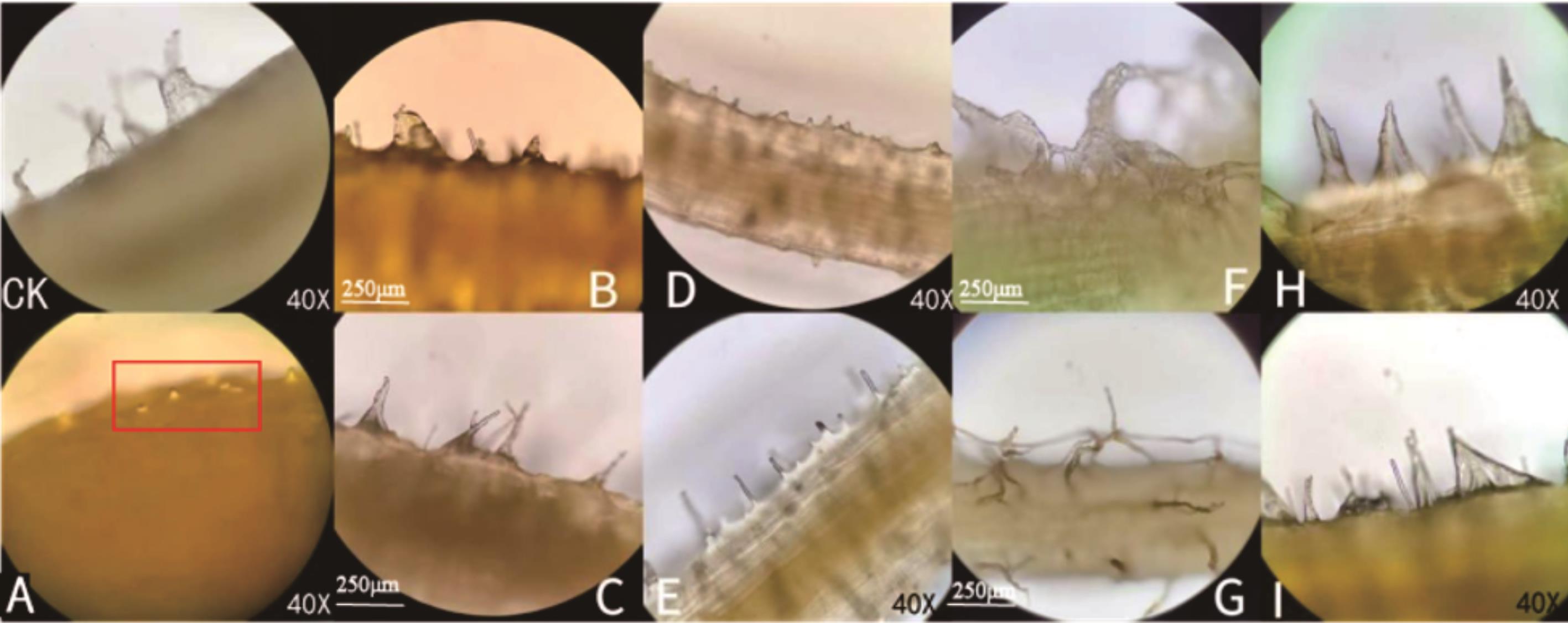
Fig.2 Morphological changes of root hairs in alfalfa seeds after germination under three phenolic acid treatments

Fig.3 Growth of alfalfa seedlings treated with different concentrations of ferulic acid

Fig.4 Growth of alfalfa seedlings treated with different concentrations of caffeic acid

Fig.5 Growth of alfalfa seedlings treated with different concentrations of coumarin
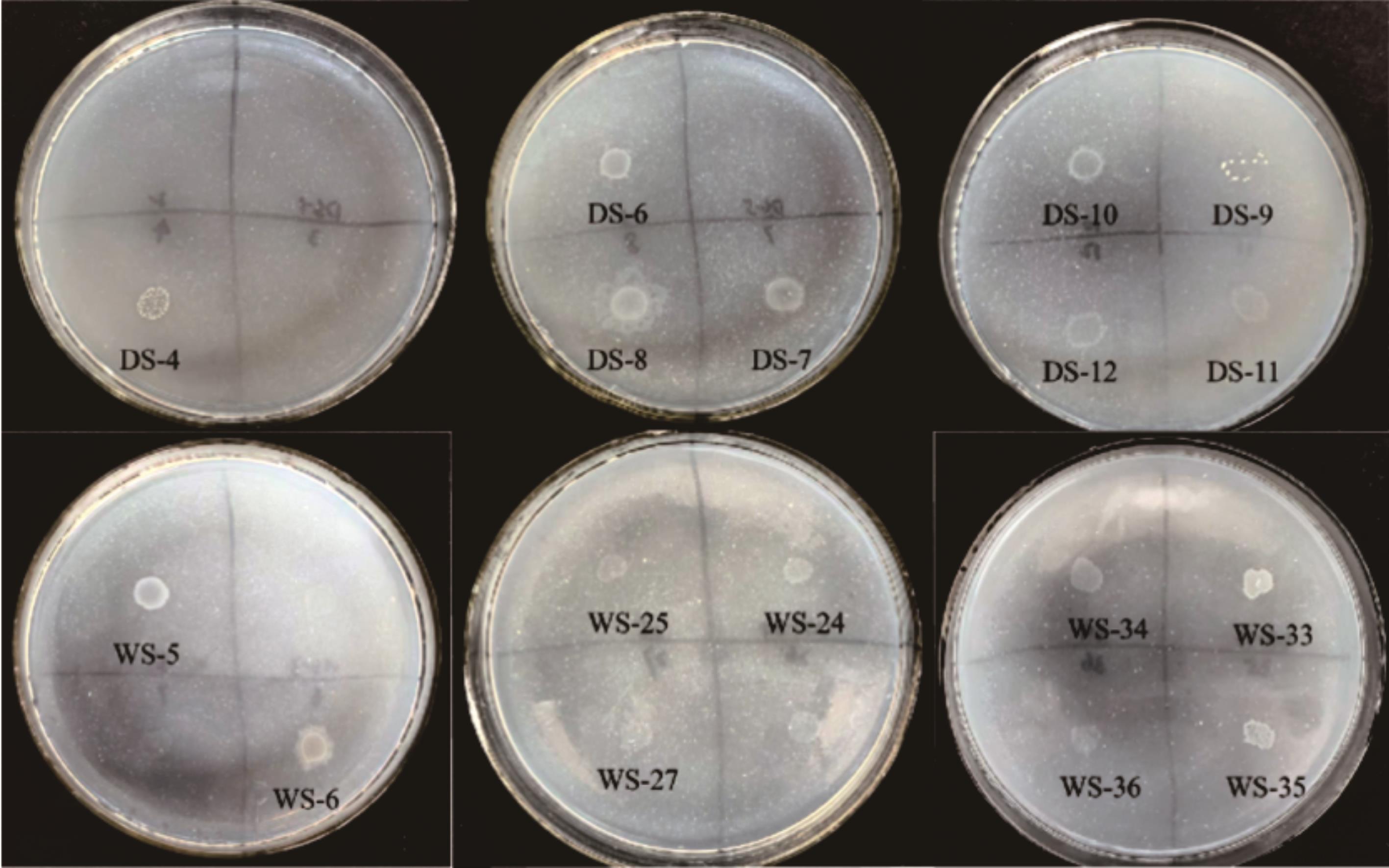
Fig.6 Growth status of the strains in the coumarin medium

Fig.7 Growth status of the strains in the coumarin inorganic salt medium
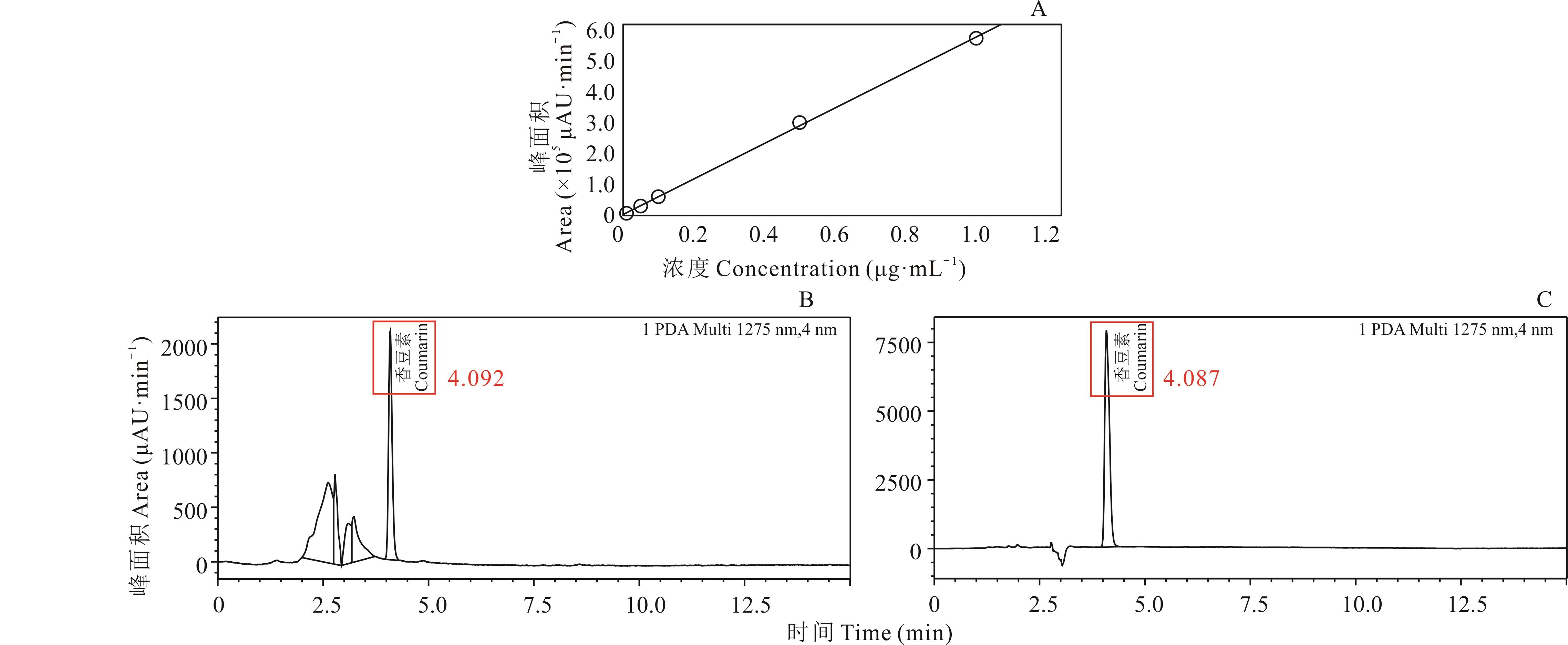
Fig.8 High-performance liquid chromatogram of 300 mg·L-1 coumarin
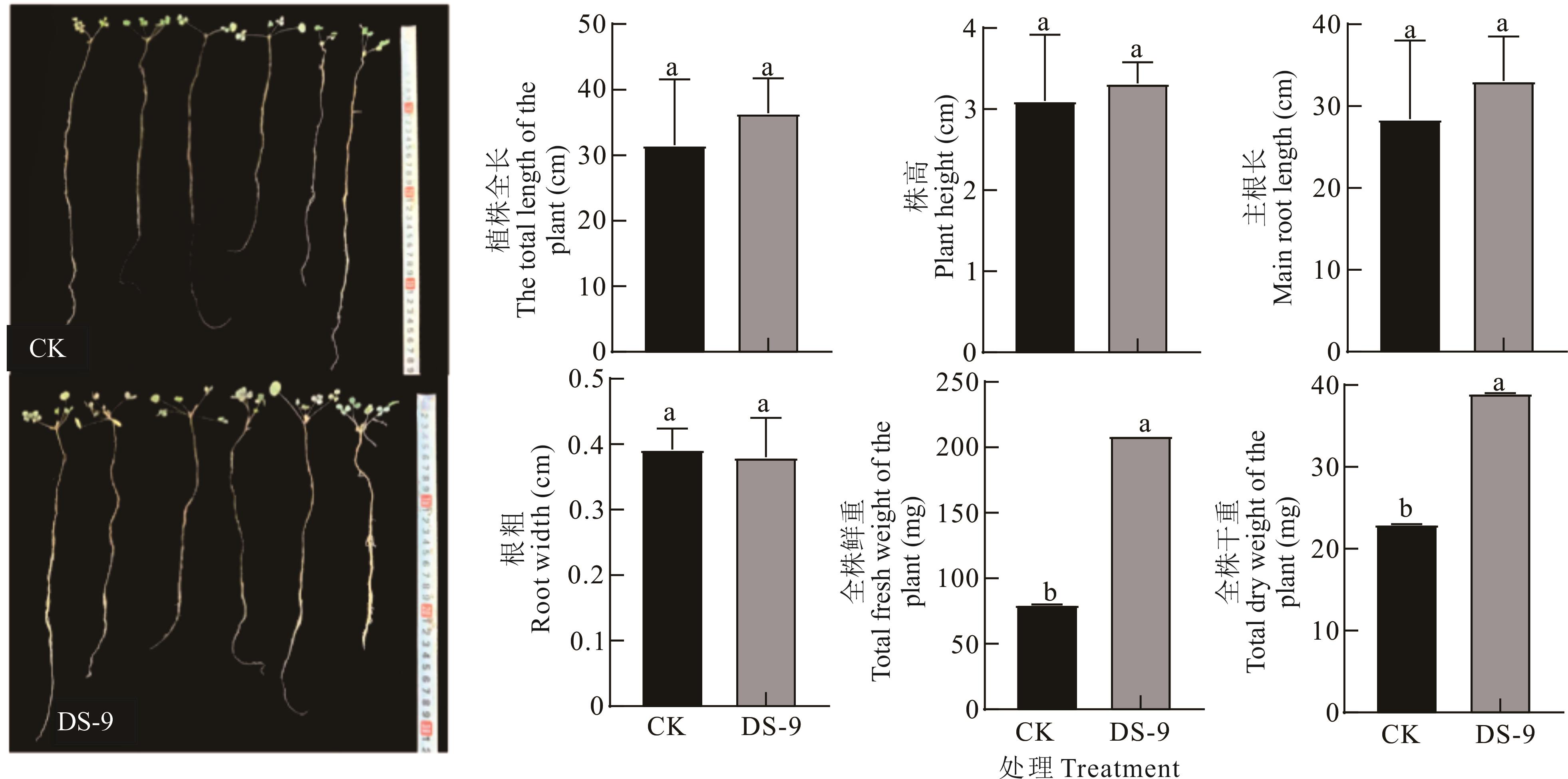
Fig.9 Growth of alfalfa after Bacilluscereus DS-9 inoculation under coumarin stress

Fig.10 The phylogenetic tree and morphology of DS-9 (B. cereus )
| [1] | Sun Q Z, Liu Q, Tao Y, et al. Research on alfalfa planting in Han, Wei, Jin, Southern and Northern Dynasties. Acta Prataculturae Sinica, 2017, 26(11): 185-195. |
| 孙启忠, 柳茜, 陶雅, 等. 两汉魏晋南北朝时期苜蓿种植利用刍考. 草业学报, 2017, 26(11): 185-195. | |
| [2] | Yuan Q H. Advances in alfalfa diseases in China. Plant Protection, 2007, 33(1): 6-10. |
| 袁庆华. 我国苜蓿病害研究进展. 植物保护, 2007, 33(1): 6-10. | |
| [3] | Wang X J, Zhang S Z, Lin S S, et al. Advances in study on bio-energy utilization of stem cell wall components in alfalfa (Medicago sativa L.). Scientia Agricultura Sinica, 2013, 46(8): 1694-1705. |
| 王晓娟, 张树振, 林双双, 等. 紫花苜蓿(Medicago sativa L.)生物能源利用的研究进展. 中国农业科学, 2013, 46(8): 1694-1705. | |
| [4] | Zheng R, Shi S L, Ma S C. Effect of autotoxicity and allelopathy on alfalfa and wheat. Pratacultural Science, 2019, 36(3): 849-860. |
| 郑瑞, 师尚礼, 马史琛. 苜蓿、小麦自毒及他感作用机理. 草业科学, 2019, 36(3): 849-860. | |
| [5] | Zhang Z J, Liu Y J, Yuan L, et al. Effect of allelopathy on plant performance: A Meta-analysis. Ecology Letters, 2021, 24(2): 348-362. |
| [6] | Chung I M, Miller D A. Allelopathic influence of nine forage grass extracts on germination and seedling growth of alfalfa. Agronomy Journal, 1995, 87(4): 767-772. |
| [7] | Wang J J, Liu L P, Guo P F. Thinking and forestry meaning on the allelopathy. Journal of Gansu Forestry Science and Technology, 2014, 39(3): 11-17. |
| 王俊杰, 刘丽萍, 郭鹏飞. 他感作用及其林学意义与思考. 甘肃林业科技, 2014, 39(3): 11-17. | |
| [8] | Wang X, Shen Y Y, Gao C Y, et al. Autotoxicity effects of aqueous extracts of different aged alfalfa on seeds germination. Acta Agrestia Sinica, 2008, 16(6): 609-612. |
| 王希, 沈禹颖, 高崇岳, 等. 异龄苜蓿水浸液对其种子萌发的自毒效应. 草地学报, 2008, 16(6): 609-612. | |
| [9] | Panda S, Kazachkova Y, Aharoni A. Catch-22 in specialized metabolism: Balancing defense and growth. Journal of Experimental Botany, 2021, 72(17): 6027-6041. |
| [10] | Wu B, Shi S S, Zhang H H, et al. Study on the key autotoxic substances of alfalfa and their effects. Plants, 2023, 12(18): 3263. |
| [11] | Zhang X Y, Shi S L, Li X L, et al. Effects of autotoxicity on alfalfa (Medicago sativa): Seed germination, oxidative damage and lipid peroxidation of seedlings. Agronomy, 2021, 11(6): 1027. |
| [12] | Wang J, Liu W Z, Zhong L P, et al. Spatial variability of soil moisture and aboveground biomass of alfalfa under long term alfalfa continuous planting//Youth Work Committee of the Chinese Ecological Society. Proceedings of the Fifth Academic Symposium of Young Ecologists in China. Beijing: Science Press, 2008: 470-475. |
| 王俊, 刘文兆, 钟良平, 等. 长期苜蓿连作草地地上部分生物量与土壤水分的空间差异性//中国生态学会青年工作委员会.第五届中国青年生态学工作者学术研讨会论文集. 北京: 科学出版社, 2008: 470-475. | |
| [13] | Yin G L, Cai Z S, Tao R, et al. Effects of different crop rotations on soil nutrient, microorganism abundance and soil allelochemical levels in alfalfa. Acta Prataculturae Sinica, 2019, 28(3): 42-50. |
| 尹国丽, 蔡卓山, 陶茸, 等. 不同草田轮作方式对土壤肥力、微生物数量及自毒物质含量的影响. 草业学报, 2019, 28(3): 42-50. | |
| [14] | Fan Y W, Xin X L, Zhong X Y, et al. Effects of intercropping of maize and legume cover crops on enzyme activities and fungal community characteristics in fluvo-aquic soil. Acta Pedologica Sinica, 2021, 58(6): 1236-1243. |
| 范祎玮, 信秀丽, 钟新月, 等. 玉米豆科覆盖作物间作对潮土酶活性和真菌群落特征的影响. 土壤学报, 2021, 58(6): 1236-1243. | |
| [15] | Ayun. Characteristics of alfalfa and Poa pratensis rotation sequences on aboveground dry biomass, forage quality and soil nitrogen. Lanzhou: Gansu Agricultural University, 2019. |
| 阿芸. 紫花苜蓿与草地早熟禾轮作序列的地上干物质量、饲用品质及土壤氮素特征. 兰州: 甘肃农业大学, 2019. | |
| [16] | Li Z Y, Xu Z M, Shi S L, et al. Effects of different crop rotations on alfalfa yield and soil quality in the Jianghuai area. Acta Prataculturae Sinica, 2019, 28(8): 28-39. |
| 李争艳, 徐智明, 师尚礼, 等. 江淮地区不同轮茬作物对苜蓿产量及根际土壤质量的影响. 草业学报, 2019, 28(8): 28-39. | |
| [17] | Wu H J, Yang G F, Sun J, et al. The responses of soil structures and nutrients under different alfalfa-planting patterns. Acta Agriculturae Boreali-Sinica, 2015, 30(5): 189-196. |
| 武海杰, 杨国锋, 孙娟, 等. 苜蓿不同种植模式下土壤结构及养分的响应. 华北农学报, 2015, 30(5): 189-196. | |
| [18] | Taiz L, Zeiger E, Møller I M, et al. Secondary metabolism and plant defense//Murphy A. Plant physiology and development (6th ed). Sunderland: Sinauer Associates, 2018: 229-234. |
| [19] | Xu Y X, Liu J J, Liu X F, et al. Continuous cropping of alfalfa (Medicago sativa L.) reduces bacterial network complexity but increases stability in the black soil region of northeast China. Soil Ecology Letters, 2021, 3(4): 1-13. |
| [20] | Yao Q, Xu Y X, Liu X F, et al. Dynamics of soil properties and fungal community structure in continuous-cropped alfalfa fields in Northeast China. PeerJ, 2019, 7: e7127. |
| [21] | Xu Y X, Liu Z X, Shen Z B, et al. Alfalfa with forage crop rotation alleviates continuous alfalfa obstacles through regulating soil enzymes and bacterial community structures. Agronomy, 2024, 14(7): 1349. |
| [22] | Li C, Shi L, Wang K C, et al. Crop rotation differentially increases soil bacterial and fungal diversities in global croplands: A Meta-analysis. Nature Communications, 2025, 16: 11686. |
| [23] | Rong S C, Shi S L, Sun C C. Determination of coumarins and major phenolic acids in plant and rhizosphere soil of alfalfa (Medicago sativa L.). Soils, 2016, 48(5): 931-938. |
| 荣思川, 师尚礼, 孙灿灿. 苜蓿植株及根际土壤中主要酚酸和香豆素物质含量测定. 土壤, 2016, 48(5): 931-938. | |
| [24] | Abdul R A, Habib S A. Allelopathic effect of alfalfa (Medicago sativa L.) on blady grass (Imperata cylindrica). Journal of Chemical Ecology, 1989, 16(7): 2289-2300. |
| [25] | Wyman-Simpson C L, Waller G R, Jurzysta M, et al. Biological activity and chemical isolation of root saponins of six cultivars of alfalfa (Medicago sativa L.). Plant and Soil, 1991, 135(1): 83-94. |
| [26] | Tang L Z, Zhong S M, Chen D Y, et al. Research progress in plant autotoxicity and biodegradation. Acta Agriculturae Jiangxi, 2025, 37(6): 46-54, 121. |
| 唐龙珠, 钟淑敏, 陈德远, 等. 植物自毒作用及生物降解研究进展. 江西农业学报, 2025, 37(6): 46-54, 121. | |
| [27] | Tang S, Zhang Z, Liu X, et al. Study on screening and degradation effect of autotoxin-degrading bacteria in muskmelon. Agronomy, 2023, 13(5): 1334. |
| [28] | Zhang C Y, Liu S P, Guo Q Y, et al. Sphingobium sp. V4, a bacterium degrading multiple allelochemical phenolic acids. Annals of Microbiology, 2024, 74(1): 5. |
| [29] | Liu D L, Ge X, Pan D D, et al. Bacillus subtilis B55 degraded the ferulic acid and p-coumaric acid and changed the soil bacterial community in soils. Journal of Applied Microbiology, 2024, 135(9): 243. |
| [30] | Wang H W, Cai X Y, Xu M, et al. Enhanced biocontrol of cucumber Fusarium wilt by combined application of new antagonistic bacteria Bacillus amyloliquefaciens B2 and phenolic acid-degrading fungus Pleurotus ostreatus P5. Frontiers in Microbiology, 2021, 12: 713-725. |
| [31] | Ma W F. A novel strain of Bacillus cereus with a strong antagonistic effect specific to Sclerotinia and its genomic and transcriptomic analysis. Haikou: Hainan University, 2024. |
| 马万福.一株对核盘菌具有强拮抗作用的蜡样芽孢杆菌及其基因组学和转录组学分析. 海口: 海南大学, 2024. | |
| [32] | Dai Y, Peng J J, Zhang T Y, et al. Optimization of fermentation conditions and inhibition effect of a strain of Bacillus cereus producing inhibitory substances. Journal of Anhui Agricultural Sciences, 2024, 52(6): 6-9. |
| 戴悦, 彭金菊, 张腾月, 等. 一株蜡样芽孢杆菌产抑菌物质发酵条件优化及抑菌效果研究. 安徽农业科学, 2024, 52(6): 6-9. | |
| [33] | Qin G H, Yuan H B, Wang Z N, et al. Antagonistic activity of volatile organic compounds of Bacillus cereus strain G3-17 against apple ring rot. Acta Horticulturae Sinica, 2024, 51(6): 1403-1412. |
| 覃艮红, 袁洪波, 王卓妮, 等. 蜡样芽孢杆菌挥发物对苹果轮纹病菌的拮抗活性. 园艺学报, 2024, 51(6): 1403-1412. | |
| [34] | Liu R H, Zhang L, Guo S H, et al. Screening of Bacillus cereus for efficient degradation of ammonia nitrogen and experimental evaluation of ammonia nitrogen degradation effect in sewage. Tianjin Agricultural Sciences, 2025, 31(3): 79-85. |
| 刘荣徽, 张琳, 郭圣辉, 等. 氨氮高效降解蜡样芽孢杆菌的筛选与污水中氨氮降解效果试验评估. 天津农业科学, 2025, 31(3): 79-85. | |
| [35] | Yin M L, Lai J L, Yang X, et al. Analysis of TNT degradation and tolerance mechanism of Bacillus cereus strain T4. Asian Journal of Ecotoxicology, 2024, 19(5): 309-320. |
| 尹茂灵, 赖金龙, 杨旭, 等. 蜡样芽孢杆菌T4对TNT的降解及耐受机制. 生态毒理学报, 2024, 19(5): 309-320. | |
| [36] | Liu S J, Hu X M, Zhang C P, et al. Study on the degradation characteristics of DEHP by Bacillus cereu. Yunnan Chemical Technology, 2024, 51(7): 70-75. |
| 刘淑娟, 胡雪敏, 张翠萍, 等. 蜡样芽孢杆菌对邻苯二甲酸二(2-乙基己基)酯的降解特性研究. 云南化工, 2024, 51(7): 70-75. | |
| [37] | Xiang X Z, Xie Y, Tian D, et al. Microbial degradation mechanism and pathway of the insecticide thiamethoxam by isolated Bacillus cereus from activated sludge. Environmental Research, 2024, 246: 117929. |
| [1] | Dong-wen YU, Xiao-tong WANG, Yong-long MA, Xuan WU, Jin-hui YANG, Yu-hua TONG, Shu-xia LI. Effects of 2,4-epibrassinolide on the physiological characteristics of alfalfa under drought stress [J]. Acta Prataculturae Sinica, 2026, 35(9): 63-74. |
| [2] | Jin-hui YANG, Xiao-tong WANG, Yong-long MA, Dong-wen YU, Yu-hua TONG, Shu-xia LI. Effect of CeO2 NPs on the salt tolerance of alfalfa seedlings [J]. Acta Prataculturae Sinica, 2026, 35(8): 45-54. |
| [3] | Zhao-peng HUANG, Rong HE, Li-li NAN, Jia-le LIU, Wen-ke YANG. Effects of exogenous melatonin on endogenous hormones and organic acids in alfalfa seedlings under low-phosphorus stress [J]. Acta Prataculturae Sinica, 2026, 35(8): 55-64. |
| [4] | Xia WANG, Meng-yu YAN, Qian-xi WANG, Zhen-wu WEI, Jia WEI, Zheng-feng CAO, Yan-yan LV, Chuan-jie ZHANG, Xue-yang MIN. A comparative study of the yield of alfalfa (Medicago sativa) varieties with different fall dormancy in the Yangtze-Huaihe region [J]. Acta Prataculturae Sinica, 2026, 35(8): 65-83. |
| [5] | Fen-qi CHEN, Jin-qing ZHANG, Yi-jian YU, Zhen-yu LI. Identification, bioinformatics analysis of AP2 subfamily genes and MsBBM gene cloning in alfalfa [J]. Acta Prataculturae Sinica, 2026, 35(7): 117-134. |
| [6] | Hao-zhen LIU, Jia-lu CHAO, Shi-qin ZHAO, Cheng WANG, Jing-hong ZHANG, Shou-jiang SUN. Genome-wide identification of BBR-BPC genes in Medicago sativa and their transcript profiles in response to seed aging [J]. Acta Prataculturae Sinica, 2026, 35(7): 135-150. |
| [7] | Wu LI, Jia-jing LI, Jie-bing LI, Zhen-zhou LI, Ming GUO, Yan NIU, Hao SUN, De-feng LI, Ying-hua SHI, Zhen-tian LI, Bo-shuai LIU, Ya-lei CUI, Zhi-chang WANG, Yong-tao LI, Xiao-yan ZHU. Optimization of fermentation and ultrasound-assisted extraction parameters for alfalfa saponins [J]. Acta Prataculturae Sinica, 2026, 35(7): 201-216. |
| [8] | Jiang-ping MA, Li-juan CAO, Wen-wen ZHANG, Meng-yu ZHAO, Teng-fei WANG, Yi-yin ZHANG, Bin WANG, Jia-wang LI, Xiao-bing WANG, Jian LAN. Effects of reseeding and phosphorus application on productivity and soil in improvement of degraded alfalfa stands [J]. Acta Prataculturae Sinica, 2026, 35(7): 92-104. |
| [9] | Jiang-bo XU, Chang-wei MEI, Dong CHEN, Run-yao JIANG, Song-chang GUO, Xiu-hong WU, Ju-ying LUO, Hai-yuan HUANG, Fang LIU. The effect of alfalfa meal on the average daily gain, slaughter performance, meat quality, and serum biochemical indicators of two different hybrid lines of Liangsan pigs [J]. Acta Prataculturae Sinica, 2026, 35(6): 202-215. |
| [10] | Meng-yu REN, Li-qun WANG, Li-li NAN, Jia-yu GUO. Responses of new alfalfa lines to salt stress [J]. Acta Prataculturae Sinica, 2026, 35(6): 24-34. |
| [11] | Wen-hui DENG, Xiao-na ZHAO, Jia-yi YONG, Si-yu GUAN, Guo-qiang HU, Teng-fei WANG, Hai-ying HU. Effects of intercropping oat with different densities on alfalfa seed yield and its constituent factors [J]. Acta Prataculturae Sinica, 2026, 35(4): 100-111. |
| [12] | Ping MA, Zhi-guo LIU, Yu-shu SHA, Ya-ling LIU, Xiao-mei TUO, Bing-zhe FU, Xue-qing GAO. Nitrogen utilization characteristics of alfalfa at the seedling stage and screening of nitrogen-efficient varieties [J]. Acta Prataculturae Sinica, 2026, 35(4): 112-123. |
| [13] | Tian ZHANG, Hua-juan LENG, Jing CUI, Fei HE, Xue WANG, Ming-na LI, Qing-chuan YANG, Jun-mei KANG. Identification of synaptotagmin gene family members in alfalfa and their transcript profiles under abiotic stresses [J]. Acta Prataculturae Sinica, 2026, 35(4): 158-168. |
| [14] | Yu-hua TONG, Xiao-tong WANG, Yong-long MA, Jin-hui YANG, Dong-wen YU, Shu-xia LI. Effects of a chitosan seed soaking treatment on seed germination and growth of alfalfa under saline alkali stress [J]. Acta Prataculturae Sinica, 2026, 35(3): 245-256. |
| [15] | Jian-min DU, Zhan-jun WANG, Wei WANG, Xue-peng MA, Dong-ning LI, Ji-xiang LI. Response of drying rate and nutrient content changes to the main environmental factors during alfalfa natural drying in irrigation areas [J]. Acta Prataculturae Sinica, 2026, 35(2): 131-142. |
| Viewed | ||||||
|
Full text |
|
|||||
|
Abstract |
|
|||||
